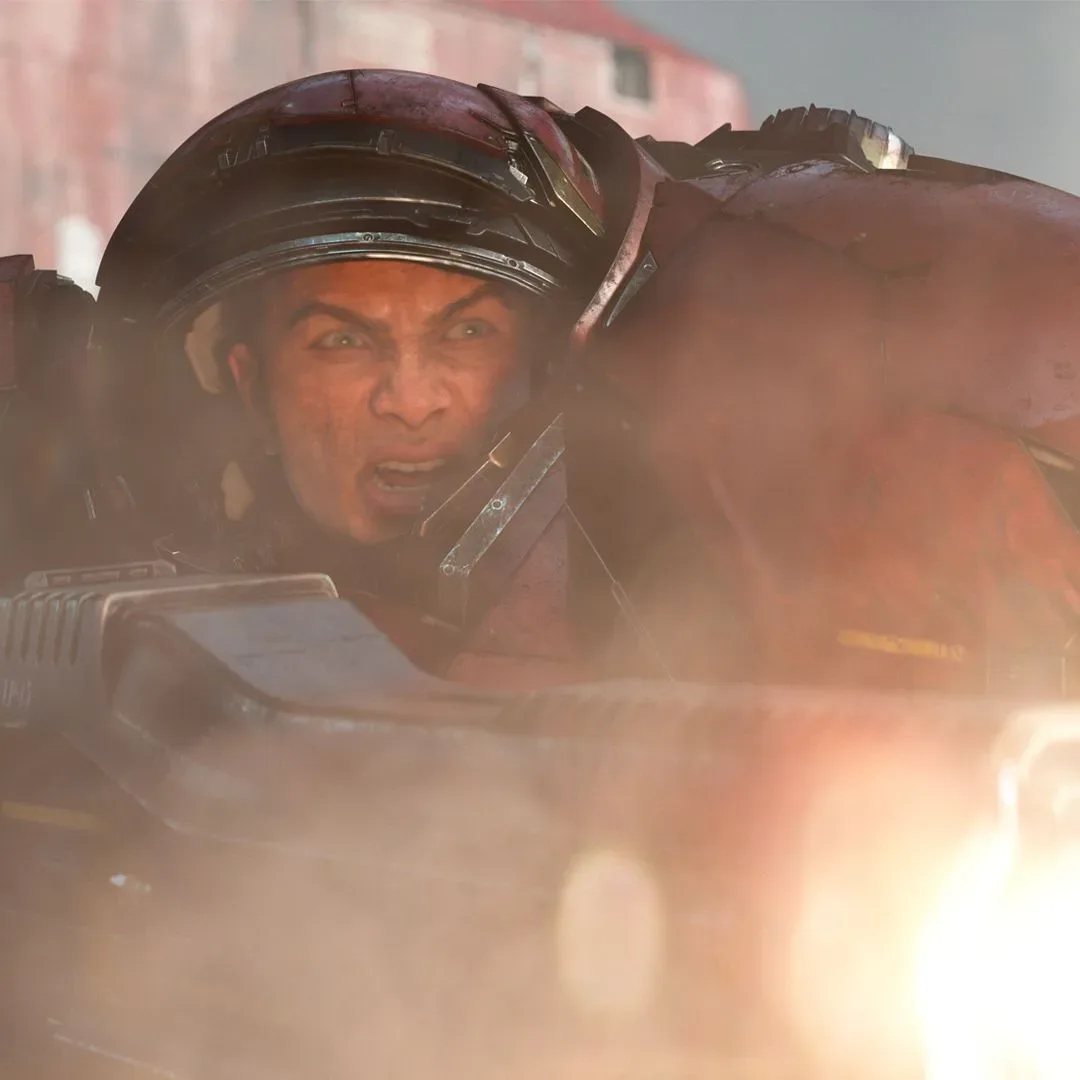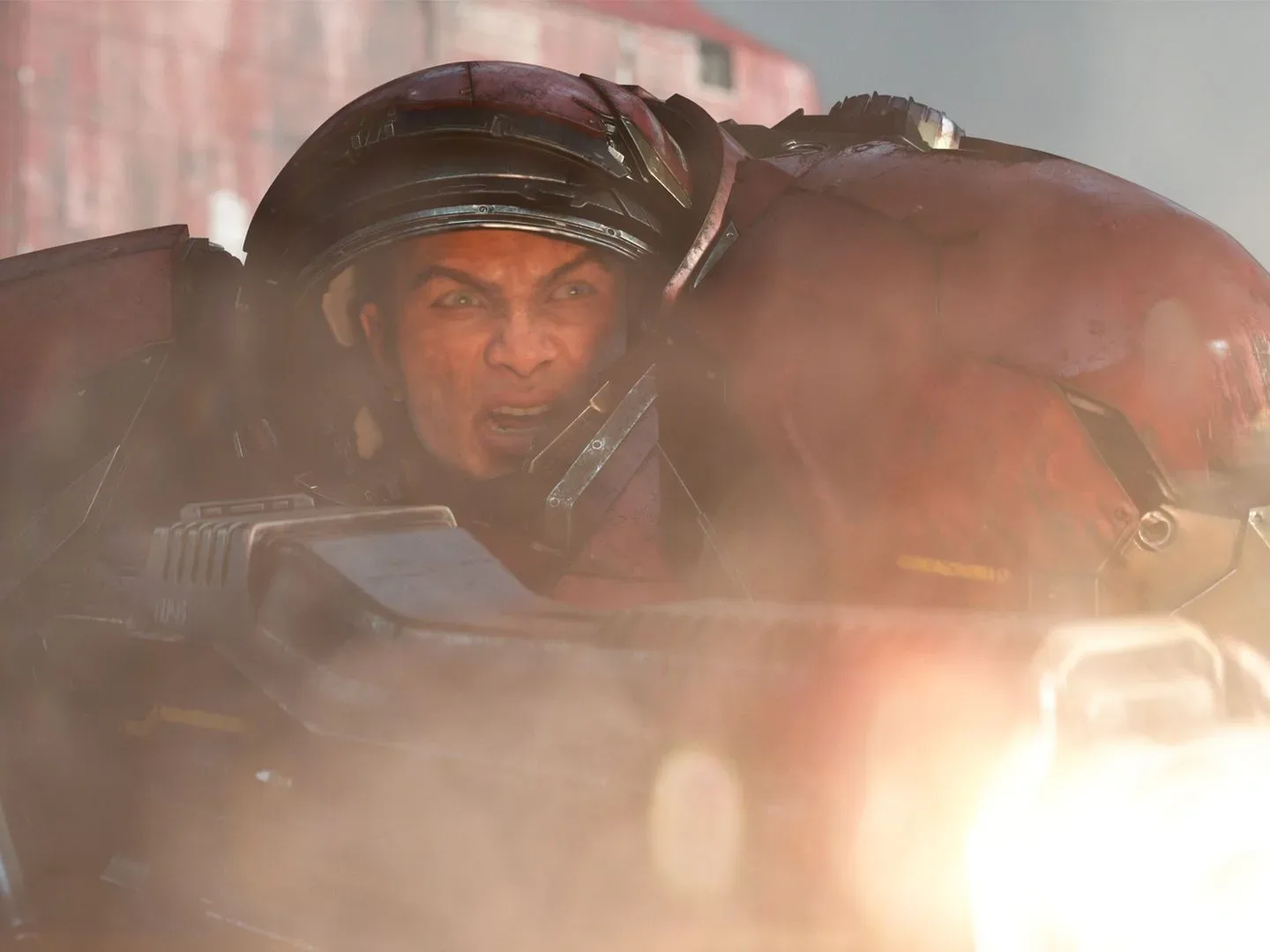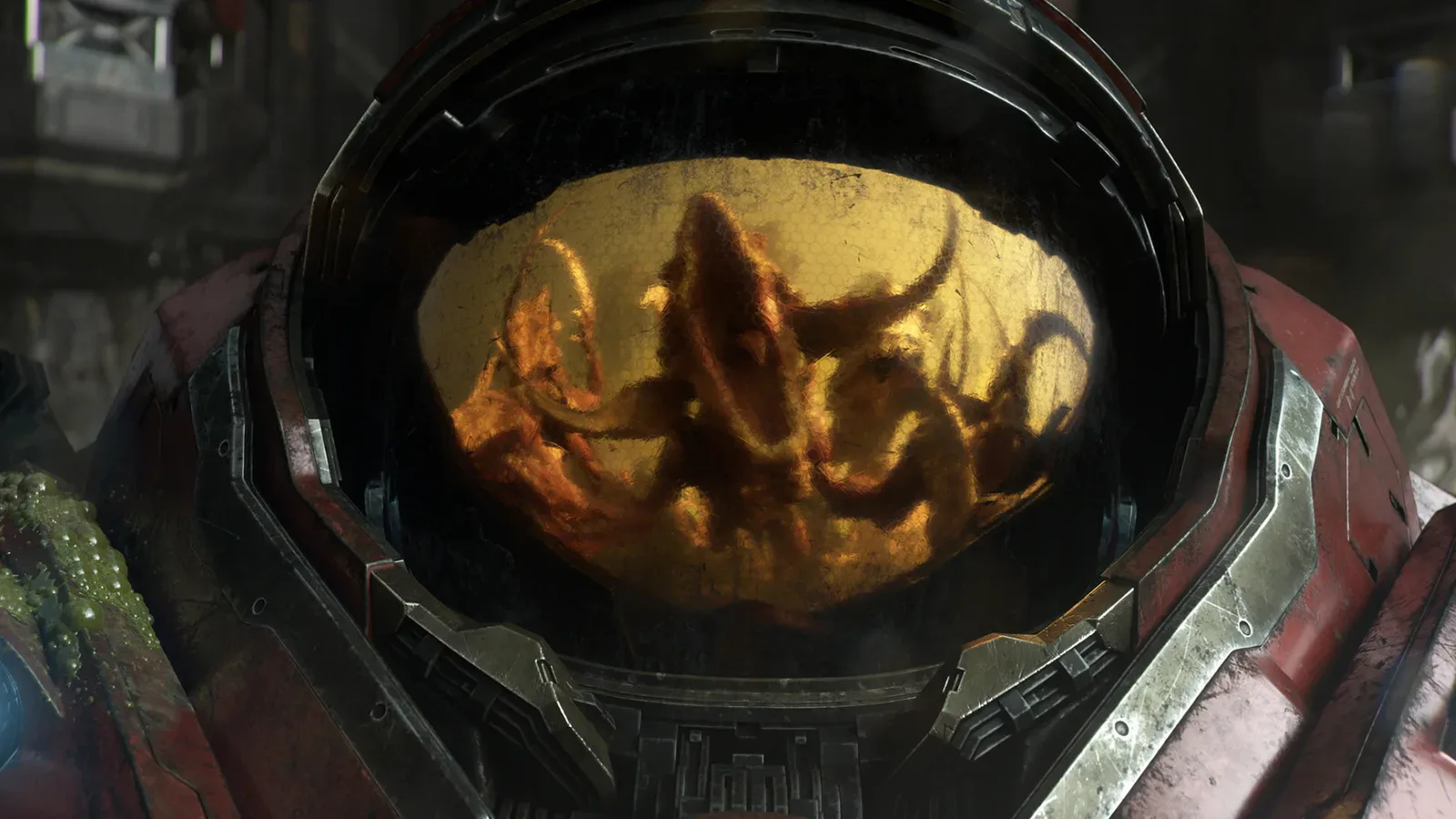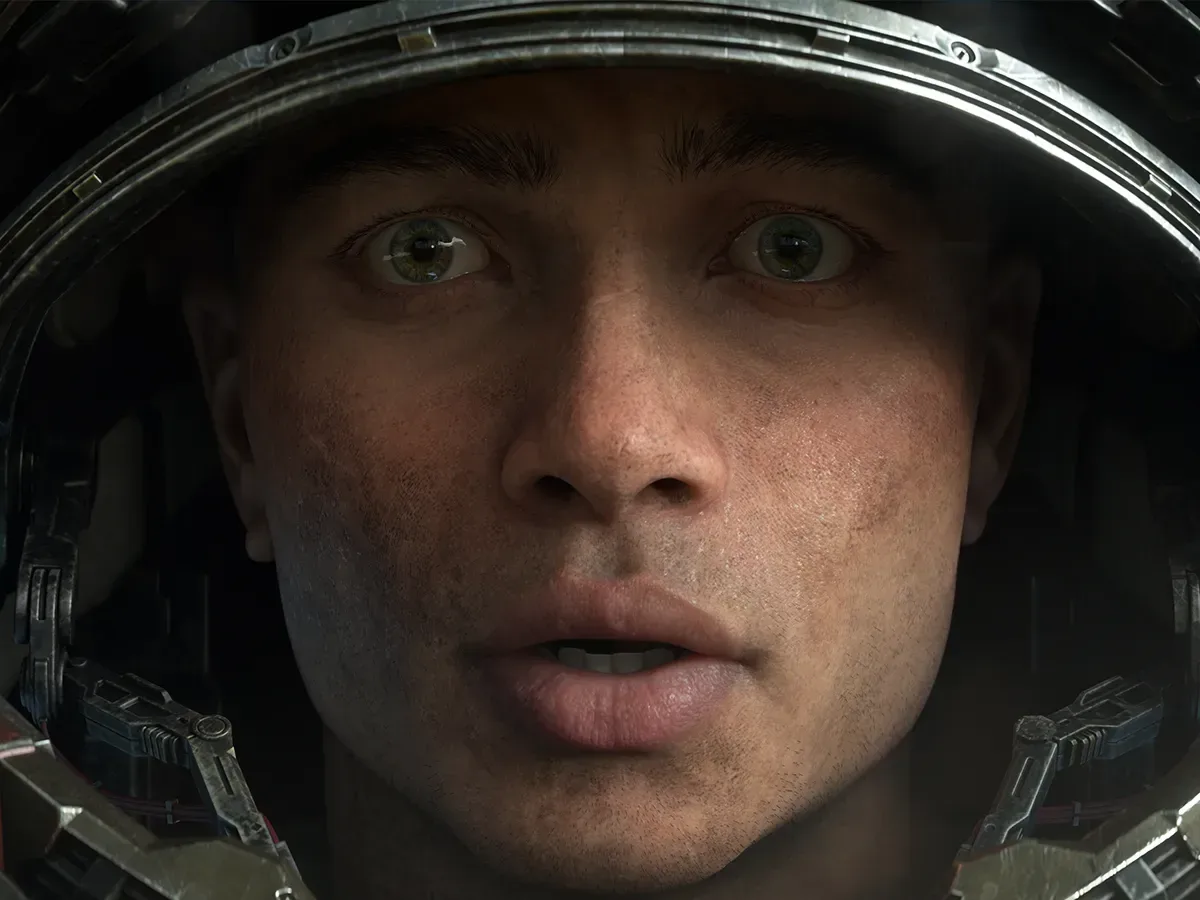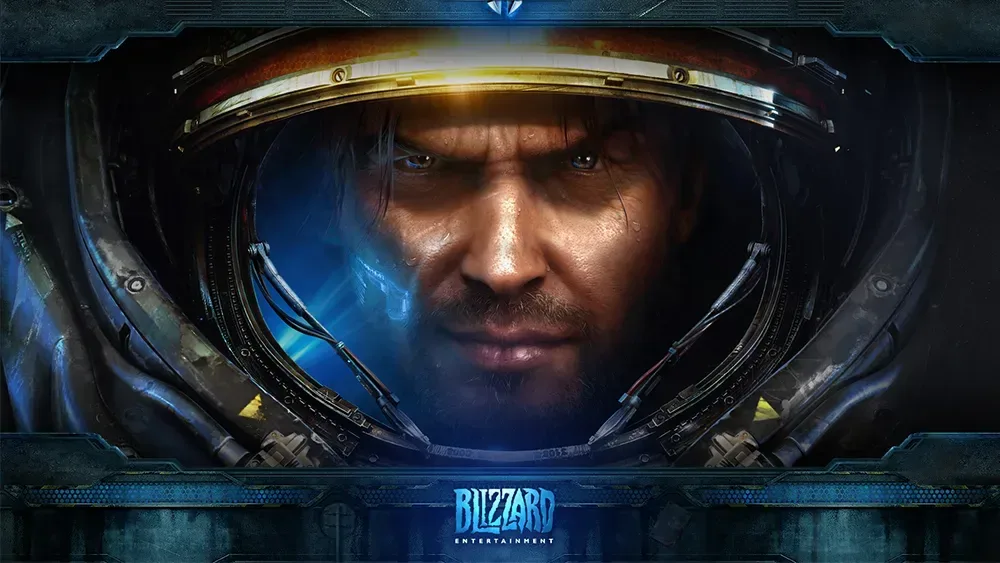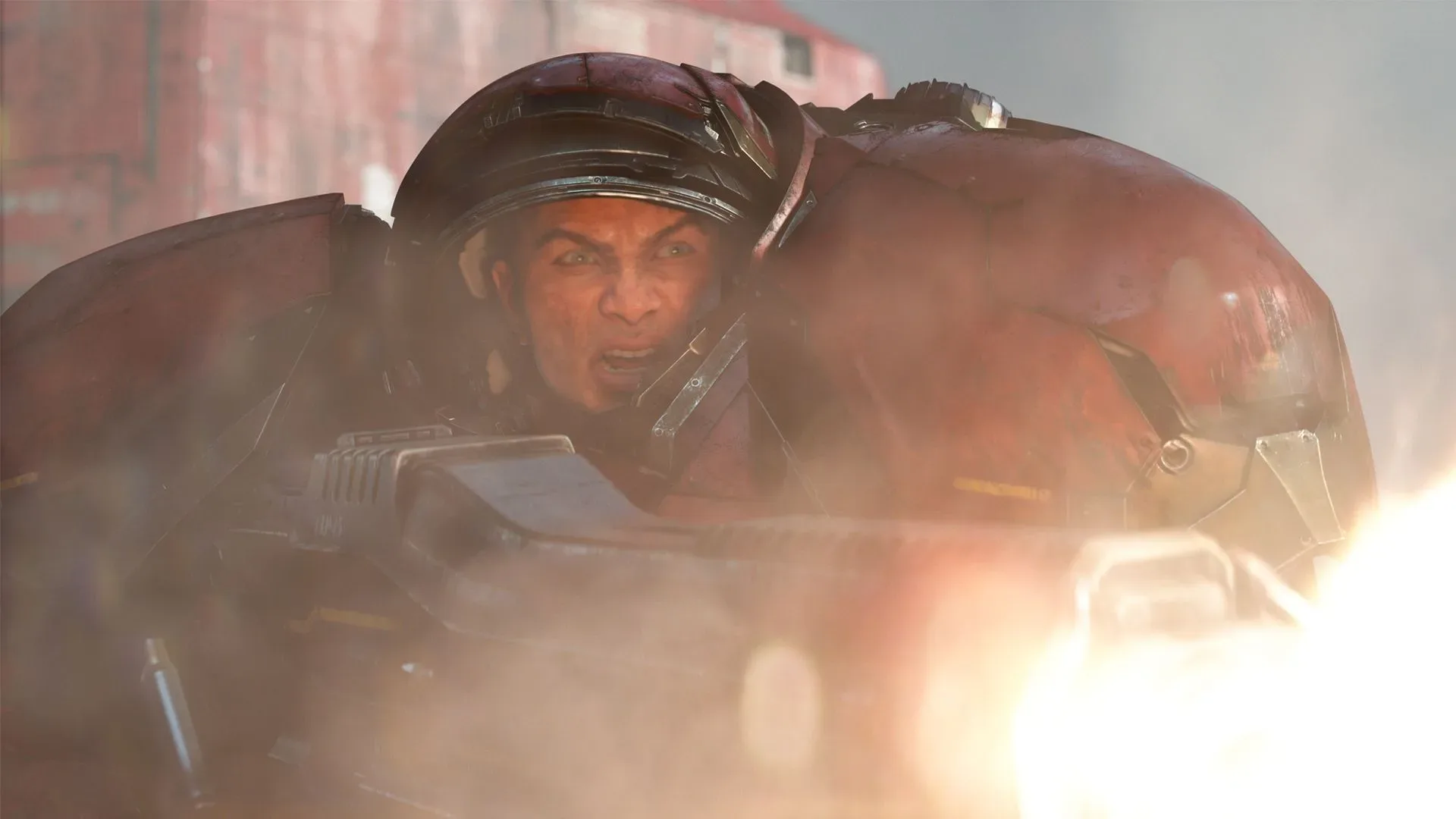
StarCraft is returning, but it is asking fans to keep a very large calendar handy. The newly confirmed game is a story-driven, open-world shooter targeting 2030, placing its release roughly four years beyond its BlizzCon 2026 reveal. That is an unusually long runway for a game announcement, and it has naturally prompted as many questions about the schedule as excitement about a fresh trip into the Koprulu Sector.
Dan Hay, the project lead and a former Far Cry leader, is not softening the significance of that date. Hay is leading the project with associate director AnaLee Haertling, and he has characterized the early announcement as a deliberate decision rather than a vague promise sent out to drift among the stars. In his view, a public 2030 target tells players the team is committed to delivering the game on that timeline.
“That shows that we’re serious. That shows everyone that that’s a date that we feel really confident about,” Hay said of the 2030 target.
That wording matters. Game studios often announce a project long before release, but they can be guarded about specific dates until development is much closer to the finish line. Here, the StarCraft team has attached a year to a project still in its early days. It is a firm-sounding statement of intent, even if it should not be read as a magic shield against the realities of making a major video game.
A return in a very different genre
The core news is not simply that StarCraft exists again. It is that the series is moving into an open-world shooter format. That marks a substantial change for a franchise defined first and foremost by real-time strategy: harvesting resources, constructing bases, choosing armies, and making decisions under relentless pressure. StarCraft’s Terrans, Zerg, and Protoss have supported an enormous amount of strategic drama, but the announced game will approach that universe from a different gameplay perspective.
The project has been described as story-driven as well as open-world, so narrative is clearly part of the pitch. Beyond that, many important details remain unconfirmed. There is no platform list in the available information, no announced player character, no explanation of how large or structured the world will be, and no detailed account of combat systems, cooperative play, competitive modes, progression, or the game’s relationship to classic StarCraft strategy. Those are not minor blanks. They are the questions that will determine what this new entry actually becomes.
For now, fans can reasonably hold two ideas at once: StarCraft is returning in a bold new form, and the full shape of that form is still a long way from being known. Anyone hoping for another conventional RTS should be careful not to assume one is hidden inside the shooter announcement. Likewise, anyone expecting an entirely disconnected action game has not yet been given enough information to make that call.
For a broader rundown of the confirmed premise and the lengthy wait ahead, see StarCraft’s return as a story-driven open-world shooter.
Related coverage includes New StarCraft Open-World Shooter Targets 2030 as Team Stresses Confidence in Its Timeline.
Why announce it so far ahead?
Hay’s answer is rooted in the community’s patience. StarCraft players have been waiting a long time for a new installment, and the team believes it is appropriate to begin sharing at least a small piece of what it is making. He said the developers had spent some time working on the game already, were proud of it, and felt it was ready to be shown in an initial way.
That does not mean the team has revealed a complete blueprint. In fact, the phrase “an inkling” is an apt description of what is currently public: genre, broad structure, key leadership, and a target year. But an early reveal can serve a real purpose beyond marketing. It tells a community that a dormant series is active again. It also begins a long, complicated conversation about whether the direction fits what people value about the name StarCraft.
There is no escaping the tension in that conversation. Four years is a long time in games. Hardware plans can change. Team priorities can change. Production can expose technical or design problems that were invisible at the concept stage. Ambitious open-world games, in particular, have many moving parts: traversal, combat encounters, missions, world-building, performance, accessibility, story pacing, systems design, and a vast number of small interactions players will notice immediately when they arrive.
None of that proves a delay is coming. It simply explains why some players will regard a 2030 target with caution, no matter how clearly it is stated. A release window is a goal that has to survive years of work. The important detail is that Hay did not treat the question as an invitation to hedge. He instead presented the date as something the team wants visible and constantly remembered.
The date on the wall
Hay’s description of the team putting the number on the wall is a straightforward image of accountability. In that framing, the year is not merely text for a trailer card; it is a shared point of focus inside the project. When someone asks when the game is meant to ship, the answer is right there.
It is also the kind of confidence that cuts both ways. Fans who are encouraged by the directness have something concrete to anticipate. Fans uneasy with early dates have a clear benchmark against which to measure future updates. Either way, the studio has made the schedule part of the public conversation earlier than many teams would choose to do.
There is a distinction worth preserving here. Hay said the team feels confident about 2030. He did not claim that game development is predictable down to the last day, and no public statement can eliminate risk years in advance. Confidence is meaningful, especially from a project lead, but it is not the same thing as a guarantee. Treating those as identical would set expectations that no development team can fully control.
What fans can reasonably watch for next
Until more is formally detailed, speculation will fill the vacuum. The healthiest way to follow the project is to separate confirmed information from wish lists. The confirmed list is currently short but significant:
- A new StarCraft game has been announced.
- It is planned as an open-world shooter with a story-driven focus.
- Dan Hay is project lead, alongside associate director AnaLee Haertling.
- The release target is 2030.
- The team has expressed strong confidence in that target.
Everything else needs to wait for official clarification. That includes platforms, gameplay footage, playable factions, setting, release timing within the year, and whether the game will lean toward solo play, shared-world features, or something else entirely. Even the phrase “open world” can describe wildly different structures from one game to another, so it is not yet a substitute for specifics.
Still, there is value in the announcement precisely because it makes the wait finite in spirit, if not yet precise in detail. StarCraft has not merely been the subject of rumors; it now has a named direction, leadership, and a year attached. The next challenge is for the team to turn that confidence into a clearer picture of why an open-world shooter is the right vehicle for one of gaming’s most recognizable science-fiction settings.
For the moment, 2030 is both the promise and the punchline. It is far enough away that players may be tempted to put the date in cryosleep, but close enough for the team to publicly own it. Hay’s message is unambiguous: the number is there because the developers want fans to know they are serious about reaching it.