Winamp is preparing a return to the music subscription business in 2027, but its proposed revival is not simply an updated version of the small desktop player remembered for MP3 libraries and elaborate skins. The company plans to introduce a new Winamp player with a premium streaming subscription powered by Deezer, while keeping the classic desktop application in place.
The arrangement gives Winamp a route into a part of music listening it could not build alone: licensed, on-demand streaming. Deezer will provide both the underlying streaming technology and the licensed music catalog. Winamp, meanwhile, will own the core product, the Winamp branding and its relationship with subscribers.
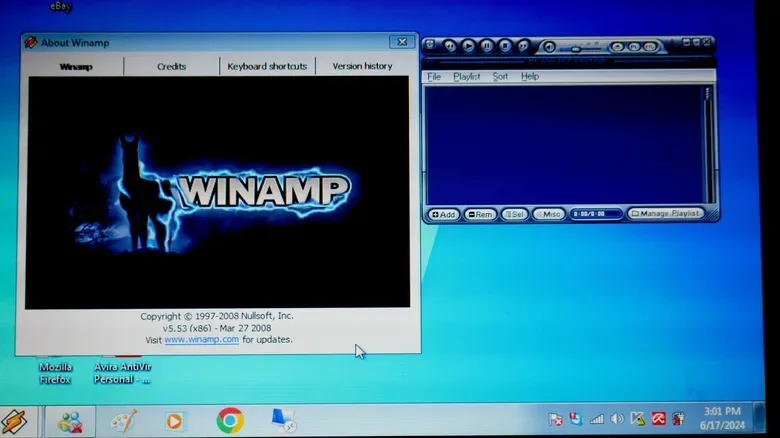
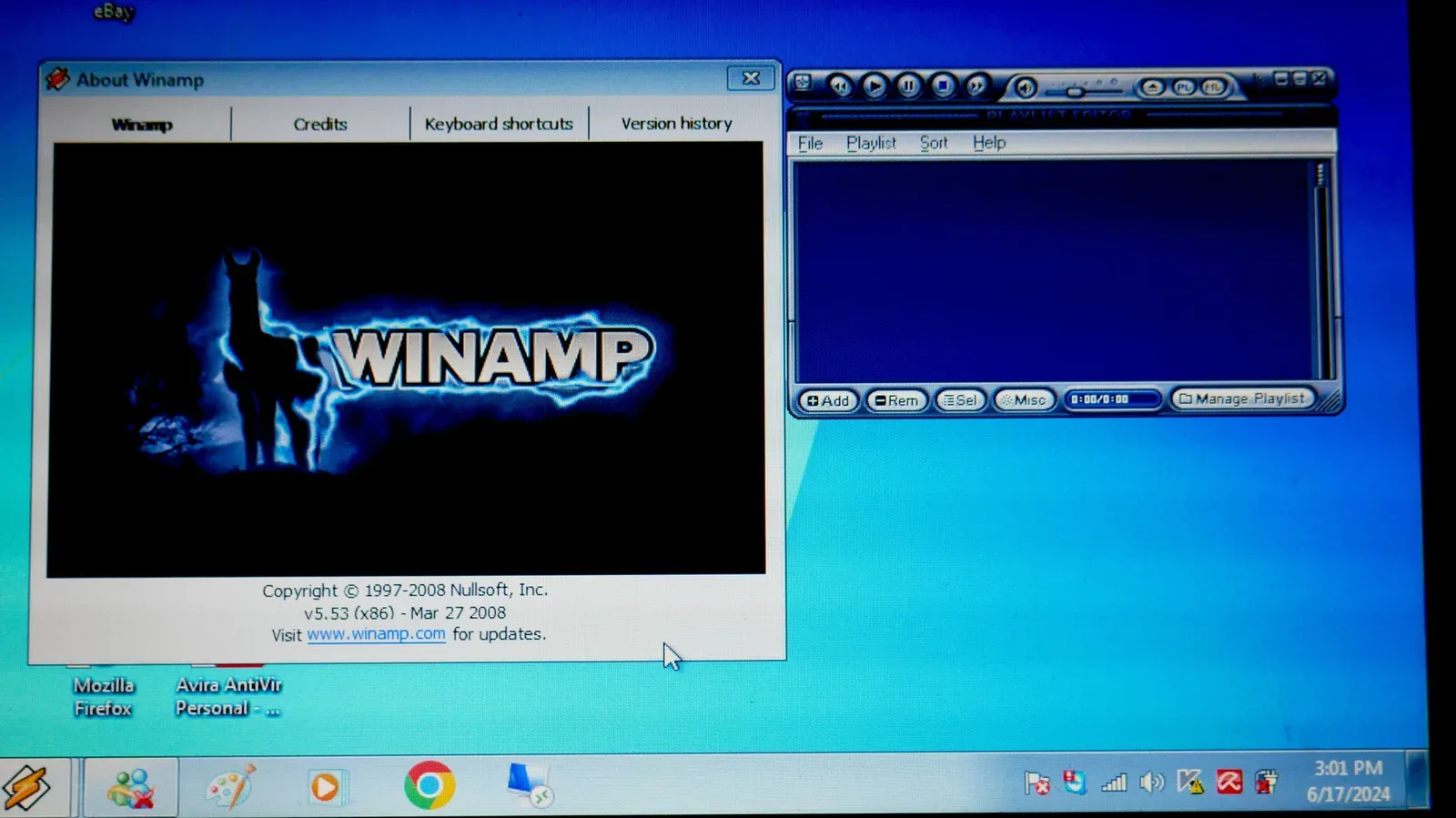
For people who still use the classic app, the important detail is that this is intended as an addition rather than a replacement. Winamp says the original desktop software has more than 40 million active users globally. The company plans to add the same Deezer-powered subscription to that classic application after the new player launches.
What the new Winamp is supposed to combine
The planned service is meant to bring several different music sources into one player: the paid streaming catalog, local music files, internet radio, podcasts and music libraries stored in the cloud. That proposed mix is central to the pitch. Streaming services typically organize listening around the catalog available through a subscription, while traditional desktop players are often defined by the files a listener already owns and manages.
“Local files” means music kept directly on a computer or other supported device, such as an existing MP3 collection. “Cloud-stored libraries” refers to music a listener keeps in online storage rather than solely on local hardware. Internet radio, meanwhile, is continuous radio-style programming delivered online rather than a listener selecting each track from an on-demand catalog.
Putting those sources into one interface could be useful for listeners whose collections are split between old downloads, personal archives and newer subscription listening. It could also preserve part of what made Winamp distinctive: the player was historically associated with personal libraries and customizable presentation rather than a single, fixed music storefront.
Winamp has also promised a customizable interface, social functions, and tools for music discovery and organization. Those are broad commitments rather than final feature specifications. There are no confirmed details yet on price, supported platforms or exactly how its claim of a subscription model “fundamentally different” from current streaming services will work. More product previews are planned in the coming months.
That absence of detail matters. A monthly subscription is not a complete product description, and platform support will be particularly important for software with a long association with Windows desktops. Listeners considering the service will need clearer information on where it runs, what music-management options remain available, how cloud libraries are handled, and what the subscription includes before comparing it with established streaming choices.
Why Deezer is the key to the plan
The deal is structured as a white-label partnership. In this kind of arrangement, one company supplies the technology or service behind the scenes, while another presents it under its own name and controls the customer-facing product. Here, Deezer is handling the streaming infrastructure and catalog; Winamp keeps its own product identity and subscriber relationship.
That division addresses two major obstacles for Winamp. A full streaming operation requires both technical systems capable of delivering music at scale and licenses that allow a service to offer the catalog. Winamp has neither its own music licenses nor its own streaming infrastructure. Through Deezer, it can make a streaming subscription available without building both foundations from scratch.
The agreement was signed on July 1 and later presented as part of Deezer for Business, the company’s revamped business-focused program. For Deezer, Winamp is its largest brand so far within this white-label effort.
The partnership also comes as Deezer looks to rebuild its partner business. In first-half 2026 results, Deezer reported 3.1 million subscriptions from partner deals, roughly 800,000 fewer than a year earlier. Revenue in that partnerships segment was €70.7 million, down 7.6 percent, following the wind-down of a bundle with Latin American retailer Mercado Libre.
Deezer had identified white-label agreements as a strategic priority for rebuilding that segment. Its recent partner areas include arrangements involving Telenor and French energy supplier EDF. Winamp offers a different proposition: a familiar music-software name that can supply brand recognition and a distinct product identity, while Deezer supplies the licensed streaming layer.
A revived idea with a more direct route
This is not Winamp’s first attempt to describe a broader, streaming-era future. In 2018, Alexandre Saboundjian—then leading Winamp owner Radioomy and now chief executive of Winamp Group—outlined plans for a new version the following year. The proposed experience was to cover home listening, MP3s, cloud libraries, podcasts and streaming radio.
That planned 2019 revival did not arrive. Its approach depended on assembling third-party streaming services within one application, which would have required outside integration agreements that were never announced.
The Deezer arrangement changes the underlying model. Rather than attempting to gather multiple outside streaming platforms, the new Winamp can offer a single Deezer-provided catalog and service from day one. That does not answer every product question, but it removes the licensing and integration problem that stood in the way of the earlier concept.
Winamp did receive a refreshed release in 2022, but its subsequent stewardship also included a complicated source-code episode. In September 2024, Winamp published the classic player’s source code on GitHub under a custom license that initially prevented distribution of forks. A fork is an independently modified version of a codebase. The repository was removed weeks later after criticism of the license and the discovery of proprietary code belonging to Dolby and Microsoft.
That history is relevant because it separates the nostalgia around the classic player from the practical work of maintaining software and launching a licensed streaming business. The 2027 project is not presented as an open-source revival, and it is not merely a cosmetic refresh of old software. It is a commercial subscription product built around an external streaming provider.
What it could mean for longtime users
The promise to keep the classic desktop player alongside the new platform is arguably the most reassuring part of the plan. Existing users are not being told that local-file listening must be abandoned for a subscription-only replacement. Instead, Winamp intends to layer a Deezer-backed option into the established app after launch.
Whether that produces a clean experience will depend on the details still to come. Combining local collections and subscription catalogs can be convenient, but it also creates organizational questions. Listeners may want to know whether personal files and streamed releases can sit together in the same playlists, how missing metadata is handled, and whether the interface gives equal attention to libraries users already own.
Customization is another area where Winamp’s identity will be tested. A customizable interface could preserve the sense that the player belongs to the listener rather than functioning as a locked-down catalog window. Yet no specific customization tools have been confirmed, so it is too early to assume that older skins or workflows will carry over.
For desktop music listeners, audio setup remains separate from the player itself. A new service cannot automatically solve speaker placement, receiver configuration or surround-sound issues; those are worth addressing at the system level, as explained in these home surround-sound fixes.
An ambitious comeback, with major questions still open
Winamp’s planned 2027 launch would be its first premium subscription offering across a history approaching 30 years. It is also a notable turn for a brand that AOL had intended to close in 2013 before it was sold to Radionomy.
The Deezer partnership provides a far more concrete foundation than the unfulfilled 2019 plan: catalog licensing, streaming technology and a defined division of responsibilities are already part of the deal. At the same time, the points consumers usually need first—price, platforms, subscription terms and finished feature behavior—have not been revealed.
For now, the project is best understood as a planned fusion of two listening habits: the personally managed library associated with classic Winamp and the licensed subscription catalog associated with modern streaming. The idea has clear appeal for users who never stopped keeping music files of their own. Its success will depend on whether the eventual product makes that combination feel genuinely useful rather than merely nostalgic.