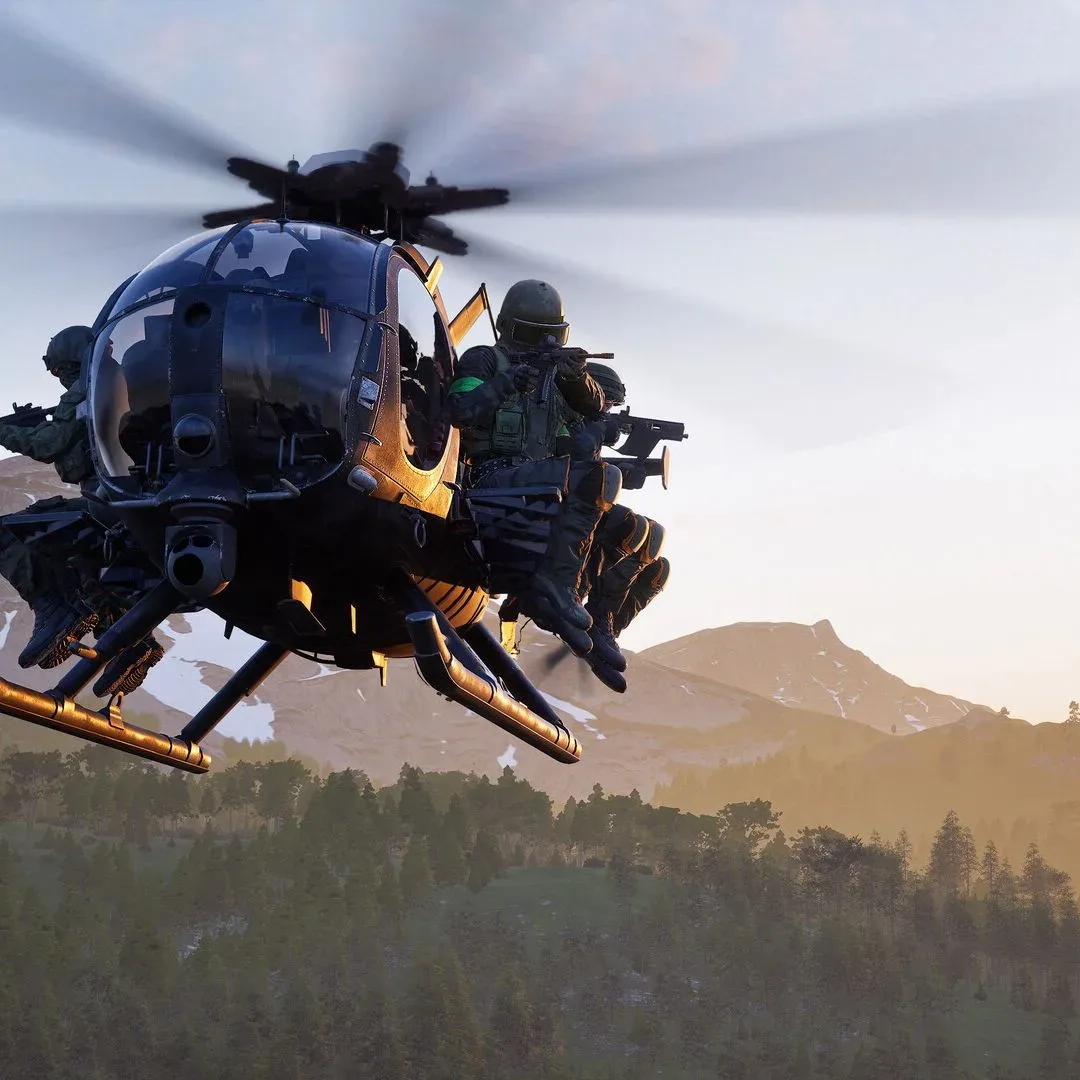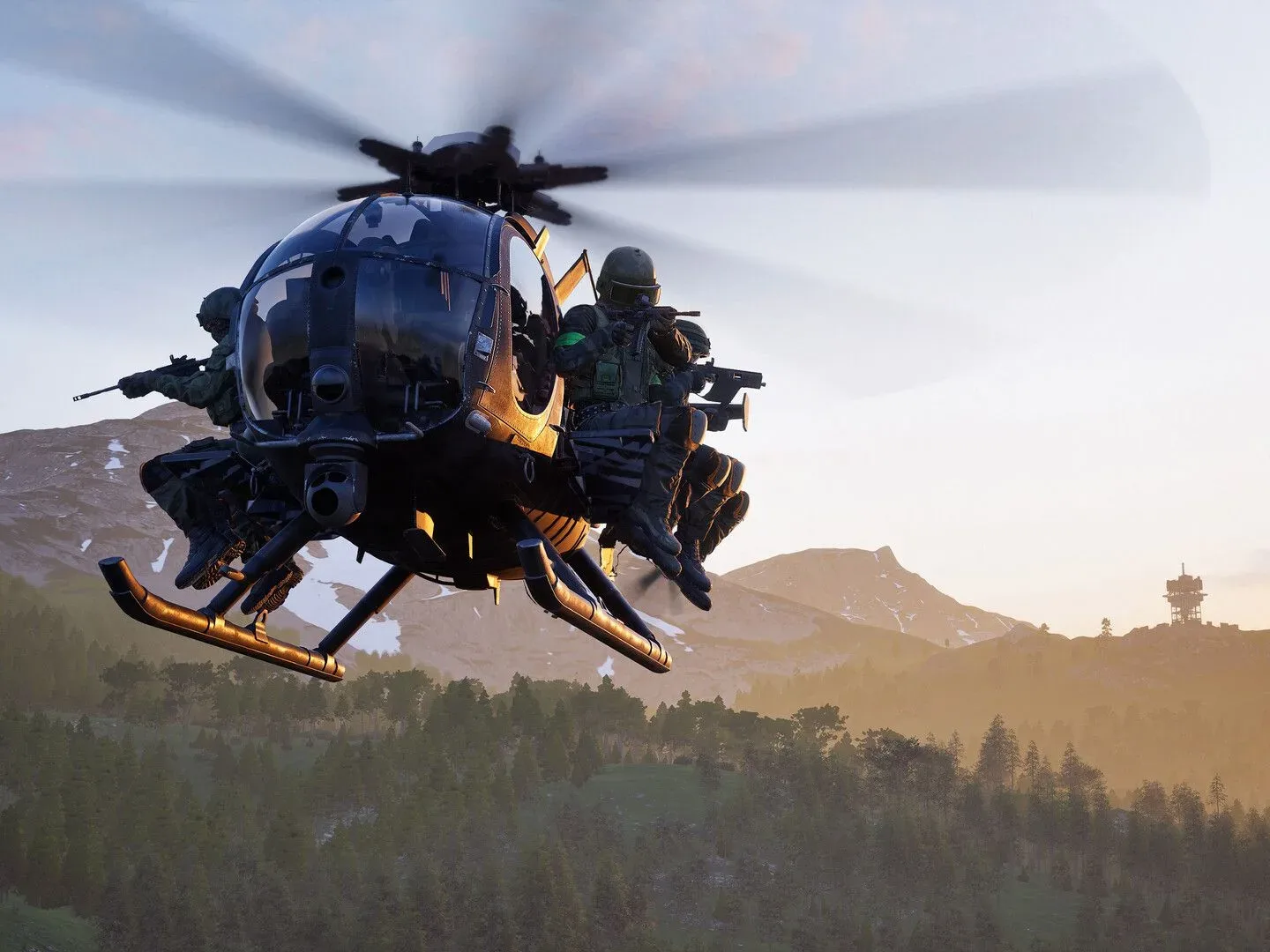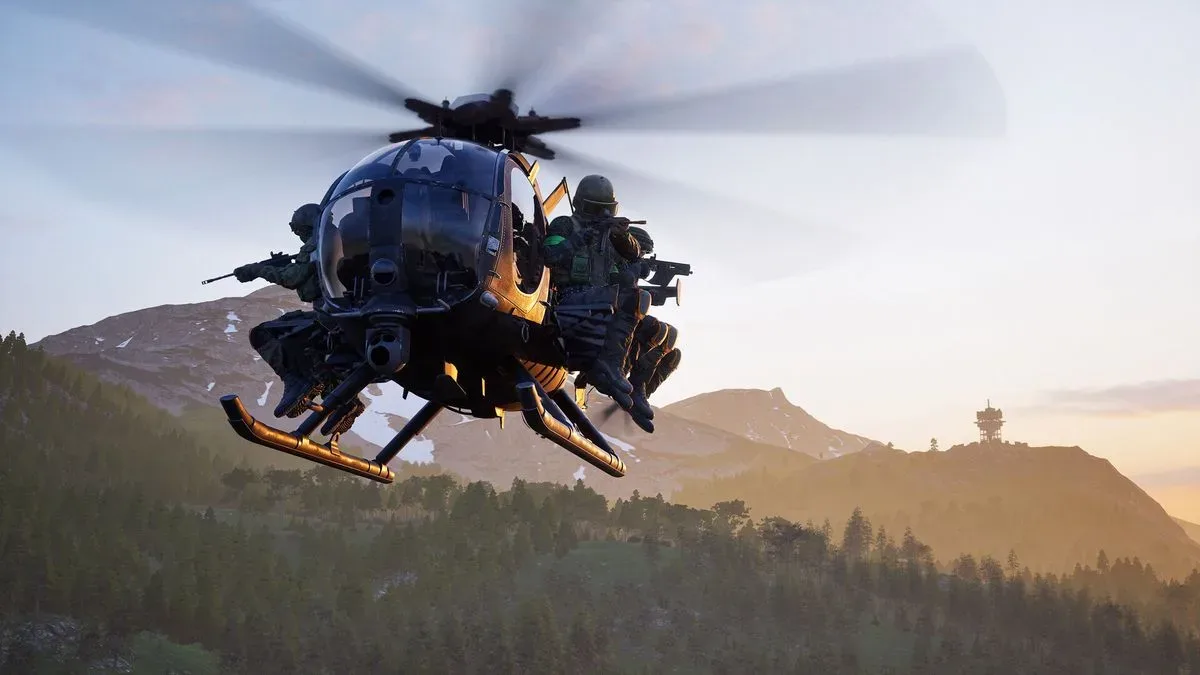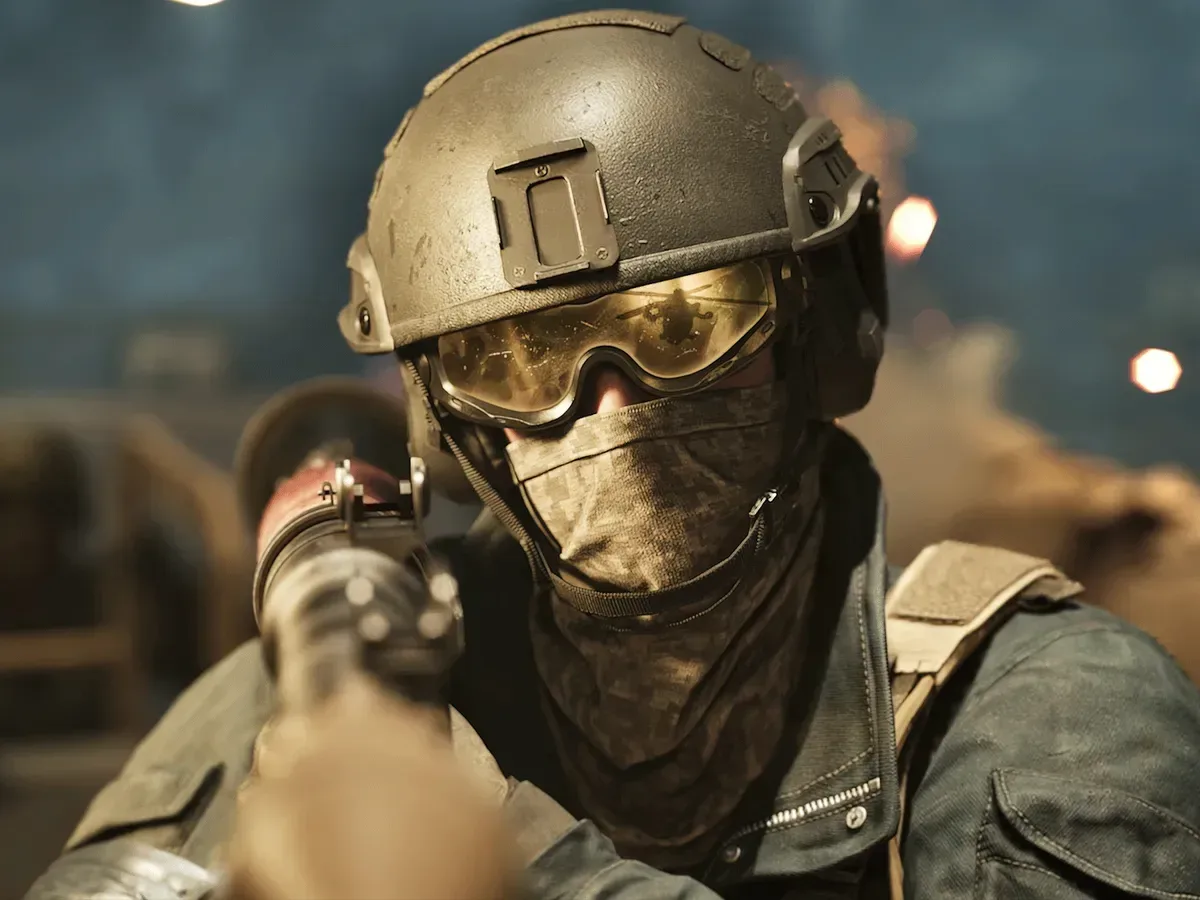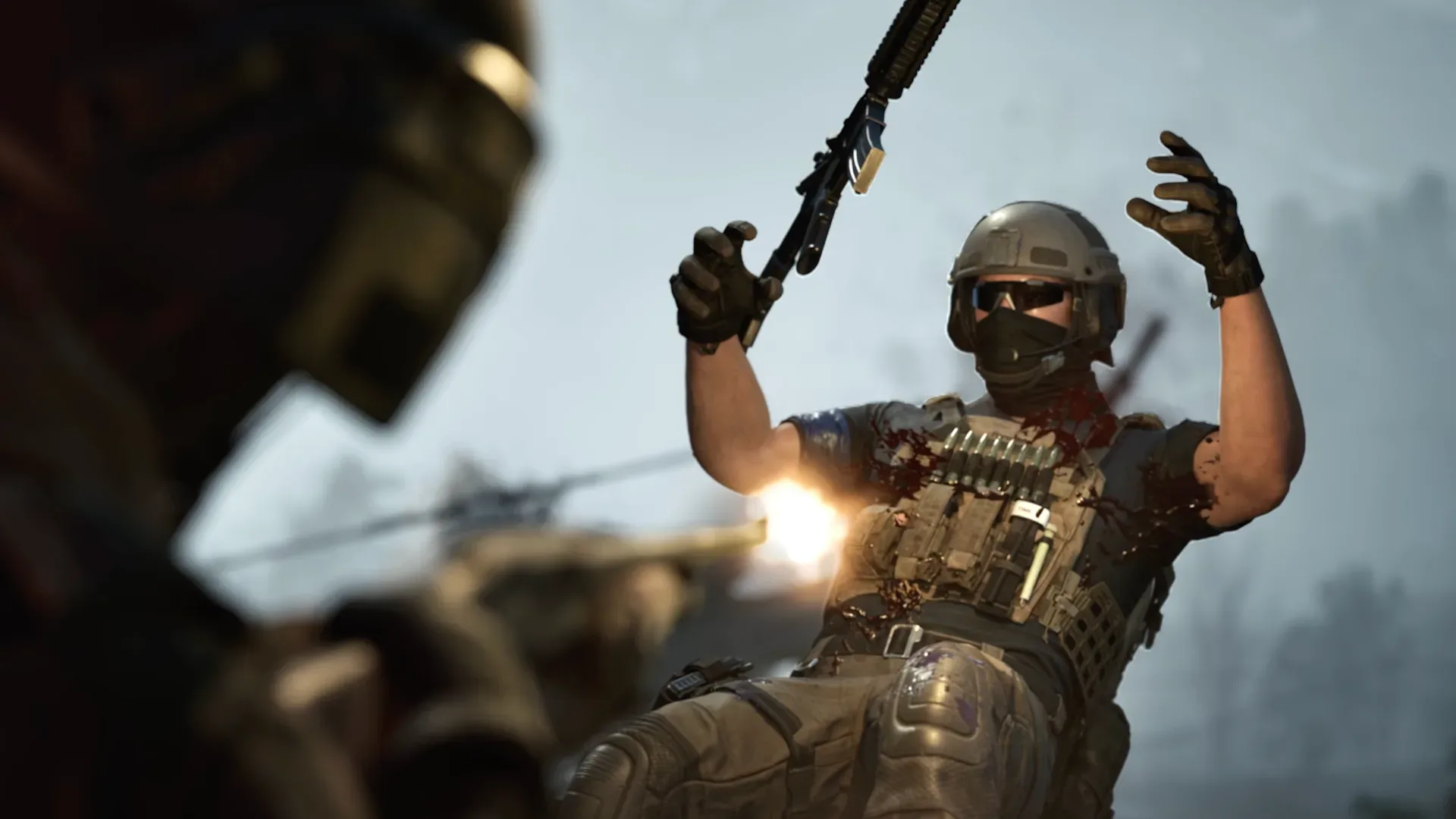
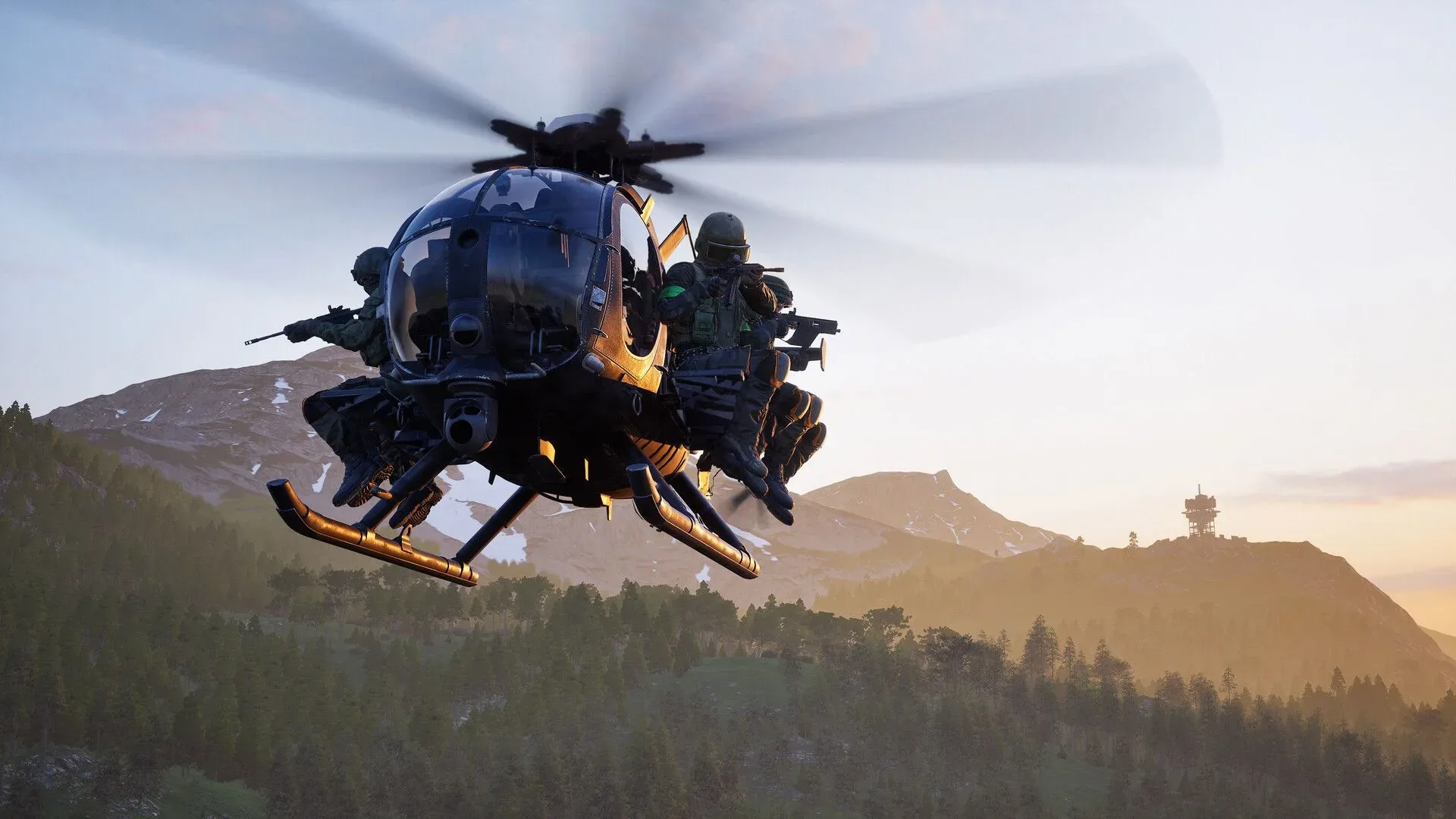
Wardogs has become one of this year’s most notable multiplayer shooter breakouts, drawing hundreds of thousands of players after becoming publicly available in September. Its team-based spin on the battle royale format has also put the game in direct conversation with larger military shooters—and Bulkhead co-founder and CEO Joe Brammer has offered a pointed view of why some players may be moving away from Battlefield 6.
Brammer’s argument is not simply that one game listens to its community and the other does not. Instead, he contends that the difficult part of managing feedback is having a firm enough creative direction to decide when feedback should change a game and when it should not. In his view, Battlefield 6’s apparent attempt to involve players through Battlefield Labs and Discord activity did not ultimately represent a meaningful enough break from the series’ established approach.
It is a provocative assessment, particularly because player communities are never a single, unified voice. Still, the comments point to a familiar problem for big ongoing shooters: gathering feedback can be valuable, but treating every request as a design instruction can make a game feel as though it is being pulled in several directions at once.
What Brammer is arguing about Battlefield 6
Brammer said Battlefield Studios had not done anything substantially different with Battlefield 6, despite presenting its community activity in a new way. He specifically questioned the value of inviting players into Discord spaces and Battlefield Labs playtests if that participation does not produce significant game changes.
“I don’t think [Battlefield Studios] did anything different; I think they just dressed it up differently,” Brammer said.
Battlefield Labs, in this context, refers to a playtesting and feedback process: players are brought in to try elements of a game and communicate what works, what does not, and what they would prefer to see changed. Such programs can help developers identify practical issues that may not be obvious internally, including confusing systems, balance concerns, or frustrations that appear once a feature meets a large range of play styles.
But Brammer’s criticism is about expectations as much as implementation. A feedback program can create an implicit promise that player comments will noticeably shape the final result. If players see little visible response, they may conclude that their time was used mainly to build excitement rather than to influence development. Conversely, changing too much in response to every loud demand risks undermining the identity that initially gave a shooter its appeal.
His own studio’s position, he said, is more explicit: Wardogs will consider feedback, but it will not automatically adopt it. That is less a rejection of community input than a claim that developers must filter it through a coherent plan for the game.
Related coverage includes Wardogs Boss Says Battlefield 6 Lost Direction by Chasing Community Demands.
“Sometimes we will; sometimes there’s some good stuff. But like, there’s often just not,” Brammer said of player feedback. “I think they fell into that trap of doing whatever the community says and the players say.”
Why selective feedback can be a design strategy
“Community feedback” is a broad label. It can include reports of technical problems, complaints about balance, requests for new modes, views on progression, and reactions to the game’s overall tone or pace. Those categories do not necessarily deserve the same response.
Some input identifies a straightforward problem: if a feature is broken or unclear, there is a concrete issue to investigate. Other requests reflect legitimate but competing preferences. One group may want a more tactical pace while another wants faster action. One part of the audience may prioritize accessibility, while another may be concerned that changes dilute a game’s established demands. A developer cannot satisfy all of those positions simultaneously.
Brammer’s framing suggests that Wardogs is attempting to set a boundary early. The studio can use player response as evidence, rather than treating it as a binding vote. That can make unpopular decisions easier to defend if the game’s goals are clear. It can also lead to frustration if players believe important recurring concerns are being dismissed. The value of that approach depends on whether the studio can distinguish between useful criticism and noise without becoming insulated from its audience.
For players, the practical distinction is worth keeping in mind. Participation in a test, a Discord discussion, or a feedback form does not guarantee that a preferred feature will arrive. The more realistic expectation is that comments become one input among many: development priorities, technical constraints, balance goals, and the team’s broader vision all still matter.
The player-number comparison needs context
The available PC figures described for Battlefield 6 are not a complete measure of either game’s health, but they help explain why the comparison has drawn attention. Battlefield 6 reportedly began strongly, then settled into a range of roughly 20,000 to 30,000 concurrent players on PC. Concurrent players means the number of people playing at the same time, rather than the number who own or have ever played a game.
Wardogs, meanwhile, is said to regularly reach about twice that level on Steam each day. It has brought in hundreds of thousands of players since its September public debut.
Those numbers should not be treated as a definitive verdict on the full Battlefield audience. The figures discussed are PC-centric, while Battlefield is a major multiplatform franchise, and concurrent counts are a snapshot of activity rather than a full accounting of sales, total population, or long-term revenue. They do, however, indicate that Wardogs has sustained a meaningful Steam presence after its initial surge.
That matters in a multiplayer shooter. A healthy active population can improve match availability, keep teams and lobbies varied, and make it easier for a new player to find games at different hours. It also creates momentum: players are more likely to try a game when friends are already discussing it and matchmaking appears active.
Wardogs’ performance does not prove that every Battlefield player has switched, nor does it establish a single reason people may be playing one title instead of another. It does show why Brammer’s comments have landed beyond a routine bit of studio rivalry. A newer game with a large audience can credibly argue that its decisions about scope, communication, and responsiveness are resonating with at least part of the shooter audience.
“Homeless” players and the fragmented shooter audience
Brammer said Bulkhead informally refers to Battlefield players as “homeless,” meaning players who have splintered among alternatives such as Wardogs and Escape from Tarkov rather than gathering around one clear successor or destination.
The description is deliberately blunt, and it should not be mistaken for a measurement of where players have gone. It does capture the competitive reality facing multiplayer military shooters: audiences can move quickly when they feel a game no longer serves the experience they want. One player may be searching for large-scale spectacle, another for a more deliberate tactical loop, and another simply for a stable group of teammates.
Wardogs’ team-based battle royale structure is a distinct pitch within that crowded field. A battle royale is generally built around a match in which players or squads compete until a final survivor or team remains. Adding a stronger team orientation can shift the emphasis toward coordination and shared decision-making rather than purely individual survival. The evidence here does not establish every design detail behind Wardogs’ growth, but its player numbers suggest that the premise has found an audience.
For Battlefield, the challenge is not necessarily to imitate the games attracting attention now. Brammer’s criticism itself argues against reflexively chasing the loudest demand. The harder task is to make the series’ own priorities legible: what Battlefield 6 is trying to be, which player concerns it will act on, and why some requested changes may not fit.
A contentious criticism, not a settled diagnosis
There is an obvious tension in Brammer’s claim that Battlefield 6 followed community wishes too closely. Plenty of Battlefield players may feel the opposite—that their complaints have not been addressed at all. Both reactions can exist at once because different groups ask for different things, and because visible changes can satisfy one segment while disappointing another.
That makes it difficult to definitively quantify the impact of Battlefield Labs or to say precisely how far Battlefield 6 differs from earlier entries. The information available supports a discussion about active PC-player levels and competing design philosophies, not a final answer on exactly why every player stayed, left, or moved to another shooter.
Brammer’s remarks are best read as a statement of Bulkhead’s intended development philosophy. Wardogs wants to communicate that it will listen without surrendering control of the game’s direction. Whether that balance proves durable will depend on the choices the studio makes as its audience continues to grow and begins asking for more changes of its own.
For the wider industry, it is a reminder that engagement initiatives are not a substitute for clarity. Community tests and direct channels can be useful, but they work best when players understand what they are for—and when a studio can explain the difference between hearing feedback and implementing every suggestion. For another current example of how game communities follow scheduled developer communication, see the upcoming Cherry Time Stream update for Hollow Knight: Silksong — Sea of Sorrow.