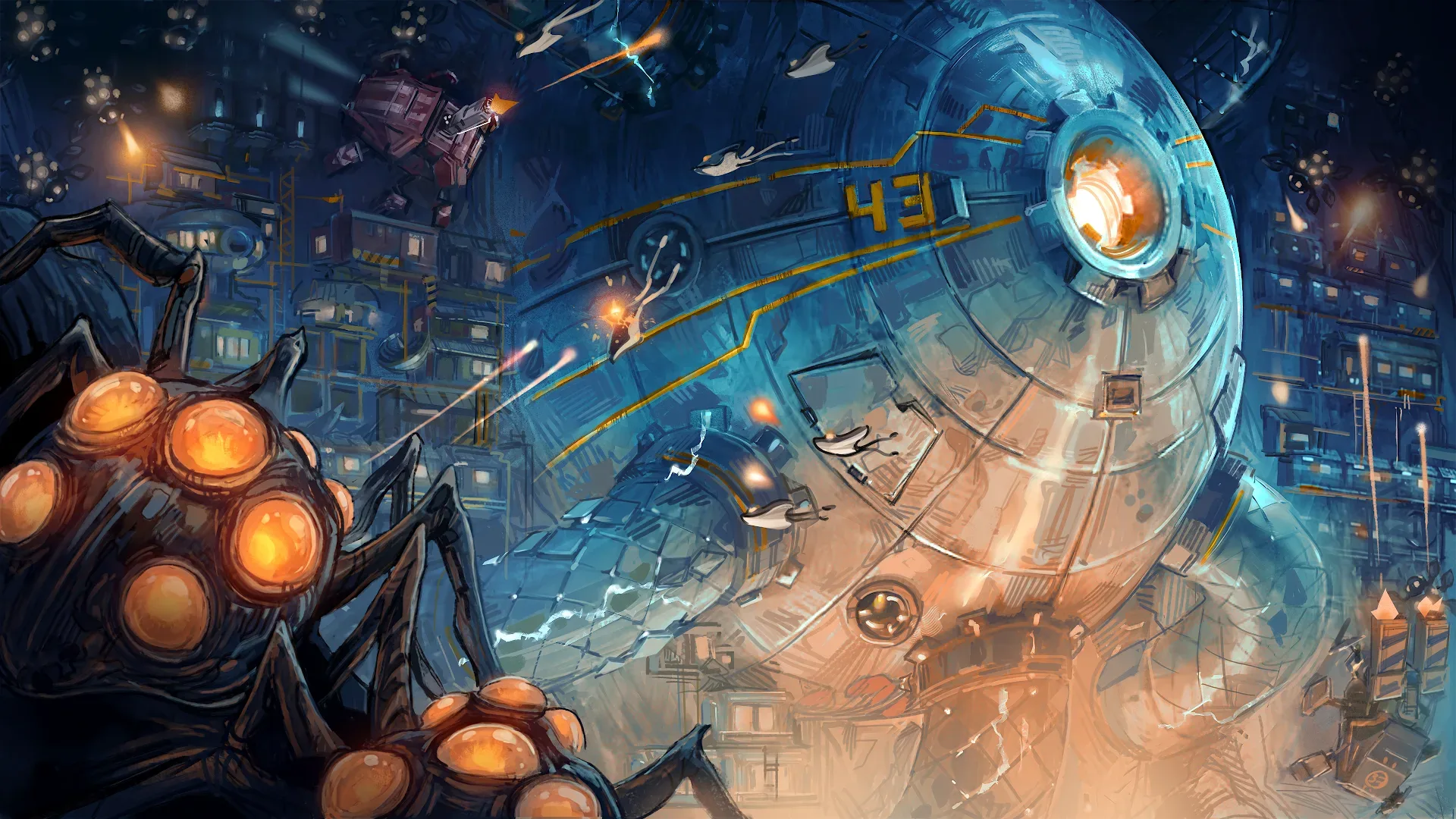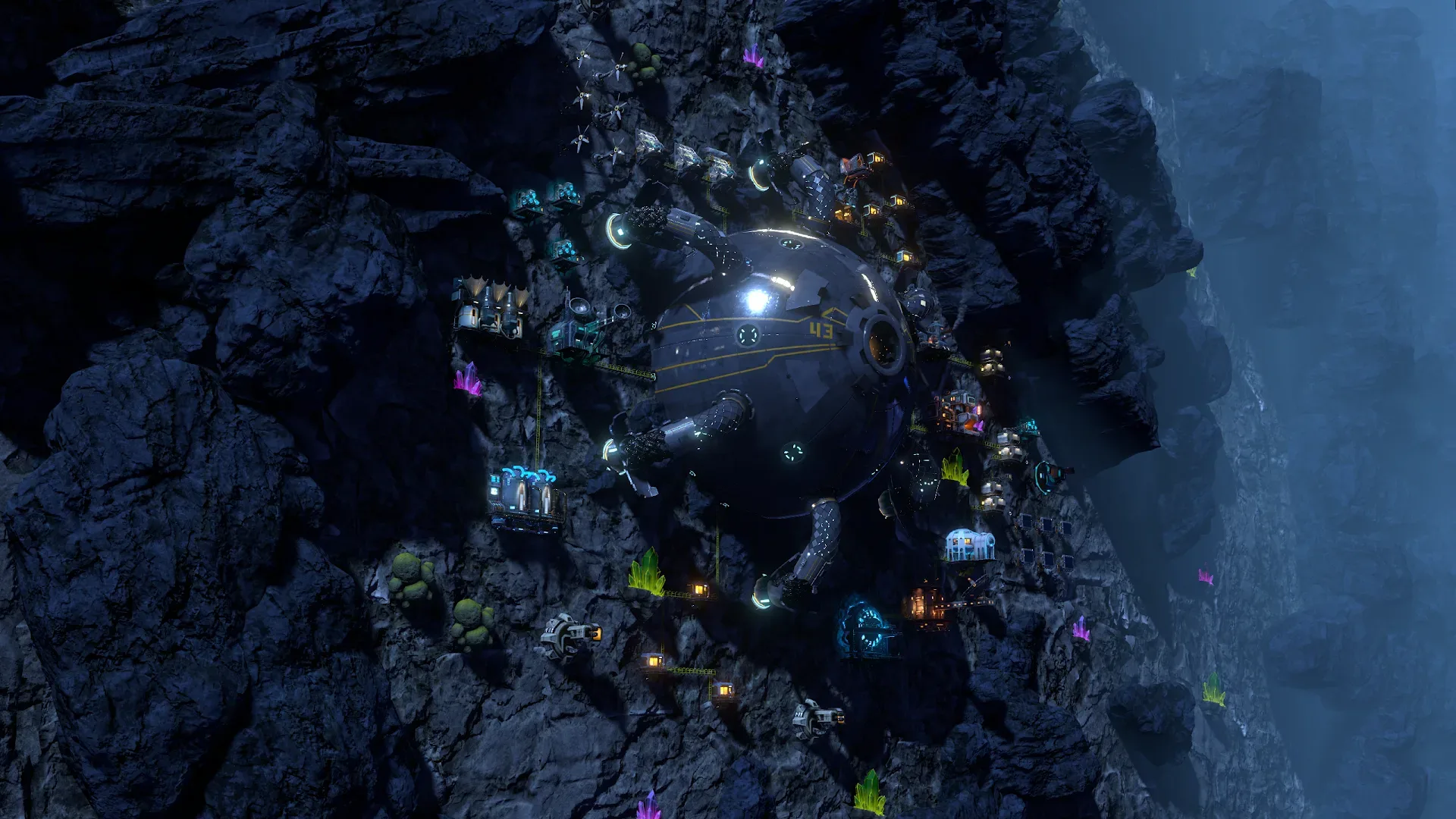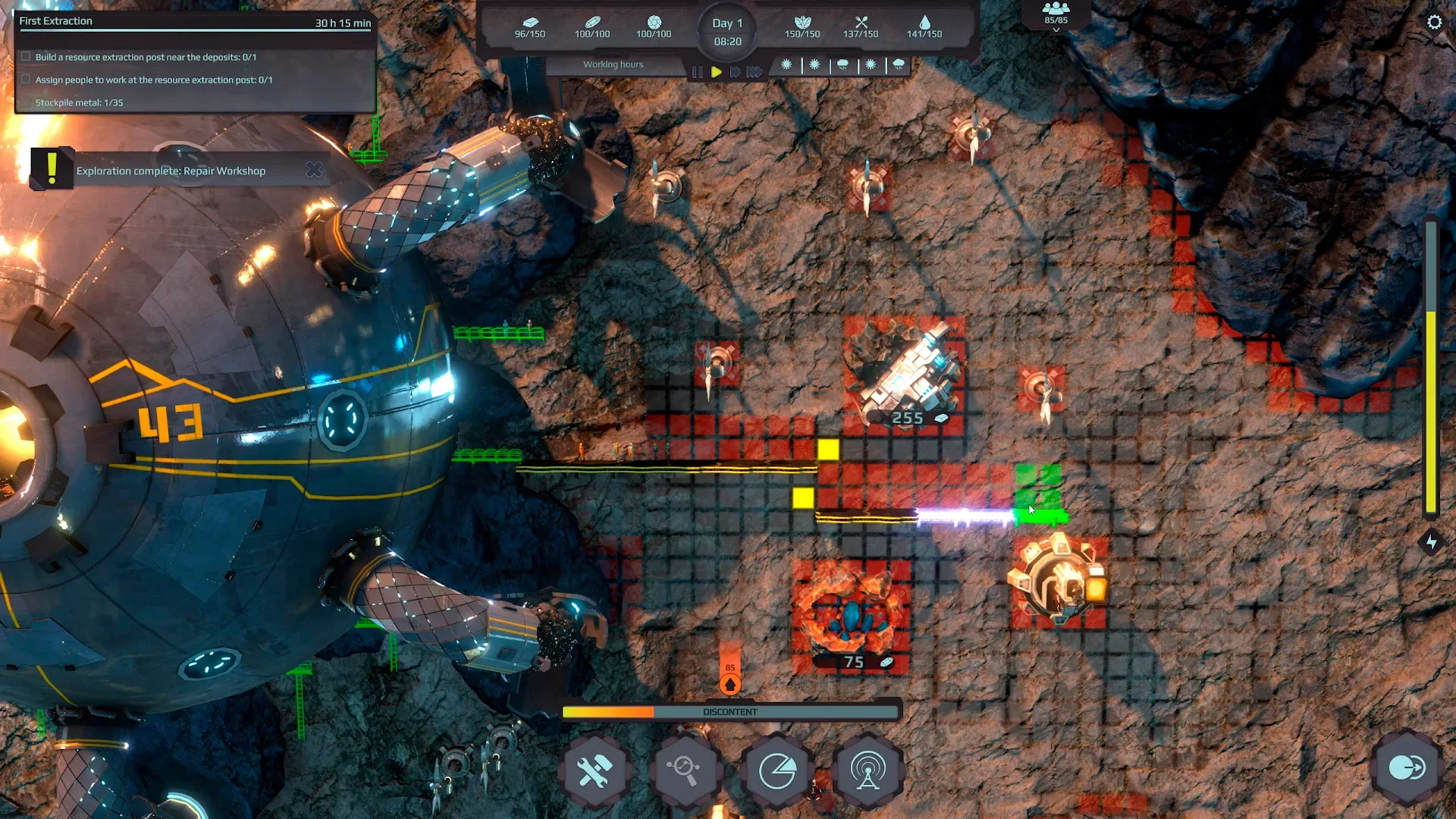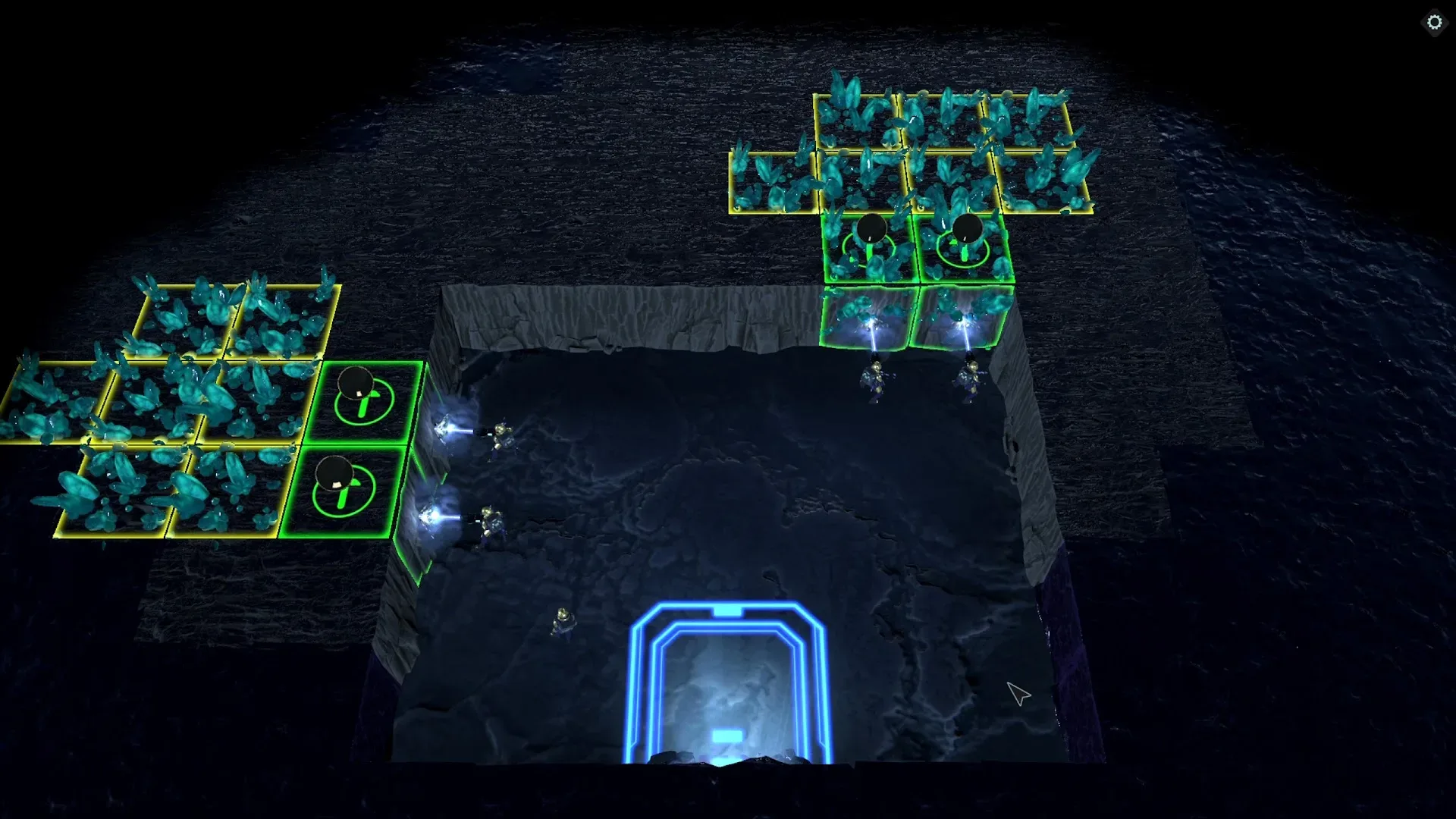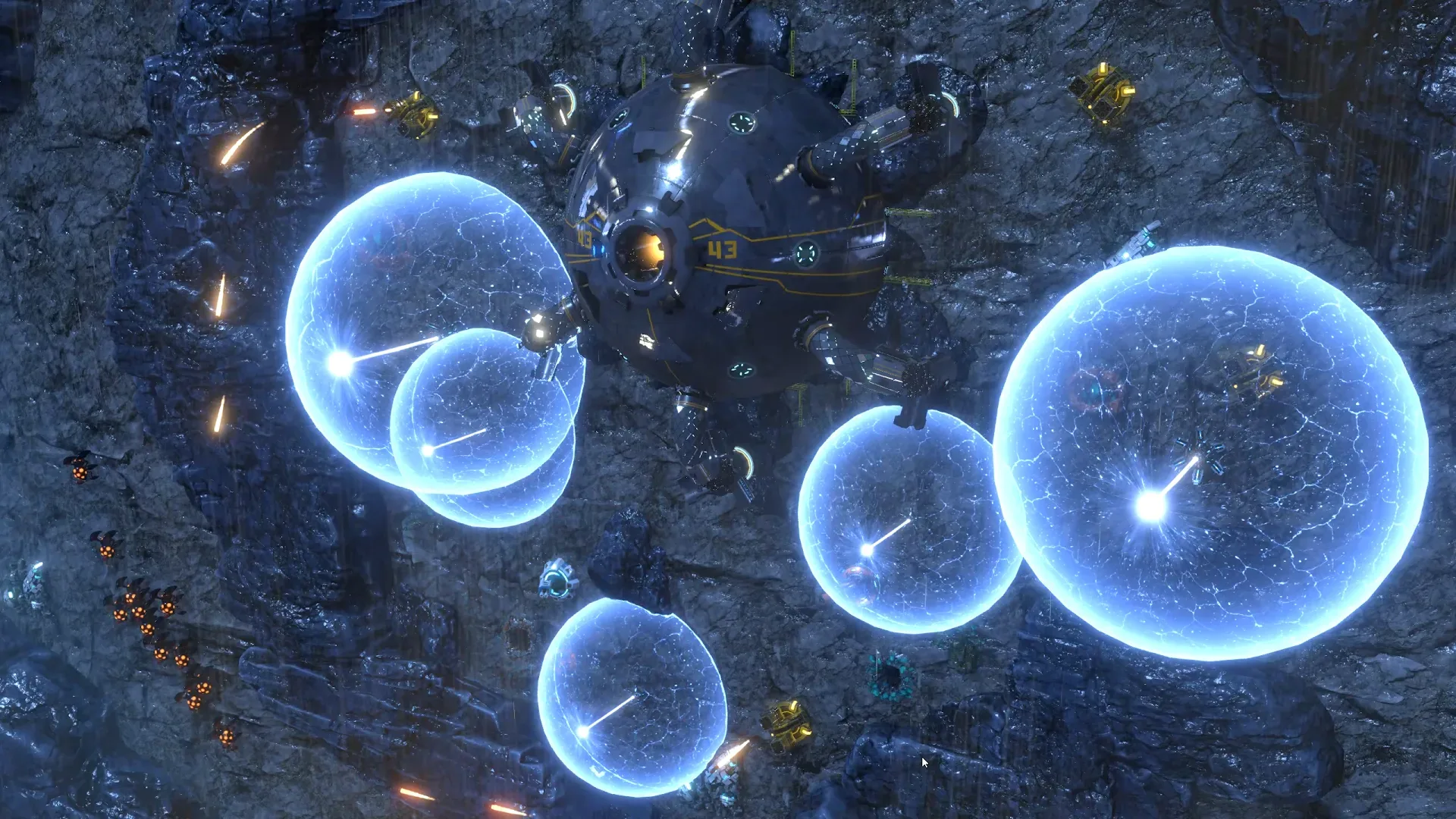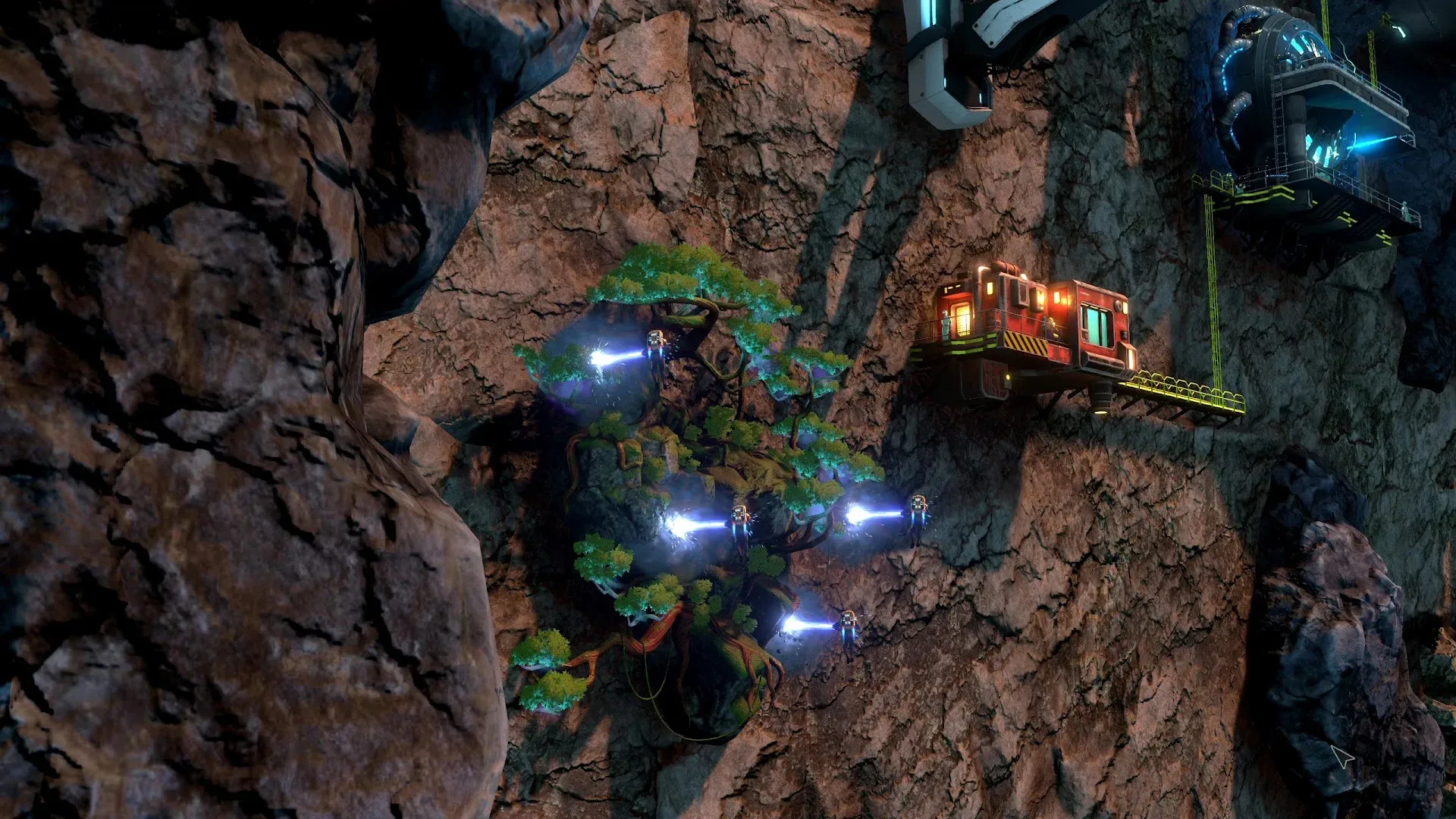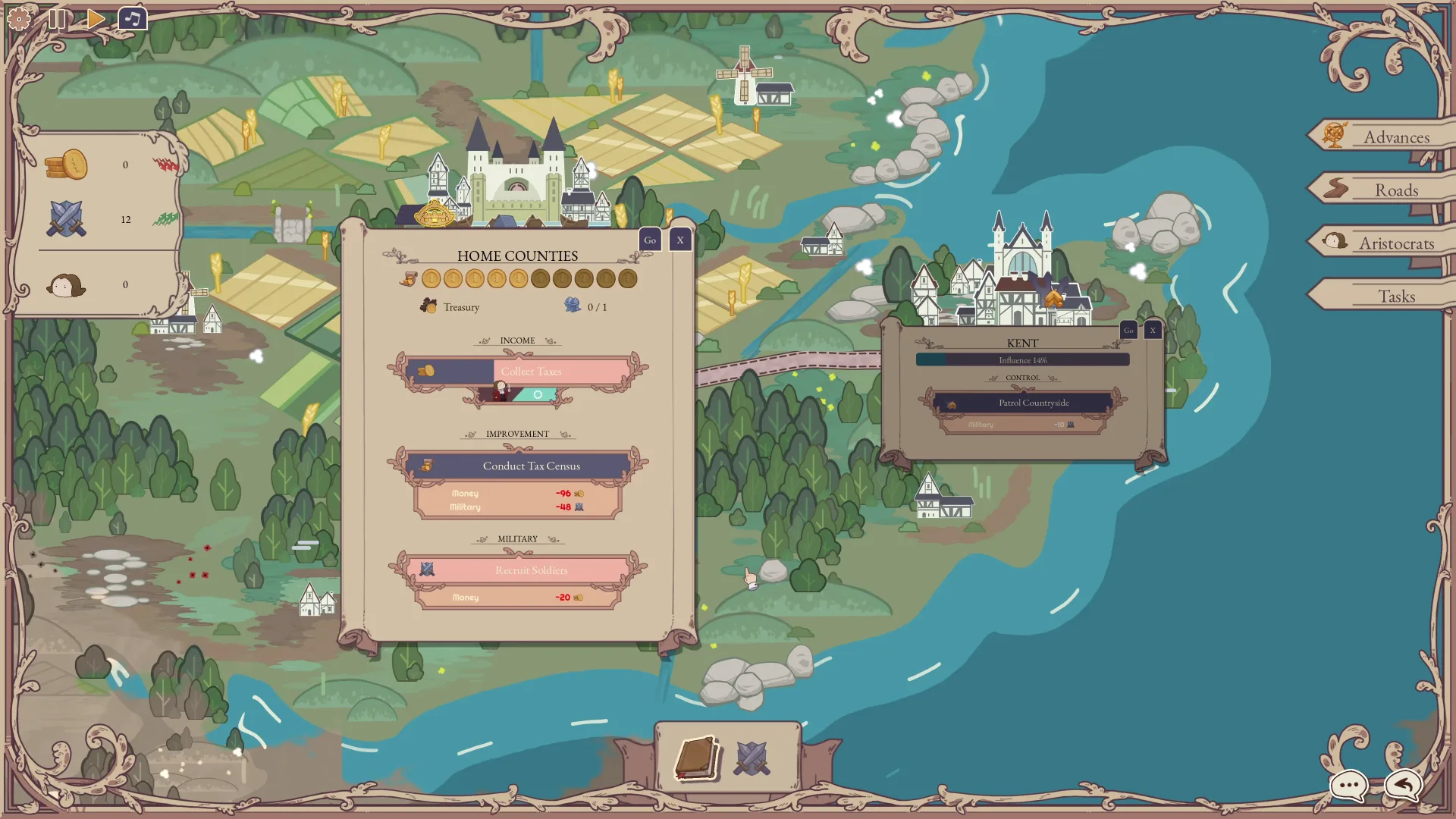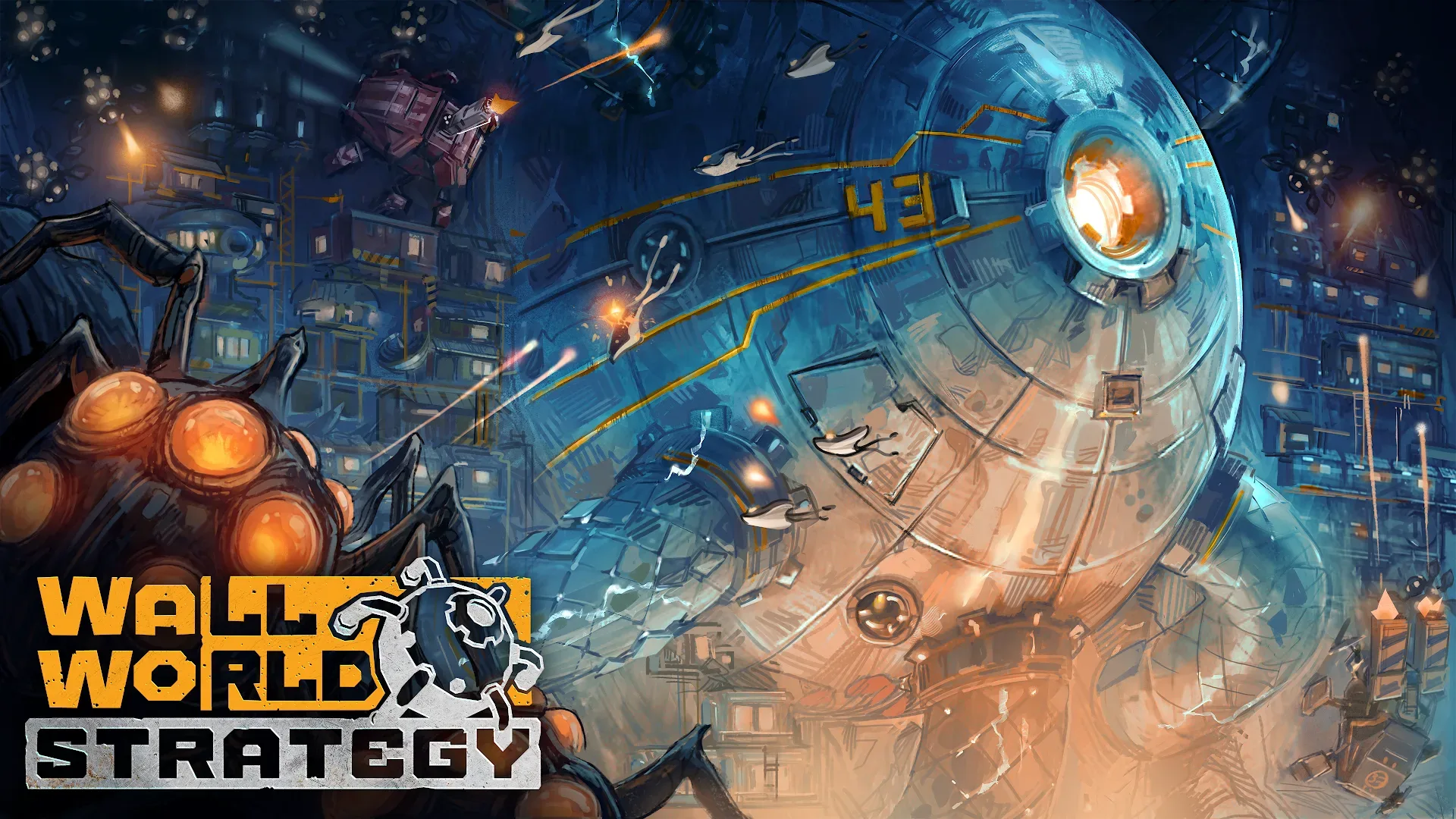
Wall World Strategy is set to launch on Steam on November 11, 2026. The colony-management strategy game takes place in the Wall World universe and puts an unusually literal spin on building upward: players must establish, expand and defend settlements on an enormous vertical Wall while facing the persistent threat of the zyrex.
The central idea is clear, but it carries major strategic consequences. Rather than treating a colony as a broad, horizontal layout, Wall World Strategy frames growth around vertical space. Expansion, defensive construction and the demands of a growing population all have to be planned around that constraint. The result is a strategy premise focused not merely on placing structures, but on deciding how a settlement should develop when room, safety and growth are constantly competing priorities.
A developer-commentary trailer has been released ahead of launch, outlining the game’s core mechanics and the pressures involved in operating a colony on the Wall. The full version will add scenarios in different biomes, events and challenges, an expanded research tree, additional structures, multiple difficulty settings and a sandbox mode.
A colony builder shaped by vertical space
Colony management games generally ask players to balance a settlement’s expansion with its ability to keep functioning. In Wall World Strategy, that familiar balancing act is tied directly to the environment. The colony exists on a massive Wall, making vertical planning the defining part of its identity.
That means building outward is not presented as a simple matter of claiming more empty ground. Every expansion decision must fit into a taller, constrained settlement design. Fortifications are equally important because the zyrex are a continuing danger rather than a one-off obstacle. A colony that grows aggressively without adequate defenses may create new vulnerabilities; one that prioritizes protection too heavily may restrict the settlement’s development.
This is the key tension the game appears built around: balanced expansion. In strategy terms, balance means allocating limited attention and construction capacity among needs that are all important but do not necessarily point in the same direction. Growth supports a larger colony. Research can broaden the available options. Defenses help a settlement endure. The Wall’s vertical setting gives those decisions a distinct physical form.
What the announced systems mean
The listed full-release features suggest that Wall World Strategy is designed to accommodate both directed challenges and more self-defined planning.
- Scenarios across different biomes: Scenarios are structured situations with their own conditions or objectives. The mention of multiple biomes indicates that the settings will vary, though the specific environmental differences have not been detailed.
- Challenges and events: Events are changing circumstances that can disrupt a settled plan or create a new problem to address. Their inclusion points to colony operation that will not be entirely static.
- An expanded research tree: A research tree is a progression structure in which players unlock options over time. Here, it includes new structures, suggesting that research affects what can be built and how a colony may develop.
- Difficulty settings: Difficulty options allow players to select a level of pressure appropriate to their experience or desired challenge. Specific settings and their effects have not been outlined.
- Sandbox mode: Sandbox play is an open-ended format centered on experimentation rather than a fixed sequence of scenario objectives. For a vertical colony builder, that should provide space to test settlement layouts and defensive approaches without the same emphasis on prescribed goals.
Research and fortifications should be closely linked
The announced research tree deserves particular attention because new structures may substantially change the available strategic choices. Research systems are often the bridge between early survival and later specialization: an initial settlement works with basic tools, while progression opens different ways to organize or reinforce it.
Related coverage includes Wall World Strategy Sets November 11 Steam Launch.
In Wall World Strategy, the connection between research and fortifications is likely to be especially important simply because the game explicitly makes defense part of colony management. The zyrex establish a recurring survival pressure, while the Wall establishes the spatial limitation. Any newly unlocked structure could matter for growth, defense or the relationship between the two. The precise functions of those structures remain unconfirmed, so prospective players should treat the feature list as a description of the game’s scope rather than a detailed breakdown of every system.
That restraint is worth keeping in mind ahead of release. There is no information yet on individual research branches, resource types, combat rules or the exact behavior of the zyrex. What has been established is the higher-level loop: build a settlement, manage its growth, plan in vertical space, strengthen fortifications and survive in a hostile environment.
Why sandbox and scenario modes serve different players
The presence of both scenarios and a sandbox mode is a meaningful split for a strategy game. Scenarios can make the game’s central challenges more legible by presenting a defined situation, biome or set of pressures. They give players a reason to adapt rather than rely on a single construction plan.
Sandbox mode, meanwhile, is positioned for open-ended colony experimentation. That may be the more attractive option for players who enjoy working through layouts, testing how expansion affects defenses, or gradually refining a settlement design. It also suits a premise in which the physical shape of a colony is part of the strategy. A vertically built settlement can be assessed not only for whether it survives, but for how efficiently and coherently it uses the Wall.
Multiple difficulty settings further support that two-track approach. A player learning the systems can focus on understanding the relationship between colony growth and defense, while someone seeking more pressure can choose a tougher setting. No details have been given about how difficulty is adjusted, but its inclusion makes clear that the game is intended to offer more than one level of demand.
Release date and trailer
Wall World Strategy arrives on Steam on November 11, 2026. Players looking at the broader PC release calendar can also consult the games releasing on October 22, 2026.
Until launch, the developer-commentary trailer is the clearest available look at the project’s foundational ideas: a settlement clinging to a colossal Wall, the need to make that limited vertical space work, and defenses that must keep pace with the colony’s ambitions. For strategy players, the appeal will rest on whether those interconnected pressures make each new layer of construction feel like progress, risk, or—ideally—both at once.