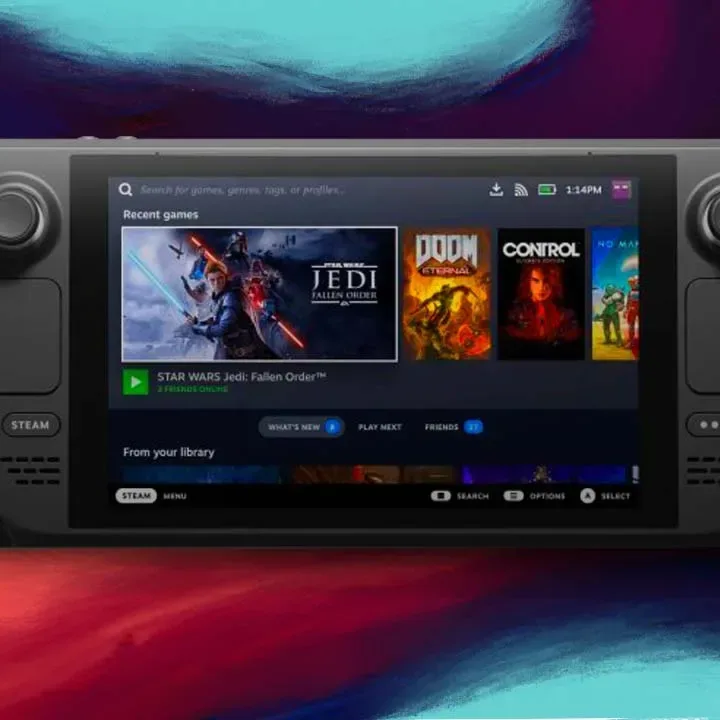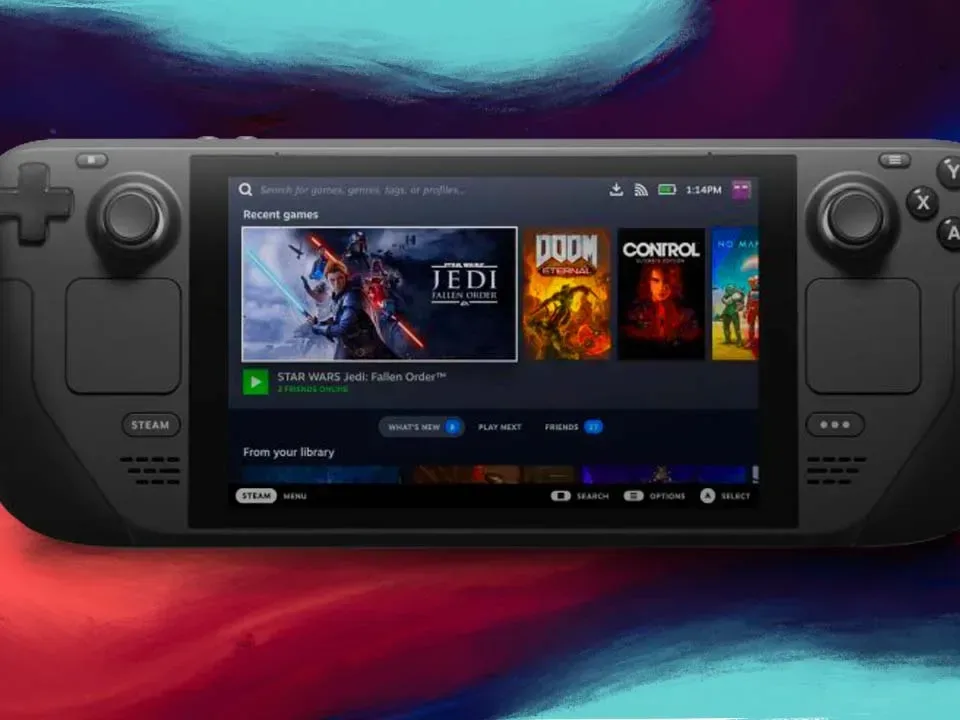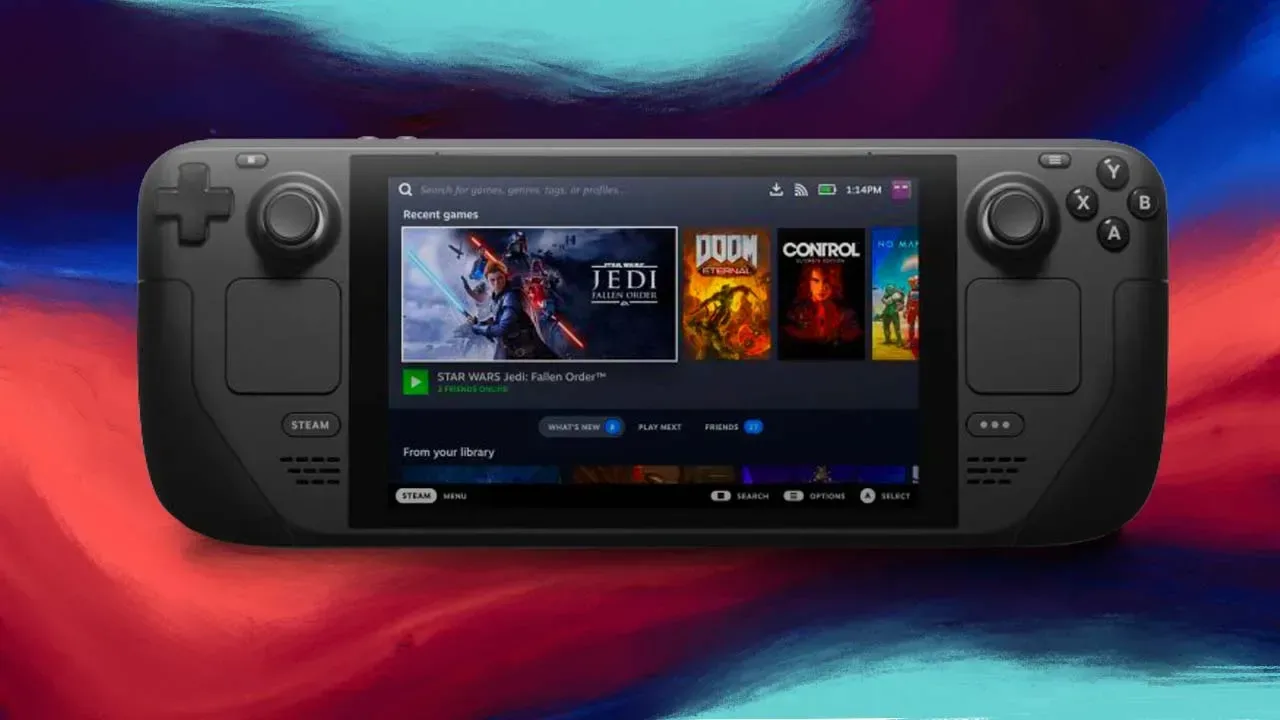
Steam Deck 2 remains more of a destination than a dated itinerary, but Valve says the recent pressure on RAM pricing has not changed where it intends to go. That matters because a handheld PC is not merely a pile of fast components with thumbsticks attached. It has to balance performance, battery life, heat, software experience, storage, display technology and, perhaps most brutally, a price that does not cause prospective buyers to gently close the browser tab and stare into the middle distance.
Valve software developers Pierre-Loup Griffais and Jeff Leinbaugh were asked whether the ongoing RAM shortage and broader component-cost problem had affected plans for a future Steam Deck. Griffais’s answer was short: not really. The company is still evaluating the market conditions around when it can deliver its intended product, while the user-experience goals and product ambitions remain broadly the same.
That is not a launch window, a specification sheet, or confirmation of a finished device waiting behind a velvet rope. It is, however, a clear indication that higher memory costs have not caused Valve to abandon its central standard for a Steam Deck successor: it wants a distinct, generational level of performance improvement rather than a new model that exists chiefly to make benchmark charts squint slightly harder.
A sequel needs more than an extra frame or two
Valve has consistently framed a next Steam Deck around the need for the right technology to produce a significant performance advance. The phrase matters. Handheld gaming PCs are unusually sensitive to compromises because their parts have to coexist inside a compact machine running on a battery. Raw horsepower is only one part of the experience. A faster chip that arrives with worse battery life, louder cooling, a higher bill of materials and a sharply higher retail price can turn an exciting upgrade into a very expensive lesson in thermodynamics.
In this case, the company’s view appears unchanged even as RAM costs have risen. Griffais said Valve is still examining present conditions and how and when it can deliver the kind of future Steam Deck it wants to make. That suggests flexibility around timing, not a retreat from the goal itself.
Valve’s stated priority is a clearly defined performance leap for a future Steam Deck, while current market conditions help determine when a device meeting that standard makes sense.
For players, that distinction is important. “No change to goals” does not mean “no effect whatsoever.” Component availability and pricing can influence manufacturing plans, configuration decisions and the eventual moment a product can be offered at an acceptable value. The available comments leave those details unresolved. There is no announced release date, price, processor, RAM capacity, screen type, storage lineup or confirmation of what a Steam Deck 2 will ultimately be called.
The handheld PC market has already proved performance has a price
Since the original Steam Deck arrived, the handheld PC category has become far more crowded. More powerful systems have entered the market, demonstrating that additional performance can be put into portable hardware. Yet those machines have generally landed at moderate to substantially higher price points. That creates a problem for any company trying to retain the original Steam Deck’s appeal as an accessible route into a large PC game library.
Related coverage includes Valve Says Steam Deck 2 Goals Remain Intact Despite RAM Price Pressure.
It is easy to demand a faster handheld in the abstract. It is harder to decide what that improvement should cost once memory, graphics-related components, screens, storage, logistics and retail margins all show up at the party wearing name tags. Valve’s apparent unwillingness to ship a sequel before it can clear a meaningful performance bar is therefore also an implicit value decision. The company does not seem interested in treating a refreshed badge as sufficient reason for users to upgrade.
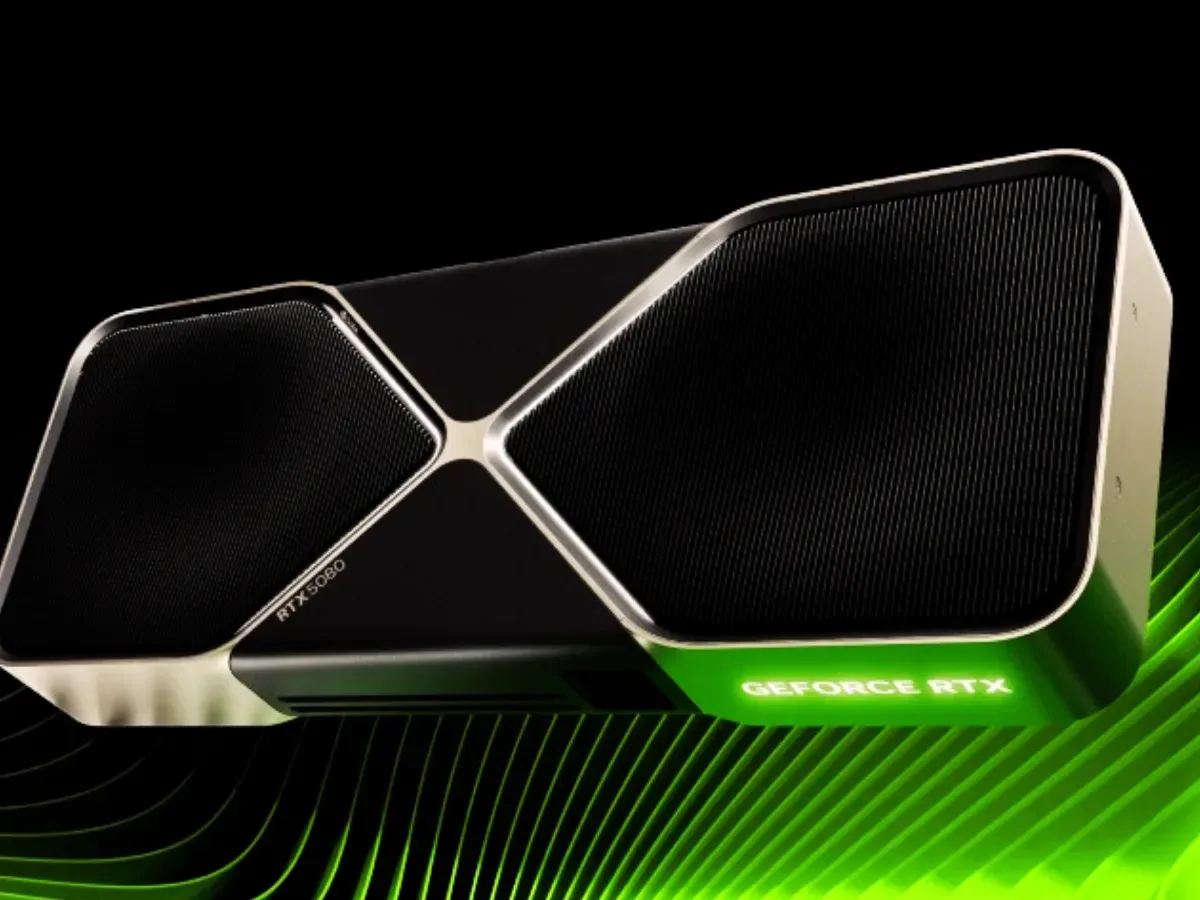
That does not mean the present Steam Deck lineup is frozen in some magical zone beyond economic reality. RAM-related cost increases have affected hardware more broadly, including graphics cards, consoles and the Steam Deck. Portable PCs feel those shifts especially acutely because they are already defined by tight space, thermal and price constraints. Every component decision can ripple through the final retail number.
Why the reported current Steam Deck price shift is relevant
The conversation arrives against reports that the 512GB Steam Deck OLED has climbed to $789, after previously costing $549. That $240 difference is a conspicuous reminder of why pricing is central to the Steam Deck 2 question. Demand for the current device has reportedly fallen sharply as its price increased, though the available information does not establish every cause or provide a complete picture of sales across all configurations and regions.
Still, the basic consumer calculation is not difficult to understand. A handheld that costs more can be easier to compare against more powerful rivals, premium laptops, a living-room console, or simply keeping the hardware a person already owns. A new Steam Deck that arrives at a price many users consider too high could undermine one of the family’s defining advantages, even if its performance is dramatically better.
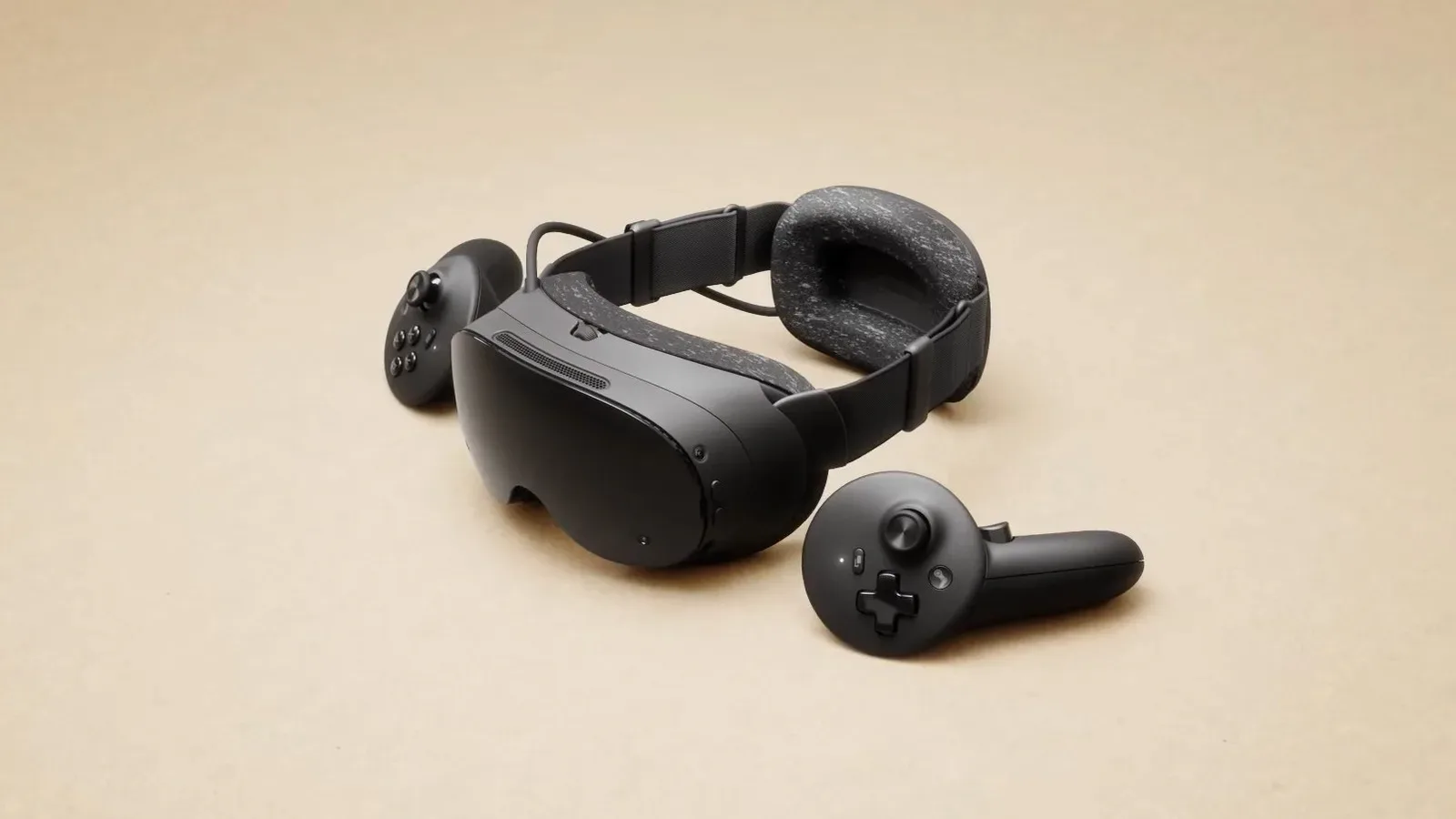
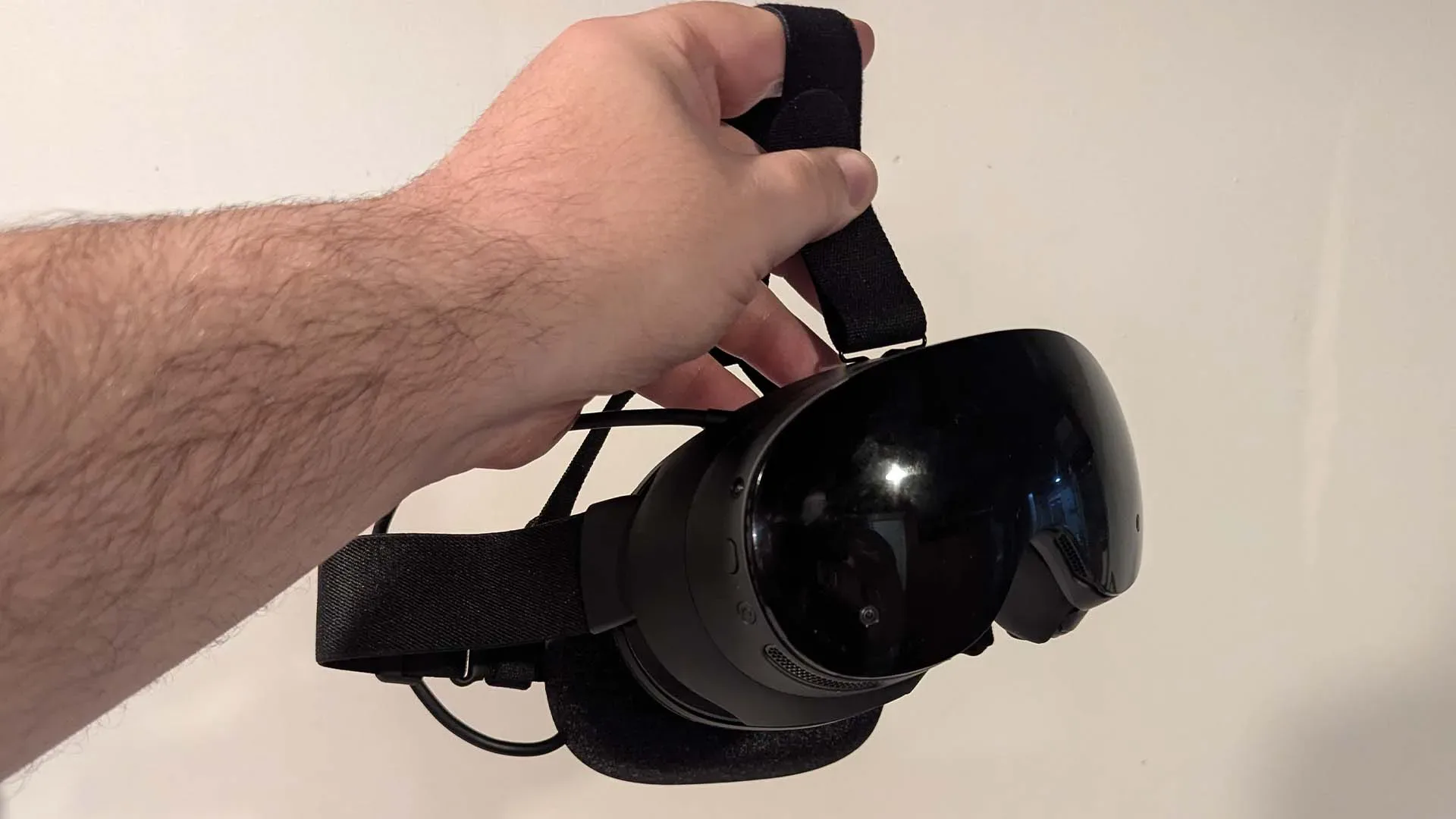
Valve’s other recent hardware illustrates a different side of the company’s approach. The Steam Machine and Steam Frame show it is willing to sell products whose component costs result in premium pricing. The Steam Frame, for example, starts at $1,059; Valve’s pricing and Half-Life: Alyx bundle details put that figure in perspective. That hardware does not necessarily establish what Valve would charge for a Steam Deck successor, because the products serve different use cases and occupy different places in the market. But it does make one point clear: the company is not automatically committed to one historical price band when the hardware calls for something else.
“Goals remain” is not the same as “soon”
The most cautious reading of Valve’s comments is also the most useful. The desired Steam Deck 2 experience is still intact. The route to delivering it remains dependent on conditions. If memory pricing remains difficult, or if the performance-per-dollar equation does not reach Valve’s threshold, the wait could continue. The company did not say that component pressure had moved a schedule because it did not provide a schedule in the first place.
This uncertainty may be frustrating for players who want a next-generation handheld now, but it avoids a familiar gadget-cycle trap. Hardware makers can release annual or near-annual revisions with modest gains, then ask buyers to regard incremental change as a revolution. Valve’s public position instead continues to emphasize a separation substantial enough to feel like a real new generation.
For developers and owners of the current system, that slower approach could also support continuity. Steam Deck’s value is deeply connected to the broader PC ecosystem and Valve’s work on a consistent software experience, rather than an obligation to chase a new exclusive software catalog every few years. A future model can improve the ceiling without making the existing device instantly feel like a museum artifact with a USB-C port.
What remains unknown about Steam Deck 2
Valve’s remarks answer one narrow but meaningful question: RAM price pressure has not changed its fundamental ambitions for a future Steam Deck. They leave nearly every practical buying question open. Until the company shares more, the following points remain unconfirmed:
- When a Steam Deck 2 might be announced or released.
- Its processor, graphics capability, memory amount and storage options.
- Whether it would use OLED or another display technology.
- Battery-life targets, physical design changes and compatibility details.
- Its starting price, regional pricing and any relationship to the existing Steam Deck range.
The sensible takeaway, then, is neither panic nor a victory lap. RAM costs are a real pressure across gaming hardware, and they can still shape the timing and economics of any future handheld. Yet Valve says those pressures have not changed the company’s desired destination: a Steam Deck follow-up with a clearly meaningful performance advantage and a user experience aligned with the product it wants to build.
That leaves Steam Deck 2 in its familiar, patient state: not officially dated, not fully detailed, and not apparently derailed. For now, Valve is keeping its performance target in view while waiting for the hardware and price equation to stop behaving like the final boss of a portable-PC RPG.