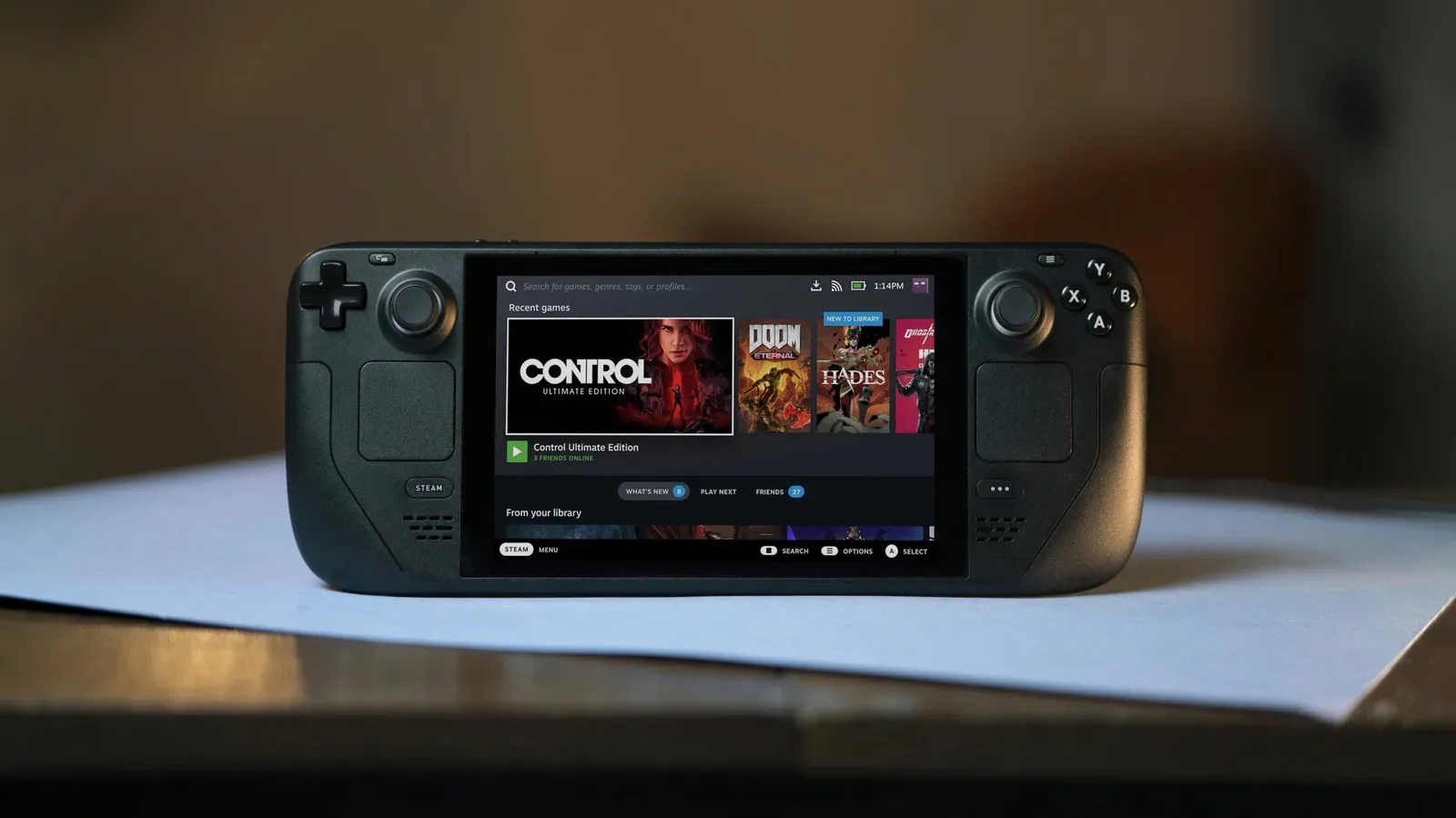
SteamOS has spent years building its identity around a wonderfully simple proposition: turn on the machine, pick a game, and get playing without needing to negotiate with a desktop operating system first. That approach made the Steam Deck a landmark handheld, and Valve’s broader hardware ambitions suggest it wants the Linux-based platform to travel far beyond one portable device. The complication is that a console-like operating system only feels universal when it works with the parts people already own.
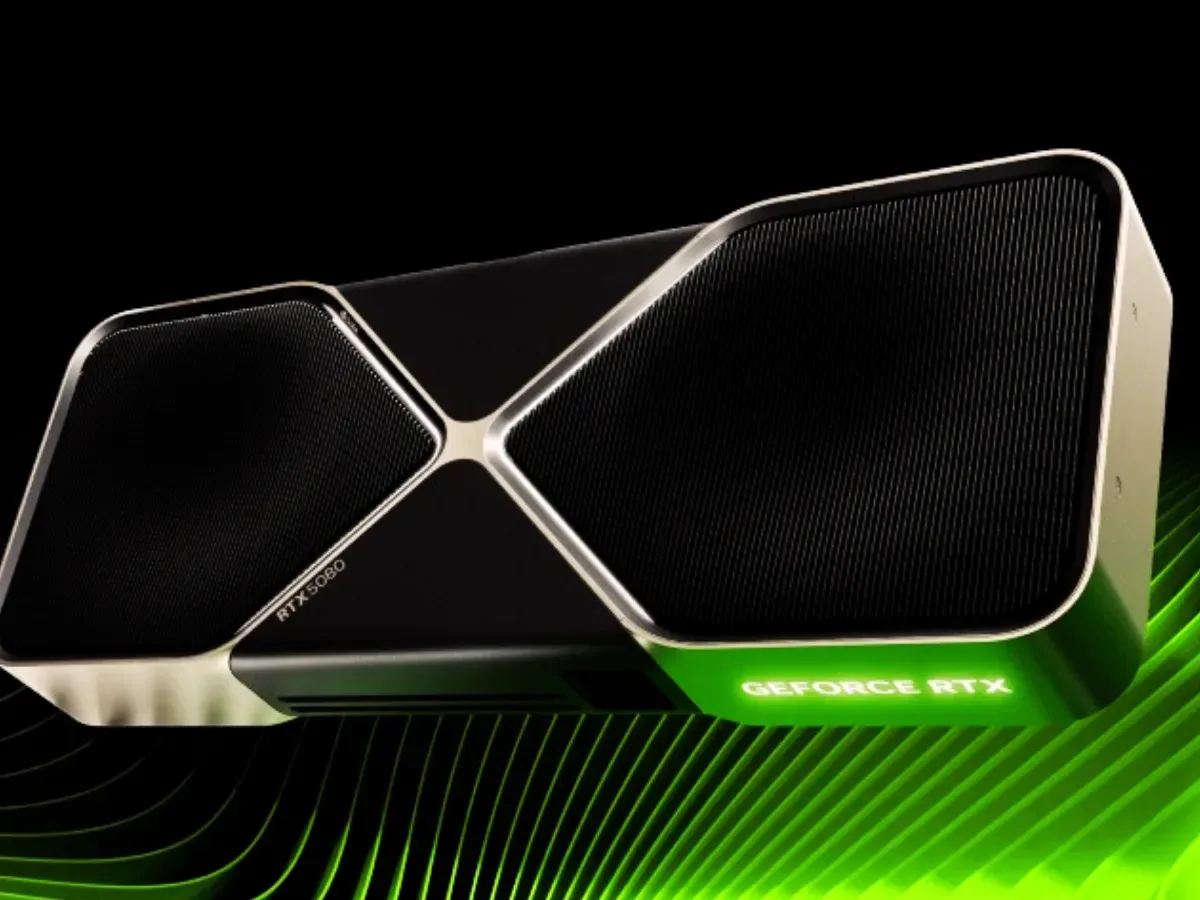
For PC gaming, no compatibility question looms larger than Nvidia. Valve software developers Pierre-Loup Griffais and Jeff Leinbaugh have indicated that Nvidia driver support is being actively pursued for SteamOS, with Griffais describing it as a top priority. That is encouraging news for anyone hoping to use SteamOS with an Nvidia-powered desktop or future Valve hardware, but it is not a declaration that the job is finished. The driver has been enabled in SteamOS’ main development branch for certain generations of hardware, while performance still needs substantial work to reach the expected standard.
In other words, some Nvidia systems can now begin to “light up,” but the victory fanfare should remain muted for the moment. Hardware recognition and meaningful gaming performance are very different checkpoints, particularly on a platform intended to make PC gaming feel less fiddly rather than more so.
Why Nvidia support changes the SteamOS conversation
SteamOS is not simply another Linux distribution for enthusiasts who enjoy spending a Saturday adjusting driver settings. Valve has made the platform central to a consumer-facing ecosystem that prioritizes a controller-friendly interface, a curated compatibility approach, sleep-and-resume expectations, and hardware designed around Steam libraries. The goal is not merely for a game to technically launch. The goal is for the experience to feel dependable enough that players need not think about the operating system at all.
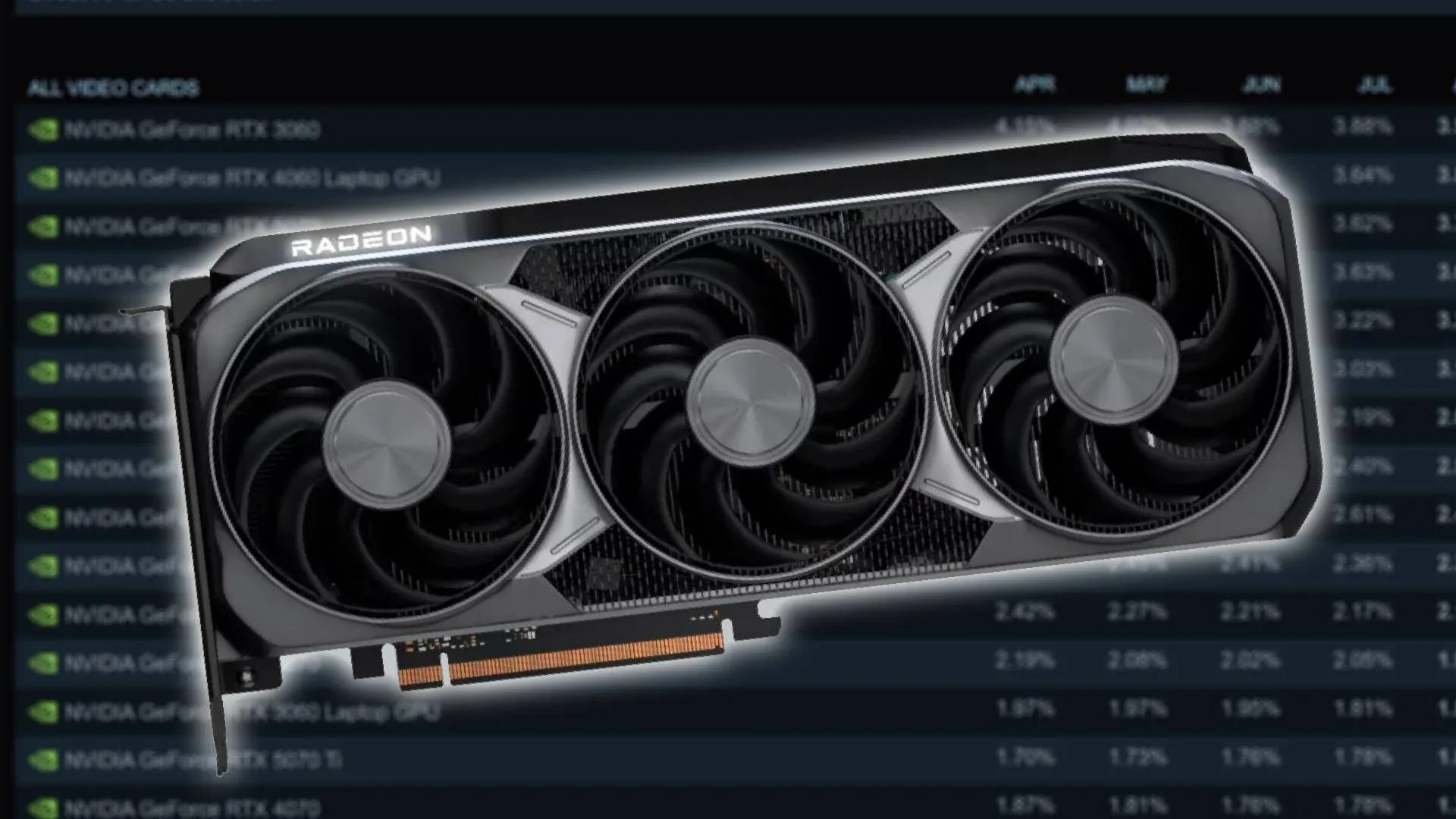
That ambition becomes much harder to scale without strong Nvidia support. The latest Steam Hardware Survey cited Nvidia GPUs at 72.88% of Steam’s player base. Even allowing for the usual caveats of a survey snapshot, that is an enormous portion of the audience. A gaming operating system that works best with only a minority of the graphics hardware already in players’ machines faces an obvious adoption ceiling.
AMD has generally been the more natural fit for Linux gaming, in part because of its long-running support for drivers on the operating system. That does not make every AMD configuration automatically effortless, nor does it mean Nvidia cards are useless on Linux. Plenty of Linux distributions can operate with Nvidia hardware. But a mainstream SteamOS experience has a stricter standard than basic functionality: reliable setup, broad GPU coverage, good performance, smooth updates, and behavior that remains predictable after users install a new game or plug in a new display.
Valve’s work matters because it is trying to close the gap between “this can work” and “this simply works.” Those two sentences have started more PC troubleshooting threads than any human being should have to read.
Main-branch enablement is progress, not a finish line
Griffais said the Nvidia driver is now enabled in SteamOS’ main tree, allowing functionality on some GPU generations. The detail is significant because it shows the effort has advanced beyond a purely hypothetical wish list. Nvidia hardware is part of the active SteamOS development picture, not a forgotten sticky note under a coffee mug.
Related coverage includes Valve Says Nvidia Driver Support Is a Top SteamOS Priority, but Full Performance Will Take Time.
Still, Valve has also been clear that there remains a performance gulf between the current driver state and the level it is aiming for. That distinction should temper expectations. A system may detect a graphics card, render an interface, or run selected games without delivering the frame rates, stability, compatibility, power behavior, or feature completeness that users would reasonably anticipate from a mature gaming platform.
There is no announced timetable here, and no promise that every Nvidia GPU will gain complete support at the same time. Griffais compared the scope of the work to other lengthy efforts, including FEX and Qualcomm driver work, stressing that these projects can take years. It is a useful reality check: driver development has a habit of looking like a checkbox from far away and a giant field of checkboxes once someone hands you the clipboard.
- What has moved forward: Nvidia driver functionality has been enabled in SteamOS’ main development branch for certain GPU generations.
- What remains unresolved: Valve says performance is still behind the desired state of the art.
- What is not confirmed: A release date, a definitive compatibility list, or a claim of full-performance support across Nvidia’s lineup.
- Why patience is warranted: Valve characterizes the work as a long-term technical effort, even as day-to-day progress continues.
The Windows alternative needs more than one breakthrough
Nvidia drivers are only one of SteamOS’ major obstacles to becoming a practical alternative to Windows for a much wider population. The other towering issue is multiplayer anti-cheat support. Games that rely on anti-cheat systems can be among the most important titles in a player’s library, especially in competitive shooters, sports games, and ongoing service games. If those games do not support SteamOS or Linux through their anti-cheat configurations, an otherwise polished operating system can become a second machine rather than a replacement.
That is why Nvidia progress is so strategically important without being a complete solution. Solving graphics support could make SteamOS viable for a huge new group of PC owners, but the system’s ability to displace Windows for those players will still depend on which games work, how well they work, and whether publishers choose to support the platform’s anti-cheat requirements.
The sequence is nonetheless logical. Better Nvidia compatibility expands the potential hardware base. A bigger potential audience gives developers and publishers a stronger reason to consider SteamOS compatibility. More supported games, in turn, make the platform more appealing to players who currently stay on Windows because one or two favorite games are non-negotiable. Operating-system migrations rarely happen because users adore the boot screen; they happen because the compromises finally shrink enough to stop mattering.
Valve’s hardware plan makes the driver work more urgent
Valve’s recent hardware direction has placed SteamOS itself at the center of the story. The platform’s reach is a bigger prize than shipments of any one device. The Steam Deck showed that a Linux-based gaming experience can be coherent and popular when hardware, software, storefront, and interface all point in the same direction. Expanding that model to more categories requires a much wider compatibility net.
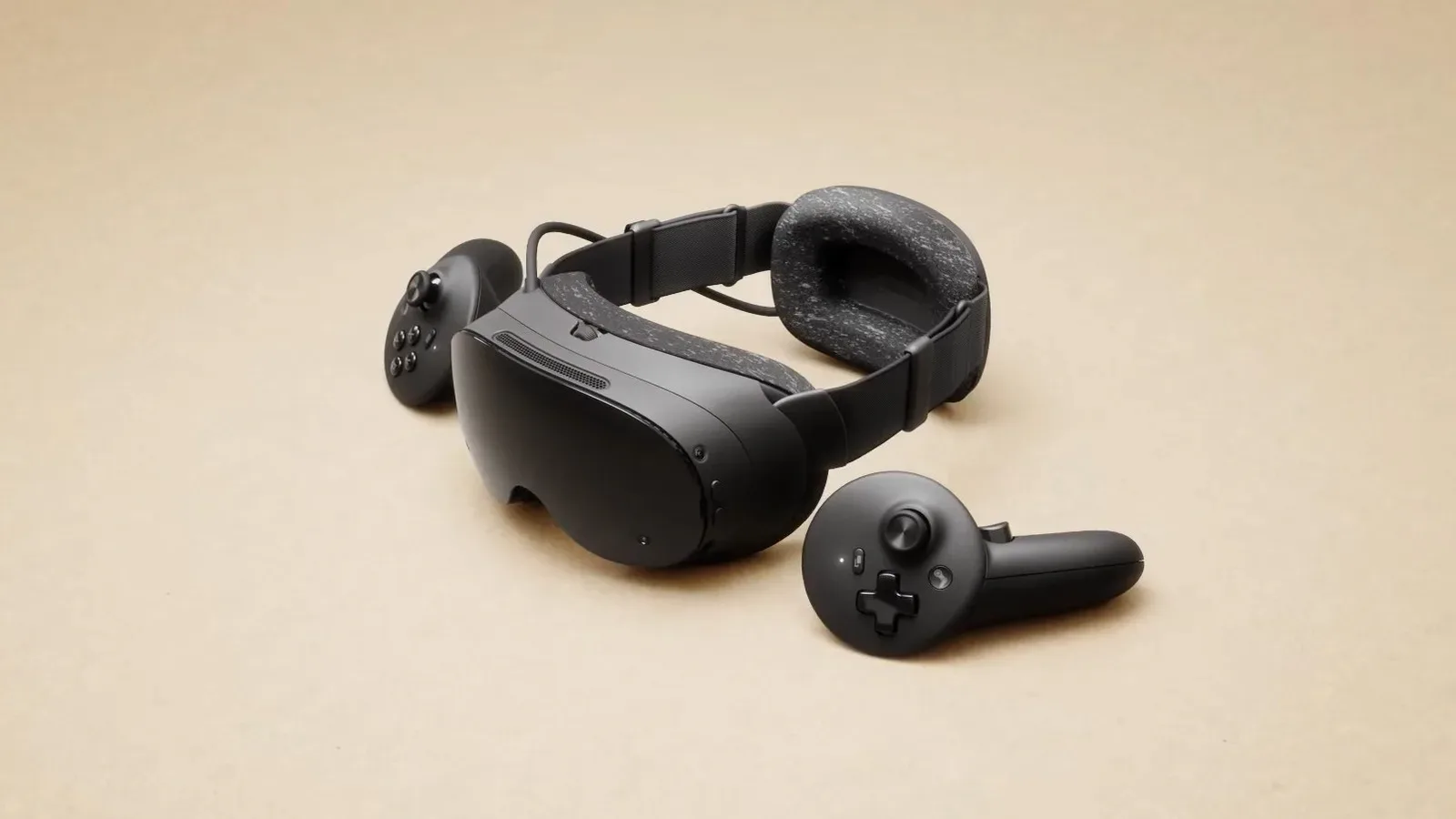
The coming Steam Frame is a reminder that Valve is not treating SteamOS as a side project. For more on that hardware’s positioning, see Valve’s Steam Frame pricing and Half-Life: Alyx bundle details. While Nvidia driver work should not be mistaken for a confirmed feature list or launch guarantee for any particular device, it fits the company’s larger effort to make SteamOS relevant in more places.
There is also a practical consumer angle. PC players do not usually replace a graphics card just to change operating systems. If SteamOS demands an AMD GPU for the least troublesome path, that limits the platform to people already aligned with that hardware choice or willing to make a costly change. Better Nvidia support would remove a major barrier for desktop owners and system builders who want the SteamOS interface but have no desire to rebuild a perfectly capable PC.
What players should take from the update
The most sensible reading is cautiously optimistic. Valve is treating Nvidia support as serious, ongoing work; it has made tangible development progress; and it acknowledges that current performance is not where it needs to be. That is more informative than vague enthusiasm, even if it does not produce an immediate install recommendation for every GeForce owner.
Players considering SteamOS should avoid treating this as a signal that full Nvidia parity has arrived. Compatibility can vary by graphics generation, game, driver behavior, display setup, and the other moving pieces that make modern PC gaming such an elegant machine until it suddenly asks to update four things at once. Valve has not supplied a comprehensive promise that Nvidia gaming on SteamOS now matches the best available experience.
But the upside is plain. Nvidia represents 72.88% of the Steam hardware-survey audience referenced here. Bringing that installed base into SteamOS’ practical orbit would give Valve a far stronger chance of presenting its platform as a genuine gaming OS choice rather than an excellent fit primarily for particular devices and AMD-centric configurations. Add progress on anti-cheat support, and the distance between SteamOS and a broader Windows alternative could narrow considerably.
For now, the work is underway, the driver is present in the main SteamOS development tree for some generations, and Valve says performance is improving over time. It is not the dramatic “mission accomplished” moment Nvidia-owning Linux gamers may want. It is, however, a meaningful sign that Valve understands exactly how large the missing piece is—and has put it near the top of the stack.