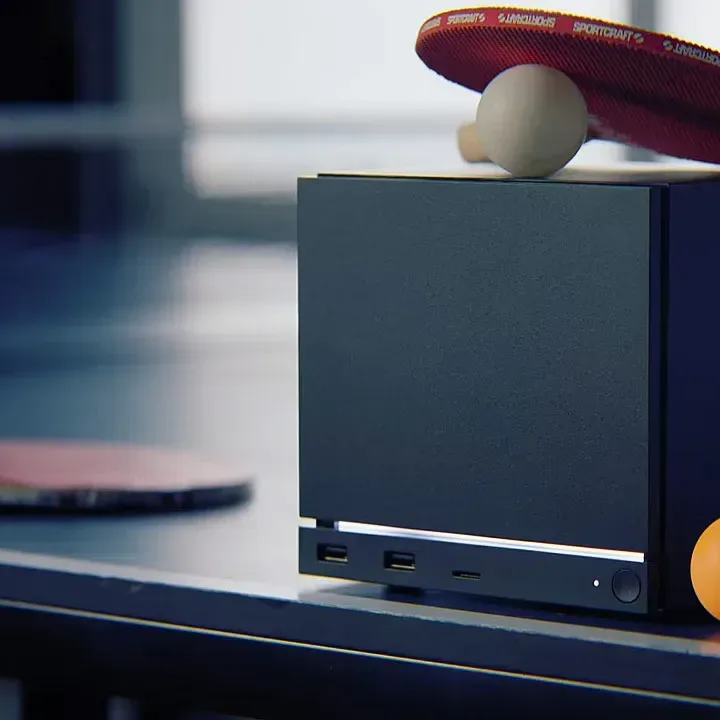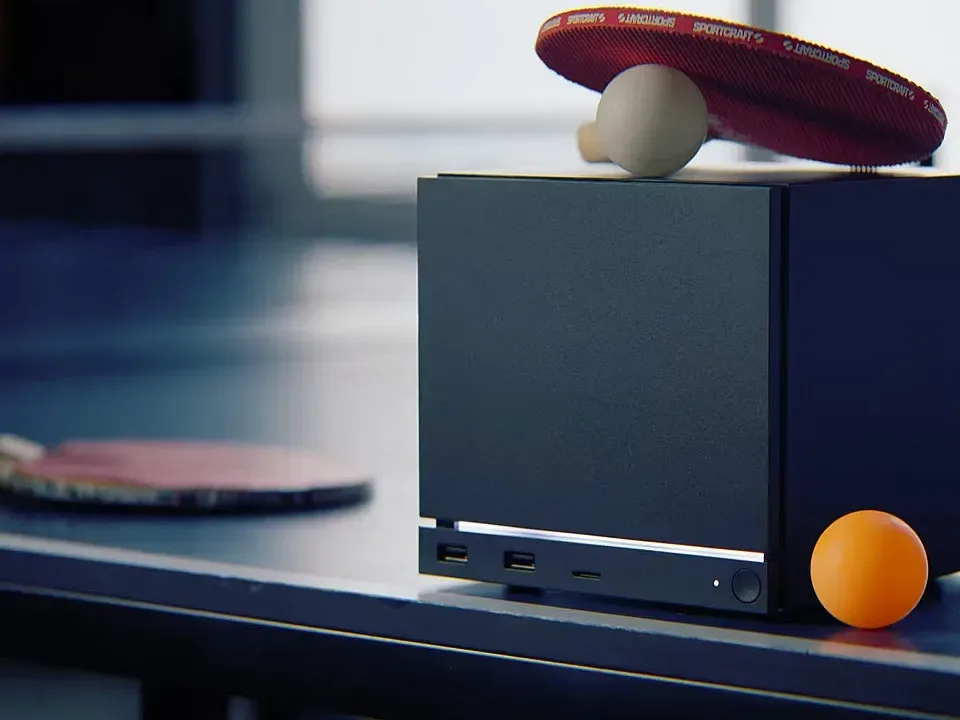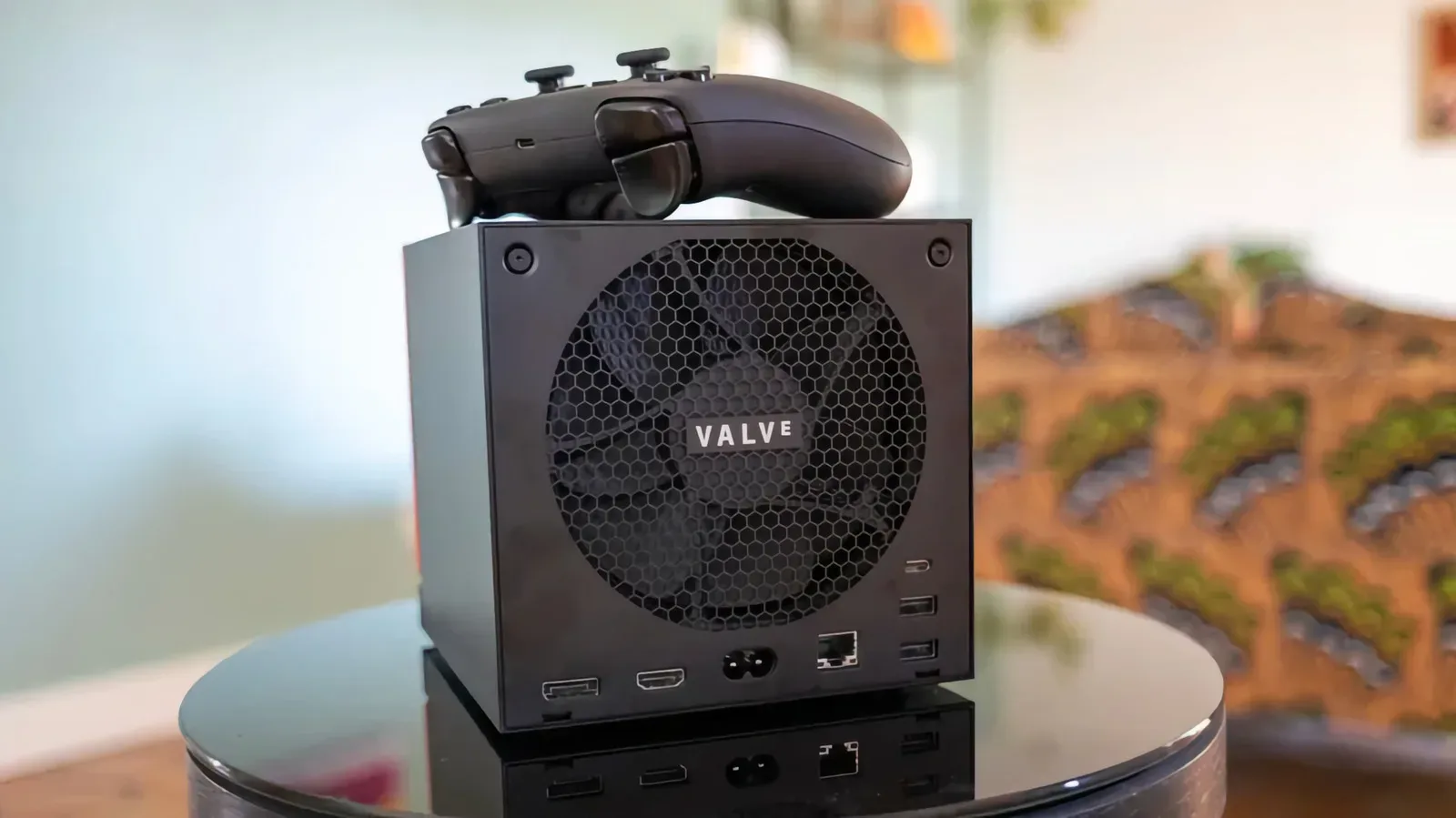
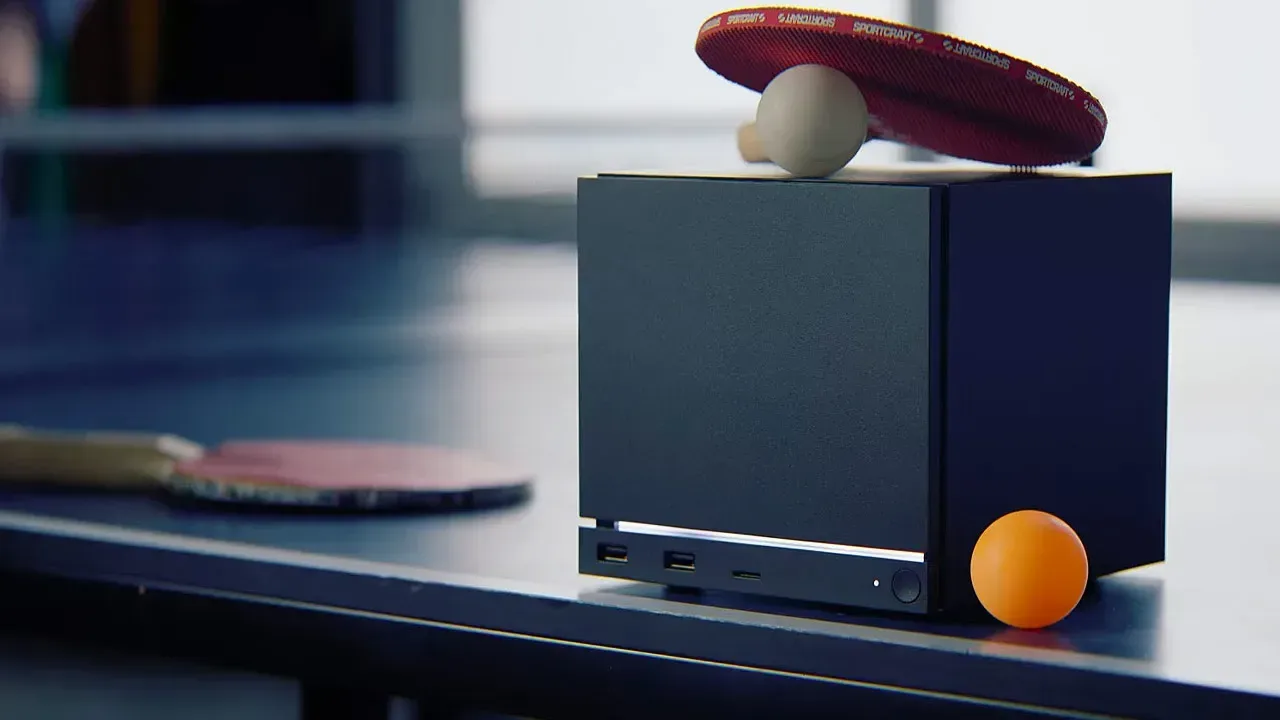
Valve has moved the 512GB Steam Machine beyond its reservation queue, allowing customers to purchase that version directly through its Steam store page. The change follows a November 19 update in which the company said it had completed purchase invitations for people who had reserved the 2TB model.
That is welcome news for anyone who had been staring at a projected 2027 order window after the mini PC’s June launch. But it is not a declaration that Steam Machine supply is suddenly normal. Valve is continuing to describe production as limited, and it remains unable to offer the 2TB configuration in the same reservation-free manner.
The dividing line is storage capacity. Valve says the ongoing shortage affecting memory and storage is hitting the 2TB Steam Machine especially hard. Demand from the 2TB waiting list is greater than the number of units the company has been able to make. More are planned, but output will be limited rather than open-ended.
What has changed for the 512GB model
The practical update is simple: prospective buyers no longer need a reservation for the 512GB Steam Machine. A reservation system ordinarily manages a queue when manufacturers cannot immediately meet demand. Removing that requirement means Valve has cleared the waiting list for this configuration sooner than anticipated.
It does not guarantee that the 512GB model will remain available indefinitely. Valve has cautioned that its supply could sell out, even as it continues to build more machines. Anyone interpreting the update as a permanent end to availability limits should be careful: the company does not yet know how many units it will be able to produce or what price it can offer them at in the future.
That uncertainty matters more than the removal of the queue itself. A direct purchase button is useful only while stock exists, and Valve’s wording indicates that component availability and costs may still dictate future availability.
Why the 2TB Steam Machine is still harder to get
The 2TB model has now reached the end of its purchase-invite process for reservations, but it is not being placed on general sale without a reservation like the 512GB version. Valve attributes that difference to the pressure on memory and storage supply, along with the greater component demands of the larger-capacity machine.
In plain terms, 512GB and 2TB describe storage capacity. A gigabyte is a unit used to measure digital data, while a terabyte equals roughly 1,000 gigabytes. A 2TB drive therefore offers about four times the capacity of a 512GB drive. That extra space can matter for players who intend to keep a larger library installed at once, but it also requires more storage hardware at a moment when that hardware is difficult and expensive to procure.
Related coverage includes Steam Machine 512GB Model Now Available Without Reservations, While 2TB Supply Stays Tight.
The distinction is important because “memory shortage” is often used as a broad shorthand. In consumer PC discussions, RAM and storage are related to a system’s component bill but do different jobs. RAM, or random-access memory, is short-term working space used while software is running. Storage holds the operating system, games, saves and other files when the device is turned off. Valve’s update points to rising pressure across memory and storage costs, while specifically identifying the 2TB machine’s larger drive as a particular constraint.
For shoppers, this means the capacity choice is no longer merely about how much room they would like. It can determine whether a Steam Machine is immediately purchasable at all. The 512GB model is the current straightforward route; the 2TB version remains dependent on Valve’s limited production flow.
Rising component costs leave price and production unanswered
Valve has said memory and storage costs are increasing at unprecedented levels. Crucially, it has not committed to a future production total or a future price. Those are two separate uncertainties with the same underlying problem: when components become more expensive or harder to obtain, a hardware maker may have to limit manufacturing, change its retail price, or both.
No revised Steam Machine price has been confirmed in this update. Likewise, there is no confirmed plan to discontinue the system. Those possibilities should not be treated as settled outcomes. What is known is narrower: Valve plans to continue making the Steam Machine, but at a limited rate, and cannot yet say how many it can produce or what it will be able to charge.
That is a meaningful warning for people who are weighing a purchase. Waiting may bring more stock, but the available information does not support assuming that later units will be easier to buy or carry the same price. Conversely, scarcity alone does not establish that a price change is certain. Valve has left both questions open.
The broader supply picture is not expected to ease quickly
The constraint is not confined to one Valve configuration. Samsung has told investors that memory supply is expected to be tighter next year, and all three major RAM manufacturers have reportedly sold through manufacturing capacity through next year. That does not tell consumers exactly when Steam Machine availability will change, but it provides important context for Valve’s caution.
Component manufacturing capacity is the amount of output a supplier can make over a given period. If that capacity has already been committed, companies that need those parts have less flexibility to increase production quickly. A smaller device maker can therefore face difficult choices even when there is clearly buyer interest: secure limited parts at higher costs, make fewer systems, or postpone some production.
For the Steam Machine, the effect is especially visible because the product launched amid constrained supply and initially directed customers through reservations. Some customers were given estimated order timing in 2027, making the cleared 512GB queue substantially earlier than expected. Yet the 2TB bottleneck demonstrates that the overall issue has not disappeared just because one configuration is now easier to order.
What prospective buyers should take from Valve’s update
- The 512GB Steam Machine is currently available without a reservation. It is the only configuration described as directly purchasable in this update.
- The 2TB model remains supply-constrained. Valve has finished its reservation purchase invites, but demand on that list exceeded the number of systems it could make.
- Stock may remain volatile. Valve says it will keep building the machine, while warning that supply could sell through.
- Future pricing is unknown. Higher memory and storage costs have created uncertainty, but no new price has been confirmed.
- Capacity is now a purchasing trade-off. The larger-storage model may be preferable for installed-library space, but the 512GB option is currently the clearer path for someone who wants to buy without entering a reservation process.
The situation is a reminder that PC hardware availability is not solely a question of demand for a finished device. Supply commitments for RAM and storage can shape the configurations a company can ship, the number of systems it can make and potentially the price at which it can sell them. It is one of several technology-industry pressures worth tracking; for another look at how software and AI ambitions are shaping the sector, see this report on job listings pointing to an AI agent that could work across apps.
For now, the Steam Machine update offers a genuine improvement for buyers who can work within 512GB of storage. For those holding out for 2TB, however, the answer remains patience rather than a normal, reservation-free storefront purchase. Valve’s commitment to continue production is encouraging, but the company’s own uncertainty over volume and pricing makes clear that the supply story is still in progress.