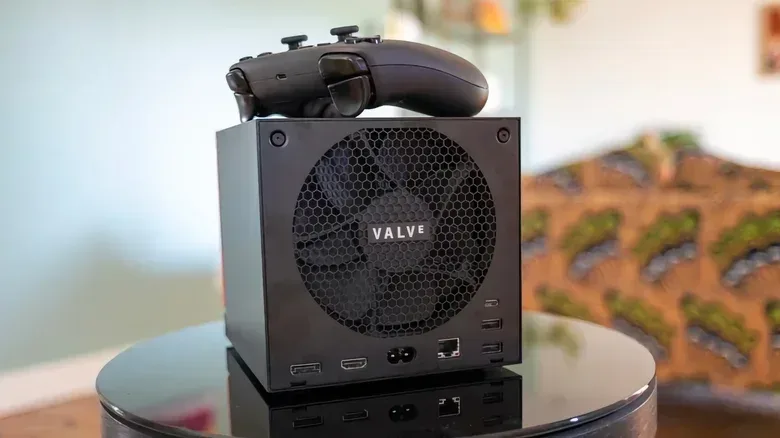
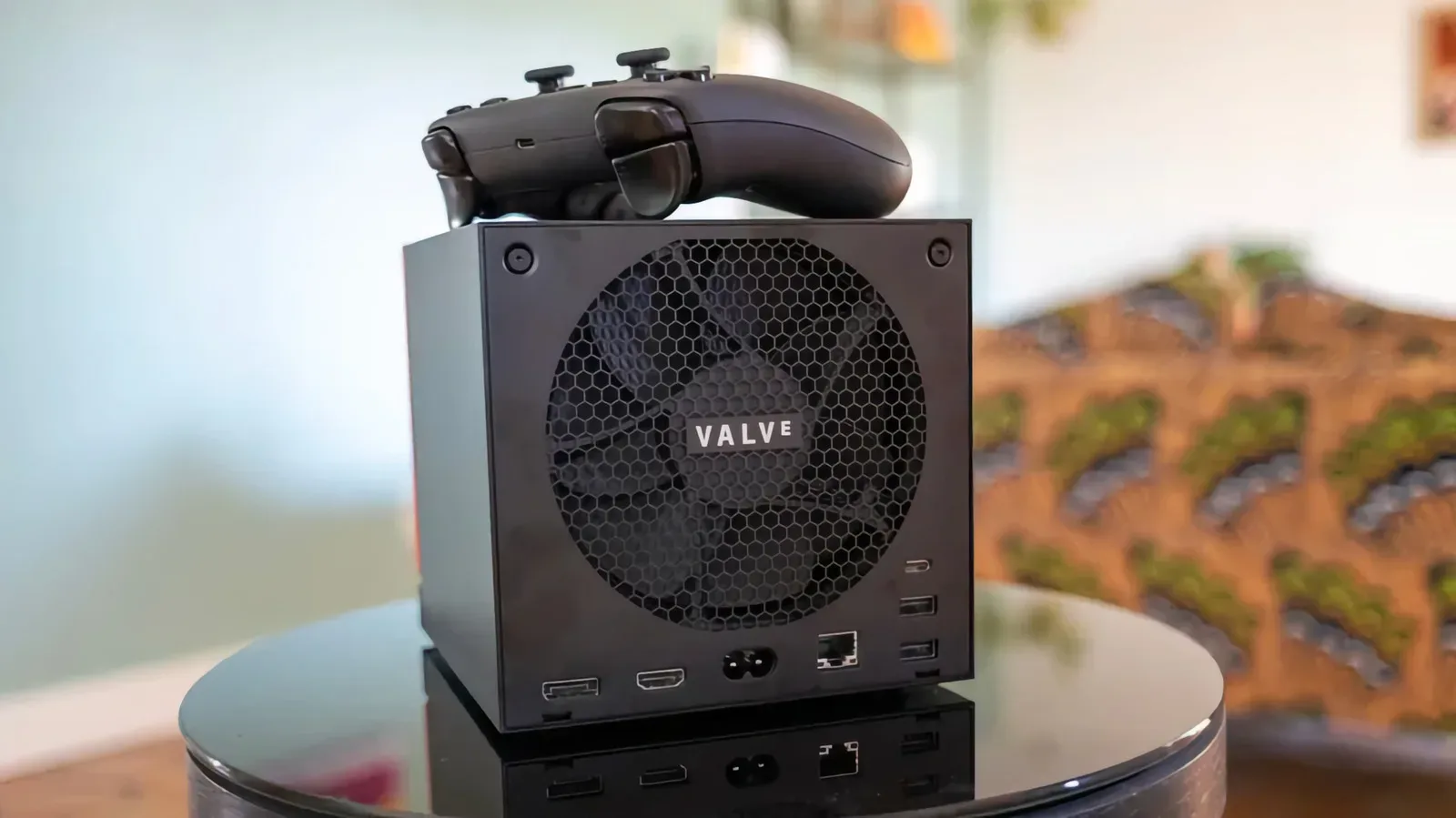
Buying the 512GB Steam Machine has become substantially more straightforward: Valve says it has completed orders for everyone on that model’s waitlist, and the compact Linux gaming PC can now be purchased directly while current stock lasts.
That is an important change for a product positioned closer to a living-room console than a conventional build-it-yourself computer. A prospective buyer of the 512GB model no longer needs to enter a reservation queue and wait for an invitation. The catch is that direct sales do not mean unlimited supply. Once the currently available units are gone, Valve says the model will simply be marked out of stock rather than moved immediately to a fresh waitlist.
The larger-capacity 2TB Steam Machine is in a different, more constrained position. Valve has sent purchase invitations to all of that model’s existing reservation holders, but demand still exceeds the number of units available. People who joined the queue later can retain their places, while new reservations have been closed and the 2TB listing is being shown as out of stock.
What has changed for the 512GB model
The practical news is simple for anyone considering the entry-capacity Steam Machine: check its store listing, and purchase is possible if inventory is available. There is no longer a separate waitlist step for this model.
It is still worth reading “while supplies last” literally. Valve has not specified how many 512GB systems are in the present allocation, nor has it set out a timetable for a restock after that allocation is exhausted. Direct ordering removes one barrier; it does not establish the kind of steady retail availability buyers normally expect from a mature console platform.
That distinction matters because a waitlist and an out-of-stock listing ask different things of a customer. A waitlist promises a place in a process, even if timing is unclear. An out-of-stock listing provides no such place. For the 512GB model, a person who misses the present stock will need to watch for future availability rather than rely on a reservation position.
The 2TB Steam Machine remains a queue product
Valve’s treatment of the 2TB configuration reflects a sharper supply problem. Existing reservation holders have been sent their purchase invitations, and later entrants remain in line. But the company is no longer allowing additional people to join, because more people are already waiting than there are units available for purchase.
For buyers, this creates two distinct paths:
Related coverage includes Valve Opens 512GB Steam Machine Sales Without a Waitlist, While 2TB Stock Remains Limited.
- 512GB: available for direct purchase only for as long as the current supply remains in stock.
- 2TB: unavailable to new reservation holders; people already on the waitlist keep their position, but the model is constrained.
Storage capacity is the obvious difference in the names, but it is also central to the current availability story. The 2TB model has been identified as especially constrained, so shoppers should not assume its status will quickly mirror the newly opened ordering process for the 512GB version.
Why availability and prices remain unsettled
Valve says Steam Machines will continue to be made, but it has not committed to a production quantity or a future price. In its own description of the situation, the company does not yet know how many systems it can produce or what price it can offer them at. That makes the current supply update more than a routine waitlist milestone: it is also a reminder that later inventory could look different.
The company has pointed to rising memory and storage costs as a constraint. Those component categories are not incidental in a gaming PC. Memory, often called RAM, is the fast working space used while software is running. Storage is the longer-term space used for the operating system, installed games, and other files. Price pressure on either can affect the cost of a finished machine; pressure on both complicates planning for different capacity configurations.
The stated driver behind those higher costs is the data-center expansion supporting the AI industry. That does not mean every consumer hardware shortage has one single cause, nor does it tell buyers when pricing will settle. It does explain why Valve is declining to make a firm promise about future Steam Machine quantities or prices. The broader connection between AI infrastructure and entertainment technology is also increasingly part of industry discussion, including at the CES Entertainment Summit’s planned focus on AI and the business of fandom.
Valve had previously indicated that a $1,049 launch price was not its intended plan. With memory and storage costs elevated and supply limited, that price and the current reservation measures appear to be consequences of conditions the company is still trying to navigate, rather than a settled long-term arrangement.
A more console-like purchase flow, with a PC-market caveat
Opening direct sales makes the 512GB Steam Machine easier to approach as a console-style purchase. The customer sees a listing, checks stock, and buys if the system is available. That is a meaningful usability improvement over an invitation-based system, particularly for a living-room gaming device where simplicity is a major part of the appeal.
Yet the hardware is still described as a Linux gaming PC, and its sales conditions presently resemble the more volatile side of the PC hardware market. Inventory may fluctuate. Pricing may change. The high-capacity model is more restricted than the smaller one. In other words, the storefront flow may now be console-like for the 512GB version, but the underlying supply picture is not necessarily as predictable as shoppers might expect from a standard console launch.
The waitlist itself was originally introduced to manage interest after the Steam Controller became difficult to buy amid high demand. That earlier problem provides useful context for the cautious approach now: Valve is choosing controlled access for the 2TB model rather than accepting reservations it cannot presently satisfy.
What prospective buyers should take from this update
For someone who wants the 512GB Steam Machine, the immediate implication is to check availability and make a decision based on the listed terms at the time. Current stock can disappear, and Valve has not said when a sold-out listing would return.
For someone who wants the 2TB version but is not already in its reservation line, the update is less encouraging. New sign-ups are closed, and the product is marked out of stock. Existing waitlist members have a path that newcomers do not, though the company has cautioned that the model is particularly limited.
For either configuration, it is sensible to treat today’s status as a snapshot rather than a guarantee. Valve expects to share more about Steam Machine availability in January. Until then, the firm commitments are limited: the 512GB waitlist has been cleared, the 2TB waitlist is closed to new entrants, production is expected to continue, and neither future quantities nor future prices are known.