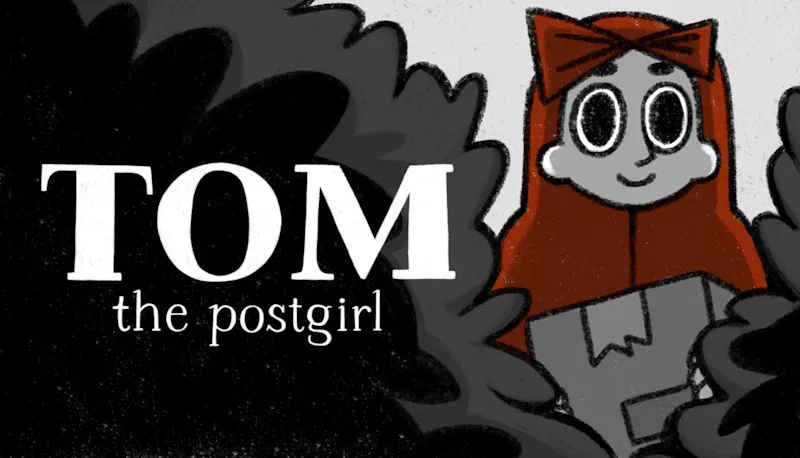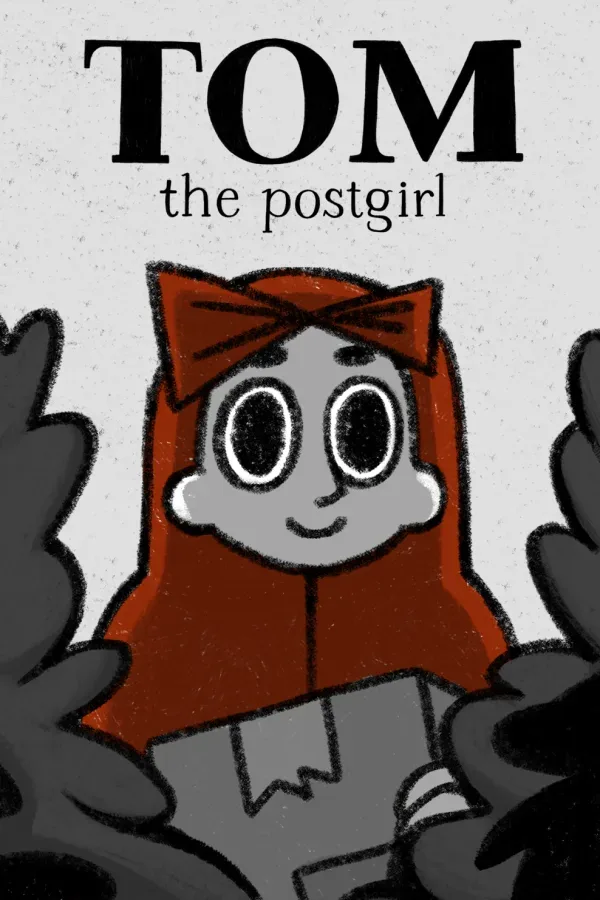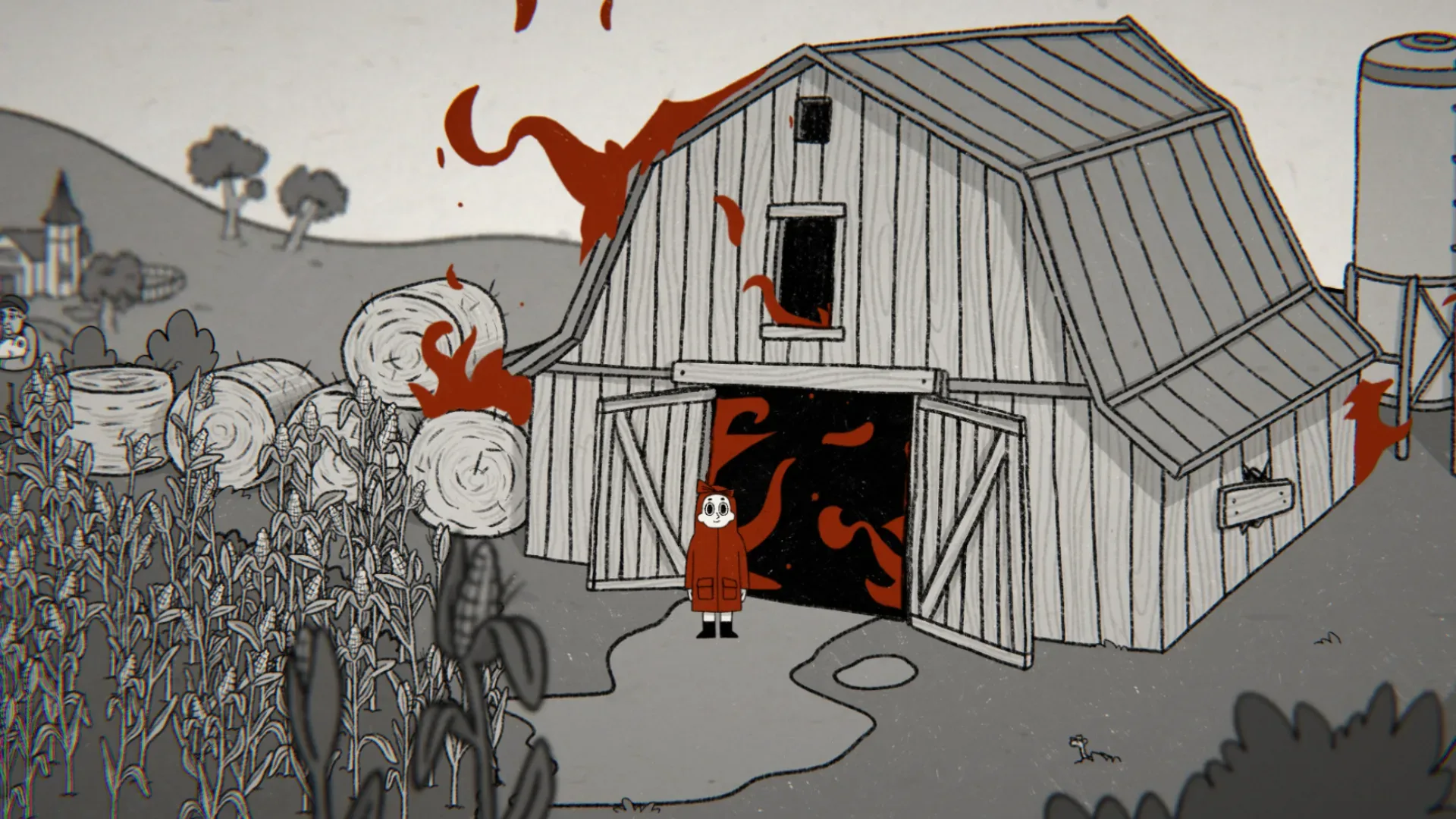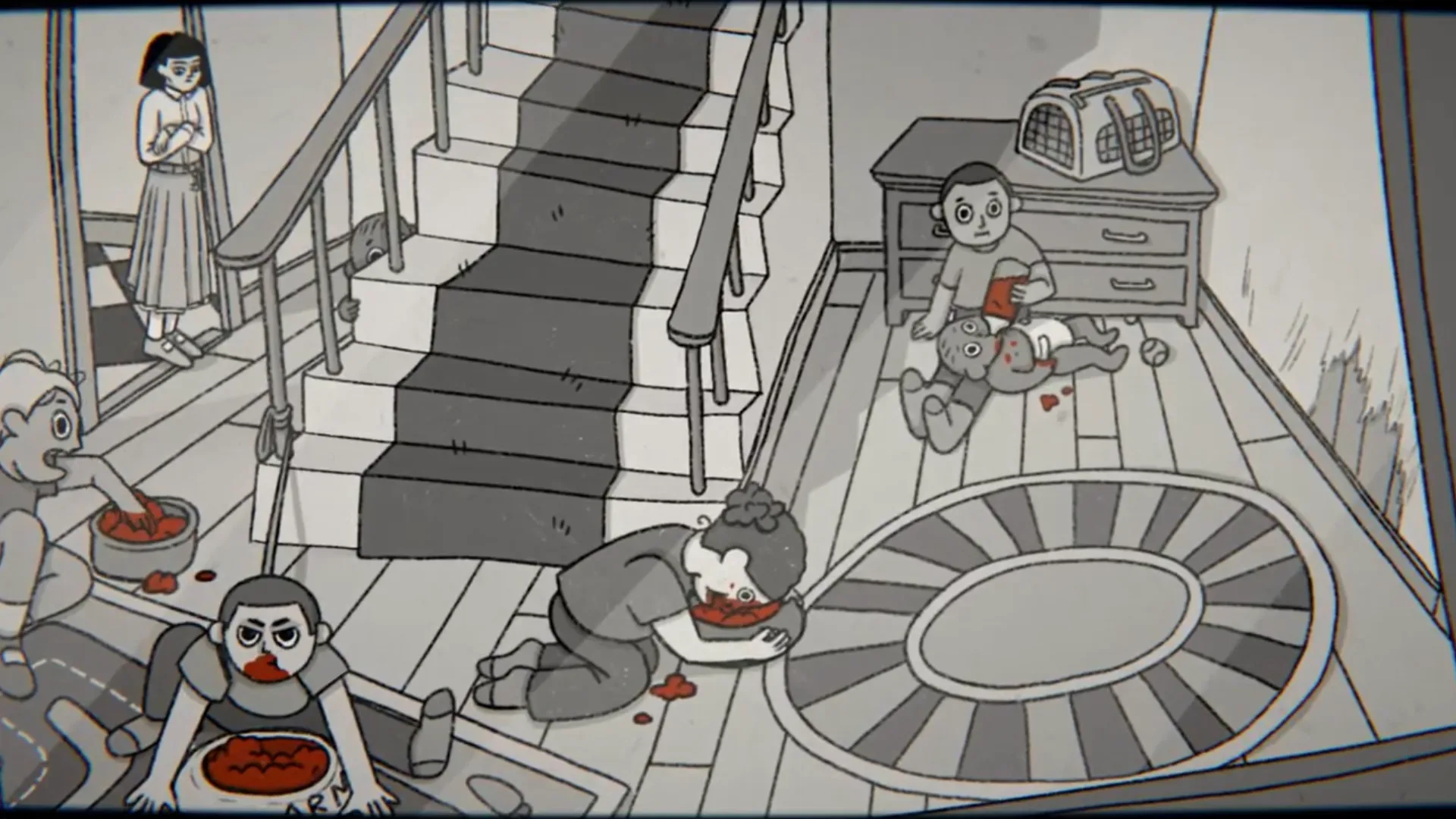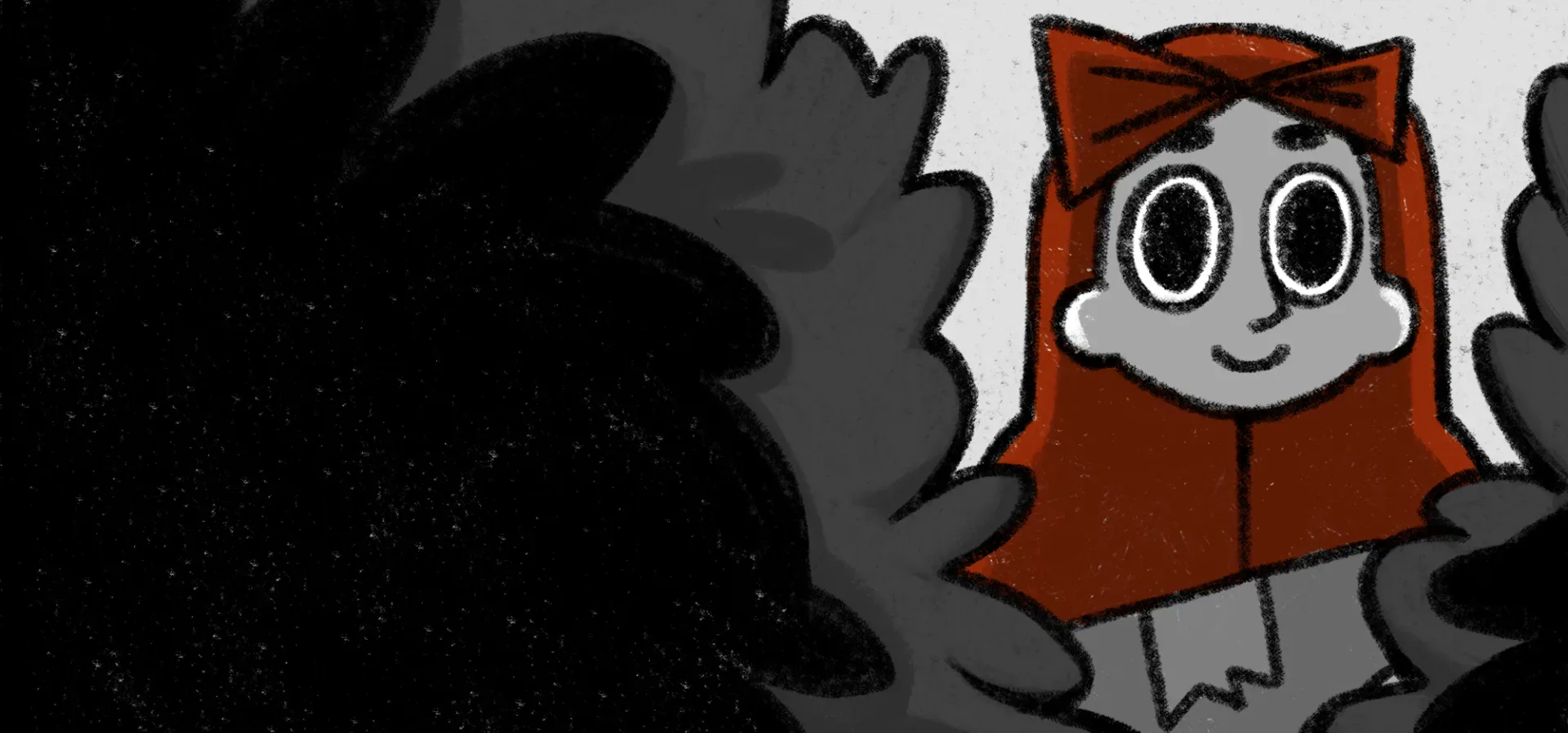
Tom the Postgirl, a single-player narrative adventure from Oopsie Daisies, is set to launch on October 29, 2026 for PC and Mac through Steam and for Nintendo Switch. Published by ARTE France and co-produced by ARTE France and Oopsie Daisies, the game puts players on a seemingly ordinary delivery route through a charming village whose residents are keeping considerably less ordinary secrets.
The premise turns the familiar task of delivering parcels into an invitation to snoop. Tom can bring packages to the people of the village, but she can also peer through windows, doors and cracks, uncovering scenes described as unsettling, darkly humorous and increasingly strange. The result is positioned as a “creepy-cute” adventure: an intentionally bright, approachable surface paired with a mischievous and possibly uncomfortable interest in what neighbours do when they think nobody is watching.
It will cost €9.99 at retail. Steam buyers will be offered a 10% launch discount for the first two weeks. The game carries a PEGI 16 rating, is designed for one player, and is planned with text support in French, English, Italian, German, Japanese, Korean, Polish, Brazilian Portuguese, Simplified Chinese, Spanish and Russian.
A delivery route built around observation
Tom the Postgirl’s central activity is deliberately more involved than simply moving from house to house. Players are asked to pay attention to the village, its hiding places and the behaviour of the people who live there. Tom’s rounds provide the reason to move through the setting, while the spying mechanics make observation part of the story rather than merely scenery between objectives.
That distinction matters for a narrative adventure. In this genre, progress is commonly driven by discovering information, interacting with characters and making choices that change what players know or what happens next. Here, watching appears to be one of the game’s key tools for learning about the village. Windows, doors and gaps are not just decorative details in the backgrounds; they are opportunities to find incidents and secrets that may otherwise remain hidden.
The setup also gives the player an unusual role. Tom is still expected to preserve an innocent façade even as her actions can become transgressive. The available behaviour includes spying, sabotage and causing chaos. In practical terms, that suggests the game will ask players to weigh curiosity and mischief against the social cover that lets Tom continue operating in the village. The supplied details do not define every consequence of those actions, so it remains unclear how directly individual choices feed into each ending. What is clear is that the game is presenting curiosity as an active playstyle, not just a personality trait for its protagonist.
What “creepy-cute” means for this adventure
“Creepy-cute” is often used to describe work that deliberately places comforting or playful imagery beside something unnerving. For Tom the Postgirl, the supplied description points to a charming village, a mischievous protagonist and hand-drawn art on one side, then hidden secrets, voyeurism and dark comedy on the other. The intended tension is not simply a horror setting with cartoon visuals. It is the mismatch between the reassuring look of a small delivery route and the invasive, disruptive things a player may choose to do while following it.
That approach can make the village itself feel like a puzzle box. Every home, narrow viewing gap or routine delivery could potentially contain a new detail. Rather than framing the residents only as quest-givers, the game frames them as people to observe. That is an important tonal choice: Tom’s access to private moments is the foundation of the joke and the unease.
Related coverage includes Tom the Postgirl Delivers Creepy-Cute Village Mysteries on October 29.
The game is not described as a combat-focused experience, and no combat systems have been announced. Its emphasis is instead on watching, lurking and interacting with the village. Players looking for a compact, story-led game built around atmosphere and discovery are therefore the most obvious audience; those expecting a conventional action game should calibrate expectations accordingly.
Hand-drawn backgrounds and frame-by-frame animation
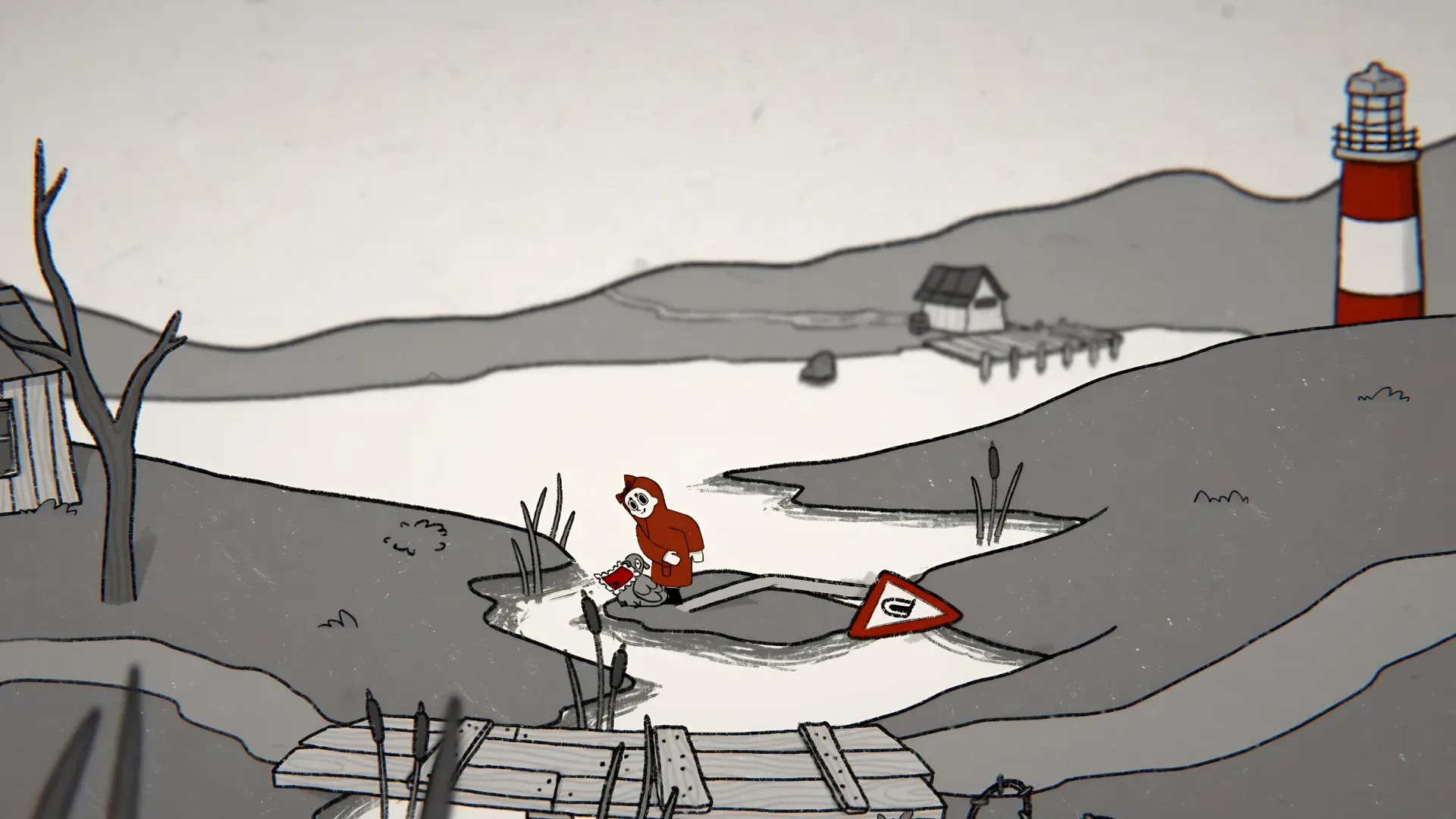
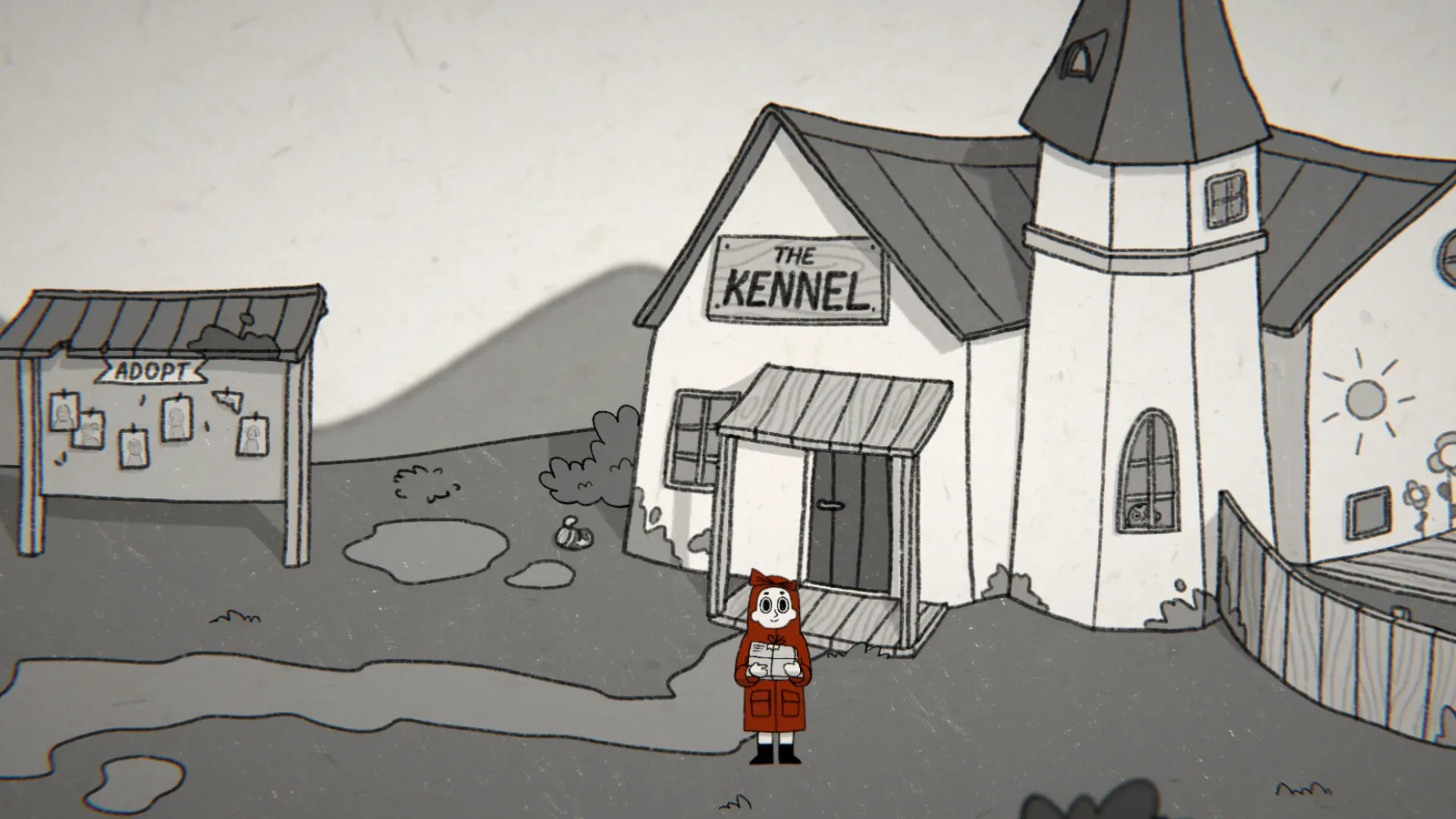
Oopsie Daisies is using hand-drawn backgrounds alongside frame-by-frame animation. Frame-by-frame animation means movement is created through individually drawn images shown in sequence, rather than relying solely on reusable motion systems. It can give characters and small environmental details a distinctly crafted, expressive quality, especially in a game where players are meant to linger over scenes and search for visual clues.
The visual approach also suits Tom the Postgirl’s retro sensibility. “Retro” here describes the game’s aesthetic direction rather than a promise of a particular older platform or technical format. The stated goal is an immersive world full of places from which to watch residents. For an observation-driven adventure, readable composition matters: players need to be able to scan a scene, notice points of interest and distinguish everyday activity from something that deserves a closer look.
Because the backgrounds are hand-drawn, the village’s appeal will depend not only on its main characters but on the smaller details around them: buildings, entrances, windows and obscured spaces. The announced design makes those elements mechanically relevant. A window is potentially a narrative lead; a crack is potentially a route to a hidden scene. That gives environmental art a more functional role than simply establishing mood.
Multiple endings, profiles and reasons to revisit the village
Tom the Postgirl is being built with replayability in mind. Oopsie Daisies has confirmed multiple endings, achievements and unlockable profiles. Multiple endings mean a completed playthrough is not necessarily the game’s only final version of events, while achievements offer optional objectives for players who want a clearer record of what they have discovered or accomplished.
The unlockable profiles are particularly fitting for a village full of guarded residents, though the precise information they contain has not been detailed. Their presence suggests that repeated runs may be useful not only for reaching different conclusions, but also for filling in a broader picture of the people Tom encounters. Players may have reasons to return with a different approach, whether that means concentrating on deliveries, being more inquisitive about hidden scenes, or embracing the troublemaking options more fully.
Importantly, the announcement does not promise a particular number of endings, achievements or profiles. It also does not outline a route to any specific conclusion. The safe expectation is variety in outcomes and discoveries rather than a confirmed branching structure of a defined size.
For players interested in other upcoming PC releases, Joking Joystick’s coverage of Firva: Strings of Fate’s early demo access offers another look at a game preparing to meet its audience through Steam.
Release details and development background
Oopsie Daisies is developing Tom the Postgirl, with ARTE France serving as publisher and co-producer. The project was also part-funded by Pro Helvetia, the Swiss Arts Council. Before its release date was set, the game appeared at the Swiss Game Awards, Summer Games Fest Day of the Devs, Ludanarracon and other events.
The October 29 release is confirmed for Steam on PC and Mac, as well as Nintendo Switch. No other platforms are included in the announced plans. Likewise, the language list is extensive, but the available information does not specify whether those languages cover interface text, subtitles, voice work or some combination of the three.
- Release date: October 29, 2026
- Platforms: PC and Mac via Steam; Nintendo Switch
- Genre: Narrative adventure
- Players: Single-player
- Price: €9.99
- Steam launch offer: 10% off for two weeks
- Age rating: PEGI 16
- Developer: Oopsie Daisies
- Publisher: ARTE France
Tom the Postgirl’s strongest hook is its willingness to make a cute postal routine feel a little illicit. Its village is not just a place to pass through while completing deliveries; it is a stage for looking too closely, finding the wrong thing at the right time and deciding how much chaos Tom can create without losing her harmless appearance. Players will find out how much of the village can be exposed when the game reaches Steam and Switch on October 29.