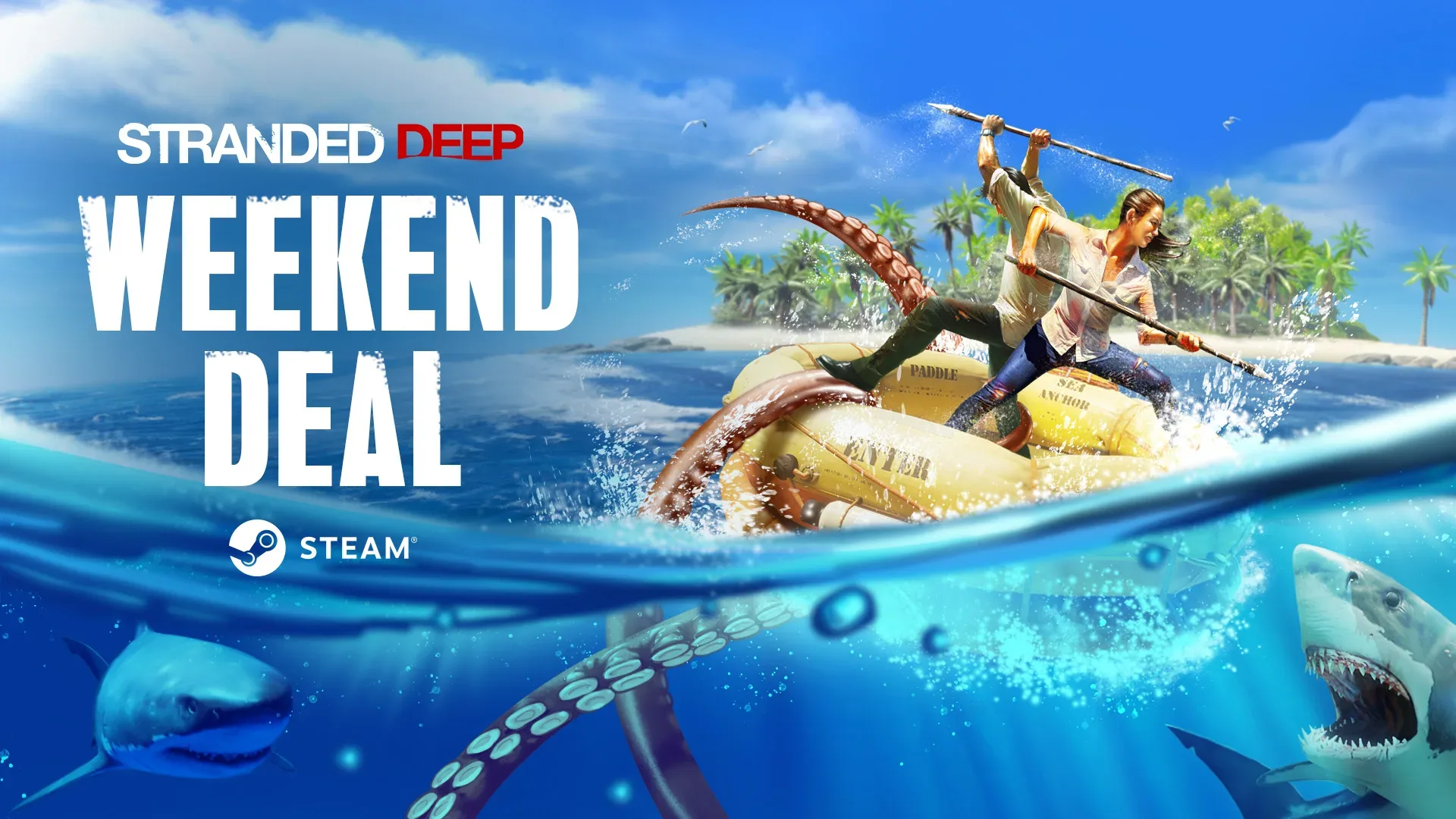
Stranded Deep is free to play on Steam from October 15 through October 19, giving survival-game newcomers a limited window to try its island-based struggle without an upfront purchase. Players who decide they want to keep it can find a 60% discount running from October 15 through October 22.
The promotion arrives beside new material for Stranded Deep 2. Creative Director Sam Edwards has discussed the sequel’s desert environment, two newly introduced animal species and its modular crafting system in a developer blog. A press kit and first teaser trailer are also available, offering the earliest official look at where the series is heading next.
A short Steam trial for a survival game built around improvisation
The original Stranded Deep starts after a mysterious plane crash and places the player amid Pacific islands and surrounding waters. Its premise is direct: resources are scarce, shelter does not simply appear, and continued survival relies on scavenging supplies, crafting tools and venturing beyond an immediately safe patch of land.
That makes the free-play period a useful fit for the game’s core loop. Survival games often ask players to spend their earliest hours learning a set of connected systems rather than merely completing a brief sequence of missions. In this case, the basic chain is gathering materials, turning them into tools, using those tools to build shelter and exploring additional islands and underwater spaces for what is needed next.
Scavenging means searching the environment for useful resources instead of receiving equipment as a routine reward. Crafting is the process of combining those resources into practical gear or structures. Neither term guarantees that a game is simple or complex on its own; what matters is the relationship between what can be found, what can be made and what each created item allows the player to do afterward. The available description establishes that this relationship is central to Stranded Deep.
The Steam offer is therefore more than a chance to see a beach and decide whether the water looks inviting. It is an opportunity to find out whether the game’s particular rhythm of collection, construction and exploration clicks before the discount ends. Players interested in the promotion should note the separate deadlines: access at no cost ends October 19, while the 60% price reduction lasts until October 22.
What the first game’s setting asks of players
The Pacific-island backdrop shapes the original game’s survival problem. Islands imply separation, which naturally puts an emphasis on deciding when to remain in a familiar location and when to search elsewhere. Underwater environments add another layer to that exploration, widening the space players must consider beyond the shoreline and land-based shelter.
There is a useful distinction between a setting and a survival system. The setting is the visible place: islands, ocean and underwater areas after a plane crash. The survival system is the set of actions demanded by that place: resource gathering, tool creation, shelter building and continued exploration. The supplied details point to both, which is why the free period can give prospective players a meaningful sample rather than only a glimpse of the game’s opening scenario.
Related coverage includes Stranded Deep Is Free to Play on Steam Until October 19.
For players trying it over a limited weekend, the practical priority is to approach it as a systems-driven experience. The central appeal described here is not a prescribed story route; it is the act of solving immediate needs with what the world provides. A player looking for that combination of environmental exploration and self-made progress has a clear reason to investigate before October 19. Someone who primarily wants a tightly directed campaign should recognize that the stated focus is survival through scavenging and building.
Stranded Deep 2 moves from the Pacific to the desert
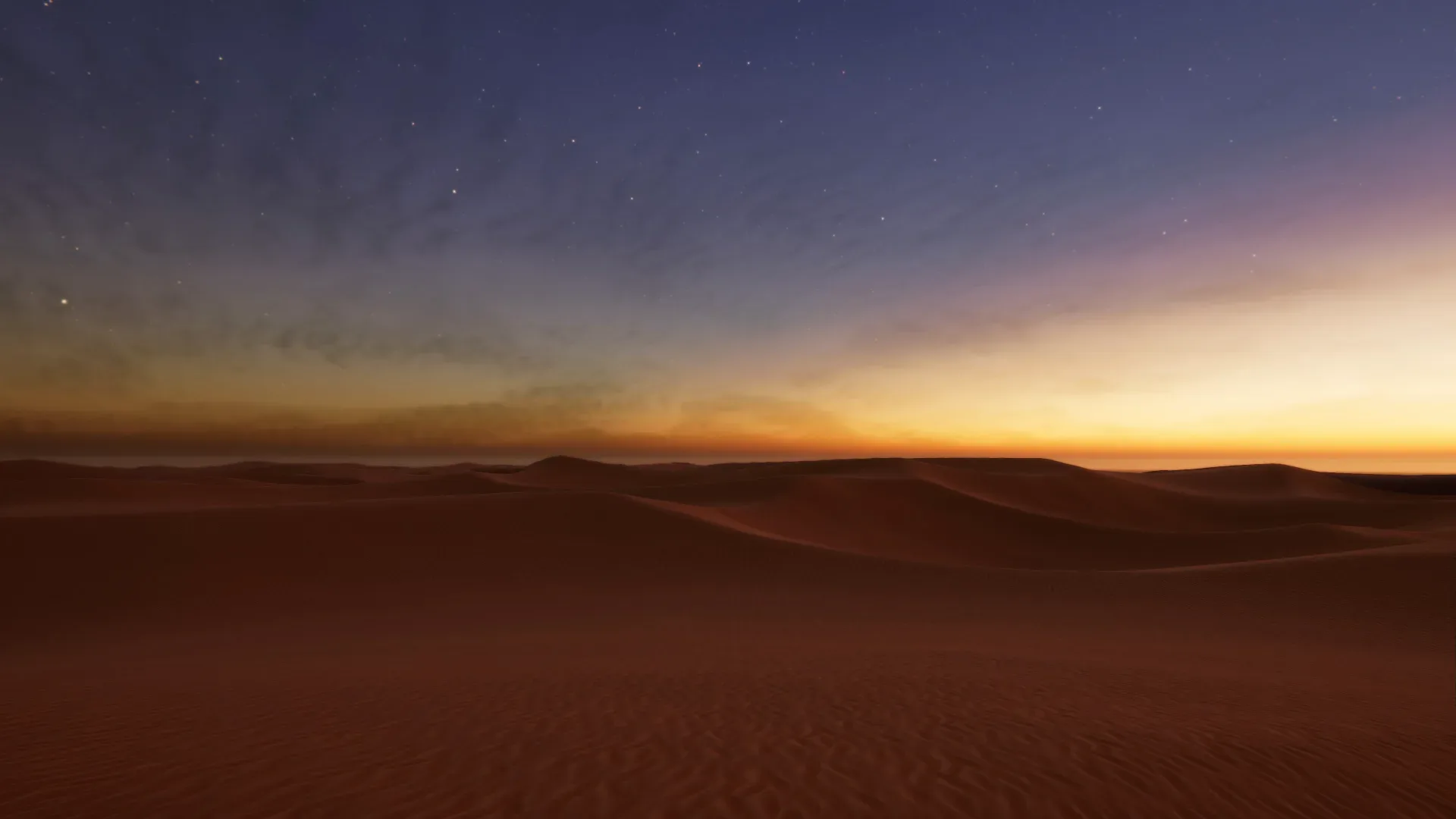
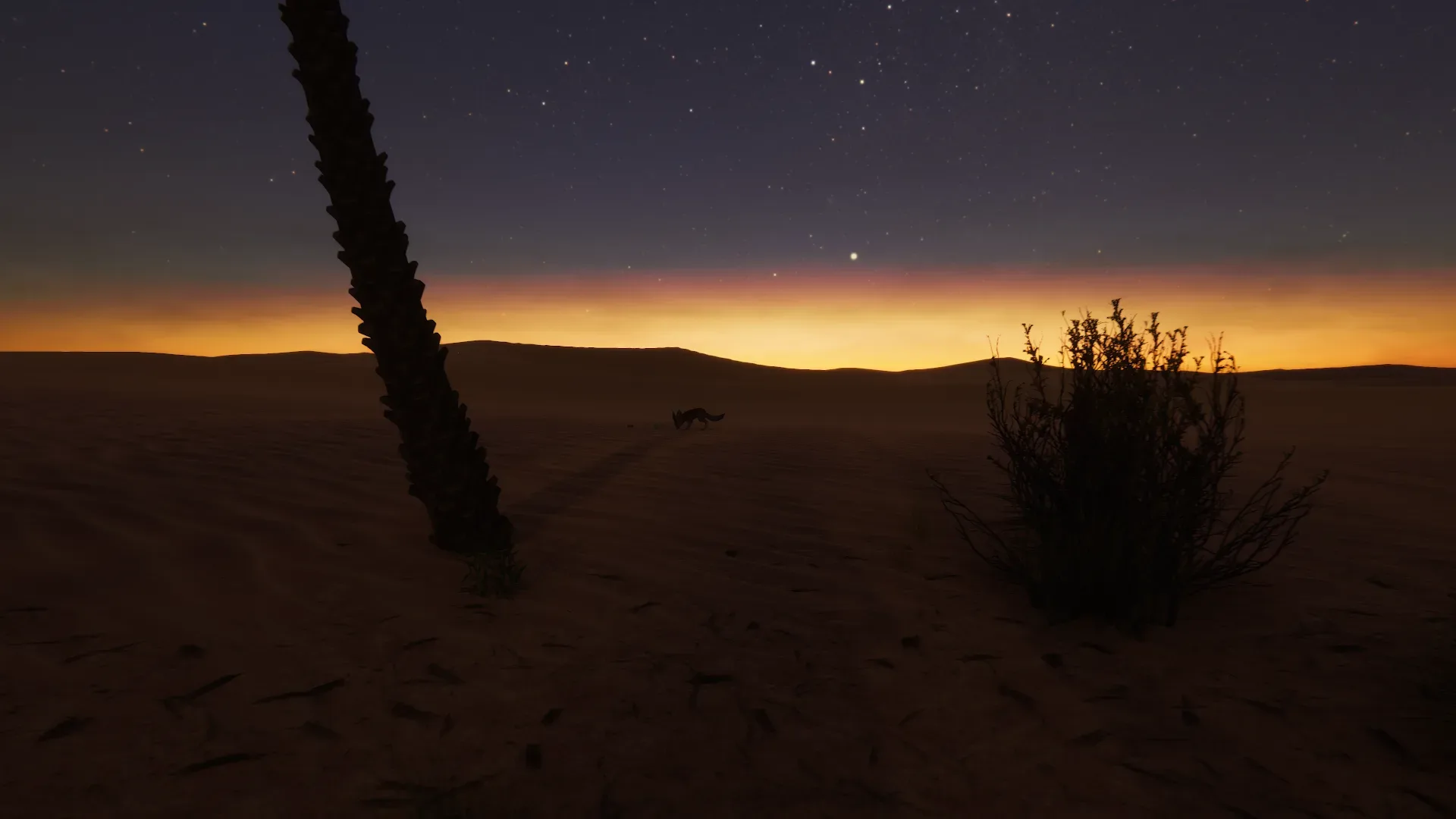
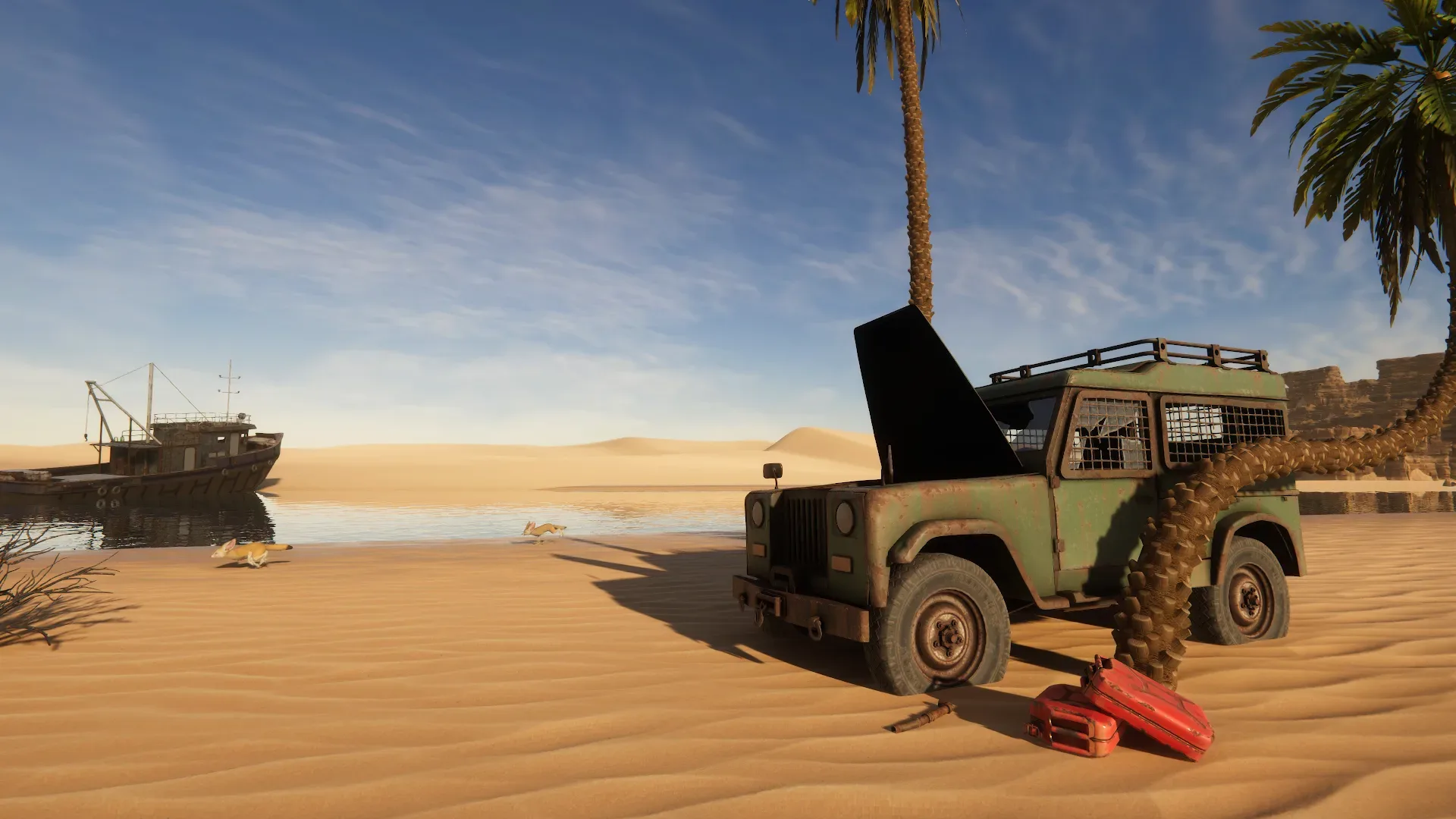
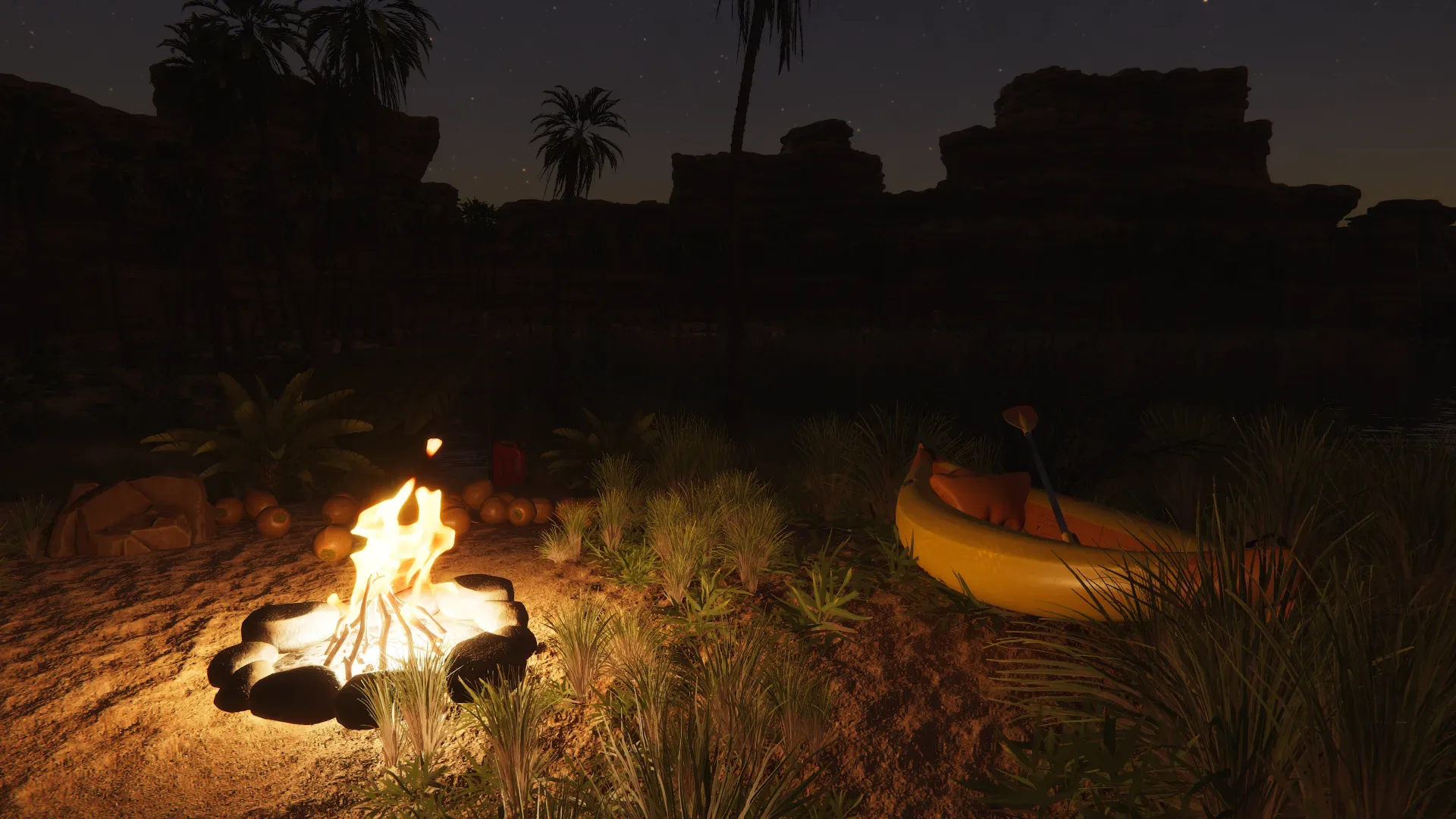
The sequel’s newly discussed desert setting marks a major change in environmental identity. The first game is defined in the available description by Pacific islands and underwater exploration. Stranded Deep 2, by contrast, is being framed around a desert. That does not establish every mechanical difference between the two games, but it does signal a new survival context and a different visual foundation for the follow-up.
Environment matters particularly in this genre because it is not merely scenery. A survival setting determines the kinds of questions players expect to confront: where materials may be located, how journeys are planned and which areas seem worth investigating. The developer blog indicates that tools, materials and locations will help shape survival in the sequel, directly tying its world design to player decision-making.
It is important, however, not to overstate what has been confirmed. The information available identifies the desert setting, two animal species and a modular crafting system. It does not provide a release date, platform list, price, detailed feature breakdown or an exhaustive account of the animals. Those remain unknown from the announced material.
Modular crafting is the sequel’s clearest mechanical talking point
The phrase modular crafting is the most significant systems detail currently attached to Stranded Deep 2. In plain terms, modular design refers to a system made from parts or components that can be arranged or combined in different ways. Here, the developer discussion connects tools, materials and locations to survival, suggesting that crafting will be a meaningful lens through which players engage with the desert rather than a background menu activity.
That is a potentially important evolution for a series already associated with making tools and building shelter. The original game’s stated loop revolves around finding resources and crafting what is necessary to endure. A sequel that foregrounds modular crafting appears to be putting extra attention on how crafted objects are assembled and how those choices fit the environment.
Still, “modular” should not be treated as a promise of any particular scale of customization until more specifics arrive. It confirms an approach to crafting, not the full number of tool components, the exact degree of alteration or every way locations will affect construction. The useful takeaway is narrower: the sequel’s developers are presenting crafting as a central survival pillar, alongside its desert world and animal life.
Two new animal species, with more to learn
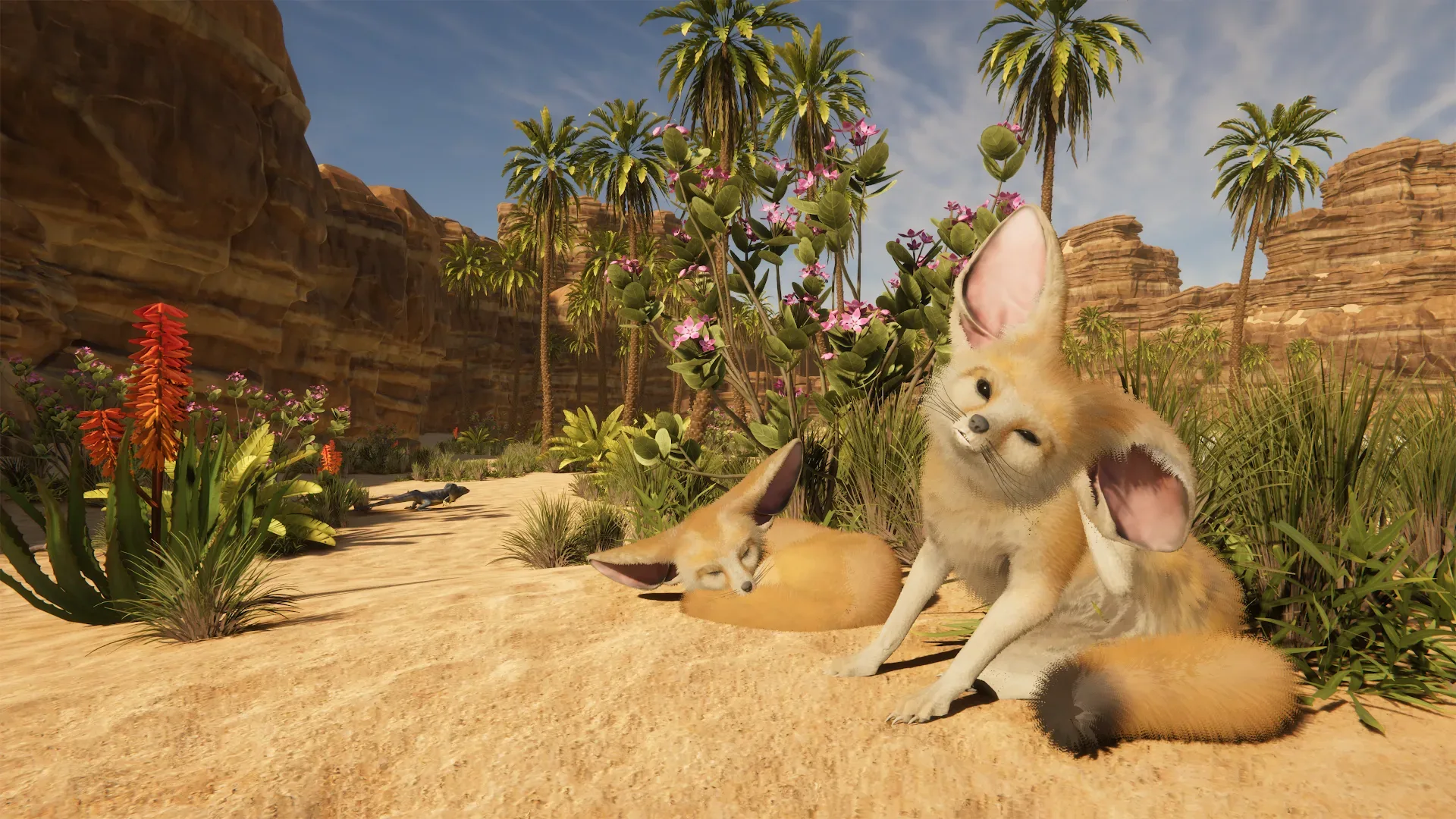
The developer blog also introduces two animal species for Stranded Deep 2. Their presence reinforces that the desert is intended to be an active survival space rather than an empty backdrop. Animals can influence the atmosphere of a survival game even before their exact roles are known, whether through encounters, resource considerations or environmental character.
At present, their names and behavior have not been provided in the available details. That uncertainty matters. It would be premature to label them threats, resources, companions or anything else. The confirmed point is simply that the sequel will include two newly presented species, and that the development update is using them as part of its first closer look at the world.
Why the timing makes sense
Running a free Steam period for the original game while publishing an early sequel update creates a straightforward on-ramp. The first game gives curious players a chance to experience the series’ survival foundations directly: a crash, an isolated environment, gathered resources, crafted tools and improvised shelter. Meanwhile, the sequel blog identifies the broad direction of the next installment without claiming to have revealed everything.
It also gives players two different kinds of information. The original game offers a playable example of what the franchise has historically emphasized. The sequel material offers a development-facing look at changes in setting and system design. The two are related but should not be confused: Pacific islands and underwater exploration describe the original game’s available setup, while the desert, animal reveals and modular crafting belong to the upcoming follow-up.
For PC players keeping an eye on temporary opportunities and early looks at forthcoming games, this is one of several ways to sample or assess a project before committing. Another current example is the demo for El Paso, Elsewhere 2, though its format and genre are distinct from Stranded Deep’s survival focus.
What is available now
- Free Steam access: October 15–19 for the original Stranded Deep.
- Discount: 60% off the original game from October 15–22.
- Sequel update: A developer blog from Creative Director Sam Edwards covering the desert setting, two animal species and modular crafting.
- Additional sequel material: A press kit and the first teaser trailer.
The immediate decision is simple. Anyone interested in island survival can use the free period to see whether the original’s cycle of scavenging, construction and exploration suits them. Anyone watching the sequel has a clearer, if still early, picture: Stranded Deep 2 is moving into a desert setting and placing modular crafting at the center of its survival conversation.