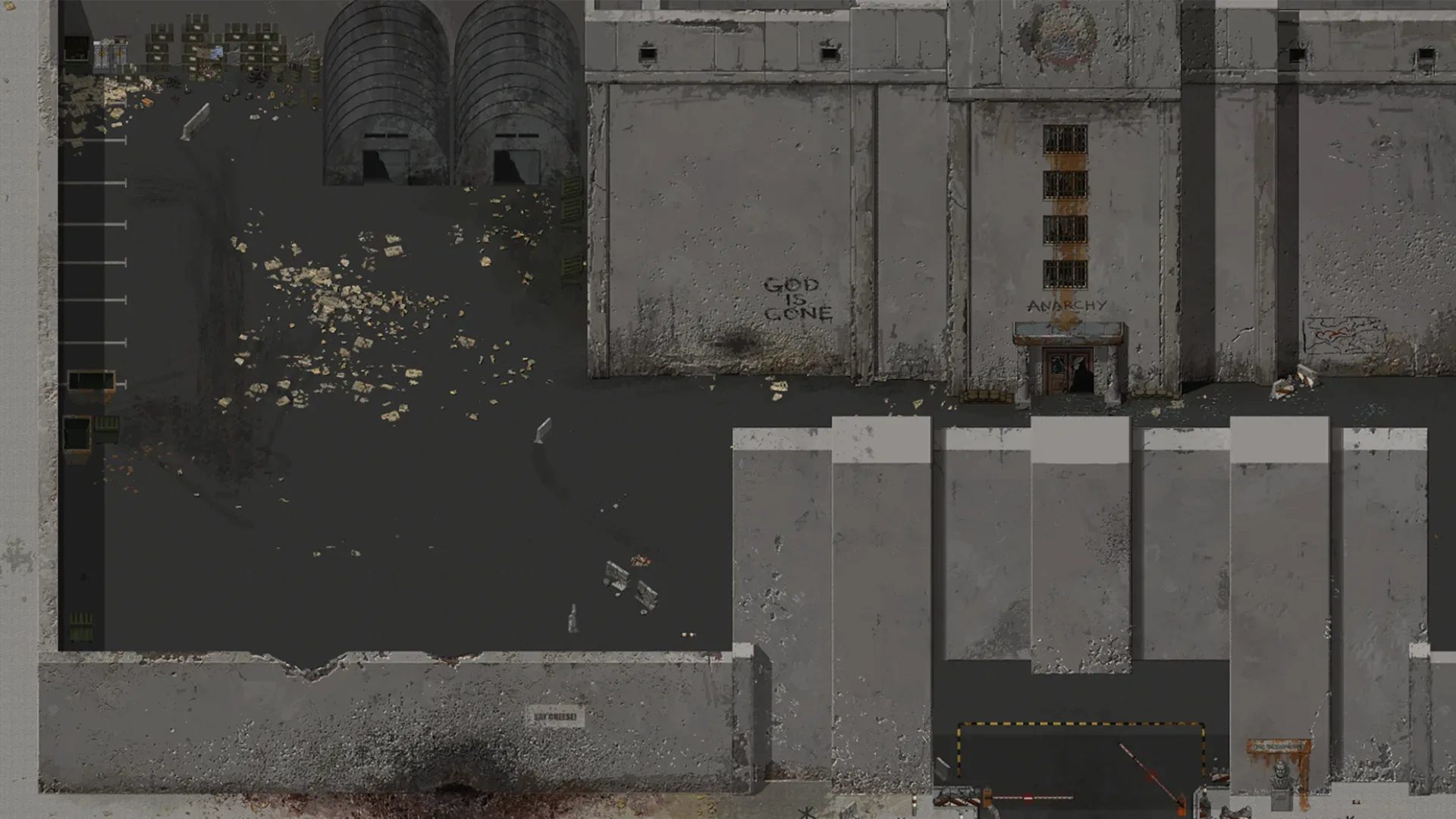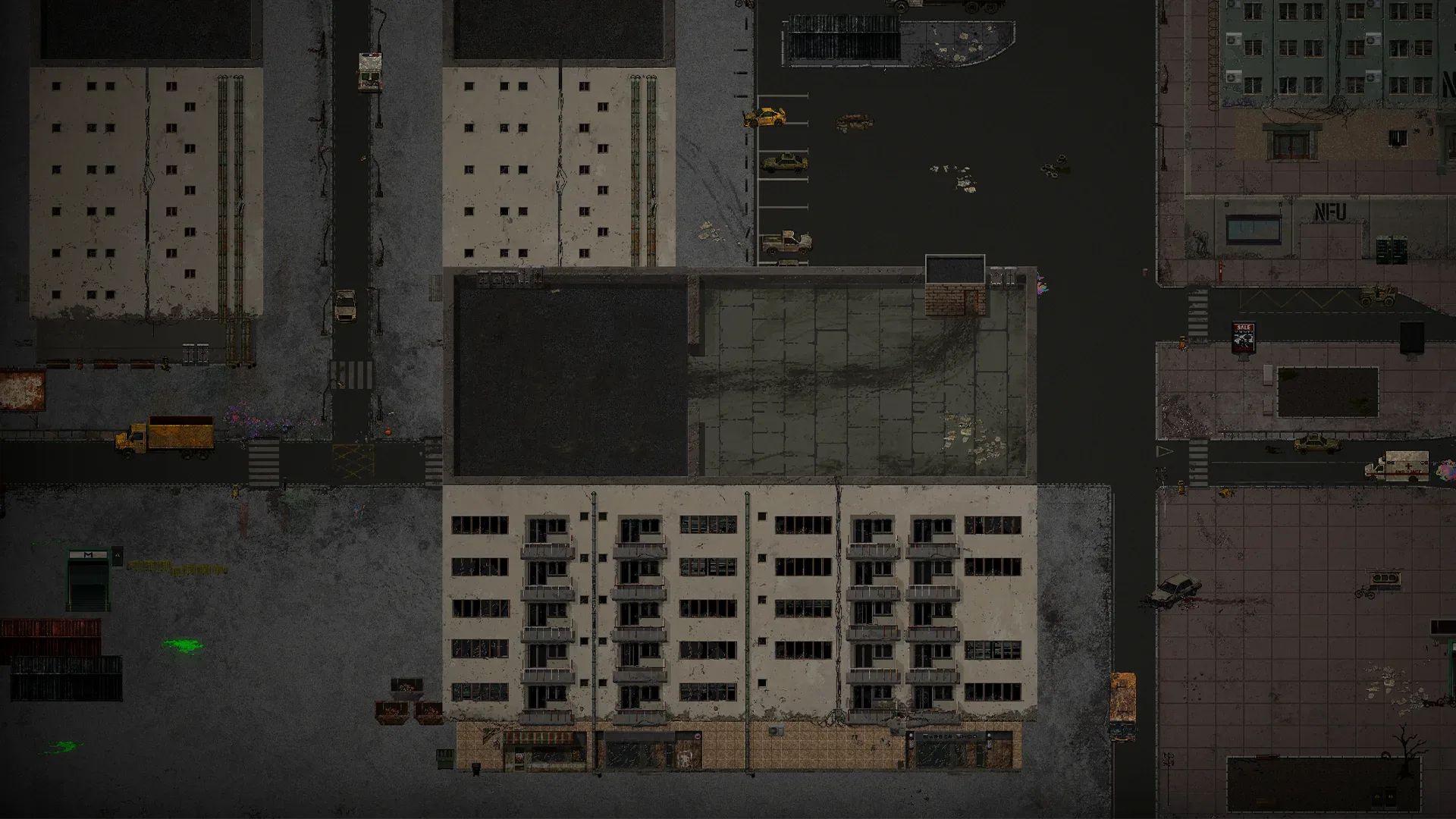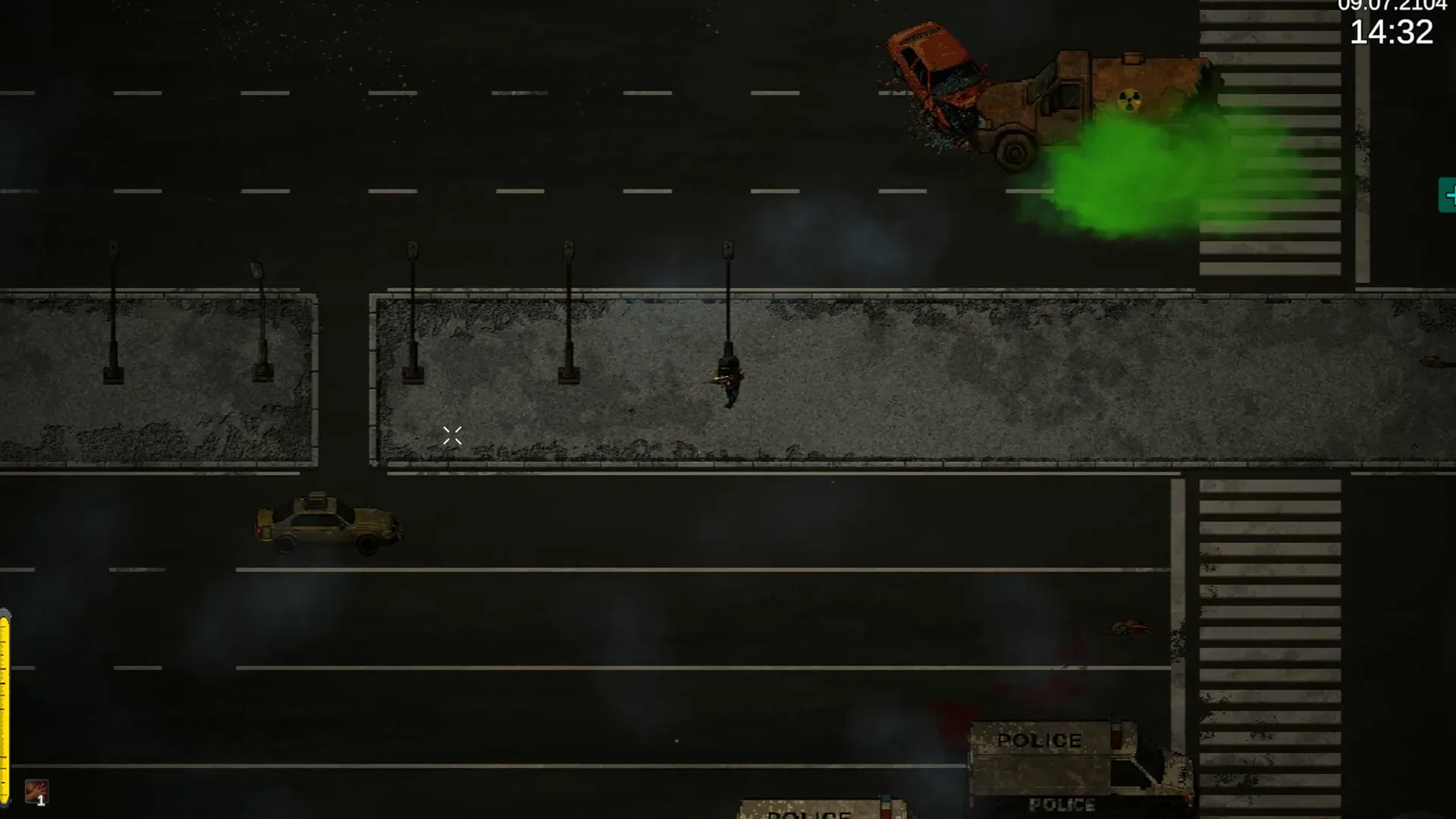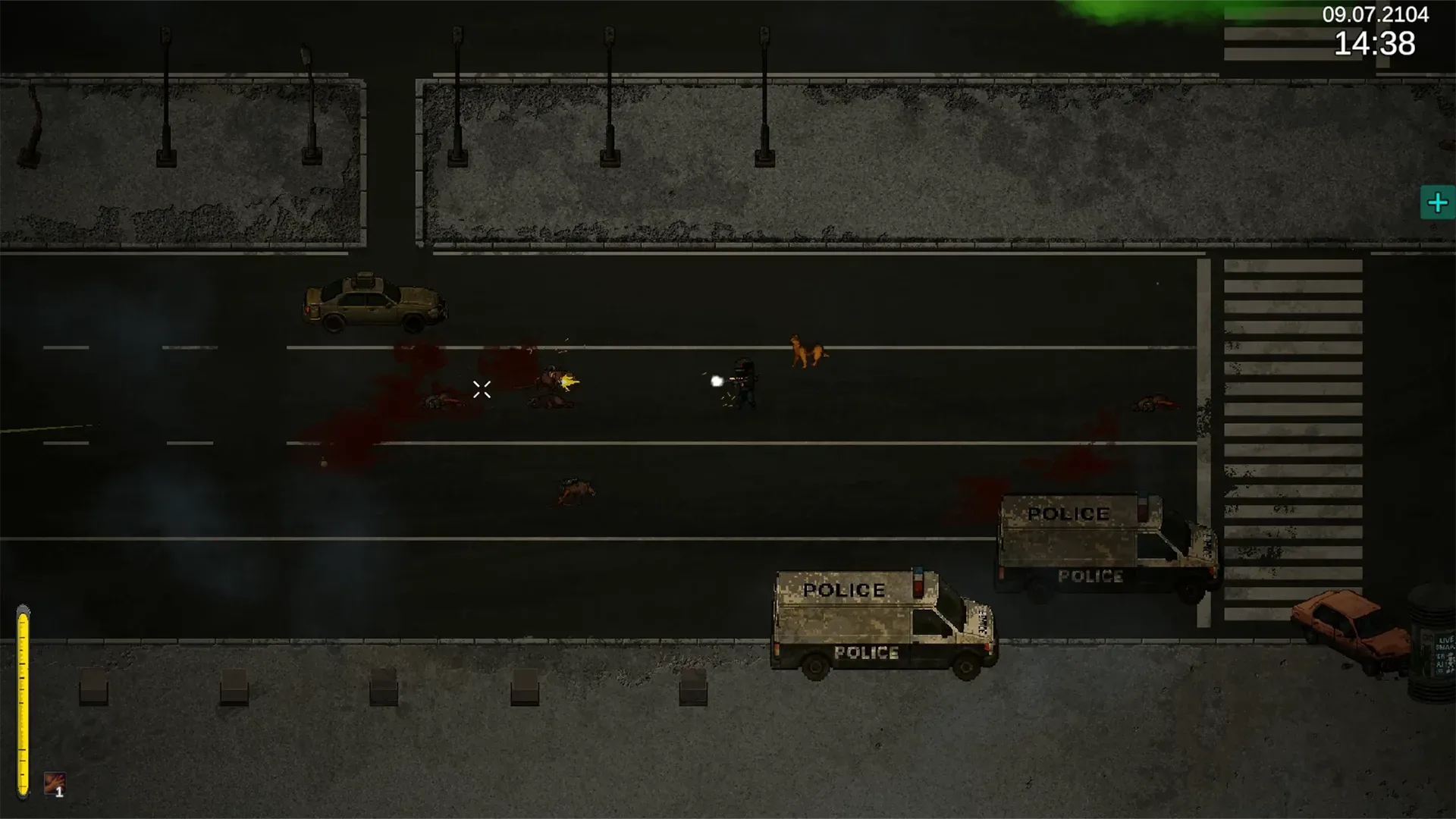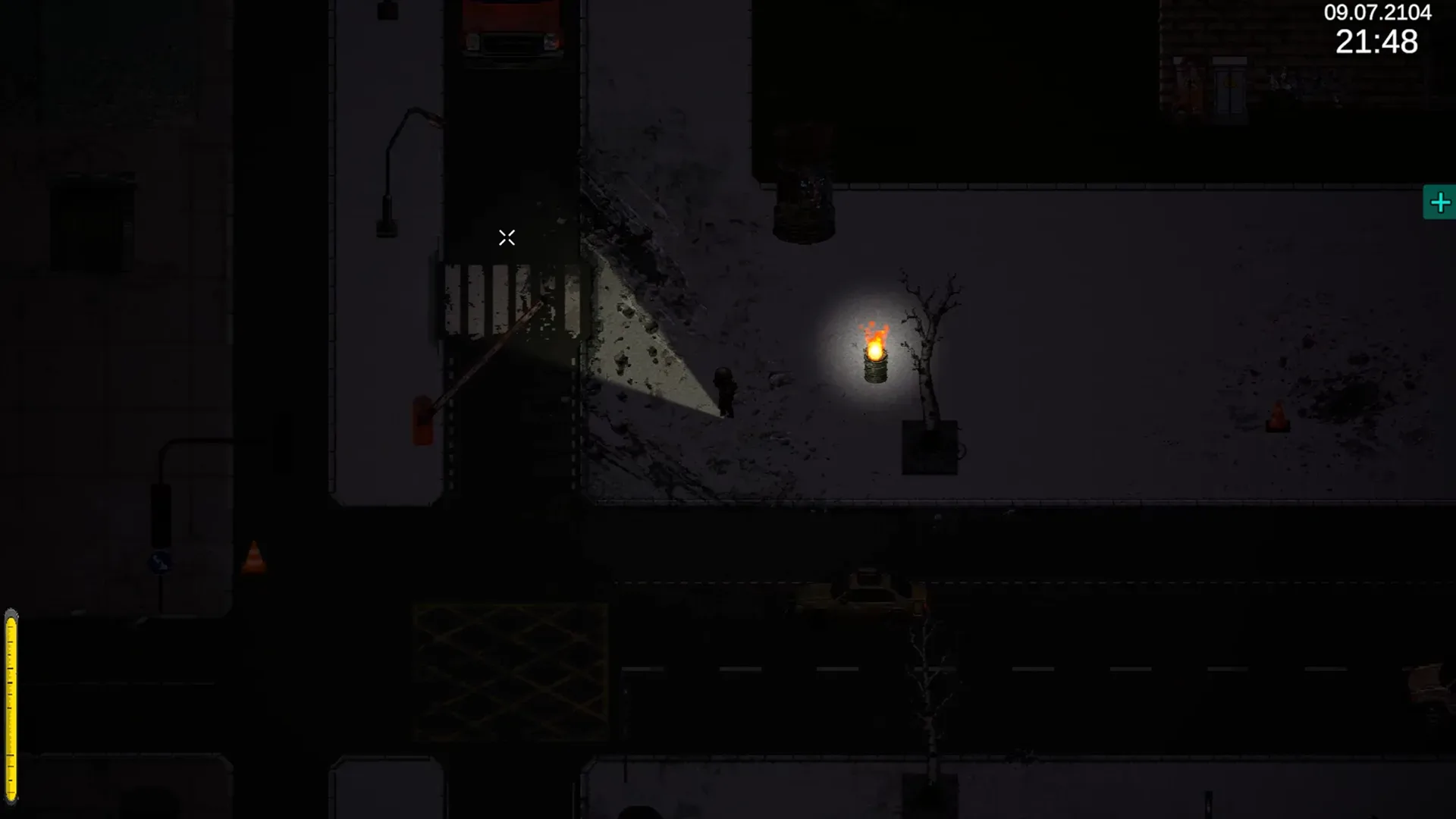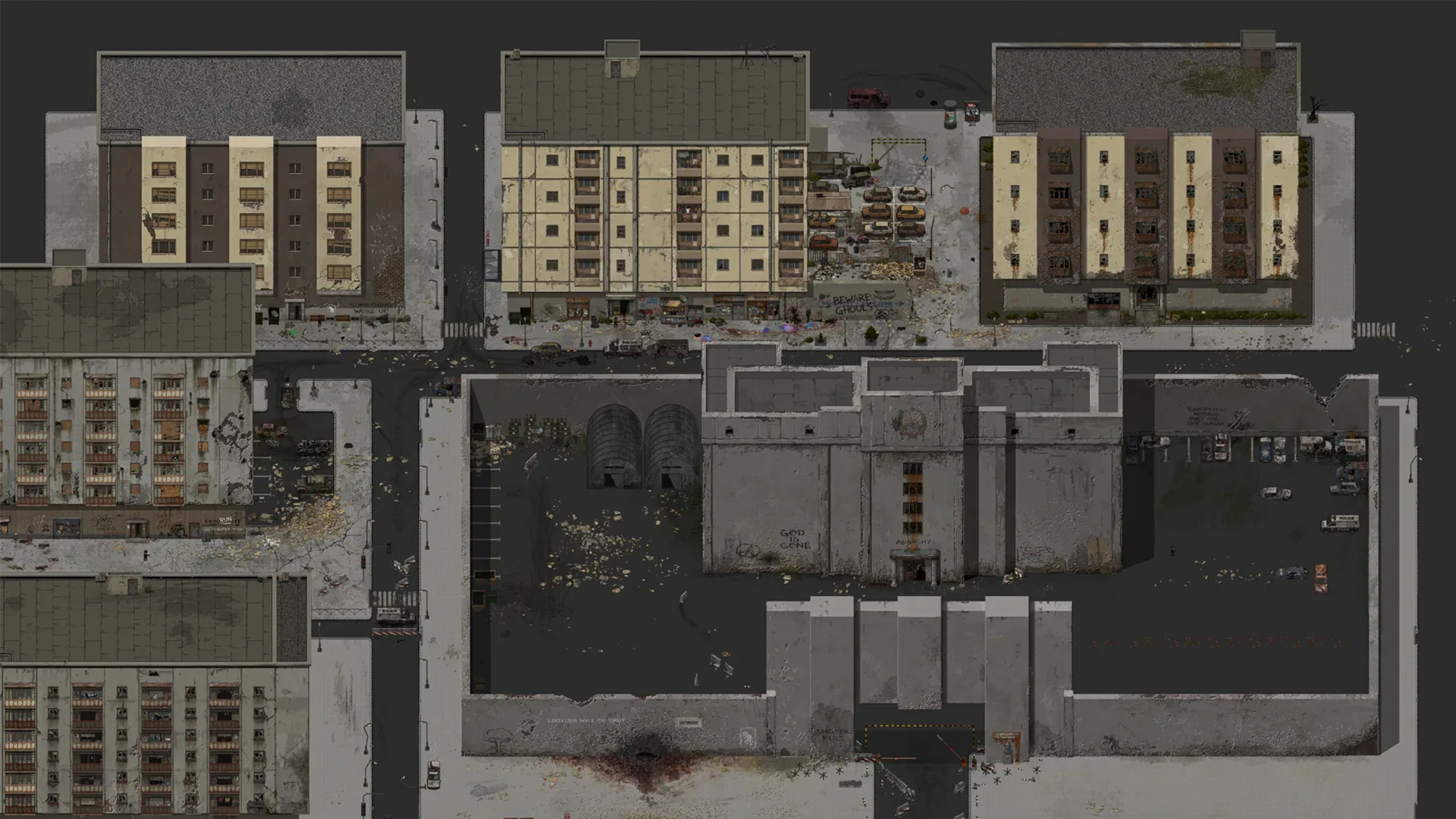
Project S.U.N.D.I.A.L. is scheduled to launch on Steam on April 27, 2027. The 2D, top-down pixel-art shooter is built around extraction gameplay: players venture into dangerous regions, pursue contracts and valuables, then must reach an extraction point alive to keep what they have found.
The game supports both single-player and online multiplayer. Its central promise is to bring the tension associated with high-stakes extraction shooters into a side-on? No: the announced presentation is explicitly top-down, framing its combat and scavenging in a 2D overhead world rather than a first-person battlefield.
For players who keep an eye on upcoming launches, the April 2027 date places it well beyond the immediate slate covered in our games releasing today roundup. At present, Steam is the named platform and April 27, 2027 is the stated release date.
What “extraction shooter” means here
An extraction shooter is not simply a game about defeating enemies or finishing a match with the highest score. The key objective is leaving the playable area with the equipment and resources acquired during a run. Project S.U.N.D.I.A.L. describes a loop in which players enter hazardous regions, complete contracts, locate valuable gear and attempt to extract safely.
That final step is crucial because the game also presents death as costly: loot carried during a failed run is lost. Items successfully brought home, meanwhile, feed into longer-term progress. In practical terms, the decision-making is likely to start before a firefight: a player carrying useful equipment has to weigh the value of continuing a run against the danger of losing it all before extraction.
That structure distinguishes the game’s advertised stakes from a conventional match-based shooter. A productive raid can improve the next one, while a bad outcome can erase the gear risked in the current attempt. The announced hideout system is the main bridge between those individual expeditions and persistent advancement.
From scavenged gear to a developing hideout
Project S.U.N.D.I.A.L. will let players use recovered items to build a hideout, improve equipment and prepare for later runs. The game also lists survivor recruitment as part of that hideout progression.
The available details do not specify how individual survivors function, what upgrades will be available, or whether recruitment changes combat directly. What is clear is the intended rhythm: dangerous outings are not isolated. Successful extractions contribute to an ongoing base and equipment-development layer.
Related coverage includes Project S.U.N.D.I.A.L. Sets April 2027 Steam Release.
That makes resource management a meaningful part of the announced design. Gear found in a region could be viewed as immediately useful in the field, but it may also represent future hideout or equipment progress if carried out successfully. Since loot is at risk on death, players will need to decide how much to bring into a region and how long to remain once they have secured worthwhile items.
Solo play and online PvPvE
Project S.U.N.D.I.A.L. is described as playable in single-player as well as online multiplayer. The online mode is PvPvE, shorthand for player-versus-player-versus-environment. It means other human players can be a threat, but they are not the only threat shaping a run.
The listed dangers include Raiders, Hollows and hostile players. The announcement does not define the Raiders or Hollows in further detail, so their behavior and place in the world remain unspecified. Their inclusion nevertheless signals that surviving will involve more than simply tracking another player’s position. AI-controlled threats and environmental survival pressures are meant to coexist with the possibility of player conflict.
Single-player availability may be especially notable for people interested in the extraction structure but less interested in online confrontations. The announced information confirms that solo play exists, but it does not spell out whether it mirrors every online system or how the modes differ. It is best to treat those particulars as unconfirmed rather than assuming the solo experience will operate identically to PvPvE sessions.
Survival systems add pressure beyond ammunition
Alongside combat and extraction, Project S.U.N.D.I.A.L. lists wounds, radiation, hunger and weather among its survival systems. These are separate pressures with potentially different practical consequences, although the precise mechanics have not yet been detailed.
- Wounds indicate that character health is expected to involve injury management rather than a purely abstract damage bar.
- Radiation suggests hazardous areas or exposure are part of the world’s threat model.
- Hunger introduces an ongoing resource concern that can make supplies matter during a run.
- Weather points to changing conditions that may affect how players approach a region.
The game also promises dynamic regions, events and weather. “Dynamic” here means those elements are intended to change rather than remain fixed in one static pattern, though the announcement does not specify the frequency, scale or gameplay effects of those changes. Players should therefore avoid drawing firm conclusions about rotating maps, event schedules or exact weather penalties until more information is available.
Even without those specifics, the combination of survival systems and extraction risk suggests a broader set of concerns than simply selecting a weapon and looking for targets. Supplies, injuries, environmental danger and the route to extraction may all matter to the eventual result.
Weapons, contracts and a 2D perspective
Deep weapon modification is among the confirmed features. The announcement does not provide a list of attachments, firearms, upgrade materials or customization rules, but it establishes that weapon setup is intended to be more involved than choosing from a locked set of default loadouts.
Contracts provide another stated reason to enter dangerous regions. They appear alongside scavenging for valuable gear and pursuing quests, giving the game multiple announced activity types. Details such as contract objectives, quest structure, rewards and failure conditions have not been provided.
The top-down pixel-art viewpoint is one of the clearest points of difference in the game’s pitch. The stated inspirations are S.T.A.L.K.E.R. and Escape from Tarkov, titles associated with hazardous expeditions, valuable loot and lethal consequences, while Project S.U.N.D.I.A.L. is positioning those broad ideas within a 2D format. That does not establish that it will reproduce any particular system from either game; it identifies the style of tension and progression it is seeking to adapt.
What is confirmed, and what still needs detail
The confirmed outline is substantial: Steam, an April 27, 2027 release date, top-down 2D pixel-art presentation, single-player, online PvPvE, extract-or-lose loot stakes, contracts, quests, hideout development, survivor recruitment, weapon modification, and survival systems involving wounds, radiation, hunger and weather.
There are equally important unanswered questions. The announcement does not give a price, system requirements, a release plan beyond Steam, a breakdown of multiplayer formats, or a fuller explanation of Raiders and Hollows. It also does not clarify the exact consequences of hunger, weather, injuries and radiation, nor how much of the hideout system is tied to recruited survivors.
For now, Project S.U.N.D.I.A.L. has a clearly defined core: make a risky trip into a hostile region, come out with the gear that makes the next trip more viable, and accept that a failed extraction can undo what was carried in. The unusual part is not the risk itself, but the effort to translate that loop into a 2D, pixel-art survival shooter with both solo and online options when it arrives on Steam in 2027.