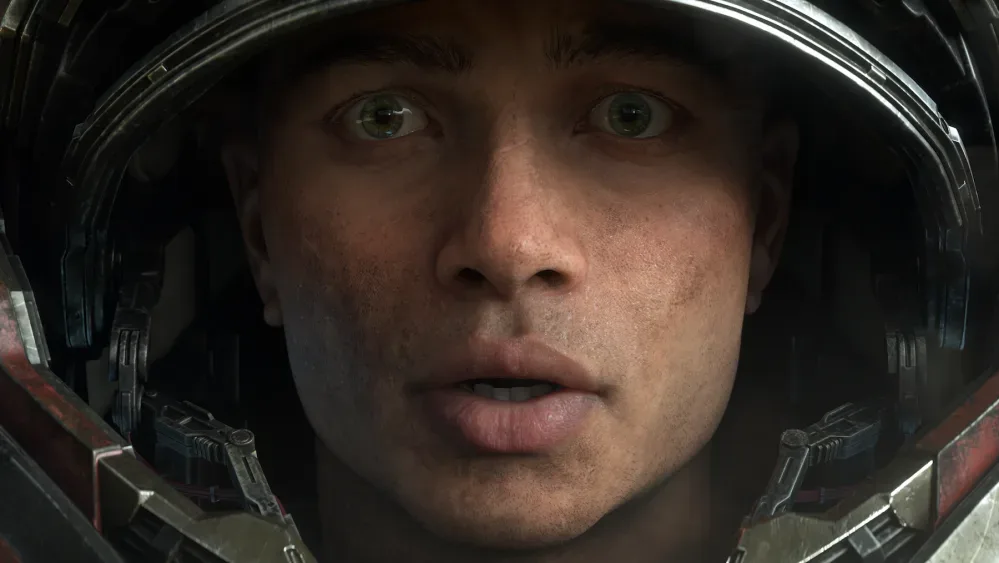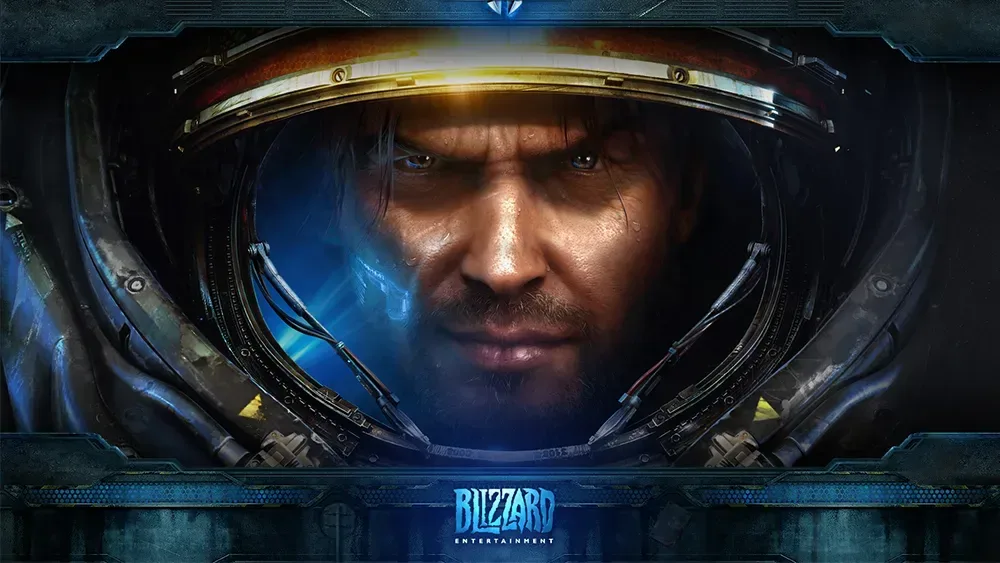
The next mainline chapter of StarCraft has a destination, a window and a notably different genre identity. Blizzard Entertainment has revealed a new game titled simply StarCraft, though it is technically StarCraft III, with a planned release in 2030.
This is not being positioned as a return to the real-time strategy format that made the franchise a pillar of PC gaming. Instead, Blizzard describes the project as an open-world, story-driven science-fiction shooter. It will take players back to the Koprulu Sector, but at a point far beyond the conclusion of the previous mainline game: the new story is set 70 years after StarCraft II: Legacy of the Void.
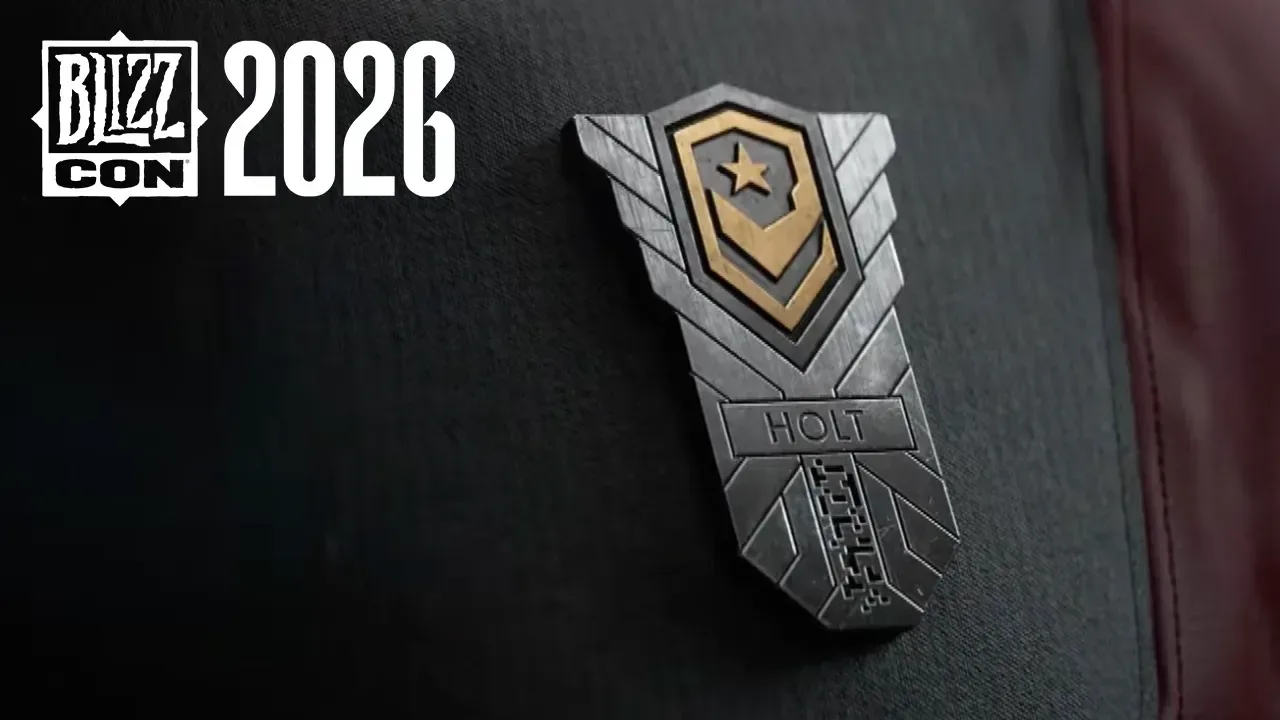
The reveal arrived during BlizzCon 2026 in Anaheim, California, alongside a first teaser. Blizzard also stressed that the project remains early in development, meaning the long runway to 2030 should be taken as a sign of how much remains to be shared rather than as a promise of imminent detail.
A new StarCraft, rather than a simple sequel label
Calling the game StarCraft rather than putting “III” on the box is an important signal. The name links the project directly to the 1998 original while leaving room for a substantial reinvention of how players move through, fight in and understand this universe.
The franchise’s mainline history is separated by considerable gaps. The original StarCraft arrived in 1998, establishing the conflict among Terrans, Zerg and Protoss in the Koprulu Sector. Its successor began with StarCraft II: Wings of Liberty, and the trilogy’s final chapter, Legacy of the Void, debuted in 2015. By the planned 2030 launch, it will have been 15 years since that final StarCraft II release.
That interval makes this an unusually consequential return. A game bearing the series name will inevitably carry expectations shaped by its strategy legacy, but the announced format says Blizzard is approaching the setting from another direction. The company has identified it as a brand-new game in the universe, not merely an alternate mode or an expansion built around established RTS conventions.
What has been confirmed
The public description is brief, but several key points are already clear:
- Title: StarCraft, while technically regarded as StarCraft III.
- Developer: Blizzard Entertainment.
- Target release year: 2030.
- Genre: An open-world, story-driven sci-fi shooter.
- Setting: The Koprulu Sector.
- Timeline: 70 years after StarCraft II: Legacy of the Void.
- Development status: Early development.
- Leadership: Dan Hay is leading the project.
Equally useful is the list of what has not been announced. Blizzard has not identified platforms, a release date within 2030, a business model, a player-character perspective, multiplayer plans, co-op support, or the specific factions and characters central to the plot. It has also not laid out how large the open world will be or whether it will be a seamless space, a collection of major zones, or another structure entirely.
Related coverage includes StarCraft Returns in 2030 as an Open-World Sci-Fi Shooter.
Those absences are unsurprising for a project at this stage. Still, they matter, because terms such as “open world” and “shooter” can cover a vast range of designs. For now, the safe reading is the literal one: this will be a narrative-focused shooter in an open-world framework, set in a familiar universe at a much later moment in its chronology.
Seventy years after Legacy of the Void
The time jump is perhaps the reveal’s most intriguing world-building detail. Setting the game seven decades after Legacy of the Void gives Blizzard considerable narrative breathing room. It acknowledges the consequences of the prior saga while ensuring the new title is not necessarily locked into resolving every plot thread through the same cast or immediately adjacent events.
That does not tell us who players will be, what faction they will encounter first, or whether recognizable figures will return. None of that has been confirmed. But it does establish a setting where the balance of power, cultures and conflicts of the Koprulu Sector may have changed dramatically over time. A 70-year leap is large enough to make the setting feel historically connected and potentially unfamiliar at once.
For a shooter, the sector also offers a natural backdrop for close-range stakes. The original strategy games presented immense interstellar wars from a commanding perspective. A story-driven shooter can potentially frame the same kind of universe at ground level, through locations, missions and characters living amid its consequences. That is an observation about the genre shift, not a confirmed description of the game’s structure.
Blizzard says it will offer gameplay reveals and deeper looks at the world over the coming years. Until those arrive, any claims about exploration loops, weapons, vehicles, dialogue systems, squadmates, crafting, faction selection or mission design would be speculation.
Dan Hay leads the early-development project
Blizzard has named Dan Hay as the leader of the new StarCraft project. The studio’s wording also makes clear that the reveal is an opening marker, not a full presentation of a finished vision. With a 2030 target, the team has time to unveil the game in stages, beginning with additional gameplay and world details.
The new StarCraft is early in development, and Blizzard says more gameplay and world-focused information will be shared over the years ahead.
That extended schedule places the reveal in a different category from a conventional near-term launch announcement. The teaser establishes the game’s existence and broad premise, while the more practical questions—where it can be played, what its combat looks like, how its open world operates and when it will arrive—remain for future updates.
Readers looking for the broader history behind this change in direction can also see our coverage of StarCraft’s 2030 return as an open-world shooter.
BlizzCon’s return and Blizzard’s wider slate
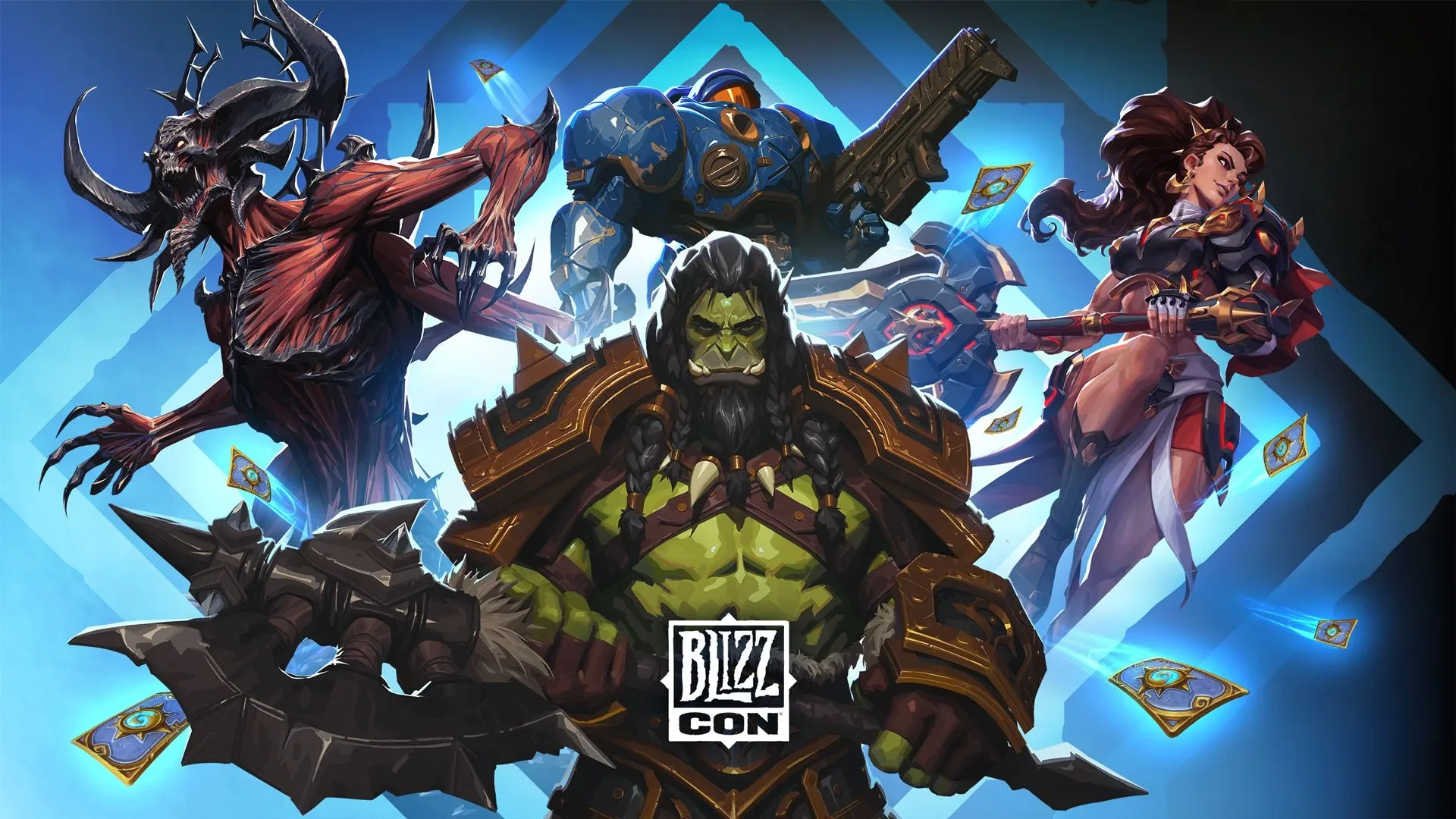
The announcement was made at BlizzCon 2026, held at the Anaheim Convention Center on September 12–13. It marked the first edition of Blizzard’s fan gathering since 2023, giving the company a large stage for updates across its better-known worlds.
StarCraft was not the only major reveal at the opening ceremony. Blizzard also revealed that an animated television adaptation based on Diablo is in development at Netflix. The pairing underlines how Blizzard is continuing to build attention around multiple franchises with very different forms of expansion: one heading toward an all-new game genre and another toward animation.
For StarCraft fans, however, the central news is simple. The Koprulu Sector is no longer waiting in the wings as a dormant strategy setting. Blizzard plans to revisit it with a new mainline entry, a new storytelling perspective and a shooter format designed around an open world.
Why the genre change is the story
It would be easy to reduce the announcement to “StarCraft III is happening,” but that misses the defining detail. This is not currently described as a new RTS. Blizzard is taking one of gaming’s most recognizable strategy universes and making a story-driven shooter from it.
That makes the coming reveals especially important. The label “StarCraft” brings with it memories of asymmetric factions, tense resource management, base building, battlefield control and competitive esports. The new game’s announced identity suggests a different relationship to the setting: one built around direct action and exploration rather than commanding armies from above.
Whether that transition resonates will depend on details Blizzard has not yet revealed. The confirmed facts nonetheless establish a clear roadmap: a 2030 arrival, the Koprulu Sector as the setting, a narrative set decades after Legacy of the Void, and a development team led by Dan Hay. After a long silence between mainline entries, Blizzard has put StarCraft back on the calendar—just not in the form many players might have expected.