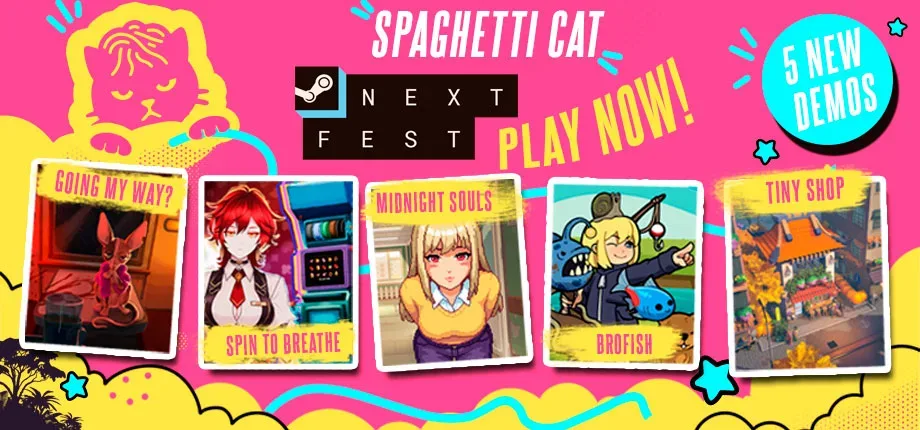
Spaghetti Cat has put five playable demos into Steam Next Fest, offering a strikingly broad lineup of upcoming games rather than a single shared genre or setting. The selection runs from a horror train journey caught in a time loop to a casino-based space survival game, a supernatural romantic adventure, fish-powered defenses against the undead, and a quieter shop-building simulator.
All five demos are live during the event. The announced release windows stretch from 2026 into 2027, so the demos provide an early look at projects that remain at different points on their respective roads to launch.
Five demos, five distinct premises
The slate is united by its publisher, but its individual games have little interest in staying in one lane. Horror appears in multiple forms, while simulation, strategy, building, puzzles and roguelite structures all show up elsewhere. That makes this less a tightly themed package than a compact sampler for players with sharply different appetites.
- Going My Way? — horror and outbreak simulation; planned for 2026.
- Spin To Breathe — simulation, space simulation and roguelite; planned for Q4 2026.
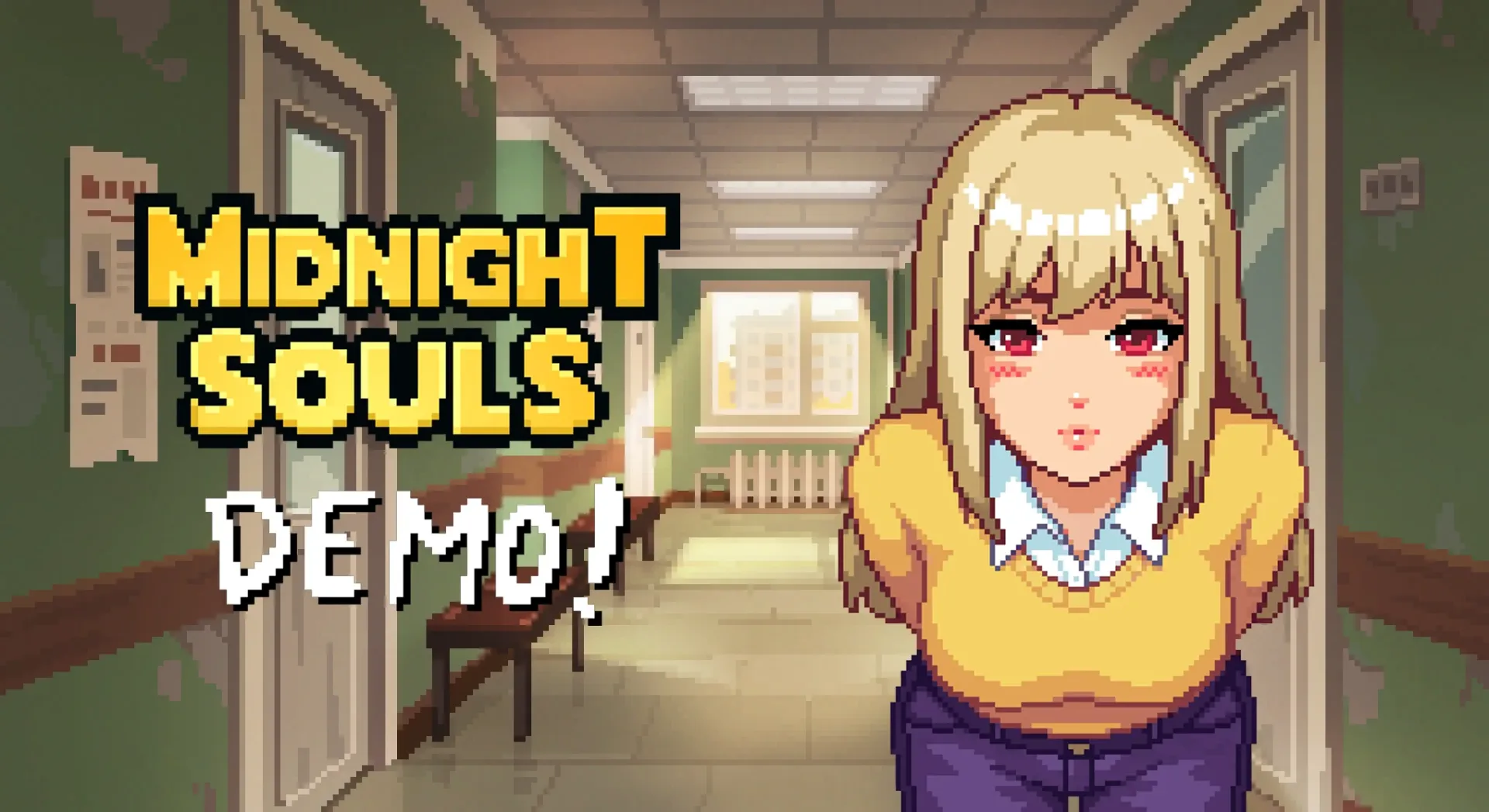
- Midnight Souls — 2D adventure, puzzle, mystical horror; planned for Q2 2027.
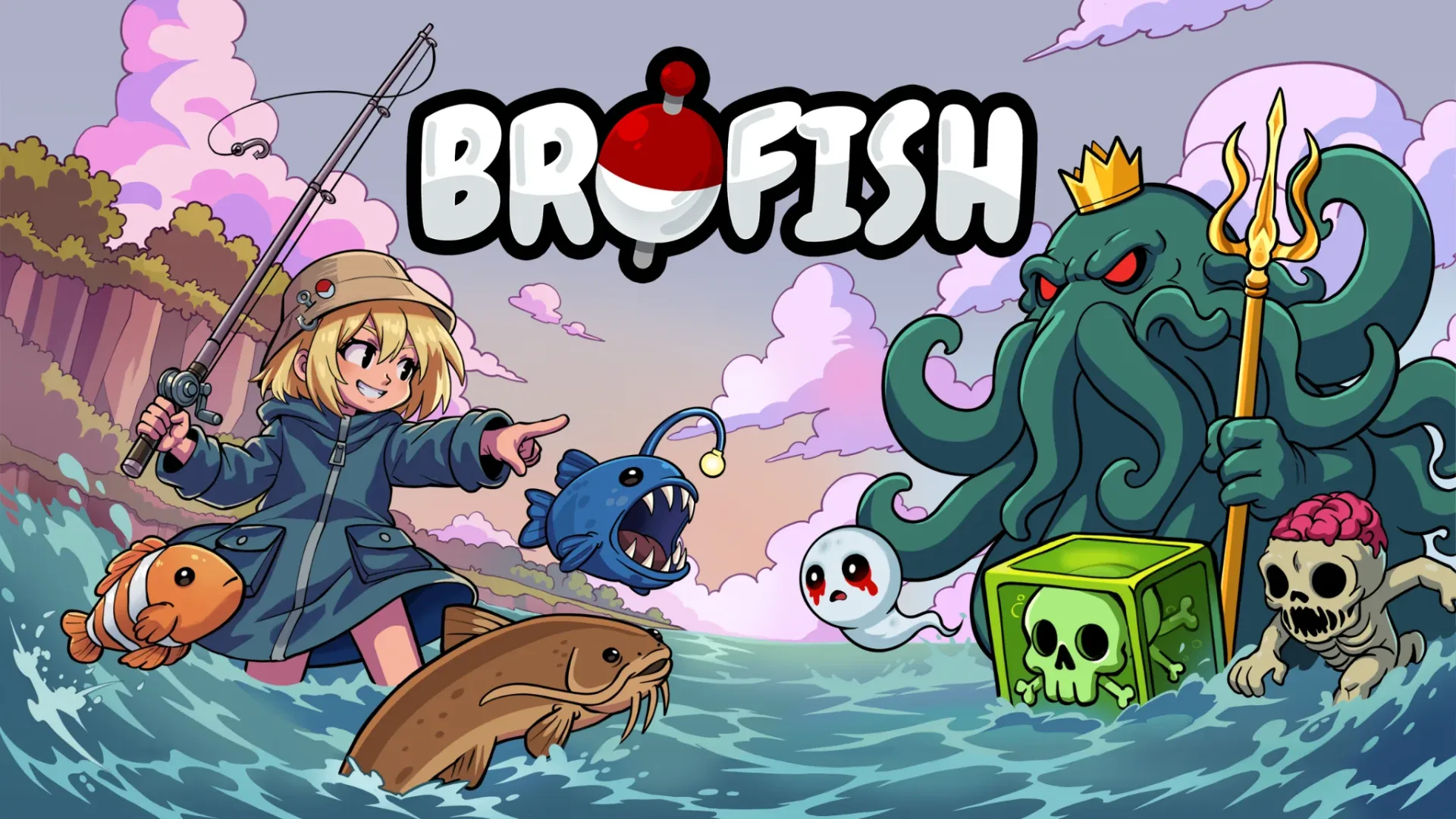
- Brofish — tower defense and auto battler; planned for Q1 2027.
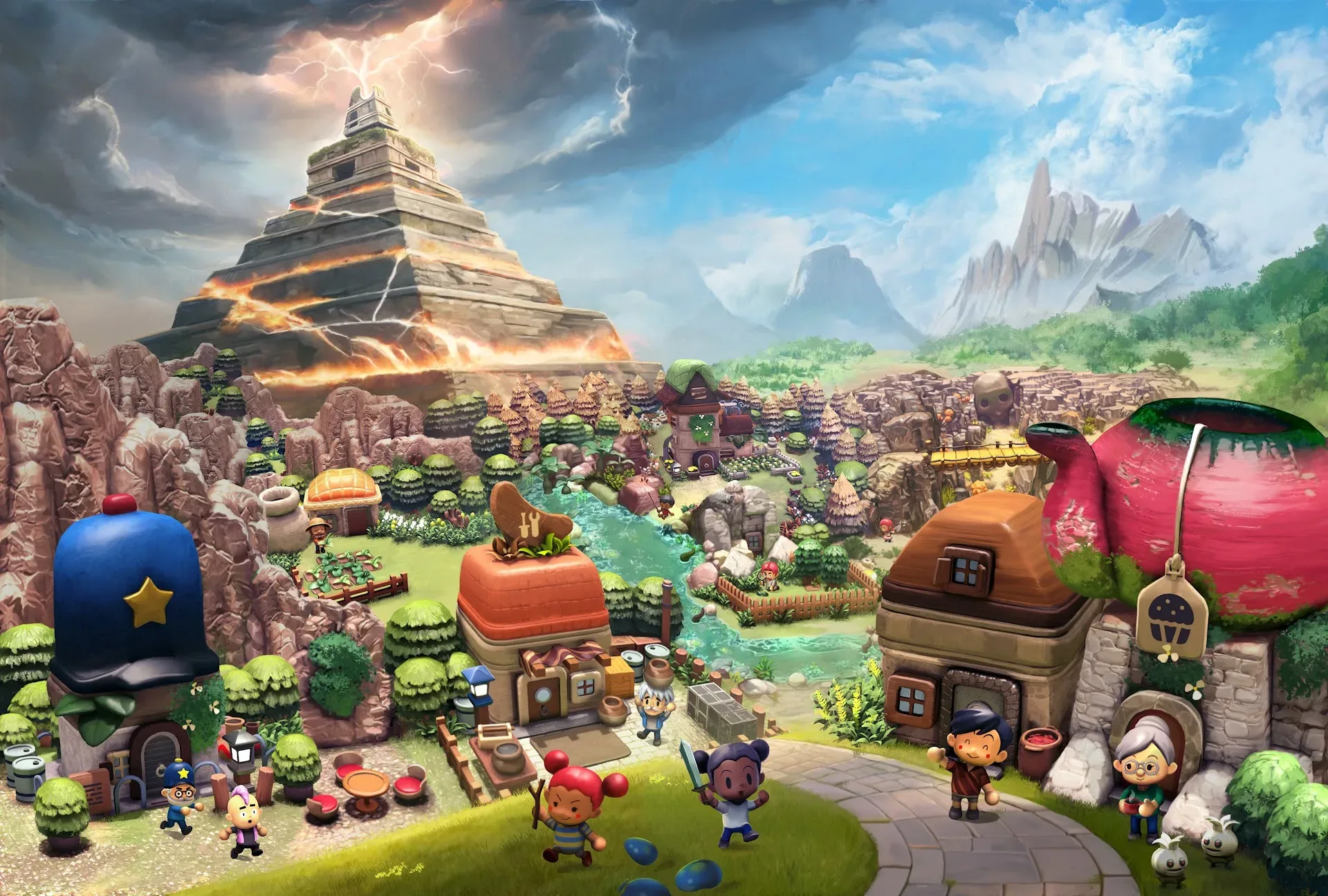
- Tiny Shop — sandbox, cozy simulation and building; planned for 2026.
For readers tracking the event’s other PC offerings, Ghost Justice’s Steam Next Fest demo is another example of how the festival can place very different game concepts side by side.
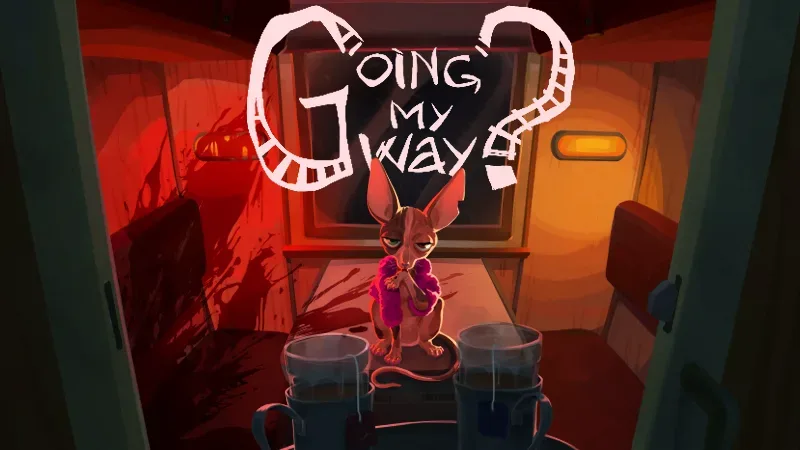
Going My Way? puts horror on an endless train route
Going My Way? has the most overtly claustrophobic setup of the five. Its world has been overwhelmed by an insomnia pandemic, social order has broken down, and people are described as losing their minds. The player is a train conductor travelling through an endless nighttime blizzard, with a snowy abyss looming beyond the train.
The central tasks are to examine unusual passengers, solve mysteries and stay alive through a time loop. A time loop is a narrative or gameplay structure in which a period of time repeats, allowing events and information to recur rather than simply progress in a straight line. Here, that device appears tied directly to survival and investigation rather than serving as background lore alone.
Its “outbreak sim” label is also notable. Although the available description does not detail specific systems, the phrase positions the insomnia crisis as more than a decorative apocalypse: the deterioration of the people aboard and the world outside is part of the game’s framing. The demo should therefore be useful for establishing how the passenger-study and mystery-solving ideas connect to the train’s looping journey.
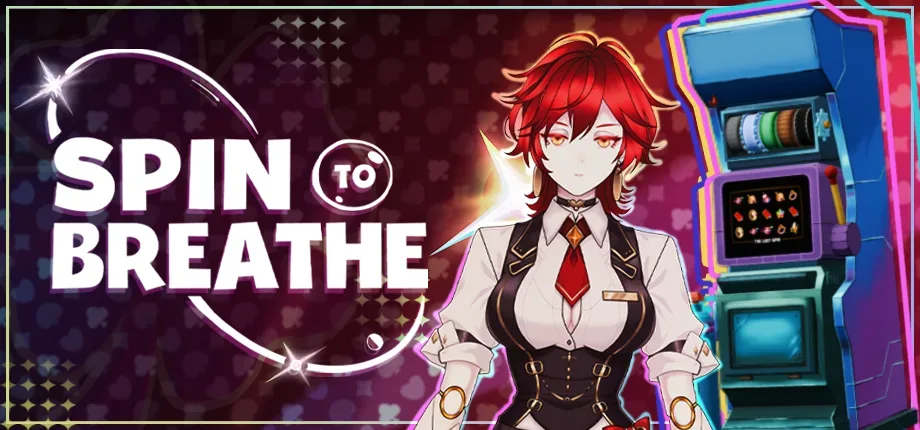
Spin To Breathe turns air into a survival bill
Spin To Breathe takes a much louder route to pressure. Its premise is simple and deliberately absurd: air costs money, and the player must keep paying for it while space pirates attack a casino. Survival depends on spinning reels amid explosions, then building a slot machine piece by piece and lasting until help arrives.
Related coverage includes Spaghetti Cat Brings Five Demos to Steam Next Fest.
The game is categorized as a simulation, space sim and roguelite. A roguelite generally describes a game built around repeatable runs and changing or accumulating systems, without necessarily requiring the exact rule set associated with older roguelikes. In this case, the supplied details point to a survival loop centered on slot-machine construction, with the rescue condition serving as the immediate goal.
There is a useful tension in the concept: slot reels are normally associated with chance, while the ability to construct the machine suggests that the player’s decisions may shape the tool producing those results. That is an interpretation of the premise, not a confirmed feature list, but it captures why the demo’s core question is more interesting than simply whether a spin pays out. It is whether a machine assembled under attack can keep oxygen flowing long enough to escape.
Spaghetti Cat currently lists Q4 2026 for the full release of Spin To Breathe.
Midnight Souls mixes a romance trip with mystical danger
Midnight Souls begins with a trip to meet an online crush, then sends that romantic plan sideways into the secrets of Camomile Peaks. The quiet hamlet becomes the setting for a mystical adventure involving puzzles, battles, strange allies and dark humor. Alongside winning over the intended romantic interest and unpicking the town’s mysteries, the player must protect a cat named Charlie.
The title is described as a 2D adventure and puzzle game with mystical horror elements. That combination leaves room for a story that can be unnerving without being defined only by scares. Its supplied setup emphasizes multiple motivations at once: relationship stakes, a local mystery, combat-driven conflict and Charlie’s safety. The result is a premise with a more personal immediate hook than a generic “investigate a haunted town” scenario.
“2D” refers to a game presented on a flat plane rather than through fully three-dimensional movement and camera space. It does not, by itself, explain how the adventure controls or how its puzzles work. The demo is the opportunity to see how Midnight Souls balances those puzzle and battle components against its horror atmosphere and comic edge.
Midnight Souls is presently scheduled for Q2 2027, the latest release window among this five-game group.
Brofish sends upgraded catches against undead waves
Brofish takes the most knowingly oddball elevator pitch: catch bizarre fish, upgrade them, combine items and effects, and use the resulting force to defend a village from undead attackers and the Sea King. It is identified as an autobattler roguelite with tower-defense elements, setting it apart from a conventional fishing game despite putting catches at the center of progression.
An auto battler is a strategy format in which players focus on selecting, arranging or improving units, while much of the combat resolves automatically. Tower defense, meanwhile, typically revolves around holding off incoming waves through preparation and defensive positioning. Brofish’s description indicates that it draws from both: players build power through fish and item combinations, then must withstand attacks rather than manually fighting every moment.
That genre blend makes combinations especially important. The announced description explicitly mentions both items and effects, suggesting that the game’s strategic identity lies in assembling interactions from the available pieces. The roguelite label further signals a repeatable structure, though the details do not specify how runs, upgrades or setbacks will work. The live demo can establish what players are actually choosing before the undead waves arrive.
The current release target for Brofish is Q1 2027.
Tiny Shop offers the lineup’s coziest counterweight
At the other end of the tonal range is Tiny Shop, a sandbox building simulator about leaving the bustle behind to create a welcoming small business. Players create and decorate their own shop, then watch visitors respond to the space. The stated goal is not only visual decoration but making somewhere people will want to revisit.
A sandbox game prioritizes player-directed creation or experimentation over a narrowly prescribed route. In Tiny Shop’s case, that idea is paired with cozy simulation and building, placing the emphasis on designing an inviting environment rather than surviving an outbreak, escaping pirates or repelling the dead. “Cozy” is a tonal descriptor rather than a hard mechanical category; here, it signals a gentler fantasy of crafting a small, attractive retail space.
The mention of visitors falling in love with the shop adds a response loop to the creative premise. The available material does not define how visitors’ preferences or returns are tracked, so it would be premature to label it a management game in a more specific sense. What is clear is that the shop is meant to be lived in by customers, not merely displayed as a static build.
Tiny Shop is planned for release in 2026.
What the demo lineup can clarify
Steam Next Fest demos are particularly useful for games whose genre labels cover several systems at once. That is true across this group. Going My Way? pairs investigation and a looping train-horror scenario; Spin To Breathe combines casino reels, construction and space survival; Brofish merges fish collecting with auto-battler and defensive strategy; and Midnight Souls places puzzles, combat and romance inside a mystical-horror story.
Even Tiny Shop has a question that a description cannot fully answer: how much of its appeal comes from freeform decoration versus the reactions of its visitors. The demos do not promise that every system will be fully represented, but they give players a direct way to judge each project’s tone and foundational play loop before their planned releases.
For now, the main throughline is range. One publisher is using the event to show horror under snow, gambling for oxygen in space, supernatural romance in a hamlet, fish-fueled village defense and low-stakes shop creation—an unusually varied menu, even before anyone puts a single bizarre fish on the counter.