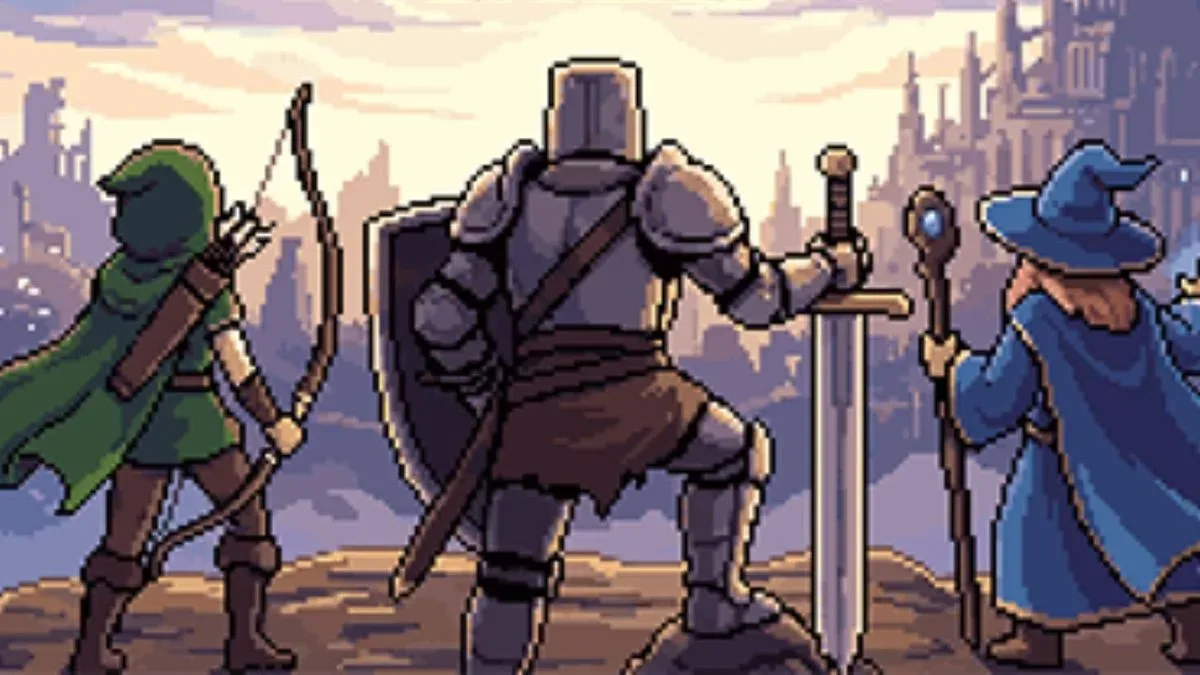
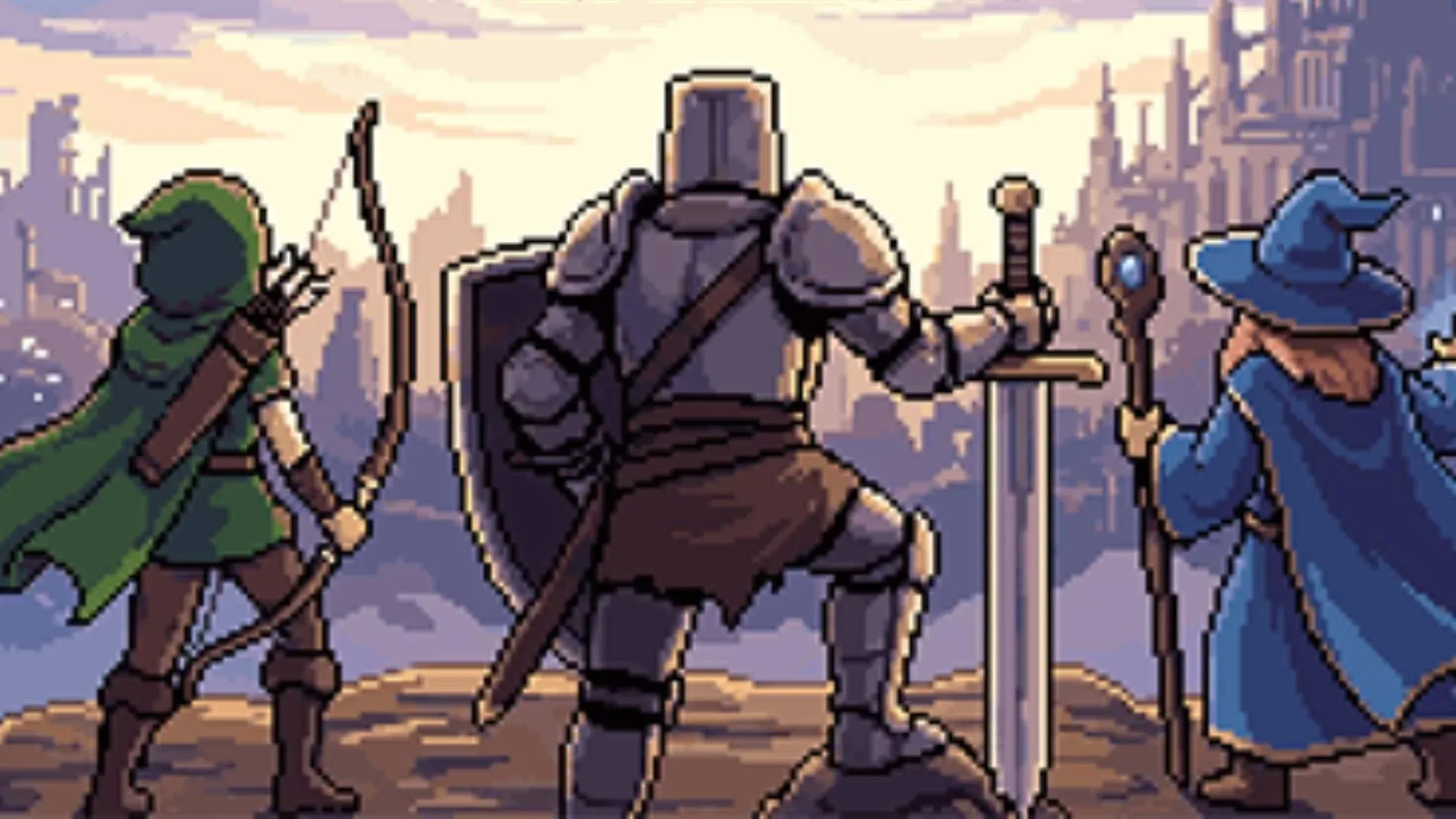
Slotbound, the debut game from solo developer Optima Arch, has cleared 200,000 Steam sales within six days of its November 13 launch. The developer says the roguelike auto-battling defense game brought in nearly $1.33 million in gross revenue during its first week on the platform, while carrying a Steam disclosure that generative AI was used for some visual assets and promotional material.
The early commercial performance is paired with a strong player response on Steam: Slotbound had reached a 91% “Very Positive” review rating at the time of the figures. Optima Arch says the sudden success has come alongside the less glamorous work that follows a launch, including bug fixes and updates.
Those numbers do not settle the wider argument around generative AI in games. They do, however, make Slotbound a notable example of an AI-assisted project finding an audience even when the developer’s use of the technology was disclosed before release rather than hidden until afterward.
A slot-machine hook for a defense roguelike
Slotbound’s premise combines a few familiar game-design ideas in a compact loop. Players pull a slot-machine lever to summon units, then assemble an army for defense-oriented auto-battling. Items can alter the odds, making probability manipulation part of the strategy rather than a purely cosmetic theme.
An auto-battler is a game in which much of the fighting resolves automatically after the player makes decisions about units, positioning, combinations, or upgrades. The player’s agency is therefore concentrated in preparation and adaptation: choosing what to field, responding to available options, and deciding when a promising setup is worth pursuing.
A roguelike, in this context, refers to a run-based structure in which repeated attempts, changing options and experimentation are central. The supplied details do not establish Slotbound’s exact progression systems, but its item-driven odds manipulation fits naturally with the kind of changing-build decision-making players expect from the genre.
That combination matters because the slot mechanic can make uncertainty legible. A player is not simply handed a unit roster; they are asked to engage with the chances of receiving particular units and to use items to push those chances in a desired direction. The theme and system appear to point at the same decision: take a pull now, improve the odds first, or adjust the wider army plan around what chance delivers.
What Optima Arch says AI did—and did not replace
Optima Arch has characterized Slotbound as an “AI-assisted game.” In a pre-release explanation, the developer said they did not come from a conventional game-development background and used AI tools to turn an existing game idea into a finished project.
Related coverage includes Slotbound Tops 200,000 Steam Sales as Solo Creator Reports $1.33M First-Week Gross.
The developer described AI as being involved across the project, with particular use in coding and portions of the visual workflow. But that description also identifies work that remained in the developer’s hands: designing systems, testing builds, correcting bugs, reworking balance, cutting ideas that were not enjoyable, and rebuilding components until they worked.
This distinction is useful, even if it will not resolve every objection. “AI-assisted” is a broad label, not a standardized production credit. It can cover very different uses, from help with code or early visual work to final in-game material. Here, the Steam disclosure provides the clearest specific description available: various visual assets and promotional materials were created with generative-AI assistance, then reviewed, refined and integrated by the developer for consistency with the game’s art direction and quality standards.
That means readers should avoid treating the disclosure as evidence that every component was generated, or conversely that AI played only a trivial role. Optima Arch’s own account says the tools were used throughout development, especially for code and part of the visual process, while the store disclosure specifically addresses visual assets and marketing materials. Both statements can be true at once, but they describe different layers of a game’s production.
Why balancing remains central in an odds-driven game
Slotbound’s reported development work highlights a point sometimes lost in conversations that reduce games to the tools used to make individual assets. A system built around randomized summons and probability-changing items needs careful balance. If powerful outcomes arrive too reliably, choices around odds may become meaningless. If useful outcomes are too scarce, the system can feel arbitrary rather than strategic.
Balance work is the iterative process of adjusting those relationships through play and testing. The developer’s reference to removing ideas that were not fun and reworking balance does not prove a particular design result; it does show that the project’s claimed process extended beyond generating material. In a game structured around chance and army-building, those iterative choices are likely to be central to whether the basic concept holds together for players.
The same applies to bug fixing and updates. The 200,000-copy sales figure and 91% review rating capture a moment soon after launch, not a guarantee of a finished long-term support story. Optima Arch has said there is still more to improve, and its immediate focus has included pushing fixes and updates.
Transparency did not prevent a major opening
Generative AI is contentious across game development. Some players regard any use as a reason not to buy a game, while others focus more narrowly on what was generated, how it was disclosed, and whether the finished game works. Slotbound’s early sales do not demonstrate that audiences are unconcerned about the issue. They demonstrate only that disclosed AI involvement did not stop this particular game from reaching more than 200,000 sales in its first six days.
Transparency may be the most important practical detail in this case. Optima Arch discussed the project’s AI use before release and published a Steam disclosure addressing AI-assisted visual and promotional materials. That does not require players to approve of the decision. It does give prospective buyers information before they decide whether the game aligns with their preferences.
There is an important difference between disclosure and endorsement. A developer can be open about using generative tools, and audiences can still dislike the practice or question its effects on creative labor, originality, consent, and quality. Equally, a disclosure lets the discussion focus on stated facts instead of forcing players to piece together a game’s production history after purchase.
The contrast is especially relevant given recent backlash involving other games. Pearl Abyss faced criticism after AI-generated assets appeared in its open-world game Crimson Desert; those assets were later patched out, although the studio said it intended to apply the technology throughout its development pipeline. Developers of the co-op game Big Walk also faced pushback over AI use that had not previously been disclosed. The situations are not interchangeable, but together they show why the timing and clarity of communication have become part of the response to AI-assisted work.
For developers, Slotbound’s performance should not be read as a simple formula: add AI tools, disclose them, and expect a hit. The supplied facts support a narrower conclusion. A solo creator built a game over just more than a year, used AI for parts of the workflow, continued doing design, testing, balancing and maintenance work, and released a concept that found a sizable early audience.
Gross revenue is not the same as take-home earnings
The figure shared by Optima Arch is gross revenue: nearly $1.33 million in the first week. Gross revenue is the total reported sales amount before deductions and expenses. It should not be treated as the developer’s final personal income or as a complete measure of profit.
The available information does not provide a breakdown of platform fees, taxes, refunds, operating costs, marketing costs, software expenses, or other deductions. Nor does it state a net-revenue figure. The useful comparison is therefore limited: more than 200,000 copies sold and nearly $1.33 million in reported gross revenue describe an exceptional first-week commercial result for this debut, but not a complete accounting of what Optima Arch keeps.
It is also worth separating sales from player sentiment. The 91% “Very Positive” review mark is a strong early signal, while the sales count measures purchases. Neither number alone tells the full story of long-term retention, future updates, or the game’s eventual commercial lifespan. They do establish that Slotbound arrived with both substantial early demand and favorable early review feedback.
The practical takeaway for players and creators
For players, Slotbound is a reminder to look beyond a single label. “Generative AI” is not a complete description of a game’s creation, and it is reasonable to ask what was used, where it appeared, whether it was disclosed, and how a developer describes the human work around it. Those questions can help buyers make decisions without assuming either that all AI-assisted projects are identical or that the technology is irrelevant.
For creators, the case shows why precise communication matters. A statement such as “AI-assisted” becomes more informative when paired with concrete boundaries—coding help, visual workflow assistance, generated visual assets, promotional materials, human review, and integration. Vague language invites uncertainty; detail allows the audience to assess the work on its own terms.
The broader debate will continue as AI tools become easier to access. A separate discussion in the entertainment space is already focused on how platforms handle fully AI-generated music, as seen in Tidal’s planned removal of fully AI-generated music. Games raise their own production and disclosure questions, particularly because a finished release brings together code, art, design, testing, audio, marketing and ongoing support.
Slotbound’s first week does not end that conversation. It gives it a concrete data point: an openly AI-assisted debut from a solo developer has sold more than 200,000 copies in six days, earned a 91% “Very Positive” Steam rating, and generated nearly $1.33 million in reported gross revenue. The next meaningful measure will be whether Optima Arch can continue turning that launch momentum into updates and improvements for the players who have already pulled the lever.