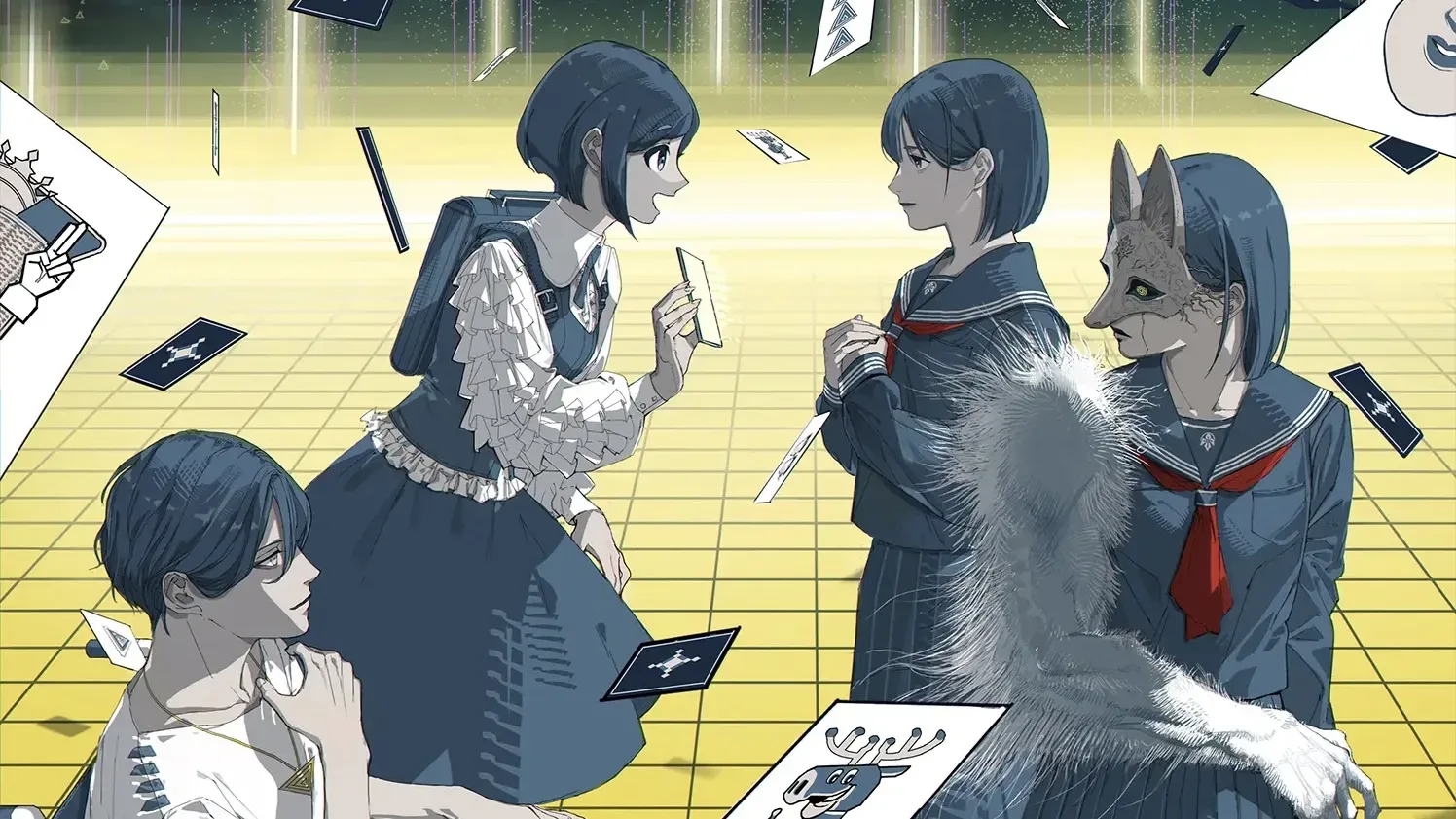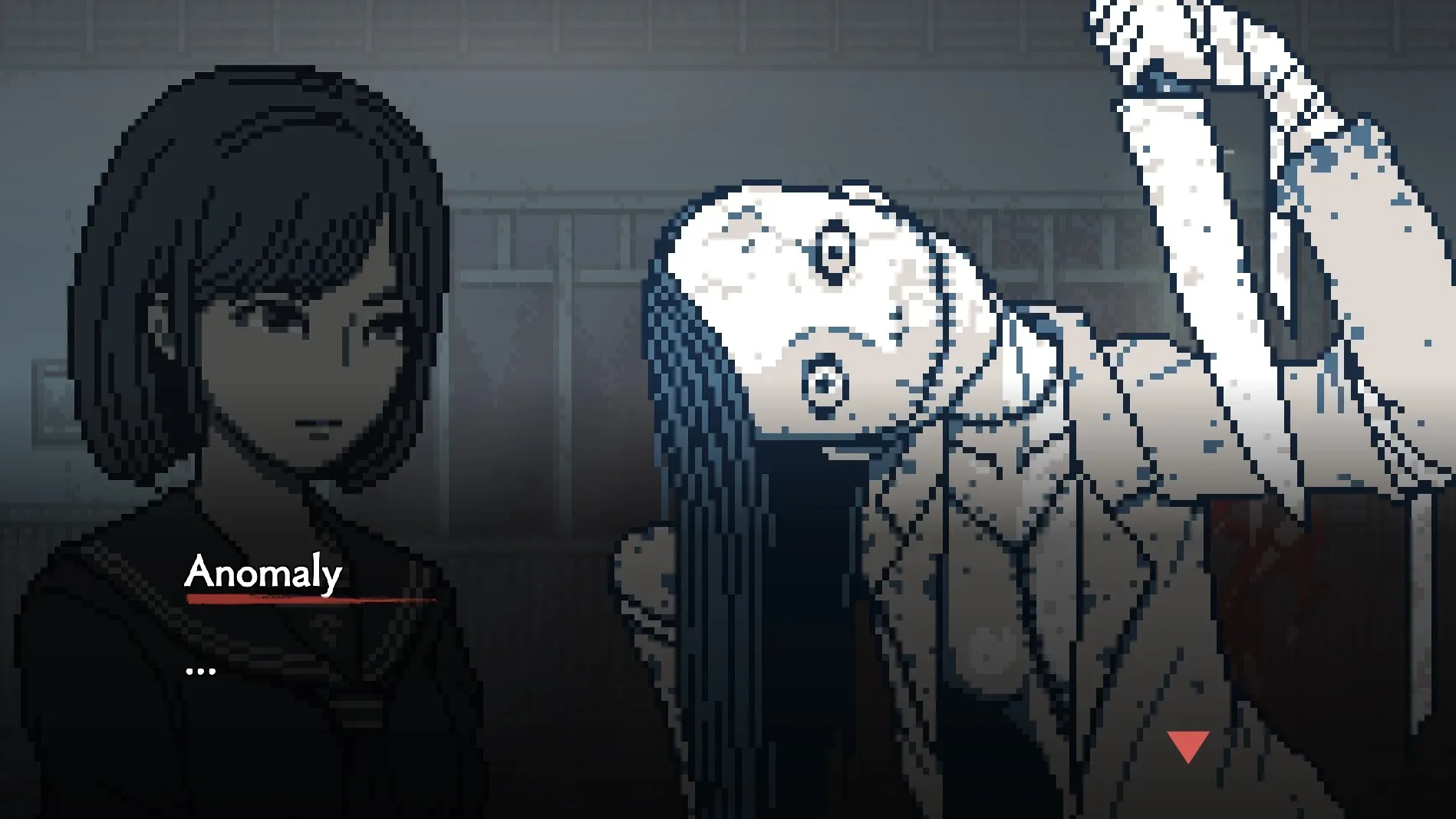
Few crossover ideas sound quite as immediately odd—and then quite as sensible—as Silent Hill f meeting Urban Myth Dissolution Center. One is a major revival for Konami’s long-running horror series; the other is a compact mystery visual novel from Japanese developer Hakababunko, built around rumors, occult anxieties and the unsettling logic of urban legends. Their new collaboration turns that shared fascination with the uncanny into several connected pieces: original artwork, a discounted Steam bundle, and a short browser-based mini-game that players can access for free.
The mini-game is the most intriguing part of the package. It adopts the gameplay and visual language associated with Urban Myth Dissolution Center while bringing in characters from both games. Silent Hill f protagonist Hinako is placed in a deserted school, a setting with no shortage of horror potential, where she encounters unusual figures and unexplained phenomena. It is a deliberately small scenario rather than a full new Silent Hill release, but its format makes the collaboration unusually approachable. Players do not need to commit to another lengthy game before seeing how these two worlds fit together.
A crossover with more in common than it first appears
On the surface, Silent Hill f and Urban Myth Dissolution Center come from very different positions in the games business. Silent Hill is one of horror gaming’s most recognizable names, while Hakababunko’s title emerged from Japan’s independent scene. Yet both projects make mystery central to their appeal. Neither depends solely on a monster appearing at the end of a hallway. Their horror and suspense are tied to interpretation: what people believe, what they fear, what they think they saw, and what a community turns into legend.
That overlap is especially relevant to Urban Myth Dissolution Center’s premise. As a mystery visual novel concerned with urban myths and the occult, it is naturally equipped to turn a crossover into an investigation rather than merely a character cameo. The reported school setting for the browser scenario offers an effective meeting point. A derelict school can be a physical location, an emotional memory, a container for rumors, or a stage on which reality seems to bend. Those are useful ingredients for both a folk-horror-leaning Silent Hill story and an urban-legend mystery.
There is also a notable creative link behind the scenes. Silent Hill f author Ryukishi07 was already well known for the mystery visual novel series Higurashi and Umineko before working on Konami’s horror project. His background helps explain why a collaboration with a visual novel can feel less like a marketing oddity and more like a meeting of adjacent storytelling traditions. Visual novels have long been a fertile space for horror that draws tension from repetition, perspective, deduction and the possibility that a seemingly ordinary place is hiding a far more elaborate truth.
What the collaboration includes
The partnership is not confined to one promotional image or one storefront listing. Its components cover art, purchasing and play:
- New collaboration art: Silent Hill f character designer and illustrator Kera created a new piece of artwork for the event.
- A Steam bundle: Silent Hill f and Urban Myth Dissolution Center are being offered together at a reduced bundle price on Steam.
- A free browser mini-game: The short crossover scenario uses Urban Myth Dissolution Center’s gameplay and visual style, with characters from both games involved.
That is a smartly varied approach. Collaboration art gives fans a collectible visual focal point, while the Steam bundle creates a straightforward route for people who have played one game but not the other. The free browser piece, though, is the bridge that matters most. It lowers the barrier for the curious and lets the crossover communicate its own tone directly rather than asking audiences to infer it from a sales page.
Free browser games have an appealingly immediate quality, particularly for short-form mysteries. They can function as a self-contained oddity, a sampler for a larger game, or a celebratory side story for existing fans. In this case, the format also suits Urban Myth Dissolution Center’s identity. A strange case that can be opened in a browser has a pleasingly rumor-like quality: a small, unsettling tale passed from one curious player to another.
Related coverage includes Silent Hill f and Urban Myth Dissolution Center Join Forces in Free Browser Mini-Game.
Two Japanese successes from 2025
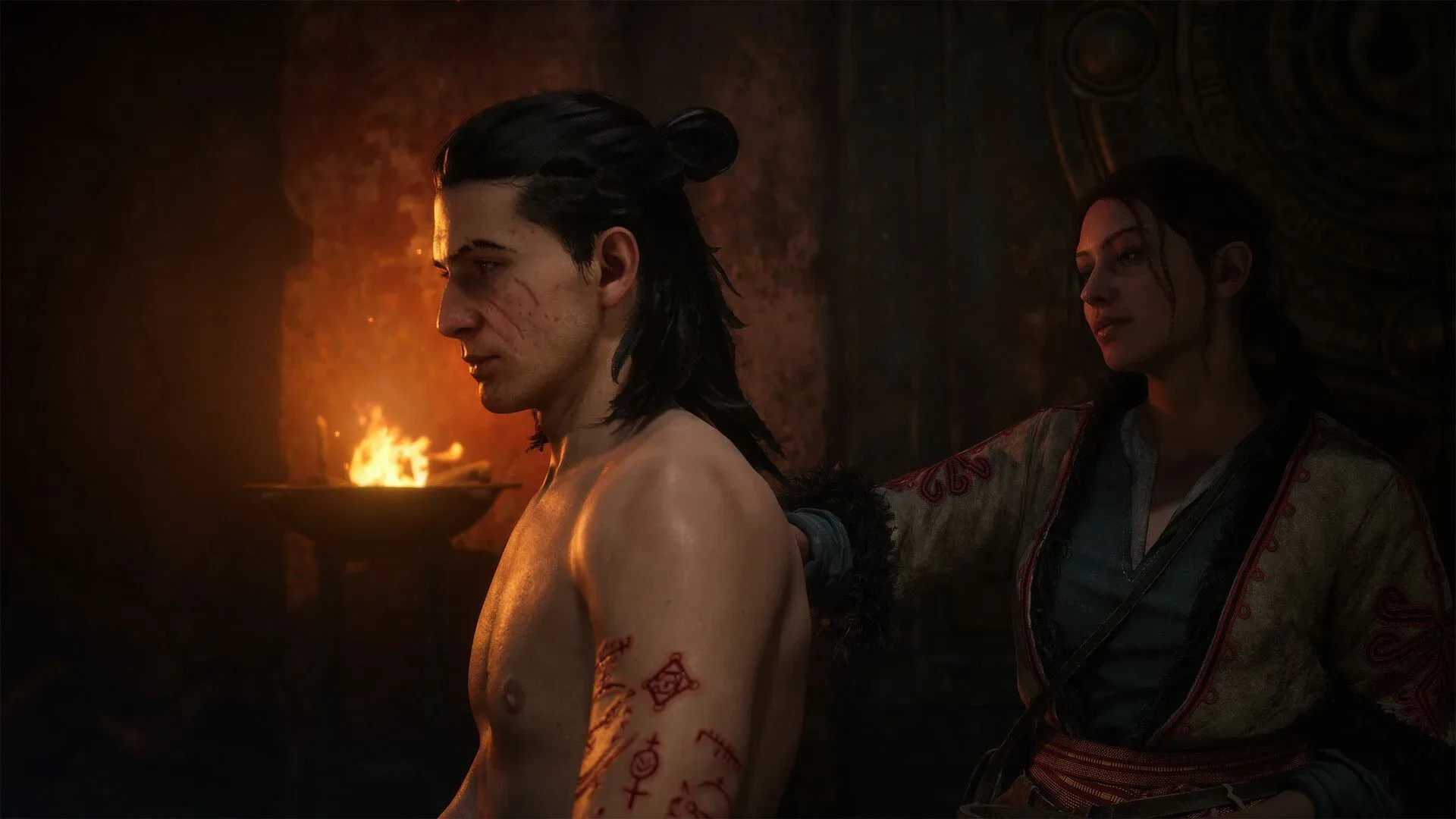
The timing is significant because both games became high-profile Japanese gaming success stories in 2025, albeit on different scales and through different routes. Silent Hill f was received warmly and rapidly became one of the fastest-selling entries in the series. Urban Myth Dissolution Center, meanwhile, passed 300,000 units sold within three months of its release in 2025. For an independent mystery visual novel, that is a major result—and one that has helped Hakababunko take the project beyond the game itself through outside partnerships, including a real-world mystery game.
Its appeal has clearly traveled beyond a narrow visual-novel audience. In the developer- and producer-voted rankings published as part of a major Japanese annual game-of-the-year feature for 2025, Urban Myth Dissolution Center placed third overall. It ranked behind Clair Obscur: Expedition 33 and Ghost of Yotei, while finishing above Donkey Kong Bananza and Mario Kart World. A list cannot settle an argument about the best game of any year, of course, but that placement does illustrate the esteem the title earned among industry peers.
Silent Hill f producer Motoi Okamoto also identified Urban Myth Dissolution Center as one of the year’s highlights. That detail gives the crossover a more personal creative dimension. It suggests this is not simply two recognizable names being pushed together because a spreadsheet says horror and mystery audiences overlap. Admiration between development teams can lead to the kind of collaboration that understands what each side actually does well.
Why the indie connection matters
Japan’s indie development community has been gaining broader visibility as smaller teams build games that do not necessarily follow the production model of the country’s biggest publishers. These works often find room for specialized concepts, distinctive art styles and unusual narrative structures—qualities that can make them stand out internationally as well as at home. Urban Myth Dissolution Center’s growth is a useful example: its premise is specific, its form is rooted in mystery visual novels, and it has nonetheless reached a large audience.
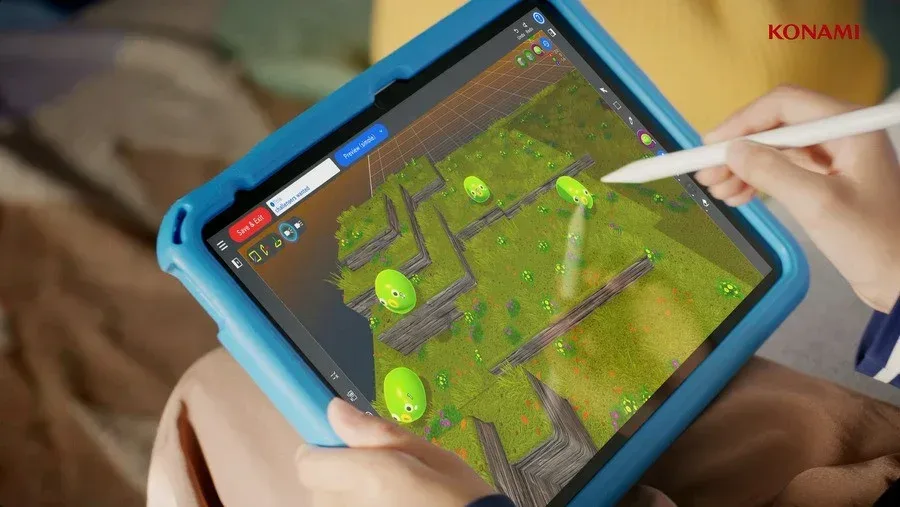
Konami has participated in that ecosystem through game jams and events aimed at Japanese indie creators. A crossover between Silent Hill f and Hakababunko’s game therefore lands as more than a one-off pairing. It puts a large publisher’s horror revival alongside a contemporary indie hit, giving each audience a reason to look across a line that can sometimes feel more rigid than it needs to be.
That exchange can be valuable without pretending the games are identical. Silent Hill f carries the expectations attached to a legacy franchise. Urban Myth Dissolution Center has the freedom and focused identity of a newer independent work. The mini-game’s choice to operate in the latter’s presentation style appears to acknowledge that difference rather than flattening it. Hinako enters a space shaped by Urban Myth Dissolution Center’s approach, instead of the crossover simply borrowing its characters as decorative guests.
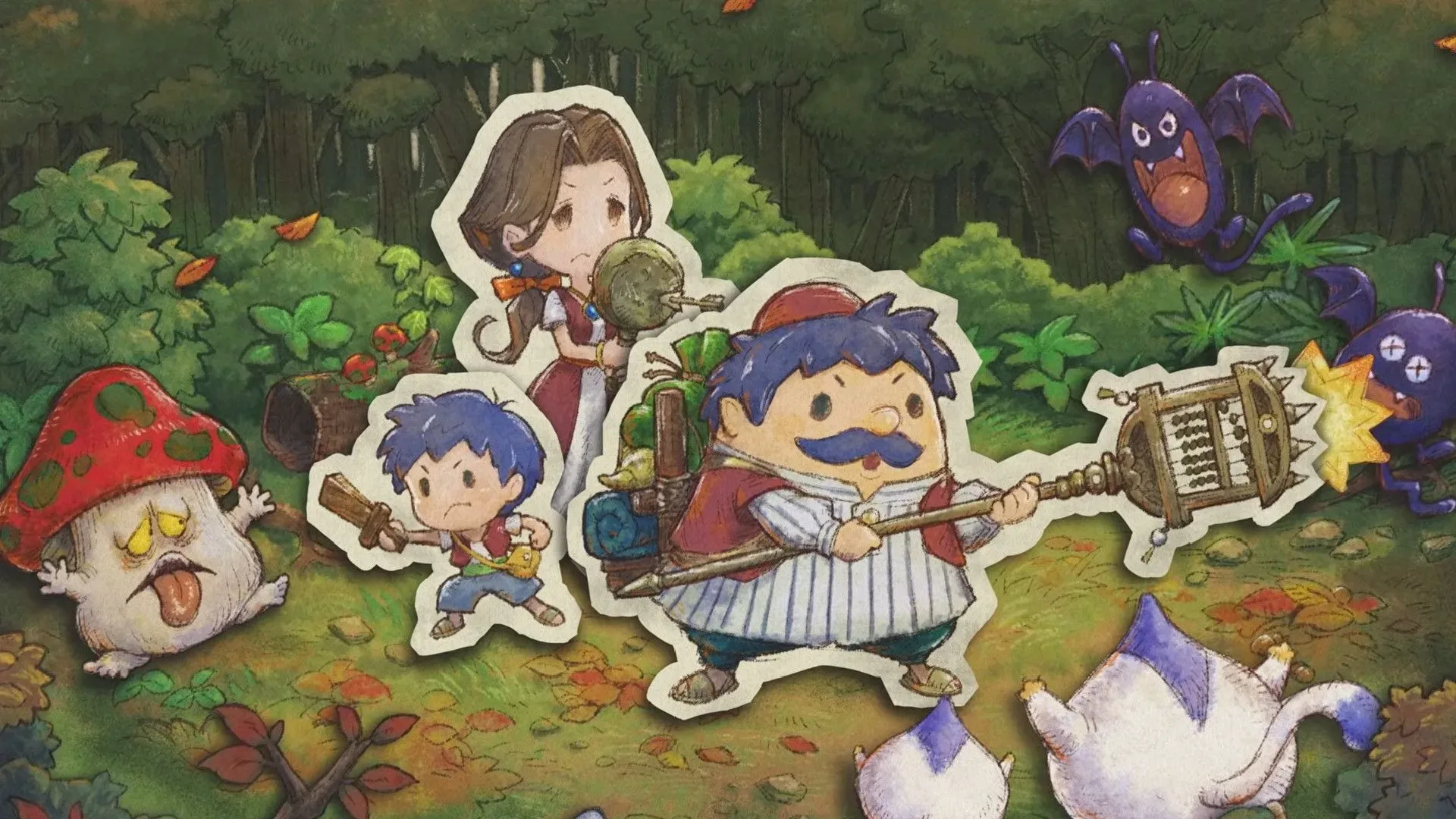
Players interested in Japanese games that move between established genres and more experimental structures may also want to keep an eye on other projects making older traditions newly accessible. Torneko’s Mystery Dungeon Classic HD arriving in English is another reminder that Japanese game history remains full of formats and ideas worth revisiting.
A compact invitation into both worlds
The practical appeal of this event is that it offers several entry points without overstating what it is. Fans of Silent Hill f can see Hinako reframed through an indie mystery game’s structure. Urban Myth Dissolution Center players can encounter a character from one of horror gaming’s best-known series. Those who have missed both can try the browser mini-game first, then decide whether the Steam bundle is a worthwhile next step.
More broadly, it is encouraging to see a crossover built around tone and creative lineage. Ryukishi07’s visual-novel history, Kera’s new artwork, Okamoto’s appreciation for Hakababunko’s game, and the two titles’ shared interest in unsettling mysteries all provide connective tissue. A lost girl in an abandoned school is a classic horror image. Letting that image become a small, free investigation at the intersection of a major franchise and a celebrated indie success gives it a fresh purpose—and gives players a low-pressure way to discover why both games resonated so strongly in 2025.