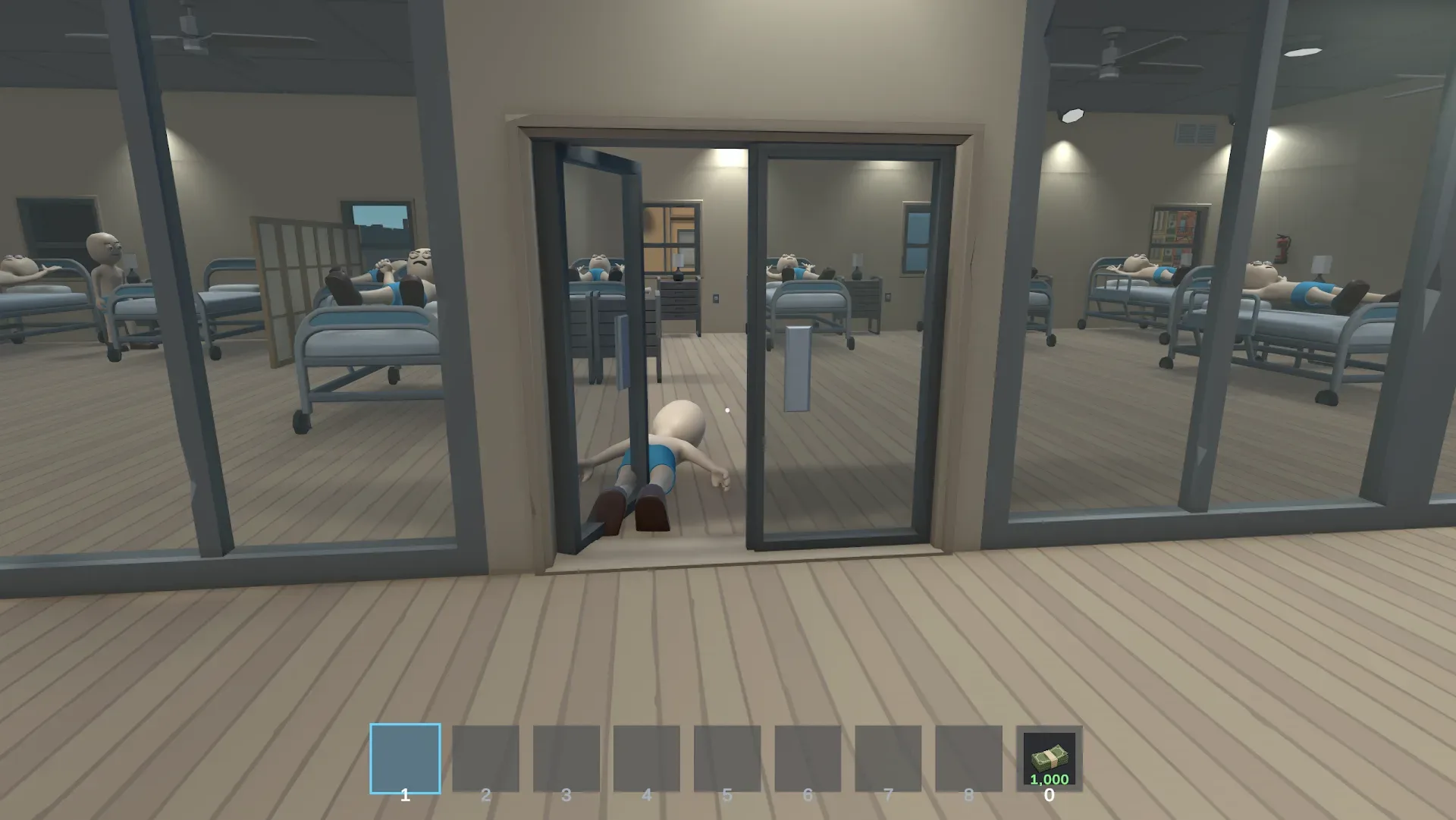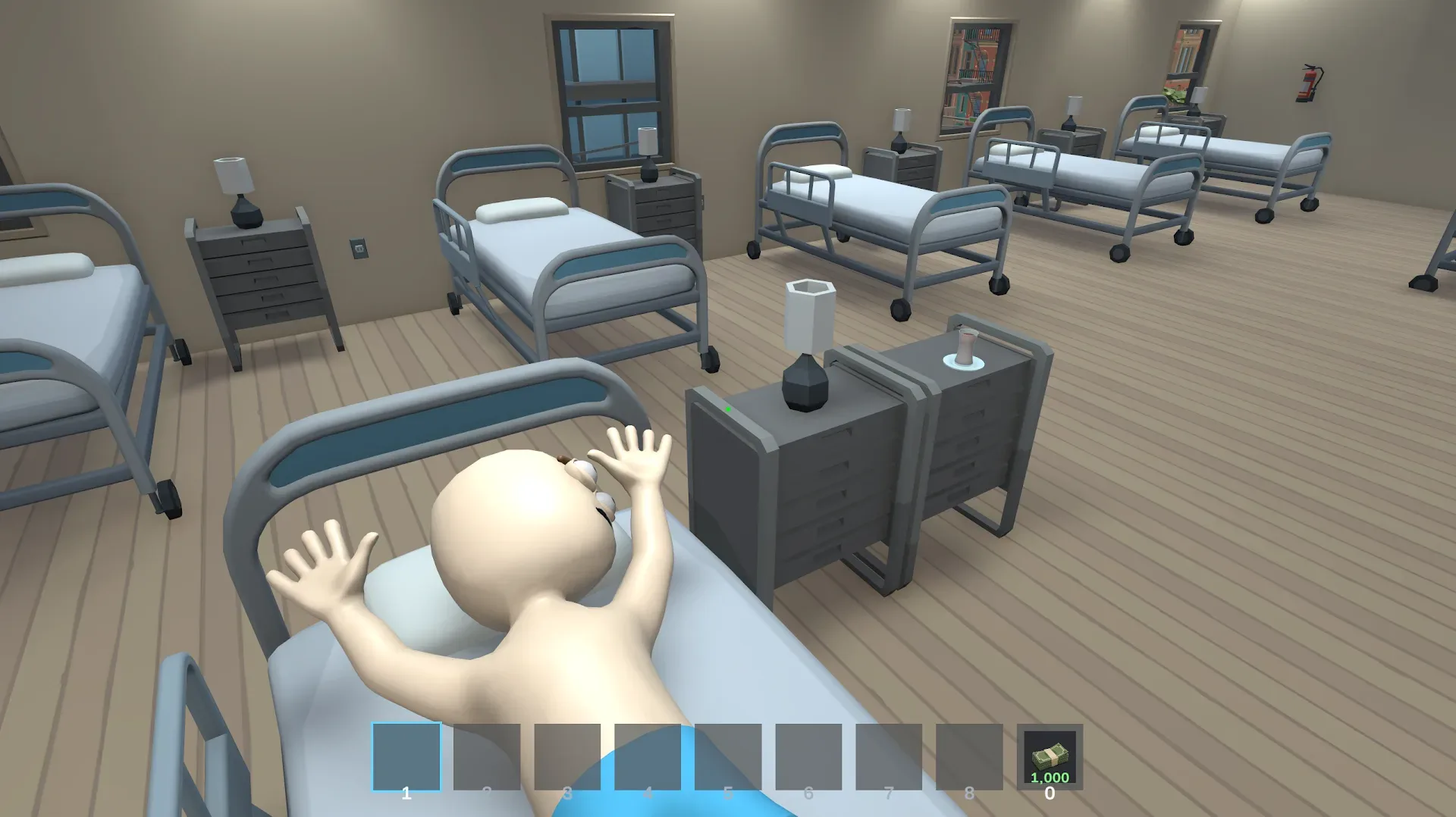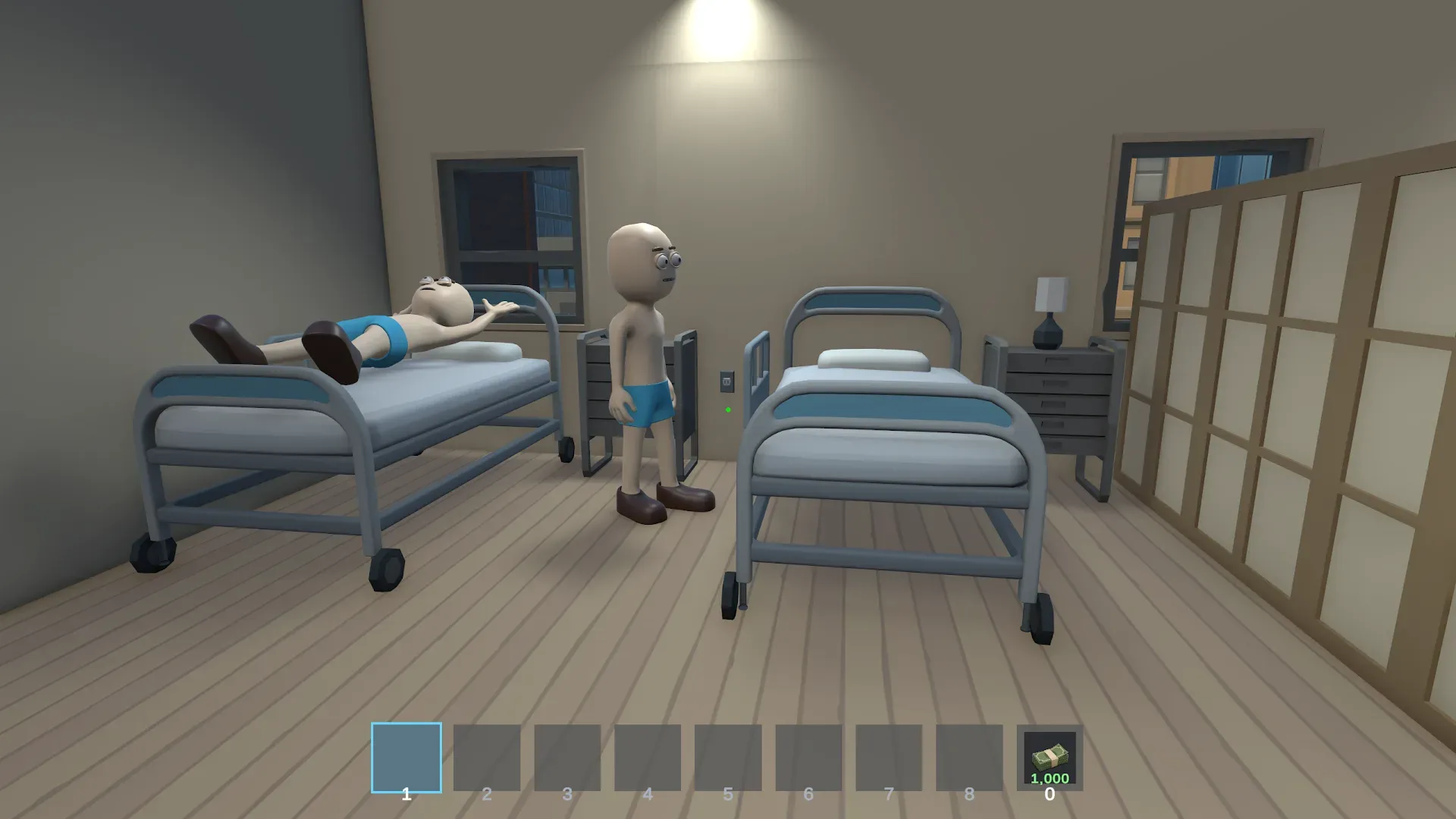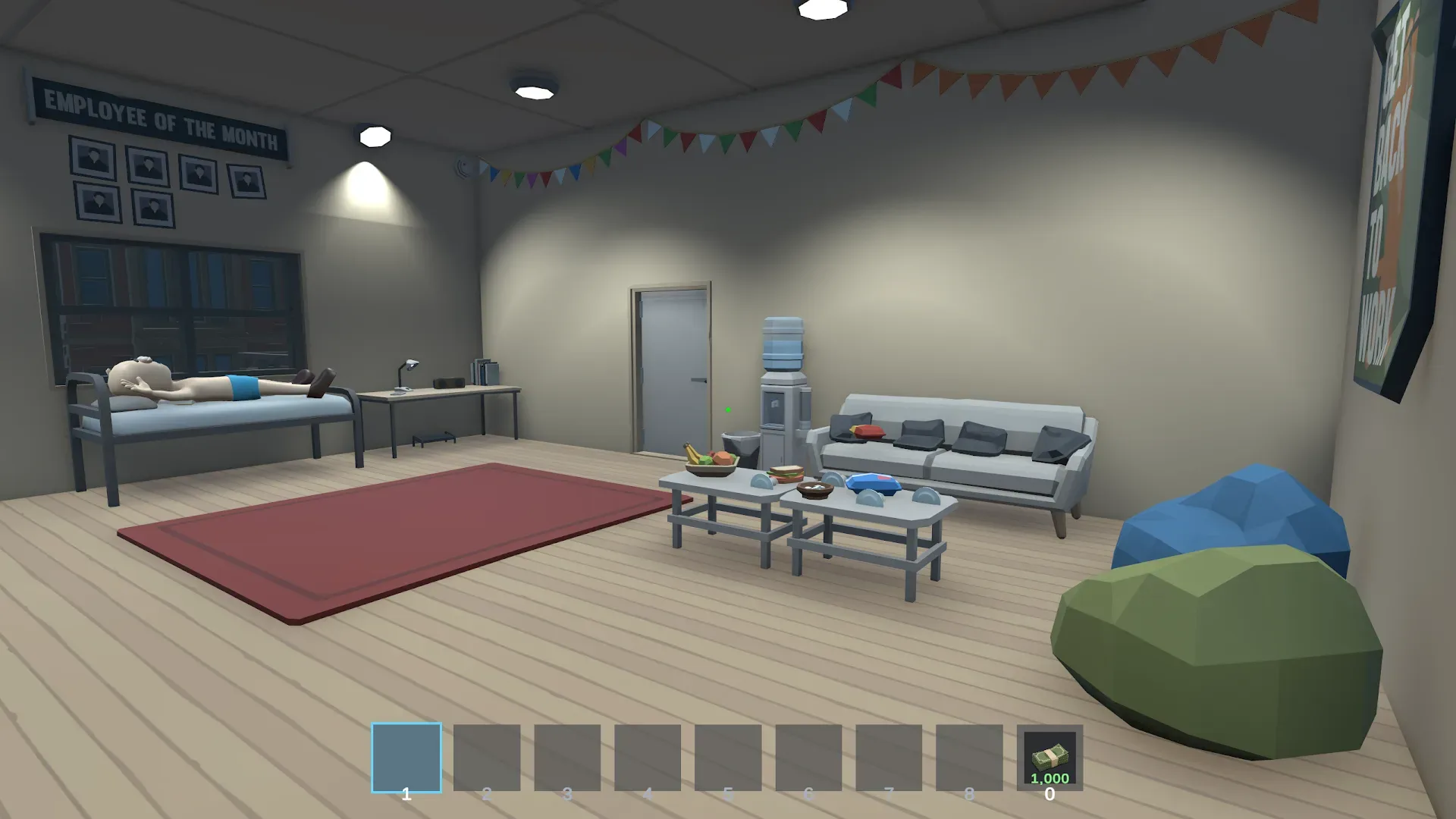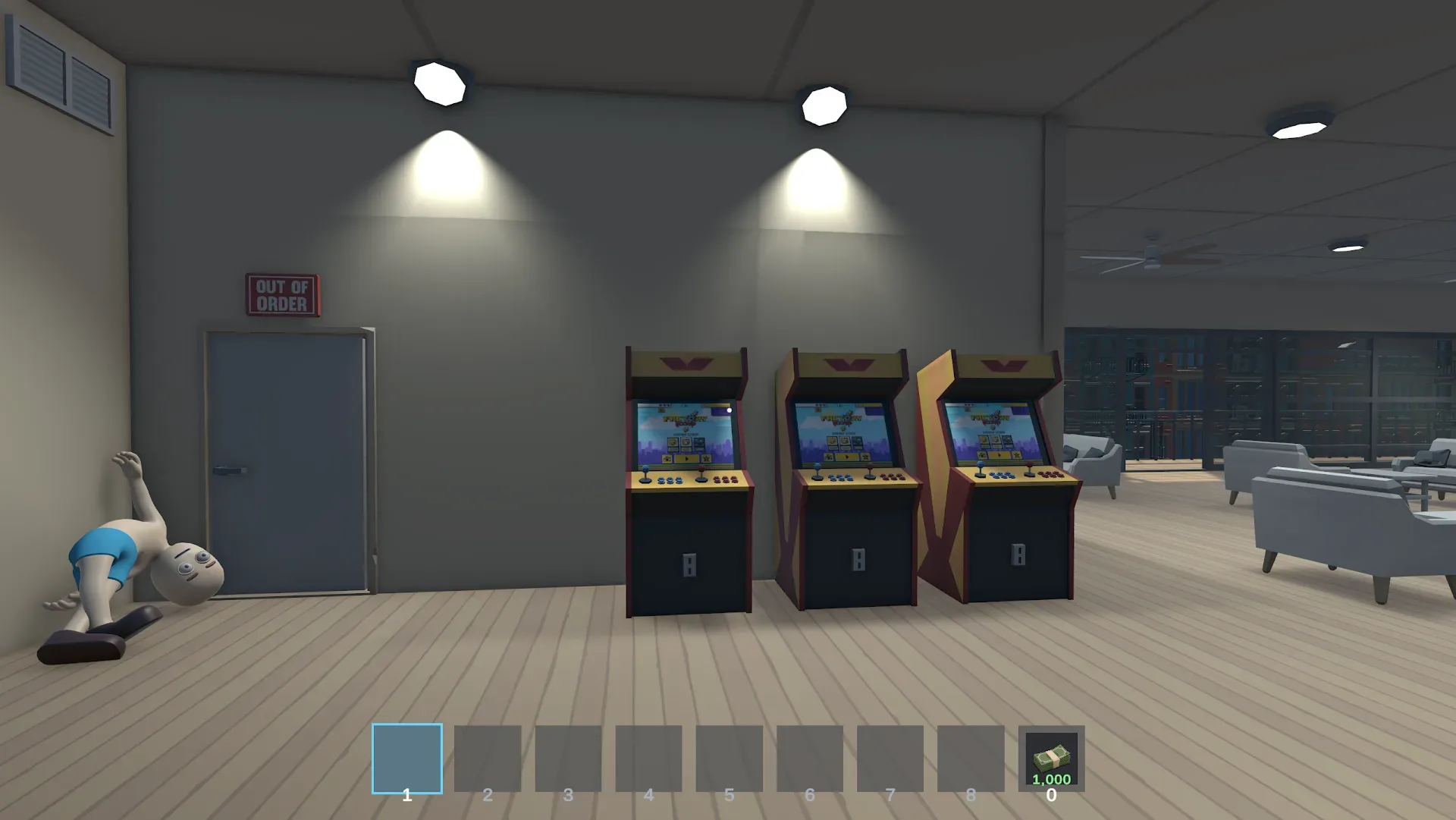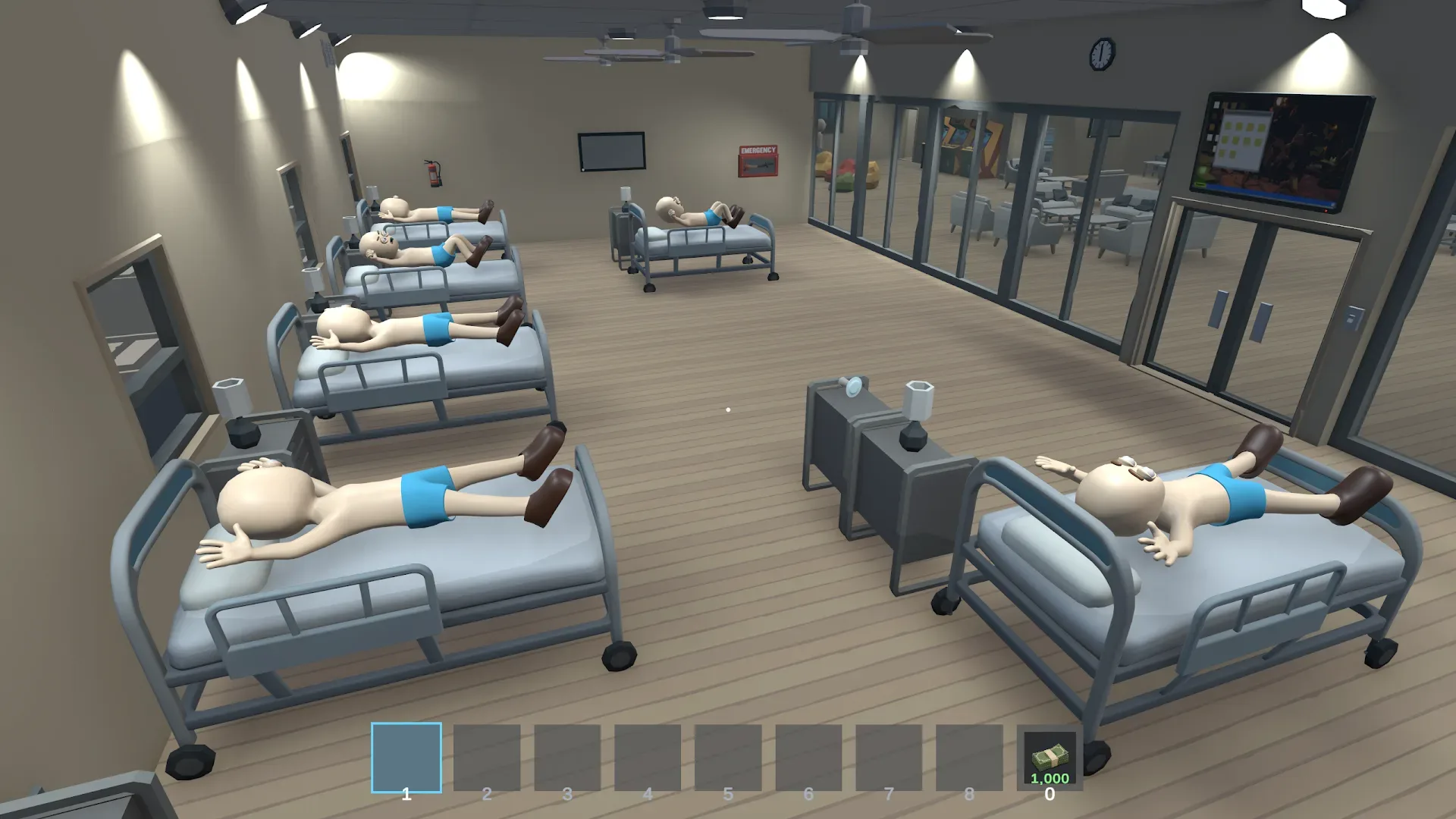
Paislop Studio plans to bring SCHEDULE: REHAB BUSINESS to Steam for Windows PC in Q4 2026. The newly revealed game presents a co-op management premise with an intentionally unruly edge: players and their friends operate what is described as the worst rehabilitation center in town.
The announced setup is less about calmly overseeing a professional facility than containing a collapse in progress. Players will need to watch the windows, lock doors and bring runaway patients back before they leave for another smoke. The game’s premise also includes growing and using drugs while attempting to help patients quit, establishing a provocative and darkly comic framing for its clinic-management concept.
At this stage, Paislop Studio has confirmed the broad setting, co-op focus, Steam destination and Q4 2026 launch window. Details such as player count, online features, system requirements, pricing, exact release date, progression structure and the full range of management systems have not been specified.
A co-op simulator built around disorder
The word simulator can cover many kinds of games. In this case, the supplied premise points to players being responsible for the operation of a location and the people inside it. The tasks named so far are direct, physical and reactive: observe possible escape routes, secure doors and retrieve patients who try to leave.
That distinction matters because it suggests a management game where the immediate moment-to-moment problem may be as important as any broader planning layer. A player who is keeping watch on a window may be unable to deal with a patient already outside; another who is dragging someone back may be away from the doors. Those are practical pressures inherent in the announced setup, though the precise controls and systems behind them have yet to be detailed.
Co-op, short for cooperative multiplayer, means participants work toward shared objectives rather than competing as opponents. Here, the clinic’s failures are positioned as the group’s problem. The appeal of that structure is likely to rest on communication and divided attention: one person can monitor an exit while another responds to a runaway, provided the game supports those responsibilities in the way its premise implies.
The language around the clinic is deliberately unflattering. Calling it the “worst” center in town signals that dysfunction is part of the intended tone, not merely an obstacle to be eliminated. Rather than portraying a polished medical operation, the announced concept centers on a workplace whose staff have too much to do and too little control over the building.
What has been announced—and what remains unclear
There is a meaningful difference between a game’s stated premise and a confirmed feature list. The following points have been announced:
- Developer: Paislop Studio.
- Game: SCHEDULE: REHAB BUSINESS.
- Format: A co-op game centered on running a rehab clinic.
- Named activities: Watching windows, locking doors and bringing back runaway patients.
- Platform: Steam for PC running Windows.
- Release timing: Q4 2026.
Conversely, the announcement does not establish whether the game is playable solo, how many people can join a session, whether cooperation is online, local or both, or what constitutes success or failure during a shift. It also does not explain how growing and using drugs works as a game system, whether patients have different behaviors, or whether the clinic can be upgraded or customized.
Those unknowns are especially relevant for a co-op management game. Two titles can share a broad workplace-sim label while feeling very different in practice. One may ask players to execute short, increasingly frantic tasks; another may focus on long-term finances, layouts and staff assignments. SCHEDULE: REHAB BUSINESS has disclosed enough to establish its setting and tone, but not enough to define where it lands on that spectrum.
The premise carries mature subject matter
The game’s subject matter includes addiction, rehabilitation, smoking and drug use. Its announced framing is chaotic and comedic rather than instructional, but those themes may still be uncomfortable or unsuitable for some players. Anyone considering it for a shared group should keep that in mind, particularly where the humor of managing runaway patients or using drugs may not be a fit for every audience.
It is also important not to read real-world clinical guidance into the game’s setup. The premise is entertainment fiction built around a dysfunctional facility; no treatment claims, medical simulation credentials or educational purpose have been announced.
Why the Steam and Windows confirmation is useful
The platform announcement gives interested players one concrete planning detail: the game is currently intended for Steam on Windows PC. That does not confirm releases for consoles, Mac, Linux, mobile devices or other PC storefronts. It likewise does not establish compatibility with handheld PC hardware, controller support, cross-platform play or Steam-specific features.
For PC players tracking upcoming releases, a Q4 window means the planned launch falls somewhere between October and December 2026. A window is not the same as a locked date, so it leaves a sizable span in which Paislop Studio could schedule the game. Until a day is named, prospective players should treat Q4 as the available timing rather than an exact appointment.
The PC-focused announcement arrives among a steady flow of smaller projects choosing Steam as their first confirmed destination. For another recent look at a PC-bound game using a very different structure, see Spaceborn: Awakening’s story-led bullet-heaven progression.
What to watch for before launch
Future updates will need to answer the questions that matter most for this particular premise. A trailer and press materials have been provided, but the announced text does not spell out the underlying rules. The most useful follow-up information would clarify the co-op format, player capacity, the balance between hands-on containment and broader management, and whether the game has a structured campaign, open-ended sessions or another format entirely.
Players may also want to know how far the game takes its workplace comedy. The central hook depends on chaos—escaped patients, unsecured exits and a clinic being run badly—so its identity will likely depend on whether those events develop into coordinated problem-solving, escalating emergencies or simply a sequence of absurd scenarios. That is analysis based on the premise, not a confirmed description of its final design.
For now, SCHEDULE: REHAB BUSINESS is a distinctly offbeat co-op project with a clearly stated destination and release period. Its central promise is a shared attempt to keep a ramshackle rehab clinic from falling apart, one locked door and retrieved runaway at a time.