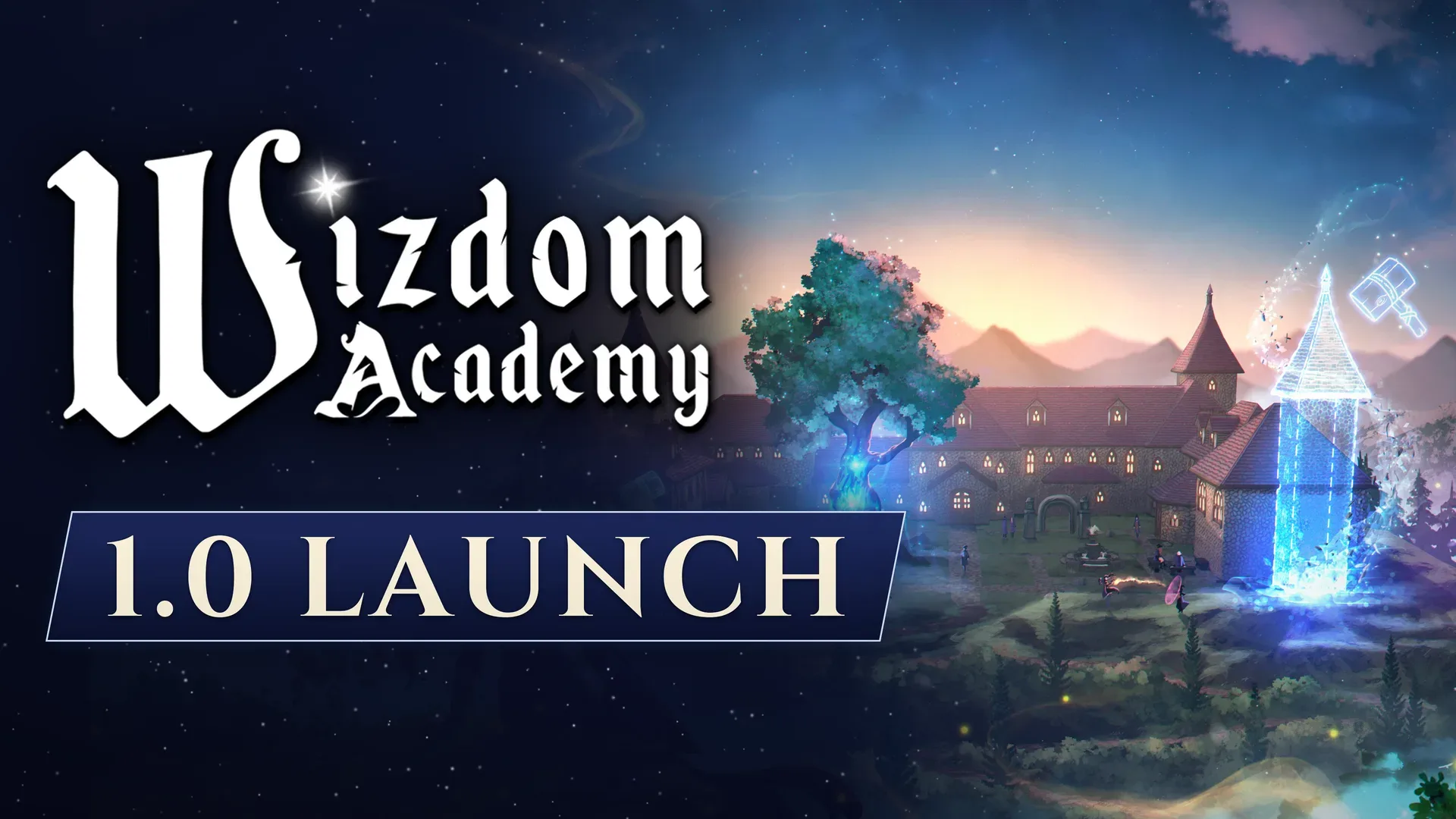
Wizdom Academy, the PC simulation and strategy game from Kipwak Studio and Lake On Fire, is scheduled to leave Steam Early Access and launch in version 1.0 on November 16, 2026. The full release arrives after three years of development, including an Early Access period that began in April 2025 and lasted 18 months.
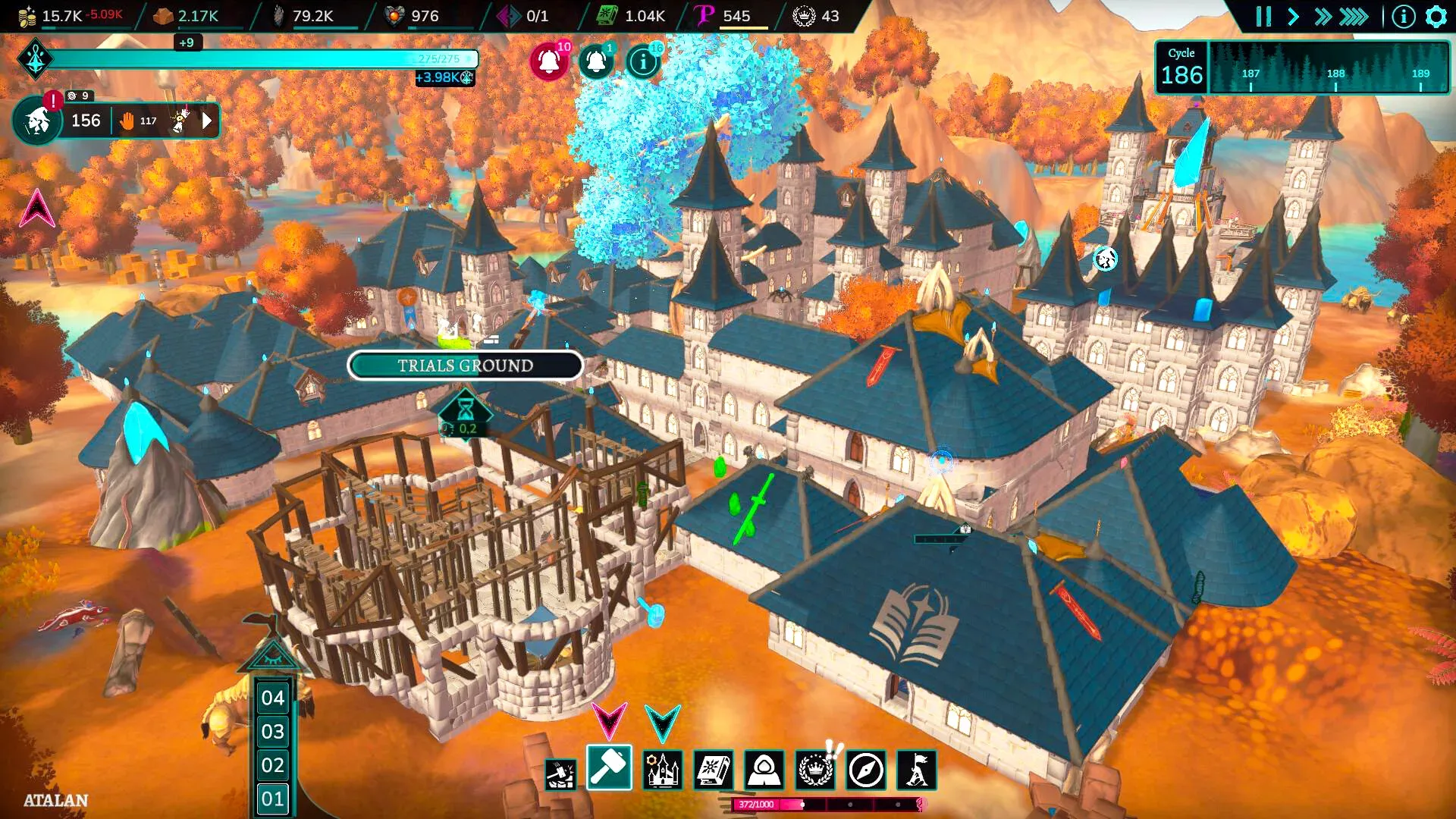
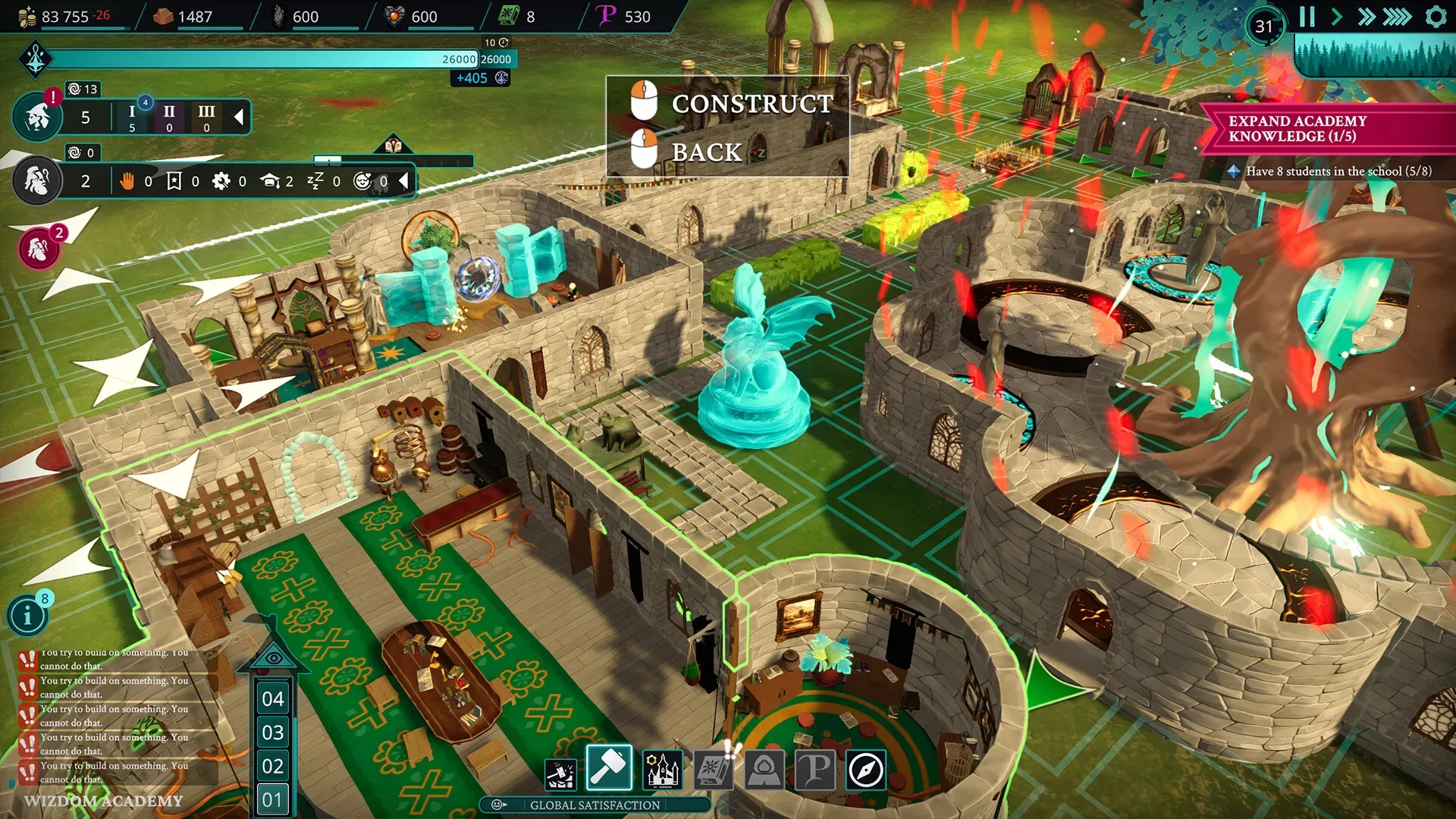
Its central premise places the player in the demanding job of headmaster of a magical school. That means more than simply laying out an attractive castle: players will design classrooms, build upward floor by floor, recruit both students and staff, and handle the daily requirements of keeping an academy working. Mana is a particularly important resource, since schools must balance its production against its consumption while also meeting the expectations of an authority known as the Directorium.
The launch version also carries a larger narrative concern beneath the school-management layer. Players are tasked with seeking the Wizdom and investigating recurring mana droughts that threaten the magical world. The result is a structure that combines construction and resource decisions with expeditions, rival institutions, village relationships, student development and a wider mystery.
What version 1.0 means for Wizdom Academy
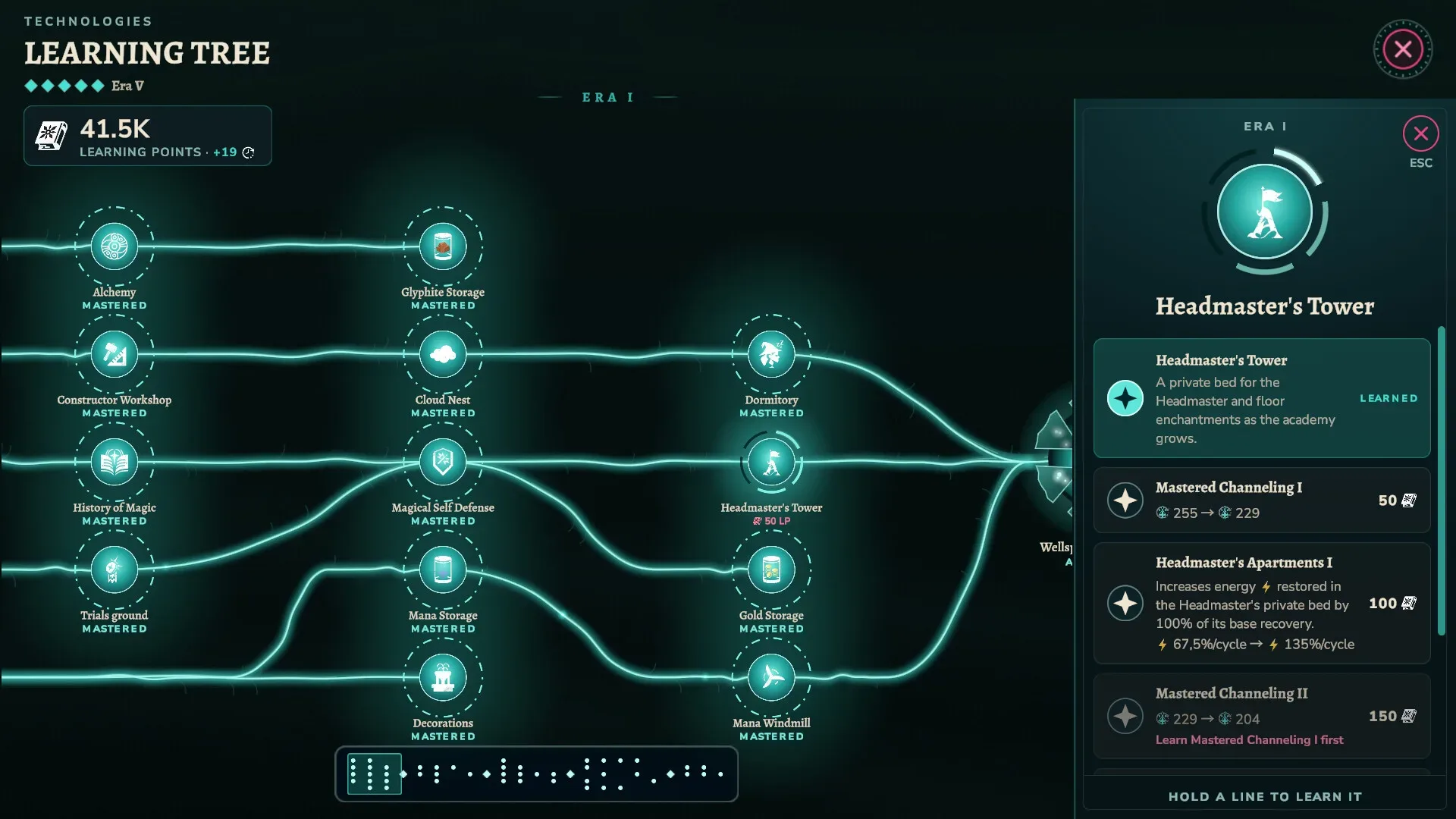
Version 1.0 is the point at which a game exits Early Access and is presented as its full release. It does not inherently mean every future update has ended; rather, it marks the release intended to consolidate the game’s major systems and content into a complete package. In Wizdom Academy’s case, the development team says the 1.0 build brings together the substantial updates, new systems, additional content and balance work introduced during Early Access.
That distinction matters for a management-focused game. Building an academy involves interconnected decisions, so changes to one system can affect others. A new classroom or recruit may alter resource demand; a stronger or weaker mana economy may change which expansion plans are practical; and the balance of objectives from the Directorium can shape which short-term priorities players pursue. The stated balancing work suggests that the launch build is intended to bring those interacting parts into a more coherent whole, though the specific balance changes have not been detailed.
The team also plans to continue supporting and improving Wizdom Academy after the 1.0 release, with more work planned for 2027. That is a commitment to continued development rather than a list of confirmed future features, so players should not assume any particular additions beyond what has been announced.
A school that needs to function, not merely look magical
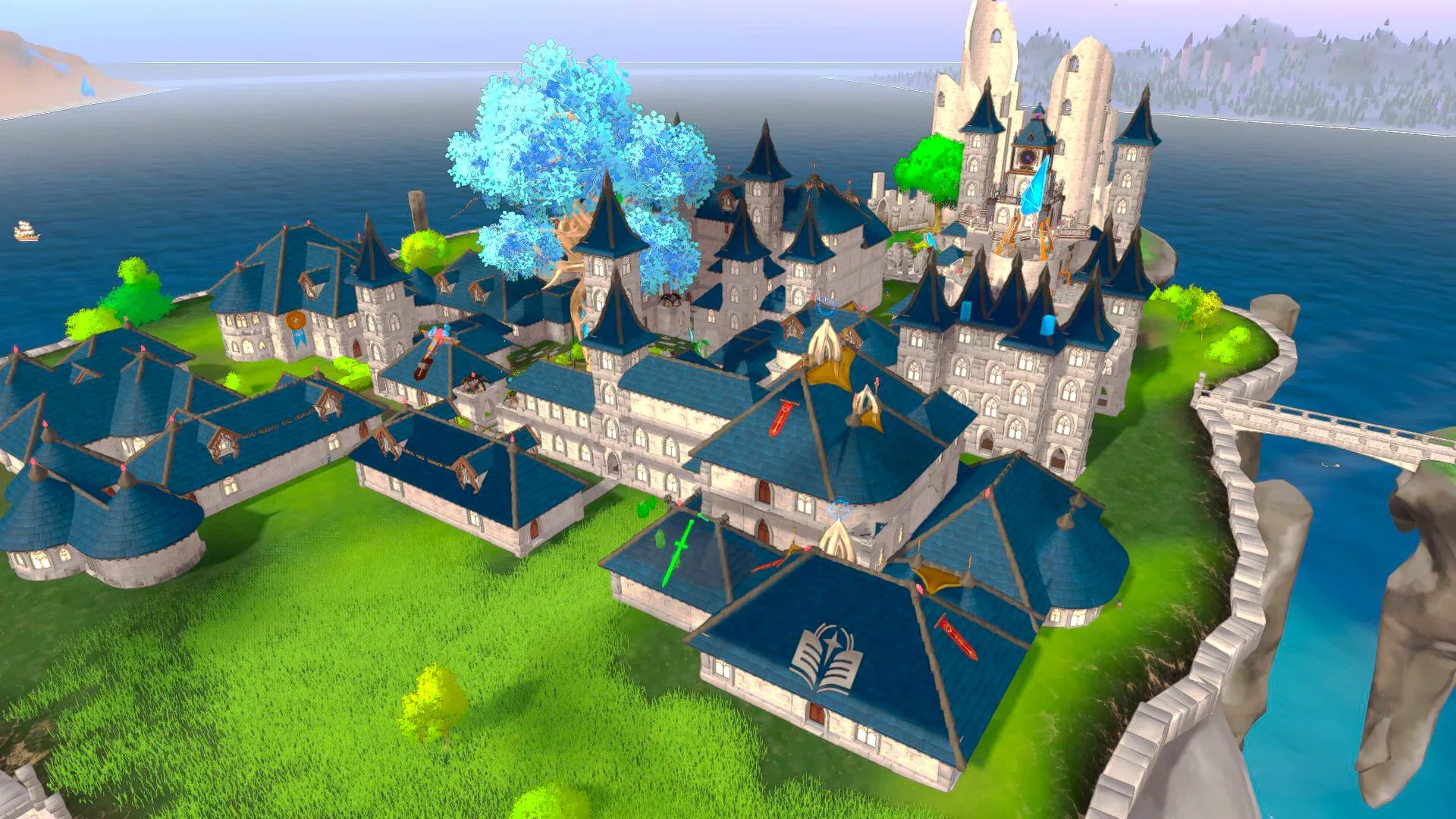
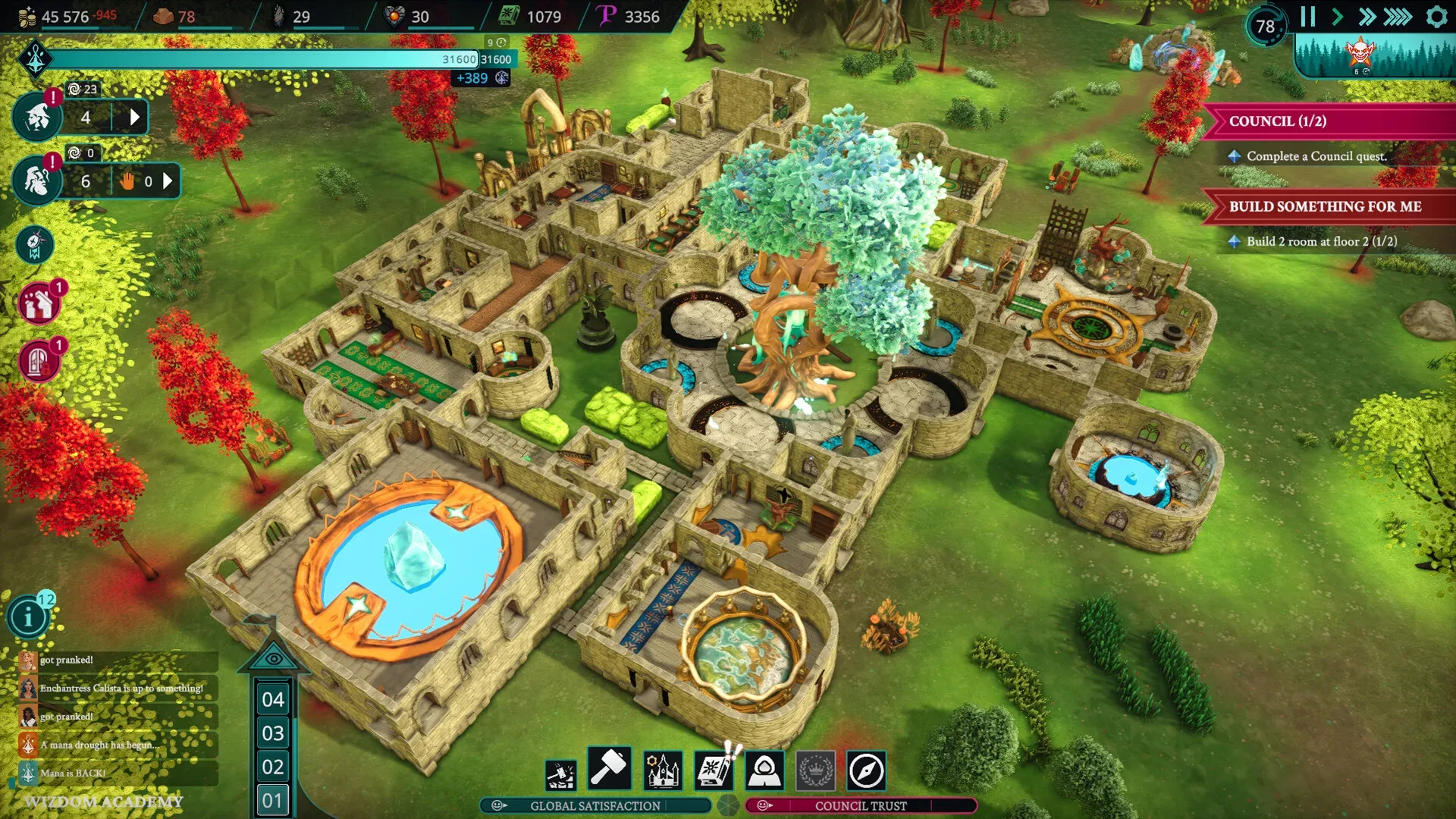
Wizdom Academy’s management play revolves around the practical responsibilities of running a magical institution. Players create classrooms and expand the castle vertically, floor by floor. They recruit students and employees, then manage operations and resources as the academy develops.
In strategy and simulation games, a resource loop is the cycle in which players generate, allocate and spend limited supplies. Mana appears to be Wizdom Academy’s defining loop. Production needs to keep pace with consumption, making mana a likely constraint on how quickly a school can expand or how many demands it can comfortably meet. The recurring droughts give that resource a story role as well: mana is not only an abstract number to optimize, but part of the world-level problem the player is trying to understand.
The Directorium adds another layer of pressure. Its demands mean that players are not operating in a vacuum, and unexpected challenges can further disrupt carefully arranged plans. The available information does not specify the exact form of those challenges or demands. What is clear is that headmastering will involve responding to obligations as well as deciding where to place rooms and whom to hire.
This mix can make the school’s layout and staffing choices meaningful beyond appearance. A growing castle needs the right spaces, people and resources at the right time, while the institution must maintain enough mana to support what it does. Players looking for a game focused solely on decorative construction should therefore note the broader operational emphasis.
Students, staff, villages and rival academies
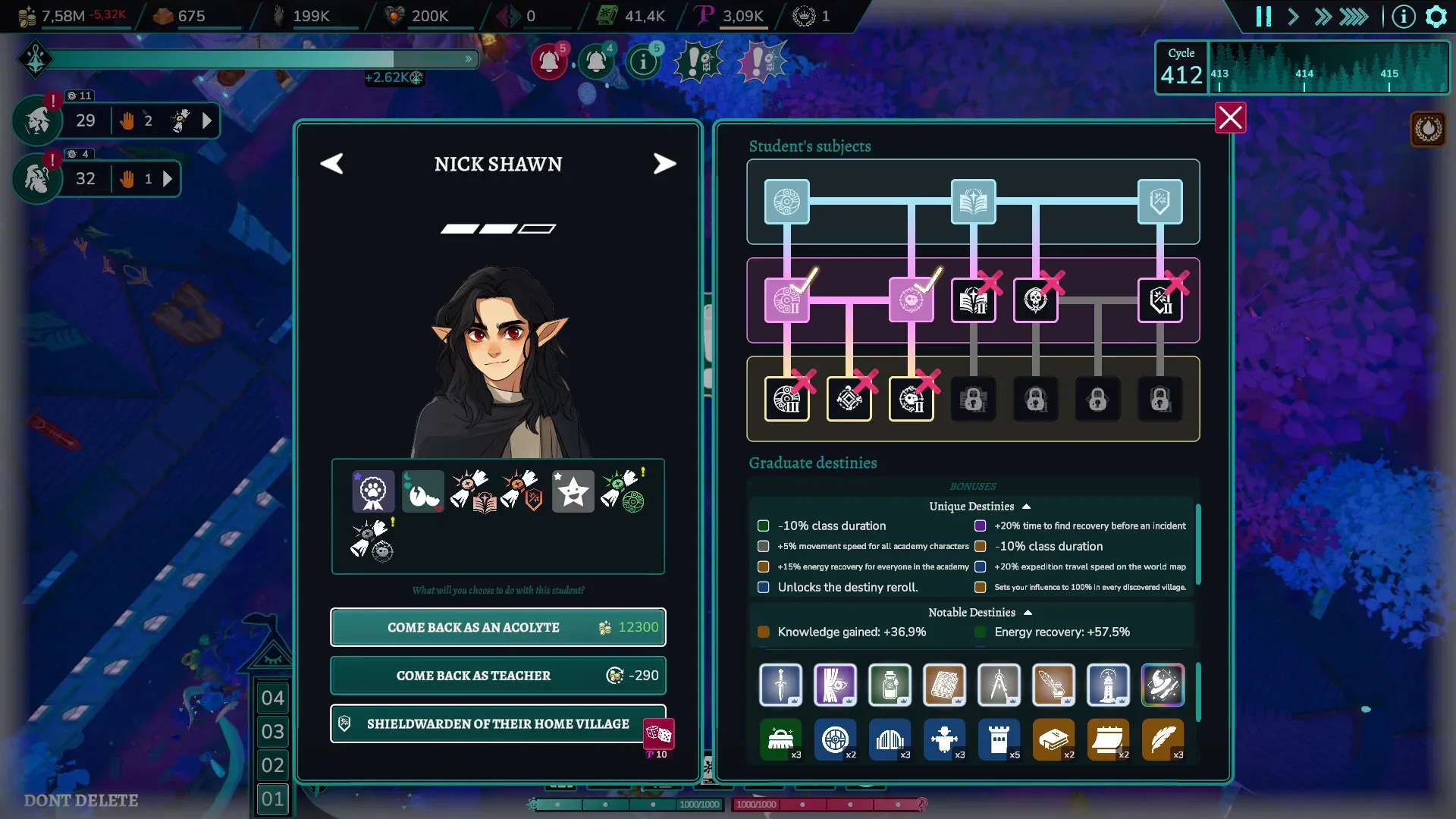
The people in the school are not described as interchangeable recruits. Wizdom Academy includes more than 100 unique traits and over 50 possible Destinies for students. Traits generally refer to defining characteristics that differentiate individuals, while Destinies here point to potential longer-term outcomes in a student’s progression. Together, those systems are meant to give student management more variation than simply filling enrollment numbers.
The exact effects of every trait and Destiny have not been outlined, but the scale signals that a school’s population can develop in many directions. For players, this creates a reason to consider recruitment and progression as strategic choices. Different student personalities and outcomes may encourage different academy plans, especially when combined with the game’s multiple progression paths.
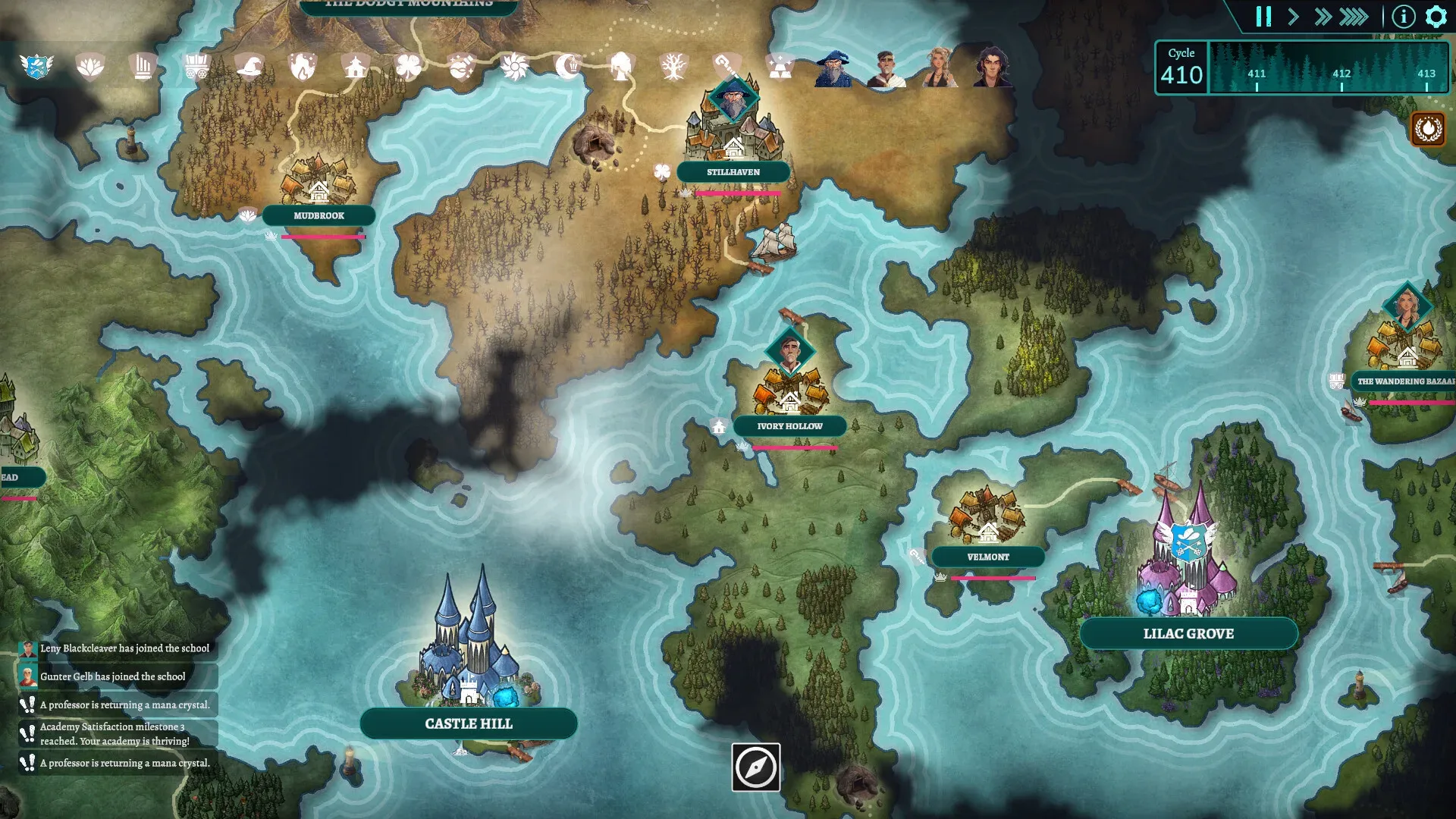
Professors also have a role away from the castle, as players can send them on expeditions. These excursions sit alongside interactions with villages, each of which has its own profile, and confrontations with rival academies. A village profile indicates that locations are differentiated rather than being presented as identical stops on a map. The details of those profiles, expedition outcomes and rivalry mechanics remain unspecified, but each system broadens the game beyond managing rooms within the school walls.
Reputation is another stated concern. Players can influence how their academy is regarded, which makes sense alongside dealings with villages and competing schools. Reputation systems typically track the standing of an organization or character with others, but no precise rewards, penalties or thresholds have been confirmed for Wizdom Academy. It is safest to view it as an additional strategic dimension rather than presume exactly how it will work.
Replayability is built into the academy format
The developers are positioning replayability as a major part of Wizdom Academy. Separate runs can take place on different maps and feature unique enchantments, while unlockable Legacies, multiple progression routes and varied challenges are intended to support fresh approaches.
An enchantment is generally a magical effect or modifier. In this game, the promise of unique enchantments for each playthrough implies that the conditions or advantages available to a player will not always be the same. That can change which strategies are attractive from one academy to the next, even before accounting for map differences or student variation.
Legacies are described as unlockable, though their exact function has not been announced. They may be understood only as progression-related unlocks at this stage, not as a guarantee of a specific persistent bonus or system. The key point is that the game is designed to reward continued experimentation across multiple adventures, rather than treating one successful school as the only intended run.
That approach fits the game’s combination of systems. Different maps can alter the physical planning problem; enchantments can alter a run’s magical conditions; and varied traits and Destinies can reshape the human side of the academy. The player’s response to the Directorium, mana shortfalls, villages and rivals can then create still more strategic forks. Whether that variety produces substantially different playstyles will depend on how these systems interact in the finished 1.0 build.
What PC players can expect on November 16
Wizdom Academy’s 1.0 release is confirmed for PC via Steam on November 16, 2026. No other platforms are listed. The game is categorized as simulation and strategy, a pairing reflected in its castle construction, staffing, resources, map-based runs and decision-making around mana.
For anyone who has waited until the game’s full release, the useful takeaway is straightforward: the launch build is meant to collect the work done throughout Early Access, including system additions, content and balancing, while the developers retain plans to improve the game after release. Players interested in the broader PC release calendar can also keep an eye on other recently dated PC projects and expansions.
Wizdom Academy’s defining challenge is likely to be balancing ambition with stability. A grander castle, a larger school body and wider activity beyond campus all sound appealing, but mana constraints, institutional demands and unforeseen problems ensure that expansion carries responsibility. On November 16, players will be able to take the headmaster’s chair and find out how well their own magical institution holds together when the mana starts running thin.