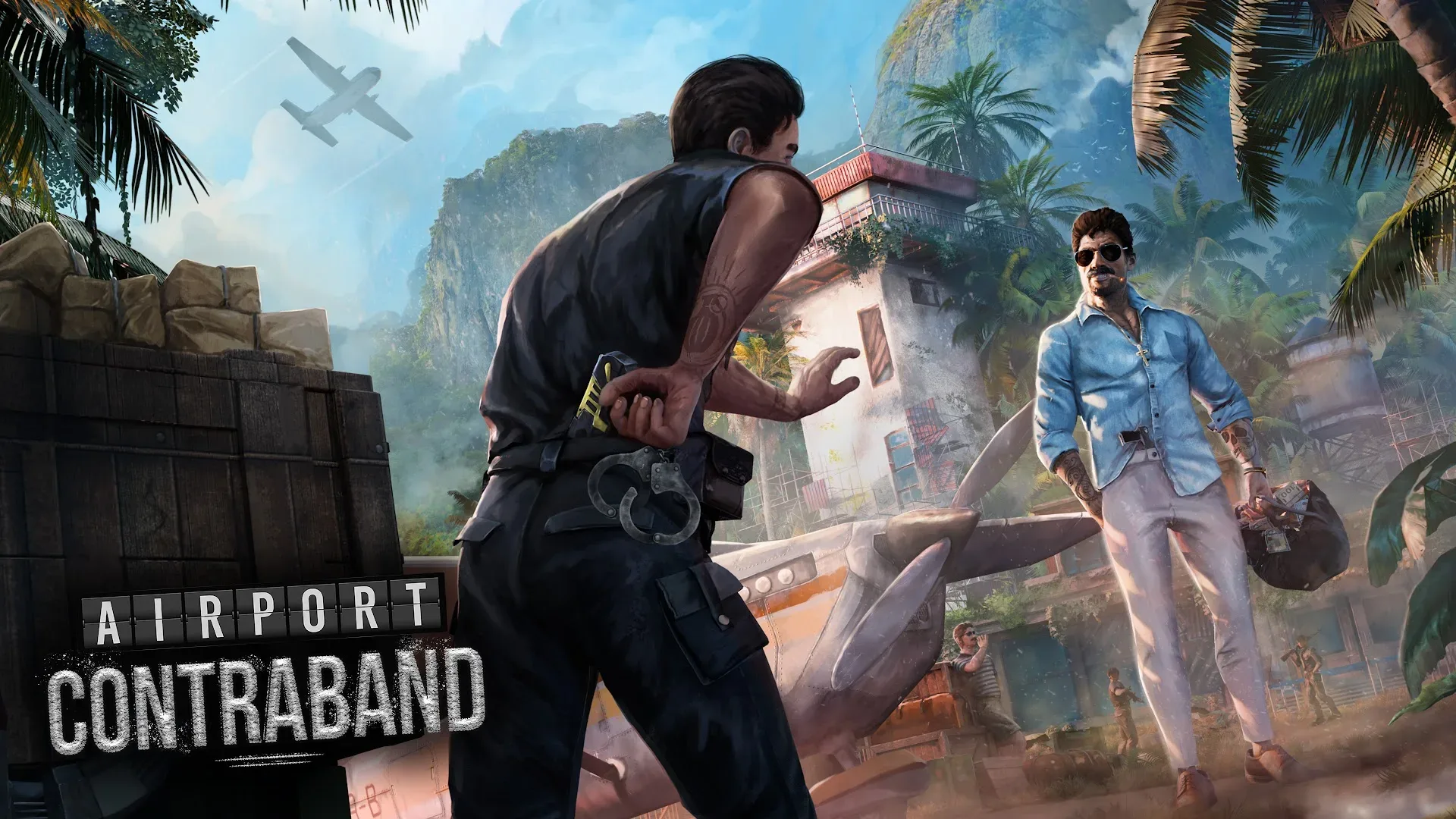
Airport Contraband is now available on PC through Steam. Developed by DRAGO Entertainment, the first-person customs officer simulator arrived on October 28, 2026 with a deliberately unstable workplace premise: the rules at Caldora’s airport do not merely need enforcing—they can change beneath the player’s feet.
Players are the newest customs officer in Caldora, a fictional authoritarian state governed by the unpredictable Great Leader. The basic job is recognisable enough: inspect people and their belongings, identify prohibited goods, decide who can enter, and deal with suspicious cases. The complication is that the checkpoint is also a pressure cooker for competing demands. Airport reputation must be maintained, official regulations can change through new embargoes, and the local Cartel has jobs that may not align with lawful procedure.
That combination gives the game a fairly broad simulation pitch. It is not solely about spotting one illegal object in a suitcase, nor solely about choosing dialogue options. Passenger processing, cargo inspection, enforcement decisions and corruption choices all sit inside a run-based progression structure. Its dark-comedy framing and bureaucratic satire suggest Caldora’s system is meant to be as much an obstacle as the passengers passing through it.
A checkpoint job with more than one kind of inspection
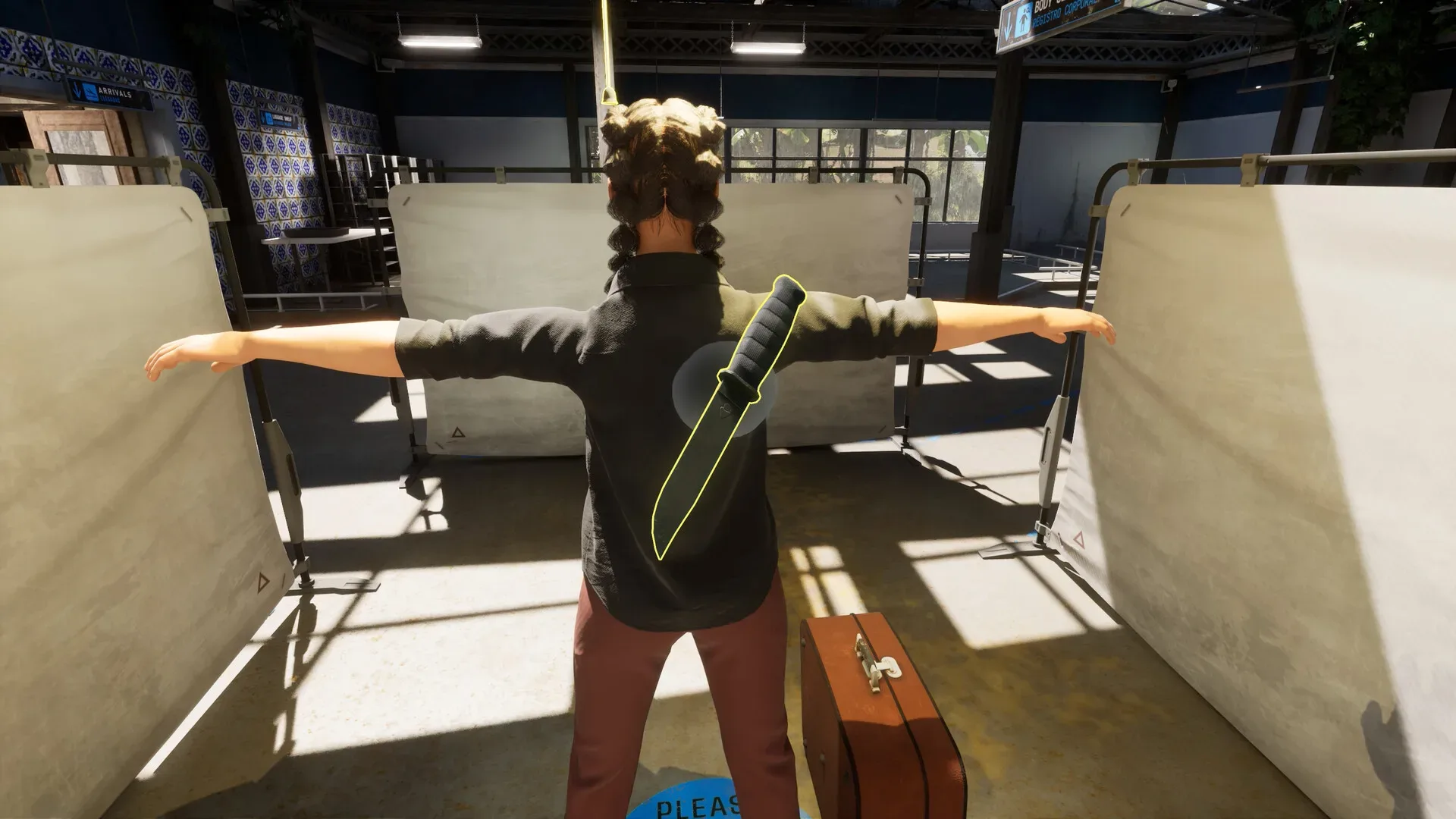
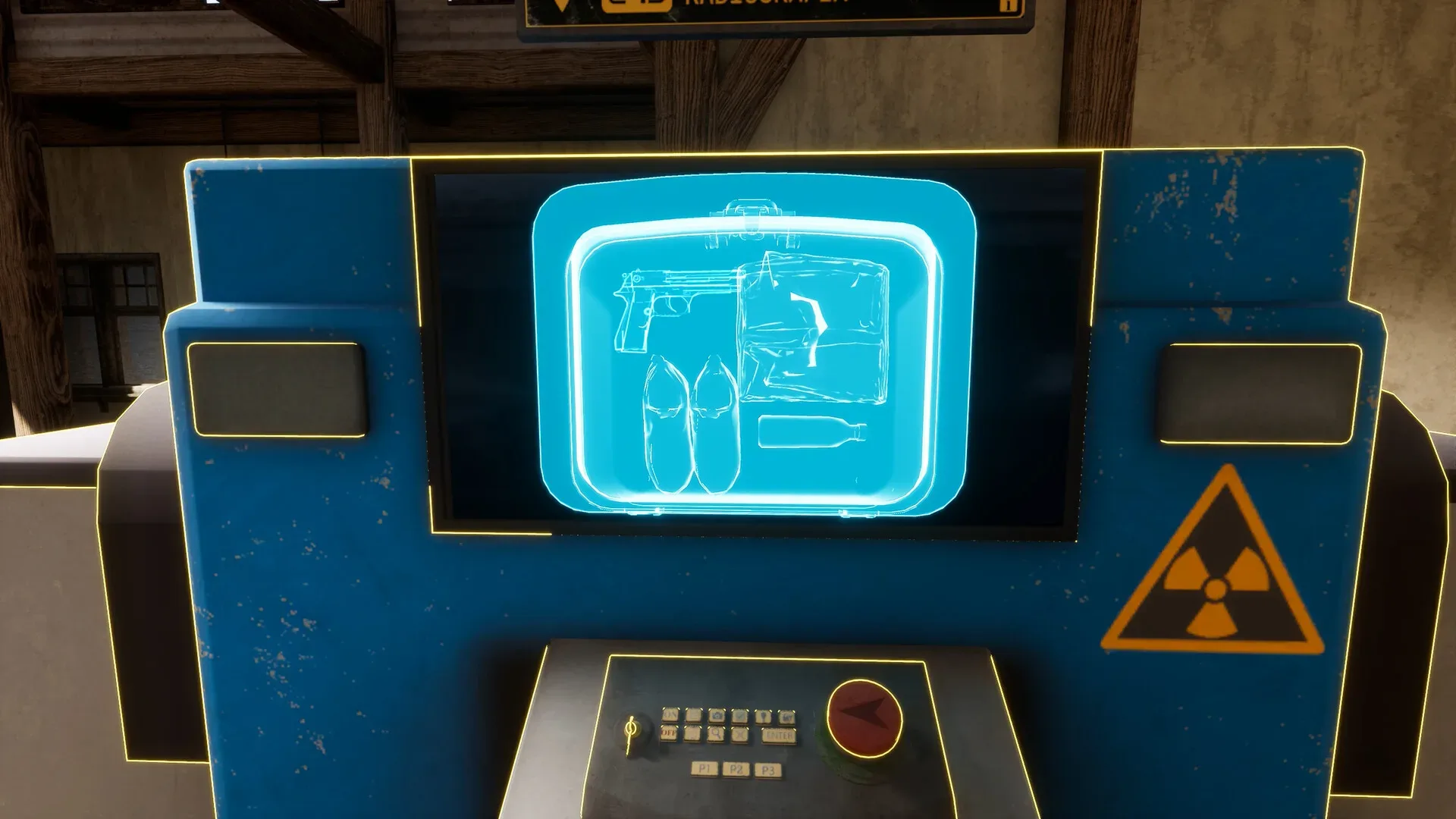
At the passenger checkpoint, Airport Contraband gives players a set of inspection actions that extend beyond reading an ID. Officers can check identification documents, search luggage and clothing, use an X-Ray scanner, question suspects with a lie detector, identify diseases, confiscate items, refuse entry and make arrests.
In practical terms, this means the game’s core loop is built around gathering and interpreting signs rather than relying on a single inspection tool. A document check can raise doubts; a bag search or X-Ray scan can offer further evidence; questioning and the lie detector are additional ways to pursue a suspicious case. The eventual decision—such as confiscation, denial of entry or arrest—carries more weight when the player has to decide which available checks are worth making.
The game also accounts for suspects who do not politely wait for the paperwork. Escaping suspects are part of the feature set, and officers can use a taser in response. That creates a more immediate enforcement wrinkle in a role otherwise associated with queues, documents and controlled searches.
What “dynamic embargoes” mean here
An embargo is a restriction on particular goods or categories of goods. In Airport Contraband, embargoes issued by the Great Leader can alter what is legal. The important design implication is that a player cannot treat contraband as a completely fixed checklist for the entire game. An item or category must be evaluated against the current rules, not only against what was prohibited earlier.
This is a particularly suitable fit for the setting. Caldora’s authority is presented as unpredictable, so mutable regulations make the fictional bureaucracy mechanically tangible. The humor is not only in unusual inspections; it is in the prospect that proper procedure itself may be a moving target.
Cargo work moves the action to the hangar
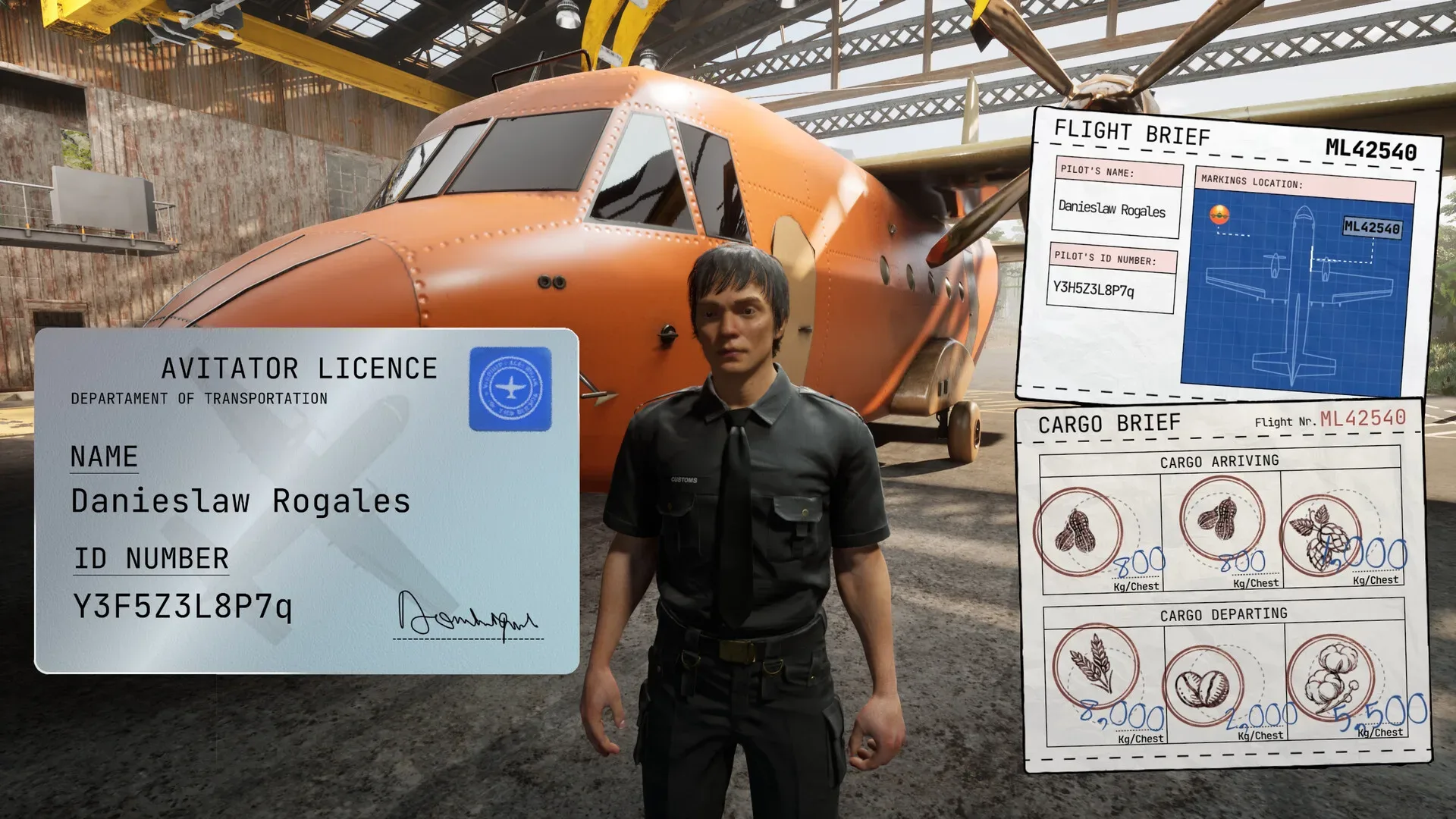
Airport Contraband also expands its customs work beyond passengers and personal luggage. Hangar operations introduce cargo inspection, where the player is looking for discrepancies and concealed details across larger shipments.
The listed cargo clues include weight mismatches, hidden compartments, incorrect markings, UV symbols, locks and seals. Available tools include a hammer, knife, crowbar and UV lamp. These details establish a distinct investigative language for freight: instead of only examining a traveller and a suitcase, the officer must compare physical evidence, shipment presentation and cargo security features.
That distinction matters because cargo inspection is not simply passenger screening on a bigger scale. A mismatch in weight implies a need to compare what a shipment appears to contain with what it physically contains. A hidden compartment calls for an examination of structure. UV markings require the correct light source to reveal. Locks and seals introduce signs of access or restriction that must be interpreted before an officer chooses how to proceed.
The result is an expanding inspection toolkit. Players who enjoy procedural games often value when a job has multiple forms of evidence and several ways to act on it; the listed systems indicate that Airport Contraband aims to give the customs role that variety across both terminal and hangar work.
Roguelite careers: the employee is the run
The game’s roguelite structure is central to how these duties are organised. In a roguelite, individual attempts can end, while some progress persists between attempts. Airport Contraband expresses that familiar format through employees: each customs officer represents one run.
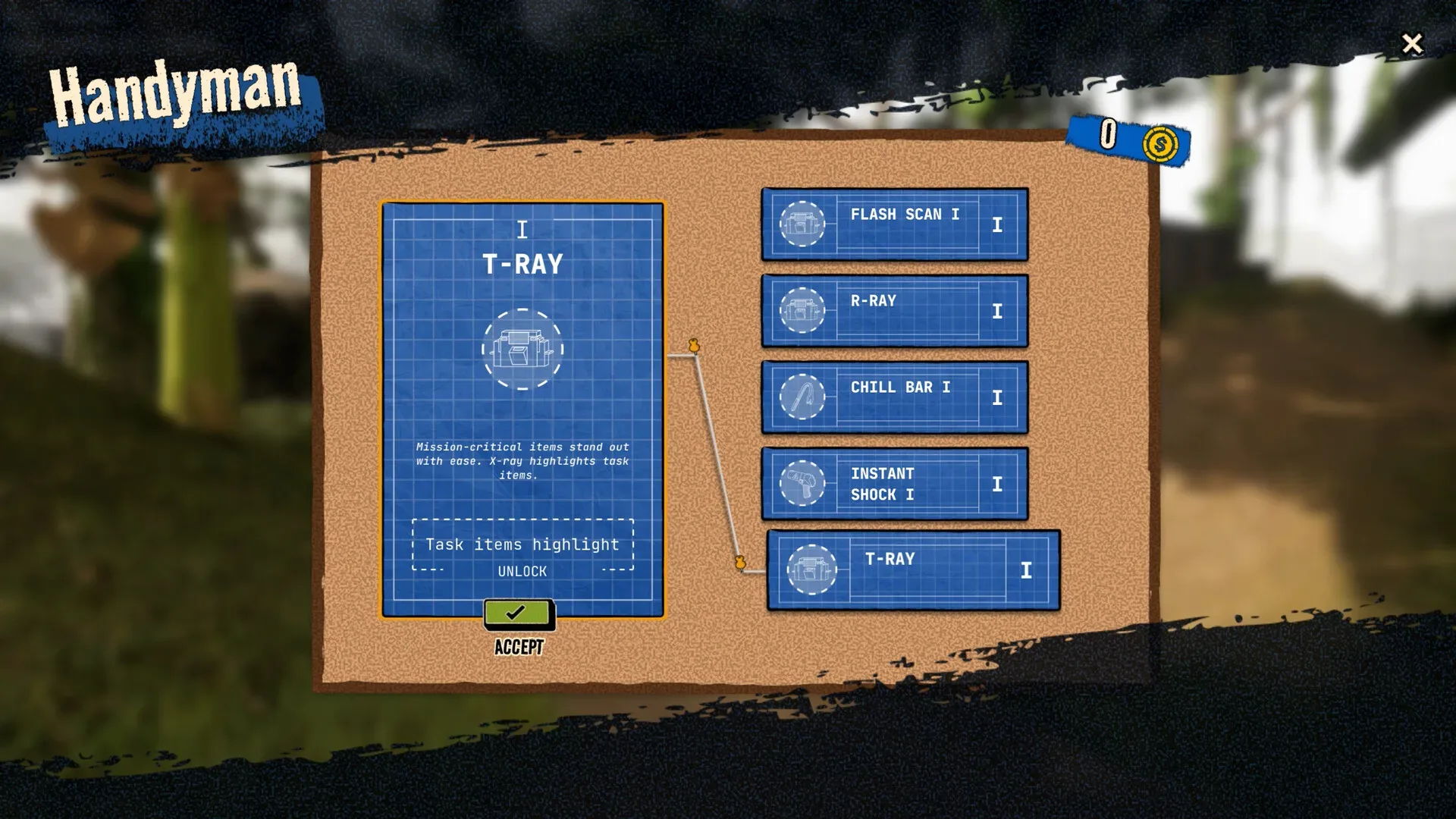
If an employee is fired, that career is over. The same is true if the Cartel loses patience. However, the player continues with a replacement employee rather than restarting from nothing. Longer-lasting careers earn Dream Coins, which can be spent on permanent upgrades.
This setup makes survival about more than avoiding an ordinary game-over state. An officer is caught between professional performance and the Cartel’s demands, so maintaining a career may involve balancing systems that pull in different directions. The permanent upgrades funded by Dream Coins also mean an unsuccessful employee can still contribute to the player’s broader progress, provided the run lasted long enough to earn them.
That is the key distinction between temporary and persistent progression. A current officer’s position, complications and choices belong to that run. Dream Coin upgrades carry forward to later employees. Players therefore have a reason to pursue longevity, while also retaining a route to advance across multiple careers.
Paths, Perks and Omens increase the pressure
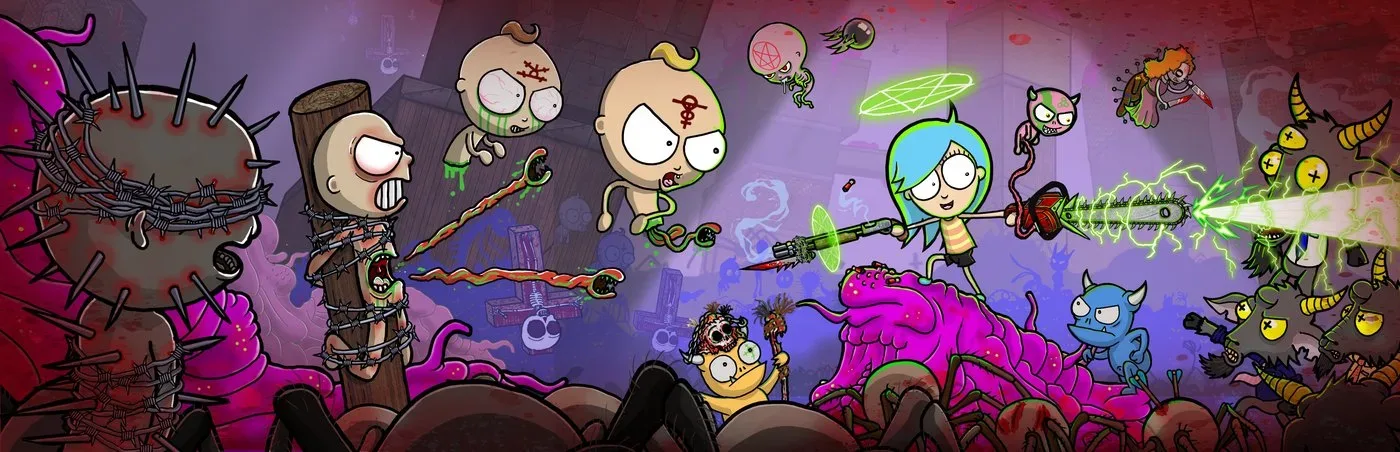
Every two in-game days, players select new Paths. These choices permanently add mechanics and problems to the current run. Rather than letting a successful officer settle into a stable routine, Paths are designed to make a continuing career progressively more complicated and chaotic.
The feature list also includes Path Perks and alternating Good and Bad Omens. While the available information does not specify every individual perk or omen, their placement alongside the Path system makes clear that a run’s circumstances will not stay static. Perks imply beneficial effects tied to the evolving run, while Good and Bad Omens signal alternating favourable and unfavourable conditions.
The broader consequence is a rising decision load. A player may begin by learning the passenger-screening tools, then must deal with more systems and more drawbacks as an officer survives. That escalation is a natural complement to the dynamic embargoes: regulations may shift externally, while Paths and Omens change the texture of the current career from within.
Official duty, bribes and the Cartel
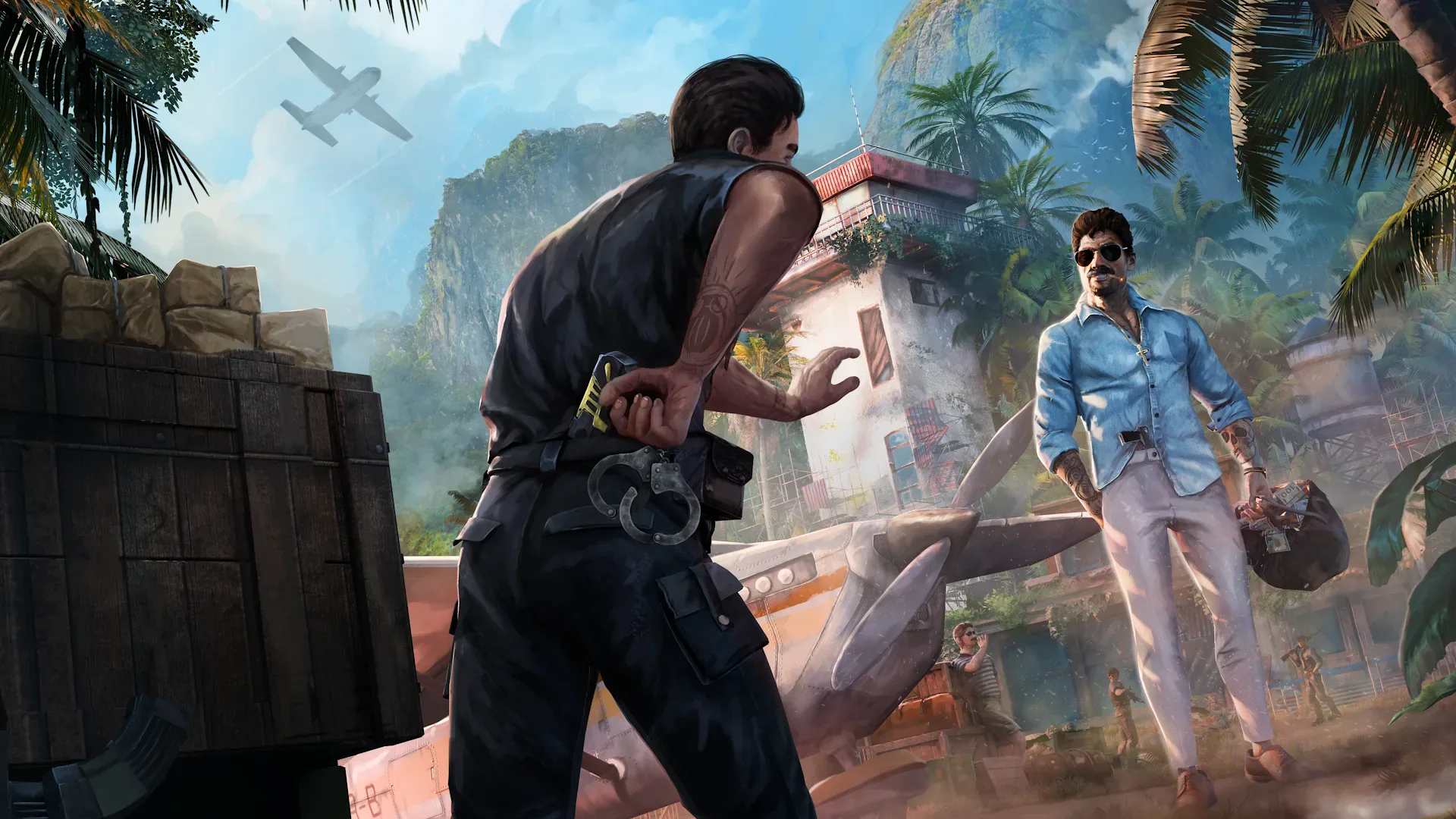
Caldora’s airport is not framed as a clean contest between law-abiding travellers and obvious smugglers. Bribes and corruption choices are explicit parts of Airport Contraband, as are Cartel tasks that conflict with official obligations. The player is therefore asked to operate within a system where enforcement and self-preservation may clash.
This tension appears to be the foundation of the game’s bureaucratic satire. A customs officer is expected to enforce the state’s rules, preserve the airport’s reputation and react to sudden embargoes. At the same time, the Cartel can make demands, and its patience is a run-ending concern. The game’s dark-comedy tone comes from that absurdly fraught arrangement: the person at the desk must navigate the rules while also navigating those who expect the rules to be bent.
For players, the practical appeal is not simply the ability to accept or reject a bribe. It is the trade-off surrounding such choices. Official decisions affect the airport role; Cartel work affects the criminal relationship; a firing or an exhausted Cartel can end the current employee’s career. Airport Contraband is presenting customs enforcement as a web of obligations, rather than a sequence of isolated correct answers.
What to expect from the PC release
DRAGO Entertainment estimates more than 20 hours of playtime, while noting that actual time will vary with a player’s approach. That variability makes sense for a game built around replacement employees, permanent upgrades, changing rule sets and choices that can end a career. The figure should be understood as an estimate rather than a guarantee for every play style.
The release is currently specified for PC via Steam. Players planning room for another PC game may also find our look at a 2TB portable SSD option for big game libraries useful, though Airport Contraband’s own storage requirement is not provided here.
Airport Contraband’s strongest hook is the way its components reinforce one another. Searching a bag, scrutinising cargo, reacting to a new embargo, weighing a bribe and choosing a Path all serve the same basic fantasy: trying to keep a customs career alive in a place where the airport’s procedures are anything but routine. Players can now find out how long their first Caldoran employee lasts on Steam.