End of Ember, the horror-inspired twin-stick roguelite from Bad Plan Studios and Rising Tide, has a limited window for PC players to try its current build. The free Steam playtest is live during Steam Scream V Fest, which runs from October 26 through November 2, 2026, while the build itself is scheduled to be removed from Steam on December 6, 2026.
That makes this more than a festival-only curiosity: players have additional time after the event to access the current Windows PC playtest. But the December 6 date is important. This is not described as a permanent early-access-style build. It is a temporary test version that will leave the platform, as the developers move the game toward a rebuilt version they call “Ember’s Final Form.”
A separate demo is planned for Q1, though no specific date has been announced. The release date for the full Windows PC Steam version also remains unannounced.
A birthday trip to Hell, plus a talking chainsaw-gun
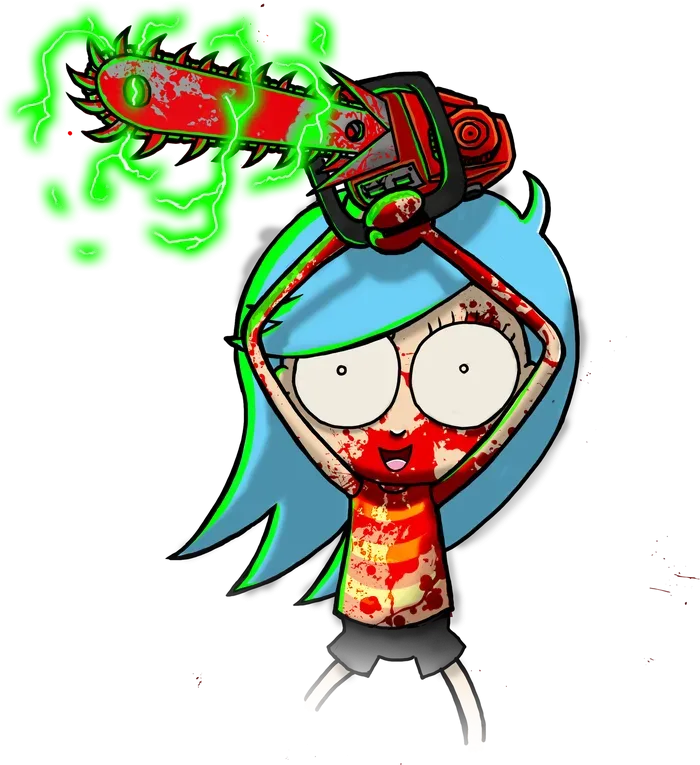
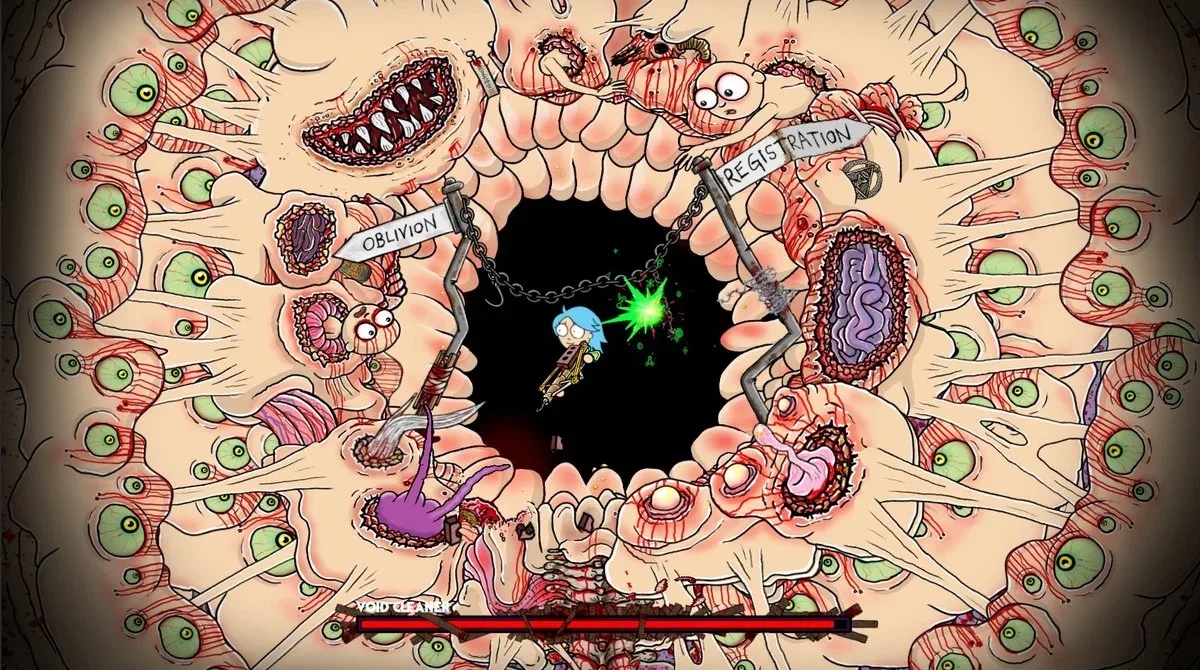
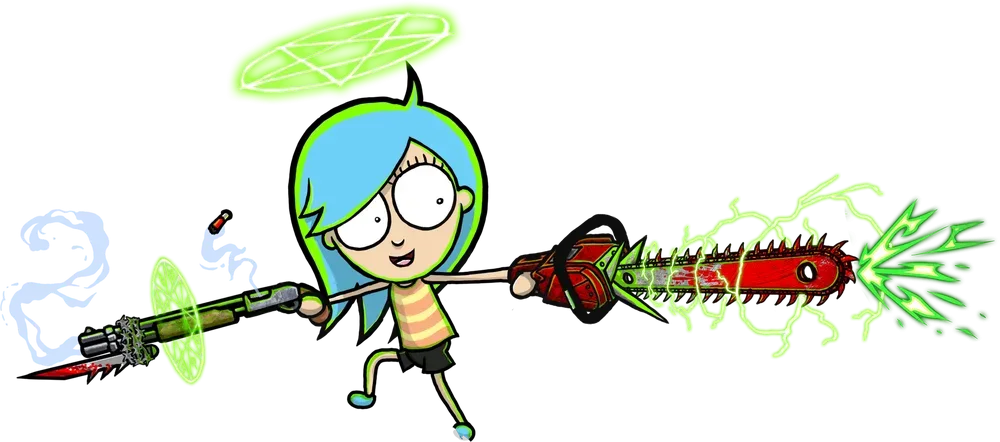
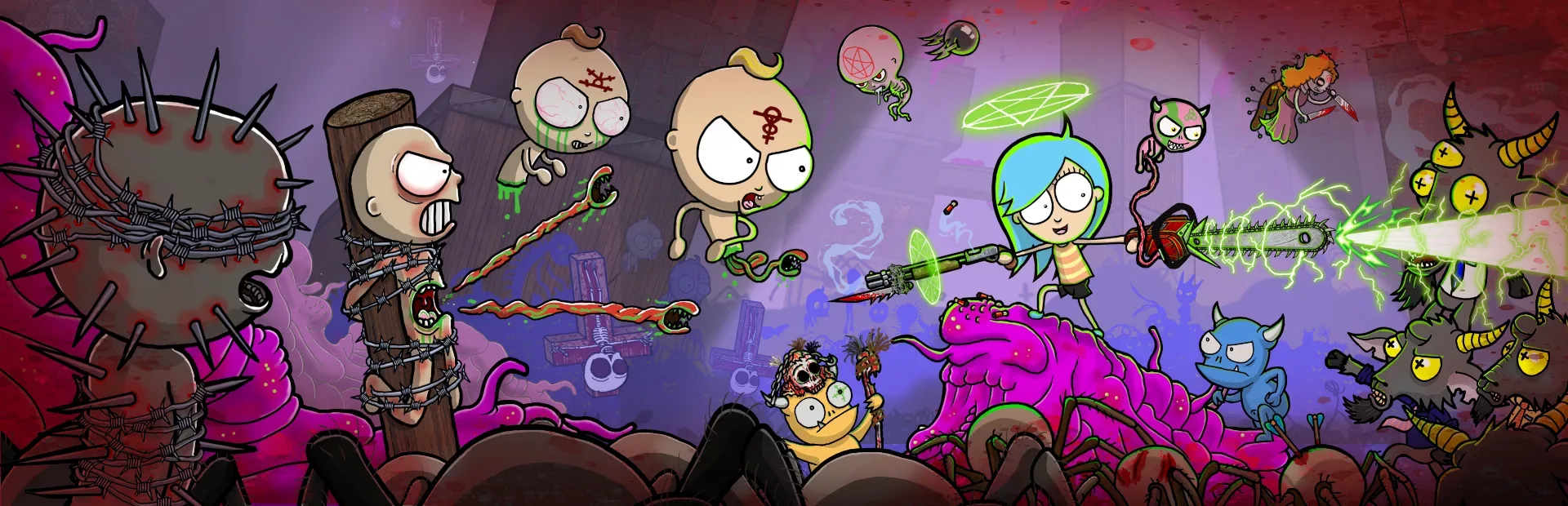
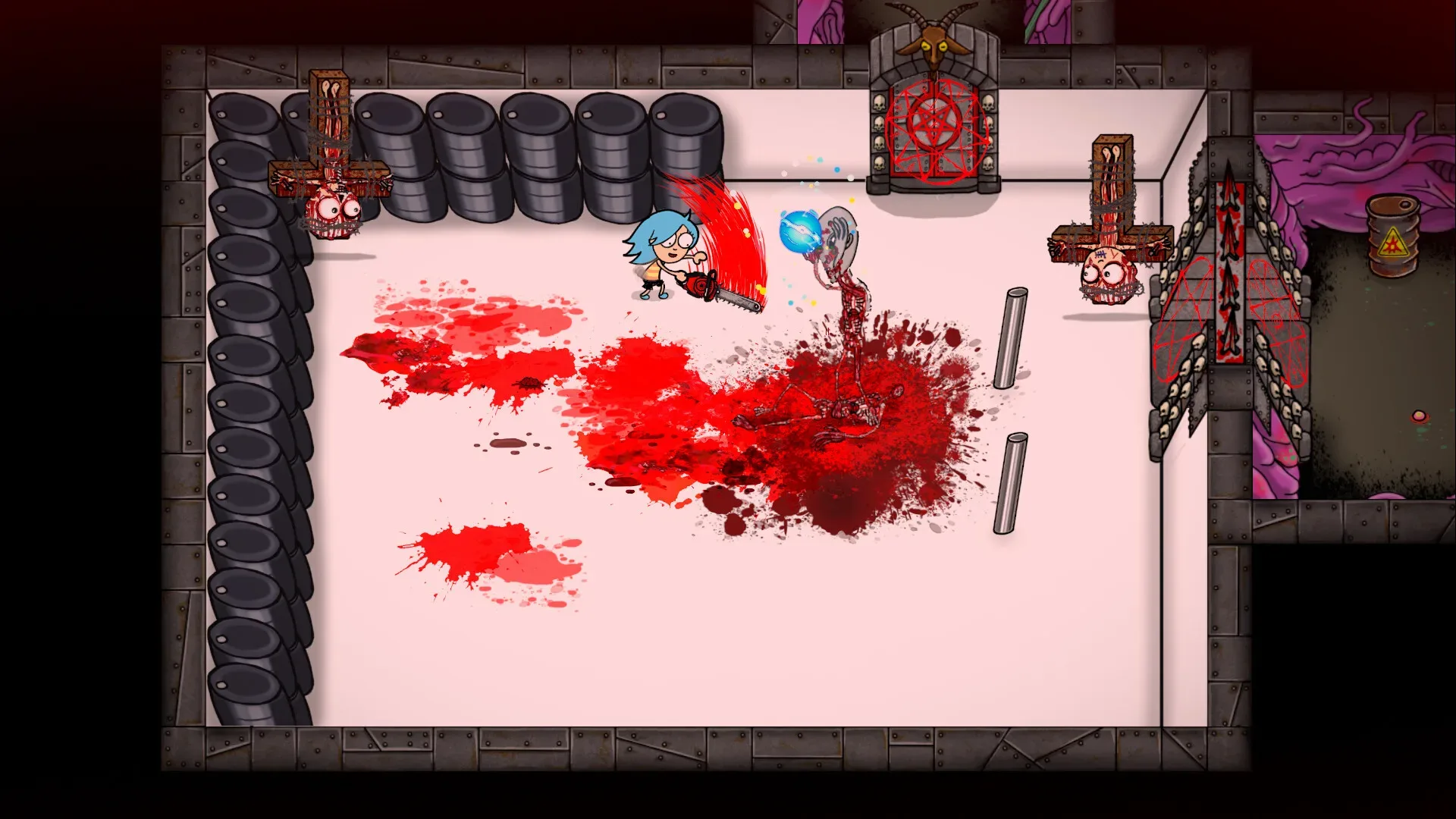
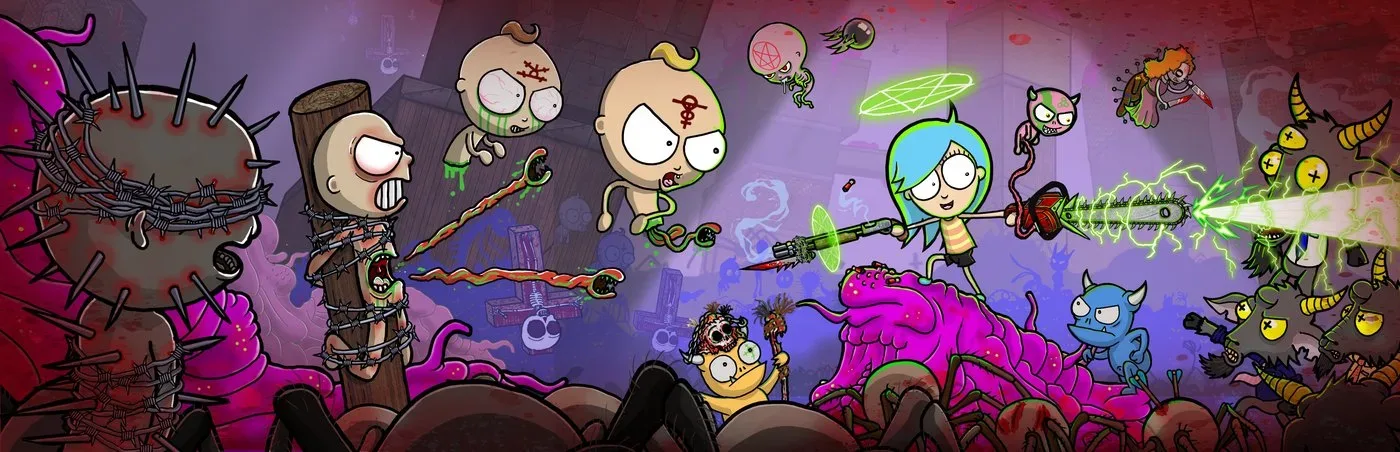
End of Ember puts its premise up front: Ember is sent to Hell by mistake on her birthday. Her companion is Abe, a talking chainsaw-gun whose power comes from hatred. The setup embraces an exaggerated, grotesque cartoon-horror tone rather than a restrained supernatural one, and that extends to its boss encounters and graphic gore.
The game is identified as a twin-stick roguelite. “Twin-stick” generally describes action built around independently moving a character and aiming attacks, traditionally with the two analog sticks on a controller. In practice, that label signals hectic room-by-room combat where positioning and aim matter simultaneously. “Roguelite,” meanwhile, points to repeatable runs with systems that modify a player’s capabilities along the way, instead of a fixed sequence where every attempt unfolds identically.
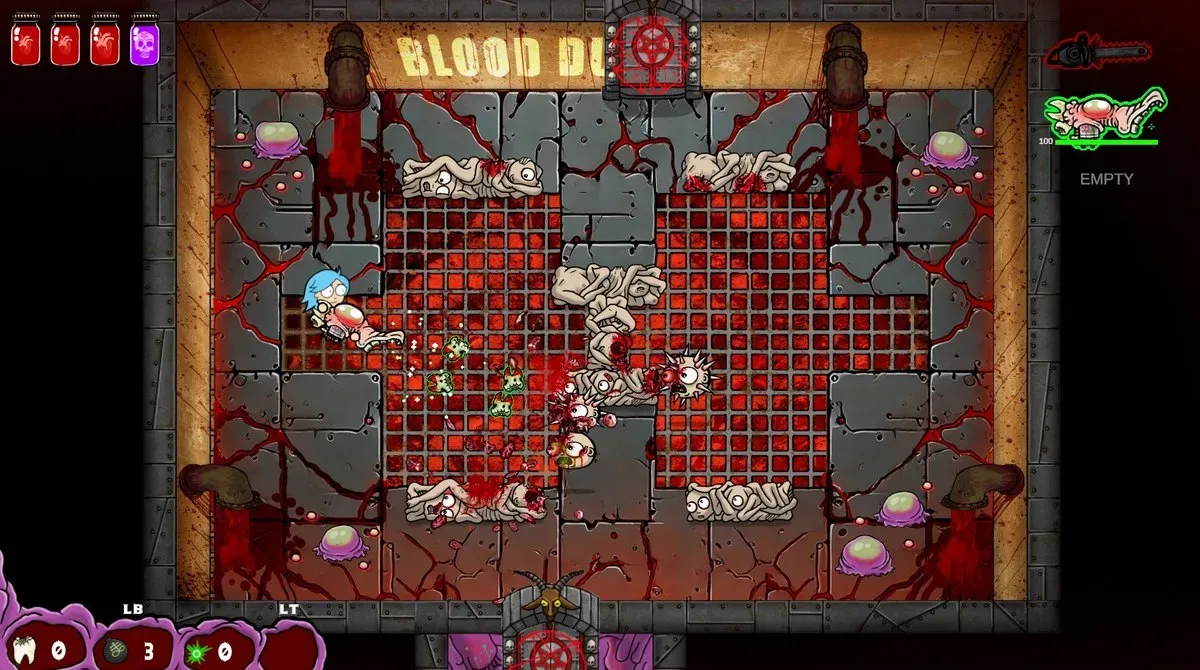
For End of Ember, the stated run structure includes demon-filled rooms, traps, a shop economy, weapon-altering choices, cursed items and boss fights. It is a format where the tension is not only whether players can survive a combat room, but also whether they make smart spending and build decisions before the next major challenge.
How the run systems fit together
The playtest description outlines several resources and upgrade paths. Players clear rooms of demons and traps, then collect teeth to spend at a shop. Teeth are therefore the run’s stated currency: an earned resource exchanged for useful options rather than merely a score counter.
Hatred is a second named resource, used at a Mutator to alter Abe’s weapon form. A mutator, in this context, is a system that changes how a weapon functions instead of simply increasing a numerical stat. The announcement does not specify every form Abe can take or the exact trade-offs involved, but the concept suggests that weapon identity can change during a run.
There are also cursed items that upgrade guns and bombs before boss fights. “Cursed” often implies a benefit paired with a drawback in games with roguelite structures, but no particular penalty has been detailed here. What is confirmed is their upgrade role before major encounters. Players should not assume a precise curse mechanic beyond that until the developers share more or the future demo makes it clear.
- Teeth: collected during runs and spent in a shop.
- Hatred: spent at the Mutator to change Abe’s weapon form.
- Cursed items: used to upgrade guns and bombs ahead of boss fights.
- Bosses: grotesque encounters presented with graphic cartoon gore.
These components establish a clear decision loop. Combat and traps create the immediate survival test; teeth introduce purchasing choices; hatred provides a route to weapon transformation; and cursed items prepare the player for bosses. The exact balance is naturally one of the things a playtest can help the team evaluate. A temporary public build is useful not just for finding bugs, but for seeing whether players understand interconnected systems, whether resources feel meaningful and whether a run’s choices create distinct approaches.
What “rebuilt” means for this playtest
The developers say the old playtest build has been rebuilt toward Ember’s Final Form. That wording is notable because it frames the current version as part of a broader revision process rather than as a final representation of the completed game.
It is sensible, then, to treat any specific balance, pacing or content impressions from the current test as provisional. The available information does not lay out a complete change list between old and new builds, nor does it promise that every element in the playtest will appear unchanged in the eventual release. What it does establish is that this build is intended to show the project’s direction while development continues.
The planned Q1 demo is a separate future milestone, not something players can access now. A demo often serves a different purpose from a playtest: it can be a more curated introduction meant to represent a game to a wider audience, whereas a playtest can be more directly tied to gathering feedback on an in-progress build. End of Ember’s team has not detailed the contents or scope of that Q1 demo, so it would be premature to assume it will contain the same material as the present playtest.
Streaming, videos and monetization are expressly permitted
Creators have unusually direct guidance for the current playtest. Streaming, recording and monetizing End of Ember content are explicitly permitted on any platform. The announcement also says there is no embargo, meaning creators do not need to wait for a specified date before publishing coverage of the test.
The team has additionally made Press Kit and Creator Kit assets available for coverage, thumbnails, videos, streams and overlays without advance permission. This matters for creators who want official visual material for presentation rather than having to rely entirely on captured footage. It also removes a common point of uncertainty around whether promotional assets can be used in monetized videos.
Permission to create and monetize coverage does not turn the playtest into a final product, of course. Clear labeling remains practical: footage is from a playtest build, the build will be removed December 6, and the full release date has not been announced. That distinction helps viewers understand why systems, performance or presentation may evolve.
What PC players should take from the schedule
Steam Scream V Fest runs October 26 to November 2, 2026, and End of Ember’s free playtest is part of that window. Players who encounter it during the festival have a straightforward opportunity to download the Windows PC build. Those who miss the festival dates still have until December 6 to use the current test, based on the stated removal schedule.
After December 6, the present build will no longer be available. The next indicated public step is a Q1 demo, but it has no announced date. That gap means interested players should not count on the existing test remaining accessible until the demo arrives.
For fans browsing the wider PC space for games built around repeatable tactical runs, Outcast Tales’ Steam arrival and personality-driven tactical runs offer a contrasting example of how different games can approach replayable run structures. End of Ember’s own hook is much more aggressively horror-oriented: Hell, demons, traps, weapon mutation, a hatred-fueled chainsaw-gun and cartoonishly graphic bosses.
For now, the key facts are simple. End of Ember’s current Windows PC playtest is free on Steam, it is playable during Steam Scream V Fest, and it remains available only until December 6, 2026. The developers are rebuilding toward a later form of the game, a new demo is planned for Q1, and players or creators can share the current build freely without an embargo.