Gaming hardware buyers could face another difficult year for memory supply in 2027. Samsung’s latest quarterly outlook indicates that the pressure already affecting RAM pricing and hardware availability may become more severe as manufacturers concentrate on memory products for AI data centers.
The core issue is not that ordinary PC memory has stopped existing. It is that the global memory industry is putting enormous weight behind the type of high-capacity, high-performance memory used by AI infrastructure. Samsung expects surging AI-led demand to tighten shortages further in 2027 compared with 2026, a warning with consequences well beyond server rooms. Consumer components, prebuilt PCs, and potentially console supply all share an electronics supply chain influenced by memory availability and cost.
Samsung’s semiconductor business, which includes memory, reported 147.1 trillion Korean won in revenue in the third quarter of 2026, with 106.5 trillion won identified as profit. The semiconductor segment accounted for 72% of the company’s revenue in that quarter. The company attributed its strong performance in part to prioritizing HBM4 memory for AI data centers.
Why AI data centers are changing the memory conversation
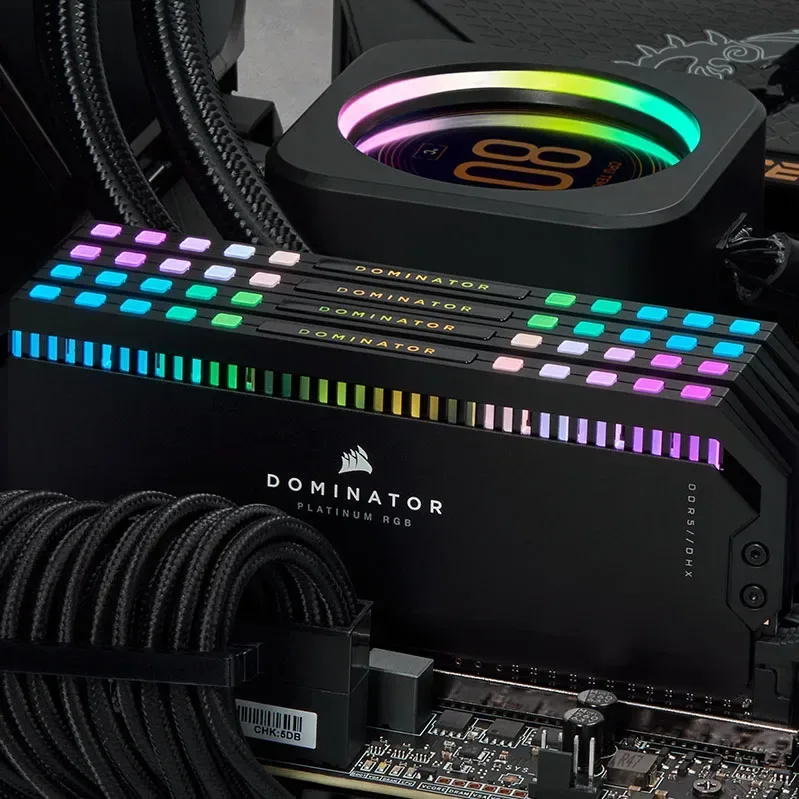
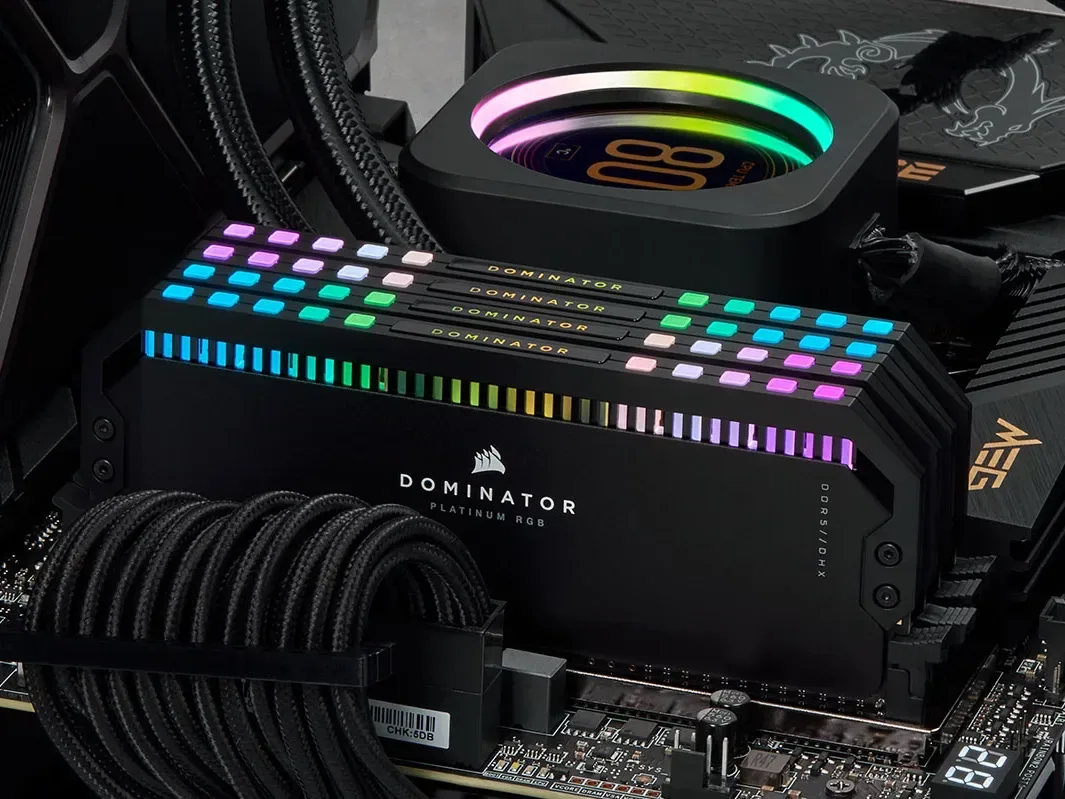
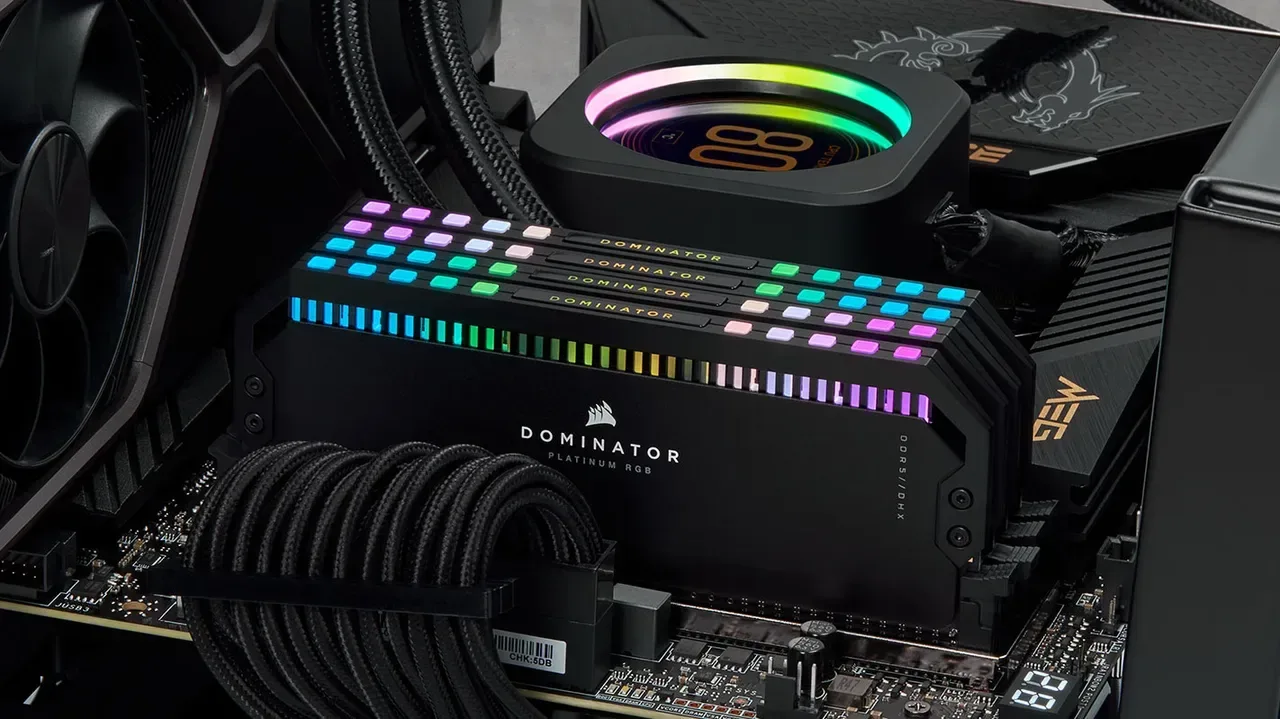
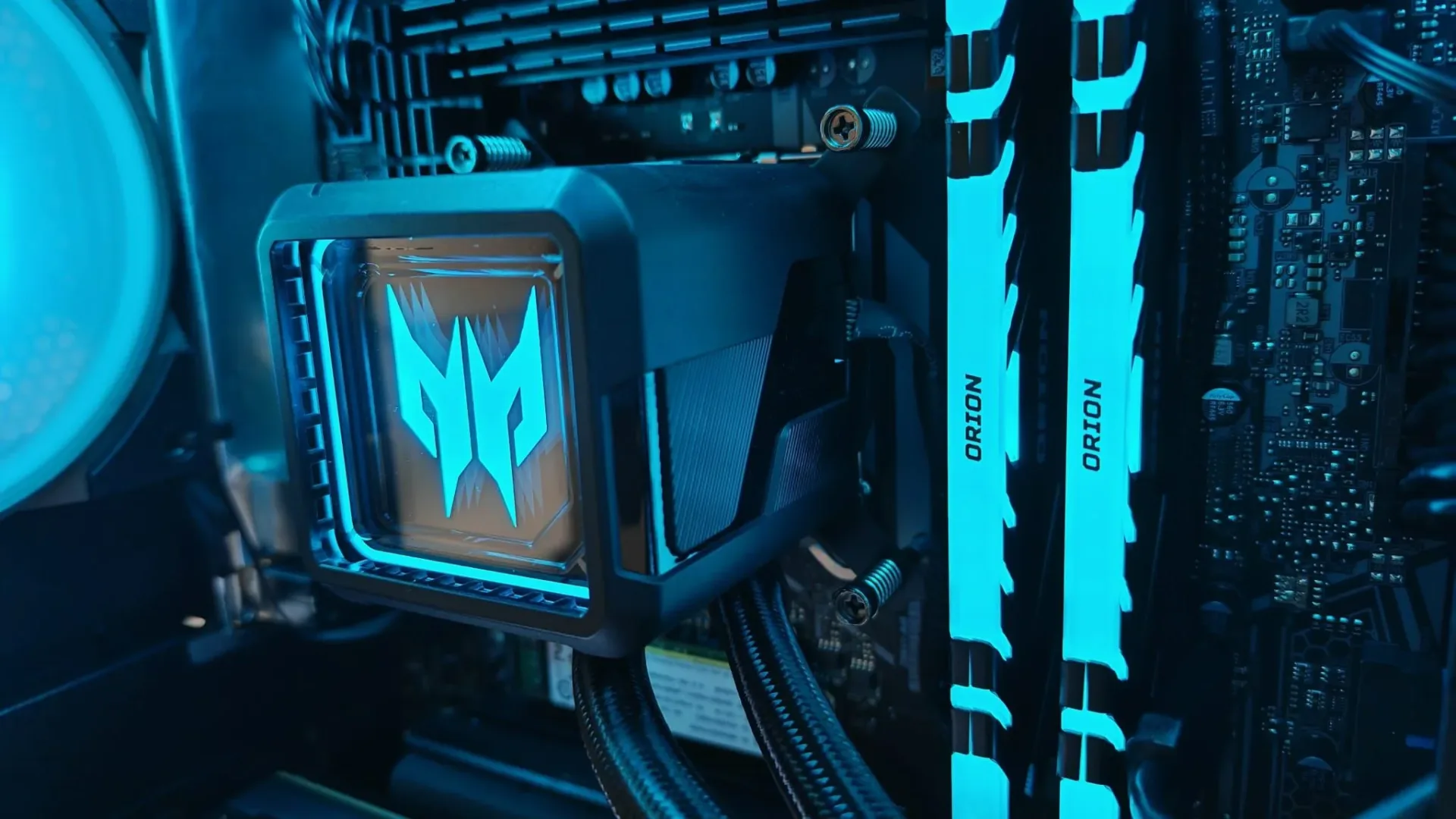
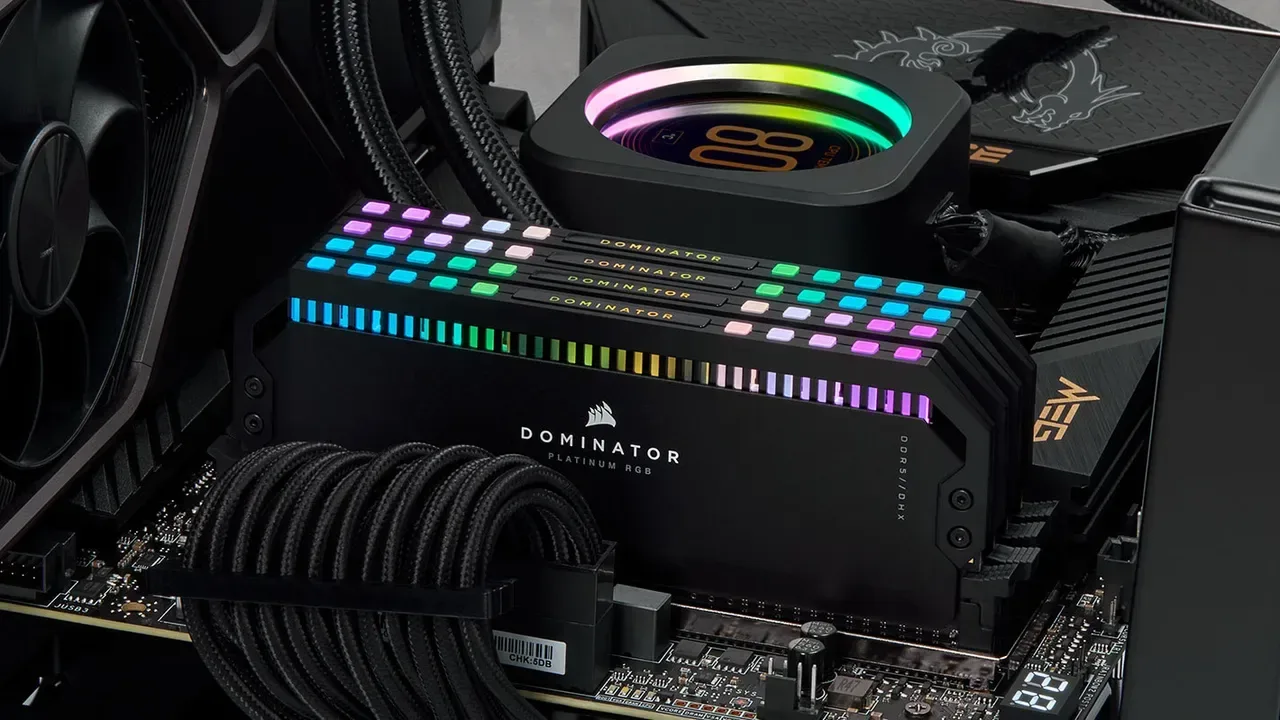
RAM, or random-access memory, is the short-term working space used by computers and many other electronic devices. For a gaming PC, system memory is generally the DDR memory installed in DIMM slots on a motherboard; DDR5 is the consumer-generation memory highlighted by the current supply discussion. More capacity can help a system keep more active data ready for rapid access, while speed and latency influence how quickly that data moves.
HBM, short for high-bandwidth memory, serves a different market. Rather than the familiar detachable sticks purchased for a desktop PC, it is specialized memory designed for bandwidth-intensive workloads. HBM4 is the generation Samsung is prioritizing for AI data centers. Those systems need to process enormous quantities of data, and their demand is compelling suppliers to devote manufacturing attention and capacity to server-oriented products.
That distinction matters because a surge in HBM demand does not mean a gamer can simply substitute an HBM package for DDR5. These are different products for different hardware designs. But the manufacturing priorities behind them can still affect the consumer market. When a small number of major memory producers direct capacity, investment and product planning toward lucrative AI deployments, consumer-focused output may receive less emphasis.
Samsung’s outlook specifically focuses on building a stable sales foundation through long-term agreements and preparing products tailored to AI requirements. Notably, its forward-looking emphasis is on AI memory rather than consumer DDR5. That does not establish the exact price or availability of any individual RAM kit in 2027. It does, however, show where one of the world’s central memory suppliers sees demand and commercial urgency.
A concentrated market raises the stakes
Samsung is one of only three major memory manufacturers. All three are described as prioritizing high-capacity server-grade memory for AI data centers over the sort of memory found in a typical gaming PC. In a market with relatively few large-scale producers, a common shift in priorities can have broad effects.
Related coverage includes Samsung Warns RAM Shortages Could Tighten Further in 2027 as AI Demand Surges.
One recent sign of that consumer-market retrenchment came when Micron ended Crucial, its consumer-facing memory and storage brand, in December 2025. A brand decision alone cannot explain every price increase or stock shortage, and it should not be treated as proof that all consumer memory will disappear. Still, it is consistent with a wider picture in which suppliers are seeking the strongest returns from data-center demand.
A separate report earlier in 2026 suggested that memory capacity for 2027 had already been sold through. Samsung’s comments do not independently confirm every detail of that claim, but its forecast of tighter supply and its focus on long-term AI contracts point in the same direction: supply planning for next year may be constrained well before individual shoppers begin comparing prices.
What this could mean for gaming PCs
The most direct exposure is likely to be felt by people building or upgrading desktop PCs. RAM is a core component rather than an optional extra, so meaningful increases in memory costs can lift the total price of a new build even if the processor or graphics card price is unchanged. Prebuilt systems may also become more expensive if manufacturers are paying more for memory, though the eventual retail effect can vary by model, region, configuration and when parts were purchased.
For buyers, the key distinction is between a confirmed shortage and an expected tighter market. Samsung has forecast further tightening for 2027; that is a meaningful industry signal, but it is not a component-by-component price list. There is no supplied evidence establishing what a particular DDR5 capacity, speed grade or brand will cost next year. Shoppers should be cautious of claims that treat the outlook as a guarantee of a specific retail price.
Still, the practical implications are clear enough to consider:
- Price comparisons may matter more. The gap between comparable memory configurations can become more significant when supply is pressured.
- Prebuilt specifications deserve a close read. Buyers should check the installed memory capacity and configuration rather than assuming two similarly priced machines offer the same setup.
- Upgrade timing may become less predictable. A tighter supply environment can make waiting for a familiar price drop a less dependable strategy, even though no one supplier’s forecast can predict a retailer’s future sale.
- Capacity planning is important. Buying hardware with a realistic amount of memory for its intended workload may reduce the need for a near-term upgrade, although the appropriate amount depends on the games and applications an individual uses.
None of this means every gamer needs to panic-buy RAM. Hardware purchases should still be tied to an actual need, a compatible system and a sensible budget. The more useful takeaway is that memory is no longer a background line item in the broader PC equation. AI infrastructure demand has made it a supply-chain concern worth tracking alongside graphics cards, processors and storage.
Console effects are possible, but not uniform
The memory squeeze is also being discussed alongside console availability. During 2026, rising RAM pressure has been linked to higher prices for hardware including PlayStation 5 systems and the Steam Machine. More recently, PS5 Pro units sold out and used-console prices climbed as high as $1,399. Separately, Xbox chief executive Asha Sharma said demand was exceeding supply for consoles, even while Xbox Series X and Series S systems remained widely available at the time.
Those details should be interpreted carefully. A PS5 Pro sellout and a $1,399 used-market listing or sale level demonstrate that scarcity can produce striking resale outcomes, but they do not establish that every console is unavailable or that all models will follow the same path. Likewise, the fact that Xbox Series X and Series S remained broadly available shows how uneven hardware supply can be between platforms and models.
Consoles are not simply gaming PCs in a box, and their memory arrangements differ from user-upgradeable DDR5 desktop setups. Yet console makers still depend on large, complex component supply chains. A broad tightening of memory supply can add pressure to manufacturing plans and hardware pricing, especially when suppliers are steering capacity to AI-focused contracts. The actual impact on any console will depend on supply agreements, production plans and demand, none of which can be inferred in full from Samsung’s forecast alone.
How to read Samsung’s 2027 warning
The strongest conclusion supported by the available information is that AI demand is reshaping the priorities of the memory business. Samsung is investing its attention in HBM4 and AI-specific products, expects supply shortages to tighten in 2027, and is pursuing long-term contractual stability around those applications. In a concentrated manufacturing market, that direction matters for consumer technology even if the consumer products themselves are not the focus of the forecast.
The weaker conclusion would be that every gaming PC component or every console is destined to become impossible to buy. The information available does not support that. It also does not prove a particular consumer DDR5 product is being discontinued, or set a universal price for RAM in 2027.
Instead, the warning is about the balance of demand. AI data centers are competing for advanced memory at a scale significant enough to influence production decisions across the industry. For gamers, builders and anyone considering a major hardware purchase next year, that means RAM availability and configuration should be treated as a more important part of the decision than it may have been in calmer supply conditions.
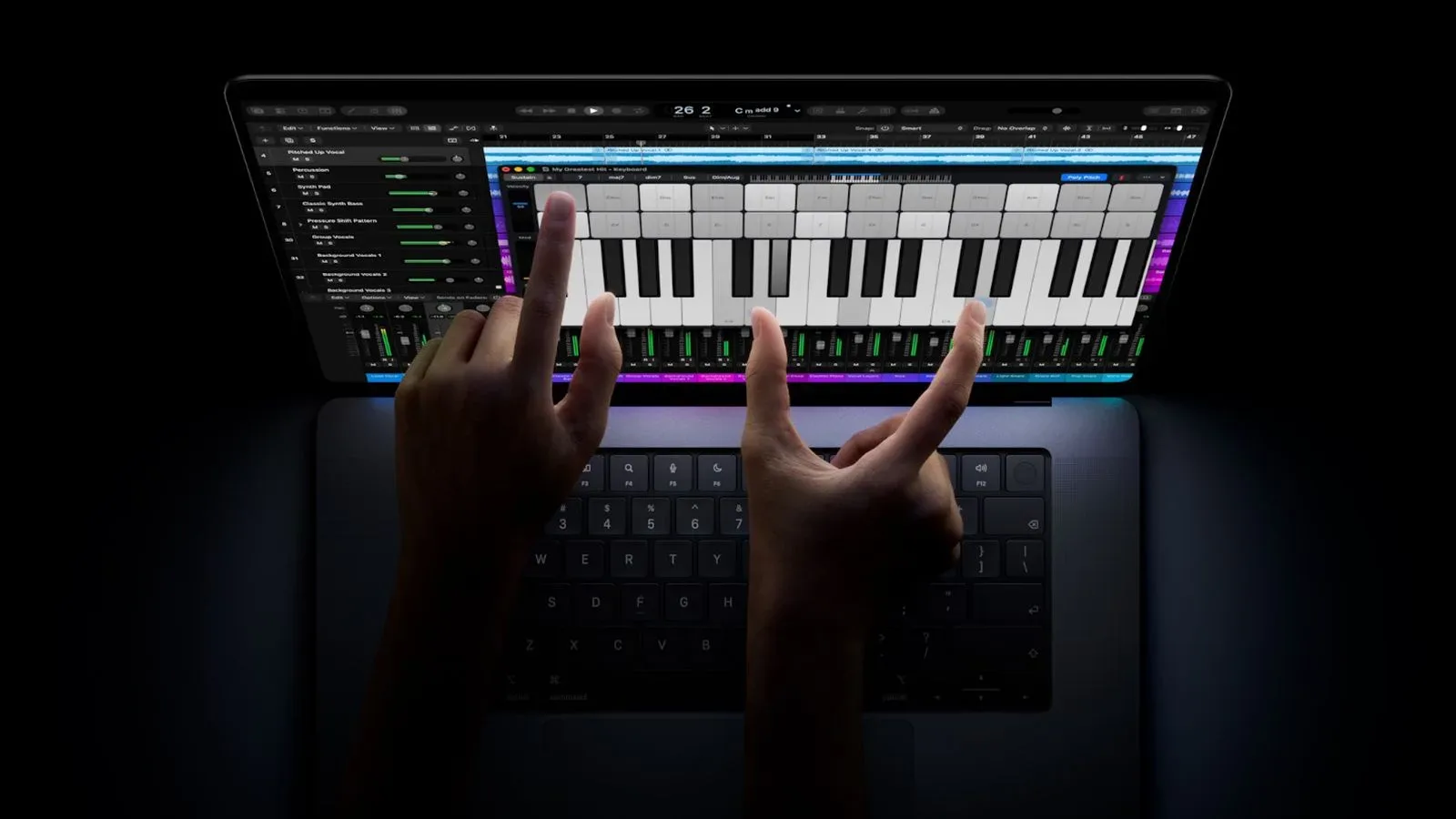
The broader hardware landscape is already moving quickly, from component availability to new devices such as the reported OLED MacBook Pro models with optional touch-input disabling. Samsung’s outlook adds a less glamorous but potentially more consequential variable: the memory inside the machines may be one of the market’s most contested resources in 2027.