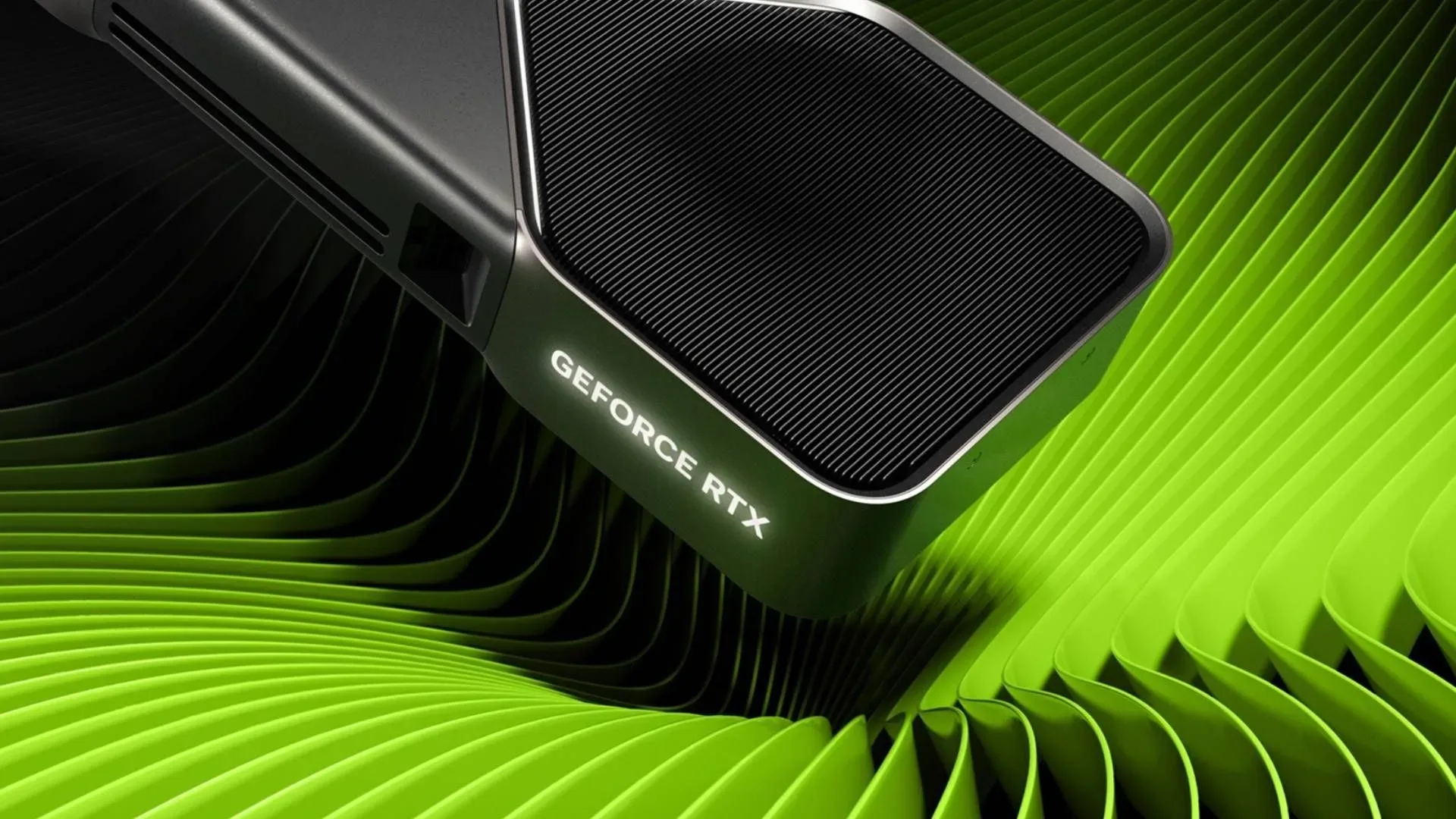
PC builders hoping Nvidia’s next major GeForce generation might arrive soon should keep expectations firmly in check. A fresh rumor now suggests that potential RTX 60-series graphics cards may not appear until 2028, rather than the previously rumored 2027 window. Nvidia has not confirmed an RTX 60-series, its specifications, or any release timing, so this is emphatically not a roadmap. It is, however, another sign that the once-predictable rhythm of big gaming GPU launches may be becoming less predictable.
The claim comes from leaker kopite7kimi, who referred to “GR20x” as a 2028 product and said it had been postponed again. In the terminology attached to this rumor, GR20x refers to a Rubin-based GPU family expected to sit behind Nvidia’s next generation of gaming graphics hardware. That connection remains unofficial. The leaker also indicated they would limit further updates until more definite information is available and acknowledged that earlier claims had not held up. That self-correction is important context: the date is not established simply because it has been repeated.
What is actually being rumored?
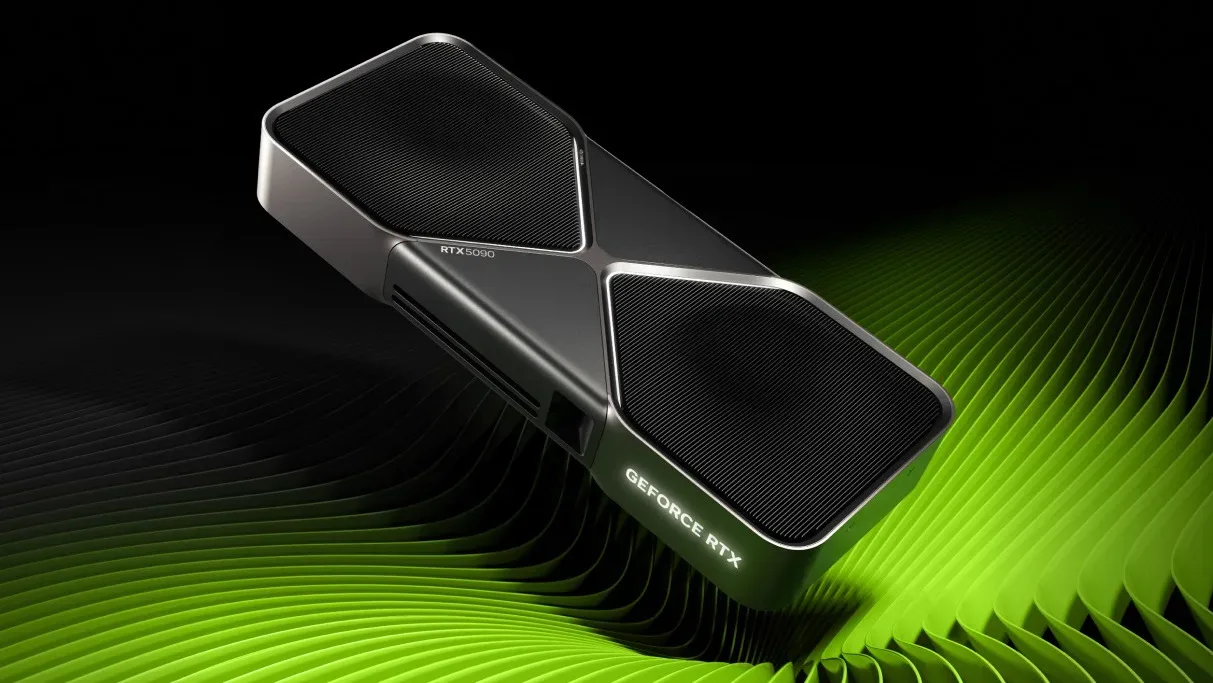
At the center of the discussion is a possible 2028 arrival for the successor to Nvidia’s current RTX 50-series gaming lineup. “RTX 60-series” is convenient shorthand, not a formally announced product name. Nvidia has not publicly laid out the release window, model list, architecture, performance targets, pricing, or feature set for a next-generation GeForce family.
Likewise, Rubin is an architecture reference within the rumor rather than confirmation that every detail of a future GeForce product is settled. A GPU architecture is the underlying design generation that informs how a graphics processor is built and what capabilities it may offer. It should not be confused with a retail graphics card: one architecture can ultimately appear in multiple products with different memory configurations, power limits, performance levels and prices.
There is also a meaningful difference between a rumor about a chip schedule and a promise of retail cards. Even if the reported 2028 timing proves accurate for the underlying GR20x hardware, it would not by itself establish when a specific GeForce model would reach stores. At present, gamers have no official basis to plan a purchase around an RTX 60-series launch.
Why 2028 would be a notable break
The potential gap matters because Nvidia’s recent GeForce cadence has been comparatively regular. The Blackwell-based RTX 50-series cards debuted in January 2025, 27 months after the RTX 40-series Lovelace lineup arrived. Before that, the RTX 30-series Ampere generation launched two years and one month earlier. Those intervals are not identical, but they created a broad expectation that a major new gaming generation would show up about every two years.
A 2028 launch would extend that pattern substantially. It would also exceed what has been described as Nvidia’s previous longest wait between major GeForce generations, the span between the GeForce 8000 and GeForce 400 families in 2006. The comparison is useful as a measure of release spacing, not as proof of what will happen next. Product cycles can shift for many reasons, and Nvidia’s plans have not been publicly confirmed.
For buyers, the practical effect is simple: a future generation cannot be treated as a near-term rescue plan for today’s GPU market. Anyone postponing an upgrade solely in expectation of a quick next-generation reset could be waiting far longer than anticipated if this rumor is right. Conversely, a long gap does not mean every current card becomes a bad purchase. The right choice still depends on a player’s budget, existing system and needs rather than an unannounced product family.
Related coverage includes Nvidia RTX 60-Series Rumor Points to 2028, Potentially Breaking the Usual GPU Cycle.
The possible role of RTX 50 Super cards
The rumored delay has revived attention around a potential mid-generation refresh. Nvidia has historically used “Super” branding for refreshed versions of existing GeForce generations. A mid-generation refresh is not normally a clean replacement for an entire architectural generation; it is a revised product wave that may change positioning, specifications or performance within the same broad family.
Previous chatter has pointed to possible RTX 50 Super cards in 2027, after an earlier expectation that they could arrive in 2026. That remains rumor on top of rumor. Still, it offers one possible explanation for why a later RTX 60-series date is being discussed: the broader schedule may be moving forward rather than leaving a total absence of new gaming hardware until 2028.
Buyers should avoid treating a supposed Super refresh as certain, too. There are no official model names, launch dates or prices to evaluate. A refresh could alter the value equation of existing cards, but it could just as easily fail to address the particular model, price range or availability problem affecting an individual builder.
Prices and availability remain the immediate problem
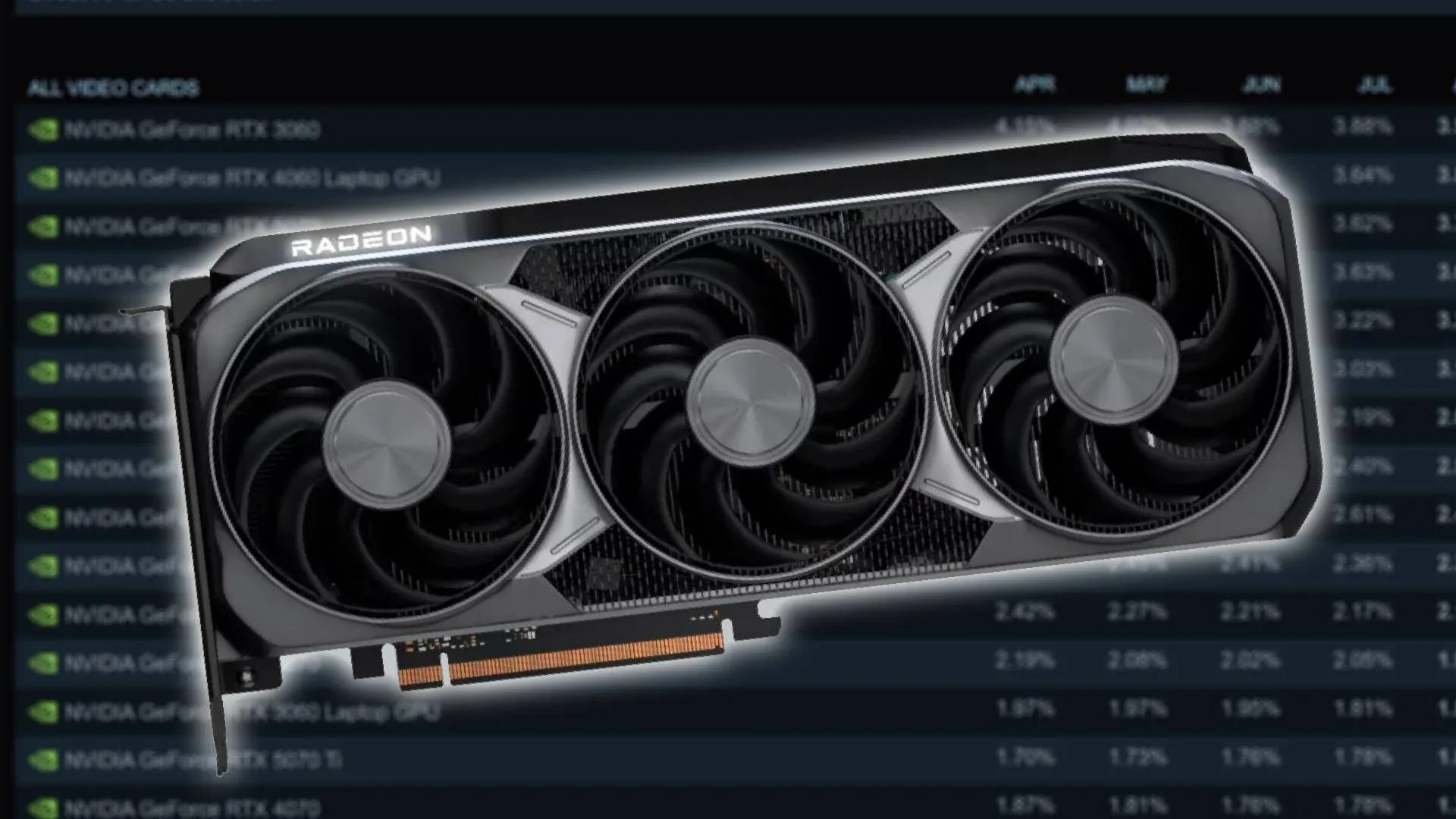
The report’s bigger point is not merely calendar anxiety. It is that affordable graphics-card options are already difficult to find. The AMD Radeon RX 9700 is cited at $579, while Nvidia’s RTX 5070 is listed at $549 when available, though availability at that price has been inconsistent. Neither figure means every shopper will find a card at those amounts, and neither establishes a stable market price. They illustrate the limited room for people trying to stay well below $1,000.
That context explains why speculation around a distant generation gets attention. Buyers often view a new release as a chance for a more favorable performance-per-dollar balance or for older models to become easier to buy. Neither outcome is guaranteed. New launches can bring limited supply, and current inventory can remain uneven. A future release date, especially an unconfirmed one, is not evidence that prices will fall.
Component shortages and resource allocation are suggested as possible forces behind the shifting timeline. The available information does not establish precisely how Nvidia allocates capacity, nor does it confirm why any potential Rubin-based gaming product would be delayed. The company’s expanding non-gaming AI interests and continuing demand for current-generation cards are also part of the wider picture described here. Demand from datacentre builders for RTX 5090 cards is specifically highlighted as an example of pressure beyond the traditional PC-gaming audience.
How to read this rumor without planning around it
The most useful response is to separate confirmed present-day choices from speculative future ones. Nvidia has not announced the RTX 60 series. The leaker behind the new 2028 claim has explicitly signaled uncertainty and revised prior information. That makes the report worth watching, but not solid enough to justify a years-long purchasing strategy by itself.
- Do not treat 2028 as a release date: it is an unverified claim about an unannounced generation.
- Do not assume a refresh is guaranteed: reports of RTX 50 Super cards in 2027 are likewise unconfirmed.
- Compare cards available now: look at the real price and availability in your market, rather than a theoretical launch MSRP or a future rumor.
- Upgrade for a specific need: a broken card, a game requirement, or a system rebuild is a more concrete reason to buy than trying to predict a still-moving roadmap.
- Leave room for competition: a delayed Nvidia generation could create an opening for AMD, but there is no confirmed competing high-end product in the information available.
This is particularly relevant for anyone assembling a new PC for recent releases such as Echoes of Mora on Steam. The GPU is only one part of a system, but it is often the component most exposed to abrupt availability and pricing shifts. A balanced build should be based on the games someone intends to play and the hardware they can actually acquire, not on a launch timetable that Nvidia has never publicly endorsed.
What to watch next
The next meaningful development will be an official statement from Nvidia, not another adjustment to an unofficial date. Until then, the most defensible reading is that the familiar two-year GeForce cycle is no longer safe to assume. Blackwell arrived in January 2025, and the prior recent gaps clustered around two years. A possible 2028 successor would be a major departure, but only a possibility for now.
For gamers, that uncertainty cuts both ways. It can be frustrating for anyone waiting for a clean generational jump or lower prices. Yet it is also a reminder that a product’s value is determined at the point of purchase: its actual cost, its availability, and whether it meets the performance needs of the games being played. Until Nvidia turns the RTX 60-series conversation into an announcement, the sensible move is to regard every date attached to it as provisional.
Shop the products
Check current price, model and availability at the retailer.