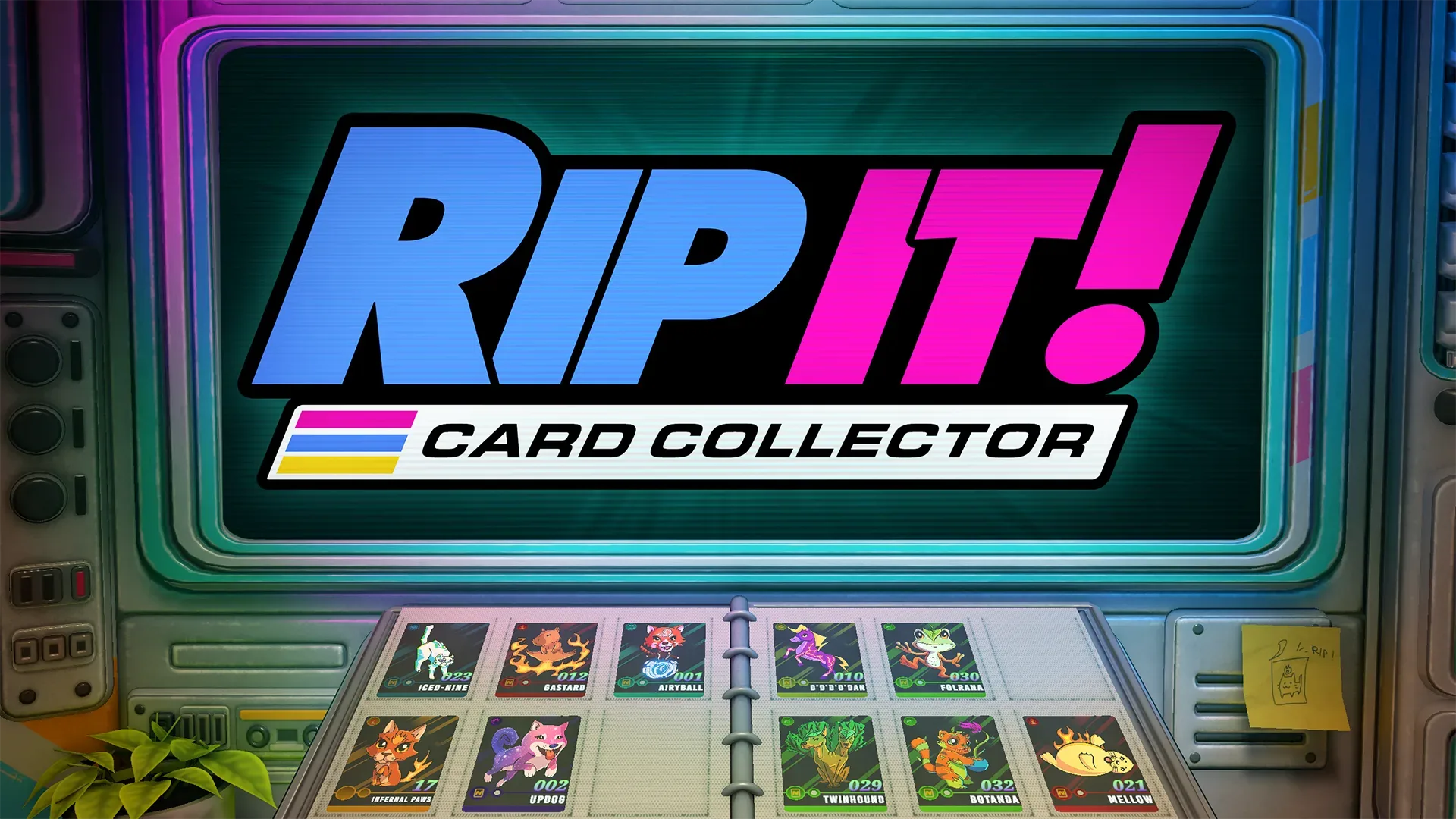
Rip It! Card Collector, the new incremental card-collecting game from Cybernetic Walrus, is now available on Steam. Built around the simple pleasures of opening packs, admiring a pull and filing it into a binder, the game adds a progression layer that turns an initially hands-on routine into an increasingly automated operation.
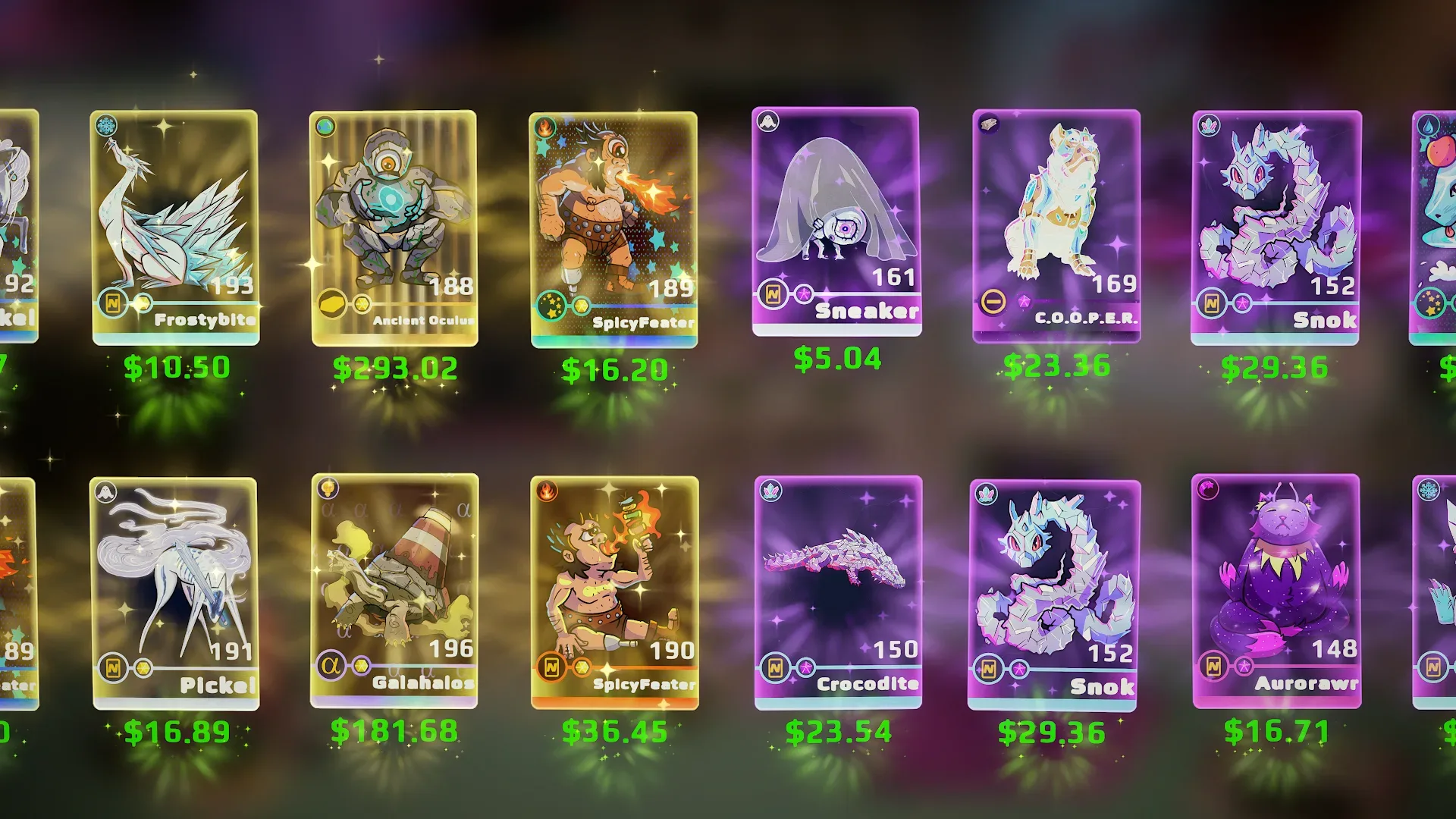
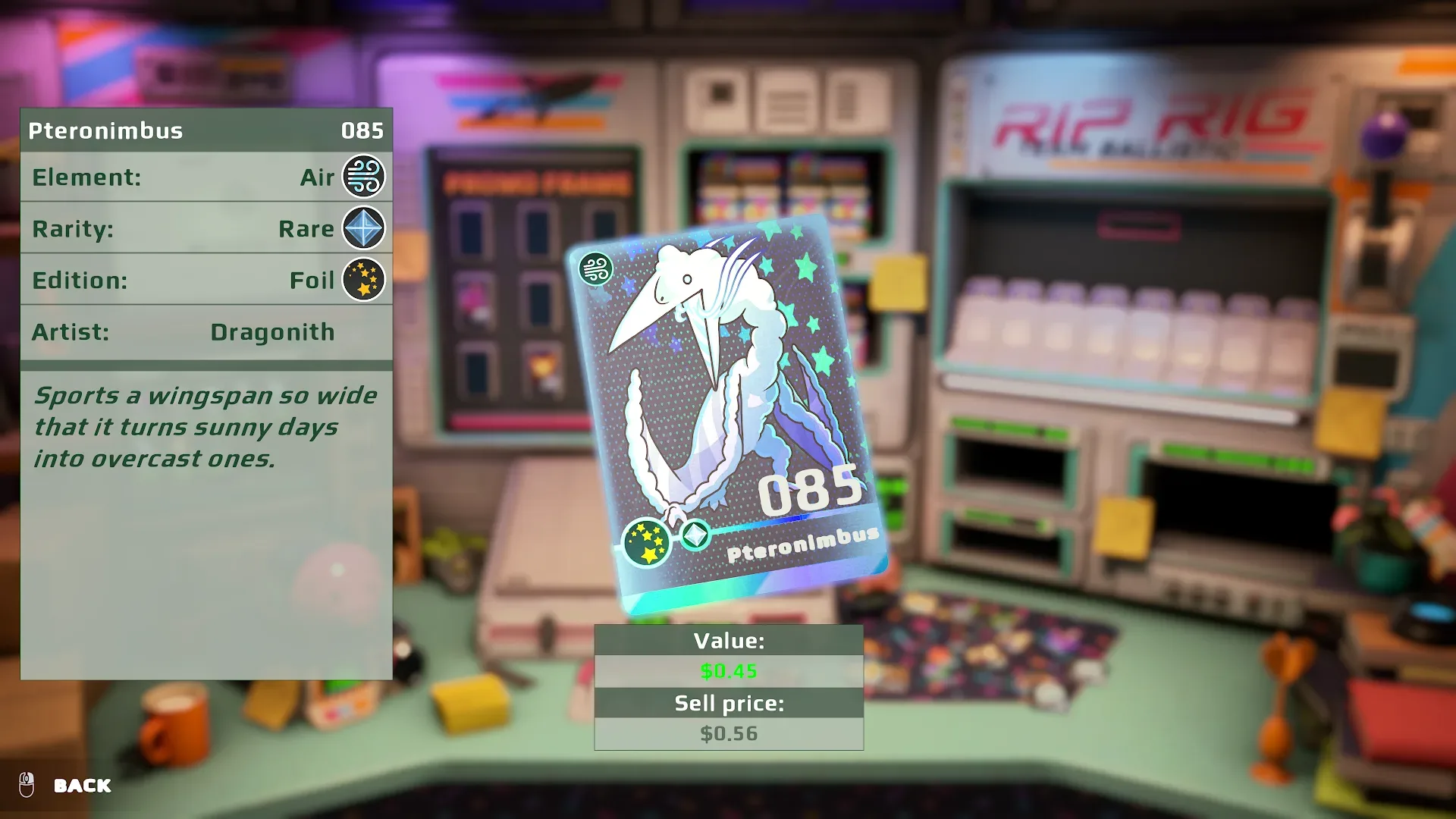
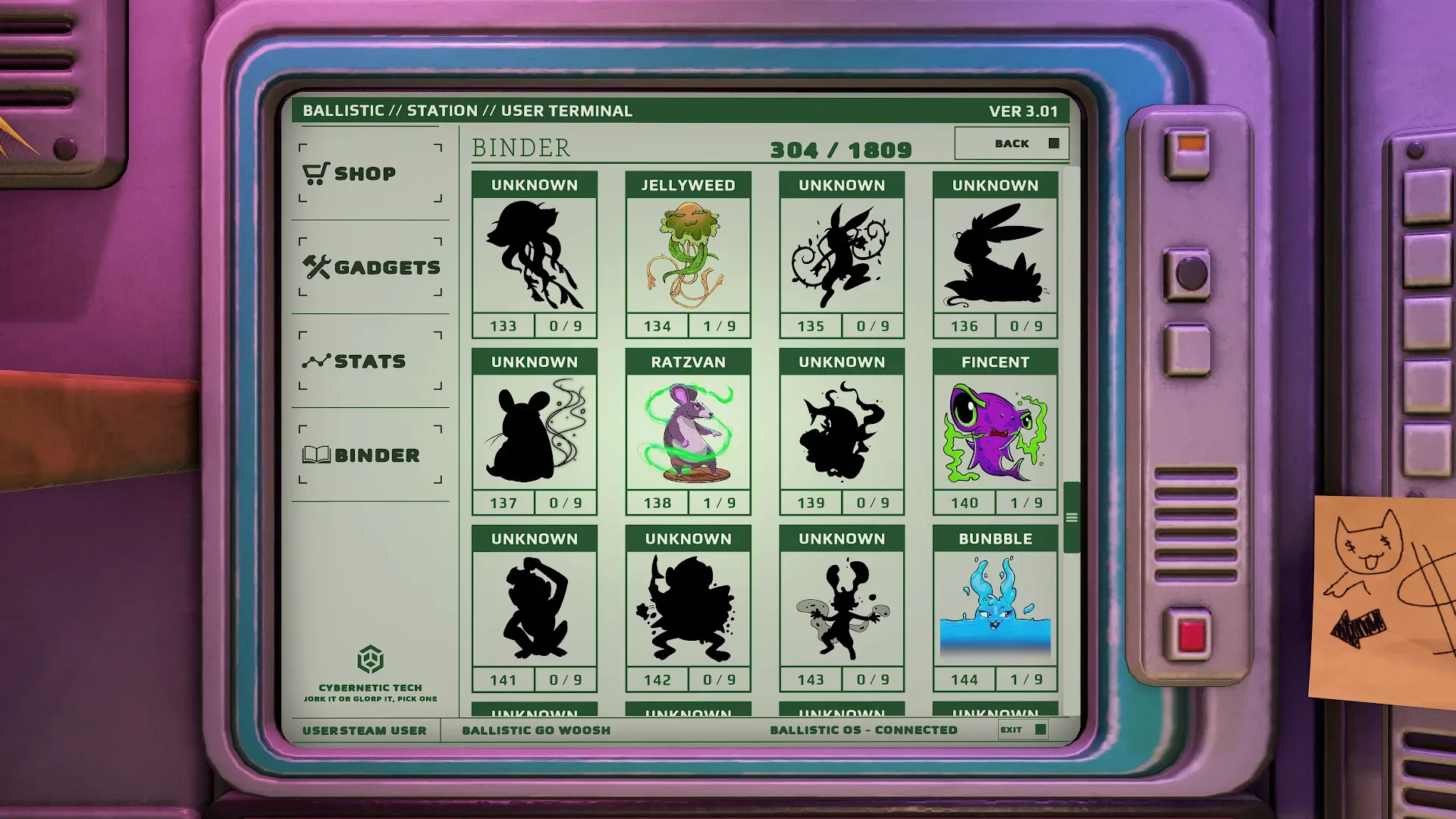
It is a digital collecting game rather than a physical card product: players have an unlimited supply of virtual packs, with 1,809 hand-drawn cards to find. The set includes ultra-rare editions, foils, metallic cards and special promos. Duplicates are not merely dead weight; they can be sold to support further upgrades, creating the core loop of opening, sorting, collecting and reinvesting.
The Steam release is priced at $6.99 USD, £5.69 GBP, €6.79 EUR and ¥25 CNY. A 10% launch discount is also available.
A collecting loop built around the binder
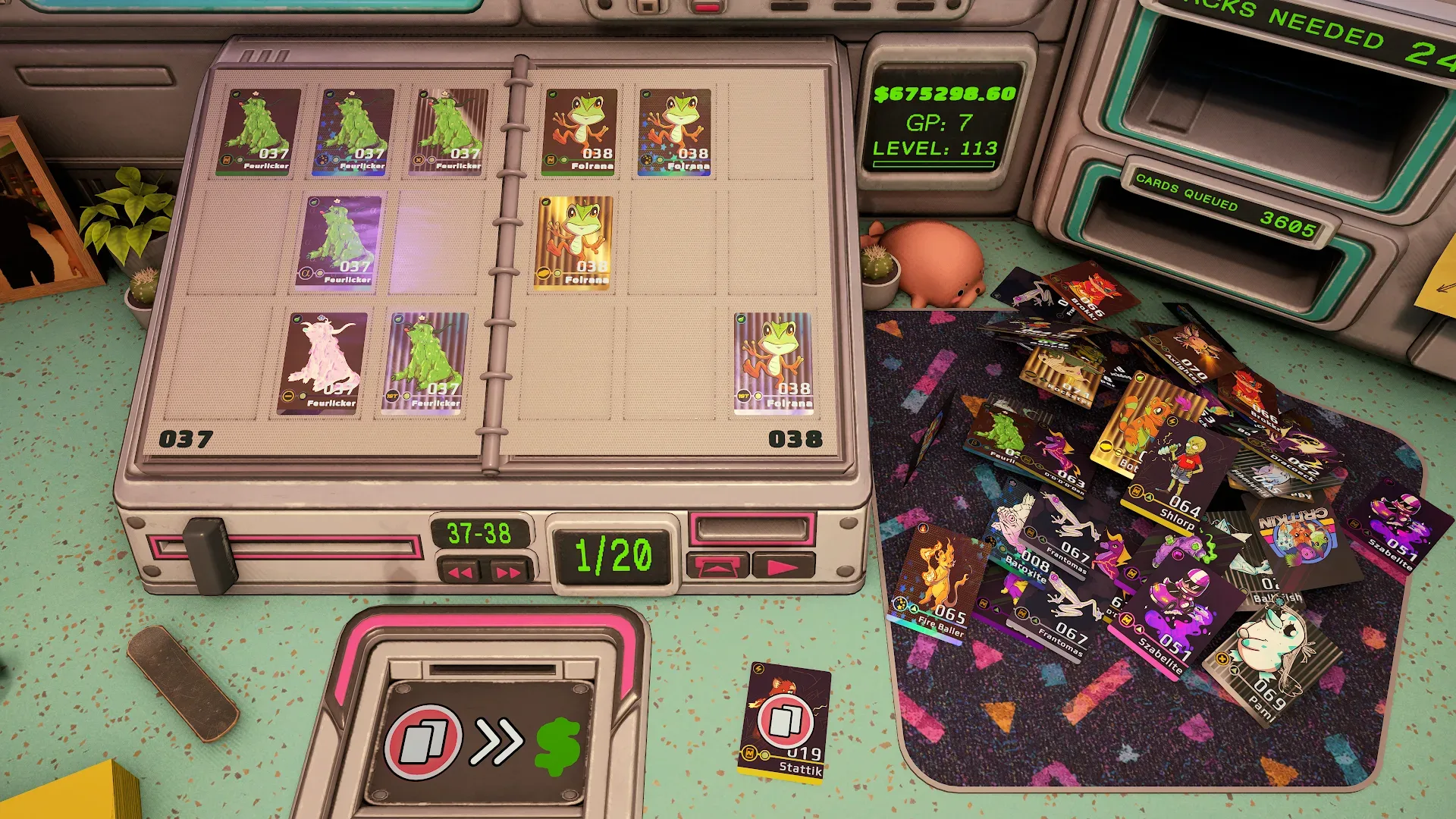
The basic flow begins manually. Players open packs by hand, inspect what they have pulled and slot cards into a binder. That focus on individual cards matters because the game’s stated progression is tied directly to filing them: slotting cards earns XP and Gadget Points, which are then spent on improvements for a retro-futuristic workstation.
In practical terms, the binder is more than a display case for completion progress. It is part of the game’s economy. Cards move from sealed packs into the collection, excess copies can be converted into funds, and the resulting resources feed back into upgrades. The stated goal is not a one-off card-opening novelty, but an incremental rhythm where actions and systems become more efficient over time.
Incremental is the useful term here. In games, it generally describes a structure where repeated basic actions produce currency, experience or other resources that unlock faster and broader ways to perform those actions. Rip It! Card Collector applies that structure to card ripping and binder organization rather than combat, farming or factory production.
That makes the early manual activity important even when automation is part of the long-term plan. The game supports hand-slotting throughout, but it also lets players decide when to shift more of that labour onto the workstation. For players who enjoy the tactile ritual implied by each pack and each binder placement, manual sorting remains part of the experience. For players pursuing collection progress more efficiently, the upgrades promise another route.
From individual packs to the Rip Rig
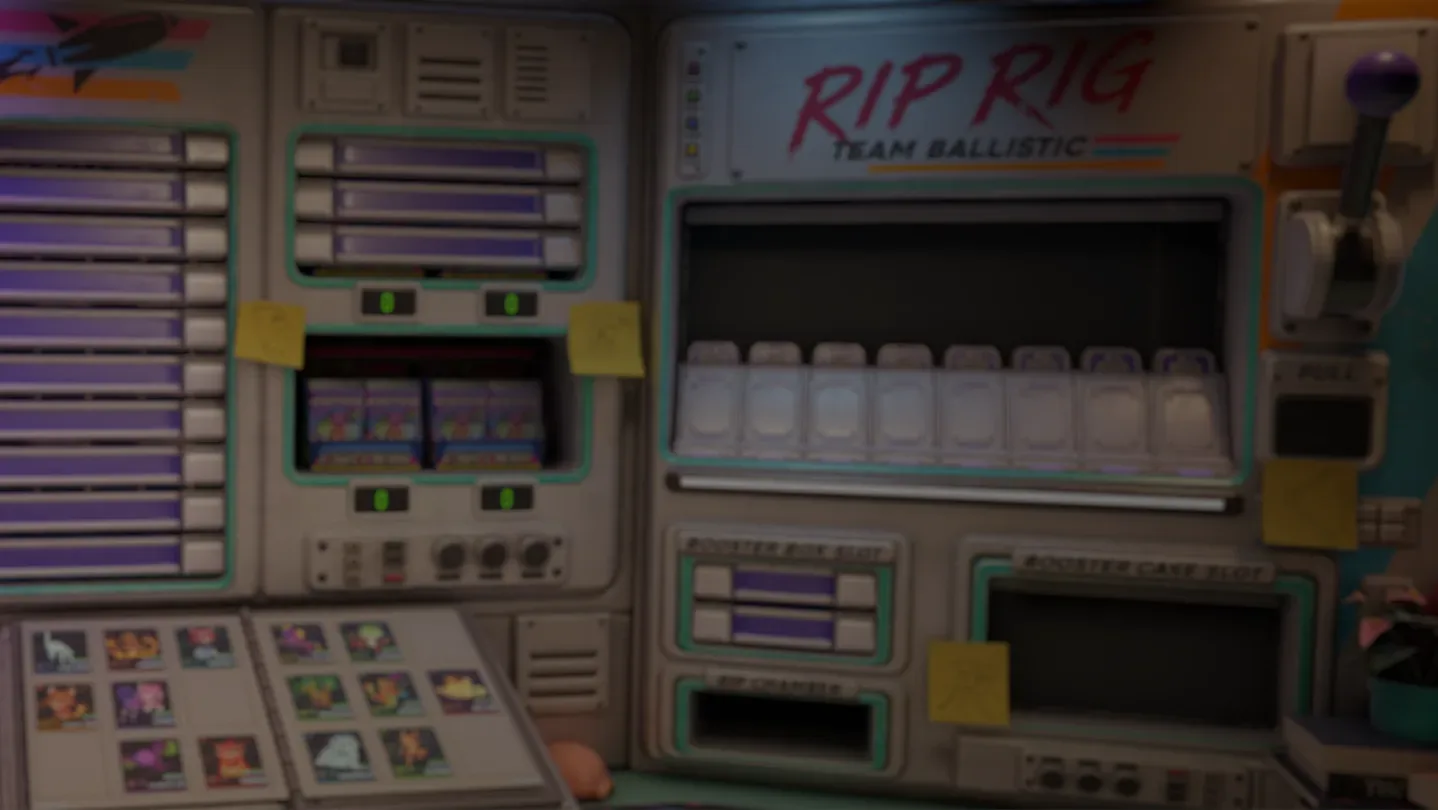
Cybernetic Walrus frames the workstation as the centre of the game’s advancement. Upgrades arrive as gadgets purchased with Gadget Points, and those gadgets unlock new capabilities. One named example is the Rip Rig, which can be upgraded to load whole cases rather than requiring every pack to be handled individually.
Related coverage includes Rip It! Card Collector Launches on Steam With 1,809 Cards.
Further automation can process cards automatically. The supplied details do not specify every gadget or its exact unlock requirements, but the direction is clear: the player starts close to each pack-opening and sorting action, then develops a setup able to take on more of the process.
This distinction is useful because automation does not necessarily mean the collecting side disappears. The game still has a 1,809-card checklist, rarity variants and elusive cards to pursue. Instead, automation changes the amount of routine handling required to keep the collection growing. It is a progression reward for engaging with the opening-and-sorting loop, not a separate mode detached from it.
There is also a clear thematic fit between the retro-futuristic workstation and the gradual scaling of the operation. The premise begins with a person working through packs and a binder, but it can become something closer to a specialized card-processing station. That gives the game an identifiable mechanical arc without requiring pressure, a competitive ladder or a deadline-driven event structure.
Rarities, variants and the Black Market
The 1,809-card pool includes several types of scarce or visually distinct pulls: ultra-rares, foils, metallics and special promos. These categories give the collection more texture than a single standard-card checklist. A foil or metallic treatment generally signals a visual variant, while ultra-rare and promo labels indicate cards intended to be harder to encounter or otherwise set apart within the game’s collection structure.
Not every desired card has to depend solely on random packs. Rip It! Card Collector includes a Black Market intended to help players chase elusive cards. The available information does not detail its prices, stock rotation or exchange rules, so it would be premature to treat it as a guarantee of easy completion. What can be said is that it provides a second stated avenue for targeting missing cards beyond continuing to open packs.
That option may be especially relevant as a binder fills up. Randomized packs are naturally effective at producing new discoveries earlier in a collection, but duplicates become a more prominent part of the experience as more cards are acquired. Since duplicates can be sold to finance upgrades, they still contribute to the progression economy. The Black Market, meanwhile, is positioned as a tool for directing attention toward cards that have remained out of reach.
The game also explicitly avoids timers and pressure. That is a meaningful design choice for a collection-focused incremental title. Rather than asking players to race through a limited window, it presents the binder as something that can be built at an individual pace. Players can spend time on manual opening and filing, or pursue the efficiency gains offered by the workstation, without a stated time limit governing the process.
What players should expect from the Steam release
Based on the announced feature set, Rip It! Card Collector is best understood as a relaxed single-purpose collection game with an automation progression system. Its central activities are narrowly defined but interconnected:
- Open an endless supply of packs.
- Sort and slot pulled cards into a binder.
- Earn XP and Gadget Points through card slotting.
- Sell duplicate cards to fund upgrades.
- Improve a retro-futuristic workstation with gadgets.
- Use automation for tasks such as case loading and card processing.
- Search for difficult-to-find cards through the Black Market.
That list also clarifies what has and has not been announced. There is no stated multiplayer component, competitive mode, real-world card tie-in or timed event system in the release information. The appeal is instead the repeated satisfaction of a collection increasing in size, a binder taking shape and a process becoming more capable through investment.
For a broader look at another newly released PC game with a very different setup, see Rat Game’s PC launch.
Why the no-pressure approach fits the premise
Card collecting often has two overlapping attractions: the surprise of the next pull and the satisfaction of putting a collection in order. Rip It! Card Collector’s systems address both. Packs provide the unknown, while the binder turns those pulls into visible progress. The upgrade path adds a third layer, giving routine actions a purpose beyond the immediate chance of a new card.
The no-timer approach means players can define the balance themselves. Someone interested primarily in the act of opening packs can keep the process hands-on. Someone more interested in steadily expanding the binder can invest in gadgets and automation. Players who hit a stubborn missing-card stretch have the Black Market as a stated alternative to relying entirely on further pack openings.
It is a concise premise, but one with a coherent internal economy: cards become collection entries, duplicates become funding, funding supports gadgets, and gadgets increase throughput. With 1,809 hand-drawn cards across standard and special categories, the game has a sizable stated target for players who enjoy filling every binder space.
Rip It! Card Collector is available now on Steam from Cybernetic Walrus, the developer also behind Roadside Research.