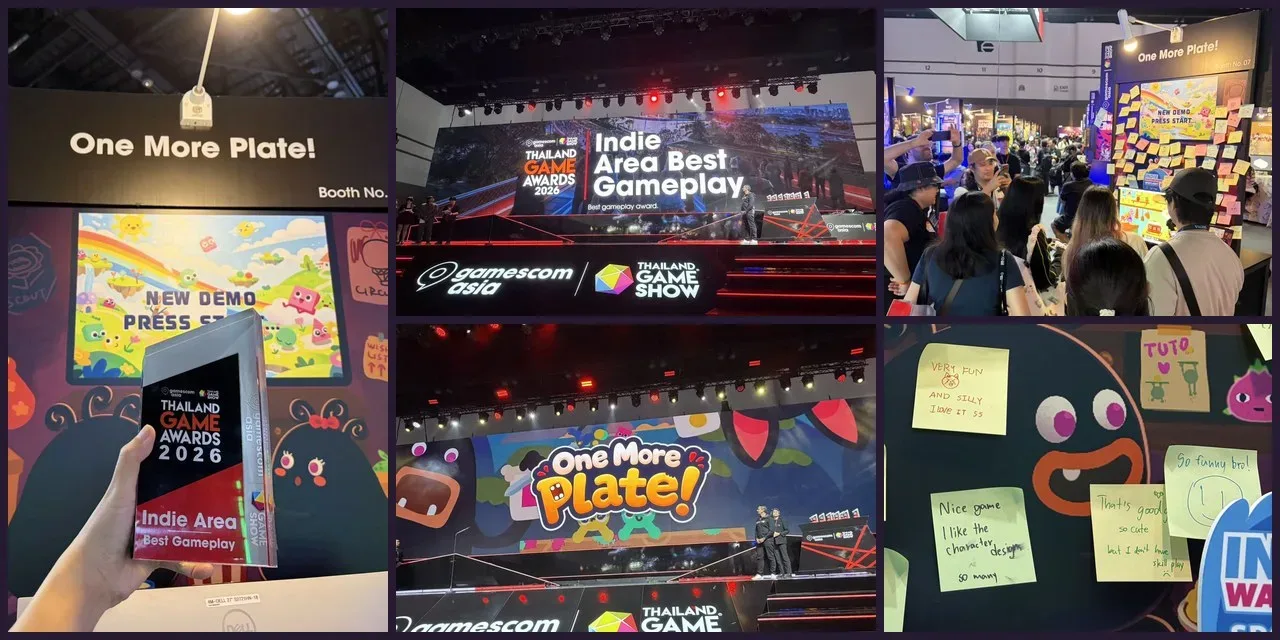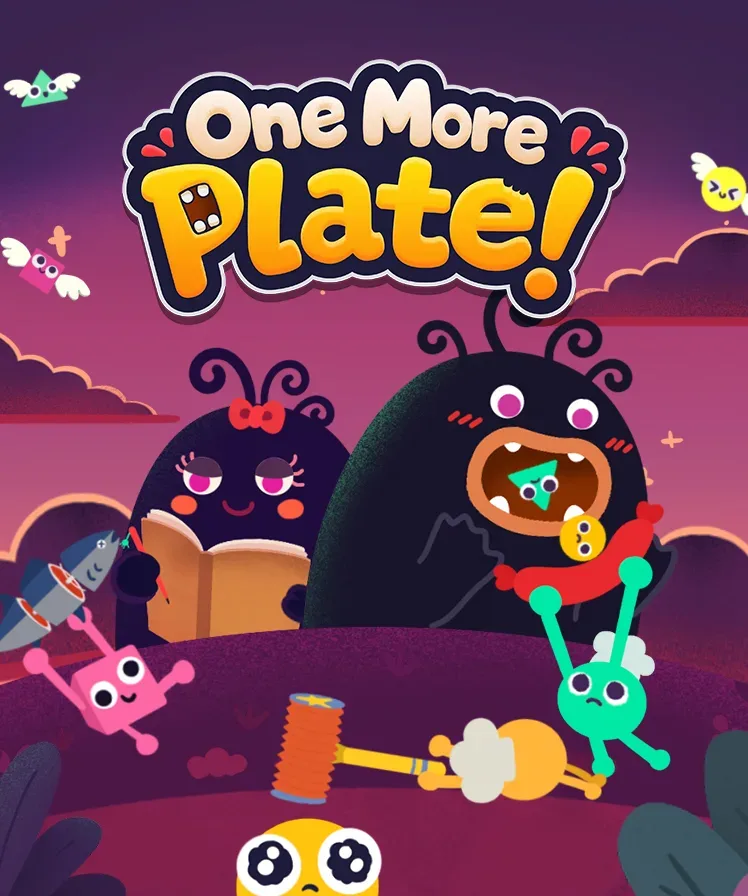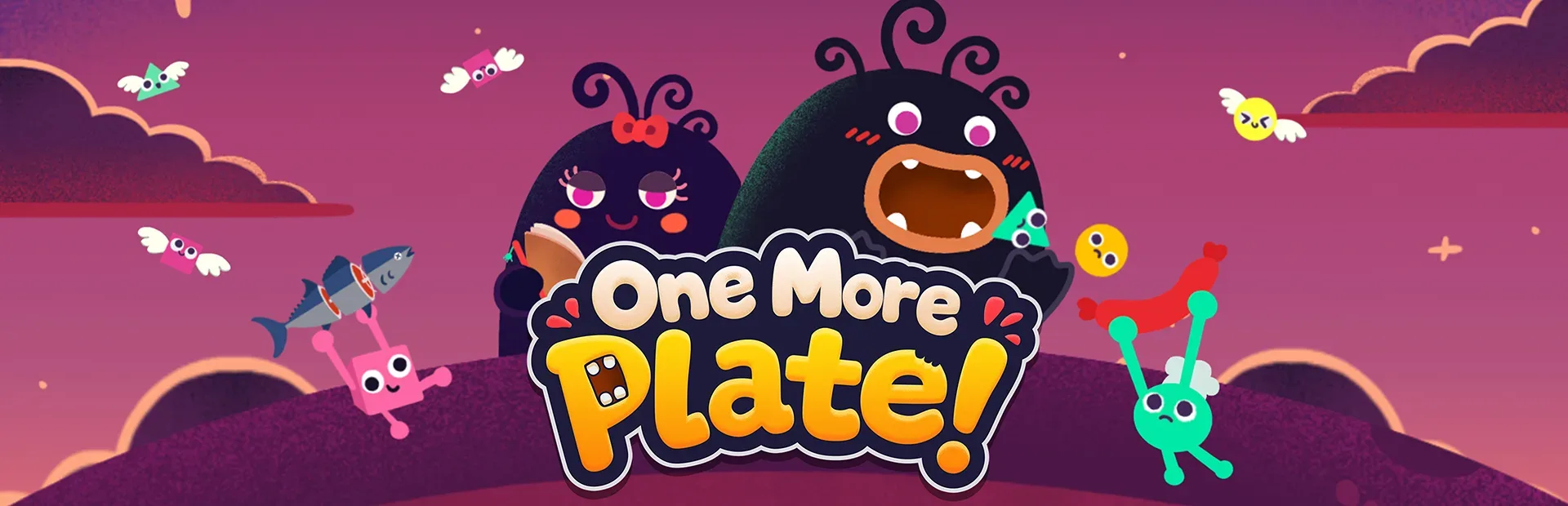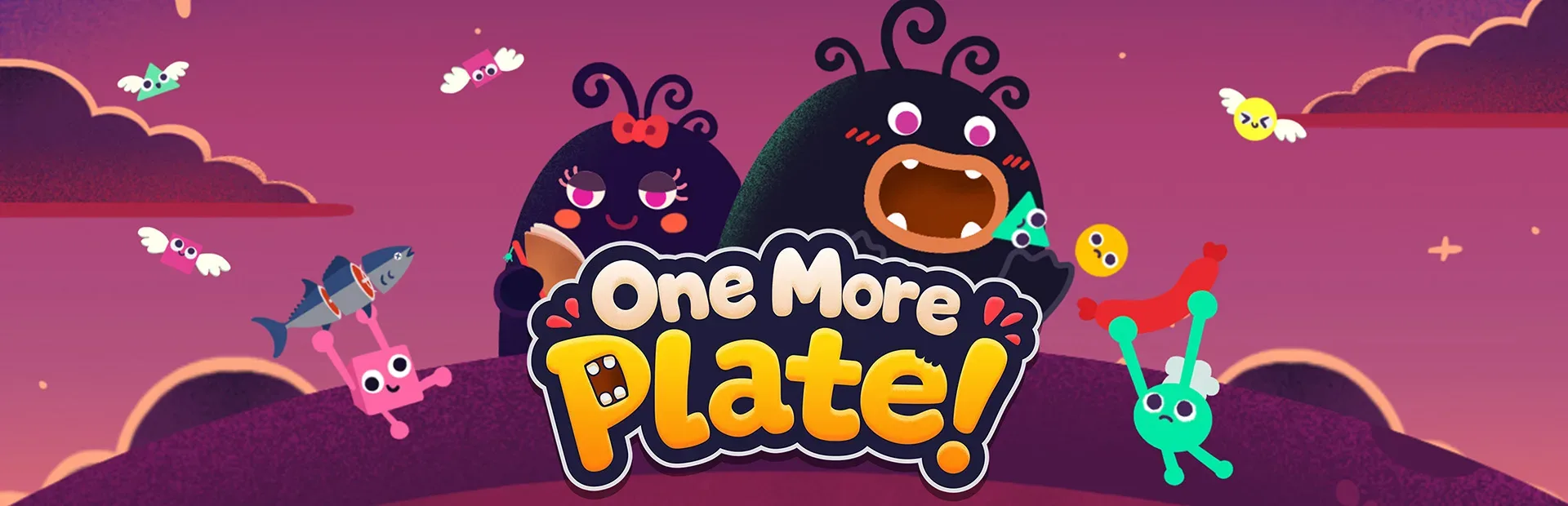
One More Plate!, the physics-based co-op game from Okawari! Studio, has won the Indie Area Best Gameplay award at the Thailand Game Awards 2026. The honour was presented during gamescom asia x Thailand Game Show and arrives one week before the game’s planned Steam launch on November 10, 2026.
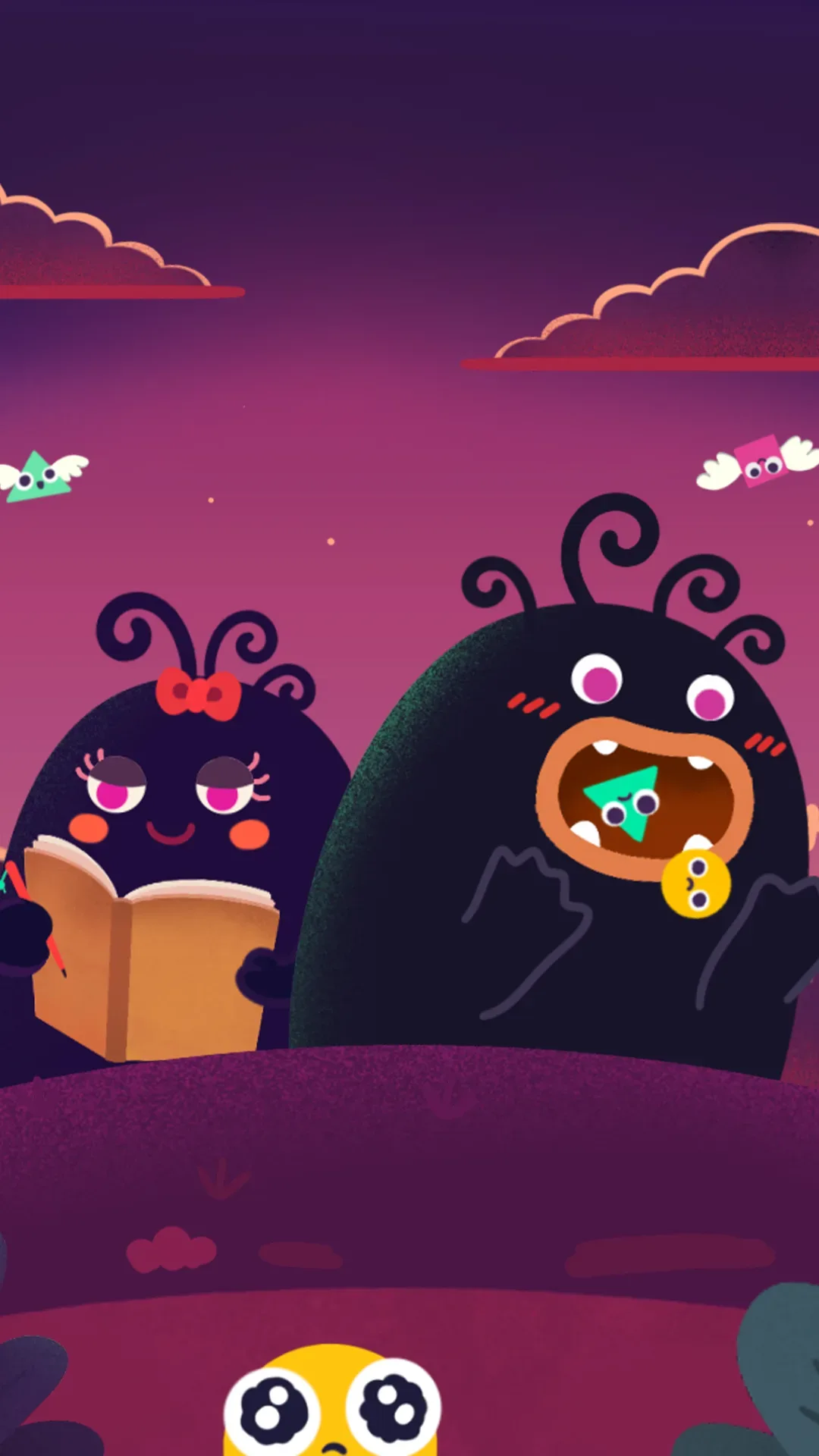
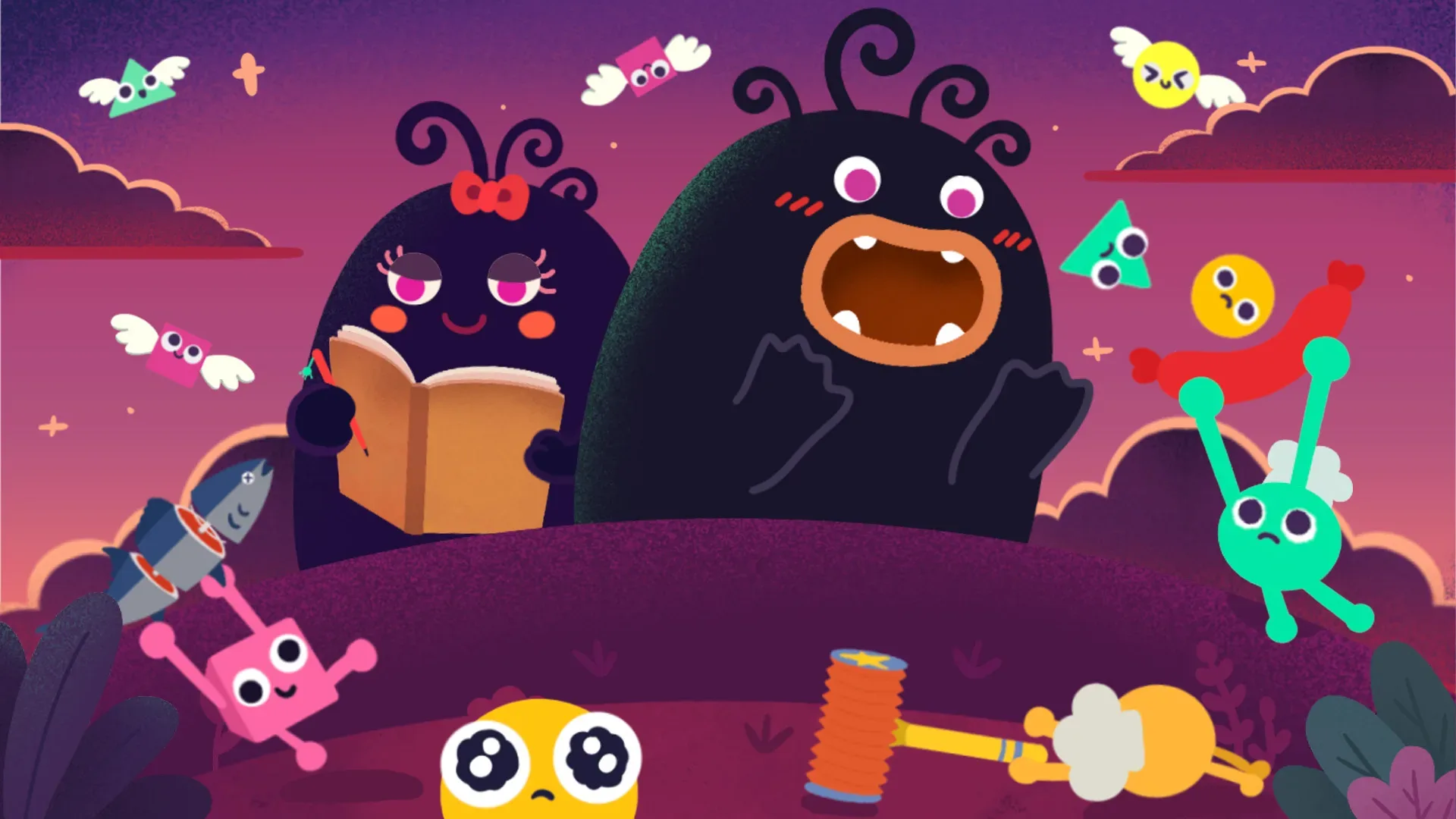
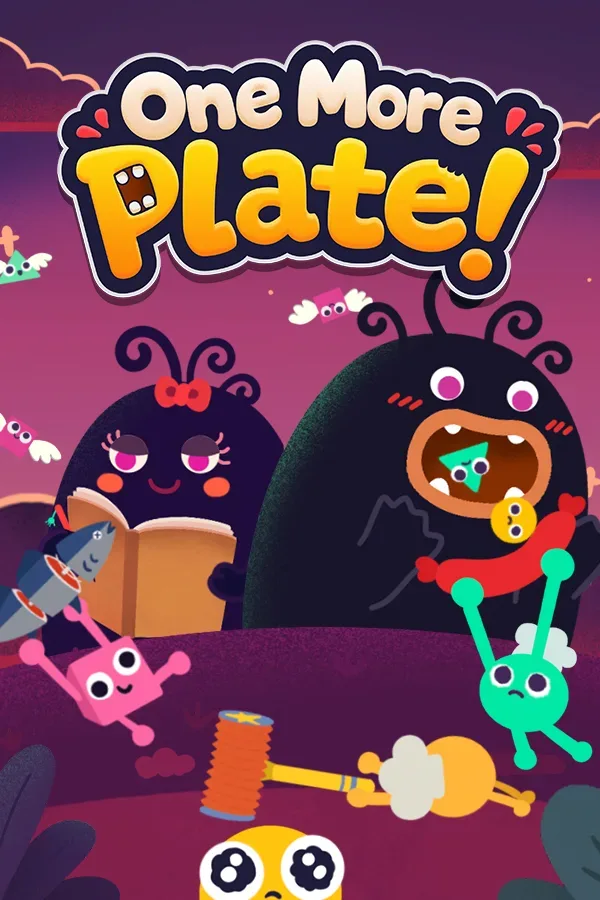
Published by Tiny Dragon Games, One More Plate! is built around a compact and deliberately unruly objective: players pick up a plate, work with a friend and deliver food to hungry monsters before the clock expires. Its premise is simple enough to explain in a breath. The challenge, and apparently a major part of its appeal, is in managing that task through physics-driven interactions while the pressure of a countdown turns routine feeding into a scramble.
The Indie Area Best Gameplay prize specifically recognises the game’s play experience. Judges highlighted its innovative mechanics and its joyful feel, putting attention on the core interaction rather than an expansive setting, a long feature list or a future roadmap. For a game approaching release, that is a useful distinction: One More Plate! is being noticed for what players will repeatedly do together—handle plates, move food and keep monsters fed—rather than simply for its cute presentation.
A co-op premise with a deliberately messy centre
“Feed-em-up” is an informal label that gets at the game’s structure. Rather than fighting enemies or building a farm, the central goal is feeding hungry creatures. In One More Plate!, the food-delivery job is framed as a shared, timed activity. At least two ideas are doing the heavy lifting: cooperation and physical comedy.
Cooperative play means success is tied to how well players coordinate their actions. One person may be trying to get a plate into position while another manages the food or responds to a monster’s need. The supplied details do not set out the precise control scheme, number of players, level structure or failure conditions, so those specifics remain unconfirmed. What is clear is that the game explicitly asks players to bring a friend, making social play fundamental to its premise rather than a side option.
The physics-based description matters as well. In games, physics-driven mechanics generally mean objects are governed by simulated movement and contact: carrying, placing, bumping or dropping an item becomes part of the interaction instead of a purely fixed animation. That can create surprises, because a rushed or poorly aligned action can have consequences that are amusing as well as inconvenient. One More Plate!’s “chaotic” tone suggests that those unpredictable moments are intended to be part of the fun, not merely obstacles between players and the goal.
That combination—an easily understood objective, an urgency-producing timer and physical interactions that can go sideways—gives the game a clear party-game shape. The monsters need food; time is limited; the plate is important; teamwork is the answer until teamwork becomes the problem. The best versions of that arrangement can create fast communication and memorable blunders without demanding that newcomers absorb a complicated ruleset before joining in.
Why gameplay recognition is meaningful here
An award for gameplay speaks to the quality of a game’s moment-to-moment loop. That phrase refers to the repeated cycle of actions a player performs: in this case, taking hold of a plate, working with another player, getting food to monsters and doing so quickly enough to meet the time limit. A game can have an appealing visual identity, but a gameplay-focused award puts the emphasis on whether that recurring loop feels satisfying, understandable and enjoyable.
Related coverage includes One More Plate! Wins Best Gameplay Award Ahead of Steam Launch.
The award citation points to two qualities: innovative mechanics and a joyful game feel. “Game feel” is a broad design term, but it is useful in this context. It describes the immediate sensory and emotional response produced by control, movement, feedback and the consequences of player actions. It is not the same thing as technical realism. A game can be intentionally exaggerated, unstable or silly and still feel excellent if its interactions create clear, entertaining reactions.
For One More Plate!, the stated blend of cute monsters and chaotic physics is likely central to that response. The aesthetic establishes an inviting, friendly tone, while the timed feeding task gives players something concrete to focus on. Physics then supplies the friction: the task is no longer only about deciding what needs to be done, but executing it alongside somebody else under pressure. That is fertile territory for laughter, especially when an urgent plan unravels in a way both players can immediately see.
There is also a practical benefit to a focused gameplay concept. A prospective Steam player can understand the broad proposition quickly. This is not a game being pitched through vague promises of infinite possibility. Its identity is in a specific activity: cooperative monster feeding with plates and a countdown. Whether that loop has enough variety over time will be for players to judge once the game is available, but the award indicates that the basic idea made a strong impression in its current form.
The timing: award first, Steam release next
One More Plate! is set to arrive on Steam on November 10, 2026. That puts the accolade immediately before the game becomes available on the PC storefront. Tiny Dragon Games has also said that review keys will be distributed shortly, though no further timing or distribution details were provided.
For anyone keeping an eye on smaller PC releases, the timing gives the game a concise story to follow. The award establishes a notable early point of recognition; the Steam date provides the next concrete milestone. Players interested in the wider slate of PC announcements can also see our coverage of Pit of Goblin’s 1.0 release across PC and consoles.
It is important not to read more into the award than it establishes. Indie Area Best Gameplay is recognition from the Thailand Game Awards 2026 judging process, not a substitute for broad player response after launch. Nor does the available information confirm console editions, online features, local-only play, pricing, system requirements, accessibility options or post-launch plans. Those are reasonable things for prospective players to want to know, but they have not been detailed here.
What prospective players can take from the announcement
The most grounded expectation is that One More Plate! is designed around shared, short-form chaos. The essential ingredients are all present: a friendly visual premise, monsters with an immediate need, a time limit and object-based physics that can turn small mistakes into a group problem. That makes it most naturally suited to players who enjoy communicating on the fly, reacting to mishaps and treating disorder as part of the entertainment.
Players who prefer solo, methodical or highly deterministic games may want to wait for further details on the game’s modes and options. The available announcement calls on players to grab a friend, but does not explain whether the game can be played alone or exactly how its cooperative setup works. Likewise, “physics-based” tells us that object interaction is important, not precisely how forgiving, difficult or elaborate the handling will be.
Still, the core idea has an advantage: it is easy to picture. A hungry monster, a plate and a ticking timer create a situation with instant stakes. Add a second player and an unpredictable physical system, and a basic delivery job can become a compact exercise in coordination. The Thailand Game Awards recognition suggests that Okawari! Studio has found a playful way to make that simple setup sing.
With its Steam release scheduled for November 10, One More Plate! heads toward launch carrying an award that directly matches its pitch. The game does not need an elaborate explanation to communicate its promise. Feed the monsters. Keep the plates under control. Try not to turn dinner service into a catastrophe—unless, of course, that is where the fun begins.