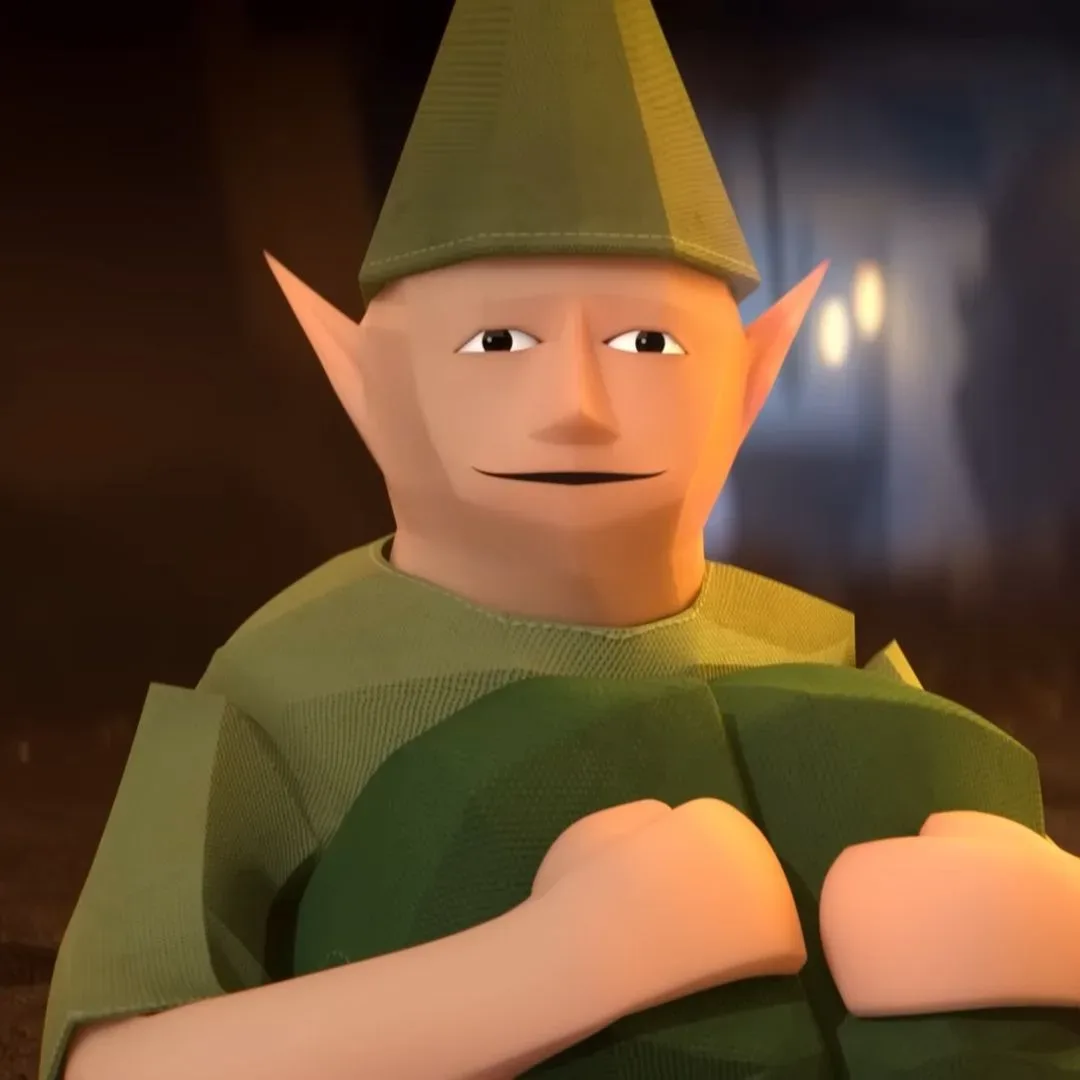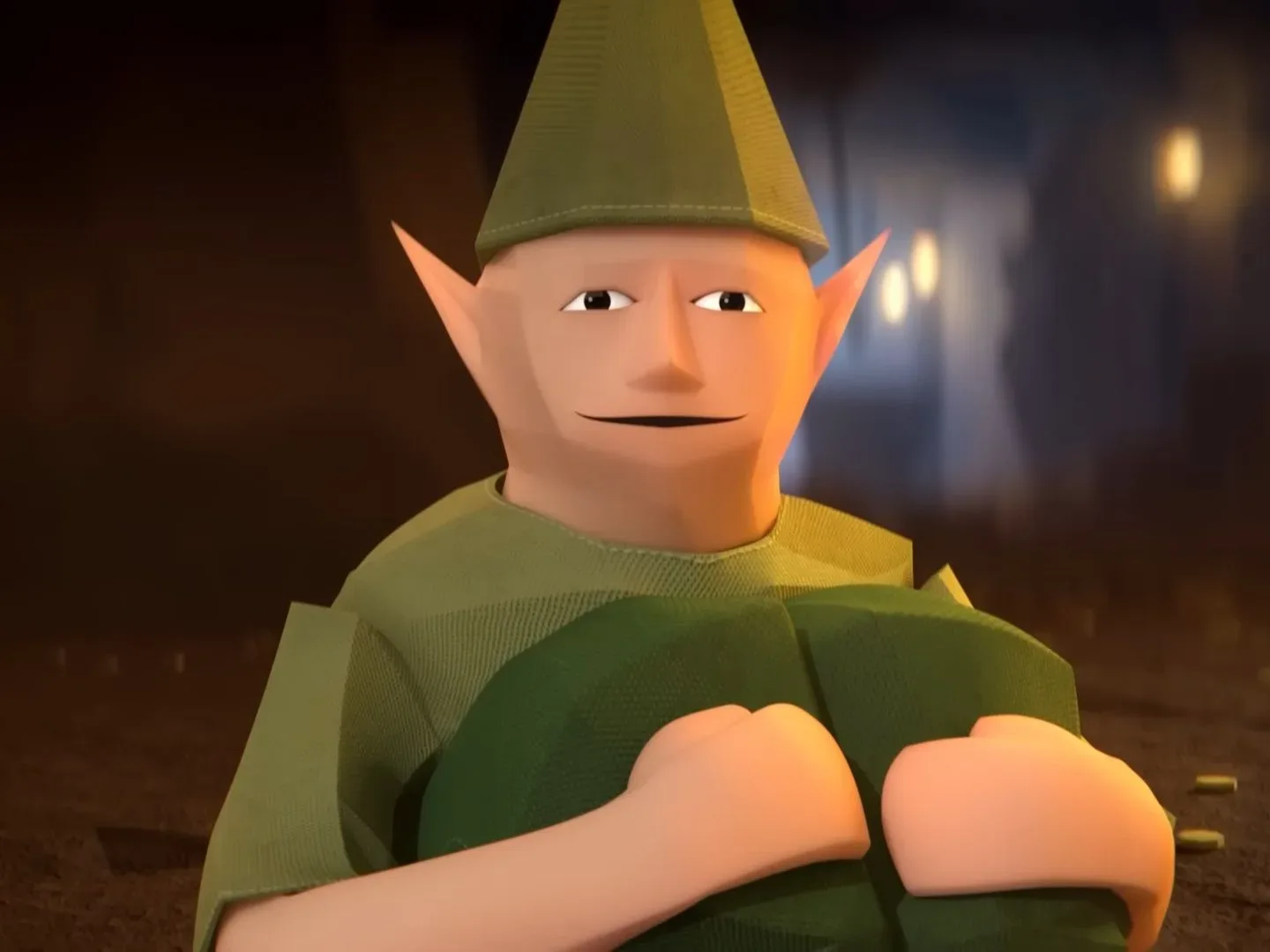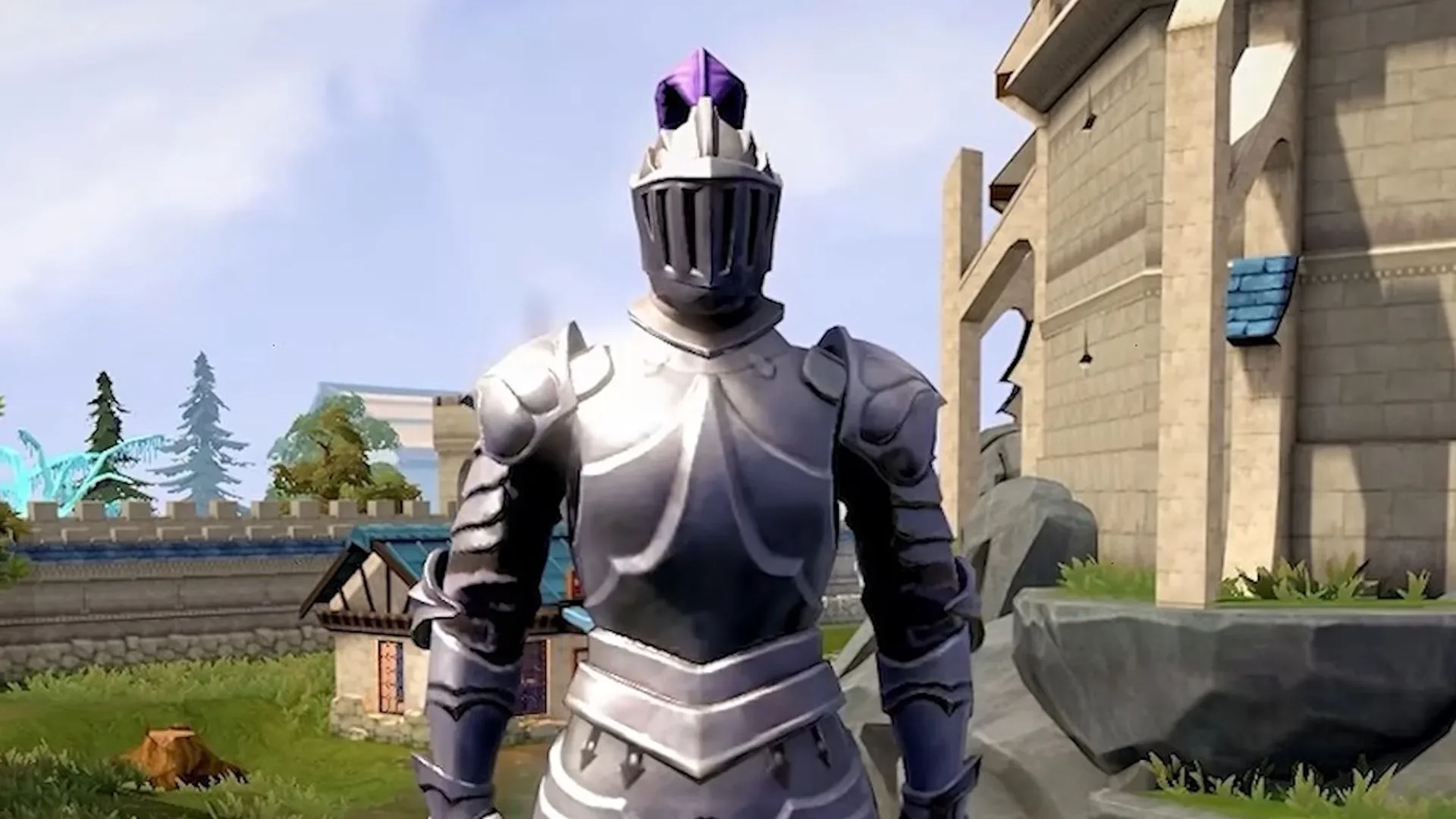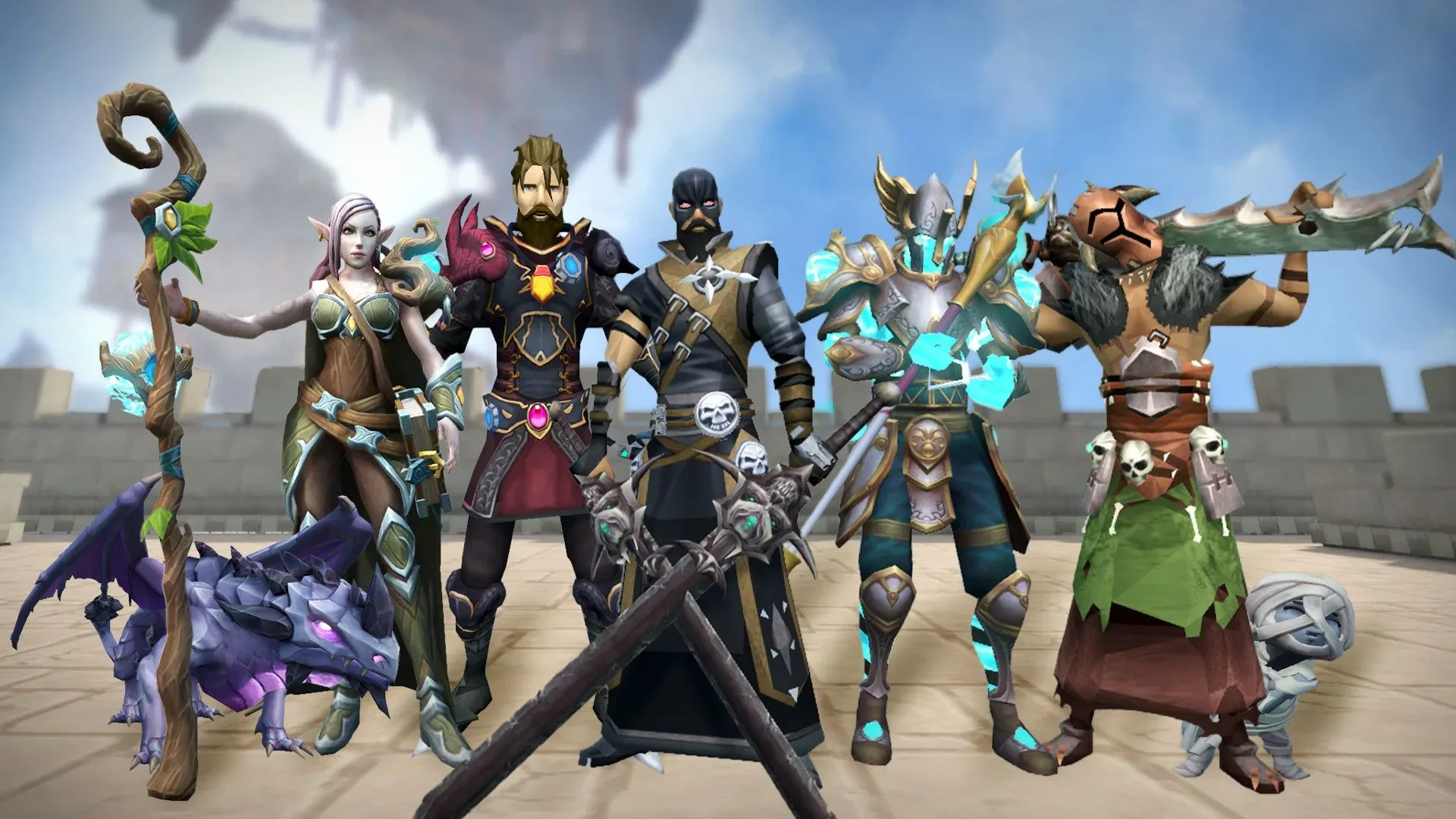
Old School RuneScape has produced a speedrun record that makes the usual race-to-the-credits look positively relaxed. Player Coxie has collected all 71 pets in the game in 6,572 hours of playtime: a little more than 273 days spent logged into one character, pursuing a category built around some of the game’s rarest and most demanding rewards.
The feat has been verified by Jagex, and the scale of the lead is as striking as the total itself. The next all-pet run stands at 572 days, or 13,728 hours. Coxie’s completed time is therefore less than half of that benchmark, in a challenge where a run cannot simply be made cleaner by perfecting a route once. It must survive dozens of independent reward grinds, difficult encounters and the unpredictable arithmetic of random drops.
For a game routinely defined by long-term progression, this is an extreme expression of a familiar Old School RuneScape goal: commit to an enormous target, then keep showing up until the game finally gives way. Coxie’s last pet was Beef, a cow pet with a stated 1-in-1,000 chance from comparatively trivial content. The ending is a funny one precisely because the long road to it included rewards associated with far more intimidating activities.
What an all-pet speedrun actually involves
Pets in Old School RuneScape are small companion characters. They are cosmetic rewards rather than a direct upgrade to a player’s combat power, but that does not make them simple trophies. They can be awarded by bosses, minigames and skilling activities. Chopping logs or catching fish can be part of the hunt; so can repeated high-level player-versus-environment challenges.
That variety is what makes an all-pet category fundamentally different from a single-boss grind. A player must be capable across the game’s systems and must move between radically different kinds of work. Some targets require combat execution against bosses that take meaningful time to defeat. Others demand repetition in minigames or skilling. In practical terms, the run is a sprawling checklist whose individual boxes can each become a major project.
The 71-pet total also means that finishing is not just about obtaining rare items quickly. It is about avoiding a catastrophic delay on any one of them. A rapid result on several pets cannot erase a months-long drought on a stubborn final reward. The run is a test of broad game knowledge and persistence, but it is also a test of how a route holds together when the least cooperative portion of the game’s reward system gets the last word.
Why drop rates do not tell the whole story
The central technical term here is RNG, short for random number generation. In games, players often use it as shorthand for chance-based outcomes. When a pet is tied to a drop rate, each eligible completion or kill is an opportunity for the game to roll for that reward. A stated 1-in-5,000 rate conveys why many pets are major commitments: even a highly efficient player may need a great many attempts.
But the denominator alone does not measure difficulty. The time needed for one attempt matters just as much. A pet with an apparently generous 1-in-100 chance can still be one of the most daunting targets if its roll occurs only after an exceptionally hard activity.
Related coverage includes Old School RuneScape Player Sets All-Pet Speedrun Record in 6,572 Hours.
Jal-Nib-Rek, the obsidian wyrm pet, illustrates the point. Its stated rate is 1 in 100, which sounds modest compared with 1 in 5,000. Yet it is awarded through Inferno completions. The Inferno is a punishing PvE challenge that only a small share of the player base can complete at all, let alone repeatedly. A numerical rate that appears friendly in isolation becomes formidable when every attempt requires clearing content with such a high execution bar.
That distinction matters when reading an all-pet time. Coxie was not merely grinding whichever activity had the largest listed odds. The category combines low-probability rewards with requirements that vary enormously in time, difficulty and player skill. A player can understand an encounter perfectly and still need far more attempts than hoped for; alternatively, a difficult pet can arrive unusually early. A speedrun in this context is therefore partly a measure of planning and performance, and partly an unusually long negotiation with probability.
A record built over years, not one marathon sitting
Coxie had previously acquired the full set of pets without a speedrun timer before deciding to repeat the project as a timed challenge. The video series chronicling the attempt began in April 2023. In an October 10 post marking the completion, Coxie said the dedicated pet-hunting account had been created three years, nine months and 23 days earlier.
Those calendar figures are not the same as 6,572 hours actively played, but together they help frame the commitment. The recorded playtime equals roughly 20% of every hour across that account’s lifespan. If one assumes eight hours of sleep each day, it is approximately 30% of the remaining waking time. Those are estimates based on the stated account age and a deliberately simple sleep assumption, not a full picture of a person’s life or schedule. They do, however, communicate why this record belongs to a different category of endurance from conventional short-form speedrunning.
Old School RuneScape is particularly suited to these long-form records because its goals are persistent. Progress is not reset at the end of a match, and the rewards being pursued can be separated by hundreds or thousands of successful actions. For an all-pet run, the timer effectively follows the player through a long sequence of distinct goals, rather than measuring one compact level or campaign.
That does not make the record a matter of simply leaving a character active. The account had to acquire every required pet, including those connected to demanding PvE content. The reported time represents activity accumulated across a wide progression path, where changing tasks, maintaining proficiency and returning to challenging objectives are all part of the undertaking.
Why the gap to second place matters
The second-place all-pet time of 13,728 hours is itself extraordinary. It demonstrates that the category is not an arbitrary stopwatch exercise with no established competitive context. More importantly, it makes Coxie’s 6,572-hour finish harder to interpret as a small optimization over a comparable attempt. The difference is 7,156 hours—more time than Coxie’s entire completed run.
Records can fall quickly when players discover a new trick, patch together a better route or improve consistency in a short challenge. None of those possibilities can be ruled out for an MMO category, especially one involving an active game and a motivated community. Still, the current margin suggests an unusually high barrier. A future contender would need more than determination; they would need the skills required by the toughest pet sources, an efficient long-term approach and exceptionally favorable results across a huge number of chance-based rewards.
It is also a reminder that speedrunning has more than one vocabulary. In a platformer, a record may be decided by a missed jump, a route change or fractions of a second. In Old School RuneScape’s all-pet category, the relevant units are sometimes completions, kills, days and months. Precision still matters, but the form it takes is different: sustaining performance, selecting productive objectives and managing a route that can be delayed by a single elusive companion.
Beef provides an appropriately strange finish line
There is a neat irony in Beef being the final pet. The cow is described as one of the easier pets, with a 1-in-1,000 rate in low-stakes content. On a conventional difficulty scale, it is not the creature most likely to symbolize an all-pet achievement that required major bossing and Inferno completions.
Yet that is exactly how randomized collections work. The hardest-looking target is not automatically the last one standing. A reward with a less intimidating rate can become the final obstacle simply because chance has not cooperated. Beef’s place at the end turns the finish into a compact explanation of the entire category: even after mastering the dramatic challenges, the player still has to accept the roll that decides whether a humble cow joins the collection.
Coxie’s time is now the benchmark for a pursuit that combines collecting, high-level PvE and extreme patience—though it should be understood as an in-game collection challenge rather than a physical collecting story. The record is impressive not only because 6,572 hours is a startling number, but because those hours cover 71 separate goals with wildly different demands. For anyone watching MMO achievement culture from the outside, it is a useful case study in how a cosmetic reward can become the center of one of gaming’s largest endurance races.
For another example of how PC game communities can react strongly when a long-running title changes around them, see our coverage of Total War: Shogun 2 Complete Edition’s player backlash.