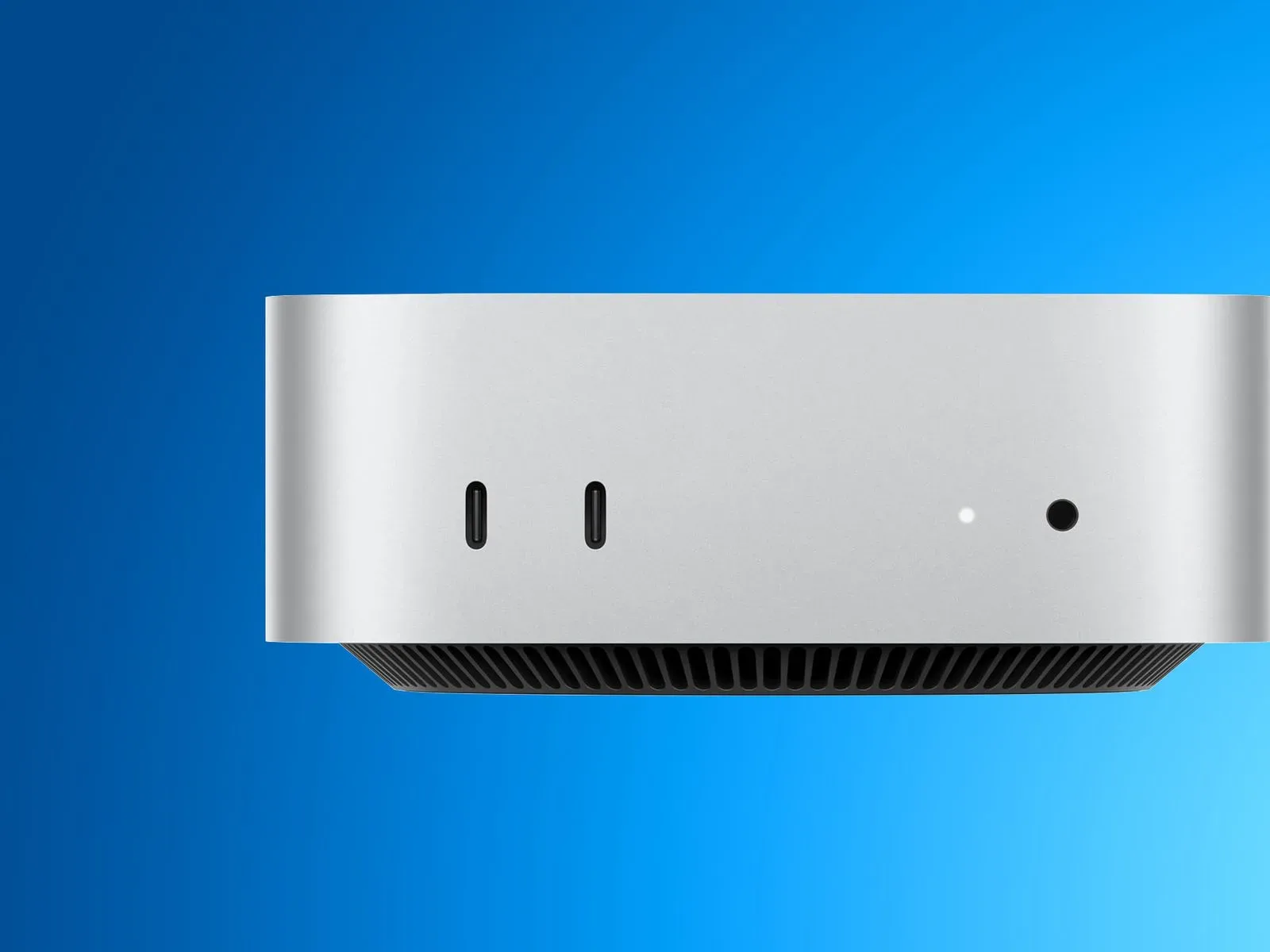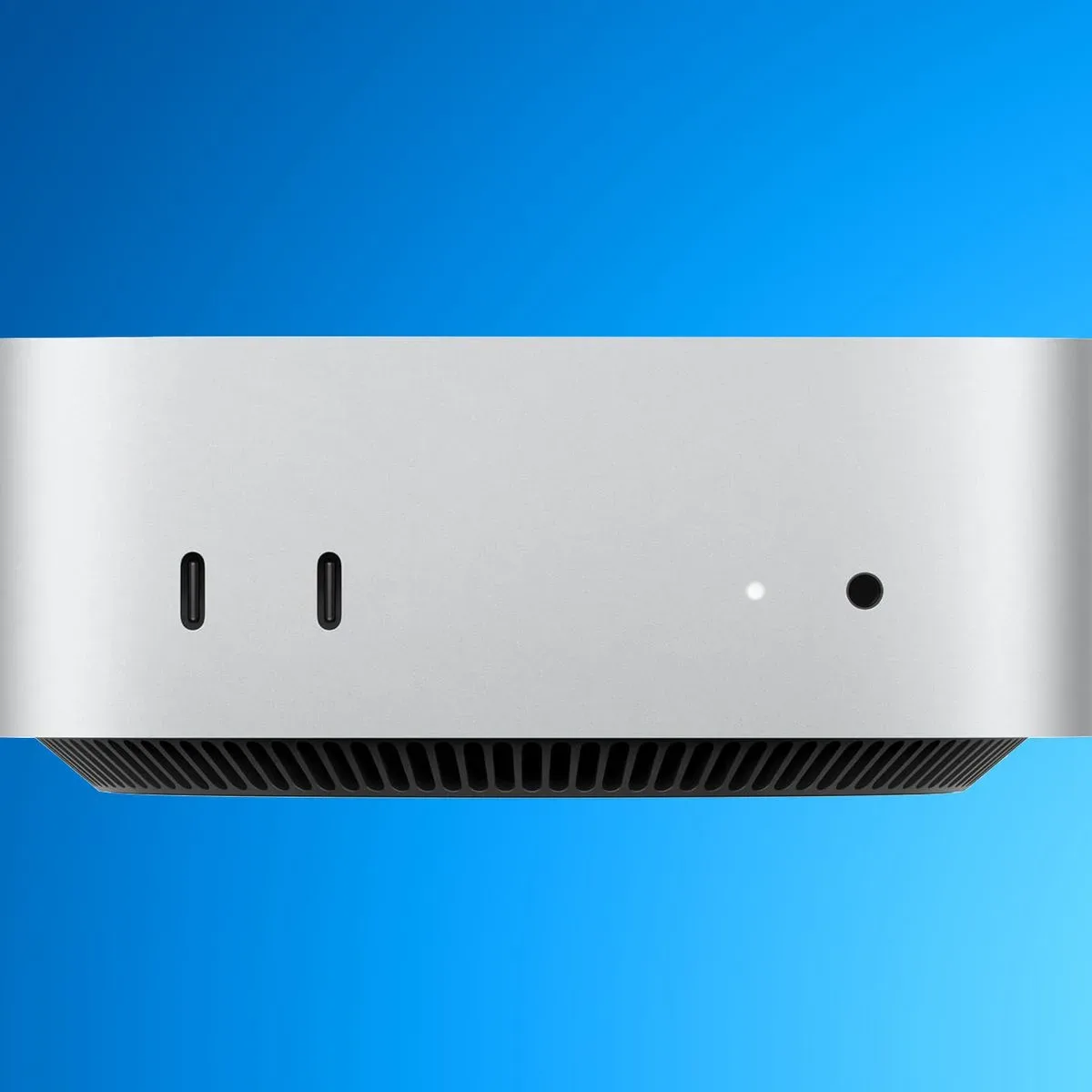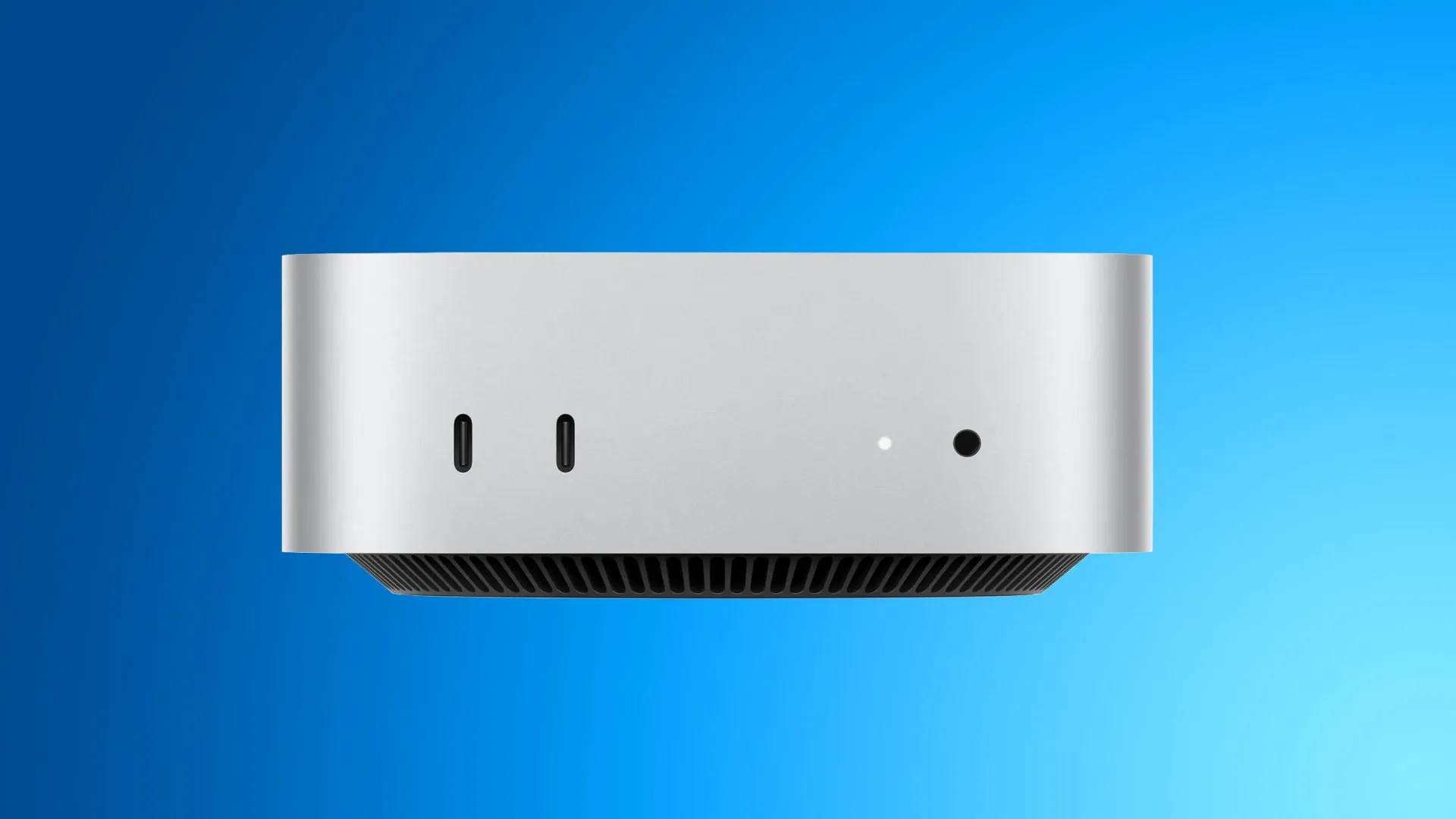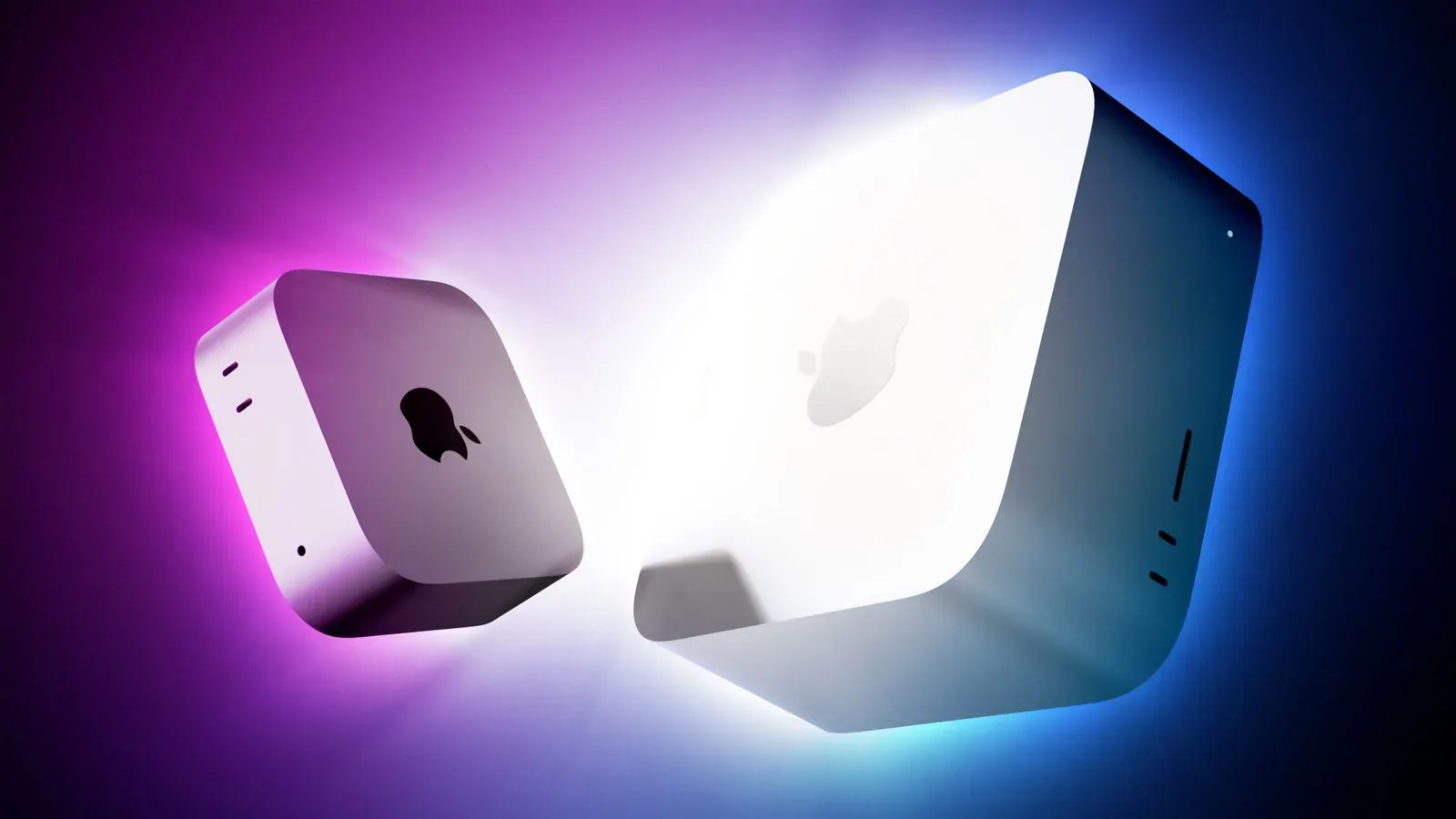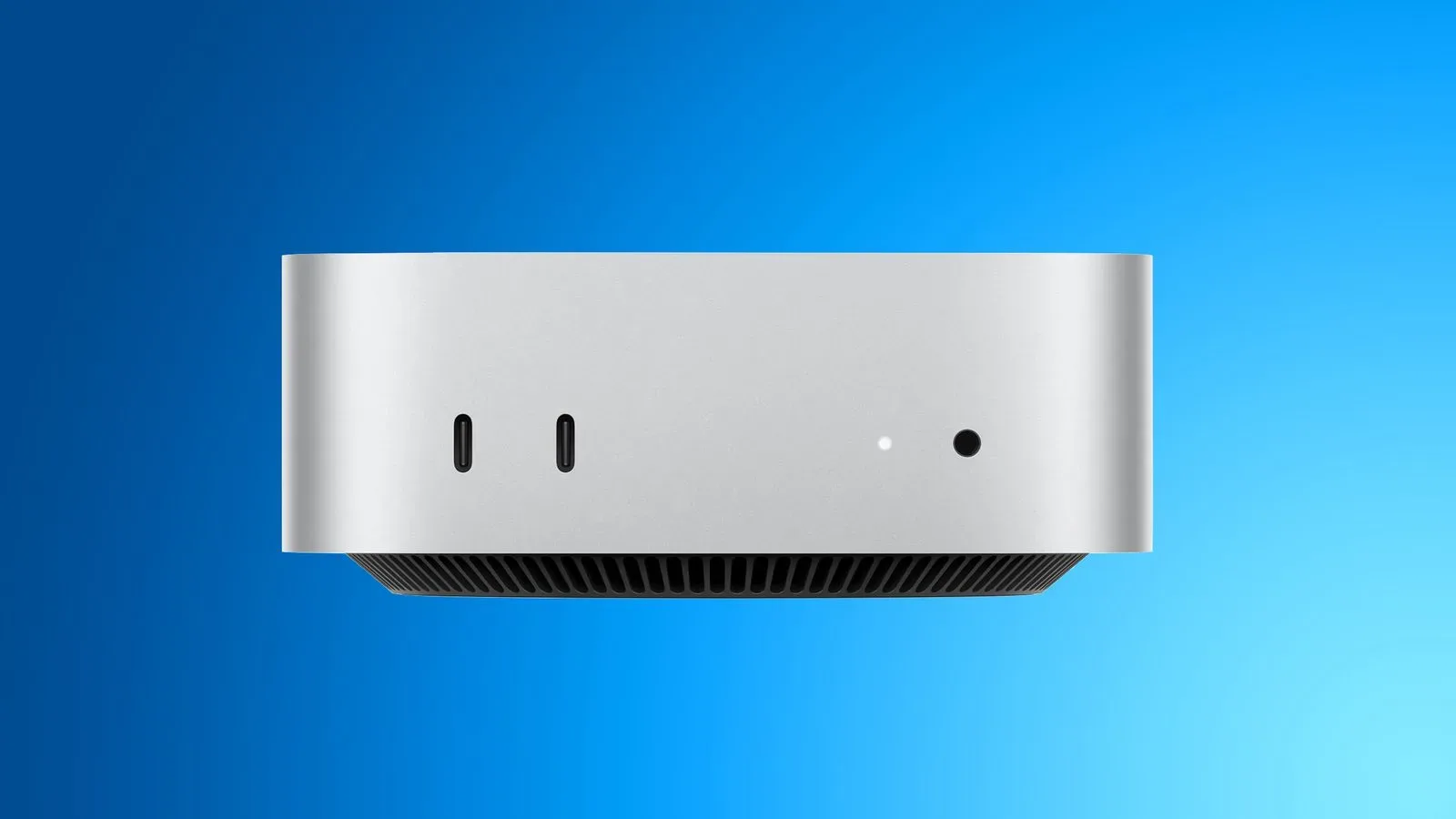
Apple’s new Mac mini arrives Tuesday with a familiar pitch—serious desktop performance in a compact box—but a notably less familiar starting price. The M6-based Mac mini begins at $899 in the US, a $300 increase over the $599 entry price of the preceding model at its launch. Early reviews broadly regard the new machine as highly capable, including in AI-oriented work, while treating that jump as the central complication in its value proposition.
That makes this a more nuanced update than a simple “faster chip, better buy” story. The M6 and M5 Pro options appear to give prospective buyers meaningful performance headroom, but the Mac mini is no longer entering the conversation at the unusually aggressive price that made its predecessor easy to recommend almost by default. It can still be a good desktop; it is just being judged against a much higher opening bid.
The headline is capability versus value
The new Mac mini is available with an M6 chip or an M5 Pro chip. In practical terms, those options establish two different buying lanes: a standard configuration for people who want Apple’s compact desktop platform, and a more performance-focused tier for workloads that warrant a stronger processor option. The early review consensus is that both make for an extremely capable machine, with particular attention paid to AI performance.
But capability and value are related without being identical. A product can be excellent at its job while offering a less dramatic deal than the version it replaces. That is the tension surrounding this refresh. The prior $599 starting point created a very accessible route into a new Mac desktop. At $899, the new floor is 50% higher than that earlier launch price, so the performance improvement has to do more work in the buyer’s calculation.
For someone replacing an older desktop, the question is not merely whether the M6 Mac mini is fast. The question is whether its speed, compact form factor, and Apple platform are worth $899 before a monitor and other desk essentials are considered. For a user whose existing Mac already handles their tasks comfortably, the raised entry price gives them more reason to wait for a genuine need rather than upgrading on the strength of an attractive base price.
What the chip options mean
Apple’s chip names can make a configuration decision sound more opaque than it needs to be. The M6 is the standard processor option in this Mac mini generation. The M5 Pro is the step-up option. A “Pro” designation indicates the more performance-oriented choice in the lineup, rather than simply another label for the same configuration.
The source material does not provide benchmark figures, memory capacities, storage configurations, or a detailed performance split between the M6 and M5 Pro. It would therefore be premature to declare one the universal winner. Still, the existence of both options matters: it means buyers are not restricted to one level of desktop capability, and it gives users with more demanding work an upgrade path within the same small Mac mini chassis.
“AI” is also a broad term that deserves some care. In this context, it refers to computing work associated with artificial-intelligence features and workloads. Strong AI capability is a meaningful part of the new Mac mini’s appeal, but it should not become shorthand for every kind of performance. A buyer should match a computer to the applications and tasks they actually use, not to a single marketing-era category. The early feedback supports the view that the machine is capable in this area; it does not establish that every buyer needs the higher-priced model because of it.
Why memory pricing is part of the story
Apple has attributed price increases across many products to an ongoing memory-chip shortage, saying that rising prices for RAM and storage chips are being passed on to customers. That background is crucial because it frames the Mac mini’s $300 change as more than a straightforward attempt to reposition a successful desktop upward.
RAM, or random-access memory, is the fast working space a computer uses while applications and tasks are active. Storage is where files, apps, and data are retained longer term. Both are fundamental components of a modern computer, and pressures affecting their underlying chips can have obvious consequences for finished-system pricing. The stated shortage does not erase the buyer-facing increase, but it offers an explanation for why a machine with a compact design and updated Apple silicon can nevertheless open at a substantially higher price.
There is an uncomfortable symmetry here. A desktop that earns praise for its computing power is launching at a moment when the components supporting that power are more expensive. Consumers may understand the supply-side explanation and still reasonably conclude that $899 changes what qualifies as an easy recommendation.
Who the new price affects most
The price rise is likely to matter most to shoppers who regarded the Mac mini as the affordable desktop entry to Apple’s ecosystem. At $599, it was easier to view the machine as a comparatively low-risk choice for a home office, a compact workstation, or a first Mac desktop. At $899, buyers will likely scrutinize the configuration more closely and compare it with alternatives more carefully.
That does not make the machine a poor fit for every audience. Someone with a specific need for the M6 or M5 Pro options may see the performance ceiling as more important than the generational price comparison. Likewise, a person who already has a display and peripherals may evaluate the computer differently from a first-time desktop buyer building an entire setup. The Mac mini remains a computer rather than an all-in-one workstation package: its listed starting price is only one element in the total setup decision.
The wider PC market is also facing its own premium-performance pressures, as seen with systems such as the Acer Predator Atlas 8. The Mac mini’s situation is distinct, but it illustrates why shoppers increasingly need to separate the appeal of a product’s specifications from the value of its complete price and setup requirements.
A better way to read the early verdicts
The most useful interpretation of the early reviews is not that Apple has made an underpowered computer too expensive. The available feedback points in the opposite direction on performance: the M6 and M5 Pro Mac mini options are seen as extremely capable. Rather, the update has shifted the standard for an enthusiastic recommendation.
Previously, exceptional value could be a major part of the sentence. Now the recommendation becomes conditional: the Mac mini may be a strong purchase for buyers who need its capabilities, prefer its form factor, and are comfortable with the new starting point. For shoppers drawn chiefly by the old $599 bargain, the change is more consequential.
That is a less flashy verdict than “insanely great,” but it is arguably more useful. The new Mac mini appears poised to be a potent compact desktop. Its challenge is that a potent compact desktop at $899 must persuade people on more than just the idea that it is cheap for a Mac.