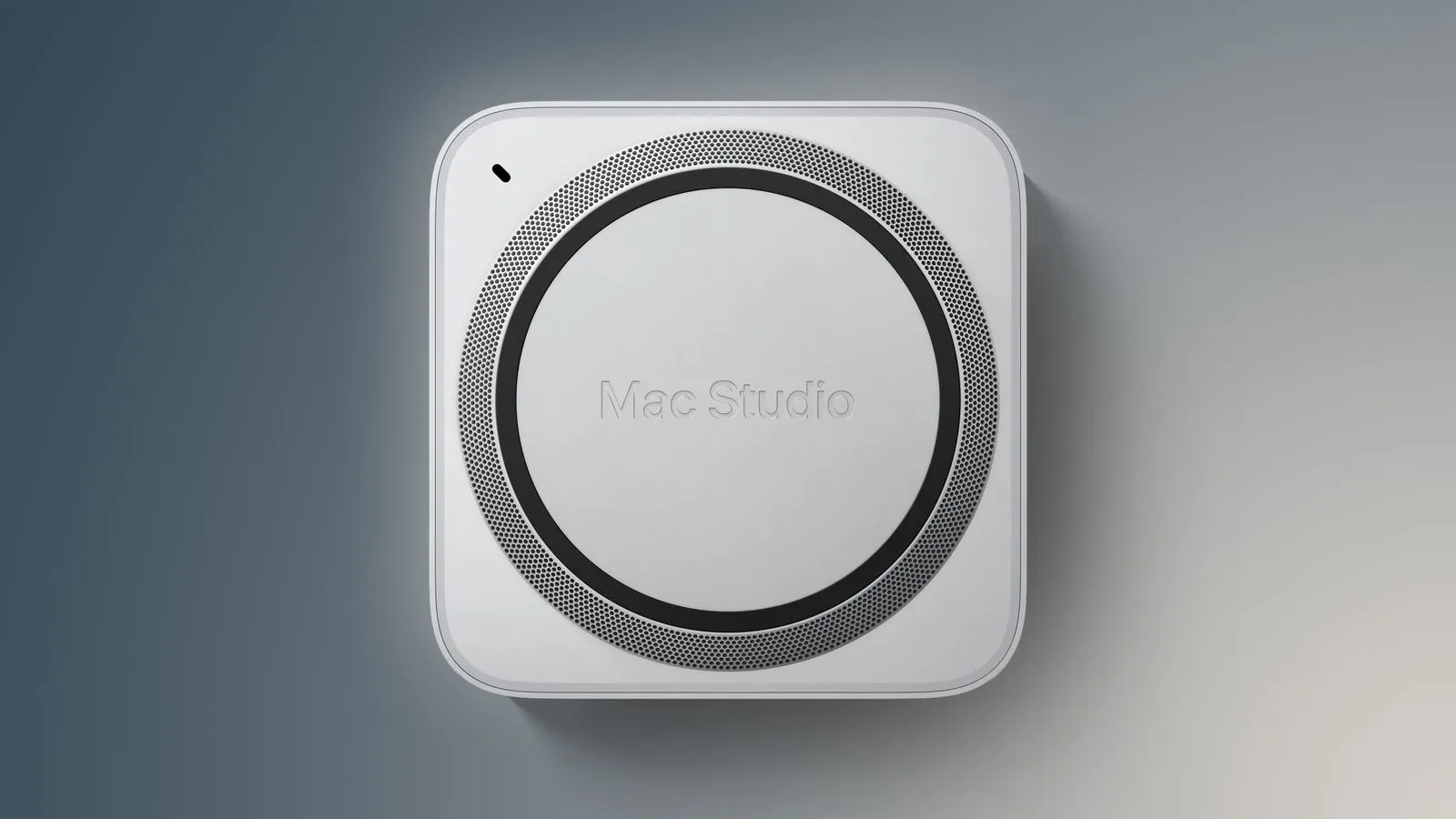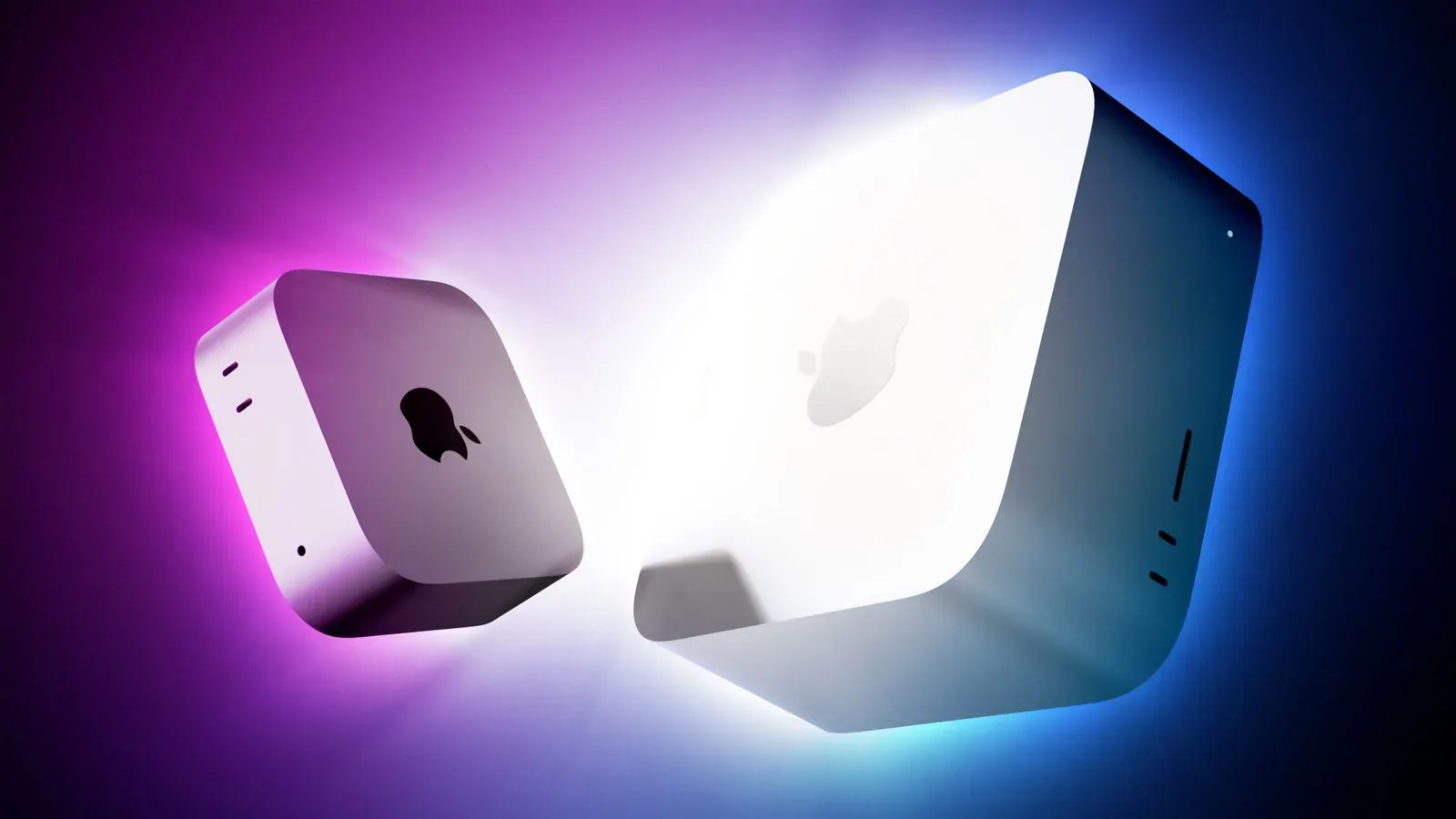
Apple’s new Mac mini and Mac Studio are scheduled to launch on Tuesday, September 22, following an announcement last month and a pre-order period that began August 25. The two desktop lines are receiving new Apple silicon options, but not a visible redesign.
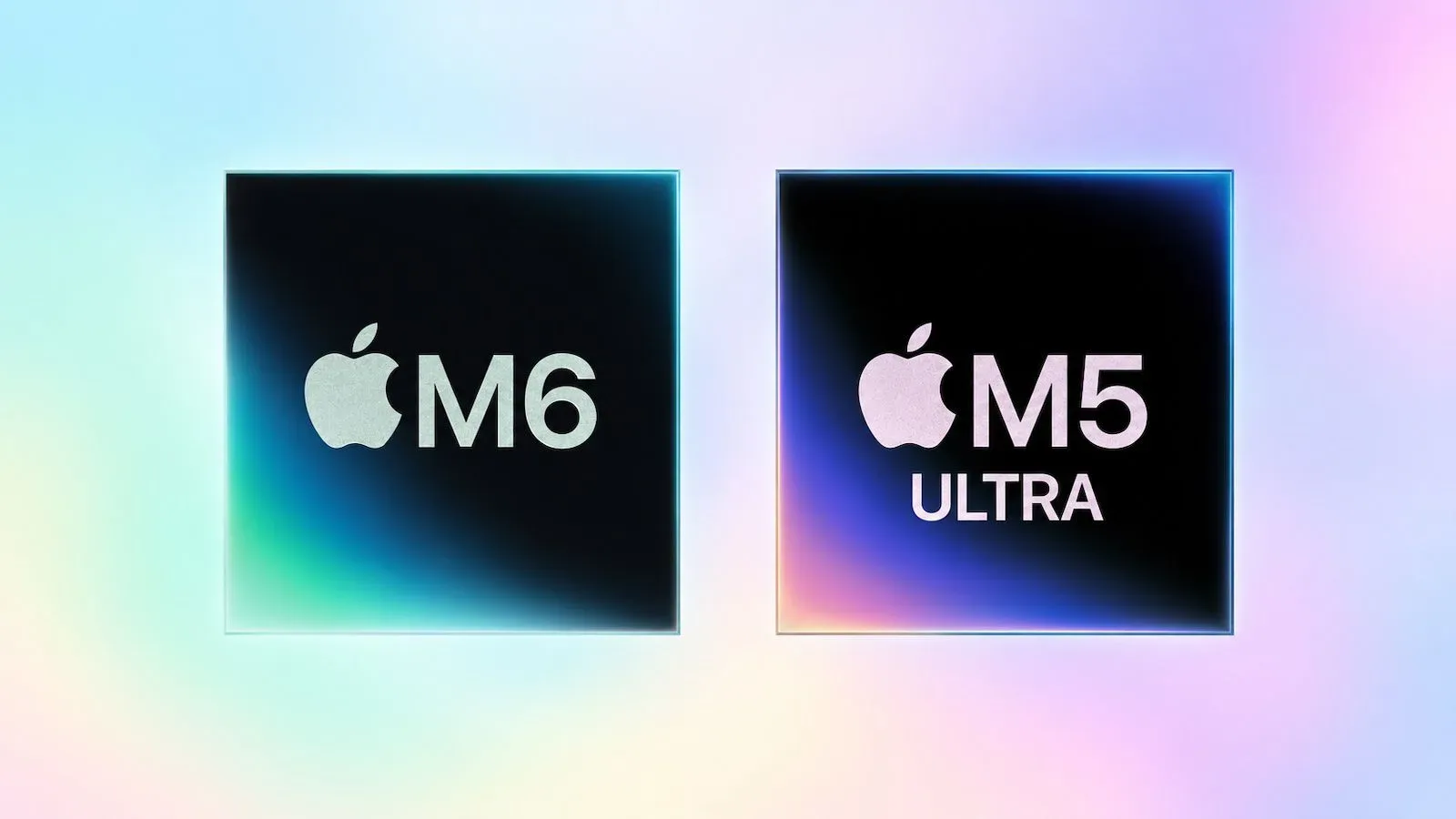
The refreshed Mac mini can be configured with either an M6 chip or an M5 Pro chip. The new Mac Studio, positioned as the higher-end desktop in the pair, is available with M5 Max and M5 Ultra chip options. Apple has described this generation as a specifications-focused update: buyers should not expect major exterior changes to either system.
What is changing in the two desktop lines
The central distinction is the chip selection rather than the chassis. The Mac mini’s options are M6 and M5 Pro, while the Mac Studio’s are M5 Max and M5 Ultra. These names describe different members of Apple’s in-house processor family, commonly called Apple silicon.
A system on a chip, or SoC, combines key computing components into a single package. In broad practical terms, that means the processor choice is especially important when ordering a compact desktop: it defines the machine’s performance tier and is the meaningful upgrade in a release where the physical design remains the same.
There is also an immediately noticeable naming wrinkle. The Mac mini has an M6 option alongside an M5 Pro option, whereas the Mac Studio stays within the M5 Max and M5 Ultra family. Model numbers alone do not settle which configuration is best for every task. The “Pro,” “Max,” and “Ultra” labels identify different product tiers, so a prospective buyer should compare the exact configuration they are considering instead of treating the highest number in the name as a universal answer.
Mac mini or Mac Studio: start with the role, not the refresh cycle
With no major design revision reported for either machine, the decision is less about choosing a newly shaped desktop and more about matching the chip class to the work a computer needs to handle. The Mac mini remains the model with M6 and M5 Pro options; the Mac Studio is the route to M5 Max and M5 Ultra.
That distinction matters for PC and game-adjacent creative use. A desktop used for playing games, capturing footage, editing clips, working with large media projects, or running multiple demanding applications can have very different requirements. The available information does not provide benchmark figures, game-performance results, port changes, memory specifications, or storage capacities for these models. It would therefore be premature to declare a specific configuration the best pick for a particular game or production workload.
Instead, shoppers can use the announced lineup as a sensible first filter:
- Mac mini shoppers are choosing between M6 and M5 Pro configurations.
- Mac Studio shoppers are choosing between M5 Max and M5 Ultra configurations.
- Buyers expecting a new look or a different physical setup should note that this is not being presented as a major design overhaul.
For people replacing an existing desktop, the lack of external changes could be good news. It narrows the question to whether the new internal hardware is worth the move, rather than requiring a rethink of desk space or a familiar setup. For first-time buyers, it places extra weight on selecting the appropriate chip option at the start.
Why a spec-bump release can still matter
“Spec bump” is shorthand for a refresh that emphasizes internal components over a redesigned enclosure. It can sound modest, but it is a useful description here. A stable design does not mean a stable level of performance; it means the headline change is under the hood.
Apple has separately characterized M6 as its first 2nm chip, while M5 Ultra has been presented as the company’s most powerful chip to date. Those descriptions explain why the September 22 launch is more consequential than the unchanged exterior might suggest. The Mac mini receives access to a new M6 option, and the Mac Studio reaches the M5 Ultra tier.
Technical marketing terms are worth reading carefully. 2nm refers to a semiconductor process-generation label, not a literal promise that every element of the finished chip measures two nanometers. It signals the manufacturing technology associated with the processor. Meanwhile, “most powerful” is a broad positioning claim, not a substitute for workload-specific measurements. A video export, a 3D scene, a code build, and a game can stress hardware in different ways.
For that reason, release-day comparisons and independent tests will be most useful once they identify the exact Mac model and chip configuration. The currently available details establish the product tiers and launch timing, but they do not establish how every option will perform in each real-world application.
What gamers and creators should avoid assuming
A powerful desktop chip is only one part of a gaming setup. Game availability on macOS, application optimization, display choices, controllers, storage, and capture hardware can all affect the practical experience. Nothing in the announced refresh indicates that every game will run on macOS, or that a new Mac automatically replaces a dedicated game console or Windows gaming PC for every library.
The same caution applies to storage. Faster internal storage can be valuable for projects and large files, but buyers should wait for confirmed configuration details when comparing models. For readers tracking that aspect of the Mac Studio refresh, the discussion around SSD speed and the M5 Ultra is a useful related angle.
SSD means solid-state drive: the storage component that holds applications, games, project files, and the operating system. It is distinct from the processor. A machine’s overall responsiveness and a creator’s workflow can involve both, but the supplied launch details only confirm the new chip choices and the absence of major design changes. They do not provide a full storage specification list.
September 22 is the key date for pre-order customers
Both systems have been available to pre-order since August 25. The September 22 date marks their launch, making it the first point at which pre-order customers should expect the new Mac mini and Mac Studio generation to begin arriving through normal launch channels.
Before placing an order—or deciding whether to keep one—buyers should make a short, specific checklist. Confirm which desktop class they actually need, identify the exact chip option in the order, and separate confirmed details from assumptions based on the chip name. It is also prudent to verify the storage, memory, display, and peripheral requirements relevant to an individual desk setup, since those details are not covered by the announcement summary.
The bottom line is straightforward: Apple is updating its compact and professional desktop range with new M-series silicon rather than new industrial designs. The Mac mini receives M6 and M5 Pro options; the Mac Studio receives M5 Max and M5 Ultra options. With launch set for September 22, the important comparison is not the exterior of these Macs, but the configuration inside each one and whether it matches the work—and games—a buyer actually plans to run.