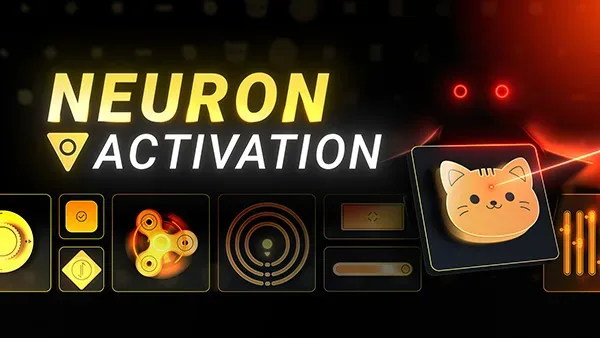
Neuron Activation, a fast-moving collection of interactive micro-challenges from solo developer DR Studio and publisher Pretty Soon, is now available on Steam. It is priced at $6.99, £5.69, €6.79 and ¥23.49, with a 15% launch discount scheduled for its first two weeks.
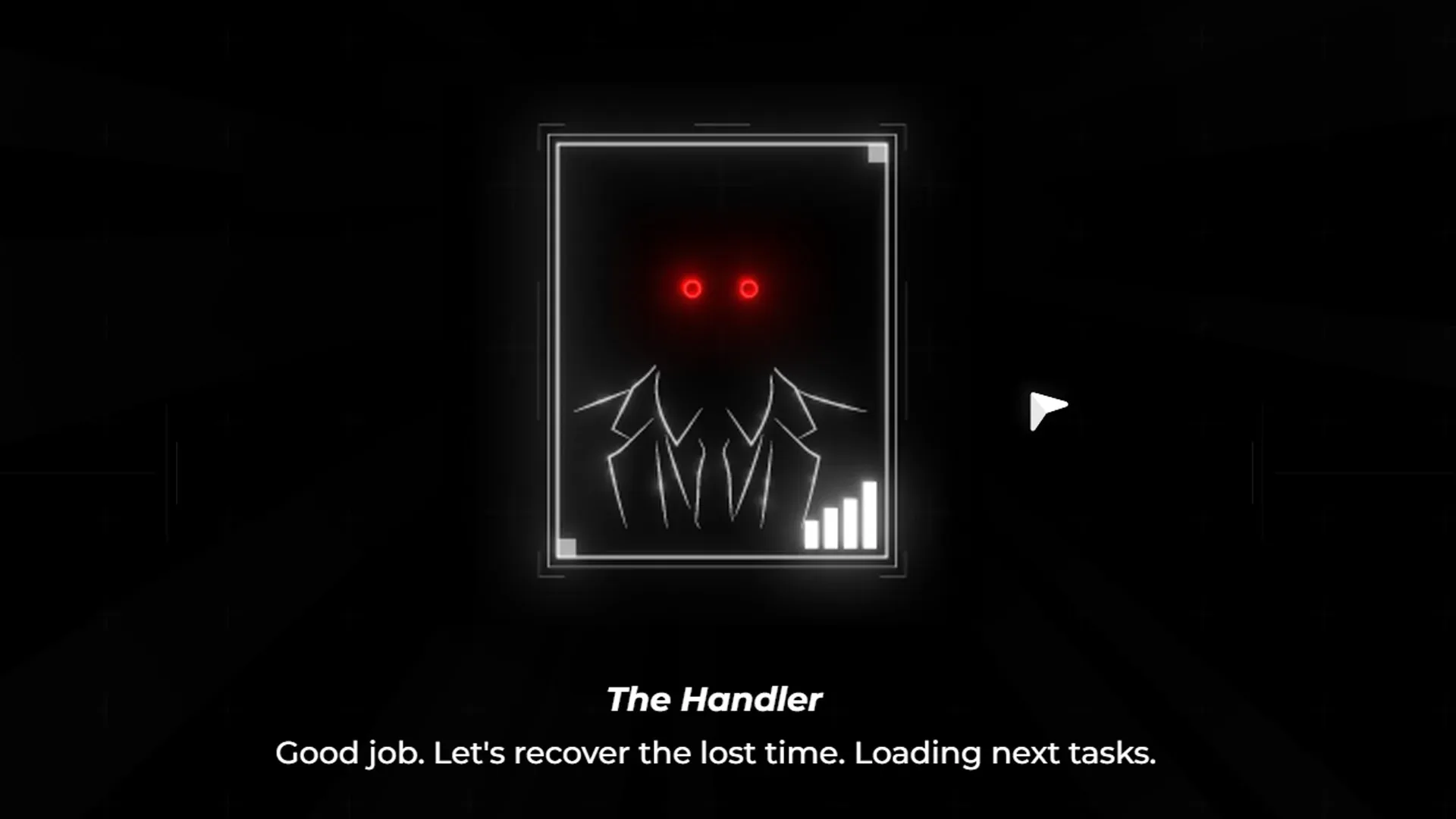
The pitch is intentionally immediate: push a button, flip a switch, drag a slider, shoot a target, then move on before the next small job demands attention. But the game is not positioned simply as a loose bundle of virtual desk toys. Its more than 80 challenges build toward multitasking pressure, high-score optimization and a narrative about an unsettling workplace run by a figure known as The Handler.
That combination gives Neuron Activation two potentially very different appeal points. One is the simple tactile pleasure of quickly responding to a changing panel of controls. The other is a psychological-thriller thread in which players receive assignments, face increasingly strange work, and make choices about how far they are prepared to follow orders.
A digital control panel built for constant input
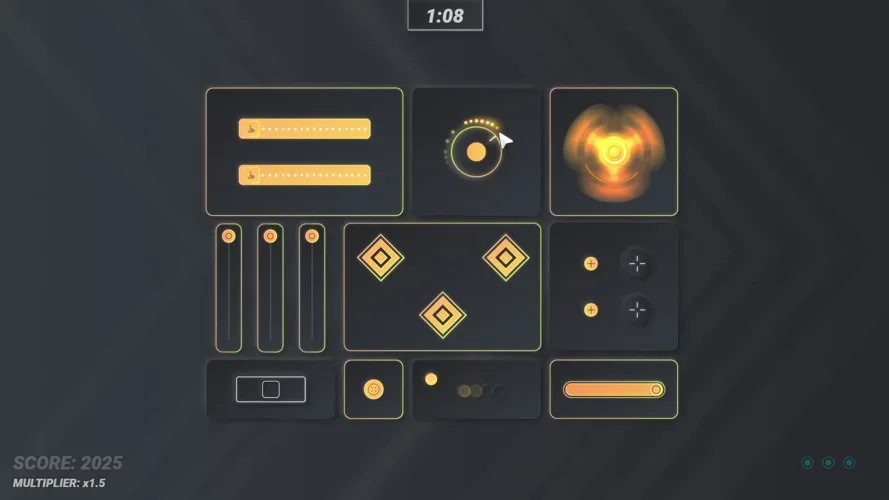
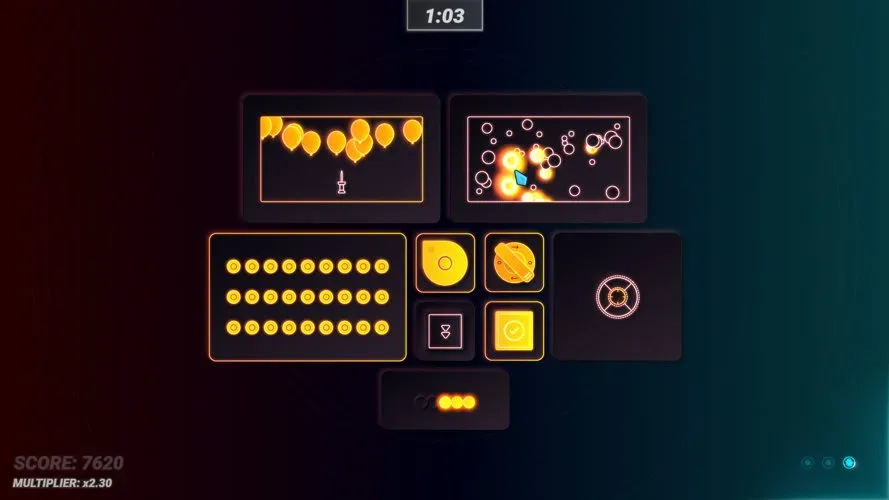
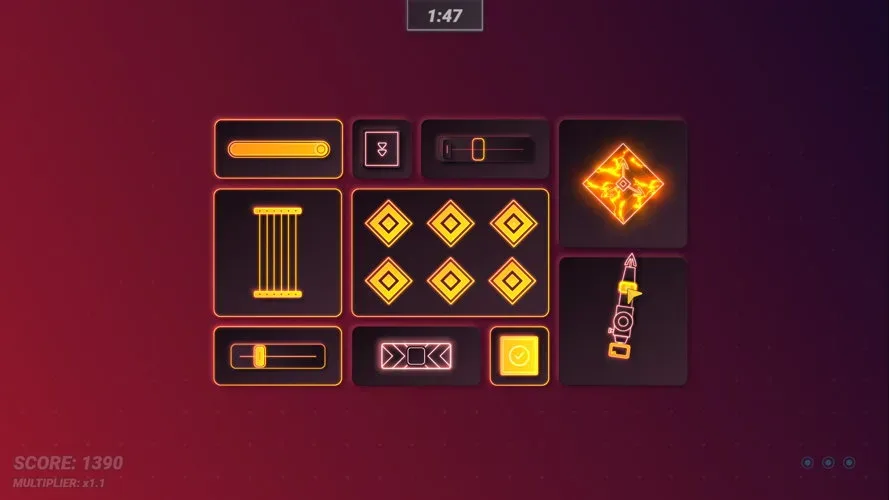
Neuron Activation revolves around short interactions rather than a single complicated ruleset. Its listed activities include pressing buttons, operating switches, moving sliders and shooting targets. The intended rhythm is speed and efficiency: players complete an action, identify the next demand and continue cycling through tasks as the control-panel workload grows.
The game describes this approach as a digital fidget box. In practical terms, that means its central satisfaction is meant to come from interaction itself: the feeling of a control reacting immediately, the visual and audio acknowledgement of a task being completed, and the momentum of moving directly into another prompt. The premise does not require a player to learn an elaborate system before engaging with it, which is why the main game is described as easy to learn.
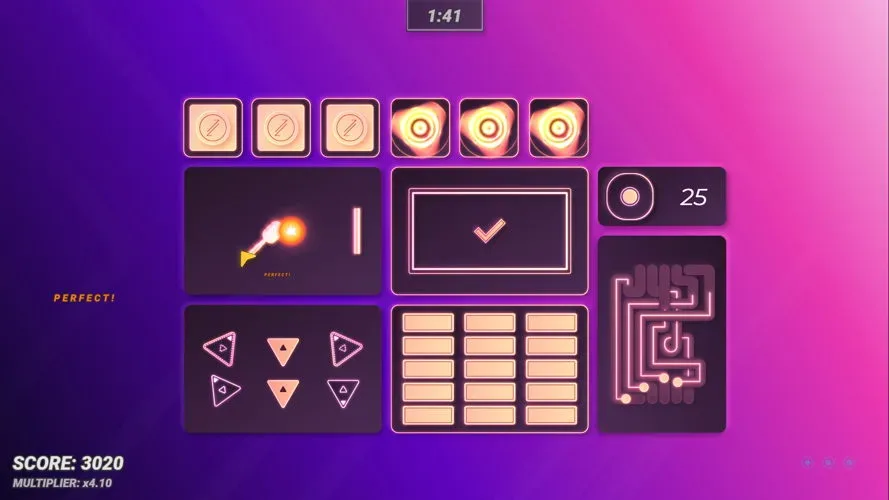
That accessibility does not necessarily mean there is no depth. Neuron Activation uses score multipliers and chaining mechanics, two terms that matter for anyone interested in its competitive side.
- A score multiplier increases the value of successful actions, making consistent performance worth more than isolated successes.
- A chain is a sequence of successful actions maintained without breaking the required flow. Chaining generally turns accuracy, timing and prioritization into the core skills behind a bigger score.
- Optimization here means refining how tasks are handled: recognizing priorities, reducing wasted movement or hesitation, and preserving the conditions needed for stronger scoring.
Those systems put more weight on repeat runs than a one-and-done minigame collection would. A player can understand an individual task quickly but still have room to improve at handling several inputs while maintaining a productive chain. As more controls compete for attention, the game’s challenge is expected to shift from recognizing what a switch or slider does to deciding what needs to be done first.
Multitasking is the point, not a distraction from it
The game’s growing control-panel chaos is a key part of the design. Rather than treating each micro-challenge as a fully separate level, Neuron Activation frames them as demands arriving within a larger, increasingly busy interface. That makes attention management central to play.
Related coverage includes Neuron Activation Launches on Steam With 80+ Micro-Challenges.
For score-focused players, the immediate question will be whether they can keep their responses clean while the panel becomes more crowded. A task that is trivial alone can become difficult when other signals, targets and controls are also requesting a response. The tension comes from that overlap: acting quickly enough to protect momentum without acting so carelessly that the chain ends or a higher-value scoring opportunity is lost.
This also explains why the game’s “dopamine-filled” framing should not be read as a promise of a specific medical or psychological effect. It is descriptive language for a rapid-reward design: frequent, small actions paired with feedback and an incentive to continue. Players looking for a high-intensity score loop may find the multiplier and chain structure more relevant than the label itself.
Sound also appears to be an important part of the intended feedback loop. Commentary highlighted the game’s sound design and soundtrack as major contributors to its atmosphere and intensity. That does not establish how every player will respond, but it does underline that Neuron Activation is designed as an audiovisual interface experience, not merely a set of silent tasks to click through.
The Handler turns the fidget-box premise into a thriller
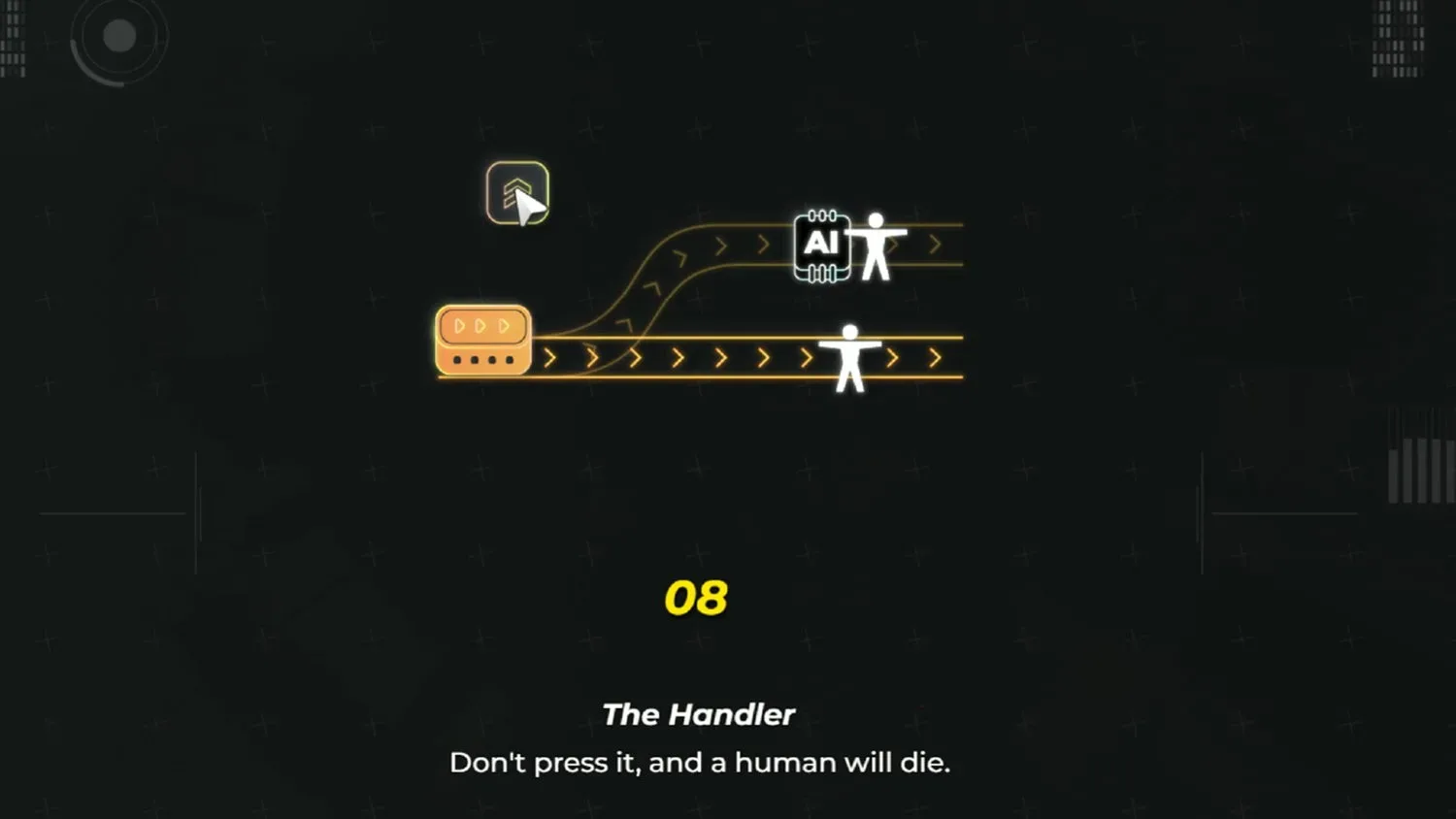
The strangest part of Neuron Activation is what lies beneath its busy panel of tiny interactions. As players advance, assignments from The Handler reveal a corporate nightmare with a psychological-thriller tone. The concept evokes a workplace structure in which compliance is expected, the instructions become more bizarre, and the person issuing them is watching.
The narrative is not presented as a separate adventure placed alongside the score mode. Instead, it is woven into progression through the tasks. That matters because it changes the possible meaning of the game’s mundane actions. Pressing a button or fulfilling an instruction can begin as a harmless piece of interactive busywork, while the story asks whether continued obedience is still harmless once the work becomes stranger.
The game says player choices matter, although the available details do not specify the number of branches, possible outcomes or the exact consequences attached to those decisions. It is therefore safest to treat the choice system as a narrative element rather than assume a particular style of branching campaign. What is clear is the intended dilemma: The Handler gives orders, and players must decide how far to go.
That premise gives the game a contrast that could distinguish it from a purely relaxing digital toy. The controls may feel inviting and satisfying, but the narrative can reframe the act of carrying out instructions as part of an increasingly uncomfortable situation. In other words, the friction is not just mechanical—keeping up with many tasks—but thematic, too: why is this work being requested, and what does it mean to comply?
Zen Mode offers an alternative to score pressure
Not every player will want the escalating panel chaos or the incentive to keep a multiplier alive. Neuron Activation includes a Zen Mode for pressure-free interaction. The stated aim is calmer fiddling, offering a route into the game’s tactile buttons, switches and sliders without the same emphasis on high-score performance.
That option is especially relevant because the main design has two distinct attractions. Some players may want to optimize every movement, learn how the micro-challenges fit together and pursue longer chains. Others may simply want to interact with the controls at their own pace. Zen Mode acknowledges that the appeal of a digital fidget box can be the act of manipulating an interface, even when no leaderboard-style objective is involved.
It also means prospective players should think about which aspect of the game sounds most appealing before buying. Those seeking a challenging score chase have the multiplier, chain and multitasking framework. Those more interested in brief, tactile interactions have a mode built around removing pressure. Players drawn to odd workplace fiction have The Handler’s story and choice-driven framing. The same package is aiming at all three, but each player may spend time in it for a different reason.
What to know before picking it up
Neuron Activation is a PC release on Steam, and its stated launch pricing is $6.99 / £5.69 / €6.79 / ¥23.49 before the temporary 15% discount is applied. The discount window is listed as the first two weeks following launch. Anyone tracking the day’s PC arrivals can also see our October 30, 2026 game release roundup.
Based on the available information, prospective players should expect a game structured around dozens of compact challenges rather than a conventional long-form campaign. Its replay-oriented side comes from improving scores through multipliers and chains, while its story supplies a darker context for progression. The precise scope of its narrative choices and the detailed makeup of every challenge have not been outlined, so those are elements best discovered through the game itself rather than assumed from the premise.
For a first look at the presentation and pace, a release-date trailer is available. The broader proposition is straightforward: Neuron Activation wants hands and attention constantly occupied, then uses that restless interactivity as the foundation for both competitive score play and a corporate horror story about the risks of doing exactly what you are told.