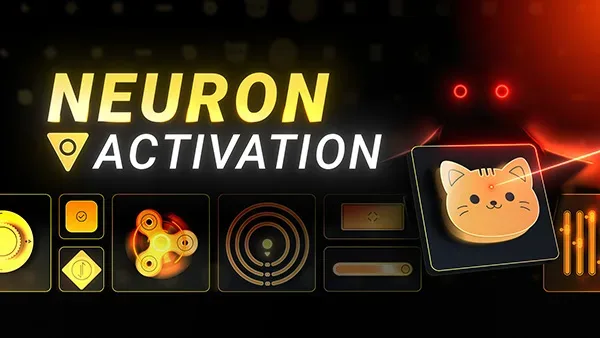
Neuron Activation, the upcoming game from developer DR Studio and publisher Pretty Soon, is scheduled to launch on Steam on October 28. Its central hook is refreshingly direct: a screen full of things that look made to be pressed, toggled, dragged and otherwise fiddled with—and a growing reason to question why the player is doing any of it.
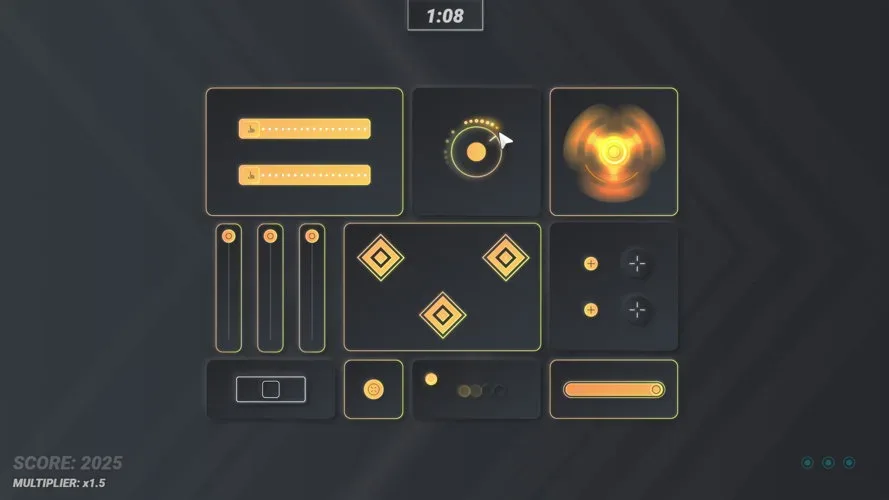
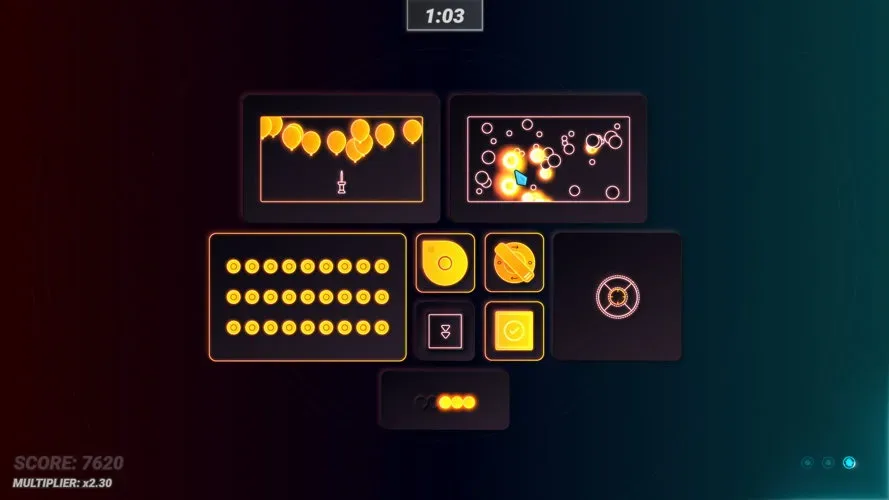
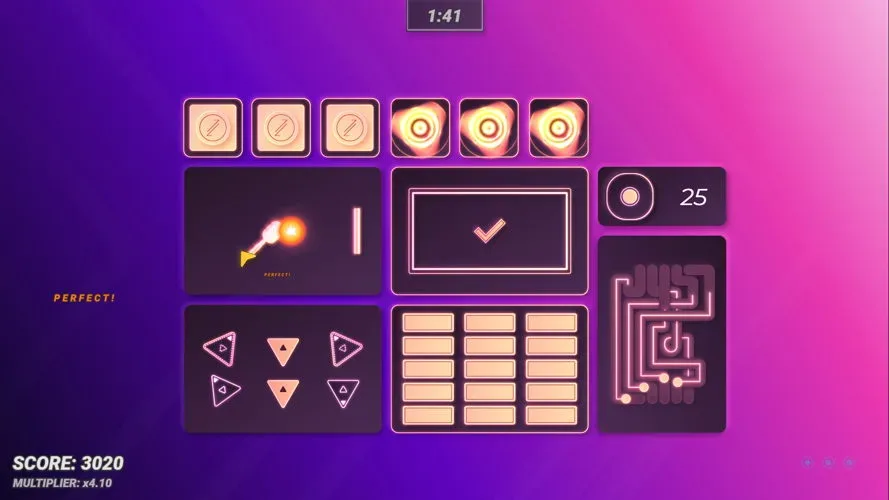
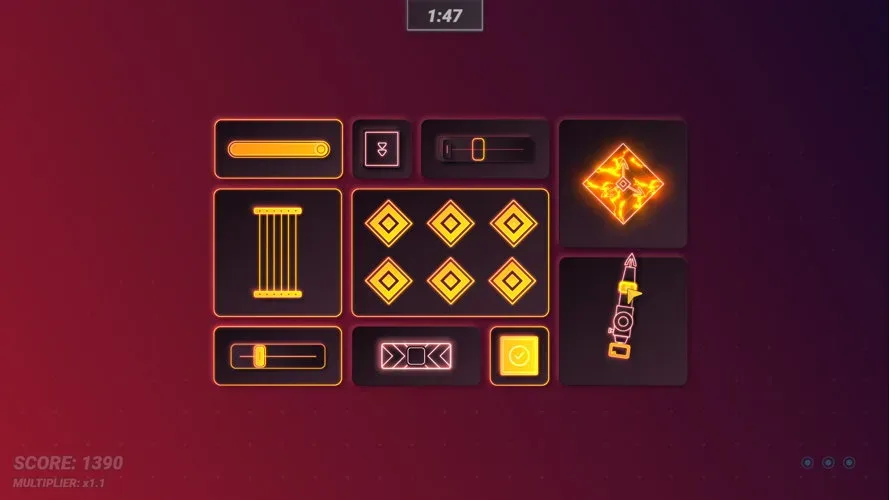
The game frames itself as a digital fidget box wearing puzzle-game clothing. Players will be asked to push buttons, flip switches, move sliders and shoot targets across more than 80 short interactive challenges. The stated objective is not merely to finish those tasks, but to do so quickly and efficiently as the game’s control panel becomes increasingly busy.
That makes Neuron Activation a game built around immediate input feedback. A micro-challenge, in this context, is a brief task designed to be understood and completed quickly rather than a long-form puzzle requiring a large ruleset. The appeal is in recognizing an action, carrying it out, and moving on before the next demand arrives. It is a structure that can turn mundane interface actions into the main event—provided the game can keep the escalating pace readable.
A puzzle interface with a more unsettling assignment underneath
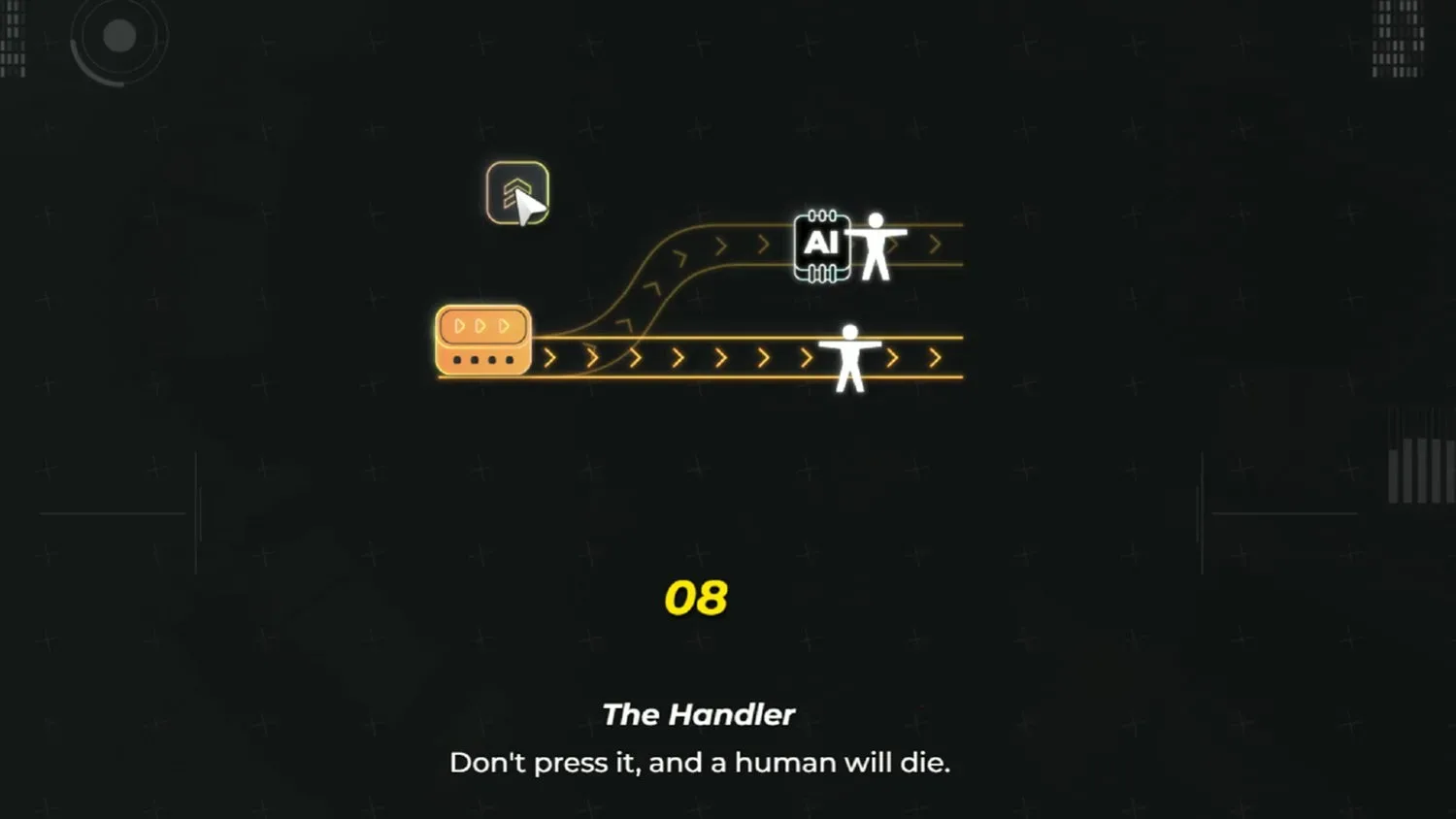
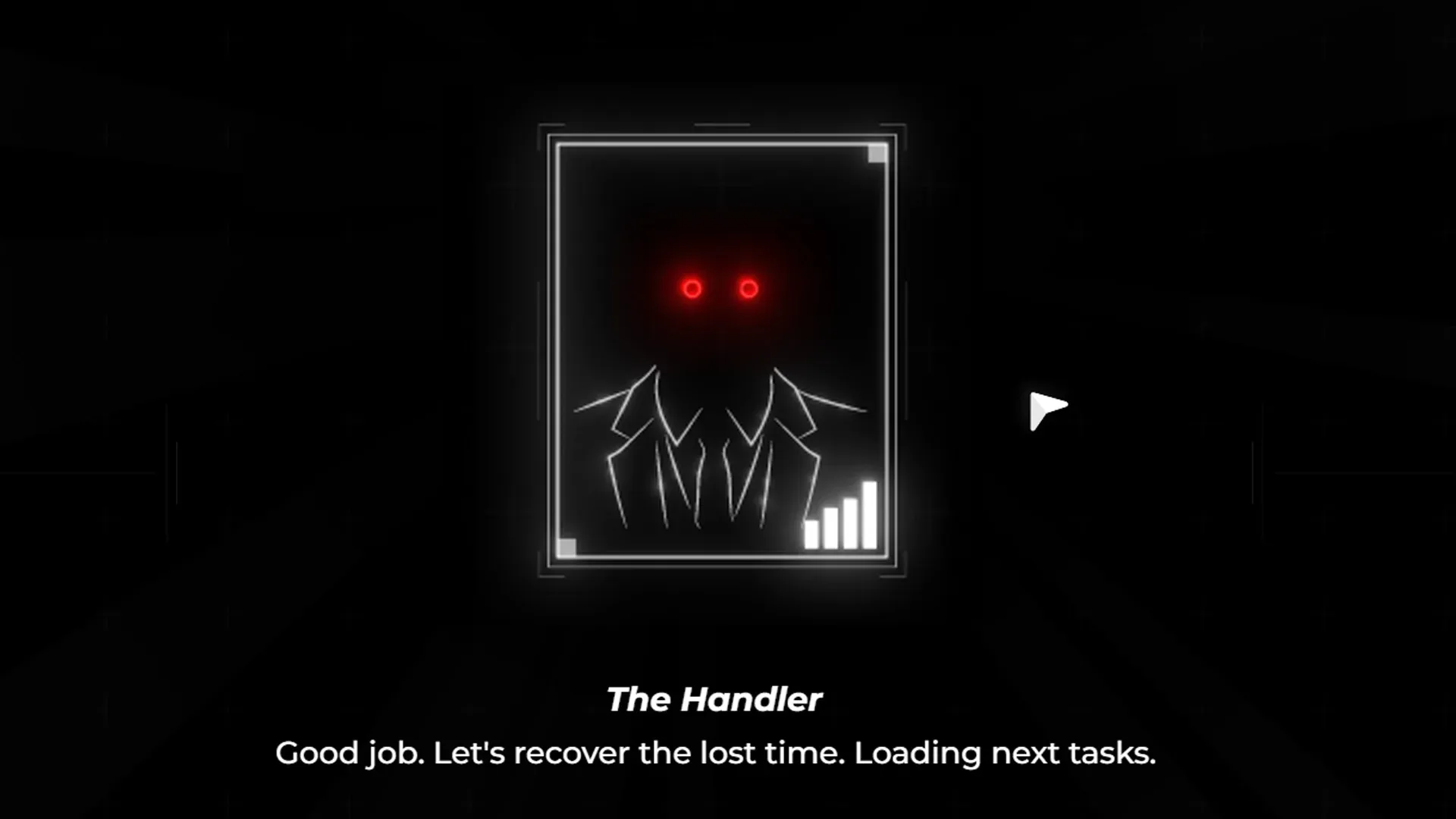
The mechanical layer is only one side of Neuron Activation. Its story mode develops into a psychological thriller involving instructions from a figure known as The Handler. These assignments reportedly grow stranger over time, placing the player in a position where they must choose whether to comply or resist.
The idea gives the fast-paced interaction a potentially sharper purpose. Button presses and switches are ordinarily neutral pieces of game language: they open doors, activate machinery, confirm choices. Here, the question is whether the act of efficiently following orders becomes part of the tension. The game’s premise suggests that it wants players to feel the comfort of completing a small task while simultaneously becoming less comfortable with the larger pattern those tasks form.
The Handler is described as a watching boss, a detail that reinforces the sense of surveillance and authority at the center of the story. Importantly, the available information does not establish exactly how the game’s choices branch, how many outcomes exist, or what consequences come from resistance. What is confirmed is that obedience versus pushback is a meaningful part of the experience rather than simply background flavor.
That contrast—busywork satisfaction against a mounting psychological unease—is the notable part of the pitch. The game is not presented solely as a score-chasing set of tiny tests, nor solely as a narrative thriller interrupted by minigames. Instead, its rapid tasks and its story premise appear intended to reinforce each other: the player’s willingness to keep interacting is itself part of the setup.
What the moment-to-moment play appears to involve
Neuron Activation’s challenges draw from familiar desktop and controller-friendly actions. Players can expect buttons to press, switches to operate, sliders to drag and targets to shoot. Those basic verbs may sound simple in isolation, but the game’s stated emphasis on multitasking points to the real complication: several demands can compete for attention as the control panel grows more chaotic.
Related coverage includes Neuron Activation Sets October 28 Steam Release With 80+ Micro-Challenges.
Multitasking here means managing multiple active prompts or actions rather than solving one isolated puzzle at a time. That can test prioritization as much as reflexes. A player may need to notice a new target while manipulating a slider, or decide what must be handled first when the interface fills up. The supplied details do not specify scoring systems, failure conditions, accessibility settings or individual challenge types beyond the core interactions, so expectations should remain focused on this broad rapid-response format.
The phrase “dopamine-powered” is a description of the intended sensation, not a clinical claim. It evokes short, rewarding feedback loops: an action is obvious, input produces a response, and completion clears the way for another task. In practical terms, the game seems aimed at people who enjoy tactile, immediate interactions rather than slow deliberation alone. The thriller framing may also make it appealing to players who want that satisfaction to have a more unnerving narrative context.
There is a useful tension in that design. Efficiency games generally reward speed and clean execution, while story choices often encourage the player to stop and consider what they are being asked to do. Neuron Activation’s premise puts those impulses in the same space. Whether that pressure produces a compelling rhythm will depend on the final game’s pacing, but the core concept is clear: get comfortable operating the machine, then wonder whether comfort is the trap.
Demo, Steam Next Fest and platform details
A demo is currently available as part of Steam Next Fest. Its Steam user feedback is listed as 100% positive, though that figure should be read in the narrow context of the demo’s feedback at the time it was reported, rather than as a guarantee of how the complete release will be received.
Demos are especially useful for a concept like this because so much rests on feel. Descriptions can explain the actions—pressing, dragging, toggling and targeting—but they cannot fully communicate the timing, visual clarity or satisfaction of a compact interaction loop. Anyone intrigued by the mixture of tiny tasks and a darker narrative setup can use the demo to judge whether the game’s tempo and interface click for them.
The full release will include Steam Deck support, including touch controls. That matters for a game centered on direct manipulation. Touch input could be a natural match for switches, sliders and button presses, while the Deck’s standard controls provide an alternative for players who prefer physical inputs. The announcement does not detail whether every task can be completed identically across control methods, but it confirms touch as a supported option rather than an afterthought.
The story mode is expected to take roughly three hours and 30 minutes to complete. That places Neuron Activation in a concise range, suited to a focused playthrough rather than a sprawling time commitment. It also puts additional weight on replayability and the impact of its choices, although no specific replay structure, route count or ending count has been confirmed.
What to keep in mind before release
- Release date: Neuron Activation is set for Steam on October 28.
- Developer and publisher: DR Studio is developing the game, with Pretty Soon publishing.
- Core format: More than 80 fast interactive micro-challenges involving actions such as button presses, switches, sliders and targets.
- Narrative premise: The Handler’s increasingly bizarre assignments lead to choices about obeying or resisting.
- Estimated length: Story mode is expected to take about three and a half hours.
- Steam Deck: Full support is planned, including touch controls.
- Try before launch: A Steam Next Fest demo is available now.
For PC players looking across the broader release calendar, Joking Joystick is also tracking games releasing today on October 15, 2026. Neuron Activation’s October 28 arrival stands apart through its focus on making ordinary interface interactions feel both gratifying and increasingly suspicious.
A release-date trailer is available, offering another look at the game ahead of launch. For now, the clearest expectation is a compact Steam title that turns the compulsion to clear notifications, hit switches and tidy an unruly control panel into both its mechanical engine and its story’s source of discomfort.