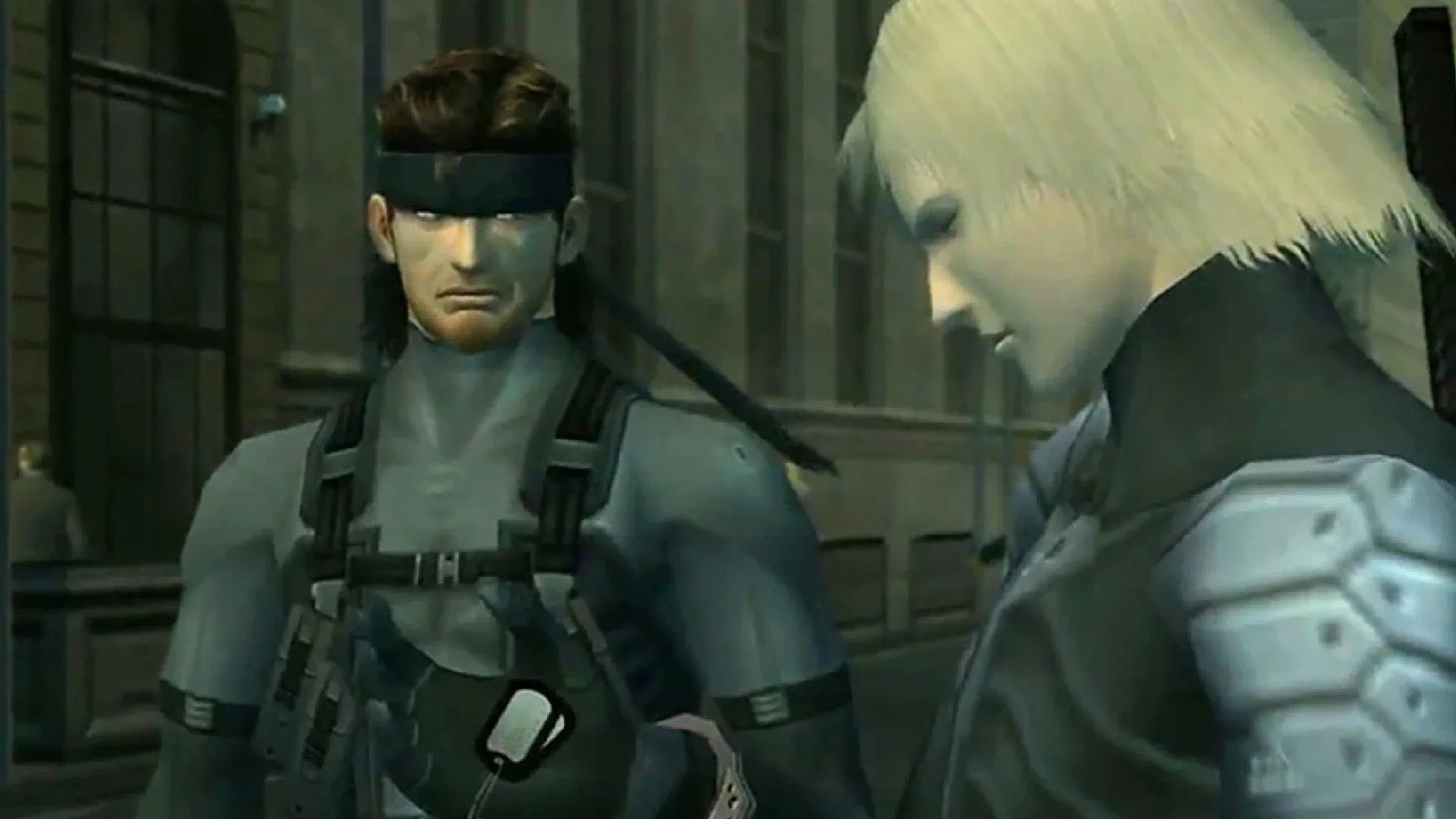
A work-in-progress virtual reality mod for Metal Gear Solid 2’s Master Collection release has chosen a remarkably appropriate place to start: Solid Snake’s tanker prologue. Creator Shiffo has shown the complete opening mission running in VR, with options to retain the game’s usual third-person presentation or switch to a first-person view.
The mod is not yet a full-game conversion. Shiffo has indicated that a beta is planned “soon,” while the footage currently concentrates on the tanker chapter. The later Big Shell section, led by Raiden and comprising most of Metal Gear Solid 2, has not been shown as playable in the mod.
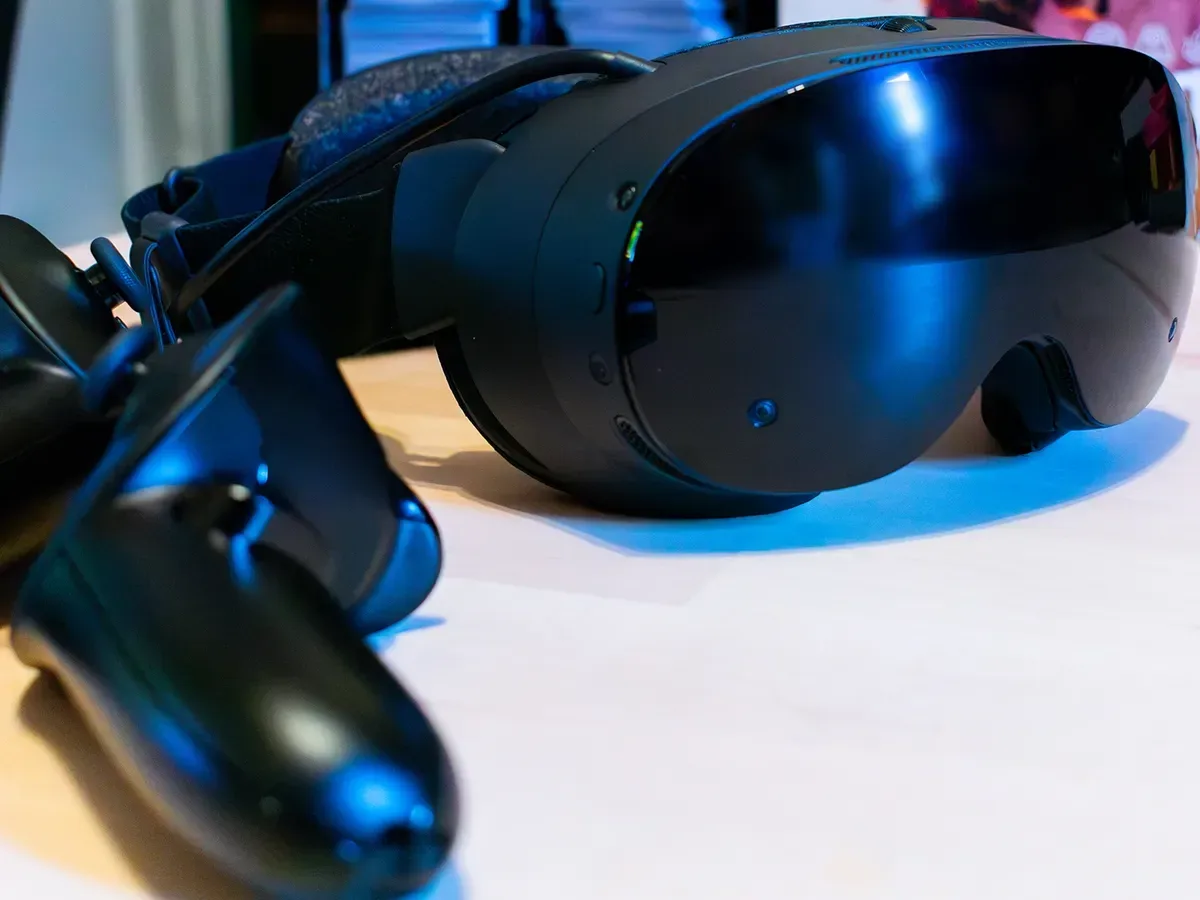
That incomplete status matters for the practical question of what is available: viewers have been shown a functioning VR version of the tanker mission, not confirmation of a finished VR adaptation of every campaign chapter. Details such as supported VR hardware, installation steps, performance requirements, and a precise beta date have not been provided here. Anyone interested should therefore treat this as a promising mod demonstration rather than assume a full release is already available.
What the mod changes
In ordinary play, Metal Gear Solid 2 is principally a third-person stealth game. The player watches Snake or Raiden from a camera placed behind and above the character, using that angle to monitor enemy positions, paths, cover and the surrounding space. The VR mod preserves that basic presentation as one option.
For more context, explore FC Mobile code for September 2026: redeem a 117 OVR Zlatan Ibrahimovic card.
It also offers a fully first-person approach. First-person perspective means the player sees the environment from the character’s viewpoint rather than from an external camera. In a VR context, that change is more than a camera setting: the game world is presented around the player through a headset, making spatial scale, sightlines, corridors and surveillance feel substantially more immediate.
Shiffo’s video demonstrates a run through the entire tanker mission in this format. For a stealth sequence built around entering a confined vessel, moving through guarded interiors and observing events without being seen, VR creates a direct sense of proximity. That does not automatically mean it is the definitive way to play; third-person cameras can be especially useful in stealth games because they provide awareness beyond the character’s immediate field of view. But the mod’s inclusion of both viewpoints gives players a choice between familiar readability and a more embodied perspective.
The project is especially notable because VR is not merely a technological fit for a classic stealth game. It also echoes a central idea within Metal Gear Solid 2 itself: a character whose understanding of covert operations has been shaped by simulated missions.
Spoiler context: why the tanker is the ideal chapter
Mild story spoilers for Metal Gear Solid 2 follow.
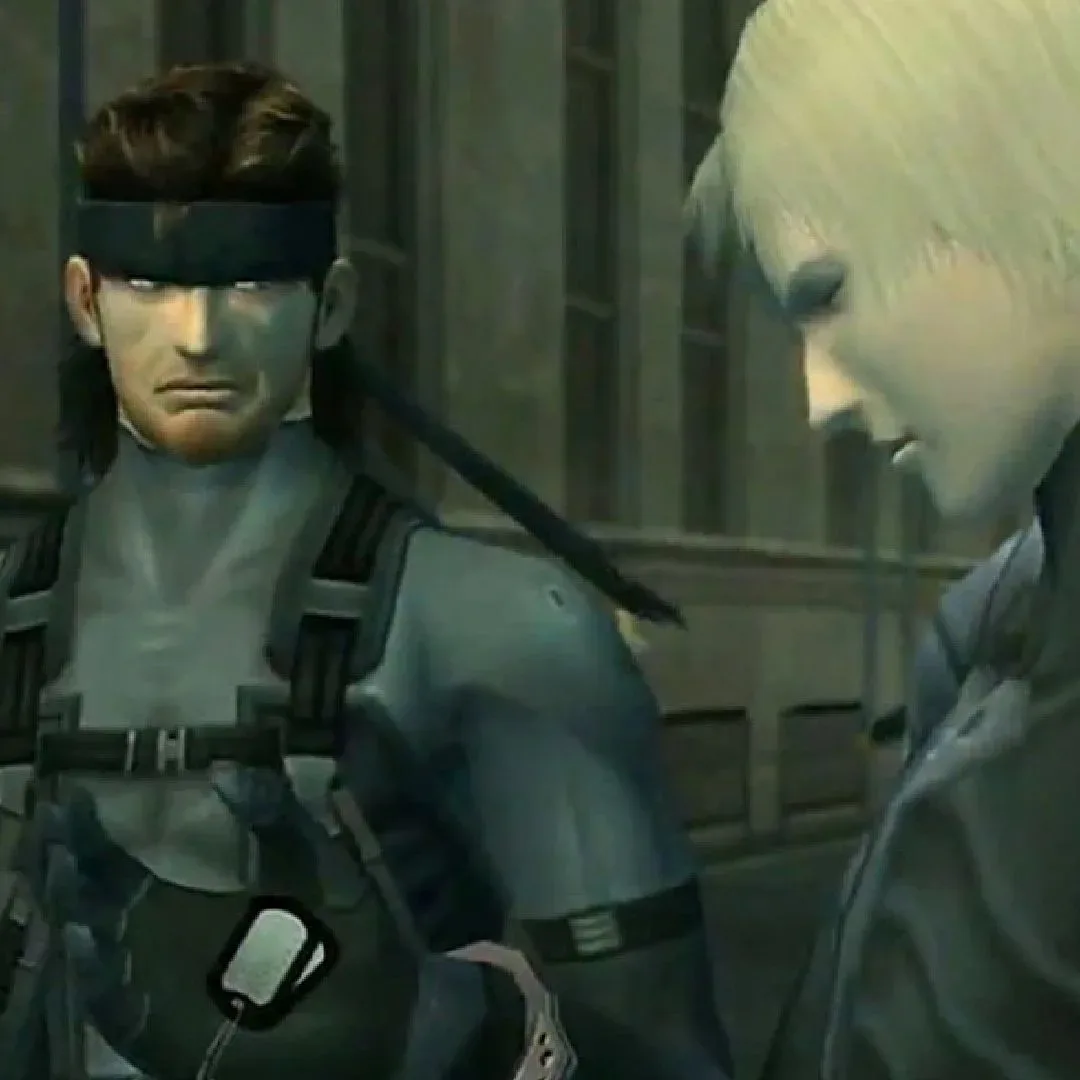
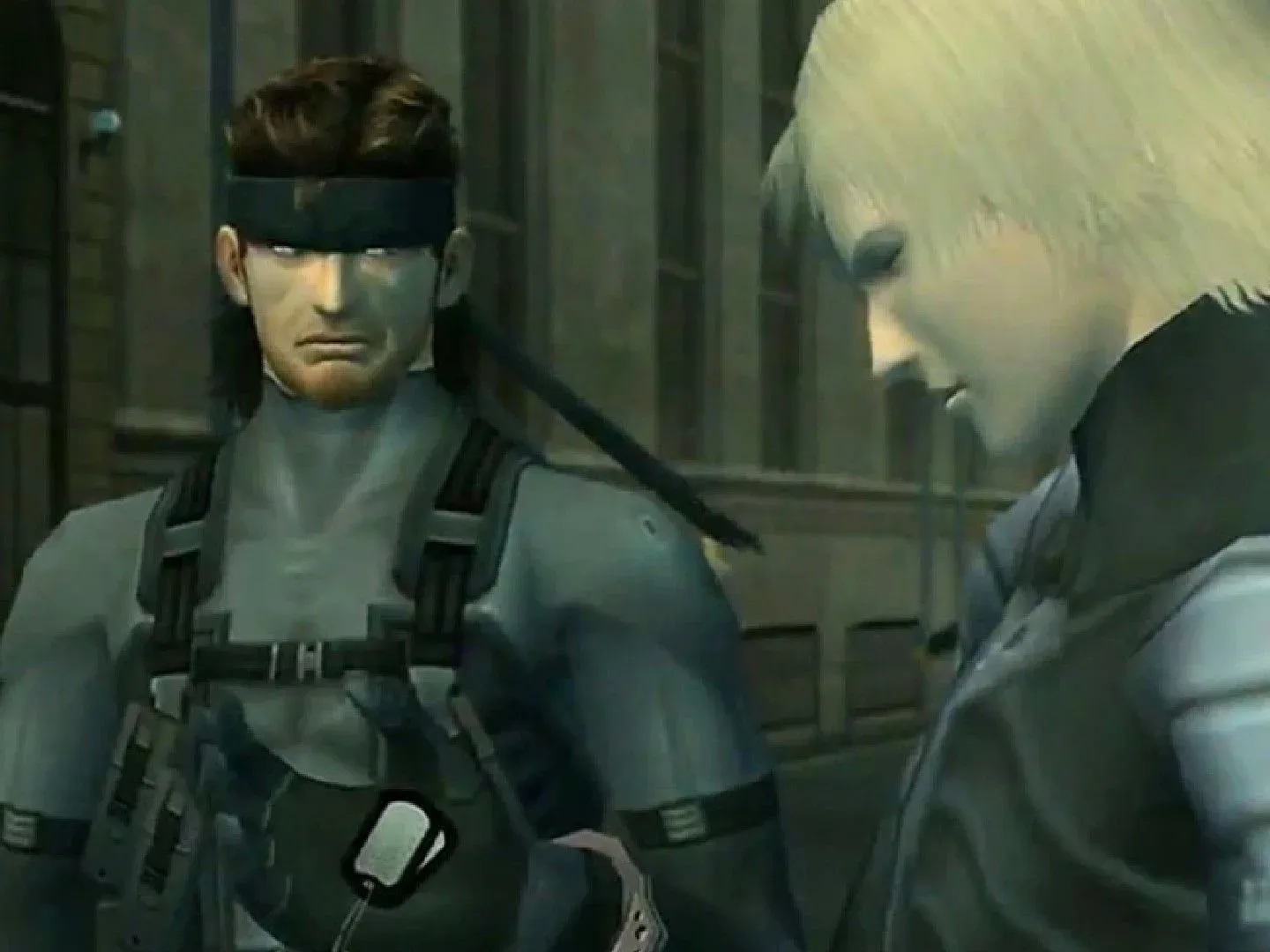
Before Raiden infiltrates the Big Shell during the plant chapter, he tells Iroquois Pliskin that he completed hundreds of VR missions as preparation for his real assignment. Those simulations included the Shadow Moses incident from the first Metal Gear Solid and the tanker chapter that opens Metal Gear Solid 2.
This is where the new mod’s narrow focus becomes striking. Players of the series have long been positioned as people who learn stealth-game habits through simulated spaces: memorising patrol patterns, testing how guards react, watching radar information and completing staged objectives. Raiden has been doing something related inside the fiction. His training is not simply backstory; it helps make the player’s own familiarity with the series part of the game’s thematic machinery.
The tanker section is therefore an unusually clean bridge between player and protagonist. A player entering that chapter through a VR headset is literally undertaking an approximation of a mission that Raiden says he experienced in virtual reality. It is not a one-to-one match—Raiden’s fictional simulations and a real-world headset mod are different things—but the parallel is difficult to miss.
There is another wrinkle. Pliskin resembles Solid Snake, yet Raiden is told that Snake died on the tanker two years earlier. The tanker’s place in Raiden’s training, and the uncertain public account of what happened there, makes the chapter part of the game’s larger tension between experienced events, retold events and simulated events.
Simulation is not the same as the event
The mod’s premise also works because Metal Gear Solid 2 does not present VR training as perfect historical reproduction. Snake challenges Raiden’s confidence in what his VR mission represents, saying that he doubts it accurately recreates the actual operation.
The distinction has concrete narrative weight. Snake is said to have destroyed the tanker himself, yet that is not what occurs in the playable prologue. The game lets players see the operation’s events directly, creating a gap between the official story Raiden has been given and the version experienced by Snake—and by the player.
That makes it too simple to declare the tanker mission itself definitively one of Raiden’s simulations. Some players have speculated in that direction, and the setup encourages the question. But the game also supplies reasons to be cautious about collapsing every version of the mission into one account. Raiden’s training is explicitly called into doubt, while the playable opener presents what happened differently from the story told about Snake.
For the VR mod, that ambiguity is a feature rather than a problem. It turns the act of replaying the tanker into a fresh version of the same uncertainty: the player is not recovering an unquestionable historical record, but experiencing a virtual rendition of an already contested operation. The result is a meta-textual fit—meaning the format of the experience reflects an idea explored by the work itself—rather than simply a visual novelty.
Why the absent plant chapter is oddly appropriate
A complete VR version of Metal Gear Solid 2 would naturally need to include Raiden’s Big Shell mission. It is the bulk of the game, and the story’s most direct focus on Raiden’s real assignment. Its absence means the project is currently limited in scope.
Yet the tanker-only build has an accidental elegance. The chapter available in VR is the same one Raiden identifies among his simulated exercises. The chapter not yet available is the one framed as his actual field operation. Whether or not that juxtaposition was deliberate on the modder’s part, it produces an unusually neat boundary between simulation and mission.
It also helps avoid overstating what the mod is. This is not evidence that the game’s whole story is being rewritten as a VR experience, nor proof that every sequence will receive the same treatment. It is a demonstrated conversion of the opening mission, with a future beta planned and broader campaign support still unconfirmed.
What players should take from the showcase
The immediate appeal is straightforward: the tanker chapter can be revisited in a format that places players inside one of stealth gaming’s most memorable opening operations. The deeper appeal is that the format has an unusually strong relationship with Metal Gear Solid 2’s own preoccupations.
- Third-person VR retains the game’s conventional over-the-shoulder style while displaying the action in a headset.
- First-person VR places the view through the character’s eyes, changing how players perceive the ship’s interiors and encounters.
- The tanker mission is the only portion shown as working in VR at present.
- The plant mission, Raiden’s main Big Shell chapter, has not yet been added.
- A beta is planned “soon,” but no firm launch date or technical compatibility information is established by the available details.
For a game that deliberately blurs the line between training, memory, authored narrative and direct experience, a VR tanker replay feels less like an arbitrary mod category and more like a belated extension of the premise. It does not settle the game’s mysteries, and it should not be mistaken for an official reinterpretation. What it does offer is a new angle on a chapter that was already built to make players wonder whose version of an operation they are actually inhabiting.