PC builders waiting for storage prices to calm down may need to pack some patience alongside their cable ties. Hard disk drives and solid-state drives have been somewhat less exposed than RAM, processors and graphics cards during the current component-price squeeze, but “less exposed” is not the same thing as cheap. Storage at both the high-capacity and entry-level ends remains more expensive than buyers would like.
The encouraging part is that the outlook points toward some movement in 2027. The less encouraging part is the expected scale of that movement: early decreases may be modest enough that shoppers barely feel them. A more noticeable reset is generally projected for 2029 or 2030, and even then, the unusually low pricing seen before the COVID era may not return.
For gamers and PC owners, that makes storage buying a practical timing problem rather than a simple “HDD versus SSD” debate. The right answer depends on whether a drive is urgently needed, what it will store, and whether paying today’s elevated price solves a real limitation.
Storage is affected, even if it has not taken the heaviest hit
The wider shortage has pushed up pricing across major PC parts, including memory, processors and video cards. Storage drives have not escaped that environment. Buyers shopping for a lower-capacity drive or an enthusiast-class model offering more than 20TB can encounter substantially higher costs.
That does not mean every storage product has been affected in precisely the same way. HDDs and SSDs use different approaches to storing data, and the difference matters in the present market.
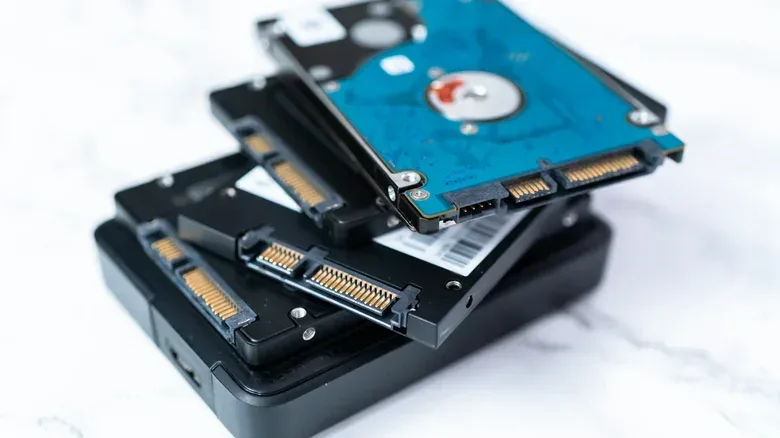
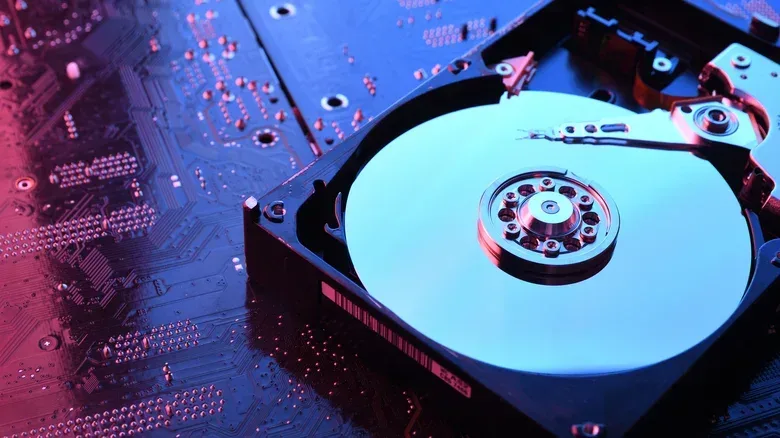
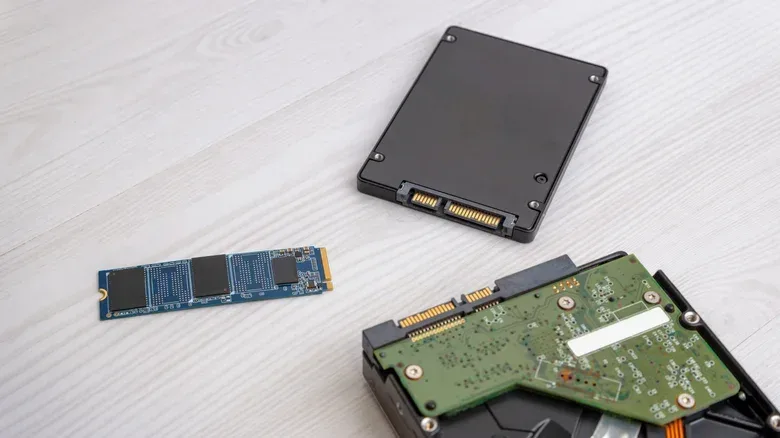
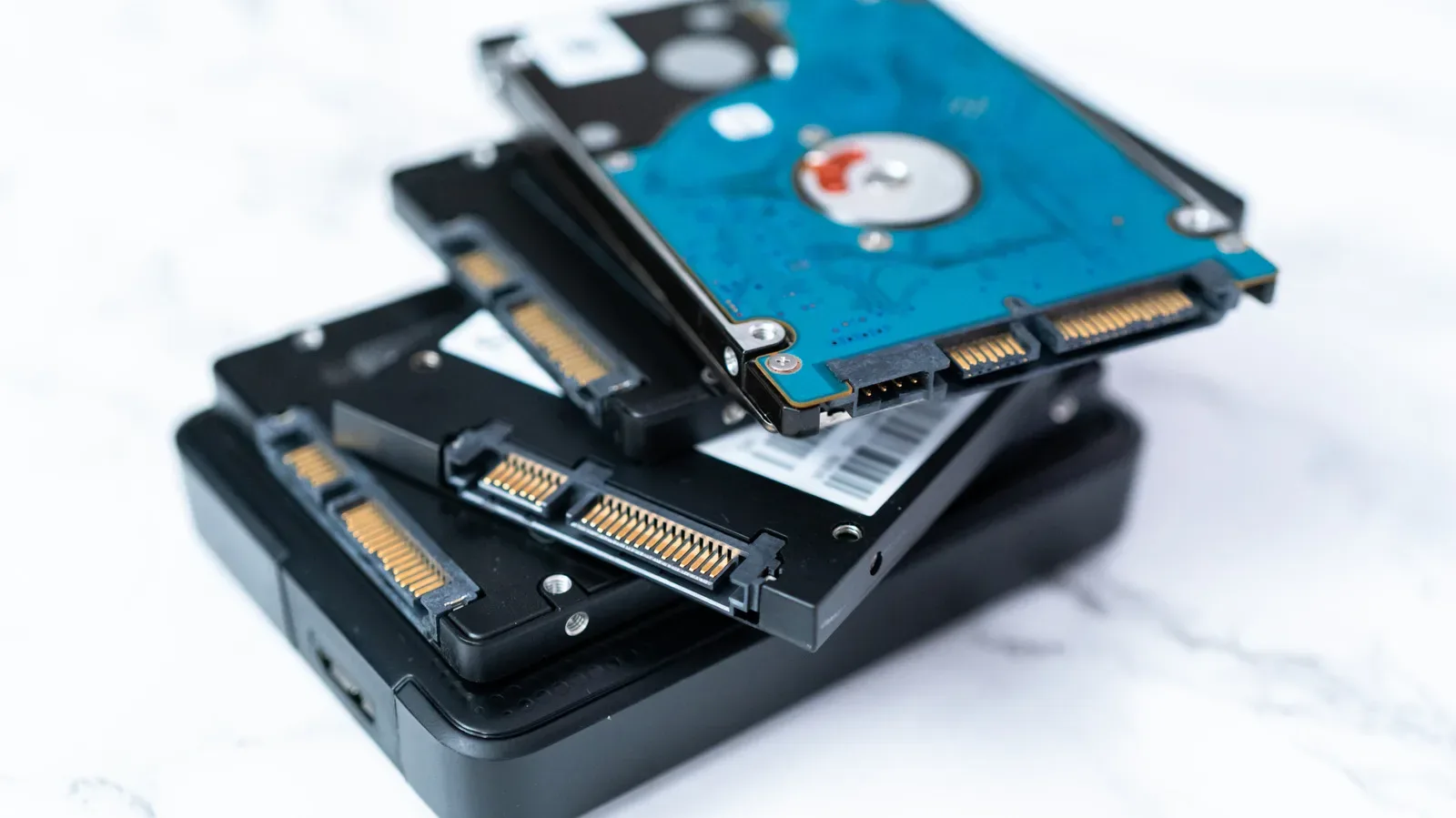
HDD is short for hard disk drive. These are conventional mechanical drives, a mature category that has been built and refined for decades. SSD means solid-state drive. SSDs use flash memory rather than the mechanical design of a traditional hard drive. The storage market includes SSDs that connect through SATA as well as NVMe models, and both types are feeling pressure because flash memory is itself caught up in the shortage.
That flash-memory connection is why SSDs may be absorbing a sharper impact than standard HDDs. It also explains why a shopper cannot assume that a drive marketed as a straightforward upgrade will automatically represent good value. An SSD can still be the better fit, particularly for a gaming-focused machine, while also being the more financially painful purchase in the current climate.
Why HDDs still have a place in a gaming setup
Mechanical hard drives have spent years losing ground to SSDs for everyday responsiveness and gaming use. They are not the preferred choice for a player who wants game storage to feel as quick as possible, and the performance gap against even a baseline SSD can make an HDD seem especially slow.
But “not ideal for gaming” should not be confused with “obsolete.” HDDs continue to serve a clear role as mass storage. Photos, videos, documents and other files that do not need fast game-oriented access can live comfortably on a conventional hard drive. Their long-established design and reputation for durability remain part of their appeal.
That division gives PC owners a useful way to think about an upgrade during an expensive period. A user does not necessarily need to treat all data as if it has identical performance needs. The files and games that benefit most from SSD storage can be prioritized there, while large archives can remain on HDD capacity. This is not a universal prescription, but it is a sensible lens for separating a genuine need from an expensive impulse buy.
- Gaming-first requirement: An SSD is generally the more appropriate consideration where game performance and faster-feeling storage matter most.
- Archive-first requirement: An HDD remains viable for a large library of photos, videos and documents.
- Capacity requirement: Buyers considering very large drives should recognize that high-capacity storage is also affected by elevated pricing.
- Urgency requirement: If existing storage is working and space is not immediately exhausted, waiting may preserve flexibility.
The comparison is especially important because a storage purchase can be easy to rationalize. More space is always nice; it is not always necessary today. During a period when pricing remains inflated, the distinction between “I need room now” and “I would like a more comfortable amount of room” can determine whether buying immediately makes sense.
What “relief in 2027” is likely to mean
Forecasts point to 2027 as the first stage of easing. That is welcome news, but it needs to be interpreted carefully. A decline from an unusually high price is not the same as a return to a bargain. If reductions are subtle, many shoppers may see a lower number without experiencing the sort of relief that changes an entire build budget.
In other words, 2027 is better understood as a possible change in direction than a guarantee of dramatically inexpensive storage. The market may begin to ease while remaining costly by the standards buyers remember from earlier years. Anyone holding out for pre-COVID lows may be waiting for a pricing environment that does not reappear.
This distinction matters for build planning. A PC assembled around high-priced memory, a processor and a graphics card may not suddenly become inexpensive merely because one drive category softens a little. Storage is only one part of the bill, though it can still be a meaningful place to save if capacity needs are flexible.
The same supply-and-demand uncertainty is affecting technology beyond PC components. For a separate example of how constrained supply can complicate expectations around consumer hardware, see this look at ongoing device supply catching up with demand.
Why 2029 or 2030 is the more consequential window
The more significant point on the timeline is 2029 or 2030. Those are the years associated with a sharper and more visible drop in HDD and SSD prices. This remains an outlook rather than a promise: component pricing can be affected by broader conditions, and buyers should not read a long-range expectation as a fixed deadline.
Still, the contrast between 2027 and 2029–2030 creates a reasonable planning framework. A buyer whose current system is fine may decide that a small near-term reduction is not enough reason to act. Someone whose drive is full, failing to meet their needs, or preventing a needed build from being completed has a different calculation. Deferring a necessary purchase for years just to chase a potentially better market can be less useful than buying the drive that fits the workload now.
For those in the middle, the practical choice may be to avoid overbuying. Rather than paying a premium for maximum capacity simply because it feels future-proof, assess the data that actually needs to be stored. A targeted upgrade can reduce the cost of getting through the high-price period without forcing an all-or-nothing decision.
Questions to ask before buying storage at current prices
- Is the purchase urgent? A drive needed for an immediate build, a storage shortage or an essential file archive is different from a speculative upgrade.
- What will the drive hold? Games favor the SSD side of the decision, while photos, videos and documents can make a strong case for mass HDD storage.
- Do you need the capacity now? Higher capacities are also subject to elevated costs, so extra headroom can carry a noticeable premium.
- Would a modest 2027 decline change the purchase? If even a small saving matters, waiting through 2027 may be worthwhile where practical.
- Can your current setup last longer? If it can, the more substantial 2029–2030 window may be the more relevant one.
The key takeaway for PC gamers
The current storage market is not a reason to abandon upgrades altogether. It is a reason to be precise. SSDs remain the more suitable option where gaming-oriented storage performance is the priority, but their reliance on flash memory leaves them particularly exposed to the current supply pressure. HDDs remain slower for that purpose, yet still offer an established option for large collections of personal media and documents.
Prices may begin edging down in 2027, but the expected early change is modest. Those who can comfortably wait until later in 2027 or beyond may improve their odds of avoiding the peak of the current pricing environment. Buyers seeking a distinctly more visible decrease may be looking toward 2029 or 2030 instead.
Until then, the best storage strategy is less glamorous than a towering 20TB spec sheet: buy for the files, games and capacity you need, not for the fantasy that every upgrade must happen immediately. In a market where relief may arrive gradually, a carefully scoped purchase can be more valuable than trying to time a perfect bargain.