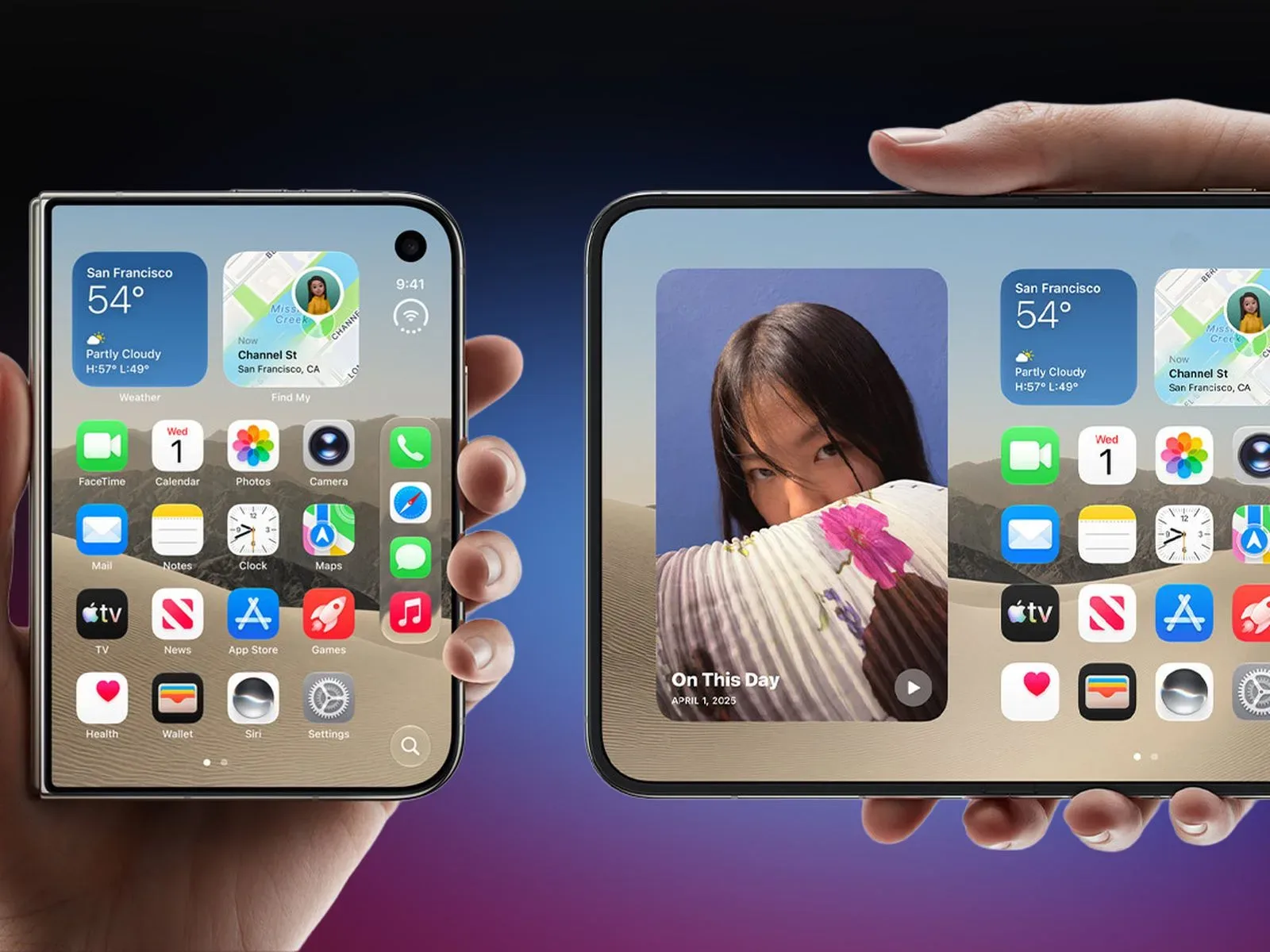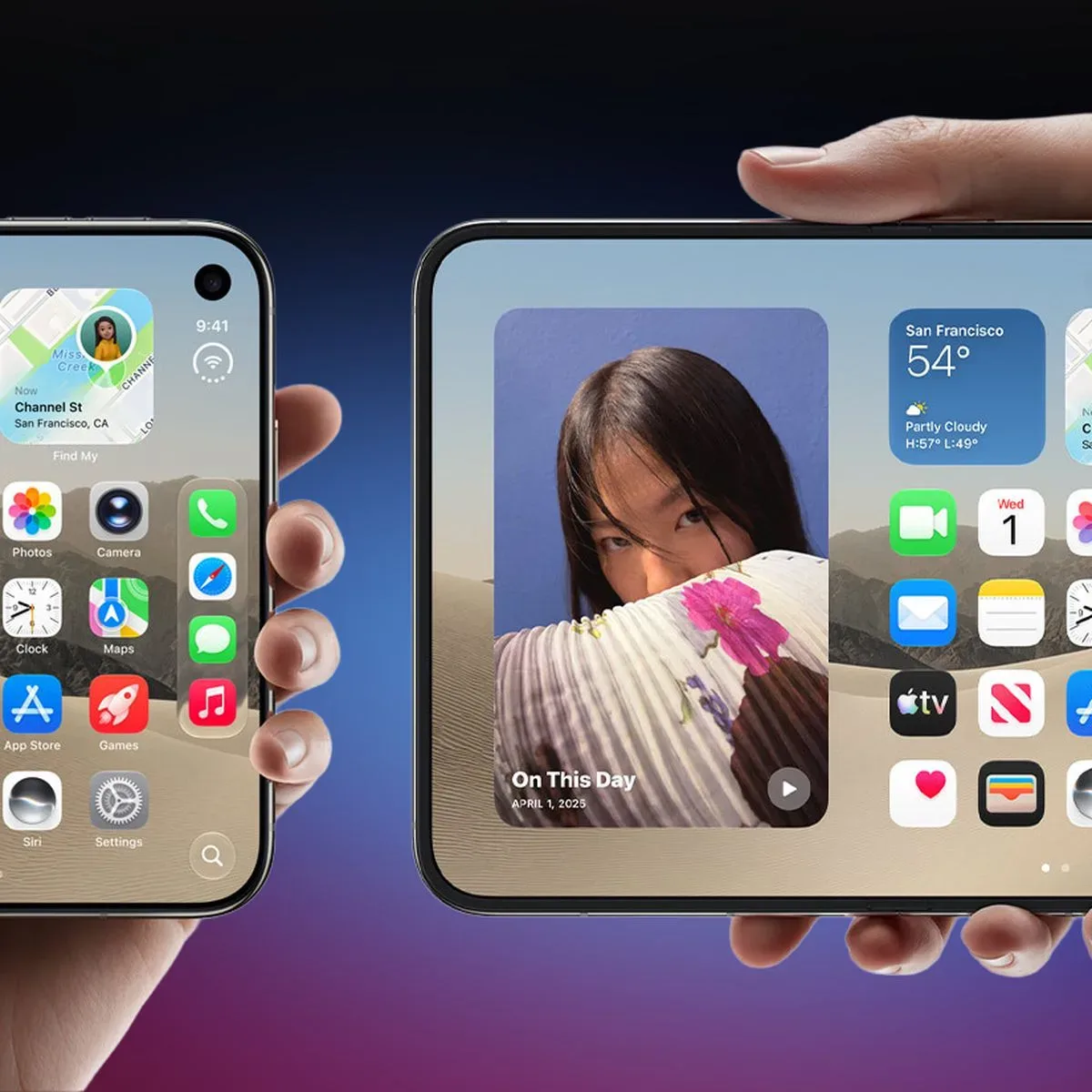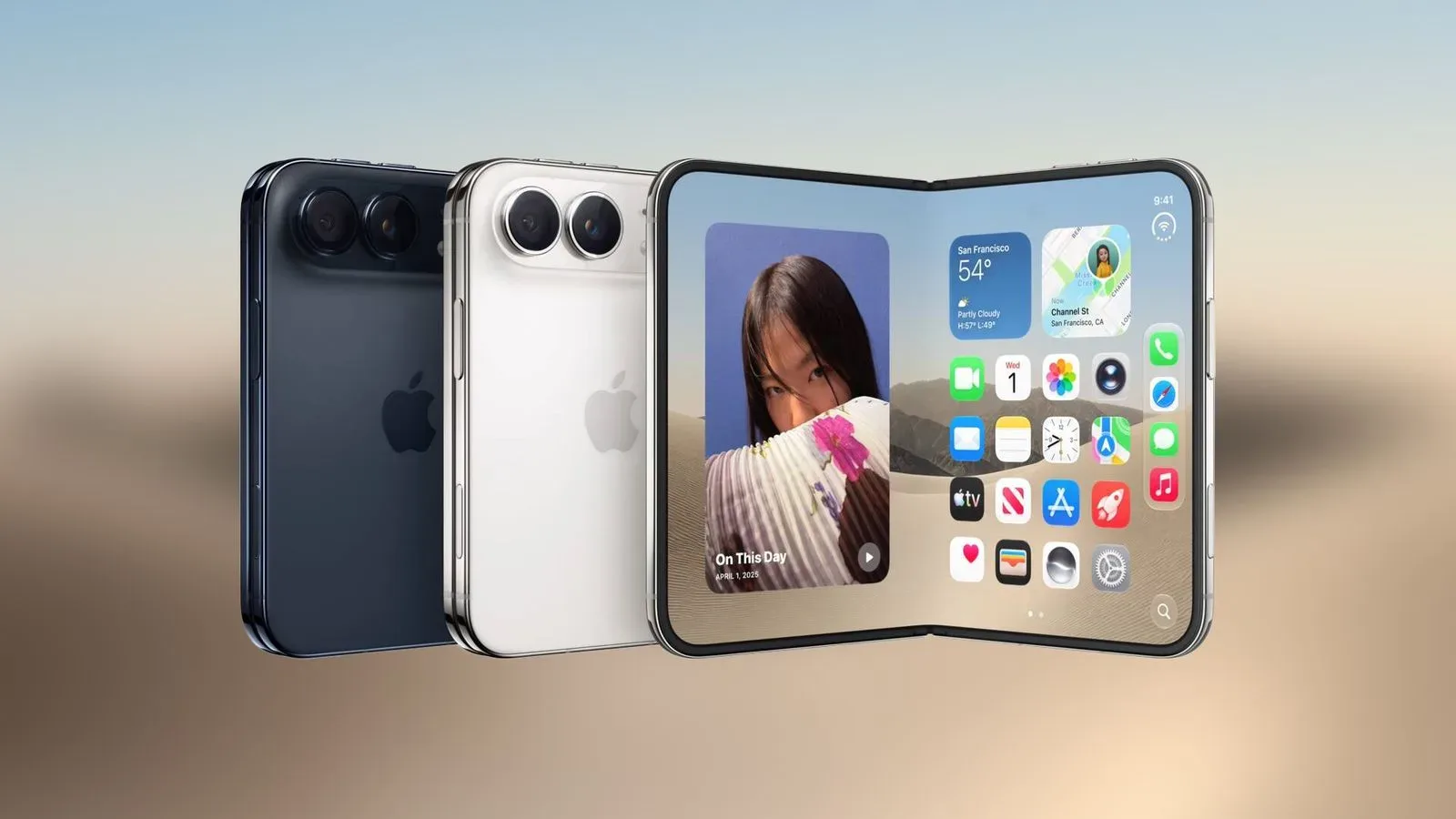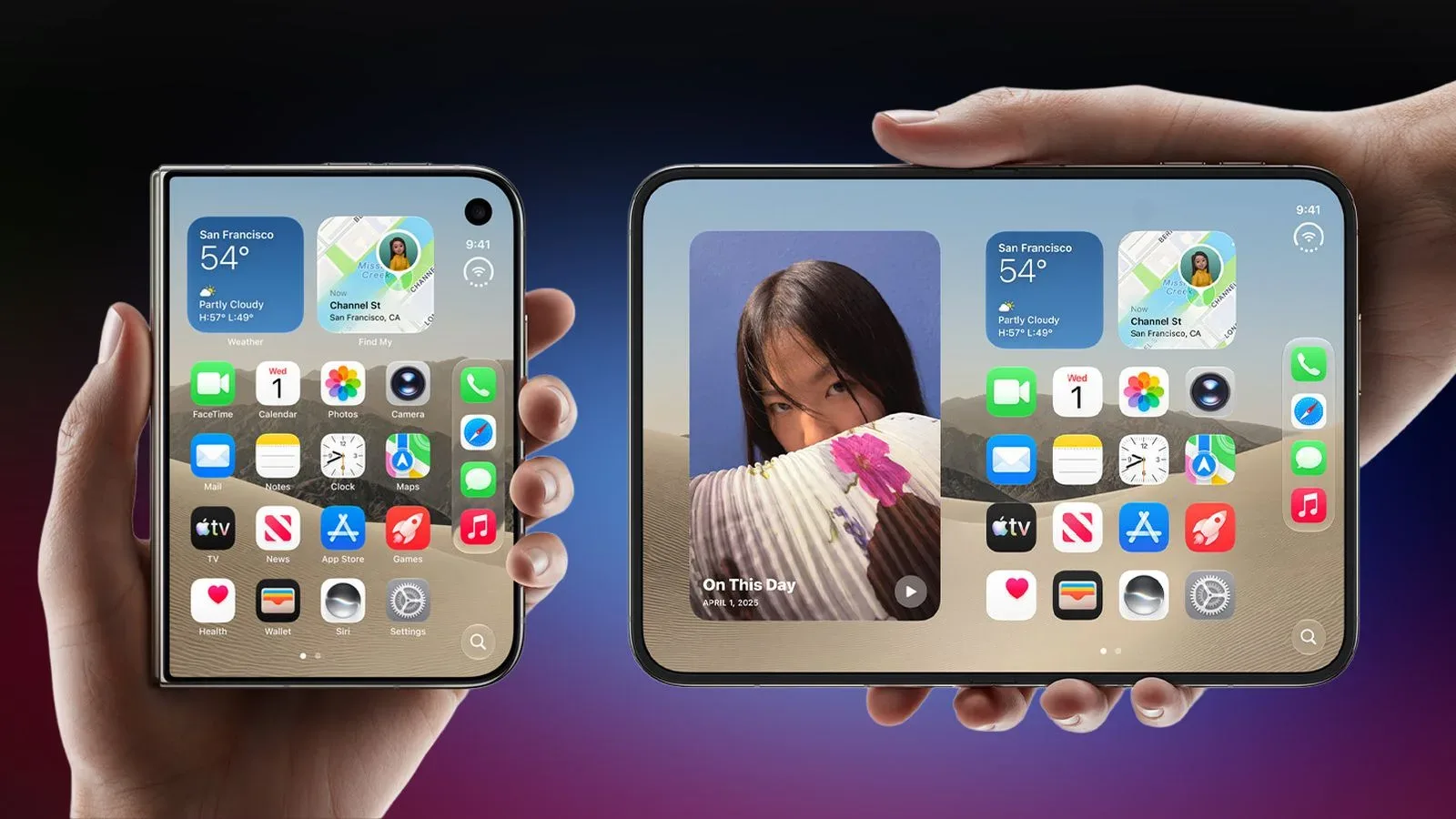
Apple says it cannot yet put a date on when it will have enough iPhone Duo units to meet demand. CEO John Ternus said the product remains supply-constrained and that the company is unable to predict when supply and demand will reach balance.
For prospective buyers, the practical picture is straightforward: an order placed now carries a January delivery estimate, while retail stores have had limited inventory available through online reservation systems. That does not establish a universal wait time for every customer or region, but it does show that availability remains tight after the device went on sale.
“Duo is constrained as of today,” Ternus said, adding that the production ramp is progressing but that Apple cannot currently forecast when it will catch up to demand.
What Apple has—and has not—said about iPhone Duo supply
There are two important parts to Apple’s position. First, the company says it is increasing production. In consumer-electronics terminology, a ramp is the period in which manufacturing output is built up after a product launch. A ramp going well means the process is moving forward; it does not mean output is already sufficient for every order.
Second, Apple has declined to offer an end date for the shortage. That distinction matters. A delivery window on an individual order is an estimate tied to the current allocation situation. A company-wide prediction that supply and demand will balance is a broader assessment, and Apple is not making one at this point.
Customers should therefore avoid reading a January estimate as proof that every iPhone Duo order will arrive in January, or that availability will become normal immediately afterward. It is the estimate currently attached to orders, while the company itself says the wider supply picture remains uncertain.
Retail availability is similarly fluid. Limited online-reservation stock means some stores may show no pickup inventory even when another location has a small number of units, and a store’s status can change as stock is received or allocated. The supplied information does not identify specific markets, storage configurations, colors, or variants affected, so shoppers should treat availability signals as local and temporary rather than as a complete measure of worldwide inventory.
Inner-display reports are a separate issue from the shortage
The iPhone Duo supply constraint arrives alongside reports involving the device’s inner display. Apple said last week that it was aware of an issue affecting the inner display on some units and directed affected customers to contact AppleCare.
Ternus described returns as representing “a very small percentage” of units and said Apple is providing replacements. The company has not, in the information available here, quantified the return rate, described the exact display behavior, identified a cause, or said whether a hardware revision is involved. Those omissions are significant: it would be inaccurate to turn an acknowledgement of a limited issue into a claim that every Duo has a display defect, or to assume the display reports are responsible for the wider shortage.
What is known: Apple recognizes an issue affecting some inner displays, regards returns as a very small share of units, and is offering replacements to customers who encounter the problem.
What remains unconfirmed: the precise nature of the issue, its rate, the affected production range, and any direct connection between display cases and constrained supply.
What affected owners can do
- Document the behavior of the inner display clearly, including when it occurs and whether it persists.
- Contact AppleCare, following Apple’s stated direction for customers experiencing the issue.
- Ask about the available replacement process for the individual device rather than assuming a return is the only option.
- Keep order, purchase, and service details accessible, particularly if replacement timing matters while stock remains constrained.
These are practical steps, not a diagnosis. Apple’s public comments establish that replacements are available for a small set of affected customers, but they do not provide a detailed troubleshooting checklist or promise identical replacement timing in every case.
Why the earnings timing changes how the numbers should be read
Apple reported record September-quarter revenue of $114.5 billion, a 12% increase from the prior year. The figure reflects the company’s broader business during that quarter, but it does not include iPhone Duo sales because the product did not go on sale until after the quarter ended.
That accounting timing is essential context. A quarterly revenue report has a defined reporting period. If a device launches after that period closes, its sales belong to a later reporting window even if the launch and subsequent shortage dominate the current conversation. The September-quarter record can therefore coexist with strong Duo demand without serving as a measurement of Duo revenue.
Likewise, a shortage should not be automatically interpreted as a sales total. It indicates that demand is exceeding the supply available at the moment, but it does not reveal the number of units ordered, shipped, cancelled, or waiting to be produced. Apple has not supplied those figures here.
For wider financial context, Apple’s services business reached $31.57 billion in the same reporting period, while iPhone sales set a September-quarter record. Apple’s broader September-quarter results help separate the company’s established revenue streams from the iPhone Duo’s post-quarter launch timing.
What the shortage means for buyers
The most useful approach is to distinguish urgency from certainty. Someone who needs a new phone immediately may find that the iPhone Duo’s current lead times and uneven reservation stock make another option more practical. Someone set on the Duo should expect that the quoted delivery estimate can be the clearest available guide for their own purchase, while recognizing that Apple has not provided a reliable date for normal availability.
Buyers who have already ordered should check their order status rather than relying on general discussion of retail shortages. An existing order may have its own delivery estimate, and the company’s broad statement about constrained supply does not itself establish whether a particular order will move earlier, later, or remain unchanged.
For owners concerned about the inner display, the shortage adds an understandable layer of anxiety around replacement timing. Still, Apple has specifically said replacements are being offered, and it has directed people with an issue to AppleCare. The most supportable takeaway is not that replacements will be instantaneous, nor that they will be unavailable; it is that affected customers have a stated service route even while new-device inventory is limited.
What to watch next
The next meaningful updates will be concrete rather than speculative: whether Apple begins providing shorter delivery estimates, whether online store reservations become consistently available, whether the company offers a forecast for supply-demand balance, and whether it shares more technical detail about the inner-display issue.
Until then, the company’s message is measured but clear. iPhone Duo production is rising, demand remains ahead of supply, store inventory is scarce in many reservation checks, and Apple cannot yet say when that mismatch will end. Separately, it acknowledges that a small portion of devices have encountered an inner-display problem and says replacements are available through AppleCare.