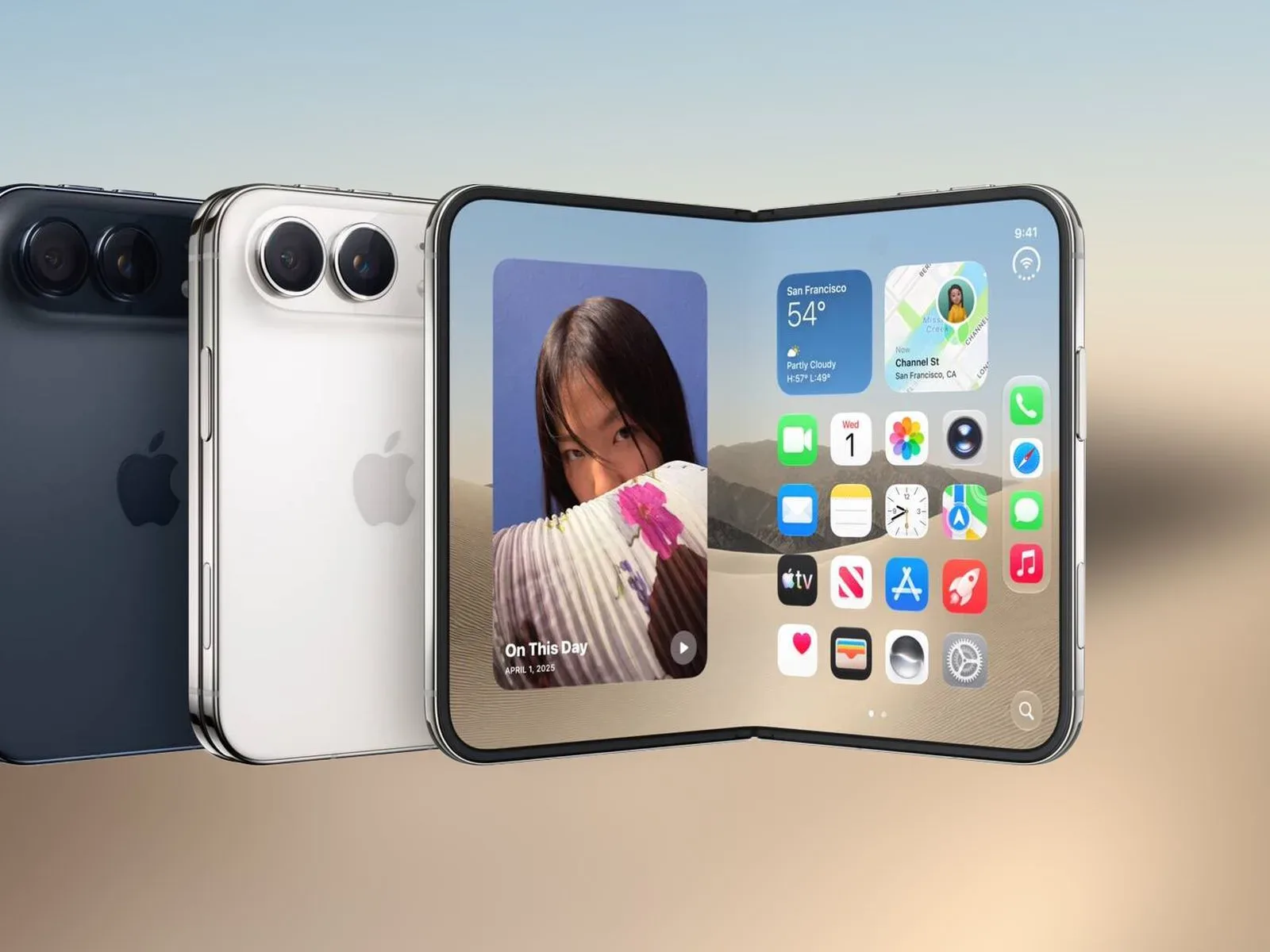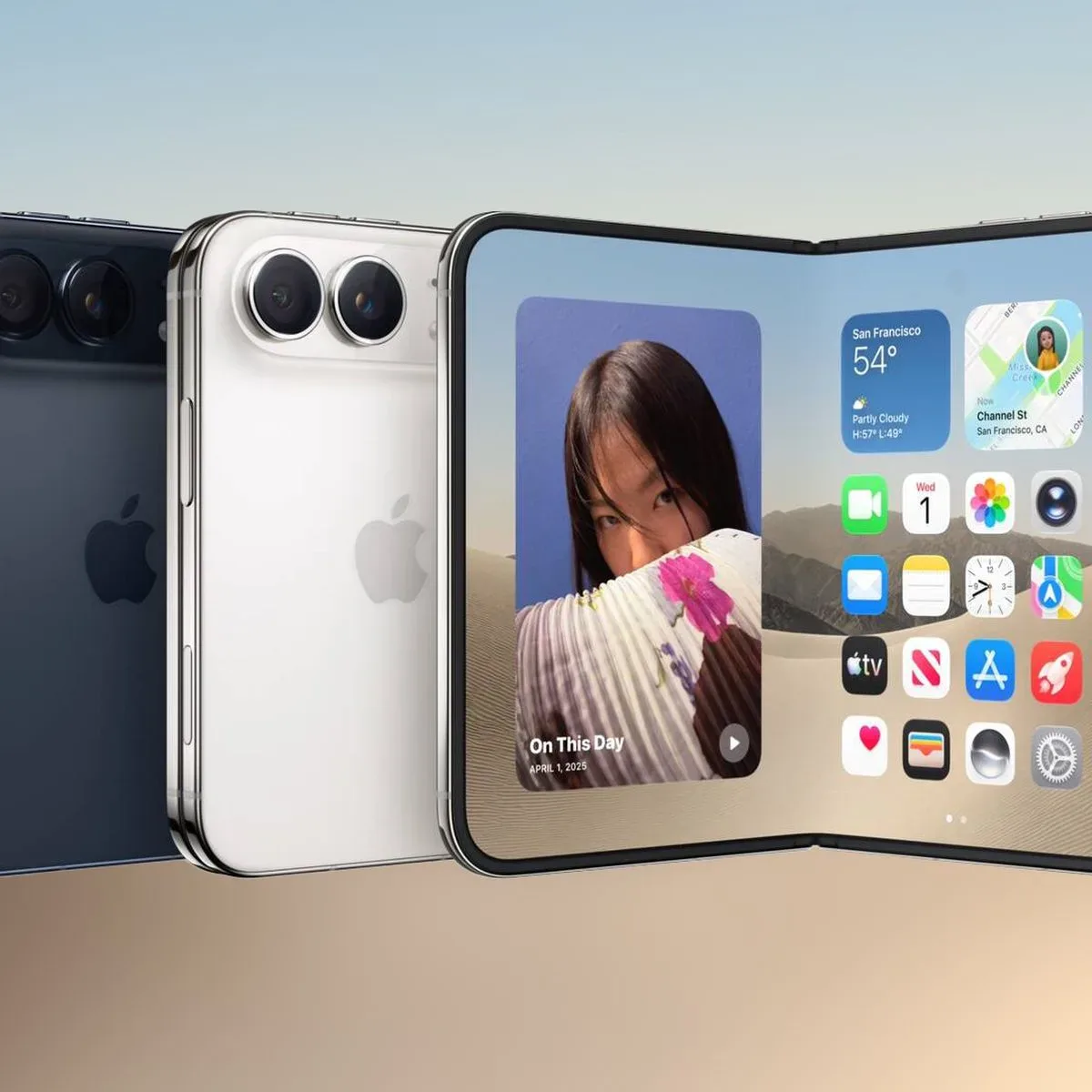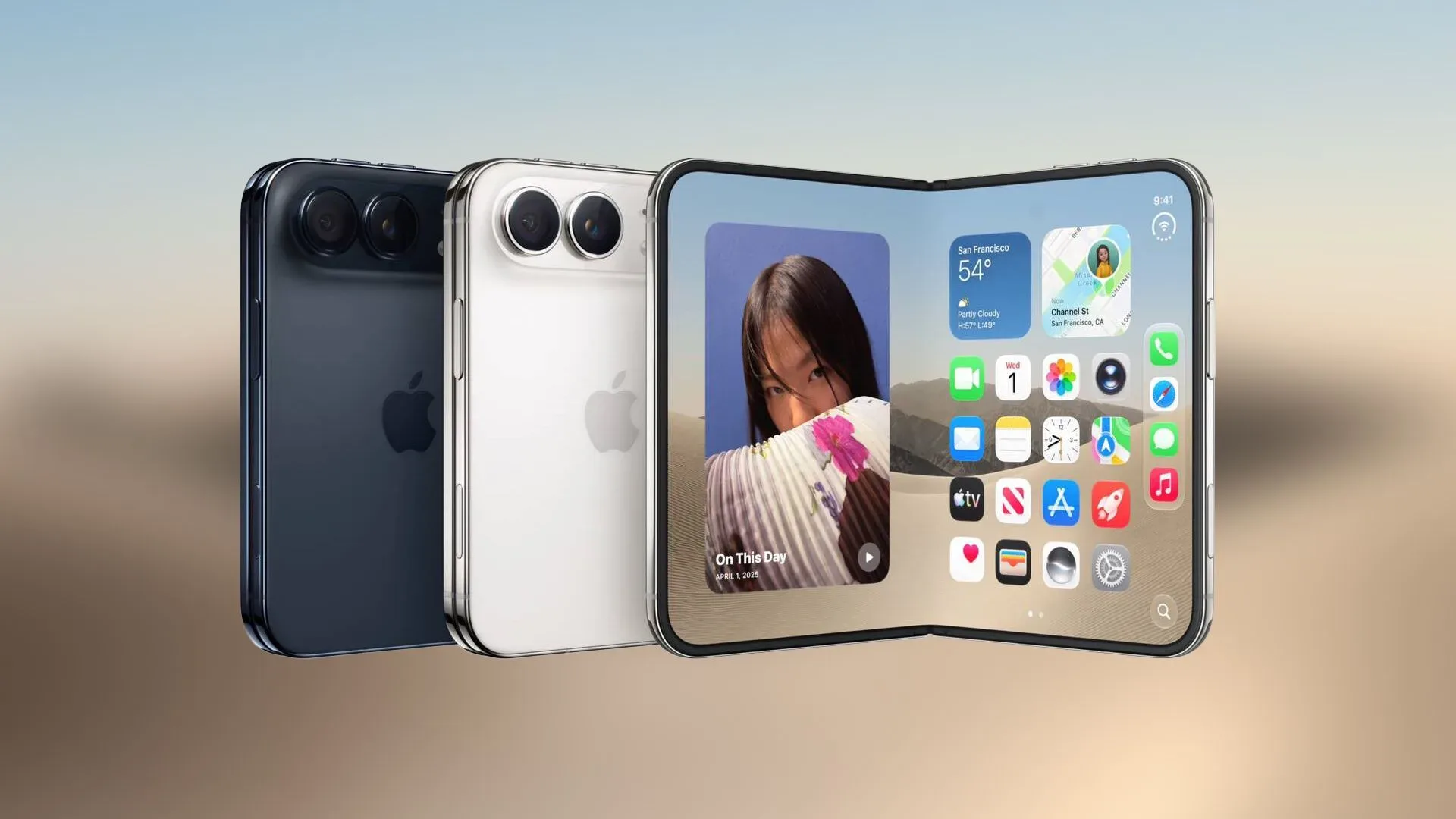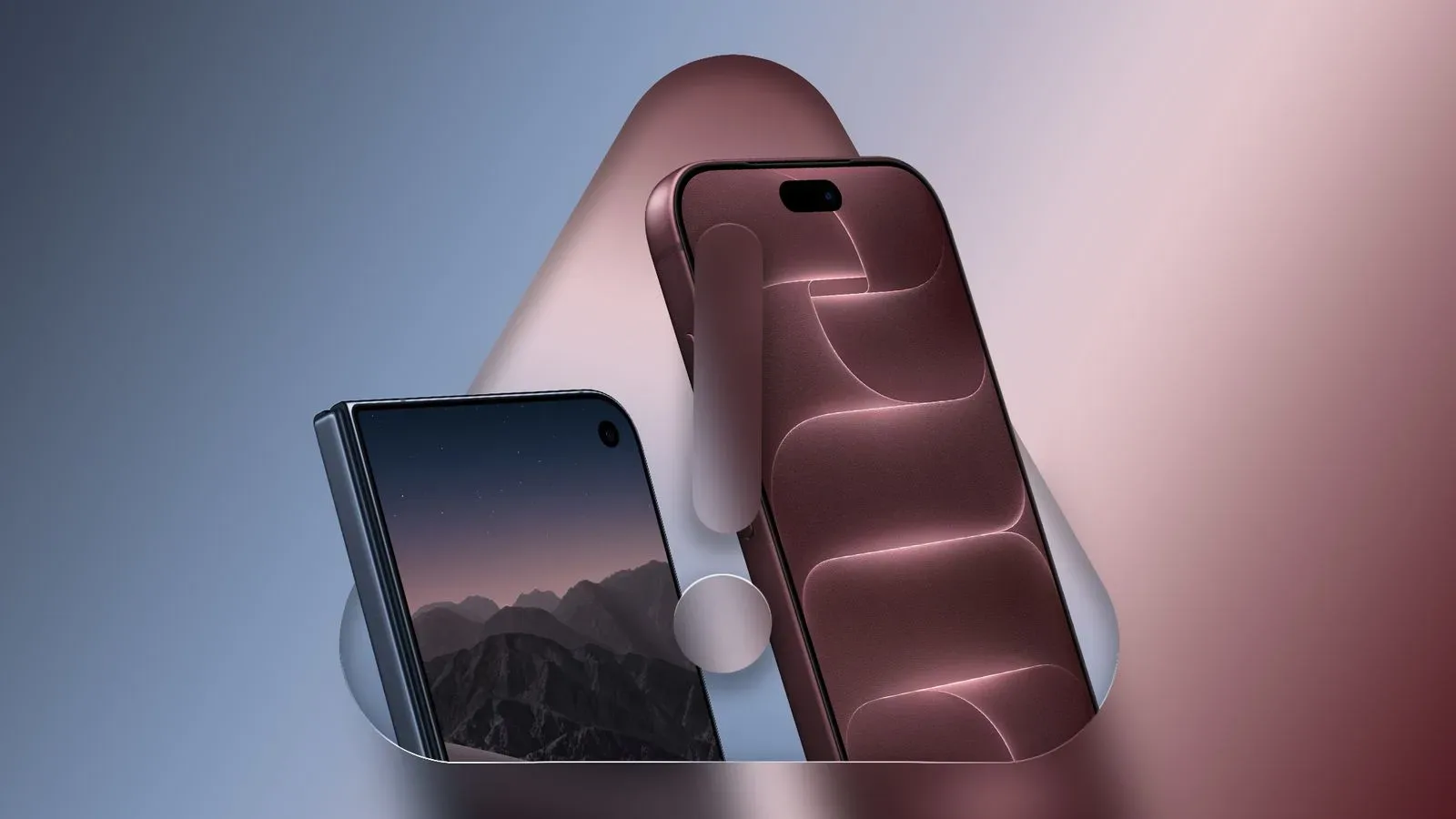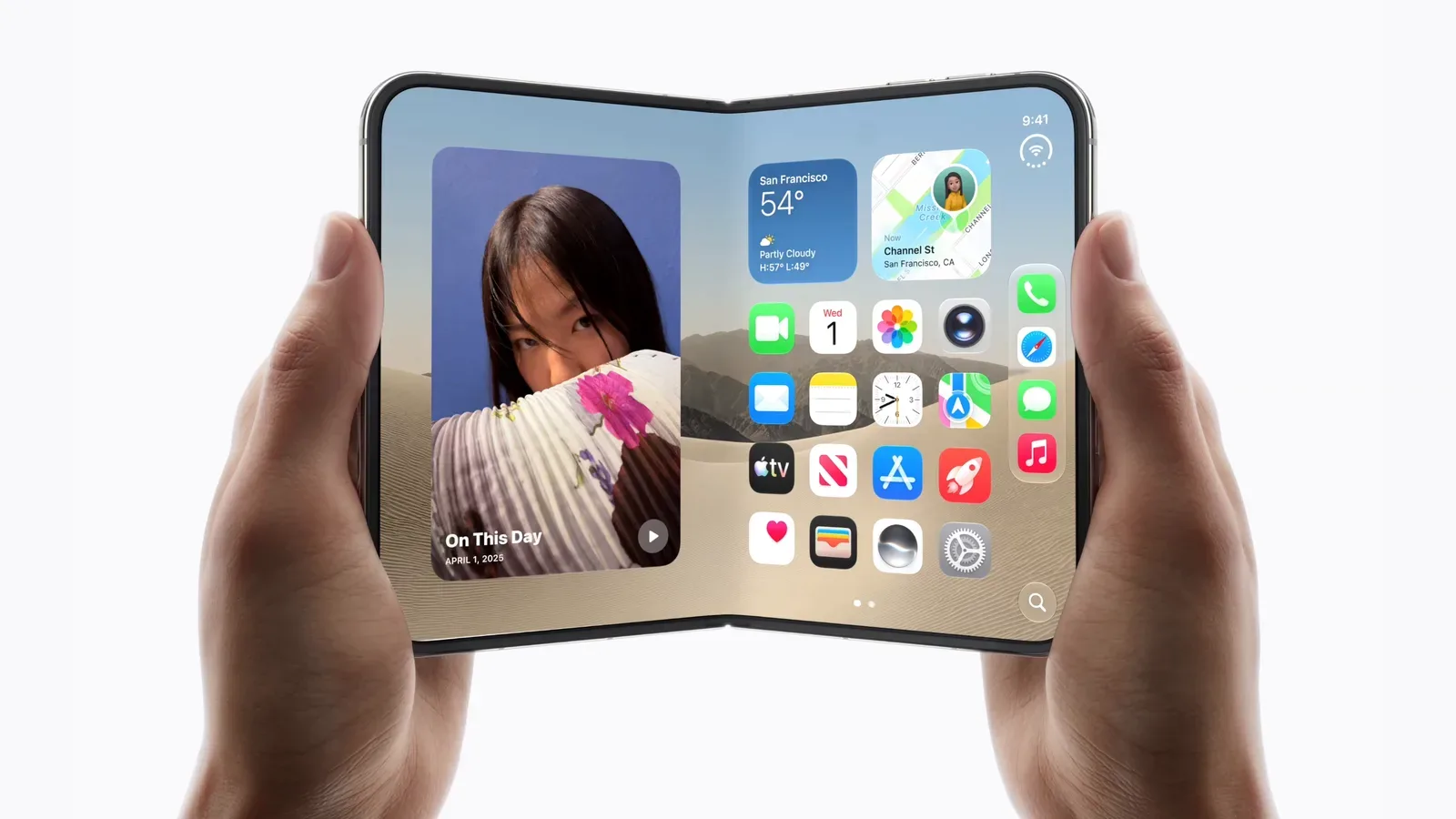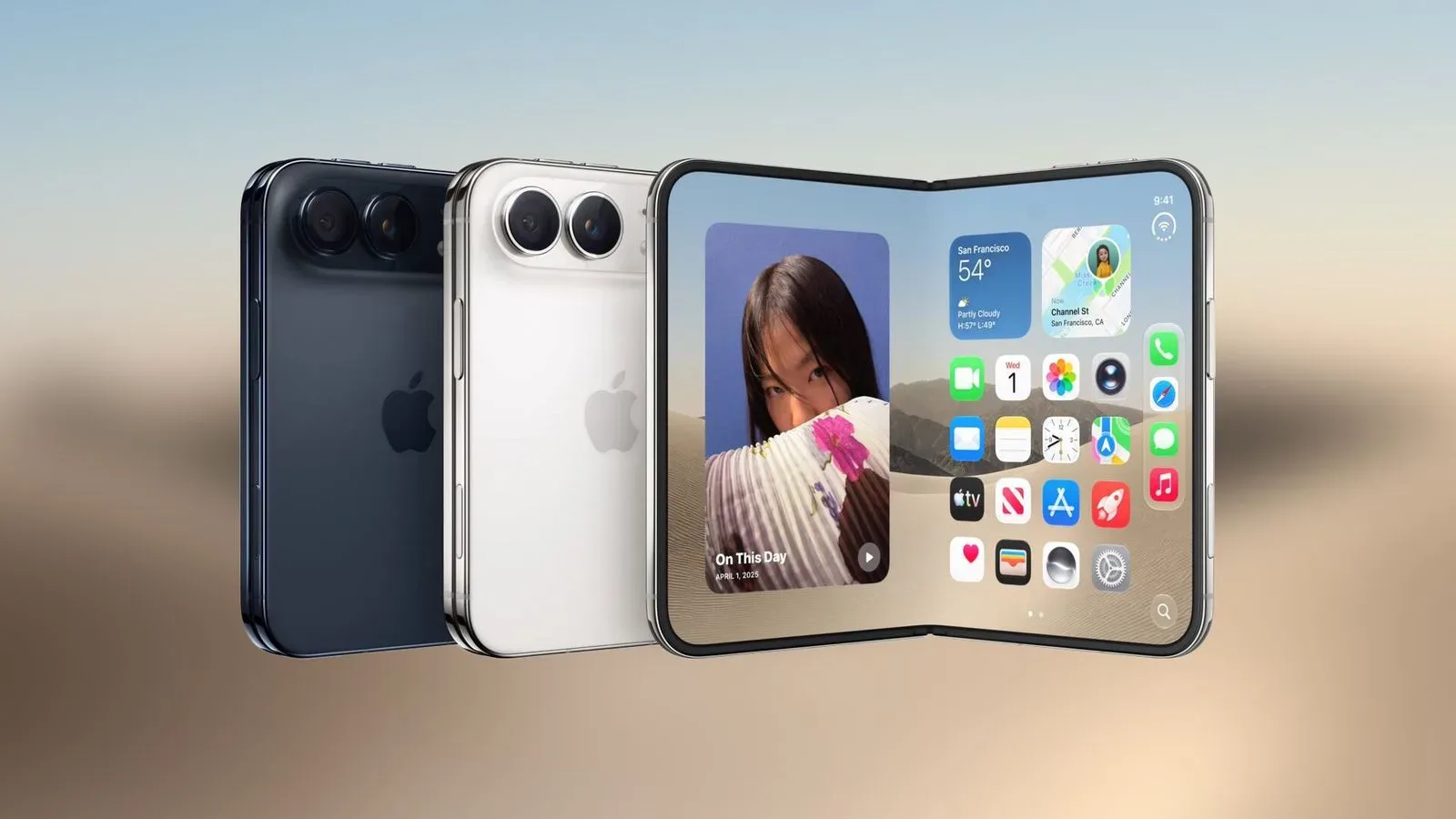
The iPhone Duo’s repair price list has turned durability planning into a rather expensive side quest. Apple’s estimated U.S. out-of-warranty charges show a wide range: $49 for damage to the replaceable cover layer over the inner screen, $199 for back glass, and as much as $1,499 for damage placed in the broad “other damage” category.
The starkest number for owners of the folding handset is $999 for inner-display damage without AppleCare+ coverage. That does not mean every mark or imperfection on the inside panel will incur that amount. It is the quoted service category for inner-display damage, not a diagnosis for every conceivable problem. Still, it makes clear that the inner screen is the component to treat with the most care—and the clearest reason prospective buyers may want to compare the cost of protection with their tolerance for a major repair bill.
Pre-orders for the iPhone Duo begin Friday, October 16, ahead of its Friday, October 23 launch.
The iPhone Duo repair costs at a glance
These are Apple’s estimated U.S. fees without AppleCare+ coverage:
- Cover layer damage: $49
- Back glass damage: $199
- Battery service: $229
- Rear camera damage: $229
- Outer display damage: $379
- Outer display and back glass damage: $509
- Inner display damage: $999
- Other damage: $1,499
The list is useful precisely because it separates several likely types of damage rather than presenting a single mystery number. A scratched or damaged cover layer is not priced like a failed inner display; a broken outer display is not priced like damage to both the external screen and rear glass. Owners can at least see the financial gap between an isolated issue and a repair involving the phone’s more complex components.
The $1,499 entry deserves especially careful reading. “Other damage” is the highest listed estimate, but the supplied repair schedule does not define which particular combinations of faults qualify for it. It should therefore be viewed as the maximum quoted category, not as a guaranteed price for any drop, spill, or malfunction. An inspection would still determine the applicable repair classification.
Why the inner display changes the equation
A folding phone has an outer display and an inner display, each with a distinct role and repair price. The outer display is the screen accessible when the device is closed. Its quoted $379 repair fee without coverage is substantial, but it is far below the $999 estimate for the inner display.
The inner display is the larger screen revealed when the device is opened. It also has a nano-texture cover layer above it. That cover layer can be removed and replaced, and Apple lists a $49 fee for that work without coverage. This distinction matters: the cover layer is not the same thing as the inner display itself.
In practical terms, the availability of a replaceable cover layer introduces a less severe service path for damage confined to that top layer. It does not make the inner screen inexpensive to replace if the display underneath is damaged. Buyers should avoid mentally compressing the two prices into one “inside screen repair” figure. The published list treats them as separate items with a $950 difference.
For more detail on that particular component and the battery-service figure, see the iPhone Duo’s replaceable inner cover layer and repair pricing.
What AppleCare+ changes
AppleCare+ for iPhone Duo costs $19.99 per month, $199.99 per year, or $399 upfront. With that coverage, the listed service fees are much lower for the damage categories provided:
- Battery service below 80% capacity: $0
- Cover layer damage: $19
- Back glass damage: $29
- Outer display damage: $29
- Inner display damage: $99
- Other accidental damage: $99
- Theft or loss: $149
The numbers show why coverage is likely to be a central purchase decision for this model. Comparing the listed fees, an uncovered inner-display repair costs $900 more than the AppleCare+ service fee for the same category. The gap is even larger when comparing the $1,499 “other damage” estimate with the $99 fee for “other accidental damage” under coverage, though those labels are not necessarily identical classifications and should not be treated as a one-to-one repair quote.
That caveat is important. Service plans are not magic immunity cards, and a published price list is not a substitute for the terms that govern a claim. What the figures do establish is the basic cost structure: protection adds a recurring, annual, or upfront cost, while skipping it leaves the owner exposed to much higher single-event repair charges.
A simple way to assess the trade-off
There is no universally correct choice between coverage and paying as needed. The supplied pricing supports a more grounded way of thinking about the decision.
- Identify the repair you would find hardest to absorb. The lower-cost cover-layer and back-glass entries may be manageable for some buyers. A $999 inner-display repair or a $1,499 other-damage bill is a very different proposition.
- Separate cosmetic protection from component protection. The $49 cover-layer replacement suggests one type of visible or surface-level issue may have a relatively contained cost. It should not be used to estimate the cost of a damaged internal folding display.
- Consider the coverage format. Apple provides three quoted payment routes: $19.99 monthly, $199.99 annually, or $399 upfront. Buyers can compare those structures with how long they expect to retain the handset, without assuming that one option is inherently best for every owner.
- Remember the battery threshold. AppleCare+ lists battery service at $0 only when capacity is below 80%. The regular, uncovered battery-service estimate is $229. The threshold is a condition attached to the covered battery price, not a general promise of free battery work.
Repair categories worth keeping straight
The fee schedule has a few easily missed distinctions. Rear-camera damage and battery service are both listed at $229 without coverage, while back-glass damage is $199. The outer-display-and-back-glass category costs $509, which is higher than either a back-glass repair or outer-display repair alone. That is an intuitive result, but the published combined price gives owners a clearer number to plan around when both exterior areas are affected.
The AppleCare+ figures also show that the plan’s damage fees are category-based. The cover layer is $19; back glass and the outer display are each $29; and inner-display damage and other accidental damage are each $99. Theft or loss is listed separately at $149. In other words, damage service and theft-or-loss service are not presented as the same event type or subject to the same quoted fee.
“Nano-texture” is the term used for the iPhone Duo’s removable layer above the inner display. In this context, the important consumer takeaway is not a claim about texture alone, but repairability: that layer is designed to be removed and replaced as its own service item. The $49 estimate gives it a concrete cost, while also underscoring that it sits above the far more expensive inner display.
The practical takeaway before pre-orders
The iPhone Duo’s price list does not say that damage is inevitable. It does show that the consequences vary sharply depending on where damage occurs. The least expensive listed out-of-coverage repair, cover-layer replacement, is $49. The most expensive, other damage, is $1,499. Between those endpoints sit the outer display at $379, the combined outer-display-and-back-glass service at $509, and the inner display at $999.
For buyers who already know they prefer a folding form factor, those numbers are part of the ownership budget rather than a footnote. A case or careful handling may reduce risk, but neither changes the published service price if a qualifying repair is needed. AppleCare+ similarly does not erase cost; it changes the cost profile from potentially large repair bills to a plan price plus the listed service fees.
The sensible comparison is therefore not simply “coverage costs money” versus “no coverage costs nothing.” It is whether the plan’s price and service charges are preferable to accepting the possibility of paying the applicable uncovered rate—especially for the inner display or a repair categorized as other damage. With pre-orders opening October 16 and launch following on October 23, the newly disclosed repair fees give buyers a concrete number set to weigh before the phone enters their pocket, bag, and inevitably the occasional gravity-based encounter.