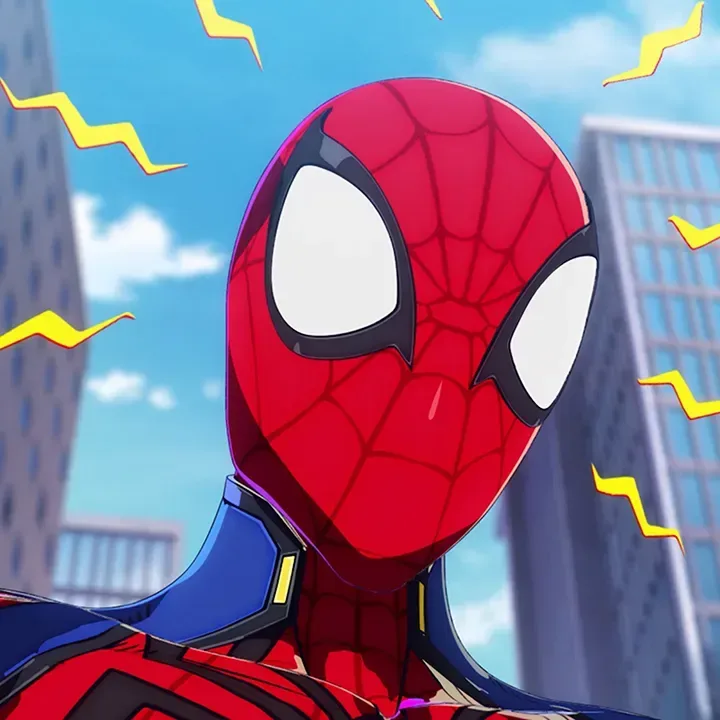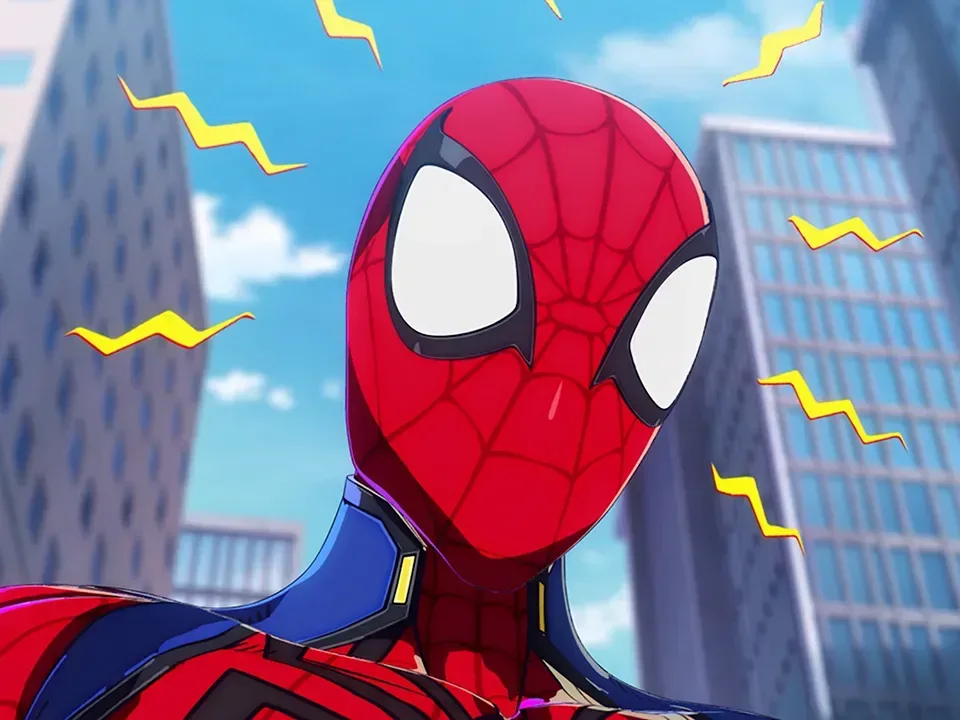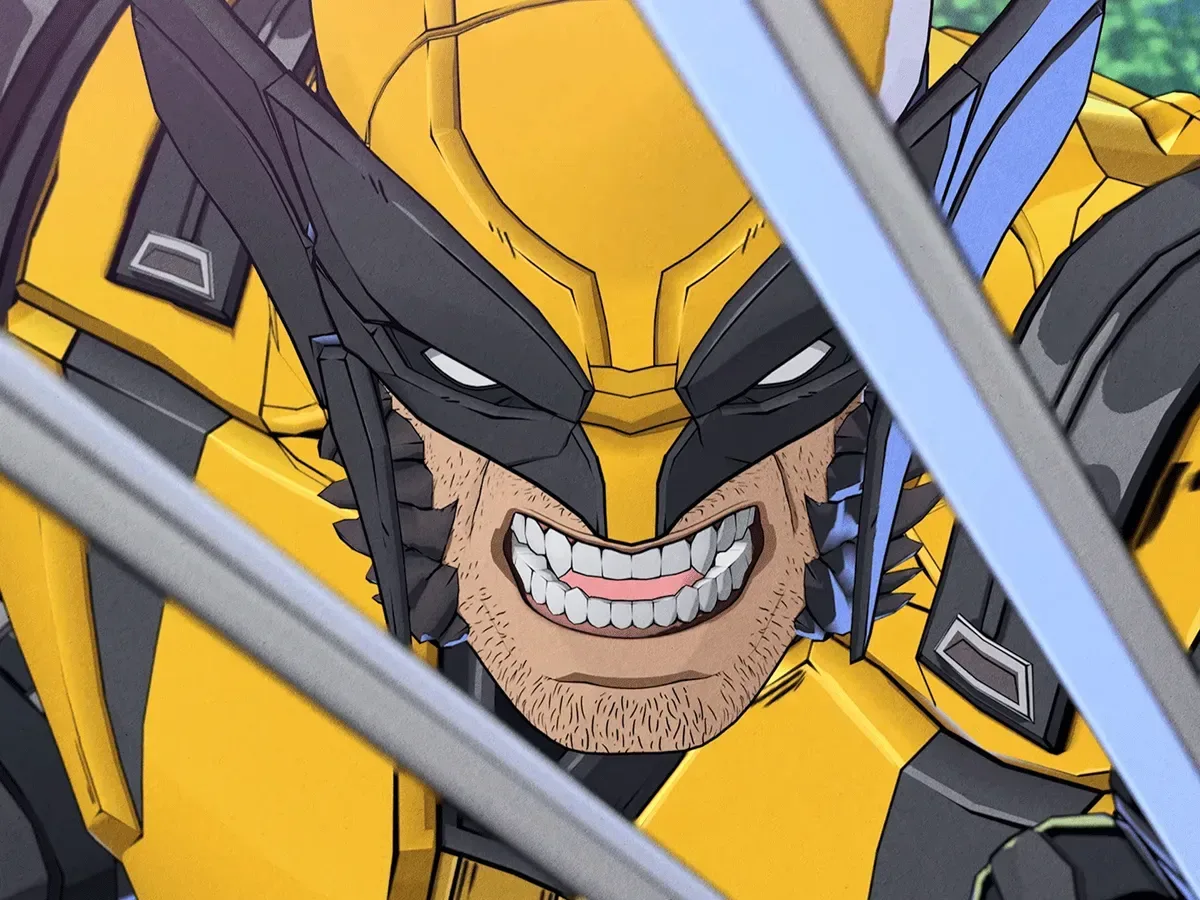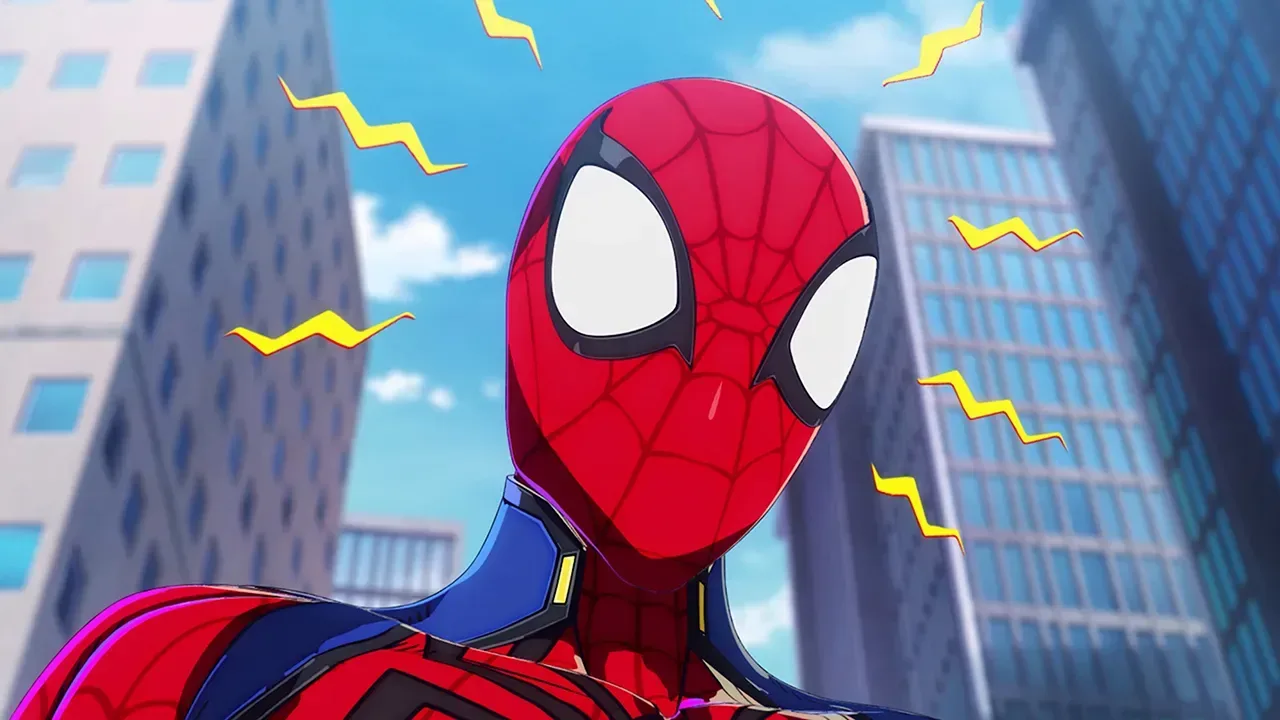
Marvel Tokon: Fighting Souls has become the latest fighting game to have its health judged in real time through player-count trackers, matchmaking stories and social-media frustration. A little over a month after launch, the numbers visible on Steam have prompted concern about the game’s PC future — but the broader picture is more complicated than a single platform’s concurrent-player total.
Steam Charts lists 427 active Steam players at the reported snapshot, with a 24-hour peak of 791. Its all-time Steam peak is listed as 13,787. Those are strikingly lower figures than the launch peak, and they matter in a competitive fighting game where finding opponents quickly is central to the experience. They are not, however, a count of everyone playing Marvel Tokon. They exclude PlayStation players, and the available sales estimates suggest PlayStation is where the overwhelming majority of its audience has landed.
Estimates from Alinea Analytics place combined sales at roughly 750,000 copies and revenue at about $49.7 million across PlayStation and Steam. The estimated platform mix is 82% PlayStation and 18% Steam. That is a substantial gap, but it also means the frequently cited Steam population should not be treated as a direct verdict on the game’s total sales or its entire online community.
The immediate question for players is less about declaring the game a success or failure than about what its uneven platform performance means for ordinary matchmaking, future support and tournament participation — particularly for PC players in regions with fewer people searching at the same time.
What the Steam figures do — and do not — show
A concurrent-player count is the number of people playing at once, not the total number of owners, the number who played that day, or the number who may return for an update. It is useful for spotting activity patterns on that platform. It is also especially relevant in a one-on-one fighter because a thinner pool can translate into longer waits, repeat opponents or matches across wider skill gaps.
But it has important limits here. Steam’s numbers say nothing about PlayStation activity, and the supplied sales estimate indicates that PlayStation represents a much larger share of copies sold. Without cross-platform population data, regional matchmaking breakdowns or an official active-player figure, it is impossible to turn Steam’s 427-player snapshot into an exact measure of the full Marvel Tokon community.
That distinction has been lost in parts of the conversation. A low Steam count can be a meaningful warning for Steam users, particularly if they are struggling to find games. It cannot by itself establish that the complete player base is similarly small. The story is better understood as a platform split: a relatively weak and damaged PC showing beside a PlayStation showing that appears considerably healthier.
It is also early. Marvel Tokon launched on August 6, putting the debate within its first two months rather than years into a long post-launch tail. Early trends can influence perception, but they do not settle whether a fighting game will retain a core community, whether patches will win people back, or how players will respond to new characters.
Related coverage includes Marvel Tokon PC Numbers Fuel Debate Over the Fighter's Long-Term Future.
A rough PC launch has shaped the argument
The concern around Steam is not just numerical. Marvel Tokon’s PC port had significant launch problems, and the issues became highly visible when fighting-game personality Maximilian Dood uninstalled the game during a livestream. A patch arrived quickly to address the problems, but the producer acknowledged the difficulty of restoring player trust. Director Kazuto Sekine later apologized for the situation.
That sequence matters because fighting games depend heavily on a positive first impression. Players often buy close to launch, test online play with friends and move on quickly if performance or matchmaking is unreliable. Once a group has shifted to another game, technical fixes may remove the reason to leave without automatically recreating the launch-week social momentum that brought everyone together.
There is a practical difference between fixing a defect and recovering confidence. A patch can improve stability or performance. Recovering confidence requires players to believe the improvements will hold, that matches will be available when they log in, and that the developers’ next balance and content decisions will keep the game worth prioritizing.
Marvel Tokon’s initial availability created another obstacle. It was blocked in 132 countries because of PSN requirements. That does not quantify the number of potential buyers affected, but it is an important part of the PC discussion: regional access restrictions can shrink the possible audience before matchmaking quality is even considered.
Why matchmaking is the most immediate player-facing issue
William “Leffen” Hjelte, known for high-level Guilty Gear and Super Smash Bros. competition, has been among the most prominent critics. He wrote that he might drop Marvel Tokon unless the next patch changes its gameplay, while also saying he could not find matches in Europe. His estimate that the serious regional player base feels far smaller than Guilty Gear Strive’s and 2XKO’s is a personal assessment, not official population data. Still, it identifies the metric many competitive players care about most: whether they can consistently get meaningful games in their own region.
Matchmaking is the system that pairs players for online matches. In an ideal setting, it balances speed, connection quality and player skill. A smaller active pool makes that balancing act harder. The system may have to choose between a longer queue, an opponent with a poorer connection, or a wider skill mismatch. Even if a global player count appears respectable, the experience can be poor at specific hours or in specific regions.
That is why debate around Marvel Tokon’s future is not merely spreadsheet watching. A PlayStation-heavy install base may represent real commercial strength, yet a player who owns the PC version in Europe can still have a frustrating evening if their local queue is sparse. Both observations can be true at once.
Leffen also focused on uncertainty around the next gameplay patch and four upcoming characters that have been mentioned without dates. The lack of timing gives worried players little concrete information to plan around. In a fast-moving competitive scene, patch cadence — how often and how clearly developers update a game — can become almost as important as the contents of a patch. Players deciding where to invest practice time want to know that problems are recognized and that changes are approaching.
Tag mechanics are part of the retention question
The game’s arguments are not solely about technical performance. Marvel Tokon is a tag fighting game, meaning players use a team and switch or combine characters during a match rather than controlling only one fighter. The format naturally puts extra emphasis on team construction, assist interactions, character synergy and managing momentum when a teammate enters.
Some community members enjoy Marvel Tokon’s fast-paced approach, while others are dissatisfied with its tag system and its online matchmaking. That disagreement is not a trivial side issue. For a fighting game, deep disagreement over core mechanics can shape whether players stay after the novelty of launch has faded. Performance fixes address one type of friction; gameplay balance and system design address another.
“Balance” in this context does not necessarily mean every character must be identical in strength. It refers to keeping the range of viable choices and strategies broad enough that players see room for counterplay and experimentation. In a tag fighter, perceived problems can involve individual fighters, but also the powerful combinations created by a team. That makes updates particularly consequential: one adjustment can change how several team compositions function.
The pressure is increased by the current competition. Street Fighter 6 remains the market’s leading fighting game, while 2XKO is part of the comparison being made by competitors. Marvel Tokon also sits in a growing group of licensed, IP-driven tag fighters alongside Invincible VS and Avatar Legends. A Marvel name and Arc System Works’ pedigree create expectations, but they do not exempt the game from the need to make its online experience dependable and its mechanics compelling over time.
For a useful broader look at how ongoing updates and reward structures are becoming a larger part of games’ retention strategies, see this report on Arc Raiders’ Frozen Trail reward pass. Marvel Tokon’s specific needs are different, but the underlying challenge is familiar: post-launch communication and timely updates can determine whether early interest becomes a durable audience.
The case against writing Marvel Tokon off
The most pessimistic takes point to the Steam decline, the launch-state of the PC port and uncertain patch timing. Some players have argued that sales may struggle to reach one million over six months, or speculated that planned content could be limited. Those are predictions, not confirmed plans or outcomes.
The counterargument begins with the same available evidence: an estimated 750,000 copies and $49.7 million in revenue across two platforms are meaningful early results, not evidence of no audience. The 82% PlayStation share also offers a straightforward explanation for why a Steam-only reading can look much bleaker than the game’s total commercial performance.
Others have stressed how young the release is. One prominent community voice noted that Marvel Tokon had not yet reached two months on the market when the doom-posting accelerated. Another comparison raised Ultimate Marvel vs. Capcom 3’s sales pace to argue that even beloved fighting games should not be judged against unrealistic mass-market expectations. These points do not erase the reported PC problems. They do challenge the assumption that a small Steam snapshot alone forecasts a game’s full lifespan.
Fighting games are a specialized genre. Their communities can be smaller than those of blockbuster action games while remaining active for years through local scenes, online regulars, tournaments and periodic returns around patches or character releases. Whether Marvel Tokon reaches that kind of stability is not established by the figures now circulating. It will depend on whether its live experience improves and whether its community sees a reason to keep building around it.
What to watch next
There are several more useful signals than simply refreshing a concurrent-player chart:
- PC stability after the patch: Whether players report a consistently better experience is more important than the patch’s arrival alone.
- Regional matchmaking: The ability to find solid connections at different times, especially outside the largest player regions, will shape retention.
- Patch communication: Dates, priorities and explanations of gameplay changes can reduce uncertainty for competitive players.
- Character rollout: Four additional characters have been referenced, but their timing has not been provided. Their release schedule and effect on team variety will be closely watched.
- Platform balance: Steam recovery would be encouraging, but it should be evaluated alongside the game’s clearly larger PlayStation footprint rather than as a standalone proxy for every player.
Marvel Tokon’s current situation is therefore neither a clean victory lap nor a settled obituary. Steam data points to a real PC retention and matchmaking concern following a rough port launch. At the same time, the estimated sales split and total sales figures indicate that the game has found a considerably larger audience on PlayStation. The next patches, their clarity, and the experience they deliver for players trying to get matches will matter far more than any single day’s number.