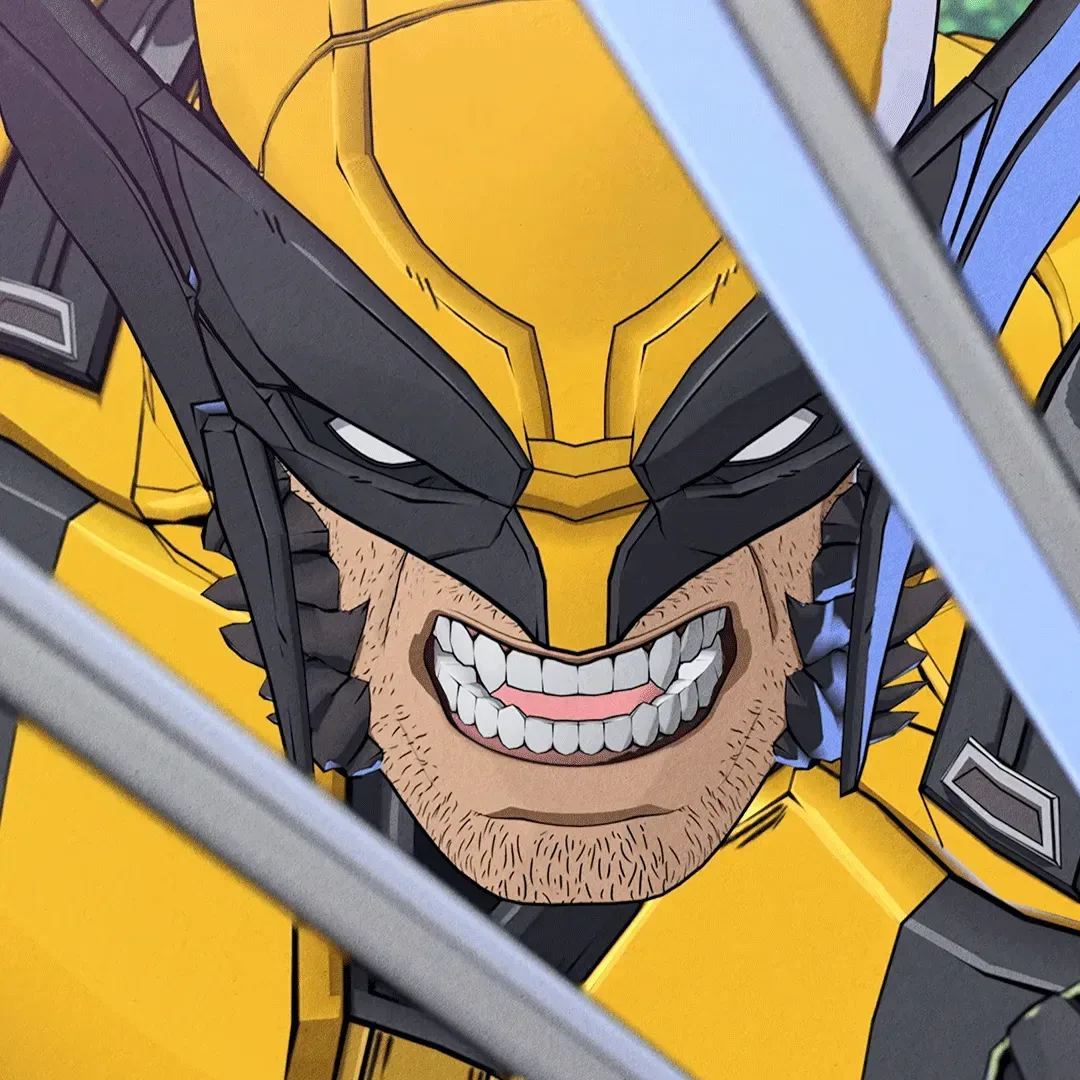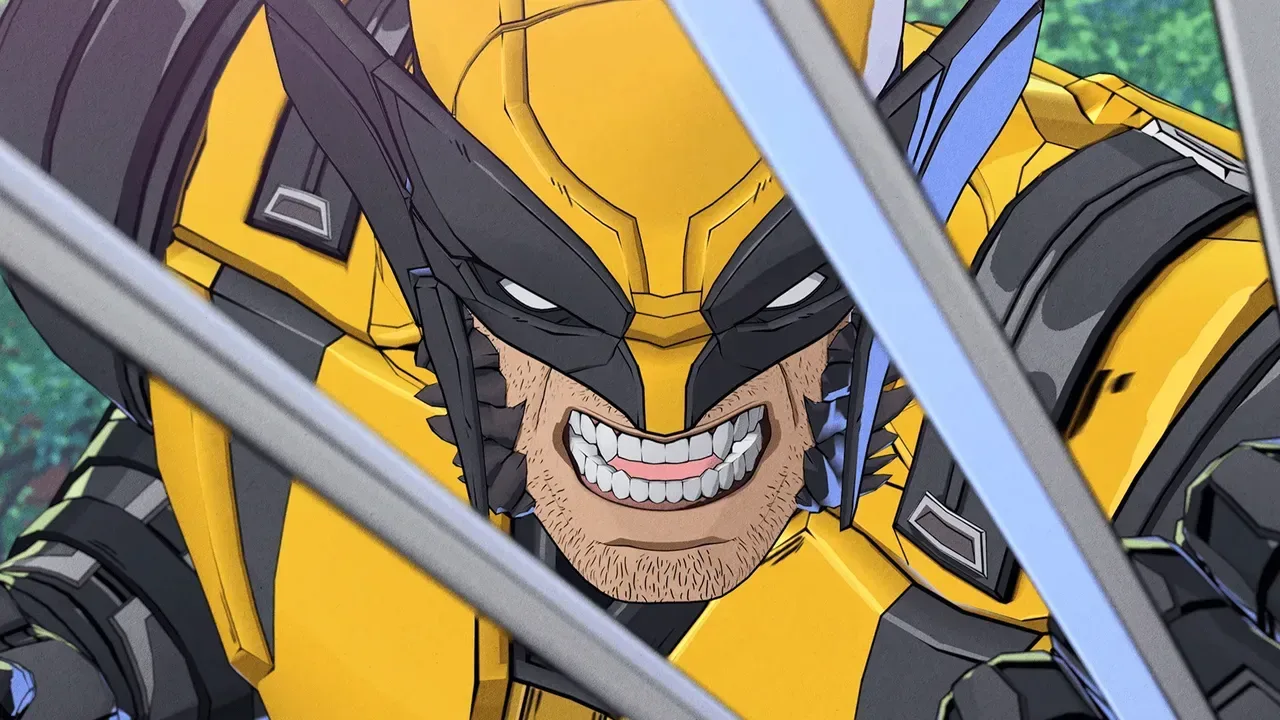
Marvel Tokon: Fighting Souls is preparing further adjustments after a difficult PC launch, with director Kazuto Sekine publicly acknowledging the stability problems that prevented some players from getting the experience the team intended. In a September 14 statement shared through social media and the game’s Steam page, Sekine also set out the next gameplay areas under review: inconsistent inputs, the extremely high pace of assists and switches, and the question of how much character-specific balancing should happen at this early stage.
It is a notably direct update for a fighting game still settling into competitive play. Sekine made clear that the team has been encouraged by the reception to the game’s content and by players who have found reasons to continue learning and playing. But that positive response does not erase the launch disruption on PC. The director apologized for the frustration caused by those technical issues and said improvement work on the PC edition is progressing.
For players who encountered the game at its least stable, that admission matters more than a victory pose after the bell. Fighting games depend on confidence: confidence that a match will run properly, that a command will come out when it should, and that a loss or win reflects the decisions made in the moment. Stability trouble can undermine all three before the deeper systems even get a chance to shine.
PC stability remains the immediate repair job
The statement does not set a date for the remaining PC work or list every outstanding stability issue. It does, however, establish that the platform’s launch-state problems are an active priority rather than a footnote. That is important context for a title whose moment-to-moment design asks players to react quickly while managing multiple characters and frequent transitions.
The early problems were visible enough to become part of the wider conversation around the release. Fighting game streamer Maximilian Dood uninstalled the game during a live broadcast as PC troubles mounted. That kind of public frustration is not a substitute for a broad technical assessment, but it illustrates how quickly a rocky launch can shape perception—particularly for a genre where spectators, creators, training-mode regulars, and tournament-minded players all share footage and impressions at high speed.
An earlier update had already addressed many problems for PC players after Steam user reviews faltered. The new message indicates that the work is continuing, with the development team trying to rebuild trust through recurring communication as well as patches. Producer Takeshi Yamanaka had previously apologized for PC issues and said that earning players’ confidence back would be extremely difficult. Sekine’s follow-up gives that recovery effort a more concrete design focus.
Input handling is on the balance agenda
The first gameplay concern is input responsiveness. Sekine said the team has observed instances in which certain commands, including attacks performed from aerial dashes or Free Flight, might fail to register correctly. In a fast, airborne fighting game, that can be especially disruptive. A player may see an opening, commit to an approach, and expect a specific attack—only for the intended action not to appear.
The planned answer is an adjustment to the current input windows intended to make actions feel smoother and more reliable. Sekine specifically described the present system as having a six-frame input buffer when a button is held. The team is looking at changing how inputs are processed so that, in certain situations, an action can still be executed even if the button is no longer being held.
Related coverage includes Marvel Tokon: Fighting Souls Director Addresses PC Problems and Plans Input, Assist Changes.
That is a technical change with potentially large practical consequences, even though the final implementation and timing have not been announced. Input buffering is one of the quiet pieces of a fighting game’s personality. It influences whether a sequence feels forgiving or strict, whether rapid movement flows naturally into offense, and whether a player trusts the controller when a high-pressure exchange gets messy. The goal here appears to be reducing cases where a correct or near-correct attempt produces nothing useful on screen.
It is also worth separating this planned response from a blanket claim that every control complaint has one cause. Sekine identified particular situations and described a proposed improvement to input handling. The statement does not promise a universal cure for every missed command, nor does it publish complete patch notes. Players will need to see the final changes in action once they arrive.
Assists and tags may slow down, without losing the rush
The other major target is the frequency of assists and character switches. Marvel Tokon: Fighting Souls was built with constant tag activity as an intended part of its identity. Sekine said the current game has gone beyond the team’s expectations in that respect. The desired mayhem is clearly present; the question is whether it is arriving so often that it squeezes out too much of the neutral game.
Community feedback has raised concerns that assists and tags are occurring too frequently. The team’s tentative solution is to increase cooldown times for some assists and switches. Sekine framed the objective as preserving the game’s rushdown potential while creating more opportunities for neutral play.
For anyone outside the fighting-game dialect, neutral is the part of a match where neither side has established a sustained offensive advantage. It is the space for movement, positioning, pokes, baiting options, and figuring out how to begin a meaningful attack. In a tag fighter, assists can make that space volatile by covering approaches, extending pressure, or forcing immediate defensive choices. Tags can keep a team’s offense moving and complicate the opponent’s read on who is active.
More cooldown on selected options could therefore change the match rhythm without removing the systems that define the game. It may mean a little more room to maneuver between big exchanges, while retaining the explosive sequences that fans expect from a Marvel-flavored team fighter. That is the stated direction, not a final promise of exactly how each character, assist, or switch will be altered.
Sekine said the developers are aiming to get these assist and tag changes into updates as soon as possible. No patch date was attached, and no complete list of affected moves or characters was provided. Until those details arrive, the safest reading is that the studio has identified a broad pacing issue and is working toward a measured correction.
Why sweeping character nerfs are not happening yet
Players hoping for an immediate tier-list earthquake should temper expectations. Sekine said broad character balance changes will be limited for now because the team considers the game to be in a discovery phase. In other words, the systems, strategies, counterplay, and player understanding are still developing too quickly to confidently rewrite individual character traits on a large scale.
That restraint follows the logic of the assist and tag review. If frequent calls and swaps are helping create the pressure patterns that players find oppressive—or are masking answers that become clearer over time—then changing character tools before changing those wider systems could produce confusing results. A fighter that looks overwhelming in one environment might look very different after the surrounding pace changes.
This does not mean character balance has been dismissed. Rather, the team is choosing not to make extensive trait changes while it evaluates the broader mechanics and watches the community’s understanding mature. For a new competitive game, that can be a sensible distinction: fix responsiveness and unhealthy system-level frequency first, then judge what remains.
A recovery effort that needs both patches and clarity
Marvel Tokon: Fighting Souls has received strong critical attention despite its PC complications, including a 9 out of 10 score from one major games review. Yet a favorable critical response and a troubled launch can coexist. One speaks to what works in the game’s design; the other concerns whether players can consistently access and enjoy it on their chosen platform.
Sekine’s update is useful because it addresses both halves of that reality. It apologizes for PC instability, identifies a response to missed inputs, acknowledges that the tag-and-assist engine may be running too hot, and resists the urge to rush into indiscriminate character changes. The next meaningful test is execution: stable PC performance, clear patch notes, and changes that improve the feel of competition without draining the game of its distinctive momentum.
That ongoing relationship between updates and player confidence is becoming familiar across online games. Marathon’s Symbiosis update plans similarly show how post-launch roadmaps can shape the conversation around an evolving game, though the issues and genres are very different.
For Tokon players, the near-term watch list is straightforward: further PC improvements, revised input processing, longer cooldowns for certain assists and switches, and a deliberately light touch on character-specific balance. The team has identified the pressure points. Now it has to turn that diagnosis into a smoother fight.