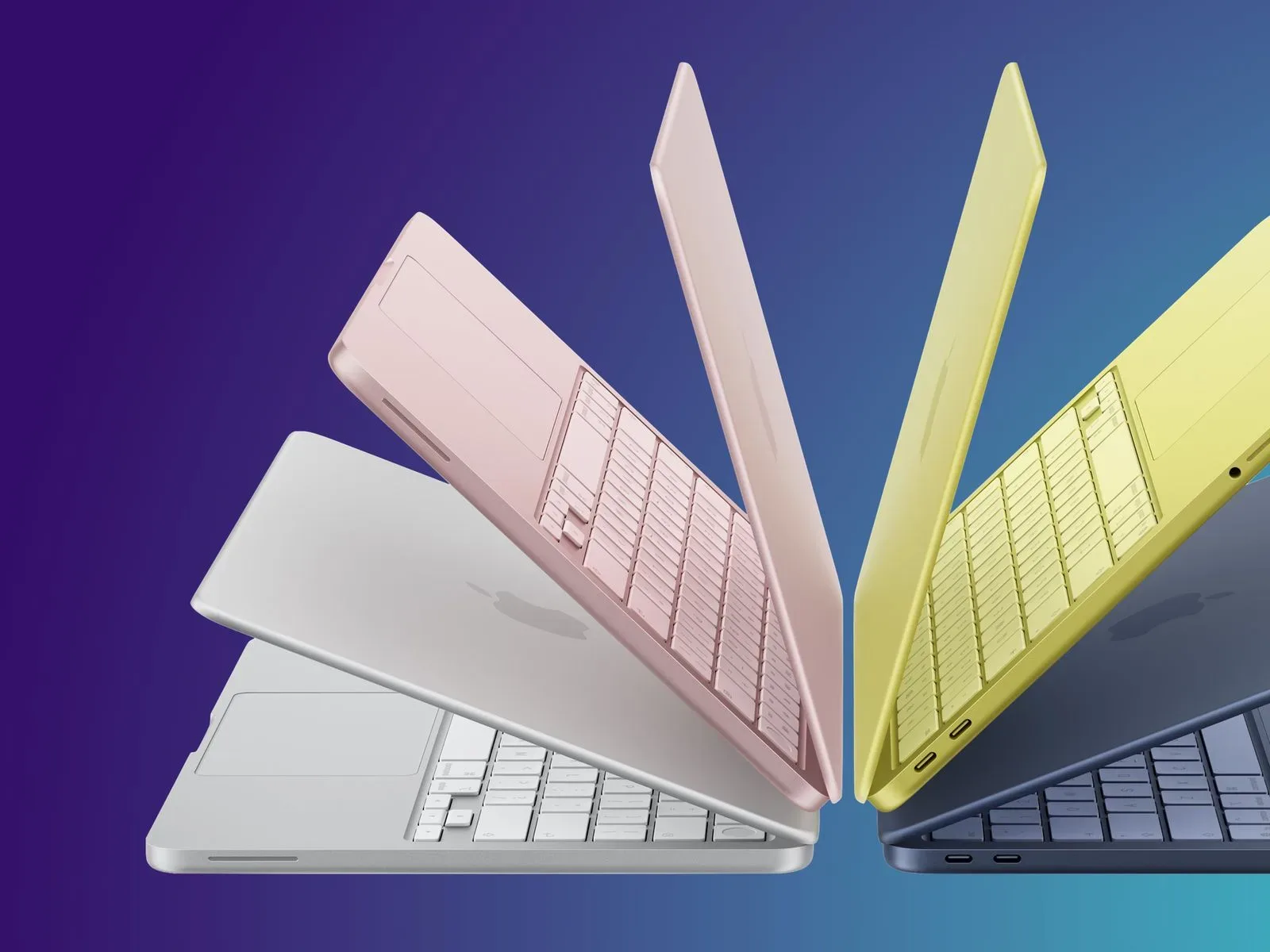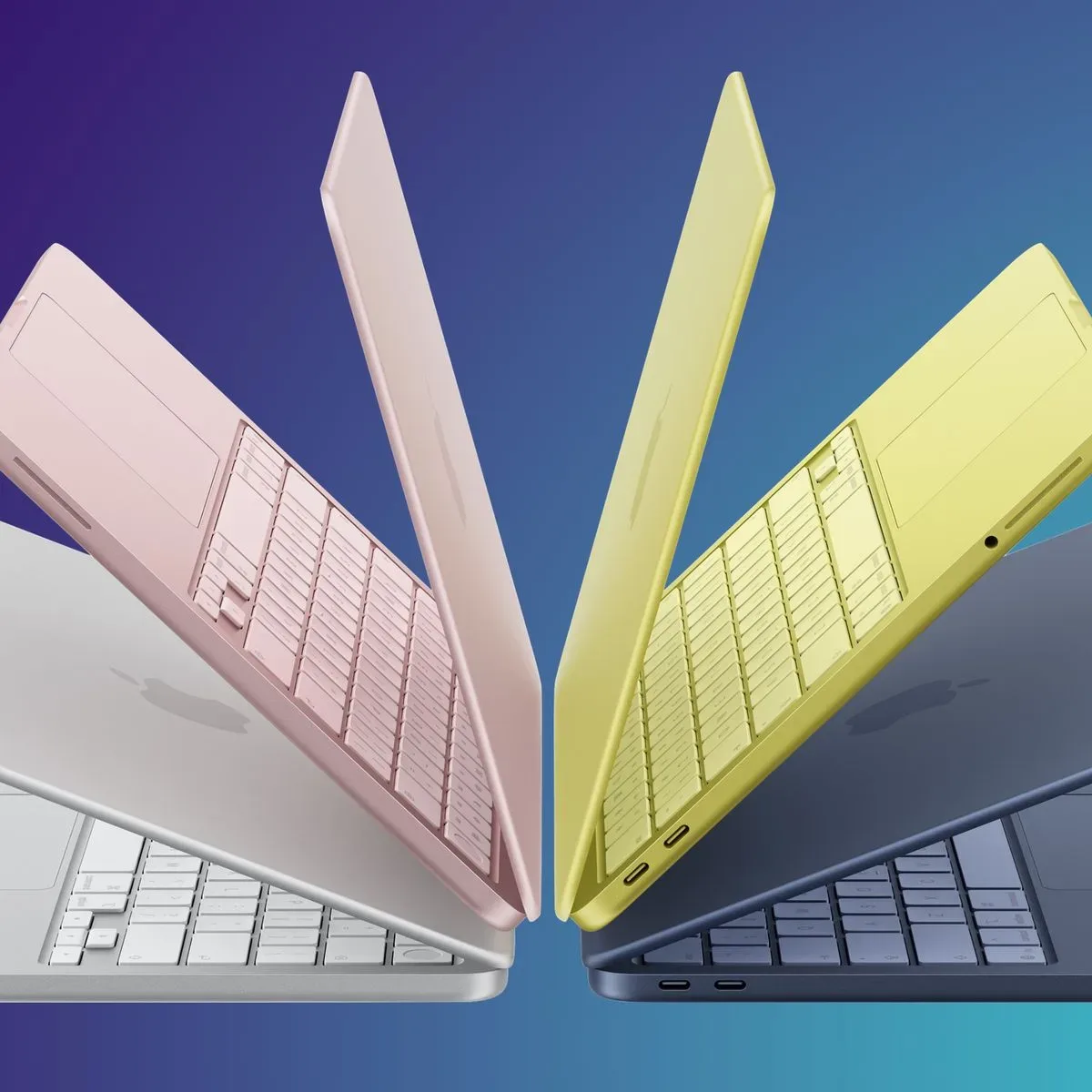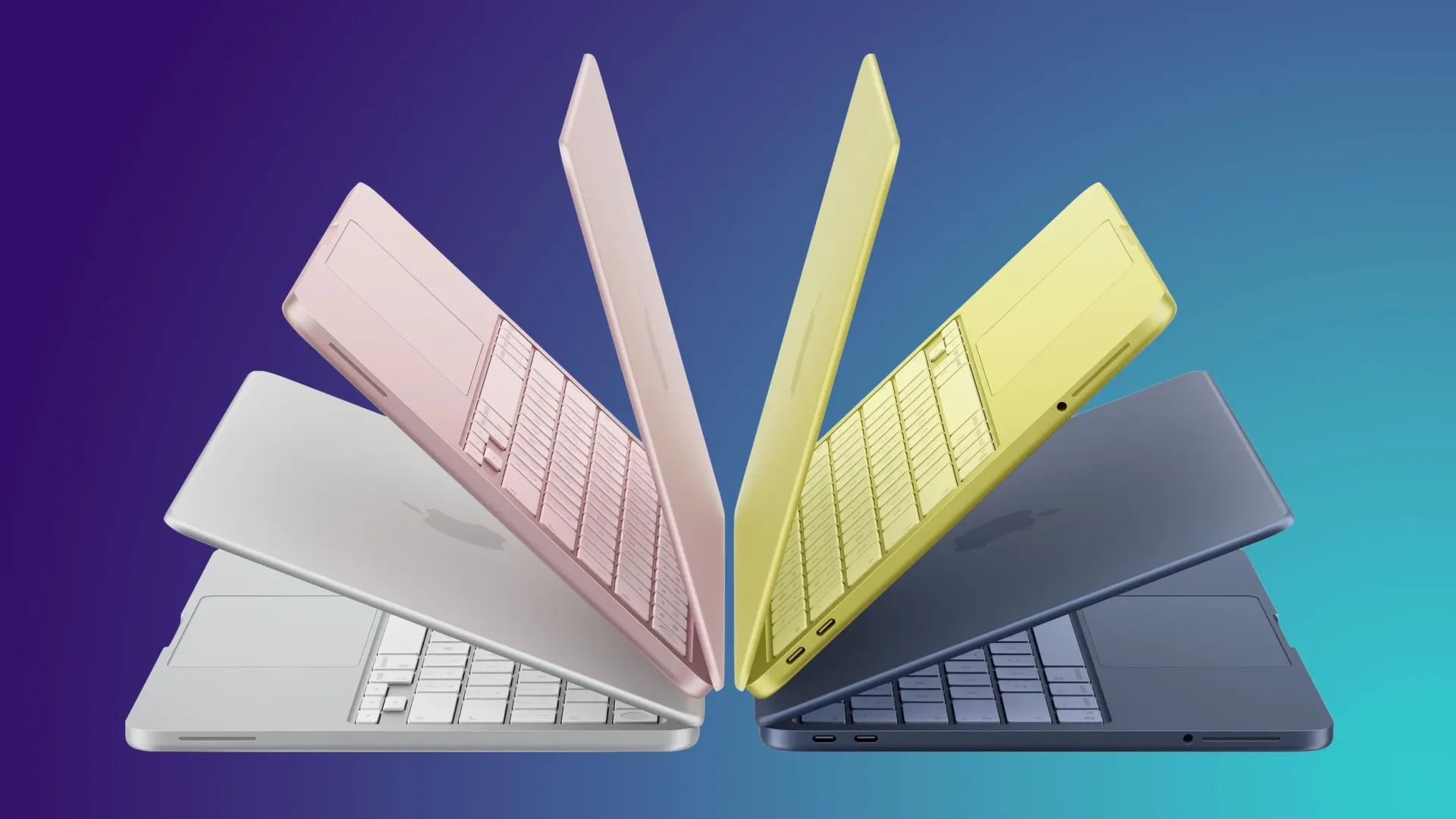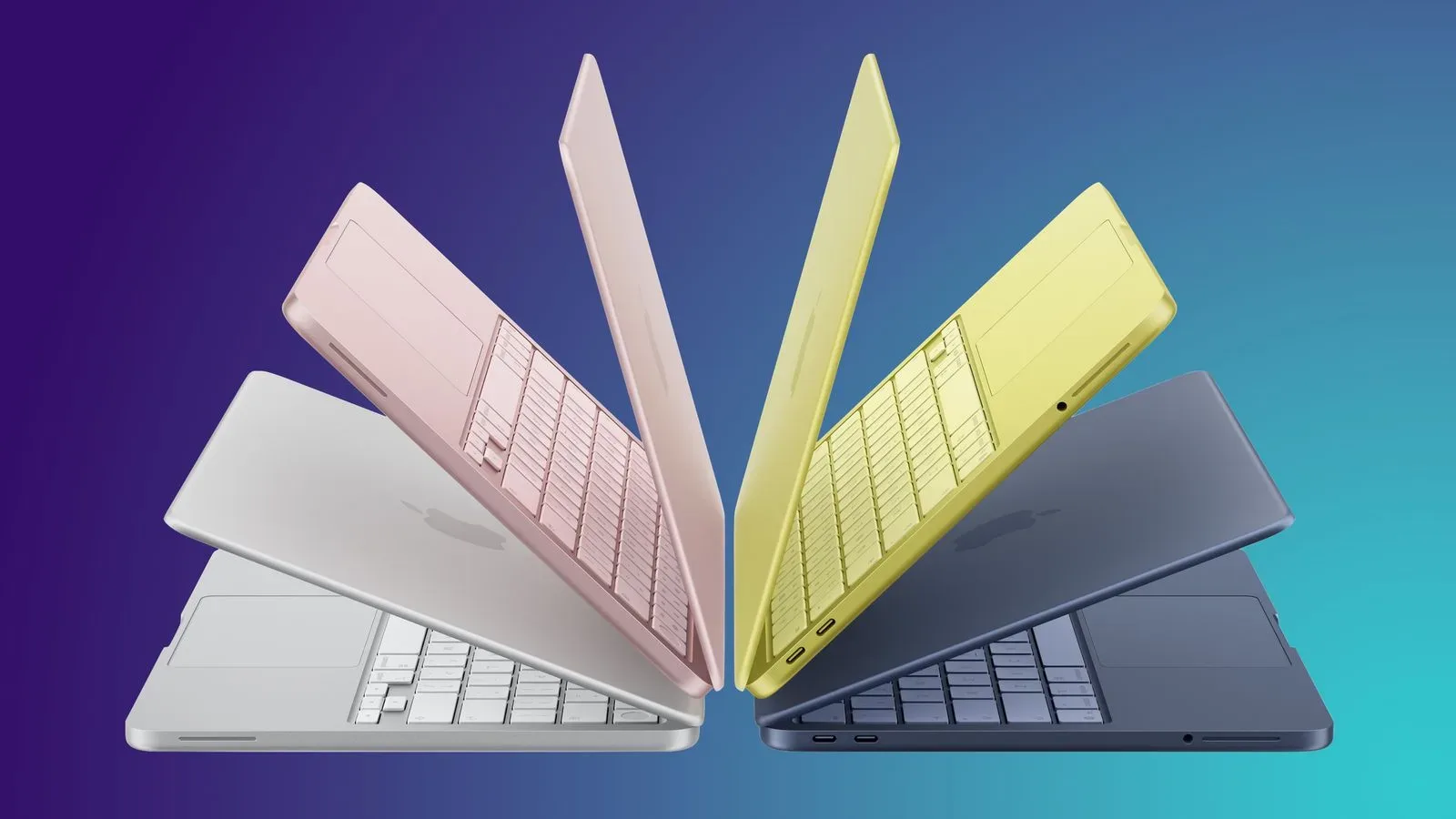
Apple’s Mac business declined in the third quarter of 2026, but it still improved its position in a PC market that contracted far more sharply. Preliminary estimates put Mac shipments at 5.6 million units, down 11% year over year. Worldwide PC shipments, meanwhile, fell 21% to 57 million units.
That difference matters. Apple’s worldwide PC share rose from 8.7% a year earlier to 9.8%, even though its own shipment total was lower. The MacBook Neo was identified as an important contributor to Apple’s comparatively resilient quarter, though the available estimates do not break out the model’s unit sales or provide specifications.
For PC buyers—and for players who use a Mac alongside a desktop, handheld, or console—the headline is not that computers are suddenly selling in huge numbers. It is the reverse: replacement cycles appear to be stretching as the cost of building new machines rises. Apple took a smaller hit than the overall market, but it was still a hit.
A share gain does not mean Mac shipments grew
Market share is a relative measure: a company’s portion of all shipments in the market. It can increase when a vendor sells more computers, but it can also increase when that vendor’s shipments decline less severely than competitors’. Apple’s third-quarter performance is the latter case.
With Mac shipments down 11% and the total market down 21%, Apple retained a larger slice of a smaller pie. Its 9.8% share placed it fourth among PC vendors by shipments. Lenovo remained first with 26.3%, followed by HP with 18.1% and Dell with 13.3%.
The shipment declines reported for those larger vendors were steeper than Apple’s: Lenovo fell 23%, HP fell 31%, and Dell fell 25%. ASUS, ranked fifth, was the only top-five vendor to post a smaller year-over-year decline than Apple. Its shipments dropped 7%, giving it a 9.2% share.
Apple’s apparent strength in the quarter is relative, not absolute: Mac shipments fell, but the worldwide PC market fell nearly twice as fast.
This distinction is particularly useful when reading hardware-market headlines. A rising percentage can sound like an expansion, yet it does not necessarily indicate more machines reached customers. In this case, the available figures point to Apple weathering a broad slowdown better than several major rivals.
Why the PC market is contracting
Rising production costs are making new computers harder to justify for many households and organizations. Higher memory and component prices have flowed through to PC prices, raising the cost of replacing a machine that may still be functional enough for everyday work, browsing, media, and older games.
“Component prices” refers to the cost of the parts used to assemble a computer. Memory is one such part, while the broader category can include other hardware needed for a finished PC. When those inputs cost more, manufacturers face pressure to absorb the increase, reduce costs elsewhere, or raise the price paid by the customer. The estimates point to higher retail PC prices contributing to consumers putting off purchases.
That delay is often called a postponed replacement cycle. Rather than replacing a laptop or desktop on a predictable schedule, a buyer continues using the existing machine for longer. A decision like that can be rational when the current device still handles the tasks that matter most, while the upgrade price has moved upward.
There were still sources of demand in the quarter. Business fleet replacements helped support shipments, as did Windows migration. A fleet is an organization’s managed group of computers, so fleet replacement means a company, school, or other institution changing out machines at scale. Windows migration describes systems being updated or moved as organizations adjust their Windows deployments.
Neither force was enough to offset the wider consumer pullback. That is the core market tension: some buyers have requirements that compel a purchase, while others retain the option to wait. The latter group appears to be exerting significant influence on the totals.
What the MacBook Neo mention does—and does not—tell us
The MacBook Neo is singled out as a contributor to Apple’s performance, making it relevant to the company’s 9.8% market share result. But the shipment estimates do not establish how many units of the device shipped, what portion of Mac volume it represented, or which buyer segments drove its contribution.
It would therefore be premature to turn one market-research observation into a sweeping verdict on the entire Mac lineup. The defensible reading is narrower: amid a difficult quarter for PCs, the MacBook Neo helped Apple limit the scale of its decline.
That is still meaningful. In a market where total unit volume fell by more than one-fifth, holding onto share can influence how a platform is perceived by developers, accessory makers, and consumers considering their next computer. It does not guarantee a particular game release, software port, or hardware strategy, but a more resilient installed pipeline is generally preferable to one losing ground faster than the market.
For buyers, though, shipment data is not purchasing advice by itself. It does not measure whether a specific notebook meets a person’s software needs, budget, preferred games, storage requirements, or peripheral setup. A stronger share result says something about relative market performance, not whether one computer is automatically the right fit for every use case.
The practical upgrade question: replace now or extend a setup?
The reported market conditions explain why more people may be interrogating an upgrade rather than assuming one is due. If higher memory and component costs are reflected in PC pricing, the value calculation changes. A buyer comparing systems may choose to keep an existing laptop for work and lighter play, use a console or handheld for new releases, or add targeted accessories rather than replace an entire machine.
That does not mean delaying is always the best choice. Organizations undertaking fleet replacements and Windows migration may have support, security, compatibility, or deployment reasons that make a refresh necessary. Individual buyers can have similarly specific needs: a failed device, insufficient performance for required applications, or a new workload can all make waiting impractical.
The important point is that the market numbers describe a group-level trend, not a rule. The data suggests many purchasers are choosing patience where they can. It does not reveal the right timetable for every user.
For people trying to get more flexibility from existing gear, power and connectivity can be part of the equation, provided they are approached carefully. A recent report on a high-capacity power bank for handhelds, phones, and laptops illustrates the kind of accessory category some users consider when keeping multiple devices useful on the go. It is not a substitute for evaluating a computer’s performance or replacement needs, but it reflects how purchase decisions increasingly involve an ecosystem rather than just a single box.
Fourth quarter could be tougher still
The outlook remains difficult. Global PC shipments are expected to decline 27% year over year in the fourth quarter of 2026. If that forecast proves accurate, the final quarter would be an even steeper contraction than the 21% decline estimated for the third quarter.
The 2027 expectation is more subdued than optimistic: broadly flat shipment volumes compared with 2026. “Flat” does not imply a robust recovery. It means the market could stabilize around the current level rather than experience a substantial year-over-year expansion.
That forecast also puts Apple’s third-quarter share gain in context. Beating the market during a downturn is valuable, but a more difficult fourth quarter would test whether the company can preserve that relative resilience. The supplied figures do not provide a vendor-by-vendor forecast for the next quarter, so there is no basis to predict whether Apple’s share will rise, fall, or remain near 9.8%.
What to watch next
The next meaningful data points will be the direction of component costs, the pace of delayed consumer replacements, and whether business refreshes and Windows migration continue to cushion demand. Those factors help explain the present contraction and will shape whether the anticipated stabilization in 2027 arrives.
For Apple, the immediate result is clear: 5.6 million Mac shipments represented an annual decline, yet a smaller one than the market overall. That lifted the company from 8.7% to 9.8% share and kept it in fourth place worldwide. The MacBook Neo was part of that resilience, while the wider PC industry continued to contend with a buyer base increasingly willing—or forced—to wait.