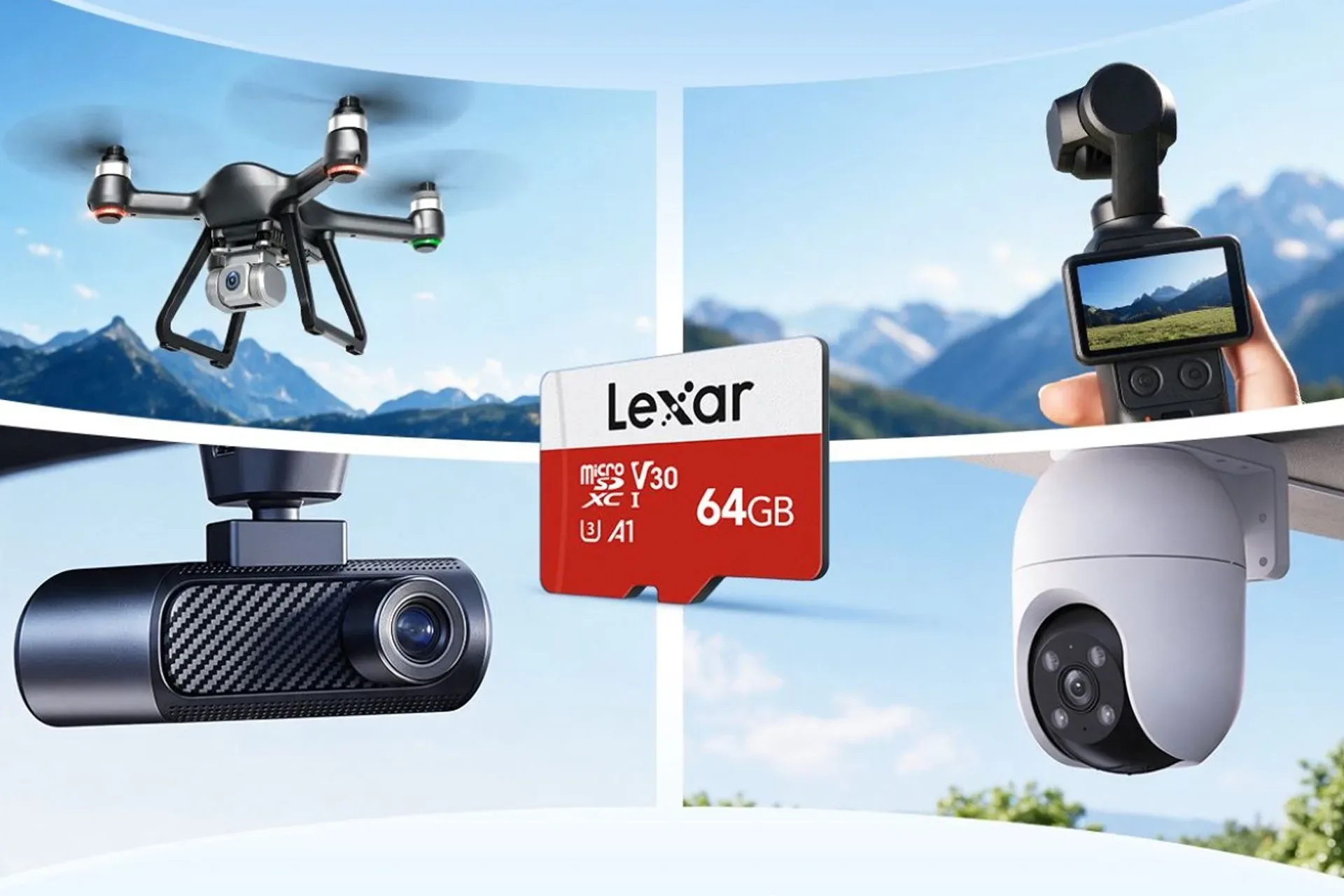
Creators building a camera kit have a straightforward storage deal to weigh: Lexar’s 256GB Professional Silver SDXC memory card is listed at $85, down from $115. That is a $30 reduction, or roughly 27%, on a full-size SD card positioned for still photography and video work rather than casual file shuffling.
The headline specifications are substantial on paper. Lexar rates the 256GB card for up to 225MB/s read speeds and up to 160MB/s write speeds. It is a UHS-I card carrying both U3 and V30 speed classifications, and it uses the standard SD form factor found in many Canon, Nikon and Sony cameras. Lexar also describes it as magnetic-, temperature-, wear-, vibration- and drop-proof, and includes a lifetime limited warranty.
Those labels can become a blur of letters on a retail listing, so the useful question is less “is 256GB a big number?” and more “will this card match the way a camera is being used?” For people filming 4K, taking long clips, shooting time-lapses, or snapping repeated images in a fast-moving setting, the sustained-write designation matters at least as much as the larger maximum figures.
What the speed markings actually say
UHS-I identifies the card’s interface class. In practical terms, it is part of the connection standard through which a compatible camera or reader communicates with the card. It should not be confused with a promise that every device will deliver the same maximum result: the camera, reader, connection and files being handled all remain part of the chain.
U3 and V30 are the more immediately useful certifications for recording. Both indicate a minimum sustained write speed of 30MB/s. “Sustained” is the important word. A card may briefly reach a much higher peak write figure, but a video camera needs dependable ongoing performance while it keeps committing footage to storage. The V30 classification is intended to support 4K and Full HD recording without interruptions caused by the card failing to keep pace with the incoming data.
Lexar’s claimed 160MB/s maximum write speed describes potential burst performance rather than replacing that V30 floor. This distinction helps make sense of why cards list both a large “up to” number and a video class. The former describes the best-case ceiling cited by the manufacturer; the latter communicates the guaranteed minimum level for the relevant class of continuous recording.
For photography, higher write throughput can also affect a camera’s image buffer. The buffer is temporary fast storage inside the camera, where images wait before they are written to the SD card. During a burst of photos, a camera can fill that space. A faster card can help it clear the queue more quickly, potentially allowing further shooting sooner. That makes the Lexar card’s rating relevant to events, sports and other situations where the subject may not politely repeat the moment.
Capacity is useful, but it is not a substitute for workflow
At 256GB, the card is intended to reduce mid-session card swaps. Lexar says the capacity can hold thousands of RAW photographs and hours of 4K footage. Exact totals will vary considerably with a camera’s image resolution, RAW-file settings, video codec, bitrate and recording mode, so shoppers should treat broad capacity claims as a direction rather than a fixed shooting schedule.
That caveat does not diminish the practical benefit. One high-capacity card can simplify a day of capture, whether the work is a ceremony, concert, travel shoot or extended time-lapse. It means fewer interruptions and less handling of tiny media in the field. For a player who is also documenting a local tournament, cosplay event or gaming setup, that can be a welcome convenience: gear time is not content time.
But large cards also encourage a sensible habit: transfer footage and photographs regularly, and retain backups. A card’s ruggedness ratings address specified environmental hazards; they do not turn a single storage device into a complete archive. The same goes for the lifetime limited warranty, which is useful product coverage but is not a recovery plan for irreplaceable captured material.
Read speed matters after the camera is switched off
The card’s up-to-225MB/s read rating is about moving existing data off the card. After a shoot, a faster read path can shorten imports to a computer and get photo or video editing underway sooner. This is the other half of the product’s value proposition: writing is what protects the capture in the moment, while reading shapes the wait before editing, sharing or backing it up.
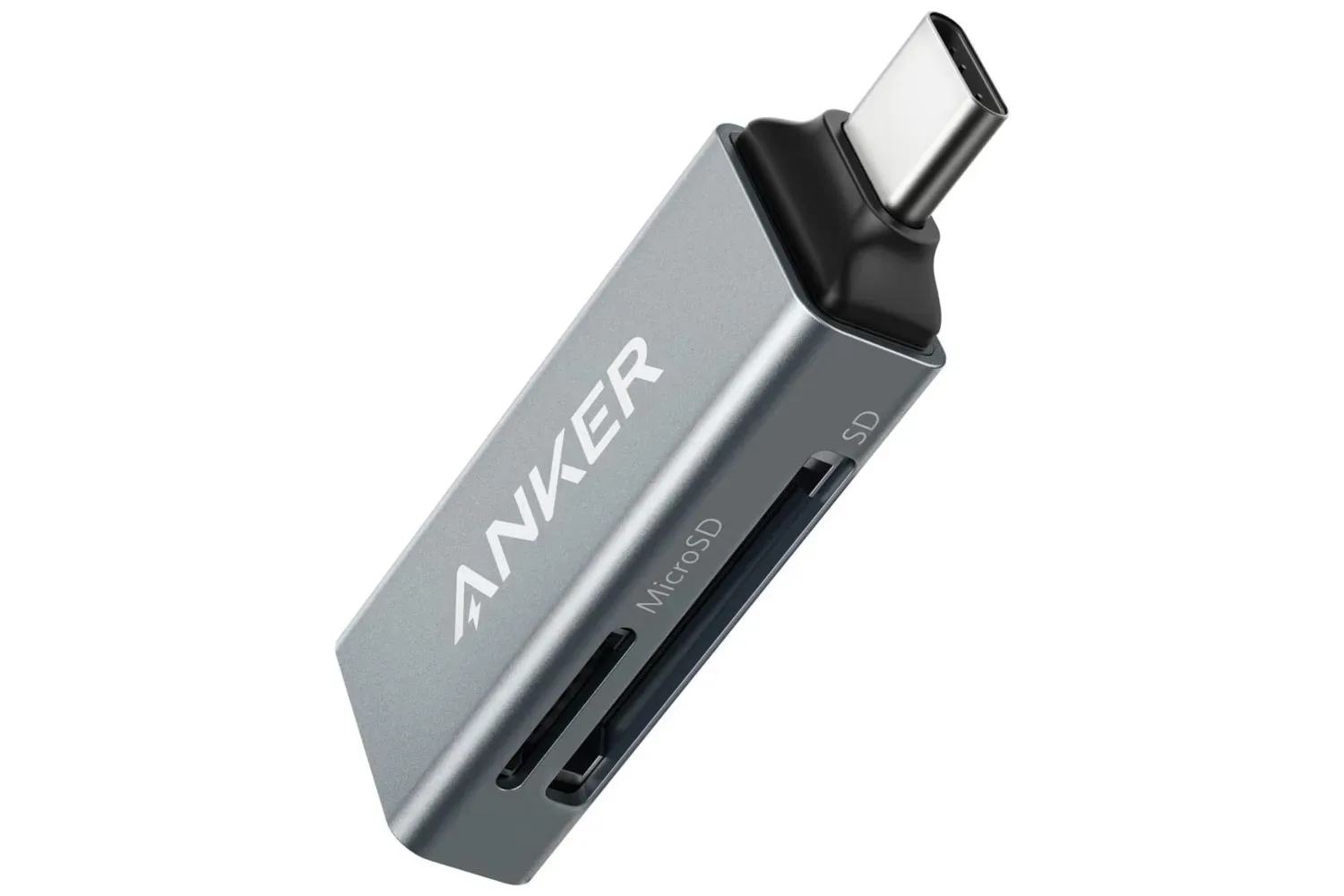
There is an important compatibility qualification here. Lexar specifies that its faster read performance is available when the card is used with the Lexar RW360 reader. A buyer using a different reader, a laptop’s built-in SD slot or a camera connected by cable should not assume they will see the card’s quoted ceiling. Transfer performance depends on the rest of the setup as well as the media.
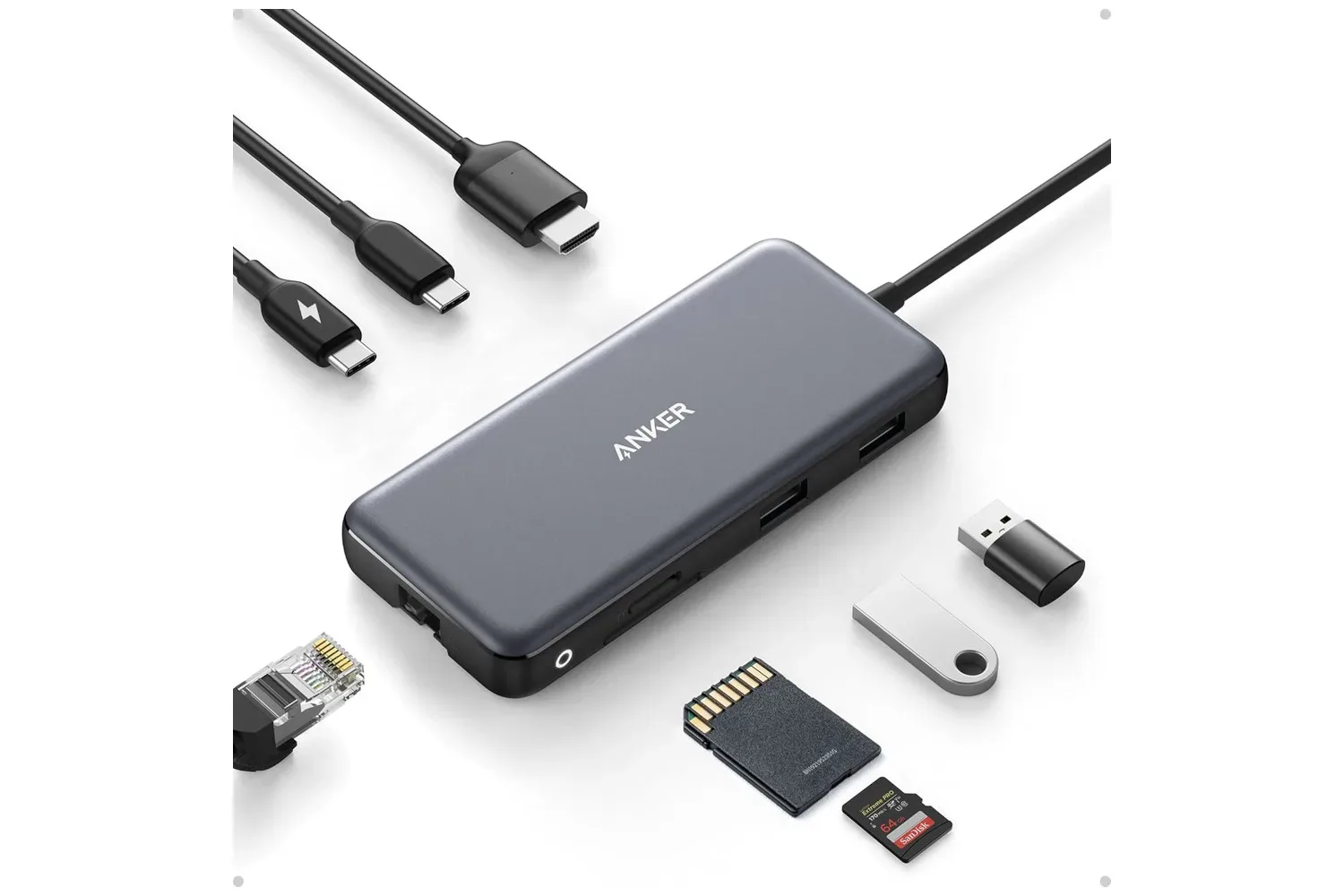
That is a useful buying check for anyone assembling an editing station. The card itself is only one component: a compatible reader and suitable computer connection determine how much of the potential read speed becomes a real-world benefit. Readers who are also expanding a laptop workspace may want to consider the broader port situation; an 8-in-1 USB-C hub with HDMI and Ethernet is a separate kind of accessory, but the same principle applies—check the ports and standards across the entire chain rather than buying around one headline specification.
Who this SD card best suits
The card appears best aligned with photographers and videographers using cameras that accept standard SD media and need room for high-resolution work. Its U3/V30 credentials specifically make it a more sensible candidate for 4K and Full HD capture than a card that only emphasizes storage capacity. The maximum write rating further suggests a focus on cameras that may generate plenty of data during bursts.
- 4K and Full HD shooters: V30 and U3 designate a 30MB/s minimum sustained write speed for video capture.
- Burst photographers: Up to 160MB/s writes may help a compatible camera move shots out of its buffer faster.
- Long-session creators: 256GB means fewer card changes during an extended shoot, subject to file format and bitrate.
- Editors handling frequent imports: Up to 225MB/s reads can help move material to a computer, particularly with Lexar’s RW360 reader.
- Travellers and field shooters: Lexar’s stated durability design addresses magnetic, temperature, wear, vibration and drop exposure.
It is not automatically the right purchase for every device with an SD slot. The supplied information identifies UHS-I performance and a standard SD format, so prospective buyers should verify their exact camera’s supported card type and recording requirements before ordering. Camera makers can impose their own limits or have particular recommendations for demanding video modes. Compatibility with Canon, Sony and Nikon cameras is broad useful context, not a replacement for checking a specific model.
A deal worth judging by the job, not just the percentage
The current $85 listing is materially lower than the cited $115 price, and the 27% reduction is meaningful for an accessory that is easy to overlook until storage is the bottleneck. Still, memory-card shopping benefits from a slightly more careful checklist than simply choosing the largest discount.
- Confirm that the device takes full-size SD cards.
- Check whether the camera’s preferred recording mode calls for a particular video-speed class.
- Separate peak read and write claims from sustained video performance.
- Consider whether an existing reader can take advantage of the intended transfer workflow.
- Plan a backup routine rather than relying on capacity or durability claims alone.
On the supplied specifications, Lexar’s Professional Silver SDXC sits in the practical middle ground for people who need more than basic removable storage: a 256GB capacity, a V30/U3 sustained-write designation for video, and rated speeds meant to support both fast shooting and quicker ingest. At the listed price, it is a deal with a clear use case for camera owners—but only once their camera, capture settings and reader all line up with what the card is built to do.
Shop the products
Check current price, model and availability at the retailer.