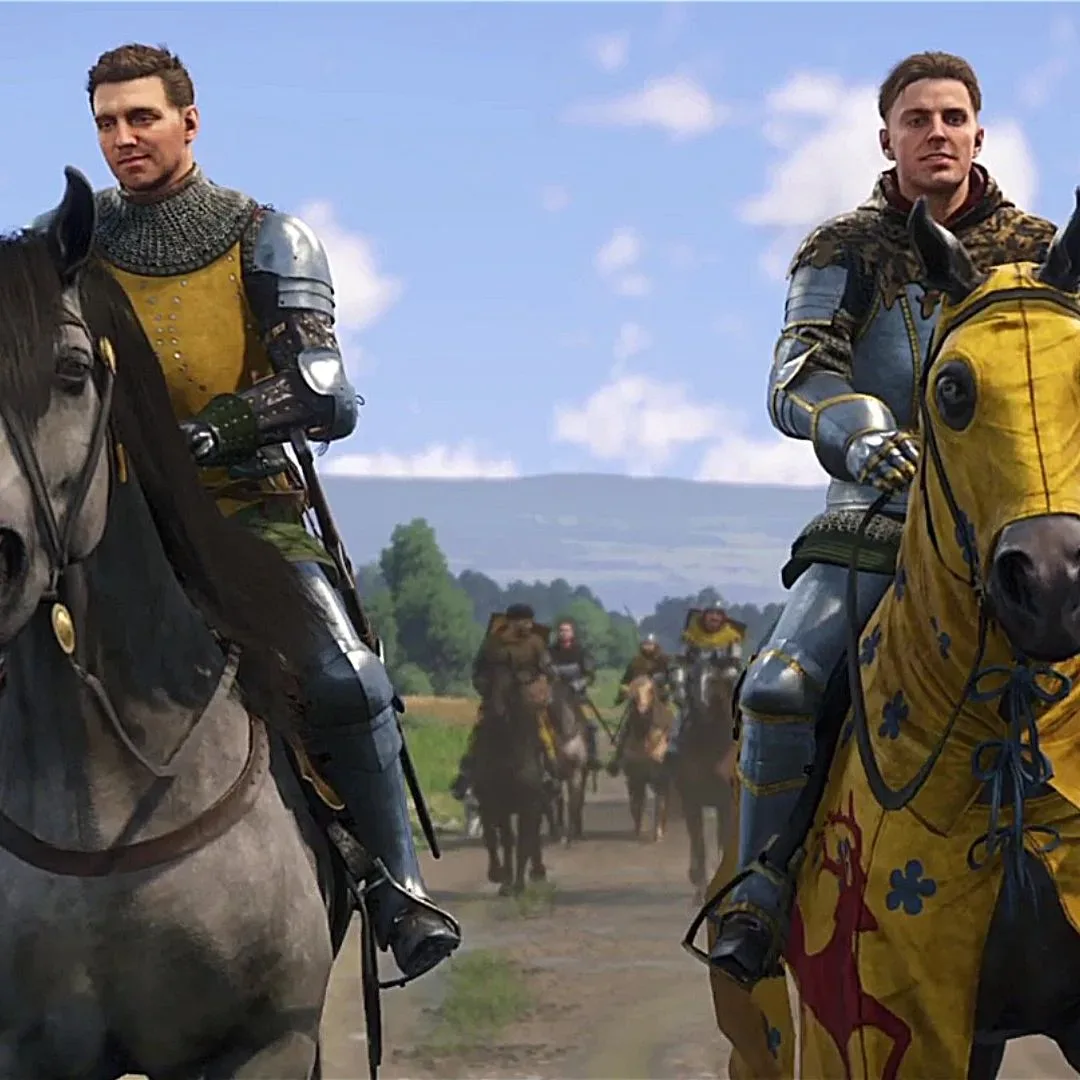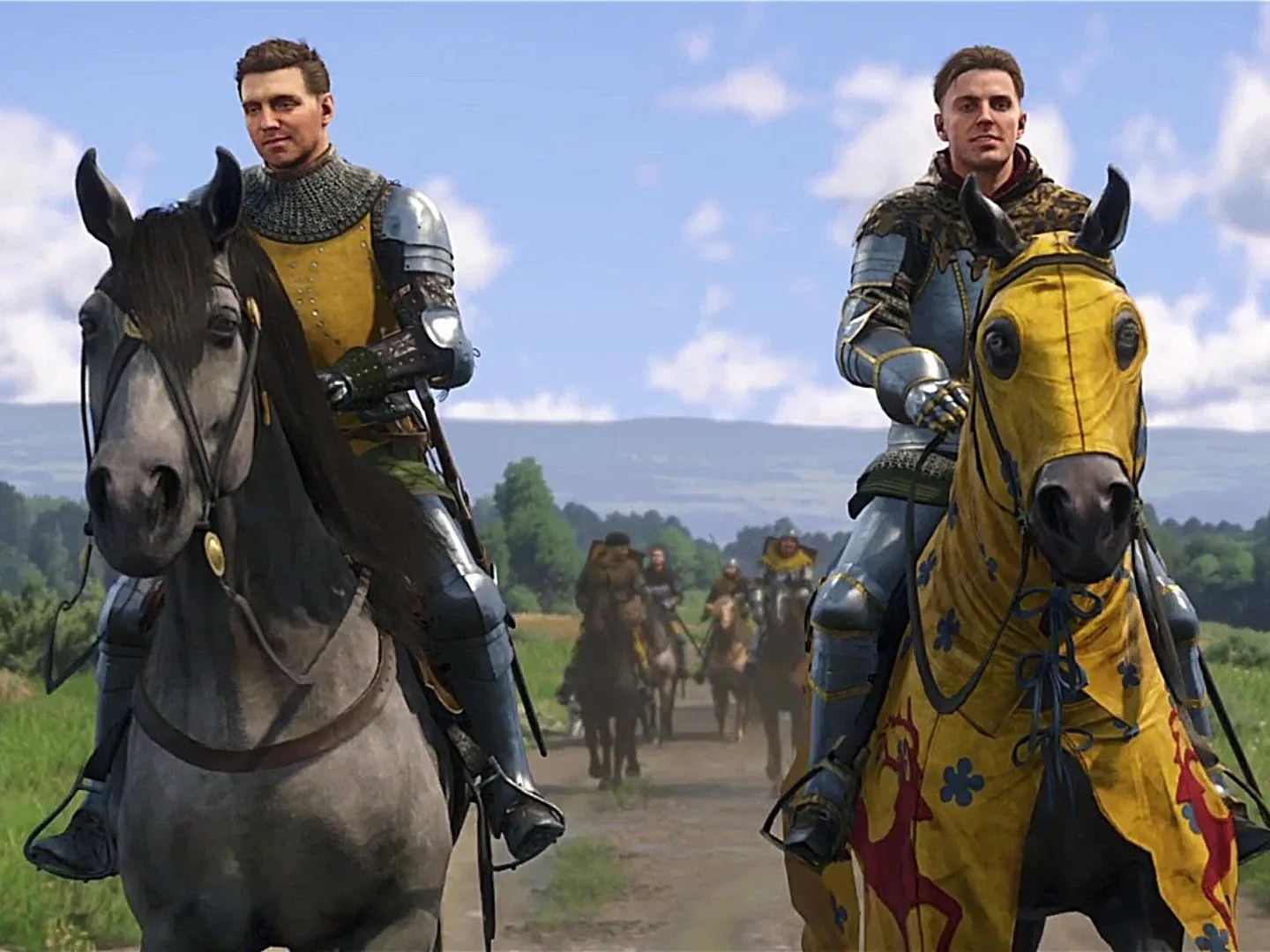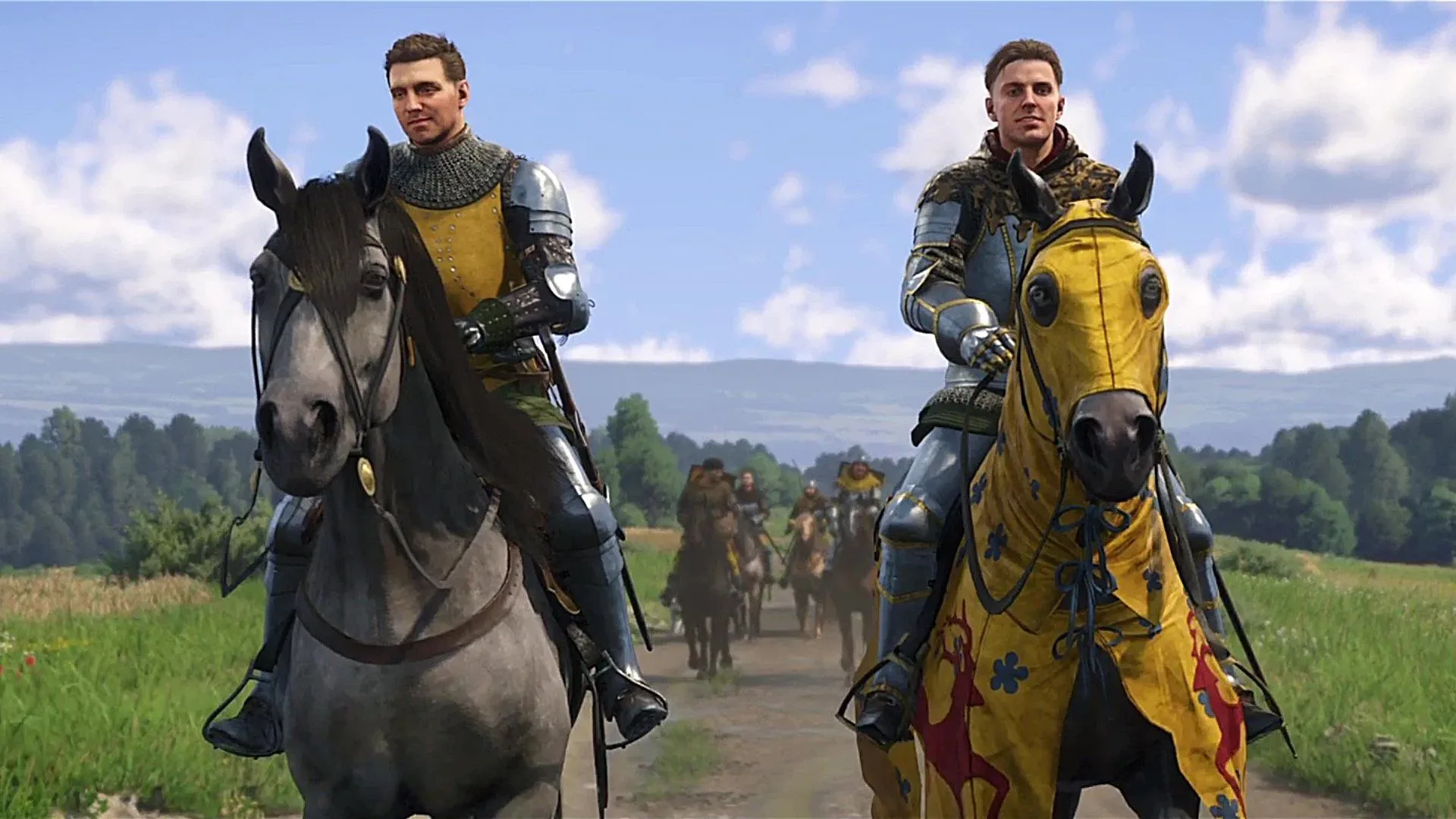
Kingdom Come: Deliverance 2 is getting a community-built multiplayer layer through an open-beta mod that turns its Bohemian open world into the basis for persistent role-playing servers. The project is available to Steam owners of the game and is designed around shared free roam, not a conventional second-player version of the single-player campaign.
That distinction is the important one. Plenty of unofficial multiplayer projects aim to let friends experience an existing story together. This mod’s developers instead describe their work as groundwork for multiple forms of multiplayer built atop the game. Its first playable focus is free roam: players on the same server can ride around the full map together and see where the road takes them.
What the open beta is offering
Joining a public server currently leads players into an RP server mode. RP, or role-play, generally means participants create social scenarios and act within a shared setting rather than solely pursuing the original game’s authored missions. In this case, the setting is Kingdom Come: Deliverance 2’s open-world version of Bohemia, now shared with other people on the server.
The project’s stated persistent-world behavior is particularly notable. Doors, gates and chests are shared: their state is the same for everyone connected to that server. If a chest is opened, or a route is blocked or opened through a gate or door, that is not simply a private change occurring on one player’s machine. It becomes part of the communal state of that particular world.
Persistence is a foundational term for multiplayer role-play servers. It means the server retains aspects of the world so that each player is interacting with a common environment rather than an isolated copy. That can make simple activities—meeting up, traveling, guarding an entrance, looking for supplies, or establishing a gathering place—matter differently than they do in a solo RPG. It also means server communities will have to decide how they want to handle access, shared resources and player behavior.
The mod is explicitly in open beta, so it should be treated as an in-progress public build rather than a finished multiplayer feature. The available information confirms its Steam requirement and free-roam RP direction, but does not establish additional details such as server rules, moderation systems, progression design, compatibility boundaries or the eventual breadth of multiplayer modes. Players should avoid assuming that every single-player system or narrative beat has been converted for cooperative play.
Not campaign co-op—and that changes the proposition
Calling this a multiplayer mod could initially suggest campaign co-op, where two or more players follow the original protagonist’s quests in tandem. That is not the framing here. The mod is not positioned as a companion joining the game’s story. It is positioned as a platform on which multiplayer experiences can be made.
That approach places the emphasis on emergent activity. “Emergent” gameplay is what arises from players, game systems and circumstances colliding, rather than from a prewritten objective. A server can produce its own routines and conflicts: a group heading out together, strangers meeting on a road, a dispute over a chest, or an impromptu duel. None of that requires the original story to be redesigned around multiple protagonists.
Related coverage includes Kingdom Come: Deliverance 2 Multiplayer Mod Opens Bohemia to Persistent RP Servers.
It is also a demanding ambition. A story co-op modification can concentrate on keeping a small party synchronized through selected missions. A persistent shared world needs to keep more things consistent for more people, including the states of interactive objects and the consequences of combat. The developers’ choice to start with free roam is therefore meaningful: it establishes a communal foundation before suggesting the original RPG narrative has become a drop-in multiplayer campaign.
For players primarily looking for a structured group objective loop, the current pitch may feel different from familiar MMO-style or quest-driven co-op. Its appeal is the social sandbox: bring people to the same map, give them a persistent environment, and let a server community make the activity. That design direction has some overlap with other efforts to make group play feel fairer and more social, such as changes being tested for group quest drops in WoW: Forever, though Kingdom Come: Deliverance 2’s mod is pursuing a distinct, community-run role-play model.
Why server-authoritative combat matters
Video shared by the development team shows melee exchanges with perfect blocks and ripostes in use. A perfect block is a precisely timed defensive action, while a riposte is the immediate counterattack that follows a successful defense. Both are highly timing-sensitive mechanics, which makes their presence a significant technical point for a multiplayer conversion of a melee RPG.
The developers say that punches, blocks and dodges land consistently on both players’ displays because the server determines the damage. This is commonly described as a server-authoritative setup. Put simply, the server acts as the final referee for the result of a combat interaction, rather than allowing each individual player’s game client to decide independently.
That matters because multiplayer combat has to reconcile what different players see. If one player believes a hit connected while the other believes it was blocked, the shared experience quickly becomes unreliable. A server authority is meant to settle that disagreement and send the accepted outcome back to connected players. In a game with defensive reactions such as blocks, dodges and ripostes, a common decision-maker is especially useful for making fights feel mutually legible.
It does not eliminate every challenge associated with online action games. Network conditions can still affect how responsive an action feels, and an open beta can still change substantially as more people use it. But the developers’ emphasis on server-decided damage indicates that combat synchronization is central to the project rather than an afterthought added to basic map exploration.
A mod community is choosing a platform route
Unofficial co-op work has a long history in PC gaming, including projects that seek to make shared play smoother in games that already contain some online features, as well as projects built for games without native multiplayer. Kingdom Come: Deliverance 2’s new mod takes a broader route than simply making a solo journey playable beside a friend.
The idea is to use the existing game as a foundation for servers and the communities they support. That can make the experience more flexible, but it also makes the character of each server more important. A public role-play world is not just a technical lobby. Its atmosphere will depend on the people operating and joining it, their expectations for role-play, and the rules they choose to follow.
For Steam players interested in the beta, the clearest expectation is a shared, persistent free-roam Bohemia where basic world objects have consequences for everyone and combat aims to resolve the same way across screens. It is not evidence that the entire campaign is now multiplayer, nor is it a promise of specific future modes. It is an early public test of a more expansive proposition: a single-player historical RPG world repurposed as a place for its players to inhabit together.
What is confirmed so far
- The KCD Multiplayer mod is in open beta.
- It is available to people who own Kingdom Come: Deliverance 2 on Steam.
- Its initial playable mode is free roam on role-playing servers.
- Public-server players enter a persistent shared world.
- Doors, gates and chests share the same state for everyone on a server.
- Combat shown by the developers includes perfect blocks and ripostes.
- The server determines damage outcomes, aiming to keep combat results consistent between players.