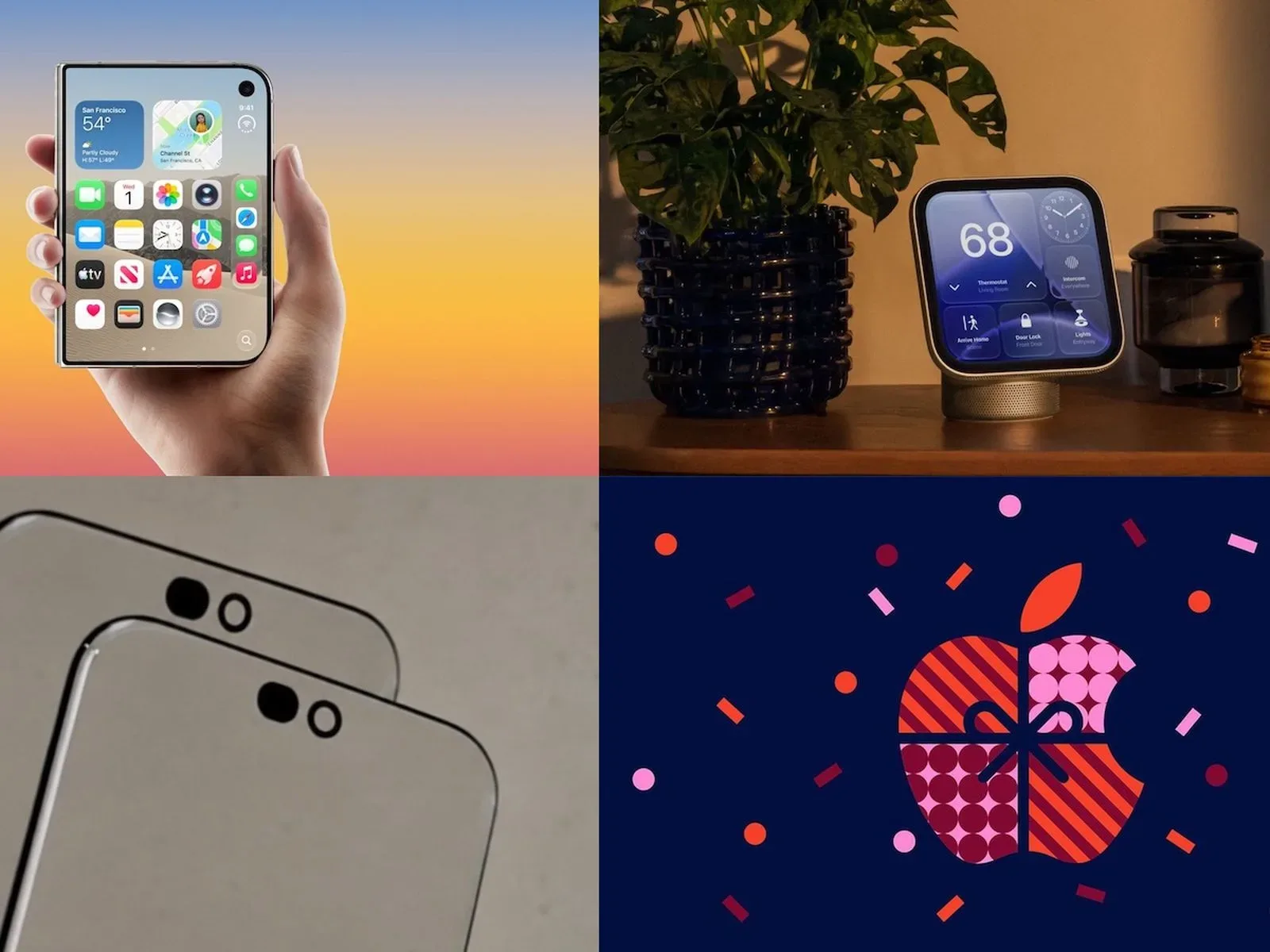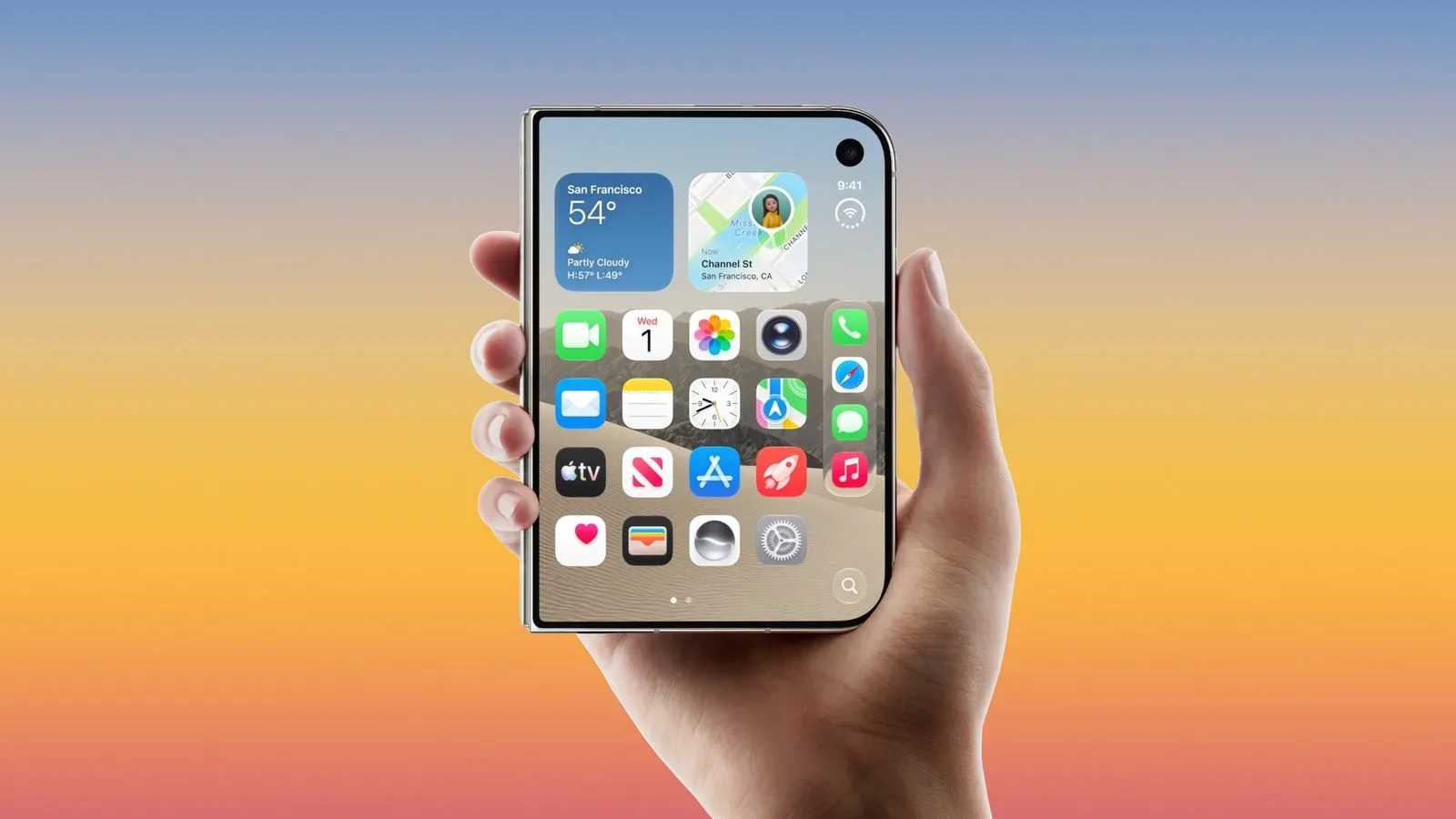
The iPhone Duo is set to gain a new facial unlock option through the second beta of iOS 27.3, addressing an early friction point for Apple’s foldable phone: authentication currently relies on the Touch ID sensor integrated into its power button.
That distinction matters. The incoming option is described as a partial answer rather than the arrival of full Face ID on the device. Full Face ID is still a major priority for a second-generation iPhone Duo, alongside other improvements. For current owners, iOS 27.3 appears poised to make everyday access more flexible; for prospective buyers, it is a reminder that the foldable’s authentication design remains a work in progress.
What is changing for iPhone Duo owners
Touch ID is a biometric authentication system that uses a fingerprint. On iPhone Duo, the fingerprint reader lives in the power button, so unlocking the phone involves physically pressing or touching that button. That can be perfectly functional, but it creates a different routine from a phone that authenticates by recognizing its owner’s face.
The iOS 27.3 beta adds a facial unlock option. The evidence available does not establish that this feature has the same capabilities, security approach, or system-wide reach as Face ID, so those should not be treated as interchangeable terms. The most useful way to read the update is simple: iPhone Duo users will have another route for getting into their phones, while Touch ID remains part of the device’s core authentication setup.
That extra choice could be meaningful in small, repetitive moments. A foldable form factor can be used in more than one physical posture, and a power-button fingerprint scan depends on where a user’s hand naturally lands. A face-based option may reduce the need to deliberately find the side button in situations where the screen is already visible. It is an interface refinement, not evidence that the hardware has suddenly become a full-Face-ID implementation.
Why “face unlock” and Face ID should not be conflated
Apple’s naming is important here. Face ID refers to Apple’s established facial-authentication system. The feature now appearing for iPhone Duo is described as a facial unlock option, while full Face ID is separately identified as a priority for the second-generation phone.
In practical terms, the language signals a gap between a convenience feature that helps unlock the device and the broader target Apple is pursuing for a future model. The available information does not spell out precisely which actions the new facial option can approve, nor does it provide a release date for a second-generation iPhone Duo. Users should therefore avoid assuming that every function previously associated with Face ID will automatically be supported by the iOS 27.3 addition.
For anyone weighing the first iPhone Duo against waiting, that is the key caveat. Software can improve the day-to-day experience of existing hardware, but it cannot alone settle a design objective that is being framed for a later generation.
iOS 27.3 has more than one usage limit to watch
The second iOS 27.3 beta also introduces daily Siri AI limits and explains how much additional use is included with different iCloud+ plan tiers. The supplied details do not provide the specific daily caps or the precise allowances attached to each tier, so it would be premature to calculate which plan represents the best value.
Still, the structure is clear enough to have practical implications. A daily limit is a ceiling on use within a day, while an iCloud+ tier is a subscription level that can carry a different allowance. People who use Siri’s AI features heavily will want to check both pieces of information after the update becomes available: the base daily limit and the additional usage, if any, attached to their own iCloud+ plan.
That is especially relevant for households sharing devices or subscriptions. The important question is not merely whether a feature is available, but whether the available allowance matches how often it is used. Until the exact terms are known, the sensible approach is to treat the beta’s new information as a usage-management tool rather than a promise of unlimited access.
HomeView’s launch begins the detail phase
HomeView launched last Friday, and attention is now turning from the initial release to the smaller settings and behaviors that shape how a home hub fits into a routine. Reported details include Mirror and a sleep timer, though the supplied information does not define their full behavior or list the rest of HomeView’s options.
A home hub is a central device for interacting with connected-home functions. Its value is often determined less by a single headline capability than by the accumulation of modest controls: what it displays when idle, whether it can be set to stop or change behavior after a period of time, and how easily it fits into a room’s existing habits. HomeView’s Mirror and sleep-timer mentions point to exactly that kind of setup-focused consideration.
For shoppers, this is a reason to separate launch enthusiasm from purchase decisions. A feature list tells only part of the story. The finer details of a hub’s controls can matter more than a marquee function once it is placed in a bedroom, kitchen, or shared living space.
A packed Apple product cycle shifts toward software and shopping
Apple’s recent hardware run included the iPhone Duo, HomeView, and a MacBook Pro with a PROLED XDR display. Major product announcements for the current year appear to have concluded, while attention turns to software updates and the holiday buying period.
That timing makes comparisons and deal tracking more consequential. Shoppers considering Macs, iPads, or Watches for a gaming-oriented setup can find a useful starting point in this overview of early Black Friday Apple discounts. A discount, however, should not obscure the compatibility, storage, account, and accessory questions that apply to any individual setup.
Apple’s Black Friday period is already drawing retailer promotions, but no particular offer, price, or product saving is established here. The practical takeaway is to compare like for like: storage capacity, included accessories, configuration, and retailer conditions can matter as much as a headline reduction.
What to make of the 2027 product chatter
Looking ahead, Apple is expected to have a busy 2027, with updates to many existing products and several new launches anticipated. One forecast points to 18 new products next year, but it remains a forward-looking expectation rather than a confirmed release schedule.
There is also a rumor that the iPhone 20 Pro and iPhone 20 Pro Max could receive substantial design changes and take cues from iPhone Air. Rumors are useful as a way to understand what may be under consideration, not as a specification sheet. The supplied information does not identify which iPhone Air traits might carry over, nor does it establish launch timing, features, or final designs.
That uncertainty is worth preserving because it prevents two common mistakes: treating a purported design direction as a finished product, and treating an expected product list as a guarantee. The immediate, concrete item is the iOS 27.3 beta’s new iPhone Duo facial unlock option. The second-generation Duo’s Face ID ambitions and any iPhone 20 Pro redesign belong to a different, less certain timeline.
Service outage underscores the value of account resilience
Earlier this week, an outage disrupted some Apple platforms that depend on Apple Account and iCloud sign-ins. Retail stores also had trouble processing transactions. Apple attributed the incident to an internal update and said it was not a cyberattack.
The episode illustrates why account-dependent services can have effects beyond a single app. When sign-in systems are unavailable, access to related services can be interrupted, and even in-person retail transactions may be affected. Calling an event an internal-update problem does not make the disruption trivial; it identifies the stated cause while distinguishing it from a malicious breach.
For users, the sensible lesson is preparedness rather than panic: understand which everyday services rely on an account sign-in and keep critical information accessible where possible. The available account does not provide further technical detail on the incident, its duration, or a complete list of affected services, so stronger conclusions would go beyond what is known.
The bottom line for iPhone Duo
iOS 27.3 is shaping up as a quality-of-life update for iPhone Duo owners. The new facial unlock option responds directly to a practical complaint about needing to authenticate through the Touch ID power button, without pretending that the device now has full Face ID.
That careful distinction is the story. Apple is using software to broaden the way the first iPhone Duo can be unlocked, while signaling that a more complete facial-authentication solution remains a goal for its successor. Alongside new Siri AI usage information, early HomeView details, holiday promotions, and a recent service outage, it is a week defined less by a fresh hardware launch than by the sometimes unglamorous systems that decide how products work in real life.