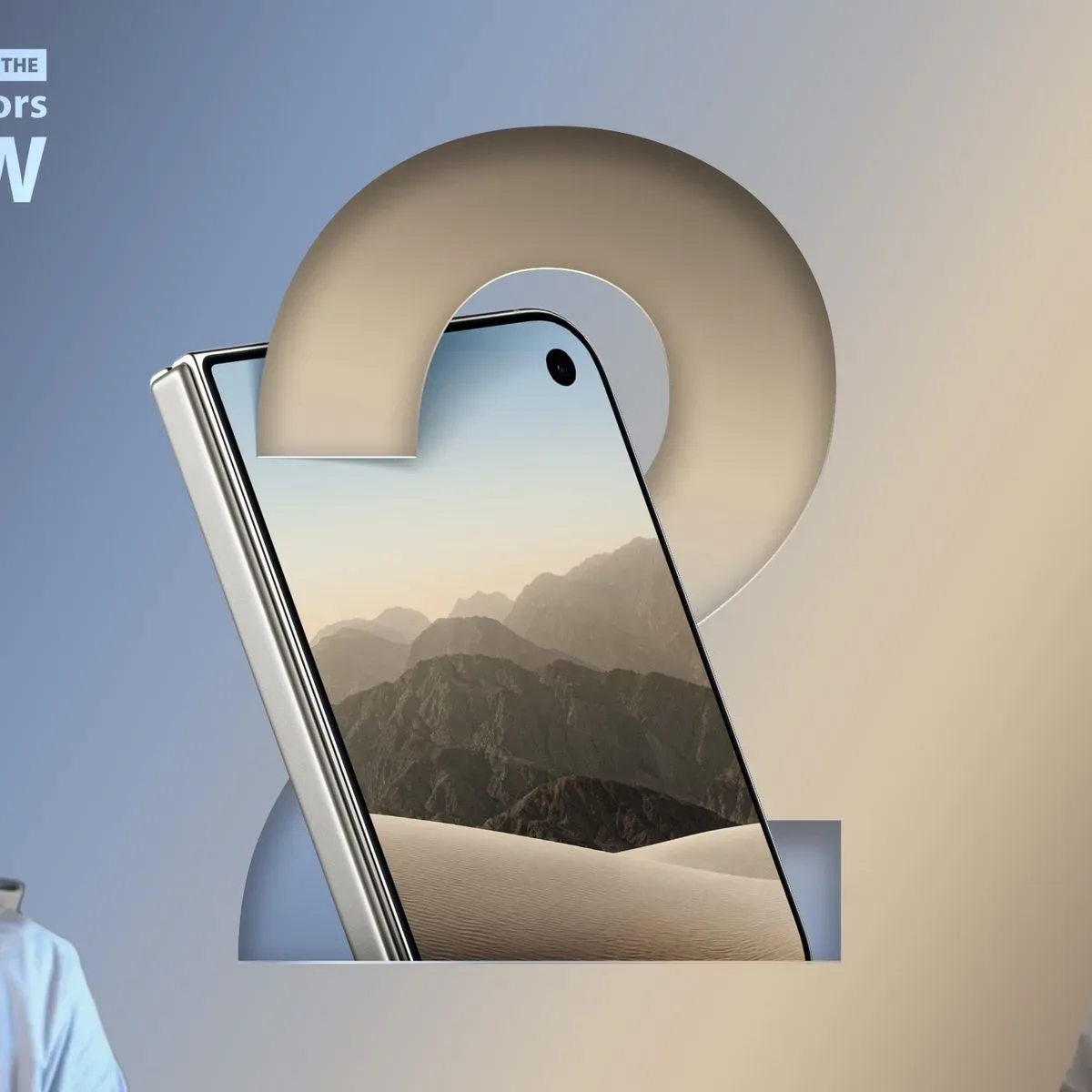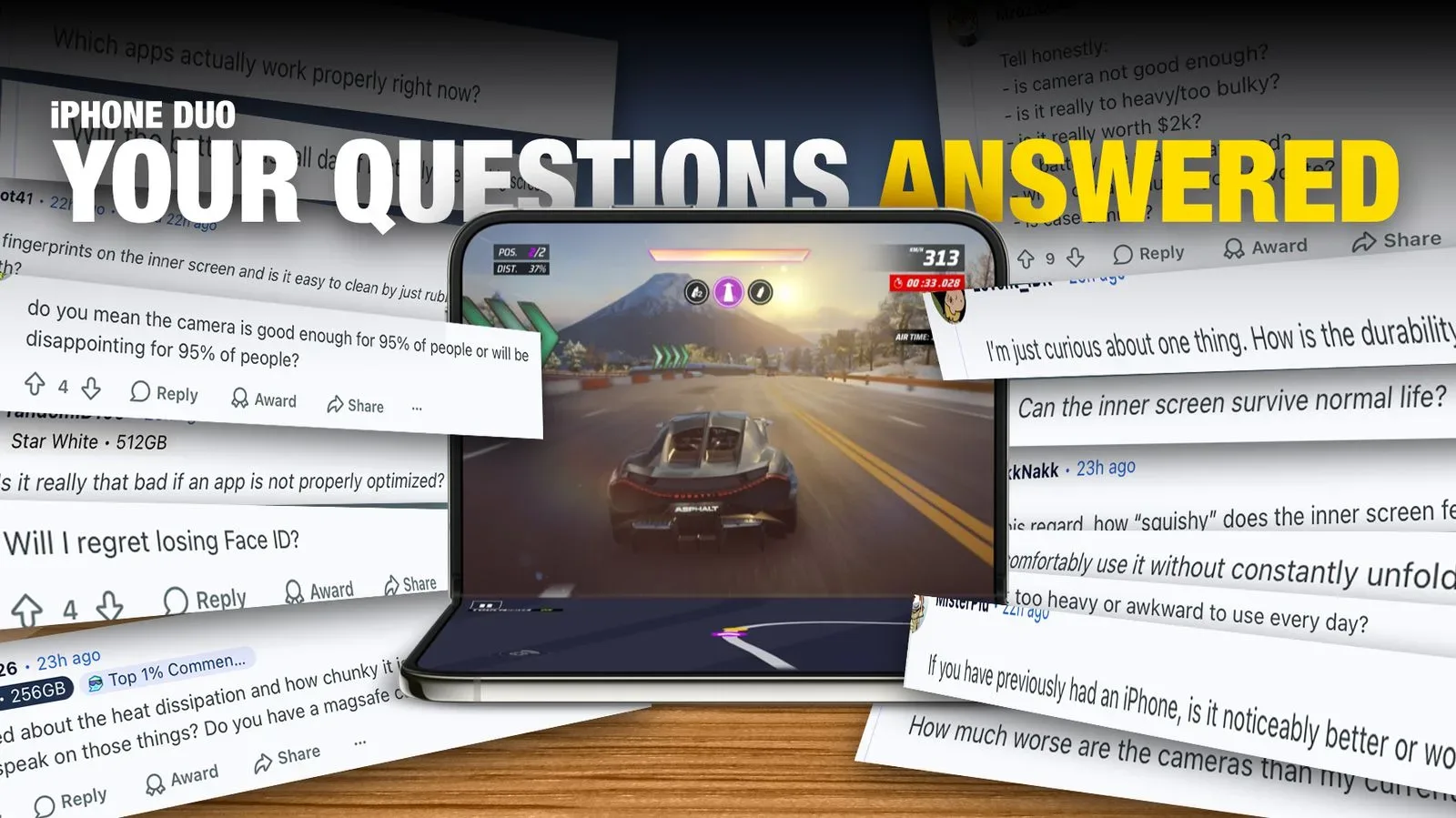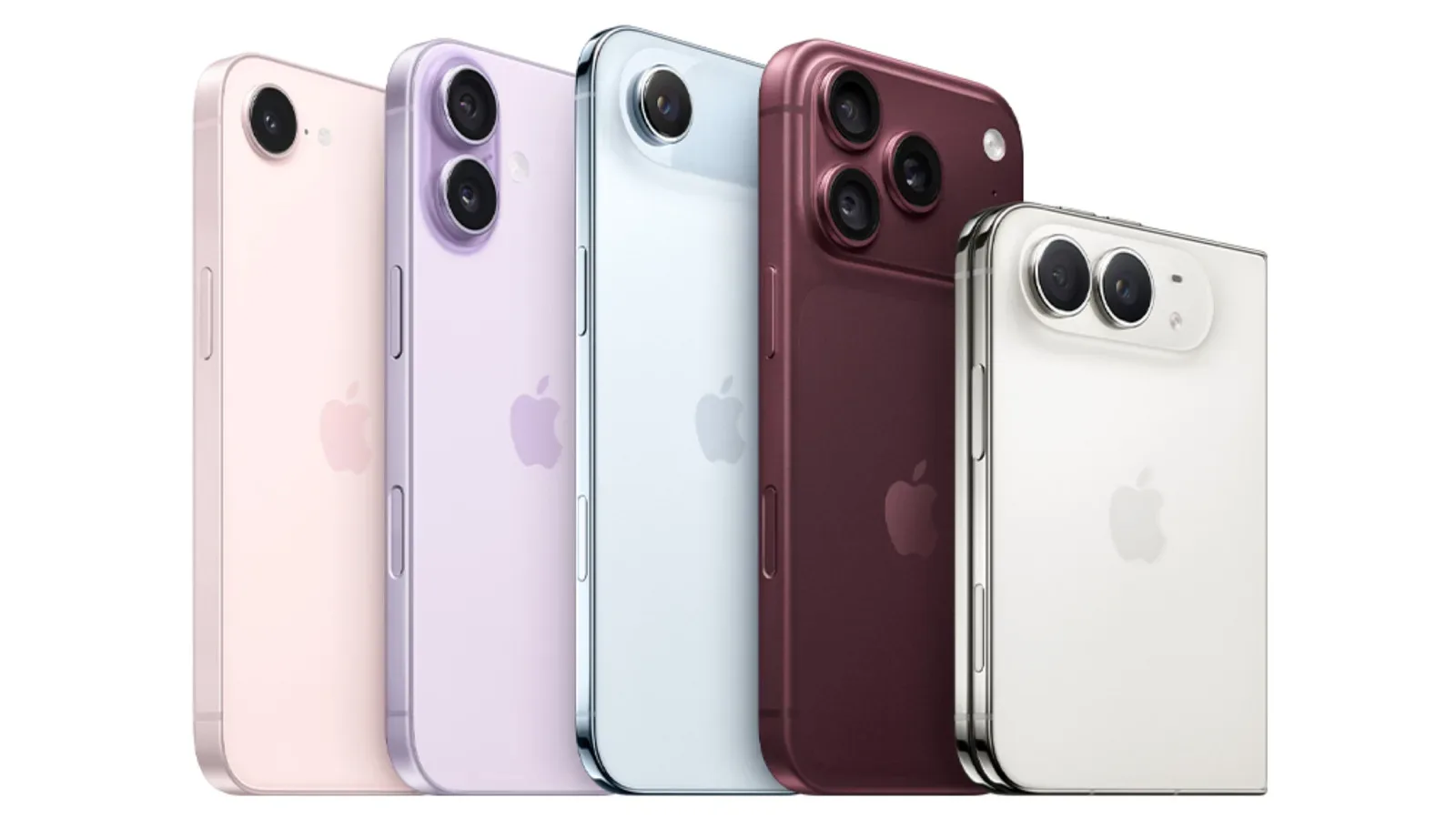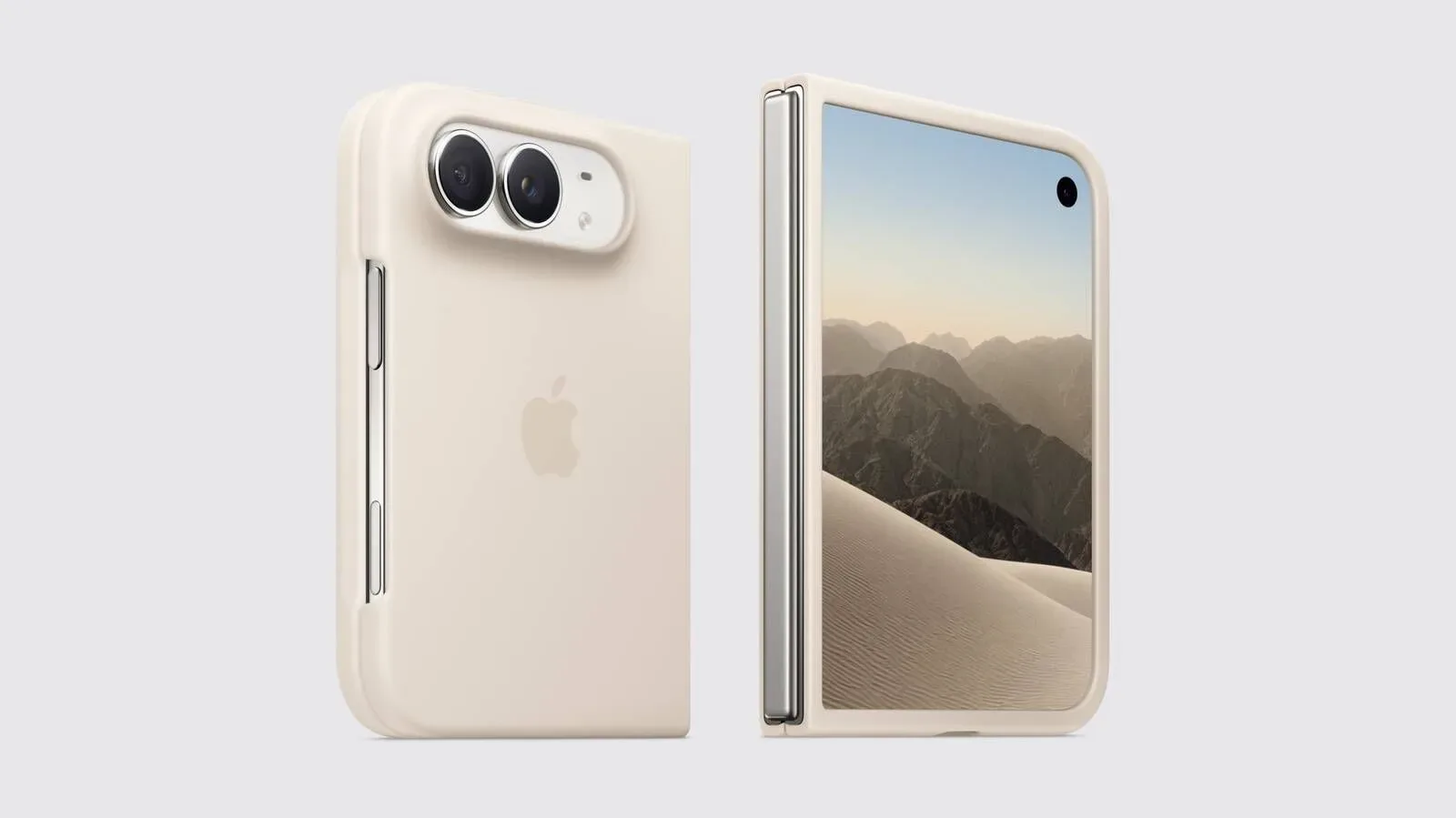

Apple’s foldable-phone plans remain a moving target, but the latest iPhone Duo chatter points to a particularly important design question: how should a foldable authenticate its owner when it has two usable screens and several ways to hold it?
A new Face Unlock feature for the current iPhone Duo beta has put that question in sharper focus. It is described as a convenience feature for getting into the phone when fingerprint recognition is awkward—wet hands are the obvious example—but it reportedly does not treat a successful facial unlock as permission for every sensitive action. That distinction may sound small, yet it is central to understanding why Apple may be considering a future model with both Face ID and Touch ID rather than choosing one biometric method outright.
Rumors around the second- and third-generation iPhone Duo also point to potential changes in screen size, thickness, camera hardware, controls and hinge reliability. The reported second-generation device is expected in fall 2027, while a third generation could follow as early as 2028. None of those details are confirmed, and the reports do not yet add up to a final product specification. Still, they outline the engineering compromises Apple is believed to be trying to solve.
Face Unlock is useful, but it is not the same as full authentication
The newly discussed Face Unlock option appears aimed at the most basic interaction: unlocking the handset. On a device that can be folded, unfolded, handled one-handed, or used in awkward conditions, a second way to clear the lock screen could remove friction.
But the feature reportedly draws a line between access to the device and approval for sensitive actions. In practical terms, that means a user may be able to open the phone with Face Unlock yet still need fingerprint recognition when attempting an action that requires stronger confirmation. The supplied information does not specify which actions fall into that category, so it would be premature to assume a complete list.
Biometric authentication simply means verifying a person through a physical characteristic, such as their face or fingerprint. The important issue here is not just which method is available; it is how much trust the software assigns to that method in a given situation. A quick face-based unlock can be valuable for convenience while a fingerprint check remains available when the phone asks for a more deliberate confirmation.
That approach makes intuitive sense for a foldable. A user may have the compact outer screen facing them while the device is closed, then open it and interact primarily with the larger internal panel. A facial system positioned only on the outside would have a natural advantage when the phone is shut, but it could be less convenient when the iPhone Duo is already unfolded.
Under-display Face ID remains an unresolved second-generation question
One report says Apple has developed second-generation iPhone Duo prototypes with Face ID placed beneath the outer display. Under-display in this context means components are positioned behind the screen rather than requiring a visible cutout or separate exposed area. It is an appealing solution for an outer display because it could preserve a cleaner-looking panel while still supporting face-based unlocking.
However, the same reporting warns that Apple may be running short of time to finalize that feature for the second-generation device. If that proves accurate, under-display Face ID could instead be deferred to the third-generation iPhone Duo.
Another claim, attributed to the leaker known as Digital Chat Station, says current engineering units still use Touch ID. Those units are said to have a 7.6-inch inner display and a 5.4-inch outer display. Engineering units are development hardware, not a guarantee of what will ship, so these figures should be read as a snapshot of a rumored work in progress rather than an official final configuration.
The reported retention of Touch ID could answer a straightforward usability problem. If Face ID is only available on the external screen, a fingerprint reader would give the user a practical option when operating the larger screen inside. Rather than framing the two systems as rivals, Apple may see them as complementary tools for different postures and circumstances.
That is analysis, not confirmation of Apple’s plans. But the reported beta behavior—Face Unlock for access, fingerprint recognition for certain sensitive actions—makes the possibility of a dual-biometric approach easier to understand.
“Close to Lock” suggests the fold itself is becoming a control
The same beta reportedly introduces a setting called Close to Lock. Instead of automatically shifting an open app to the outer display when the handset is folded shut, the user can choose for the act of closing the device to lock it.
That is a small software choice with an outsized effect on a foldable’s daily rhythm. A phone that has both an inner and outer display must continually decide what closing, opening and changing screens should mean. Should the current task follow the user? Should it pause? Should the device lock immediately? There is no universally correct answer, which is why a configurable behavior is potentially more useful than a one-size-fits-all transition.
For people who close a phone as a signal that they are done using it, Close to Lock could feel direct and predictable. For others, moving an app to the outer screen may be more useful because it keeps an activity available without reopening the handset. The reported setting recognizes that folding is not merely a physical action; it is part of the interface.
A thinner, lighter Duo is reportedly a long-term priority
Beyond authentication, Apple is reportedly targeting a thinner and lighter form factor for future iPhone Duo models. This is one of the clearest practical ambitions in the rumors, because foldables must balance the utility of a larger internal display against the bulk of carrying two screen halves, a hinge and the rest of the phone’s components.
Reports also mention a dedicated telephoto camera and Action button functionality as longer-term goals. A telephoto camera is a camera intended for more distant subjects than a standard lens, while an Action button is a programmable physical control intended to trigger a chosen function. Neither feature is confirmed for the second-generation device.
One prior prediction holds that component miniaturization and computational processing could make both Face ID and a telephoto camera feasible in the third generation. The underlying implication is that space is at a premium. On a slim foldable, adding one capability can affect what room remains for another. A larger body may ease some of those constraints, but it can also undercut the goal of a device that feels lighter and easier to carry.
For a broader look at portable hardware that tries to balance feature sets, ergonomics and budgets, see our coverage of recent controller deals featuring the 8BitDo Ultimate 2 and GameSir G7 Pro.
Third-generation screen growth could replace a separate “Max” model
A third-generation iPhone Duo could arrive as early as 2028 with slightly larger displays on both the inside and outside, according to the reporting. Separately, the internal panel has been discussed in a range of roughly 7.9 to 8.1 inches for a future model.
That possibility has been framed as an alternative to a distinct, larger “Max” version. Instead of splitting the foldable family into standard and larger sizes, Apple could potentially increase the screen area of the main model over time. The information available does not establish that Apple has committed to this route, only that it has been discussed.
The trade-off is easy to see. More chassis room could help accommodate additional hardware, including the components rumored for Face ID and a telephoto camera. Yet more room can also mean more material and therefore more weight. A larger display alone is not automatically an upgrade if it makes the closed device less manageable.
That tension is why the reports about display size, camera hardware and thinner construction should be viewed together rather than as disconnected wish-list items. The iPhone Duo’s eventual design will be judged not simply by whether it has a larger panel or another camera, but by whether its combined hardware still works comfortably as a phone.
Hinge reliability is part of the story, not a footnote
Foldable devices turn the hinge into a core piece of hardware. It determines how the device opens and closes, supports the displays, and influences the overall feel of the product. Reports of cracked displays on the current iPhone Duo mean durability remains an active concern in the discussion around future revisions.
The leaker known as Fixed Focus Digital has connected improvements to the hinge on a touchscreen MacBook Pro with work related to the second- and third-generation iPhone Duo. That is an intriguing connection, but it is still a leak-based claim rather than a confirmed account of Apple’s development process.
What is clear from the available information is that a better hinge would matter beyond durability alone. It could contribute to the thinner-and-lighter aim, make the device feel more refined in motion, and potentially address reliability concerns. The reports do not specify the construction, testing process or final outcome of any hinge changes, so claims beyond that would be speculation.
One-button control rumors could reshape the Action button
Another reported change concerns physical controls. The iPhone Duo is said to have omitted a dedicated Action button, but Apple may restore its functionality without necessarily adding another physical button.
A claim from the leaker known as Instant Digital says iPhones arriving from the second half of 2027 could combine camera access and a customizable action into one control: a single press would open the camera, while a long press would activate the chosen action. This is not specifically confirmed as an iPhone Duo feature, but it is relevant to reports that Apple wants to bring Action button functionality back to the foldable.
The idea is a familiar interface pattern: one input can perform different jobs depending on how it is pressed. A short press generally favors speed, while a long press can reserve a more intentional command. It could let Apple reclaim useful behavior without making the phone’s edge more crowded with buttons.
Whether that proves better than a separate Action button would depend on execution. The reports provide no information about customization choices, accidental activations or the final control layout. For now, it is best treated as a plausible direction, not a feature list.
What to watch as the iPhone Duo rumors develop
- Face ID timing: The crucial uncertainty is whether under-display Face ID is ready for the second generation or slips to the third.
- Touch ID’s role: Engineering-unit reports suggest fingerprint recognition may remain important, especially for use on the inner display.
- Screen dimensions: The rumored 7.6-inch inner and 5.4-inch outer displays describe current development units, while 7.9- to 8.1-inch inner screens have been linked to a later model.
- Weight versus capability: Larger displays, a telephoto camera and extra authentication hardware all have to coexist with the reported goal of a lighter, thinner device.
- Hinge durability: Reports of display cracking make reliability improvements as consequential as any headline-grabbing new feature.
The iPhone Duo’s next steps are therefore less about a single marquee upgrade than about coordination. Apple is reportedly attempting to refine the ways a foldable unlocks, locks, bends, photographs and fits in a pocket. The expected fall 2027 second-generation window remains far enough away that hardware decisions can still change, while a possible 2028 third generation gives Apple another opportunity to introduce features that are not ready in time. Until there is an official announcement, Face ID placement, Touch ID retention, screen sizes, cameras and controls should all remain firmly in the rumor column.