A laptop earns its name when it can leave the wall socket behind. For players, students, creators, and anyone who occasionally turns a coffee shop table into a temporary command center, battery life decides how portable that machine really feels. The catch is that there is no single magic number for every laptop. A thin premium portable, an affordable everyday model, and a gaming rig with performance-oriented hardware are built for very different jobs—and their time away from the charger reflects that.
For modern laptops in general, a charge can last roughly four to 12 hours. That is a deliberately broad range, because screen settings, open software, the work being done, temperature, and the machine’s category all matter. A battery percentage is not a promise of a fixed amount of time. It is closer to a fuel gauge on a vehicle whose route keeps changing from a quiet suburban drive to a mountain climb.
That distinction is especially important for gaming laptops. A system designed to run games is expected to move a lot of visual information and sustain demanding workloads. Even when it is not gaming, its priorities may differ from a thin-and-light model built primarily around efficiency. If a gaming notebook lasts only a few hours during demanding use, that does not automatically mean its battery is faulty. Context is king, and the charger is often the most reliable party member in the squad.
Battery-life expectations depend on the laptop category
The first useful step is identifying what type of laptop you own and comparing it with the right baseline rather than an unrealistic one. Premium thin laptops and Ultrabook-style machines commonly sit toward the high end of the general range, at approximately eight to 12 hours per charge. Under ideal conditions, some may stretch to around 15 hours. Those figures are most plausible when the work is light and power-saving settings are doing their thing.
More conventional laptops tend to land around six to 10 hours. Budget-focused machines may deliver closer to four to seven hours. Neither category is automatically better or worse; the result reflects the balance of components, display behavior, and the sort of daily workload the computer is expected to handle.
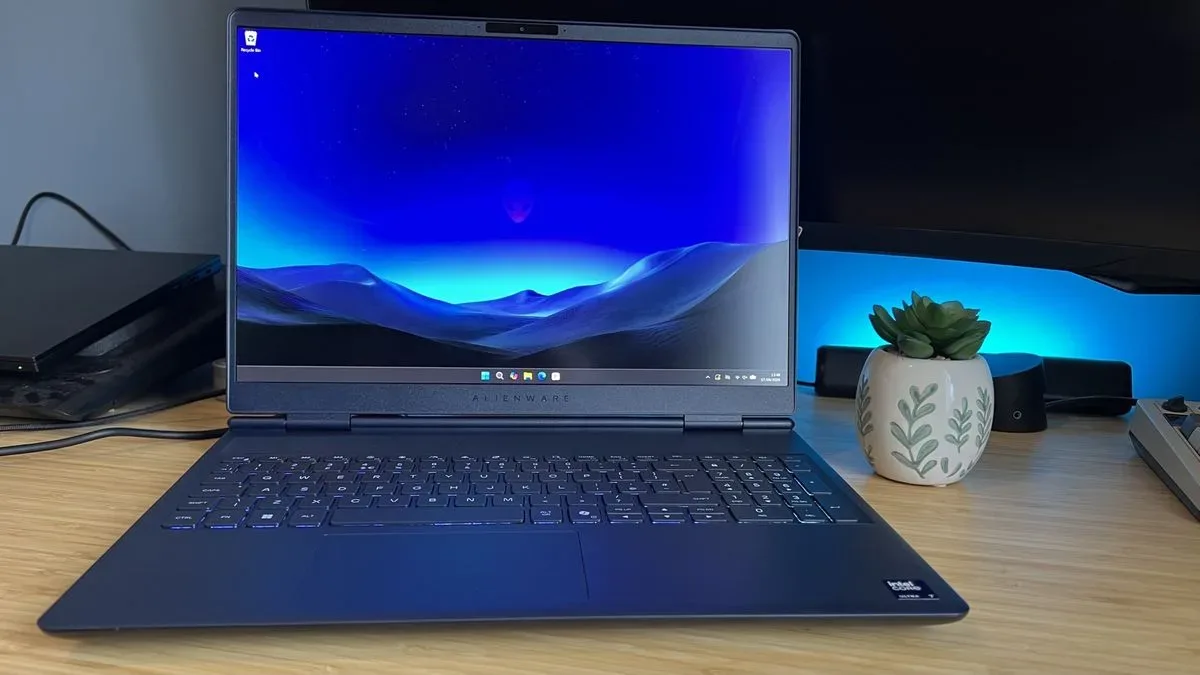
Gaming laptops are the outlier for anyone hoping to spend an entire day unplugged. A reasonable expectation is approximately two to four hours on a charge. That shorter span is a consequence of their performance focus. It is also why planning matters so much for a tournament session, a long trip, or an evening spent moving between classes and friends’ houses. Portable does not always mean outlet-free.
Before judging the health of a laptop battery, compare your results with the appropriate category and the actual activity. A machine that handles documents and a handful of browser tabs for several hours but drains much faster during a game, stream, edit, or render is behaving in a way that fits the nature of those heavier tasks. For a related look at choosing a more everyday-oriented machine, see whether a Chromebook can work as an everyday PC for gamers.
Why the number on the battery meter changes so quickly
Battery runtime is shaped by what the laptop is being asked to do at that moment. The display is an obvious place to start: a brighter panel requires more energy. Keeping brightness higher than necessary can shorten the session noticeably, particularly on a machine already working hard.
Related coverage includes How Long a Laptop Battery Should Last on One Charge.
Software also adds up. Background applications, unused browser tabs, and other open tasks can continue to draw power even when they are not front and center. Closing what is not needed gives the laptop less to juggle. Lowering the display refresh rate can help extend runtime as well, while a power-saving mode in the operating system’s power-management settings can limit consumption further.
There is a trade-off attached to those changes. Power-saving modes may need to be disabled for a demanding task, and reducing performance-oriented settings is not ideal if the goal is to run intensive software. The sensible approach is not to permanently treat every task as a low-power emergency. Instead, match the settings to the mission. A browser-and-notes session does not need the same priorities as a demanding game or 3D project.
The big battery drainers
Gaming is the clearest example of a demanding battery workload, including on laptops purpose-built for it. But it is far from the only one. Video editing, video streaming, and 3D rendering can also put significant strain on a battery. These activities can turn a seemingly comfortable remaining percentage into a rapidly shrinking one.
If you know one of those tasks is on the schedule, plan around it. Bring the proper charger, make sure a wall socket is available, or consider a suitable power bank. The key is not assuming that the runtime seen while browsing or writing will carry over to a graphics-heavy game session. Battery estimates are conditional, not universal.
- Lower display brightness when full brightness is unnecessary.
- Close background apps and browser tabs that are not part of the current task.
- Use a lower refresh rate when extended runtime matters more than display responsiveness.
- Enable a power-saving mode for lighter work, then switch out of it if a demanding job requires more power.
- Plan an outlet or power-bank option before gaming, editing, streaming, or rendering away from home.
Charging equipment matters more than it may seem
The laptop itself is only part of the power equation. The charger matters too. Aftermarket chargers may not supply the exact voltage the laptop expects, potentially putting additional stress on the battery. That does not mean every non-original charger creates an immediate disaster, but it is a reason to be careful when choosing replacement or spare charging equipment.
Using the charger intended for the laptop is the safer route when trying to help the battery reach its potential. A replacement battery can be costly, and the job may involve specialized screwdriver heads or other less-common tools. Some warranties can cover a battery that fails prematurely, but avoiding unnecessary strain in the first place is far preferable to turning a routine charging problem into a repair project.
Heat, cold, and the battery’s comfort zone
Battery care is not only about settings and chargers. Where the laptop sits matters. Lithium-ion batteries do best in moderate conditions, with an ideal temperature range of about 68 to 77 degrees Fahrenheit. Keeping the system in that range is not always possible, but it provides a useful target.
High heat is the bigger long-term concern. Temperatures at or above approximately 95 degrees Fahrenheit can cause permanent damage to a lithium-ion battery. Leaving a laptop in severe heat is therefore more than a short-term inconvenience; it can affect the battery’s future health. Cool temperatures, around 32 degrees Fahrenheit or below, can make the battery temporarily less efficient. That is different from permanent heat damage, but it can still mean less runtime when you need it.
Moderation is the recurring theme: avoid extremes in the environment just as you avoid extreme charging habits when practical. A laptop is not a houseplant, but it will appreciate not being baked or frozen.
A practical approach to charging habits
Repeatedly draining a battery completely can contribute to permanent harm through continued cell drain. At the other end, leaving the laptop plugged in for too long once it is fully charged may also contribute to battery degradation. Real life is messy, of course. People need to finish work, games take longer than expected, and the nearest socket is not always conveniently located. The goal is sensible routine rather than perfection.
One commonly useful guideline is the 40–80 rule: start charging at roughly 40% and stop near 80%. It avoids both extremes and can be a helpful practice for people who have enough control over their charging schedule. It is not mandatory, nor is it always achievable. Do not turn a battery percentage into another game objective that ruins the game.
- Use the laptop’s category and workload to set realistic runtime expectations.
- Reduce brightness and unnecessary background activity when you need extra time.
- Reserve power-saving settings for work where reduced performance is acceptable.
- Use the intended charger where possible and be cautious with aftermarket alternatives.
- Keep the laptop away from severe heat and avoid repeatedly running the battery fully empty.
- Use the 40–80 charging habit when convenient, without treating it as an inflexible rule.
A good battery routine will not transform a gaming laptop into a 15-hour ultraportable, and no settings trick changes the energy demands of gaming, rendering, editing, or streaming. What it can do is help a laptop deliver the runtime appropriate to its class while reducing avoidable strain. For gamers, that means fewer surprises, smarter outlet planning, and a better chance that the laptop remains a useful portable machine instead of a very expensive desktop with a hinge.