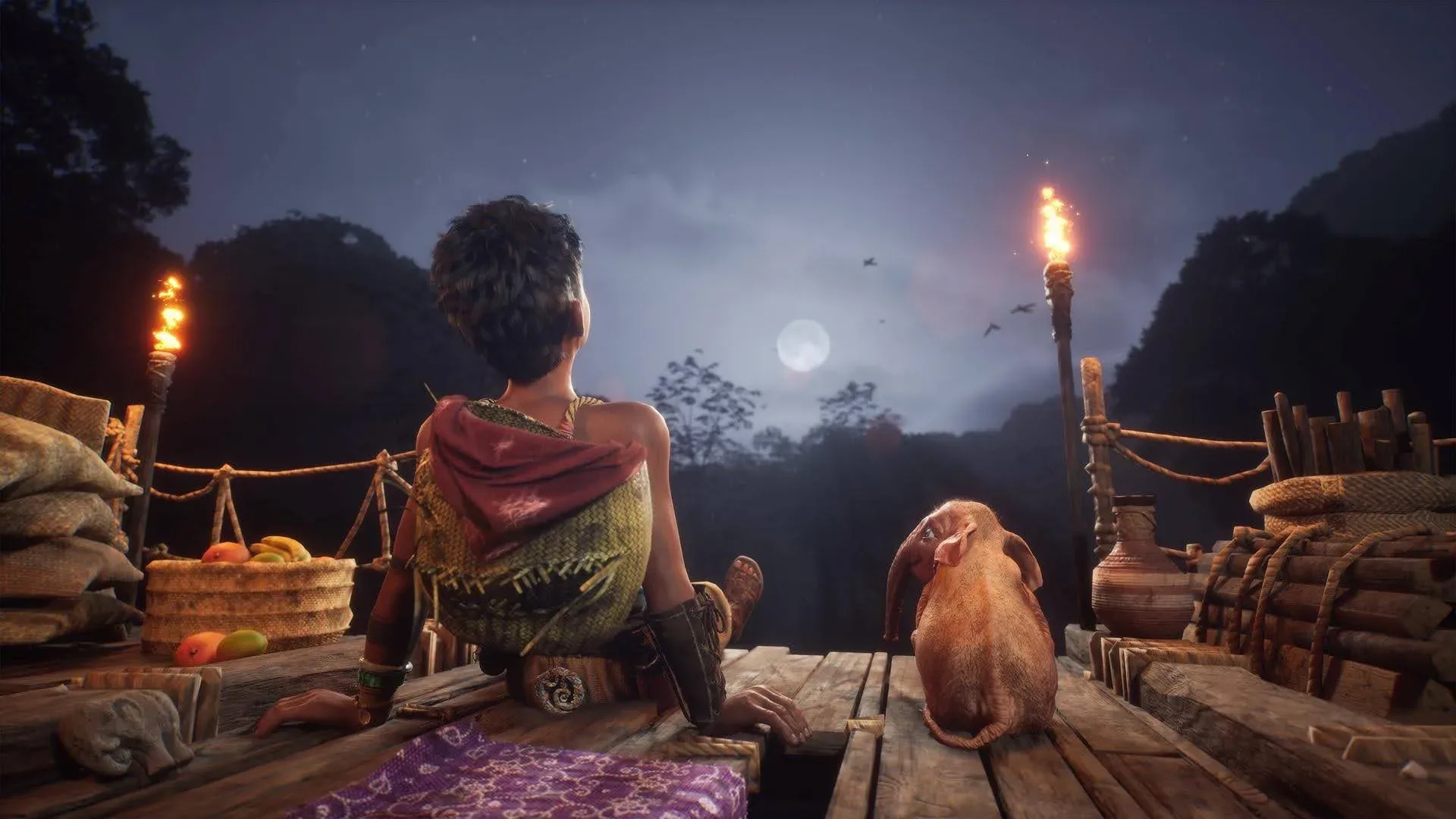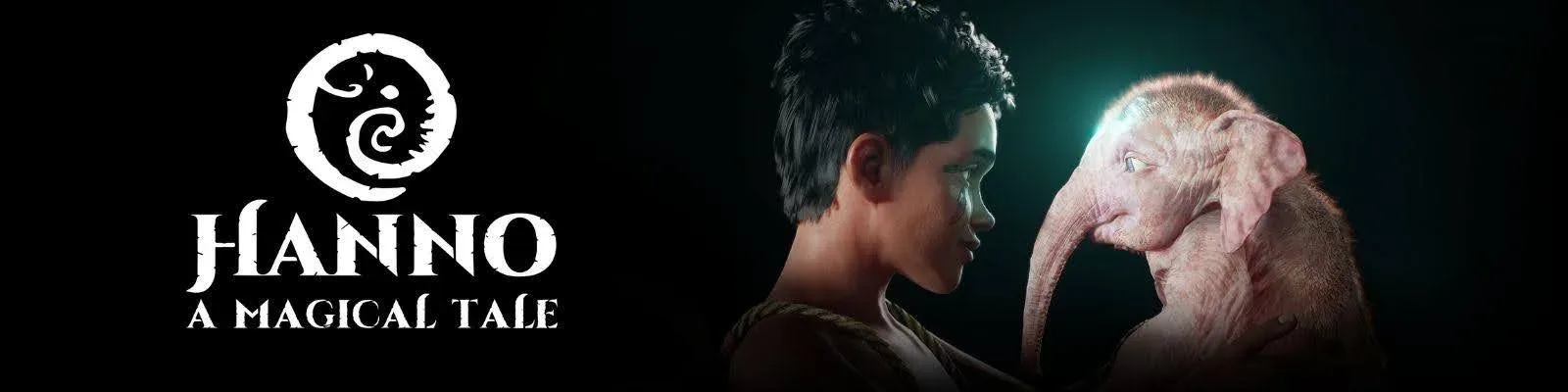
There is a particular kind of game mechanic that risks sounding adorable in a pitch and exhausting in practice: carrying a baby elephant everywhere. Hanno: A Magical Tale, however, is building its premise around the difficult part rather than dodging it. Vimal, an orphaned boy, finds a wounded baby elephant named Hanno in the forest and promises to care for him. That promise is not merely the opening to a story-driven action-adventure; it is the basis of the game’s magic, traversal, puzzles and combat.
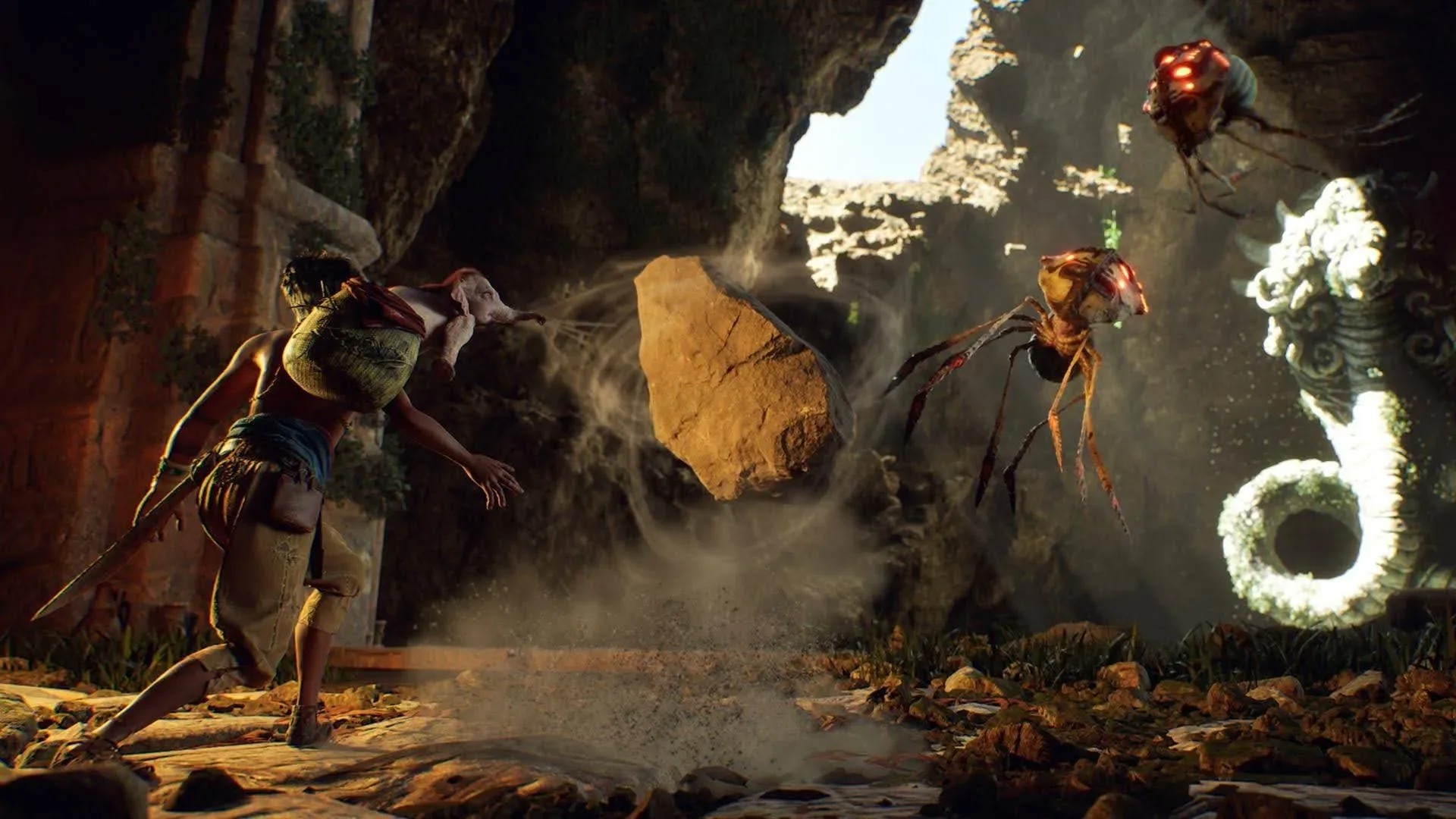
Developer One Way Eleven has shared a new look at the game, which is in development for PC through Steam with a planned 2027 release. Its defining rule is unusually clear: Hanno’s magic works only while Vimal is carrying him. When the pair are together, that magic can lift and reshape the space around them as they explore Ashar, an original fantasy world of dense forests, old water channels and murals. When they are apart, the central relationship is meant to feel different both emotionally and mechanically.
That is a promisingly specific idea for an adventure game. Plenty of games ask players to protect or travel beside a companion. Fewer make the literal act of supporting that companion the condition for interacting with the world.
The elephant is not a sidekick-shaped key
Vimal and Hanno are presented as becoming a family, and the game’s systems are designed to express that bond. Vimal carries Hanno; Hanno supplies the magic; together, they navigate environmental obstacles, solve puzzles and fight. The core loop is consequently less about collecting a magical tool and more about looking after a living character whose vulnerability and power are inseparable.
The distinction matters. A conventional companion mechanic often means a non-player character follows the hero, offers occasional assistance or serves as a narrative presence. In Hanno, the companion relationship appears to determine what Vimal can do at all. The magic is explicitly unavailable unless Hanno is being carried. That limitation turns care into a gameplay requirement rather than a cutscene sentiment.
It also gives the premise built-in tension. Carrying Hanno enables magical interaction with the environment, but it is reasonable to expect the arrangement to shape how players approach hazards, navigation and encounters. The announced material does not detail controls, enemy types, puzzle formats or combat systems, so it would be premature to assume exactly how those pressures will work. What is established is the broader design intent: their cooperation, not the boy or elephant independently, is supposed to drive progress.
What “environmental puzzles” can mean here
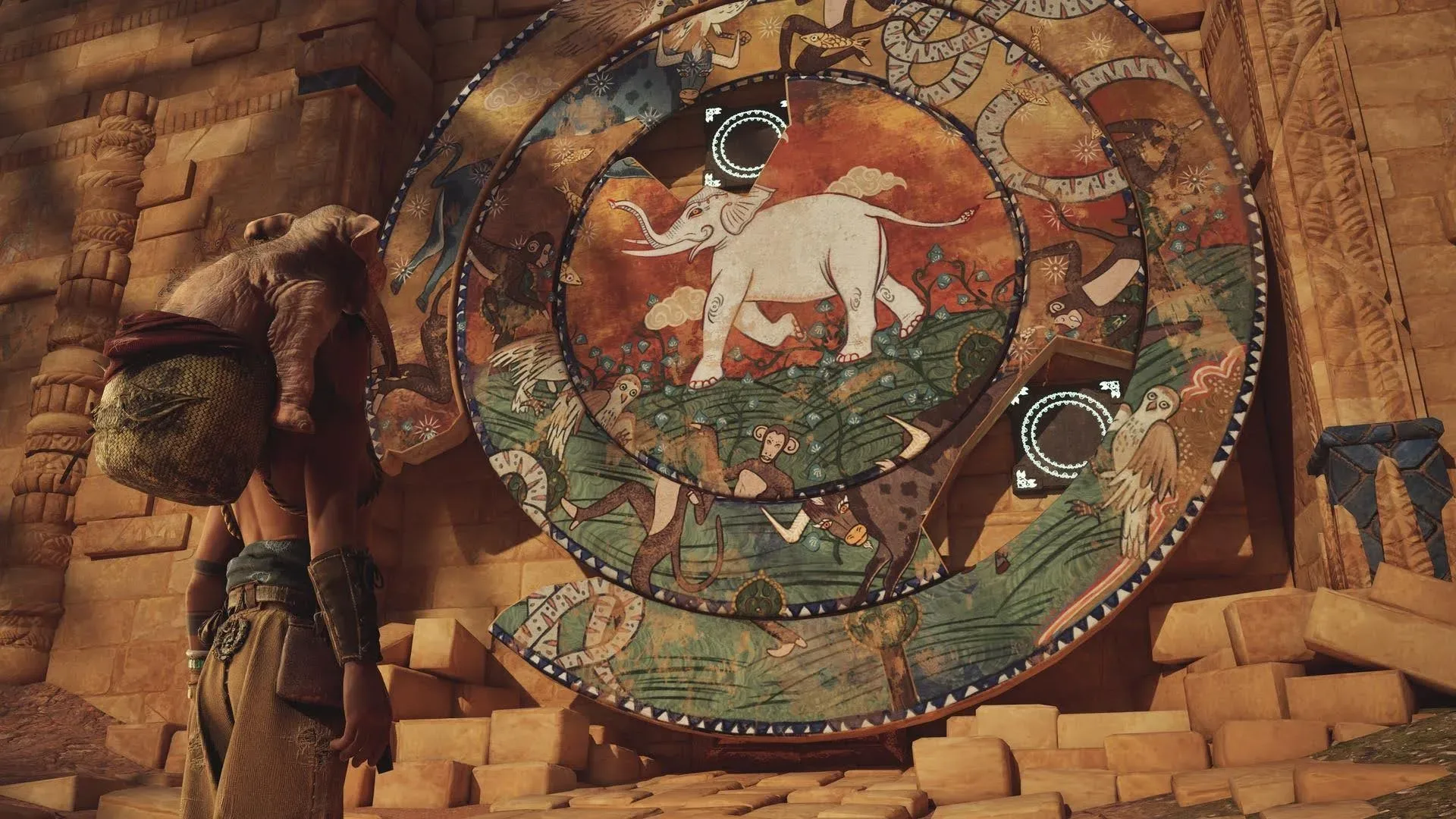
An environmental puzzle is a challenge solved by reading and changing the game world rather than simply entering a code or moving an item through an interface. A blocked path, an unreachable ledge, a waterway or a shifting piece of scenery can all form part of that kind of puzzle. In this case, Hanno’s carried-only magic is described as lifting the world around the pair, suggesting that the environment itself will be an important target for their abilities.
The phrase “lifting the world” is evocative, but it remains intentionally broad. It does not confirm whether objects, platforms, terrain or other elements can be moved, nor does it establish the scale or frequency of these interactions. Still, it communicates a useful thematic throughline: Hanno’s magic is not framed only as an attack or a spectacle. It is tied to the act of making a route through Ashar.
Related coverage includes Hanno: A Magical Tale Puts a Boy and Baby Elephant Bond at the Heart of Its Adventure.
That leaves One Way Eleven with an interesting design challenge. If carrying Hanno is mandatory for magic, puzzles need to make the restriction meaningful without making the relationship feel like an encumbrance. The strongest version of the concept would make players understand why Vimal continues to carry Hanno, rather than treating him as a weight added solely to slow movement. Nothing released so far proves how well the game balances that challenge, but the mechanic gives Hanno: A Magical Tale a more defined identity than a generic fantasy adventure setup.
Separation is part of the story—and the playable structure
The two characters will not stay together at every moment. At points in the adventure, Vimal and Hanno part ways, and players can control Hanno himself. This is important for more than variety. The game is explicitly using those separations to underline the significance of their reunions.
Playable character changes can alter perspective in a straightforward practical sense: a different body can move through a different space or approach a challenge differently. But the stated purpose here reaches beyond a mechanical switch. By letting players spend time as Hanno, the game has room to depict the relationship from both ends instead of defining the elephant only through Vimal’s responsibility.
There are important unknowns. The available details do not say how frequently Hanno is playable, whether his sequences focus on exploration, combat or puzzles, or how his capabilities differ from Vimal’s. They do establish that Hanno is a playable participant, not just the origin of a magic power. For a game that places care at its center, that is a meaningful choice: it creates space for the elephant to have agency within the adventure.
Ashar’s fantasy is inspired by history, not bound to it
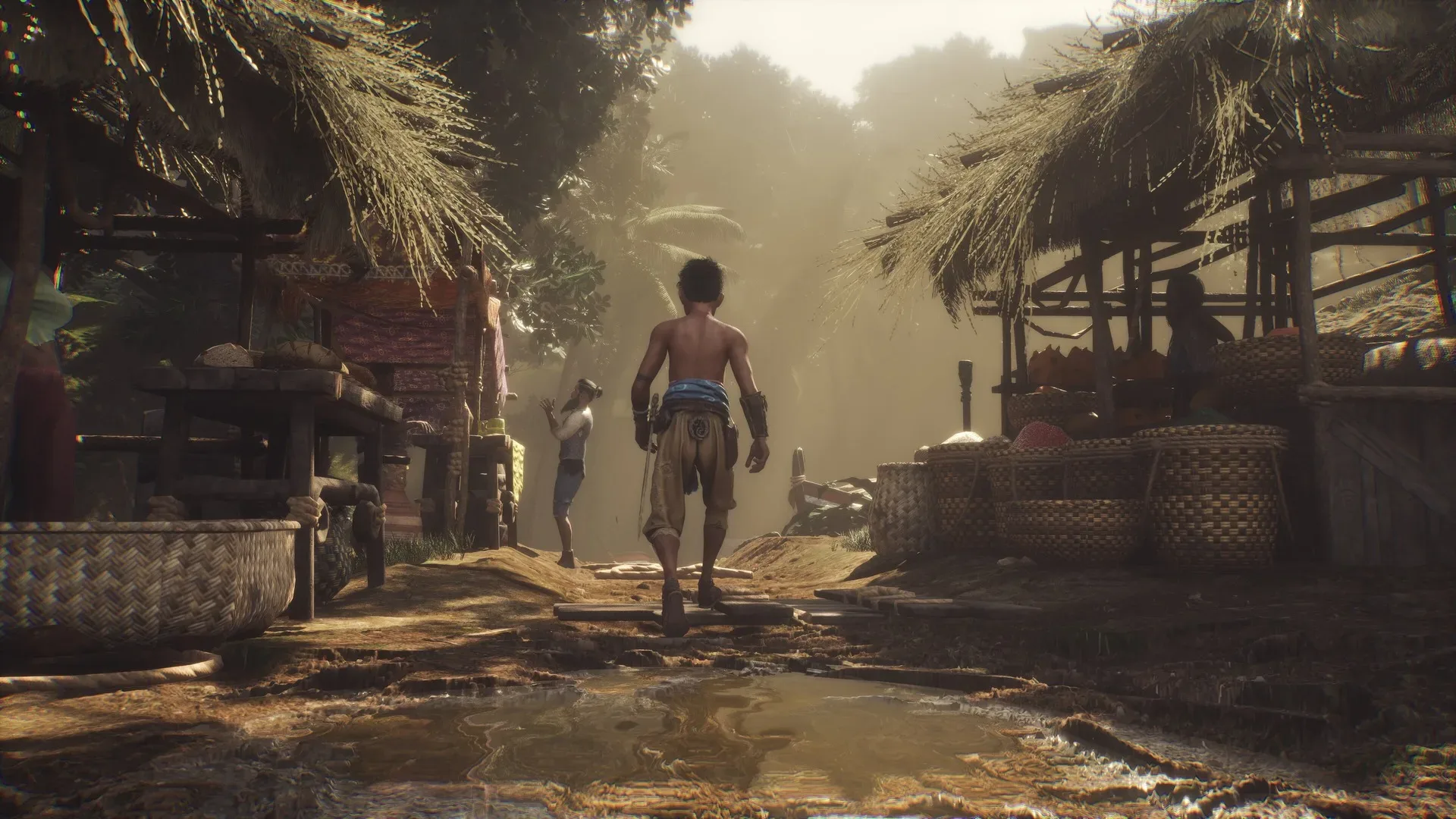
Hanno: A Magical Tale takes place in Ashar, a world intended to evoke a forgotten legend. Its landscapes include lush woodland, aging water channels and murals carrying both comfort and menace. Ashar also has its own written language, an element that could make signs, architecture and murals feel like parts of a culture rather than decoration alone.
There is no indication that players will be expected to translate that writing, or that the language functions as a puzzle system. At this stage, it is best understood as a piece of worldbuilding. Even so, an invented script can do useful work in a fantasy setting: it provides visual continuity across locations and can suggest a deeper history without requiring every detail to be explained immediately.
The story and setting draw inspiration from the real account of an Asian elephant sent from Portugal to the Pope in 1514. This is not presented as a historical recreation. The game reimagines the spark of that account into an original fantasy where the elephant’s story belongs to Hanno himself. That distinction is worth keeping in view. The historical connection provides a starting point, while Ashar, Vimal and the magic-driven journey are fictional.
Using a historical point of inspiration in this way can be more interesting than simply borrowing a familiar mythic backdrop. It gives the game a foundation outside the usual stock imagery of fantasy adventures while preserving the freedom to build its own world. The benefit will depend on how the finished game develops Ashar’s people, places and dangers, none of which have been outlined in detail yet.
Combat is being framed as cooperation
Combat is among the announced features, alongside exploration and environmental puzzle solving. The key qualifier is that fighting, like everything else, emphasizes Vimal and Hanno’s connection. That implies action will not be treated as a separate activity detached from the carrying-and-magic premise.
Specific combat actions have not been revealed, and there is no reason to infer weapons, special moves or a particular camera perspective. The useful takeaway is narrower: Hanno: A Magical Tale is not positioned as a purely peaceful puzzle game, even though its emotional hook is caretaking. It intends to include conflict while keeping the pair’s relationship at the center of the action.
This approach could help the game avoid splitting itself into disconnected modes—one for story, one for puzzles and one for fighting. If the same relationship informs all three, then every part of the adventure can reinforce its central idea. That is analysis based on the announced design, not a claim about final execution. A 2027 release leaves considerable room for One Way Eleven to reveal more specifics.
What is confirmed for PC players
Hanno: A Magical Tale is planned for PC via Steam in 2027. No other platforms, release date, price, editions or system requirements have been announced in the material available here. Players interested in forthcoming PC projects can also follow other developing releases, including No Rest for the Wicked’s outlined route to 1.0.
For now, Hanno’s appeal rests on the clarity of its pitch. A wounded baby elephant is not simply the protagonist’s precious travel companion, nor merely a source of magical effects. Hanno is the condition that makes the adventure’s central magic possible, a playable character at selected moments, and the relationship around which Vimal’s journey is organized. If One Way Eleven can make that premise consistently legible in exploration, puzzles and combat, Ashar may have a more personal kind of fantasy adventure on its hands than its old channels and ominous murals first suggest.