For PC players who miss the ritual of opening a box, reading a manual or putting a game on a shelf, GOG’s latest preservation-minded ambition will sound immediately appealing: a made-to-order physical edition of a game already owned or available through its store.
Marcin Paczynski, GOG’s senior business development and partnerships manager, has described the ideal version plainly. A user would visit their library, select a game and request a physical copy that would then be delivered. It is an enticing concept because it joins two things that are usually kept apart in modern PC gaming: the convenience of a digital catalog and the tangible appeal of a boxed product.
But it is important to distinguish a stated goal from a product plan. There is no indication that GOG has launched such a service, committed to a timetable, named participating publishers or detailed what a finished package would contain. The initiative has been discussed internally for years, Paczynski said, and GOG still hopes it can eventually make it happen. At present, though, the company is describing a complicated possibility rather than taking orders.
A digital library with a physical shelf beside it
GOG’s premise would be unusual in a useful way. Rather than asking customers to hunt for old stock at retail or wait for a limited run, a buyer could theoretically request a copy only when they want one. That is the key idea behind made to order: an item is produced in response to an order rather than manufactured in a large batch and held in inventory beforehand.
For a digital PC storefront, that could make physical editions feel less like an all-or-nothing bet. It would also give players a route to display games that presently exist only as entries in a software library. The value is not solely decorative. A physical package can make ownership feel more deliberate, can preserve artwork in a form designed for display, and can offer a clearer object around which to organize a personal collection.
Yet a box is not automatically the same thing as a self-contained game. The current proposal, as described, does not establish whether a future edition would include a disc, another storage medium, printed materials, or a code and collectible packaging. Those details matter greatly to buyers. A professionally produced box with access credentials would be a physical product, but it would serve a different purpose from media that contains an installable game build.
That distinction is especially relevant to GOG because its wider identity is tied to DRM-free releases and game preservation. DRM, or digital rights management, generally refers to technological restrictions used to control access or copying. GOG’s position is that preservation cannot coexist with DRM. In practical terms, a physical edition aligned with that outlook would raise understandable questions about what the purchaser can preserve, install and use independently of an online authorization system. No answers on that point have been announced, so collectors should resist filling the gaps with assumptions.
Why this is harder than printing a box
The obstacles outlined by Paczynski are not glamorous, but they are fundamental. Selling downloadable games and selling goods that travel through the mail are different businesses. Physical media and packaging introduce logistics, storage and publisher approvals, each of which can decide whether an otherwise attractive idea is viable.
Related coverage includes GOG Hopes Made-to-Order Physical PC Games Could One Day Return.
Logistics: getting an order from file to front door
Logistics is the work of moving and handling a product: producing it, packing it, storing it, shipping it and dealing with exceptions along the way. A digital store can deliver a purchase almost immediately without needing to touch a physical unit. A made-to-order box needs materials, production capacity, quality checks, mailing protection and a reliable route to its destination.
Those requirements do not disappear just because the product is ordered one copy at a time. In some ways, individual orders can make the operation more intricate. Each package must be made and dispatched accurately, while the business still needs a way to manage damaged items, address problems and other practical issues that do not exist for a simple download.
For players, this means the dream is bigger than a print-on-demand cover. The desirable version is a dependable service in which the object arrives in a condition worthy of keeping. That takes operational consistency, not merely attractive art files.
Storage: even on-demand products need a supply chain
Paczynski also singled out storage. The point may appear contradictory at first: if an edition is made only after a sale, why stock anything? But a physical operation can still require materials and components to be held somewhere. Packaging, inserts and the media itself must be available at the moment an order is placed, and the finished items may need space before shipment.
Storage also changes the economics of preservation. Digital storefronts can make a wide catalog visible without putting a box for every title in a warehouse. Physical fulfillment brings back limits that online libraries mostly conceal: space, handling and the need to keep the right materials available. The proposed system would have to negotiate those limits while preserving the central appeal of choice.
Rights: a digital listing is not blanket approval for a boxed edition
Perhaps the clearest warning against treating this as imminent is the requirement for additional publisher approvals. A game’s presence on GOG does not, by itself, mean that every possible form of sale is authorized. A physical release could involve separate permissions connected to packaging, distribution and the use of the game in a tangible product.
That issue may also vary from game to game. GOG’s ambition is broad—physical versions of games in its store—but the need for extra approval means the final scope, if the project proceeds, could depend on what rights holders agree to. The company has not identified which titles or publishers might participate. Until it does, there is no basis for assuming that a favorite game would qualify.
What GOG is doing now: printable big-box preservation
While the larger idea remains unresolved, GOG is taking a smaller step through 3D models of classic big boxes and box art that people can print and assemble themselves. It is a different proposition from a professionally manufactured retail package, and GOG acknowledges that difference. Still, it speaks to the same impulse: preserving the visual language of PC gaming and giving people something physical to build and display.
Big-box PC games refers here to the larger retail packaging historically associated with computer software. The format is memorable not only because of its size but because it treated a game as a shelf object, with room for striking cover art and associated materials. A printable version cannot reproduce every quality of a factory-produced release, but it can keep that presentation alive in an accessible form.
It also avoids many of the barriers facing an actual commercial physical-edition service. GOG can offer digital models and printable artwork without becoming a full retail-and-fulfillment operation for every order. That makes the project a meaningful experiment in presentation and preservation, even if it is not a substitute for a boxed game arriving in the post.
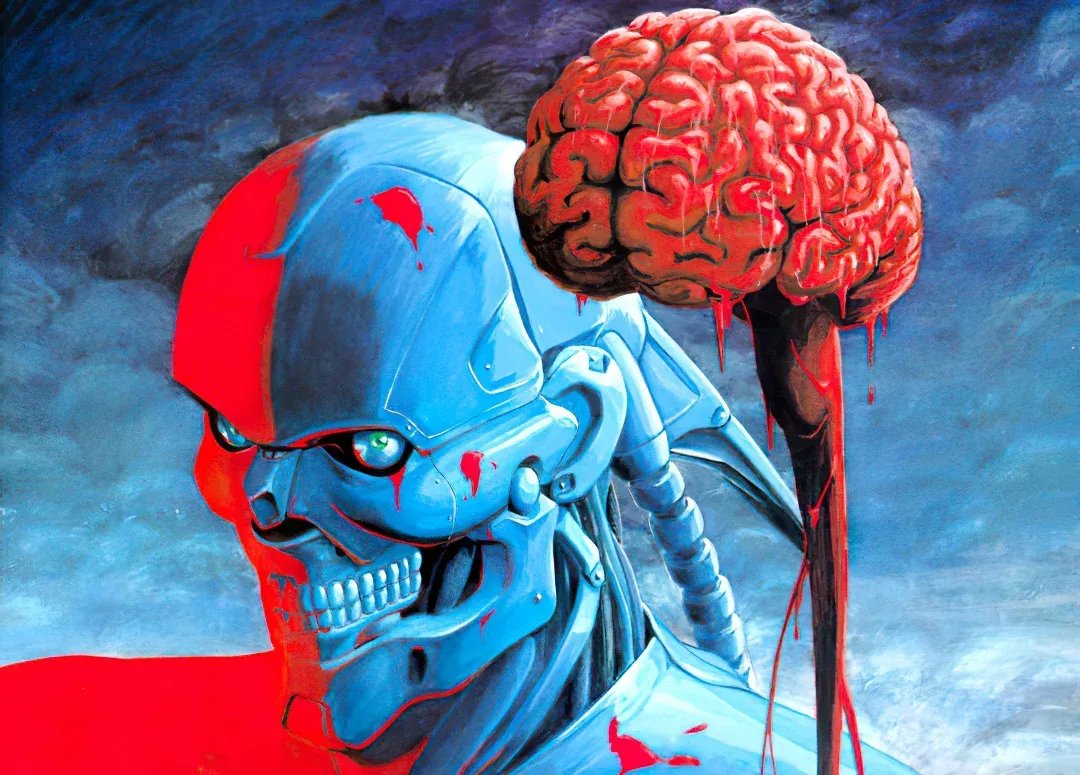
The broader preservation conversation is already visible in other PC re-releases. For example, the official English release of Dead of the Brain shows how renewed access can bring older PC-era work to a contemporary audience. GOG’s physical ambition approaches the same cultural concern from another angle: not just whether an older game can be acquired and played, but whether its material presentation can remain part of the experience.
What collectors and PC players should watch for
If GOG makes further progress, the most important news will not be a general expression of interest but concrete policy. A serious made-to-order service would need to answer several practical questions:
- Which games and publishers are approved for physical editions?
- What exactly is included in each package?
- Will the game itself be supplied on physical media, or will the item focus on packaging and access information?
- How will orders be produced, packed and delivered?
- How will GOG describe the relationship between a physical package and its DRM-free preservation goals?
These are not minor collector details. They determine whether the project is primarily a display-focused keepsake, a preservation-oriented software release, or an attempt to combine both. Each version has an audience, but they should not be confused.
For now, the sensible reading is optimistic but cautious. GOG has articulated an appealing direction, and it has begun offering printable material that recognizes the appeal of classic PC packaging. The company’s representative also openly acknowledges the legal and operational barriers rather than presenting the concept as a near-term certainty. That candor matters. Physical PC games may have largely receded from ordinary retail life, but bringing them back—even selectively and on demand—requires much more than nostalgia.
Still, the idea has staying power precisely because it addresses a gap digital libraries do not fill. A download can preserve access; a well-made box can preserve presence. GOG is interested in bringing those two kinds of ownership closer together. Whether it can turn that ambition into a service remains unanswered, but it is a prospect worth watching for anyone who wants their PC game library to occupy more than a drive and a menu.