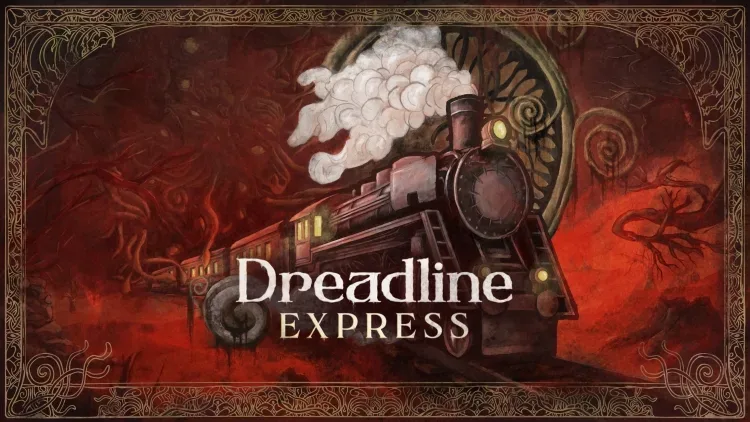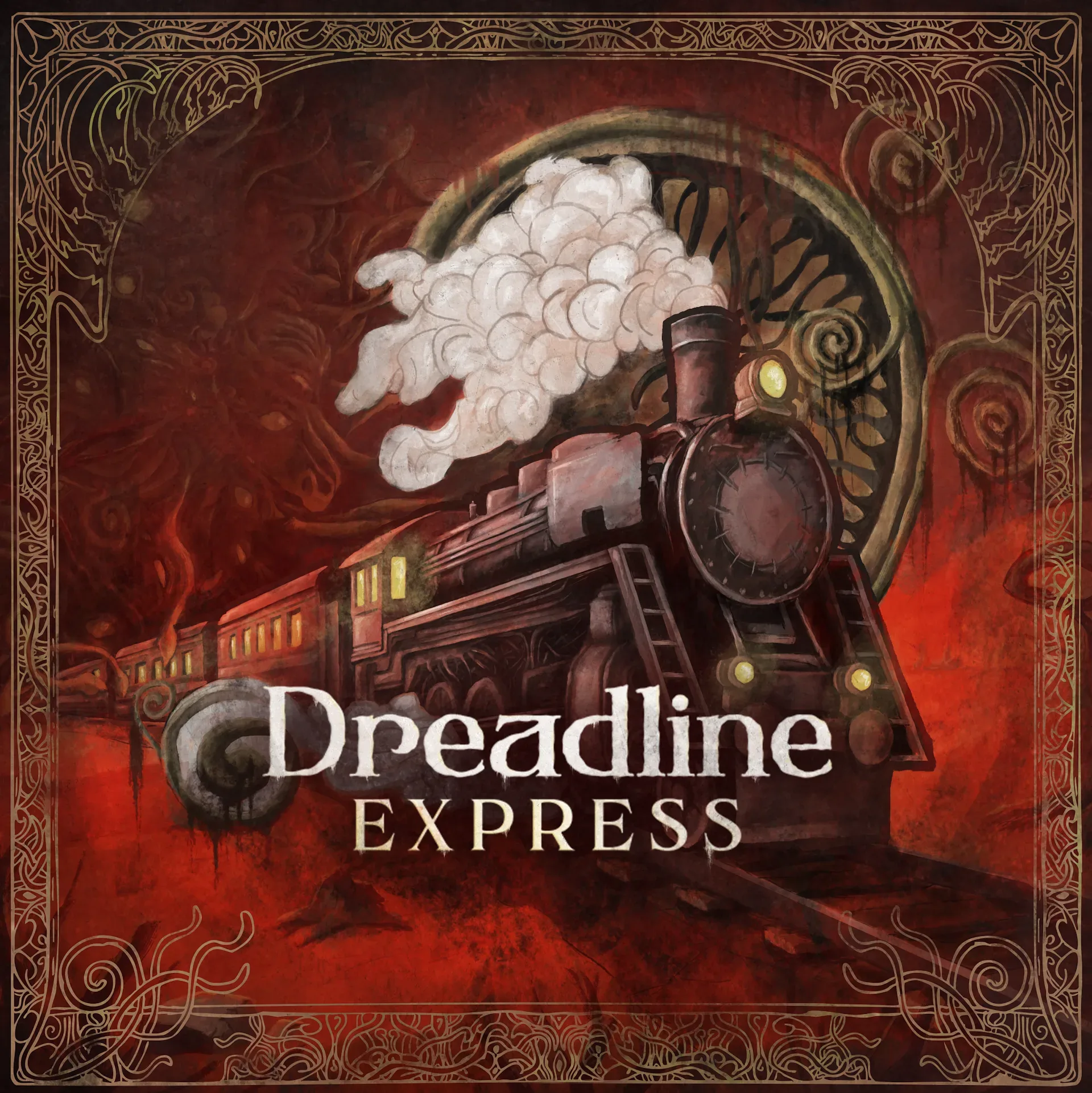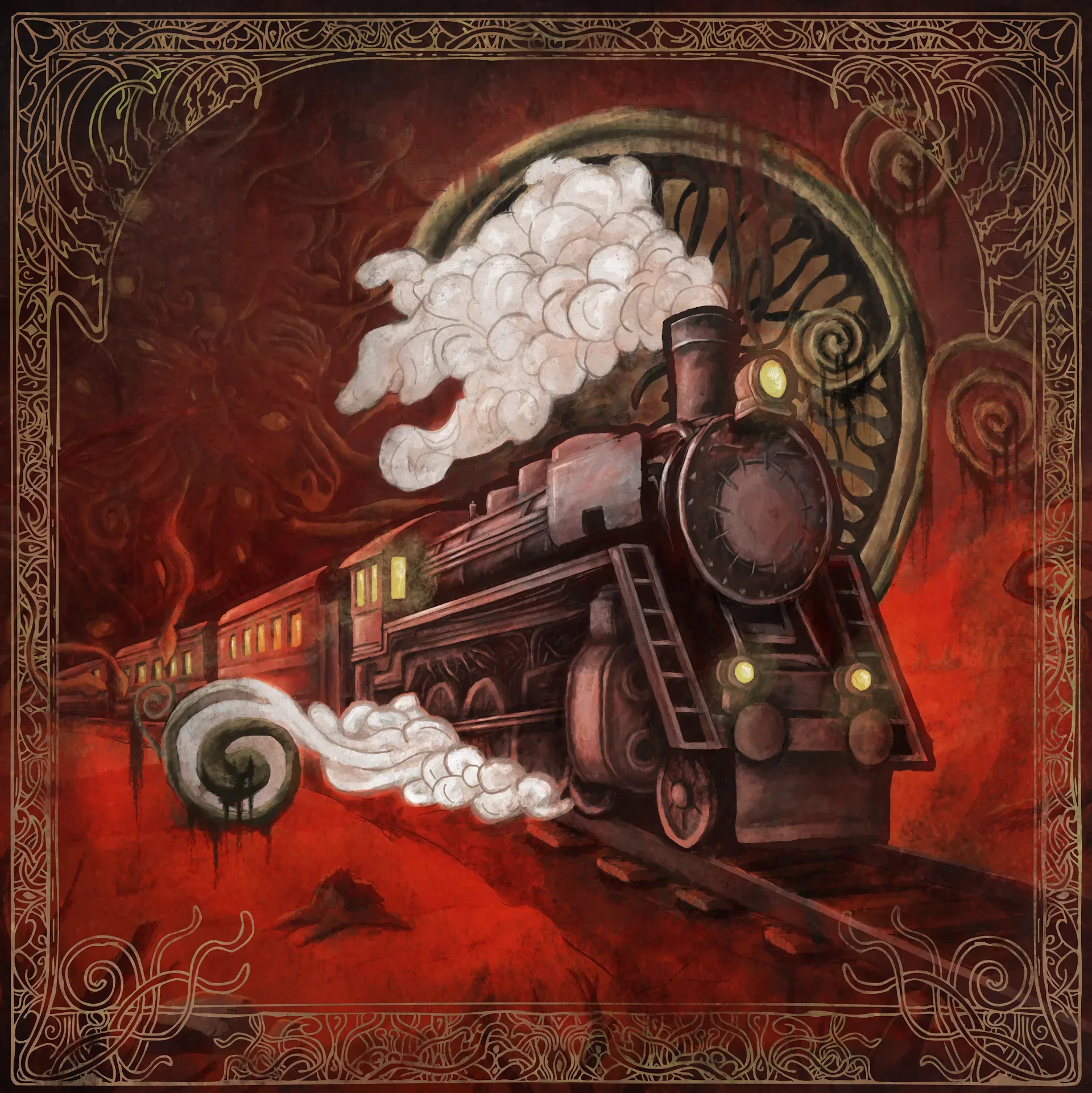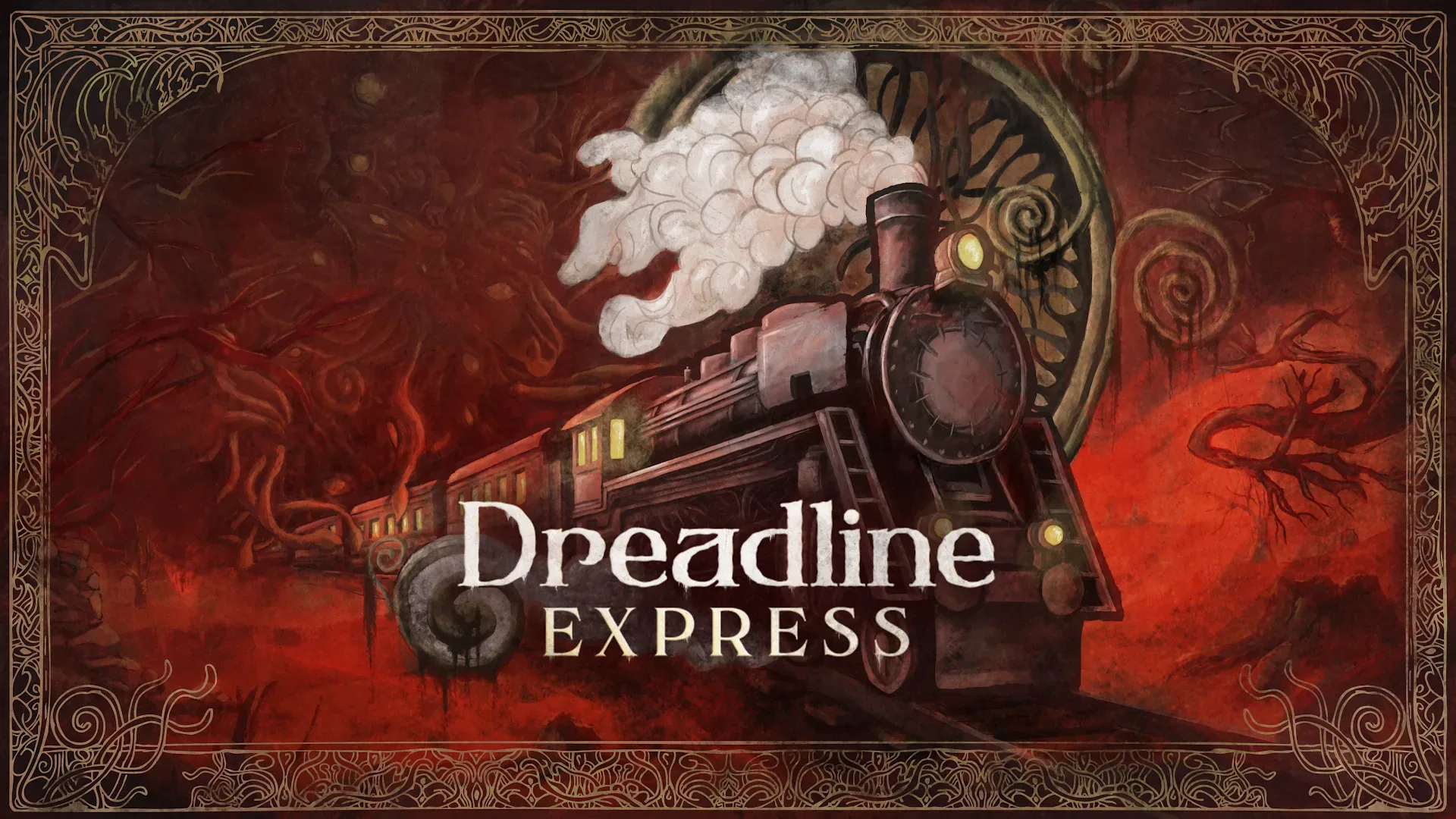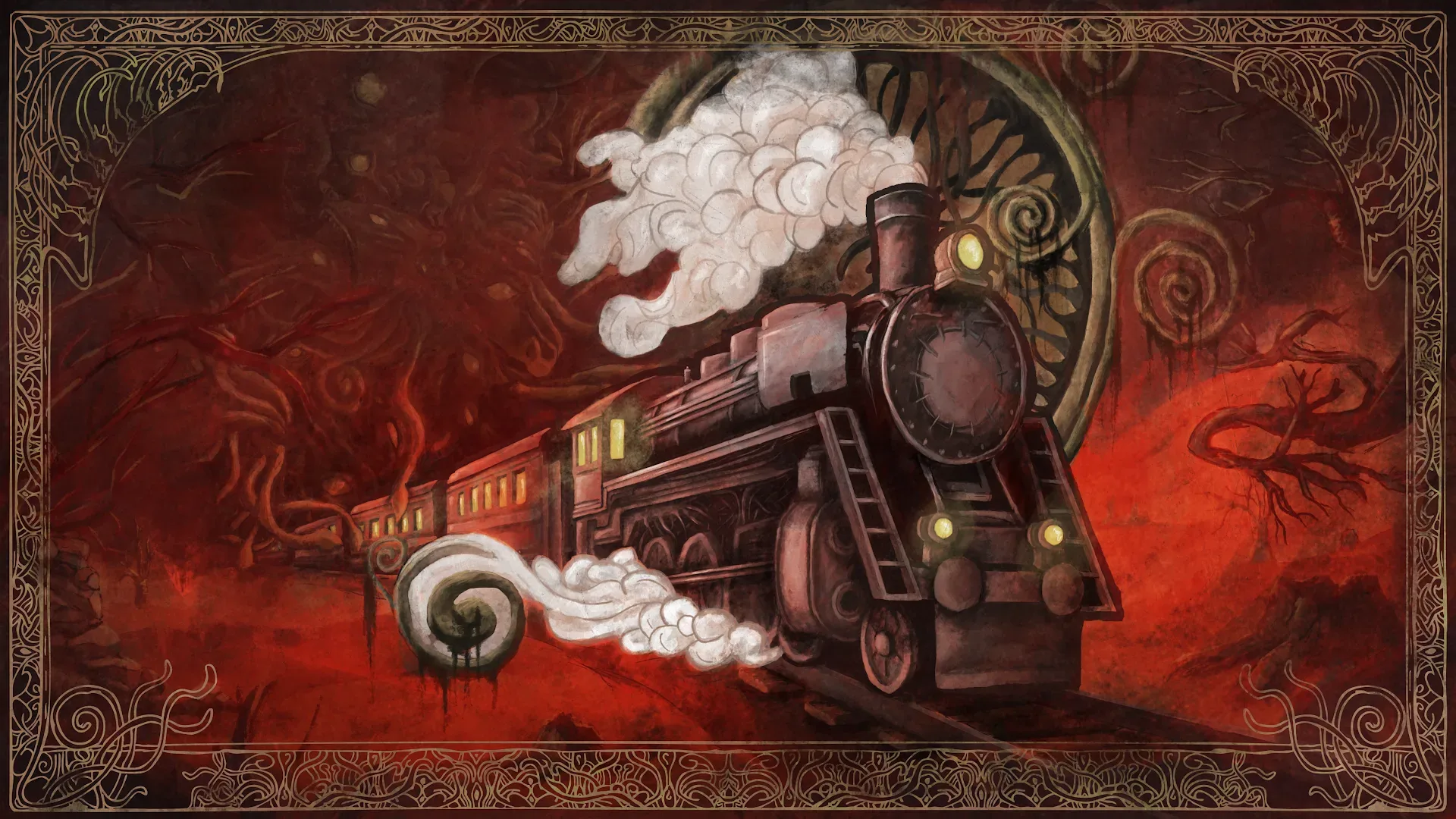
Dreadline Express is now available for PC via Steam. Released on October 16, 2026, the first-person psychological horror game from developer David Konecny and publisher Shoreline Games imagines a bleak final refuge for humanity: a steam train moving through a scorched world where the stations are shut, the destinations are gone, and the people in the carriages may be as dangerous as the world outside.
The premise is deliberately claustrophobic. Rather than sending players across a wide-open wasteland, Dreadline Express confines its remaining survivors to a train described as the last human train. That setting gives every carriage a potential purpose beyond scenery. One compartment may contain a lead, a locked route, a troubling passenger, or another piece of the larger explanation for why this journey is still moving at all.
The game arrives as part of the wider slate covered in games releasing on October 16, 2026, but its emphasis is less on straightforward survival action than on attention, interpretation and choice. Players are encouraged to explore, observe the people around them and piece together information rather than wait for conventional waypoint-driven instructions.
A horror mystery built around curiosity
Dreadline Express describes itself as a psychological horror “metroidbrainia.” The term needs a little unpacking. “Metroidbrainia” is generally used for games that structure progress around knowledge: the player advances because they understand a clue, connection or system that previously made no sense, not merely because they obtained a stronger weapon or a new movement ability. In this case, riddles replace direct guidance, and the train’s obstacles appear intended to be approached through discovery and deduction.
That does not mean the game presents only one fixed solution to every problem. Its stated design allows players to deal with obstacles through force, tactics or careful reasoning, with allies and enemies chosen along the way. The practical implication is that a door, person or blocked path may be a question of relationships and planning as much as one of finding a single mandatory item.
For players, that makes close observation important. Conversations, encounters and discoveries may matter beyond their immediate moment, particularly when the game is asking players to infer routes through situations that initially seem impossible. The central train setting also makes this approach easier to frame: the world may be dying outside, but the social and physical logic of the train is constantly in front of the player.
The last train is not a safe train
The passengers are a central part of Dreadline Express’s mystery. The survivors on board are presented as colourful but ominous figures, each with personal history, an agenda and possibly something they would rather keep buried. The game’s horror is therefore not limited to external threats or Lovecraftian atmosphere. It also comes from uncertainty: who can be trusted, what someone knows, and whether learning a secret is necessarily a good thing.
That last distinction is significant. Dreadline Express frames opening a locked door as only the first decision. Once it can be opened, players still have to decide whether doing so is wise. It is a fitting angle for psychological horror, where information is often dangerous, incomplete or personally compromising rather than simply rewarding.
Related coverage includes Dreadline Express Brings Psychological Horror to Steam.
The world is described as carrying Lovecraftian themes and undertones, with the train traveling through the remains of a planet that humanity no longer truly inhabits. That establishes a tone of cosmic unease and collapse, but the available details do not define a particular monster, cult or supernatural force. What is clear is the intended contrast: a small, moving shelter filled with human secrets against an immense devastated world beyond its walls.
“Dreadline Express asks you to be curious, pay attention, and make sense of the strange people sharing your journey,” Konecny said.
It is a concise description of the game’s apparent priorities. Players are not simply passing through train cars on a linear tour. They are expected to make sense of a social environment and to decide how far their curiosity should go. In a game where every choice, relationship and discovery can affect how the trip develops, curiosity is both a progression tool and a source of risk.
How the card-based narrative system works
Dreadline Express ties its mysteries together through a card-based narrative system. Discoveries, achievements and encounters are collected as cards in an evolving album. These cards are not described as a separate competitive card game; instead, they are the game’s way of representing what the player has learned and accomplished.
In practical terms, the collection is meant to help players connect evidence, formulate plans and uncover ways around barriers. A newly acquired card could therefore have narrative value, such as establishing what happened in an earlier encounter, while also contributing to a route or strategy elsewhere on the train. The system makes the act of recording information visible rather than leaving every revelation solely in dialogue or in the player’s memory.
Completing the album brings players closer to the melancholy story of the last train and the people aboard it. That framing suggests the collection is closely tied to understanding the narrative, not just ticking off optional completion goals. However, the precise requirements for completing the album, the number of cards involved and the exact effects of individual cards have not been detailed.
The approach fits the game’s broader knowledge-driven design. A conventional inventory tells a player what objects they possess. Dreadline Express’s card album instead appears to foreground meaning: events encountered, facts discovered and achievements earned can all become pieces of a growing picture. For a mystery, that can make the player’s own understanding feel like part of the game’s mechanical progression.
What players can expect to do
- Explore a steam train presented as humanity’s last moving shelter.
- Investigate individual carriages for clues, encounters and possible routes forward.
- Interpret riddles instead of relying exclusively on direct instructions.
- Meet passengers with distinct histories, motives and concealed concerns.
- Choose whether characters become allies or enemies.
- Address obstacles through force, tactical planning or deduction.
- Collect cards representing discoveries, encounters and achievements.
- Use the evolving card collection to connect clues and develop new plans.
Choice matters, but the full branching structure is still unknown
The game explicitly says that players are being watched, with choices, relationships and discoveries shaping the way the journey unfolds. That establishes a reactive narrative ambition: decisions are meant to have consequences for the trip, rather than being isolated dialogue prompts with no larger effect.
There is an important limit to what can be concluded from that promise. The available information does not specify the number of endings, define which decisions carry the greatest weight, or explain whether every obstacle supports every listed approach. It is more accurate to say that Dreadline Express presents multiple methods and relationship choices as meaningful components of its design, while the full scope of branching remains to be discovered by players.
Still, the combination of character allegiances, multiple obstacle solutions and a clue-centred card system suggests that the game wants to reward more than one kind of player instinct. A player inclined toward confrontation may see routes that a meticulous investigator never uses; someone focused on people and hidden context may uncover alternatives that brute force misses. The stated goal is not merely to survive the train’s journey, but to understand it.
A contained setting with room for layered discovery
A train is a natural fit for a first-person mystery because it is both restricted and sequential. Cars can be physically close while still remaining inaccessible, and each newly opened space can alter how players read what came before. Dreadline Express builds directly on that potential: every carriage is positioned as another fragment of the puzzle, while every passenger may add another interpretation of the same grim journey.
The game’s central tension is also unusually clear. The train keeps moving, but there is no reassuring destination on the horizon. The outside world is scorched, stations are closed, and the survivors are left with one another. That gives even an ordinary act of exploration a darker context. Finding the next route is not just navigation; it is a decision to keep digging into a system where the truth may hurt, where other people have agendas, and where some doors may have been closed for a reason.
Dreadline Express is available now on Steam for PC.