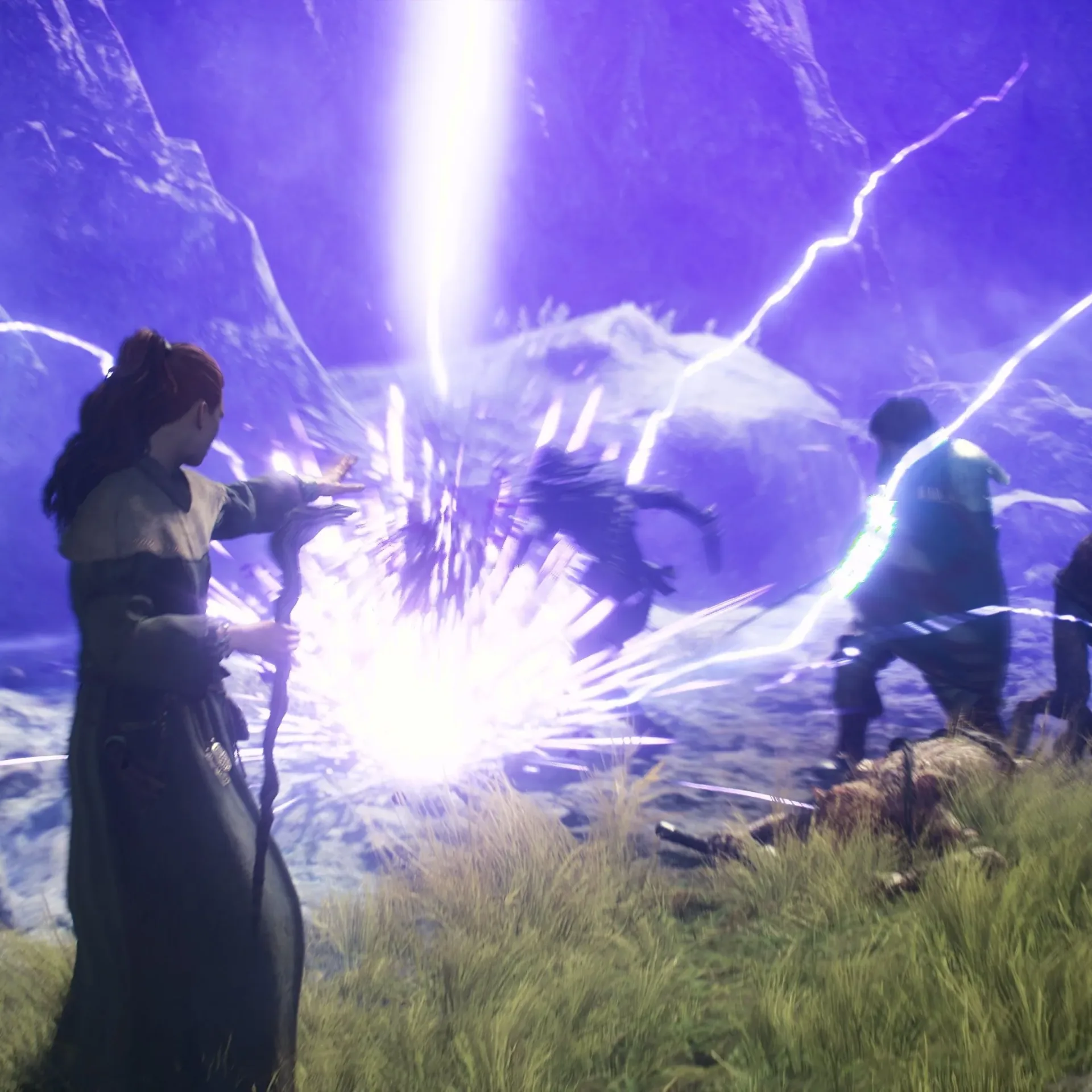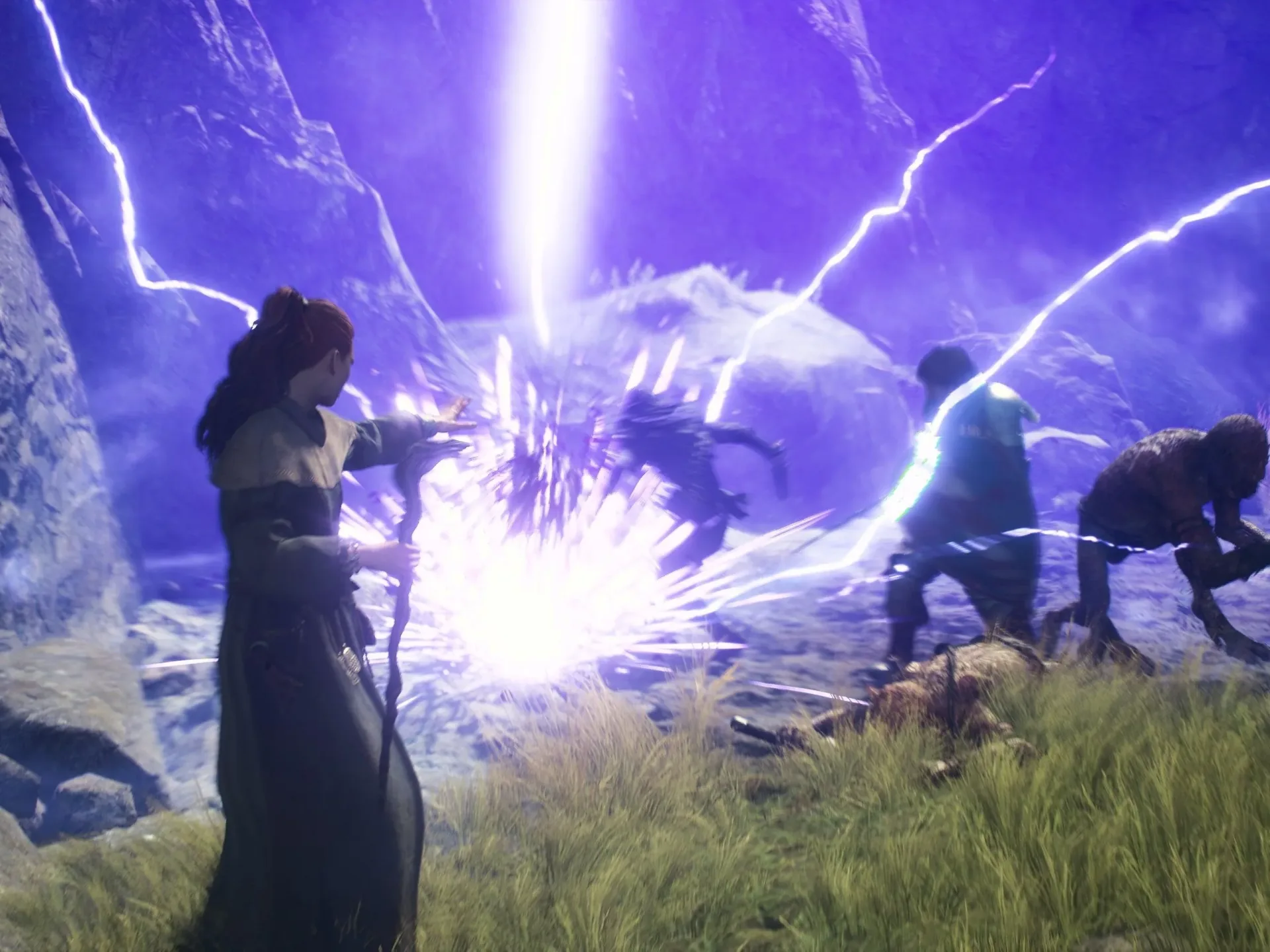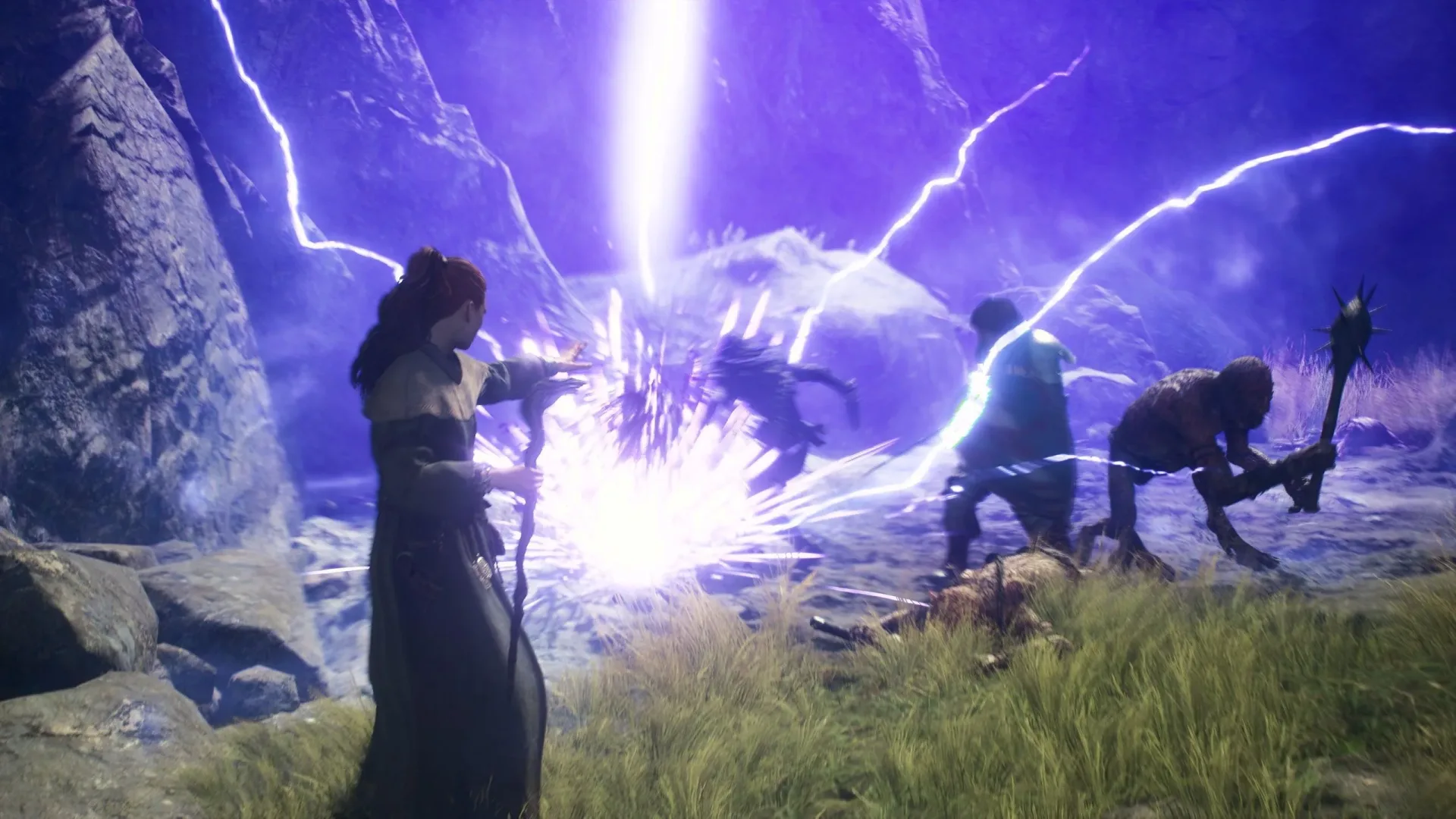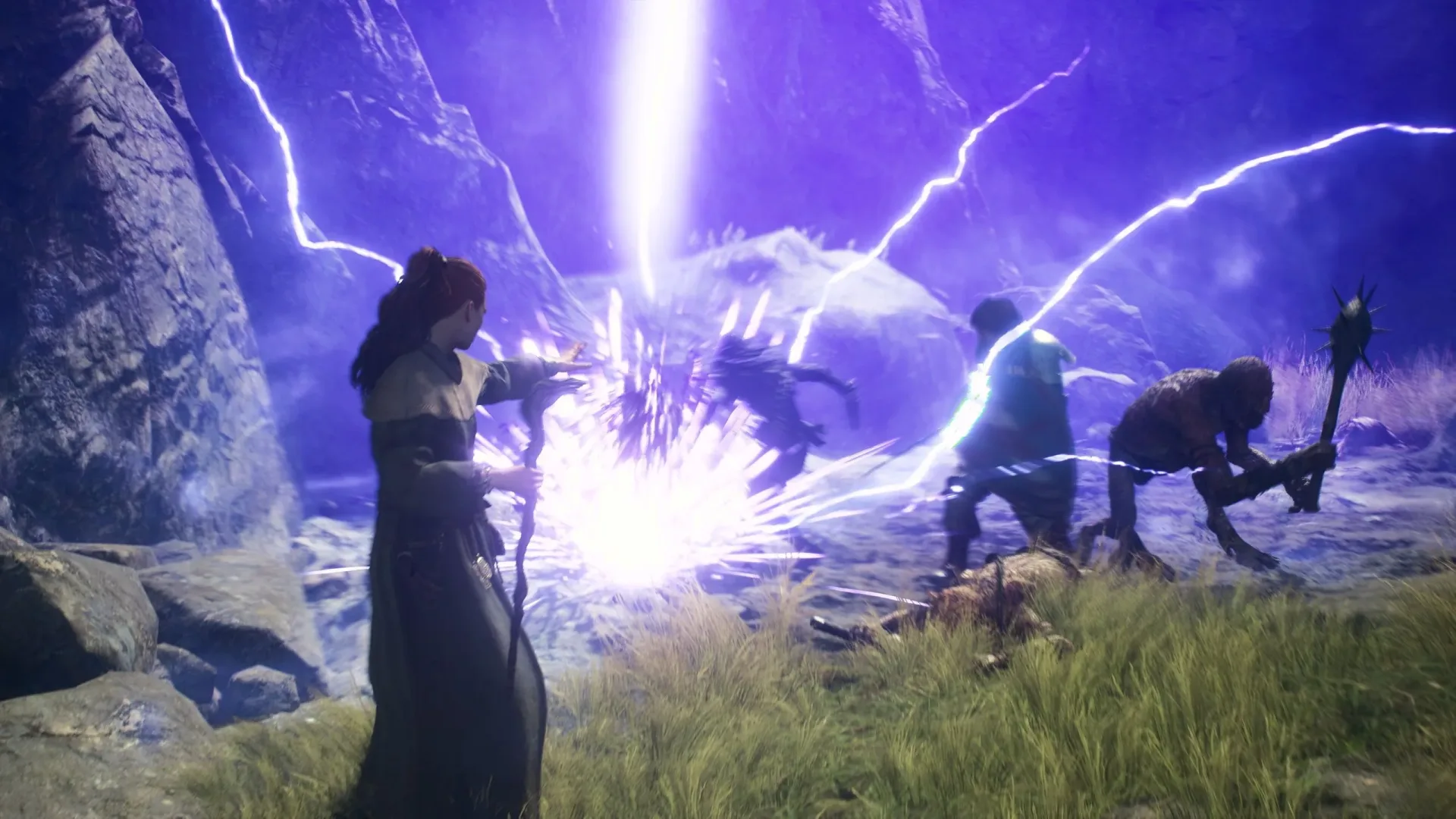
Dragon’s Dogma 2 has received an update focused on one of the action RPG’s longest-running sore spots: performance. The patch also expands practical options around saving, changes the notorious Dragonsplague system, and arrives after an earlier quality-of-life update introduced unlimited fast travel.
That combination matters because the game’s most memorable design decisions have often been inseparable from its most fiercely debated ones. Dragon’s Dogma 2 is built to make travel consequential, encounters unpredictable, and mistakes inconvenient in ways many big open-world games actively avoid. It has made that friction a core part of its identity. But technical struggles are a different type of friction altogether: a cyclops throwing a cart into a ravine is adventure; an unstable frame rate while trying to react to it is considerably less romantic.
The newly reported PC gains have quickly become the main topic of player discussion. Some players are describing a dramatic change in how the game runs after the update, including one report of moving from roughly 30 frames per second on low settings to 60 frames per second on high settings. Individual PC results will naturally vary by hardware, locations in the game, settings, drivers, and background workloads, so those accounts should not be read as a universal benchmark. Still, the early reaction signals that the patch may represent a meaningful turnaround for a release that had long been associated with performance complaints.
Performance improvements arrive with lower PC requirements
One especially notable detail is that the game’s Steam system requirements have reportedly been reduced following the update. Revised minimum or recommended specifications do not promise identical outcomes for every machine, but they are an important public indicator: the developer now expects the game to function at a lower hardware threshold than before.
For PC players, that can be more useful than a vague statement that optimization has improved. System-requirement changes affect the decision-making around whether to install, revisit, or finally buy a game. They also give owners of older components a reason to check the official Steam listing again rather than assuming the original demands remain fixed forever.
Dragon’s Dogma 2 launched as the RE Engine’s first open-world game, and its performance challenges became a major part of conversations around the title. Large settlements, simulation-heavy scenes, and CPU-limited situations drew particular attention. The game’s larger ambitions were clear, but ambition does not make a choppy town square any easier to enjoy. An update that substantially improves those moments has the potential to change the day-to-day experience far more than a tiny visual toggle ever could.
It also comes at a useful time for anyone returning to the game ahead of Dragon’s Dogma 2: Dark Arisen, the announced expansion. A major expansion naturally renews attention on the base game, and returning players are likely to notice technical and usability changes immediately. A smoother trip through Vermund is arguably the best possible invitation to spend more time in its dangerous, oddball fantasy world.
More saves and a softer Dragonsplague threat
The current update is not only about frame rates. It adds new save slots and makes adjustments to Dragonsplague, the in-game affliction that can spread through Pawns and eventually produce severe consequences for a settlement’s non-player characters. Its capacity to wipe out an entire village of NPCs could also interfere with access to quests, making it one of the game’s most anxiety-inducing systems.
Dragonsplague has always been a perfect example of why the game inspires both affection and exasperation. The system is unusual, consequential, and thematically on-brand for a world where trusting your hired companions carries real risk. It is also the sort of mechanic that can turn a player’s carefully maintained quest hub into a catastrophe, sometimes before they feel they properly understood what was happening.
Additional save slots may be just as welcome. Games with layered choices, open-ended exploration, and punitive outcomes become more approachable when players have clearer control over their own save management. That does not automatically erase the stakes of a decision, but it can reduce the sense that a single unexpected event has permanently derailed dozens of hours of progress.
For a series that asks players to live with outcomes, save flexibility is an interesting compromise. It protects experimentation without necessarily remaking the game into a consequence-free checklist. Anyone who has ever negotiated the delicate social treaty of shared-screen gaming will recognize the value of giving people a little room to recover; the unwritten rules of couch multiplayer are proof enough that access, mistakes, and control can become very serious business very quickly.
Unlimited fast travel marks a major quality-of-life change
The performance patch follows an earlier update from this summer that added unlimited fast travel and other quality-of-life improvements. That is a substantial shift for Dragon’s Dogma 2, a game initially designed with deliberately restricted travel tools. Limited fast travel encouraged journeys that could turn into detours, monster fights, rescues, nighttime disasters, or an accidental discovery on the road.
For some players, that slow, unpredictable movement is precisely the point. Dragon’s Dogma has traditionally treated the route as content rather than a gap between pieces of content. For others, repeating the same stretches of road after a long session eventually became less like meaningful adventure and more like mandatory commuting in armor.
Unlimited fast travel gives players more ability to decide which version of the experience they want on a particular night. They can still wander, take an ox cart, and let the world throw a griffin at their plans. Or they can get to a quest destination without dedicating another chunk of their evening to a trip they have already made repeatedly. That choice is particularly useful in a sprawling RPG where revisiting the game after a break can involve remembering not only a quest chain but also where, exactly, the player left their favorite helmet.
That impulse to return to a big game after it has been improved is familiar to collectors as well as players. Sometimes the object on the shelf is not the end of the story; an update, expansion, or rediscovered mode can alter its value as something to actually use. The emotional cycle of deciding whether one more purchase—or one more reinstall—is warranted has its own recognizable pattern, as explored in The Collector’s Five Stages of Buying One Small Thing.
Friction remains part of the game’s identity
Not every inconvenient feature is being removed. The developer leading Dark Arisen has indicated that the game’s friction will be preserved, framing it as something players can engage with when deciding how they want to play. That distinction is important. The recent changes suggest refinement rather than a complete reversal of the original philosophy.
Performance optimization, additional saves, and optional travel conveniences address barriers that can prevent players from appreciating the game on its own terms. They are not the same as stripping away the game’s strange systems, dangerous journeys, or willingness to let an expedition go spectacularly wrong. Dragon’s Dogma 2 is still positioned as an RPG where planning matters and where the road can become the story.
There has been speculation that work needed to bring the game to Nintendo Switch 2 may have contributed to the improvements, but no confirmation establishes that as the reason for this particular patch. The concrete takeaway is simpler: the update is now available, player reports are strongly positive about PC performance, and Steam requirements have reportedly changed downward.
Players curious about the new state of Dragon’s Dogma 2 should treat early community reports as encouraging rather than definitive, check the updated requirements against their own systems, and pay attention to the patch details around save slots, fast travel, and Dragonsplague. For a game whose rough edges have always been part of its character, this looks like an effort to ensure the roughest edge is no longer the frame-time graph.