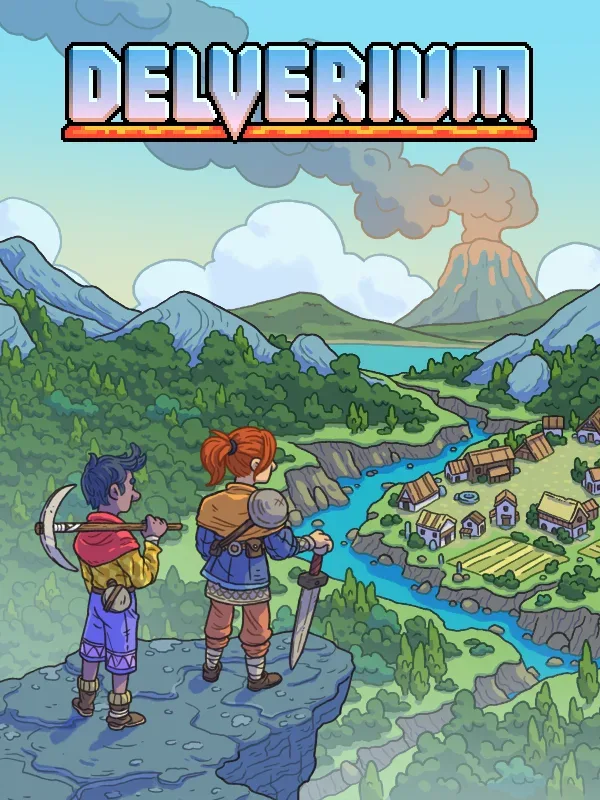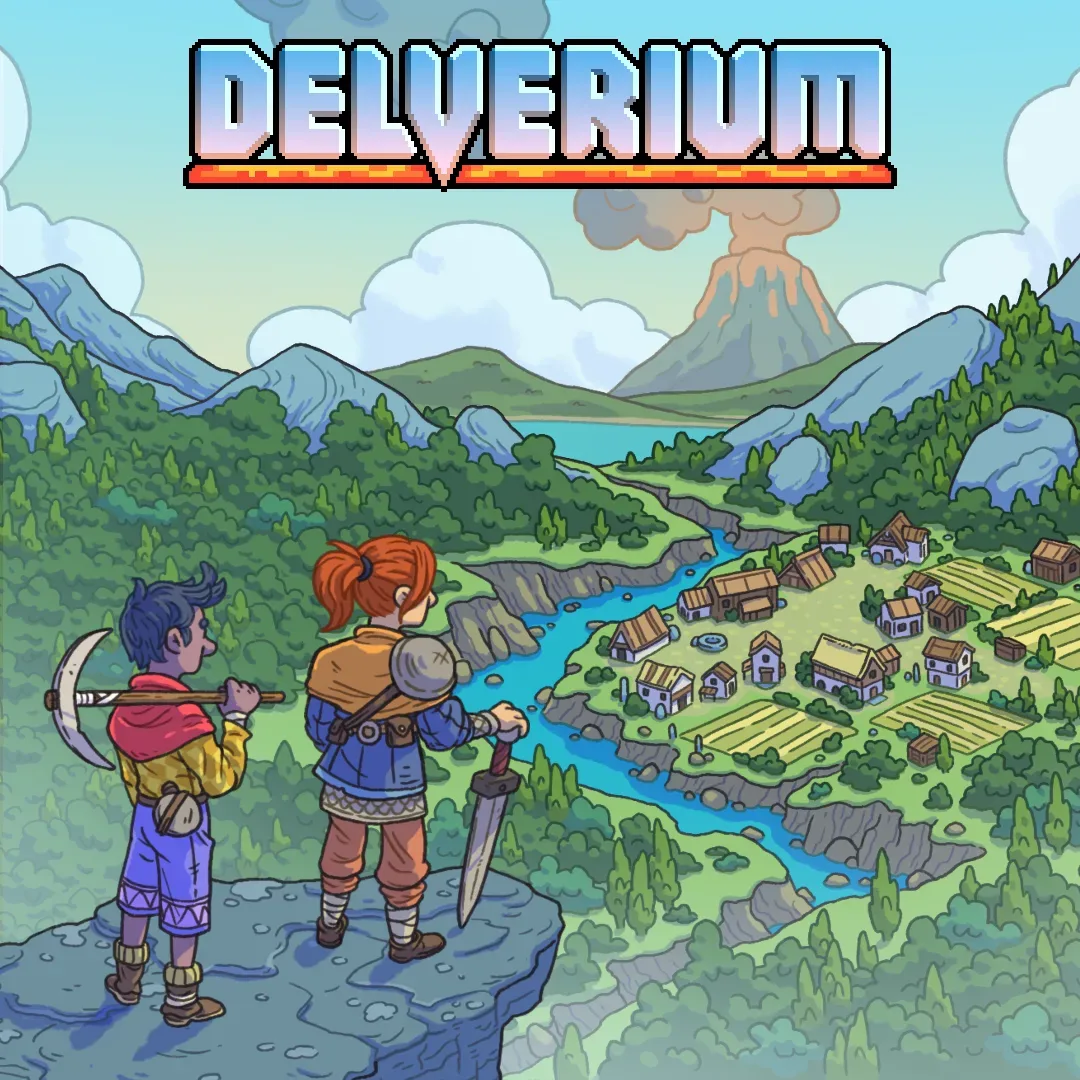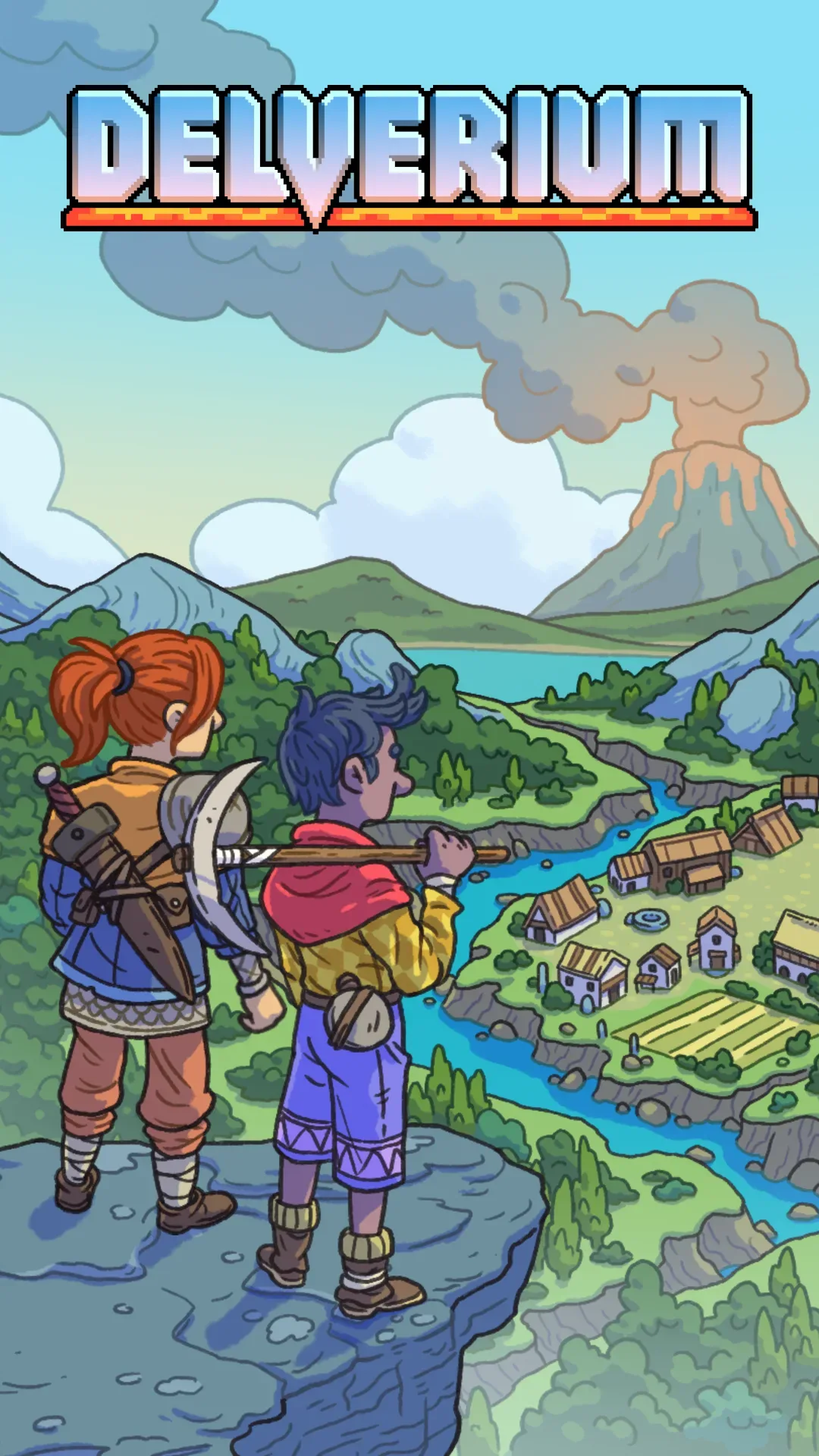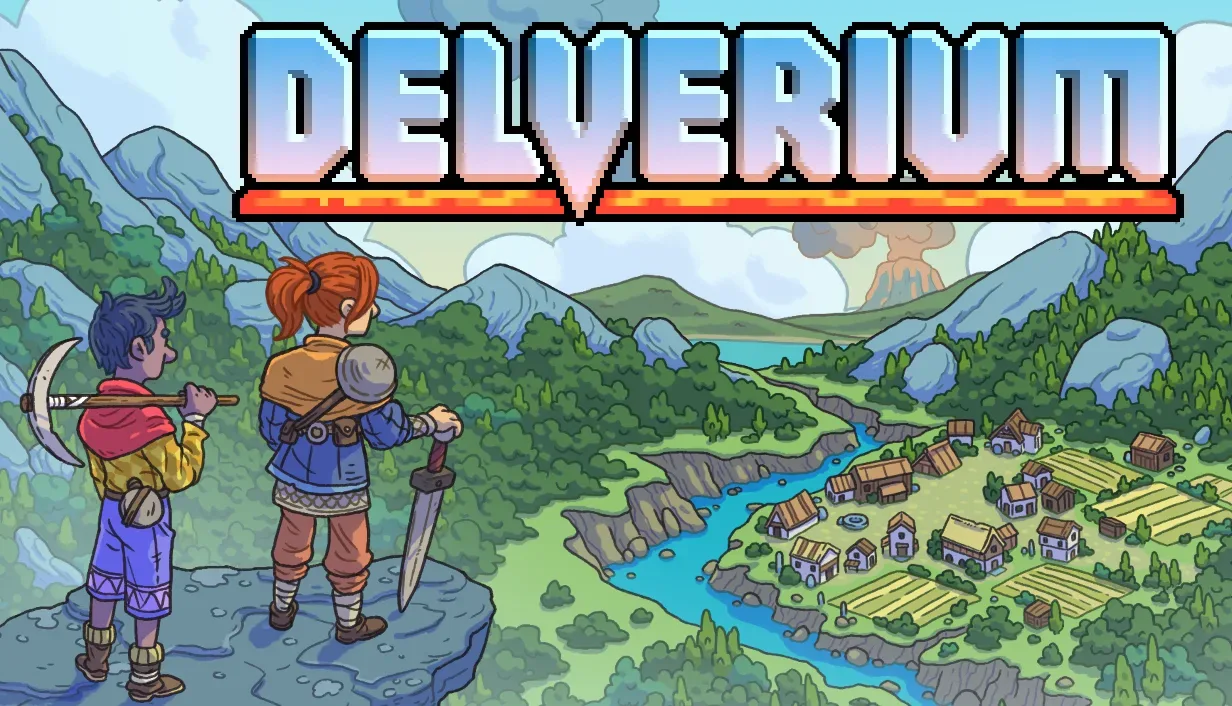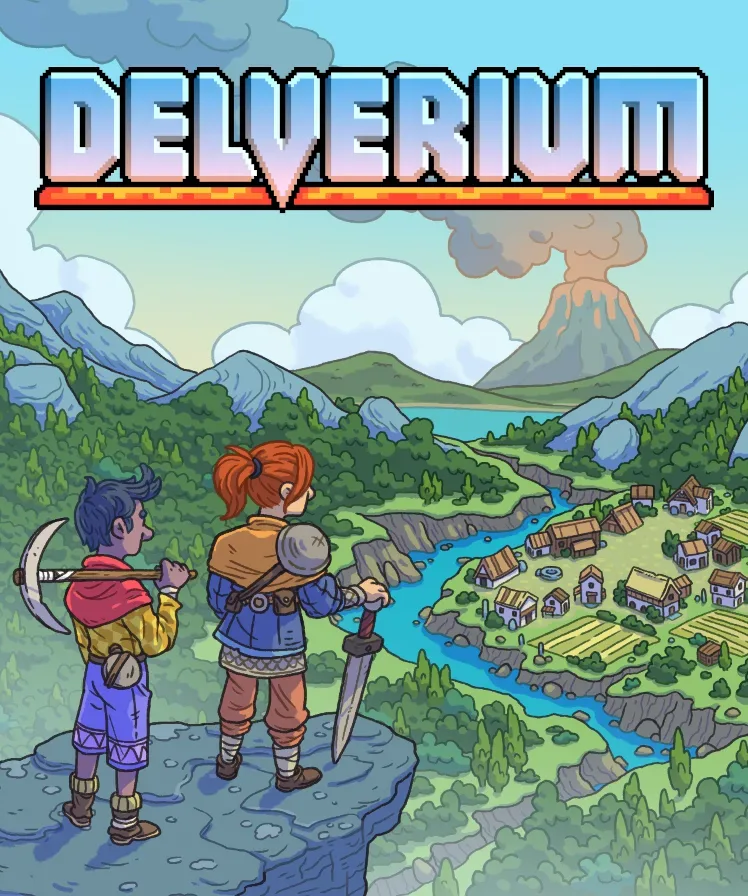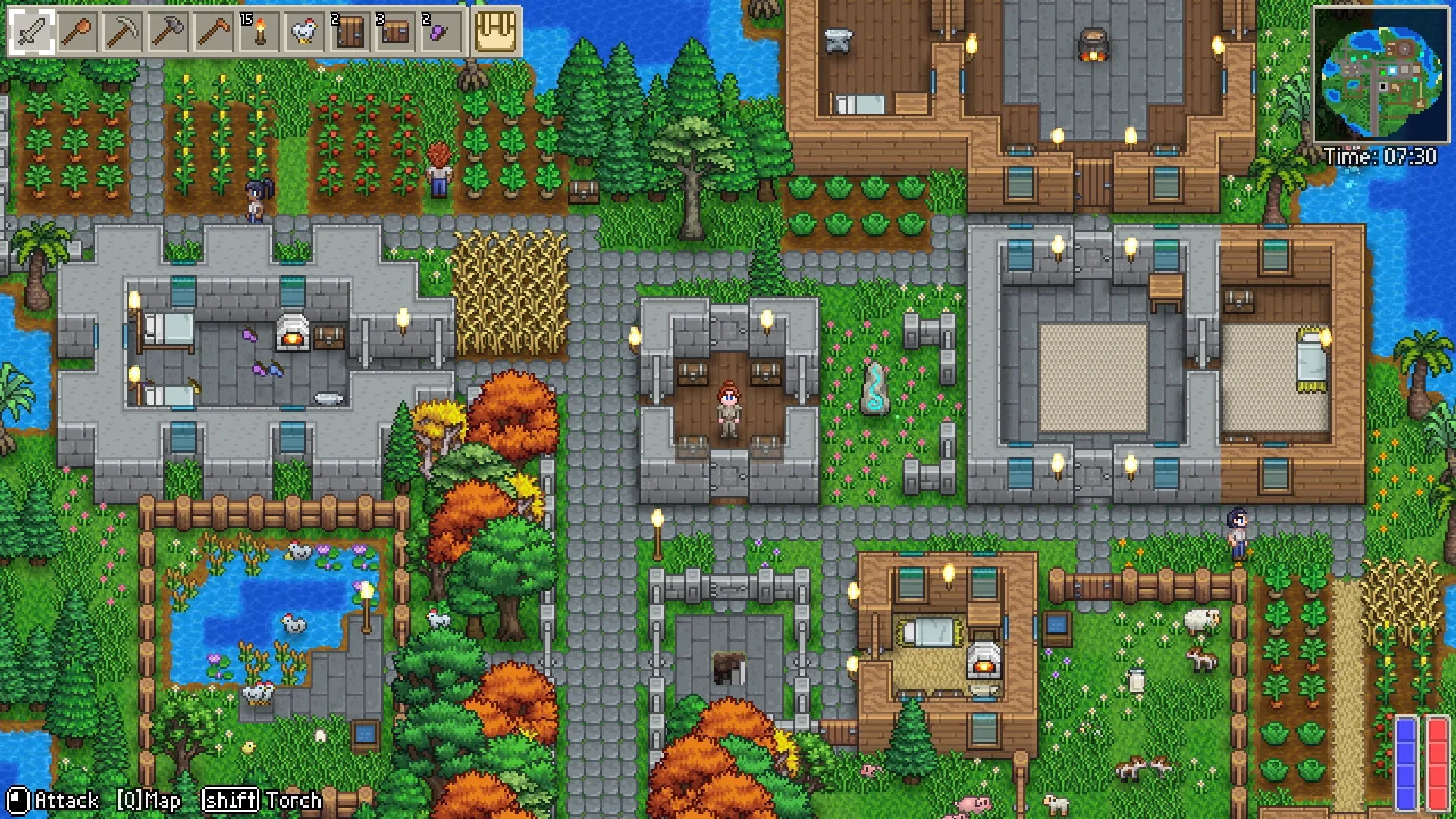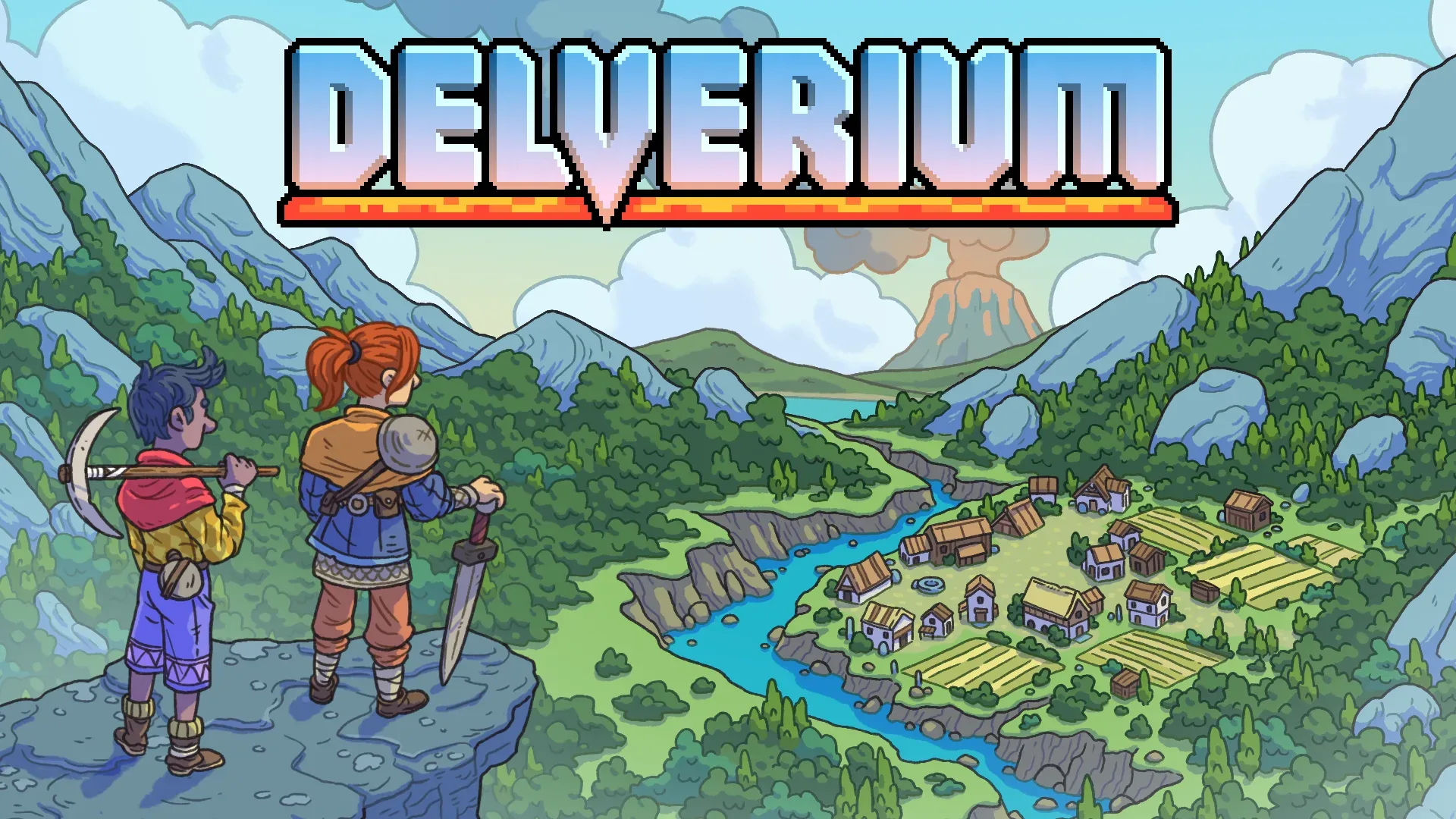
Delverium, the co-operative fantasy survival sandbox from Sagestone Games, has entered Steam Early Access on PC. Launched on September 22, 2026, the game supports one to eight players and combines resource gathering, crafting, farming, settlement building, exploration and dungeon crawling in procedurally generated worlds.
The broad pitch is one familiar to survival-game players but with a notably social range: a player can head into the wilderness alone, share a screen with people nearby, or form an online party. Delverium supports local split-screen for as many as four players and online play for up to eight. It is also listed as Steam Deck Verified, which matters for a game whose activities—collecting materials, checking crops, constructing a base and making repeated excursions—can suit shorter portable sessions as well as longer group play.
Its initial Early Access release carries a 20% launch discount. Exact pricing and regional amounts are provided through the Steam listing.
A sandbox built around several connected routines
Delverium’s announced feature set places it across several adjacent game structures rather than tying the experience to one task. Players gather resources and use them to make shelters and larger settlements. Farming introduces crops to tend, while crafting provides a way to turn found materials into useful items. Exploration takes place in a large procedural world, and dungeons offer a more dangerous destination where players can seek rare treasure and story fragments.
Procedurally generated means that the game creates its world through systems instead of relying solely on one completely fixed map. In practical terms, that can make the process of setting out, locating materials and choosing a place to build less about memorising a single route. It also gives repeat adventures and separate groups room to establish their own worlds. The important qualifier for prospective players is that procedural generation describes how the world is assembled, not a guarantee that every session will be identical in quality or discovery.
The survival side appears to be directly linked to the building and exploration loop. Resources are gathered, shelters and settlements are made, crops are maintained, and the group can then push into more perilous spaces. Recruitment is another named component: players can recruit NPCs, or non-player characters, to become part of their growing settlement. That suggests the home base is intended to be more than temporary cover from danger, although the currently available details do not specify the roles those recruits will perform.
For a co-op group, that collection of systems potentially creates useful natural division of labour. One player may prefer construction, another may want to farm, and others may focus on exploring or entering dungeons. But Delverium can also be played solo, so none of those activities are presented as exclusively multiplayer responsibilities. The game’s structure is designed to accommodate a lone adventurer who wants to build at their own pace as well as a party trying to coordinate a shared settlement.
The Faults provide the central threat
Alongside its peaceful-looking routines of farming and construction, Delverium frames its larger conflict around mysterious entities or phenomena known as the Faults, which are invading the land. Players can uncover lore as they explore, while dungeons hold hidden story fragments as well as rare treasures.
That distinction is worth noting. A survival sandbox can provide a great deal to do while offering little reason to move beyond an established base. Delverium’s stated emphasis on lore fragments, dungeons and the Faults gives its expeditions a narrative function in addition to the usual hunt for materials. Precisely how the story unfolds, what the Faults are, and how much of that mystery is present at the start of Early Access have not been detailed.
Dungeons are therefore likely to be a key change of pace from settlement work. The available description characterises them as dangerous and ties them to rare loot and hidden narrative material. Players considering the game chiefly for combat should keep the broader balance in mind: Delverium is described as a survival sandbox adventure with dungeon crawling among several major activities, rather than solely as a combat-focused dungeon game.
What Early Access means here
Early Access is a release model in which a game is sold and played while development is still ongoing. It gives developers a chance to receive feedback from an active player base and expand or change the experience over time. For players, it means evaluating what is available now separately from features planned for later.
Scott Lowther, Delverium’s primary developer, described the project as a long-term passion project created with his family and said the team intends to work with its community during Early Access and beyond.
“We believe Delverium offers a lot for an Early Access title, and look forward to working with our community to add even more exciting content and features throughout Early Access and beyond,” Lowther said.
The stated roadmap includes modding support, additional bosses, new biomes and further content updates. Those are meaningful prospective additions, but they should be treated as plans rather than current features until they arrive in the game.
Modding support generally refers to tools or official systems that let players create, alter or share game content. In a sandbox game, that can potentially extend a title’s life through custom creations and community-driven variations. Delverium has not yet detailed its modding tools, scope, platform arrangements or timing, so buyers interested primarily in mods should regard the roadmap item as future-facing.
Likewise, new bosses and biomes point toward expansion of the game’s combat challenges and environmental variety. A biome is a distinct type of environment, often with its own appearance, resources, hazards or creatures. The roadmap does not establish how many new regions or bosses will be added, nor when, but it indicates that the developers see the current world as a foundation to be broadened during Early Access.
Local split-screen and online play serve different groups
The split between four-player local split-screen and eight-player online support is one of Delverium’s more concrete launch-day particulars. Local split-screen means multiple people can play on one display, each with their own section of the screen. It can make Delverium a fit for couch co-op households or small in-person groups without requiring a separate screen for every participant.
Online play extends the party ceiling to eight players. That is especially relevant for a game with settlement construction and multiple kinds of work to pursue, because larger groups can potentially spread across several priorities at once. The supplied details do not specify how hosting, saves, progression ownership, cross-play or server options work, so players with requirements in those areas should verify the current Steam information before committing a group.
Players looking for other recent PC releases can also browse Joking Joystick’s September 22, 2026 games roundup.
An Australian-supported project with experienced audio leadership
Delverium was created by Scott Lowther with support from composer and audio director Jeff van Dyck, who is a BAFTA Award winner. The supplied information does not outline the game’s soundtrack, audio systems or the precise scope of van Dyck’s contributions, but his credited role identifies audio as a dedicated part of the project’s production.
The game has also received support from the Queensland Government through Screen Queensland’s Games Grants, as well as from the Australian Government through Screen Australia’s Games Production Fund. That funding support is part of the project’s development background; it does not change the Early Access status or substitute for the ongoing development plans described by the team.
Who Delverium’s current release is for
Based on the announced feature list, Delverium will most directly appeal to players who want a fantasy sandbox where domestic and adventurous activities coexist. Building a shelter, cultivating crops and recruiting NPCs are positioned alongside delving into hostile areas, chasing rare treasures and piecing together lore. The ability to play alone, in four-player local split-screen or with up to eight online players gives that loop unusual flexibility.
It may be less immediately suitable for anyone who only wants a finished, fixed-content game, because the roadmap explicitly signals that substantial additions are still planned. Mod support, further bosses and new biomes are all items on the path ahead rather than a reason to assume they are available at launch.
For those comfortable joining a project during development, the release presents a substantial initial mix of exploration, farming, crafting, settlement management and dungeon expeditions. Delverium is available now on PC through Steam Early Access, with Steam Deck Verified support and a launch discount active.