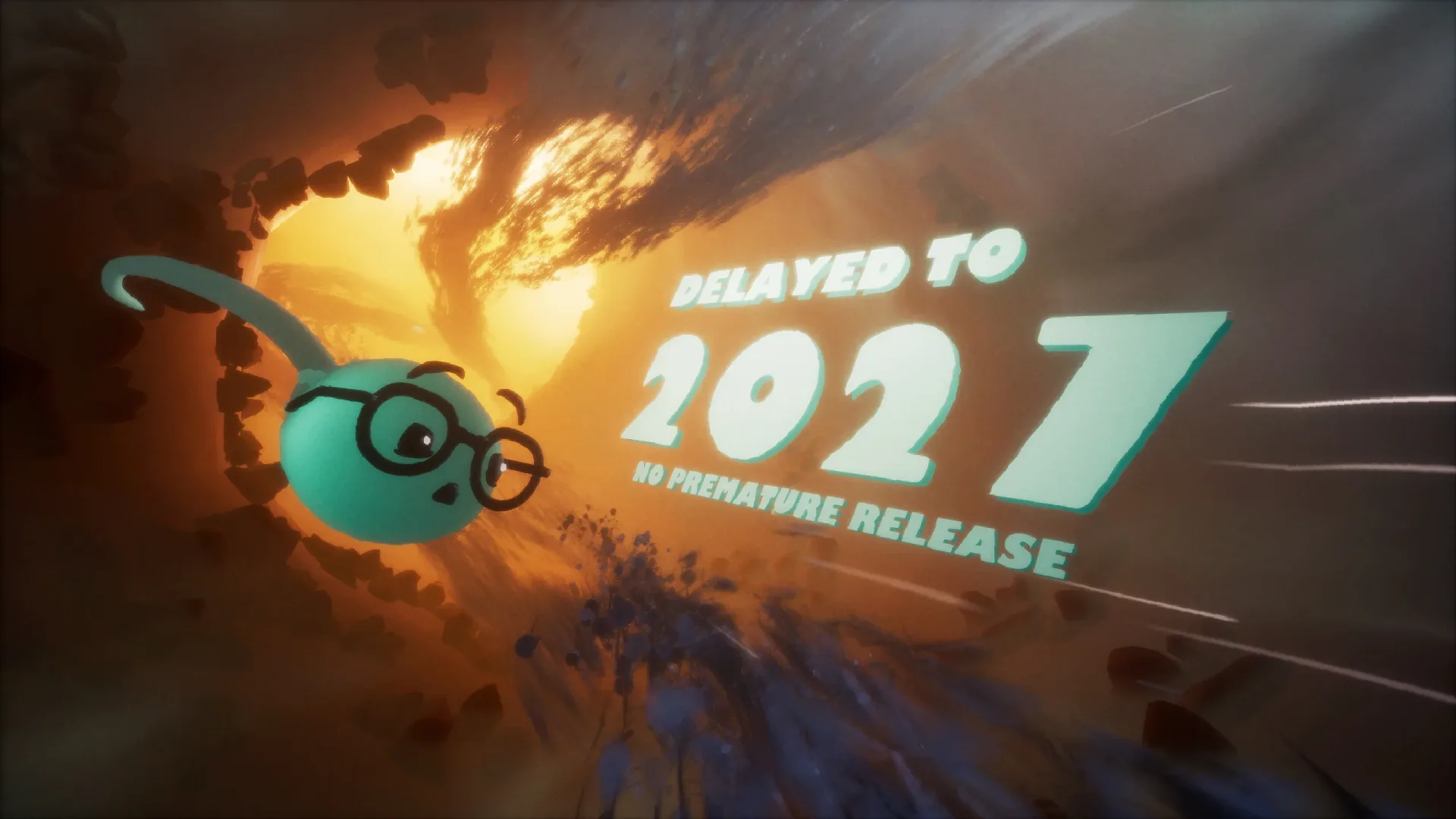
Become, the unusual third-person adventure that puts players in control of one of millions of sperm travelling through the human reproductive system, is no longer targeting a 2026 launch. ProtoSeed Games and Valentin Wirth now plan to bring the Steam release out in the first half of 2027.
The revised window replaces the 2026 target shown in the game’s original trailer. No exact release date has been announced, and the game is currently listed only for Steam.
Rather than framing the delay around a major change in direction, the developers say the extra time is for polish. The systems specifically identified include mucus viscosity, reproductive-tract pH balance, immune-cell behaviour and the game’s larger dramatic moments. That is a meaningful distinction for a project whose premise depends on turning a biological environment into a readable, playable obstacle course.
A delay focused on interaction, not a redesign
The team says there have been no sweeping feature redesigns or last-minute pivots. In practical terms, that suggests the central identity of Become remains intact: a short, linear, single-player adventure built around learning, adaptation and evolution inside a microscopic version of the human reproductive system.
That does not make the extra development time insignificant. In a game organized around environmental hazards, tuning can determine whether the world feels like a coherent journey or a succession of arbitrary setbacks. A current needs to communicate motion without making movement unintelligible. Acidic areas need to feel dangerous while still leaving players enough information and control to respond. Immune cells need behaviour that creates pressure without appearing random.
These are not newly promised mechanics; they are areas the team says it is polishing. The delay therefore appears to be about improving how existing systems connect and behave rather than expanding the scope with an entirely different game.
What viscosity means for a game like Become
Viscosity is a material’s resistance to flowing. In game-design terms, a viscosity system can affect how quickly a character travels, how it turns, how it is carried by motion and how difficult it is to escape a hazardous area. For Become, mucus viscosity is not merely environmental decoration. It can serve as part of the game’s movement language: a property players learn to recognize, adapt to and potentially plan around.
Likewise, pH is a measure used to describe acidity or alkalinity. Become’s announced survival threats include acids, so reproductive-tract pH balancing may govern where and when those conditions become dangerous. The developers have not detailed the rules behind that system, so players should not assume a particular meter, crafting recipe or upgrade structure. What is clear is that chemical conditions are intended to be an active part of the challenge rather than background science dressing.
Related coverage includes Become Moves Steam Launch to First Half of 2027.
Immune-cell behaviour is another especially important target for refinement. In games, “behaviour” generally refers to the logic that determines how non-player entities detect, pursue, react to or otherwise interact with the player. Better behaviour can make an enemy or hazard more legible: players can observe it, understand the risk, and make decisions instead of simply hoping not to be hit. For a short adventure, that readability matters because the game has limited time to teach players its rules.
What Become is currently promising
Become is described as a two-to-three-hour linear experience. That gives prospective players a useful expectation: this is not being presented as an open-ended survival sandbox or a massive role-playing game. Its resource gathering, development and customization systems are part of a focused adventure rather than proof of a sprawling game structure.
The announced feature set includes:
- Third-person, single-player exploration through a microscopic reproductive-system setting.
- Resource gathering and character development.
- Customization.
- The ability to rescue and use buddies to get past obstacles.
- Survival challenges involving currents, acids and immune cells.
- A linear campaign estimated at roughly two to three hours.
The buddies stand out because they suggest Become will not be solely about steering one vulnerable character through hostile terrain. Rescuing allies and using them to overcome barriers introduces the possibility of situational problem solving. The available details do not explain exactly what each buddy can do, how many there are, or whether they persist across the journey, but their stated role points to obstacles that cannot be solved by movement alone.
“Development” and “evolution” also deserve a little restraint. Those words indicate progression, but the current information does not establish a skill tree, branching build system, permanent unlocks or a specific evolution format. It is safer to read them as broad promises that the player character changes or gains capabilities over the course of the adventure.
Why polish is central to the premise
Become has an inherently unusual challenge: it is drawing gameplay from systems that are both microscopic and biological. The game needs to communicate scale, danger and movement clearly enough for players to make decisions, even though its environment is meant to be unfamiliar and hostile.
That is where the developers’ listed priorities converge. Mucus viscosity can shape traversal; pH can establish environmental risk; immune-cell behaviour can create active opposition; and the larger moments can give the linear journey a satisfying sense of escalation. None of those components operates in isolation. If a current pushes a player toward an acidic zone while an immune cell closes in, the game must still make the situation understandable and responsive.
For that reason, polishing systemic interactions may be more valuable than adding another headline feature. A concise two-to-three-hour game benefits when its core actions are quickly learned and consistently expressive. Players should be able to identify why they failed, adjust their approach and feel that a successful escape came from adaptation rather than luck.
There is an unavoidable wait, of course. A first-half 2027 window means the release may still be months away, and a window is not a fixed date. Still, the update narrows the project’s position after its former 2026 target and gives a clearer explanation of where development effort is being placed.
Interest remains substantial ahead of launch
The project has passed 145,000 Steam wishlists. Wishlists are not purchases or a guarantee of launch performance, but they are a useful indicator that a notable number of Steam users want to keep track of the game and receive platform updates.
Become has also received a Gold Award through Tokyo Game Show’s Selected Indie 80 showcase and won Best Pitch at Game Access. Those honors reflect early industry-showcase recognition for the project, while the eventual measure for players will be whether the finished release delivers on its movement, survival and companion concepts.
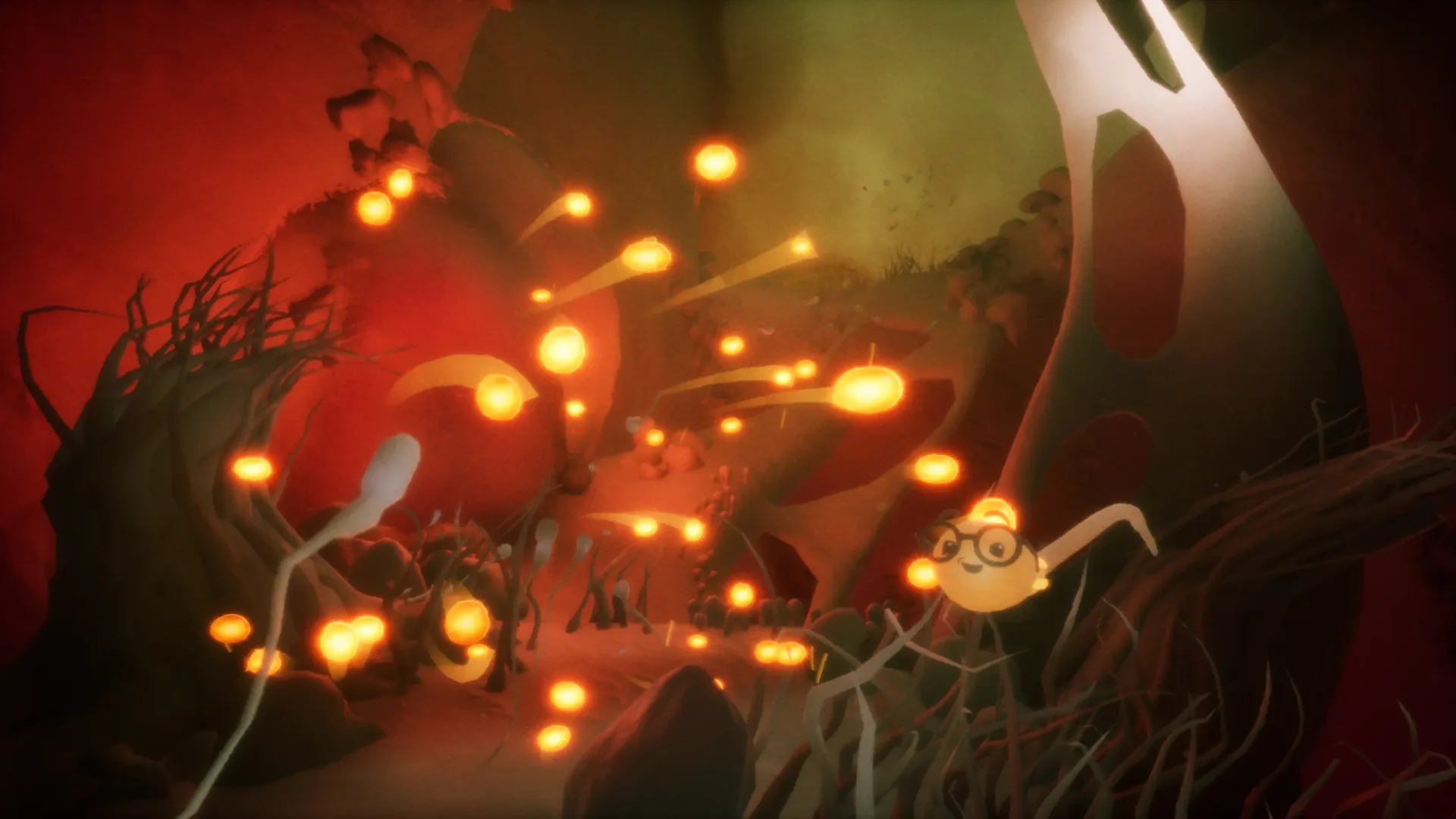
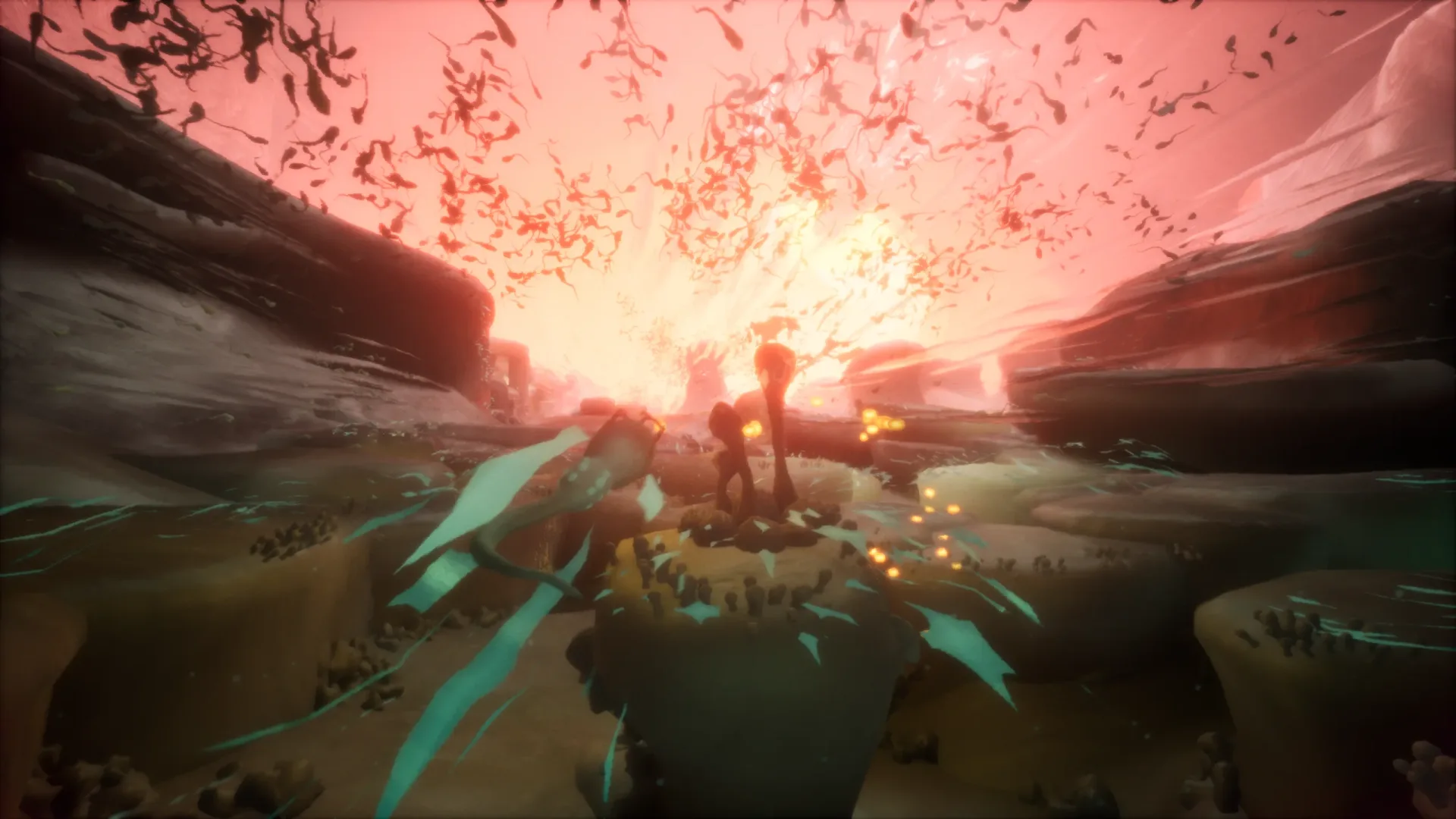
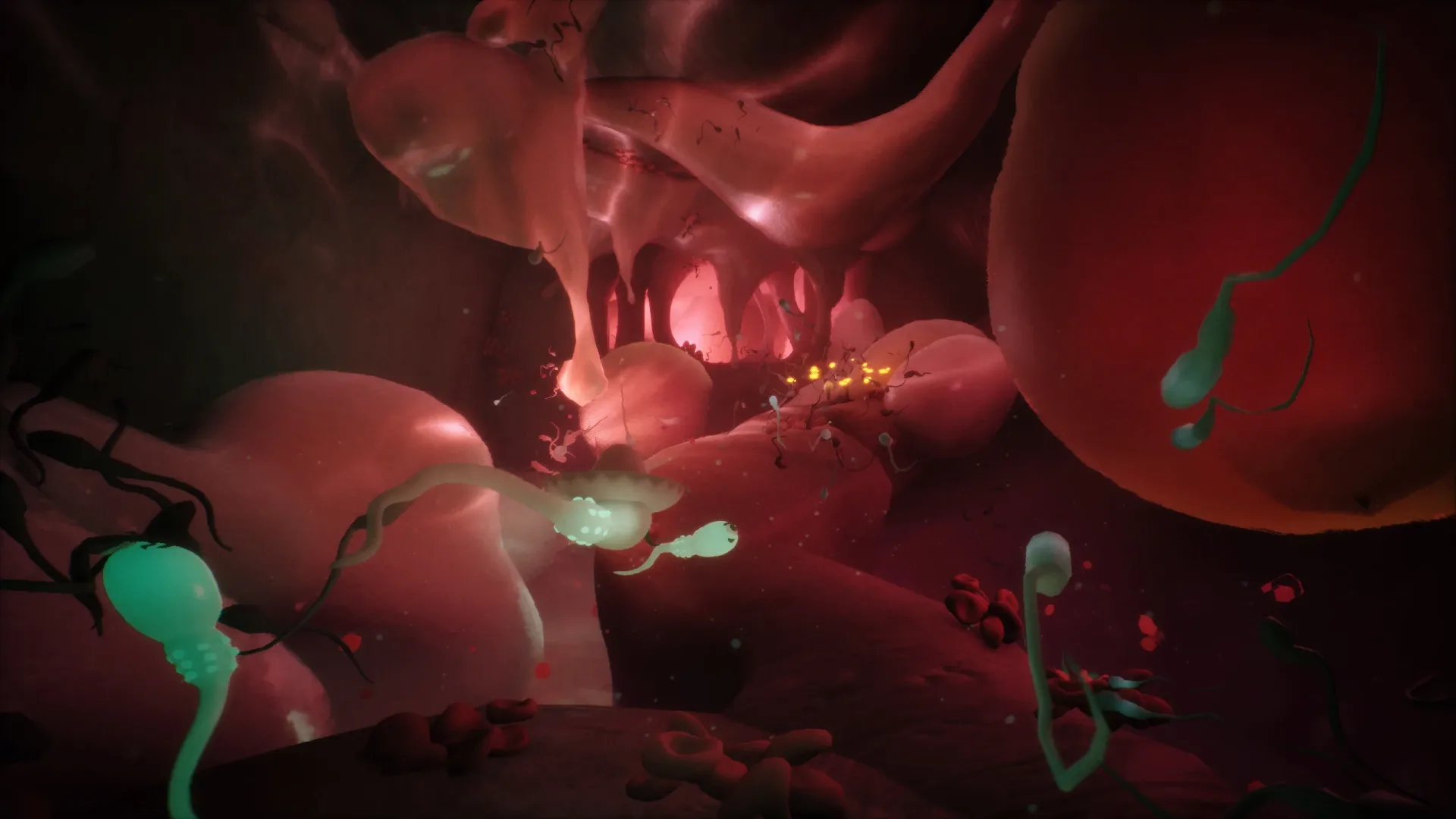
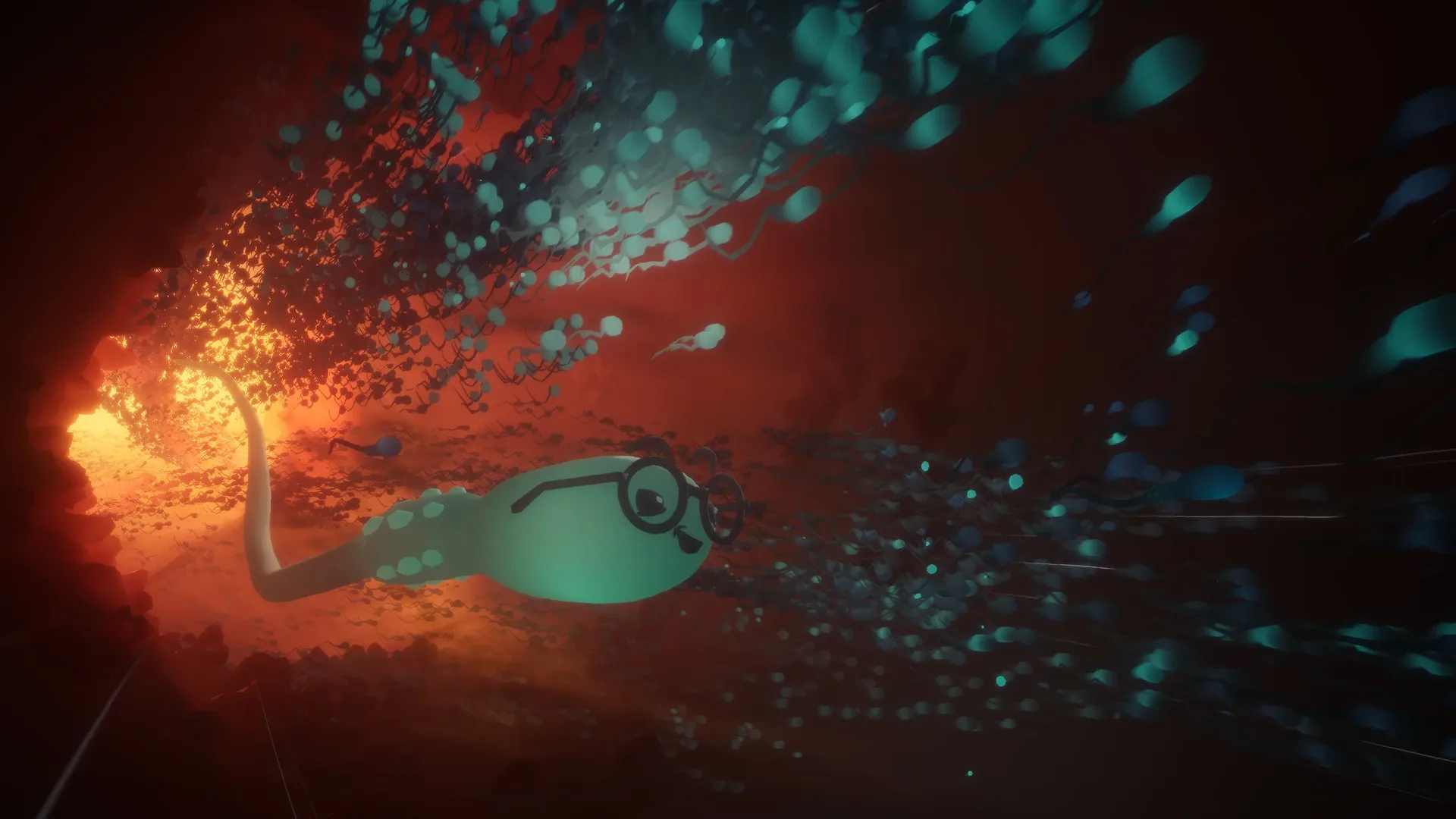
New screenshots and GIFs accompanied the release-window update, offering another look at the gameplay and environments. The developers say more will be revealed early in the new year. Until then, the known picture is deliberately focused: a compact single-player journey with a highly specific setting, environmental survival mechanics and an extra development period intended to make those systems work together more smoothly.
Become joins a wider set of projects looking toward next year on Valve’s platform; readers tracking that calendar can also see another Steam game targeting 2027. For Become, however, the key issue is less its unusual premise than its execution. The first half of 2027 is now the window in which its microscopic hazards, rescued buddies and survival systems will need to come together.