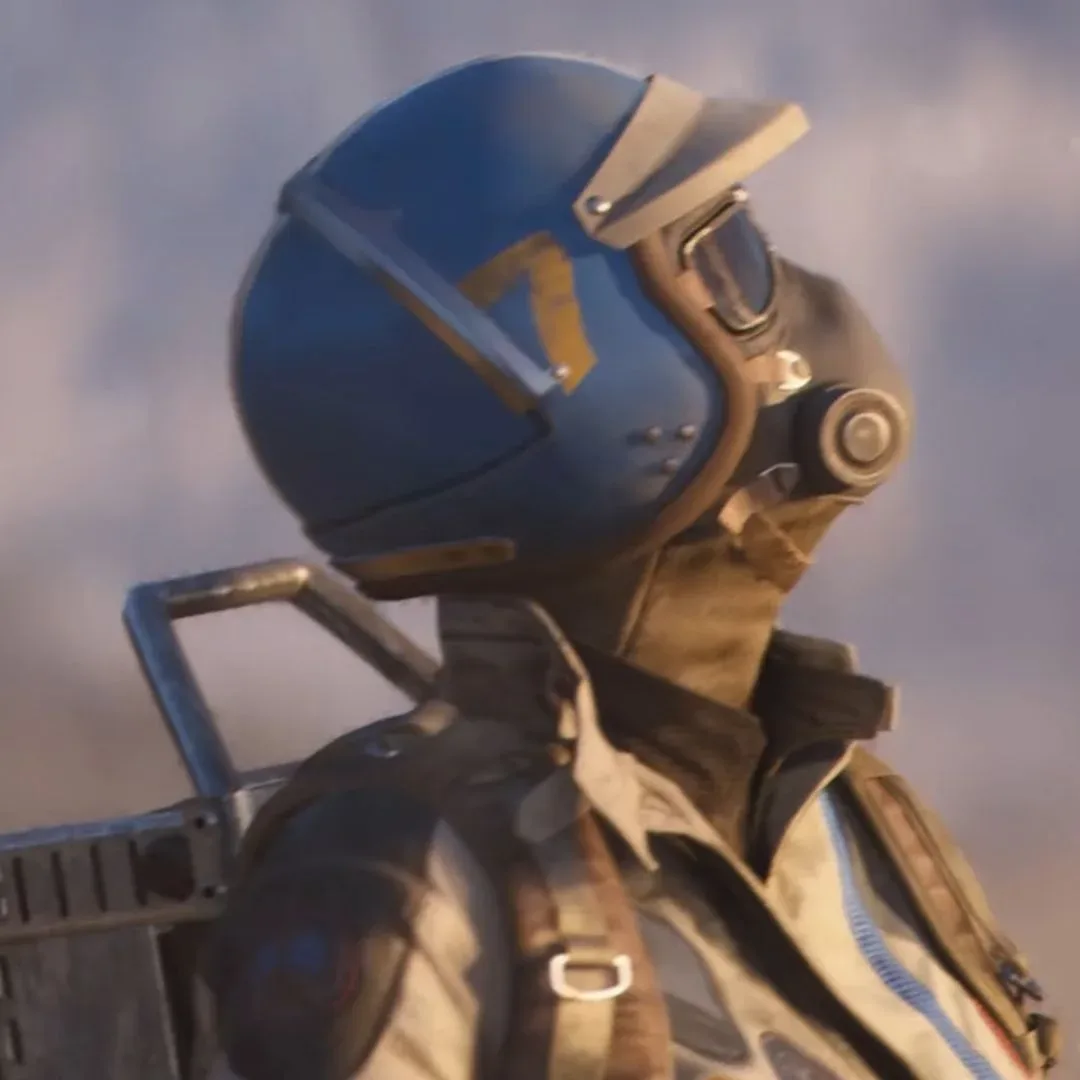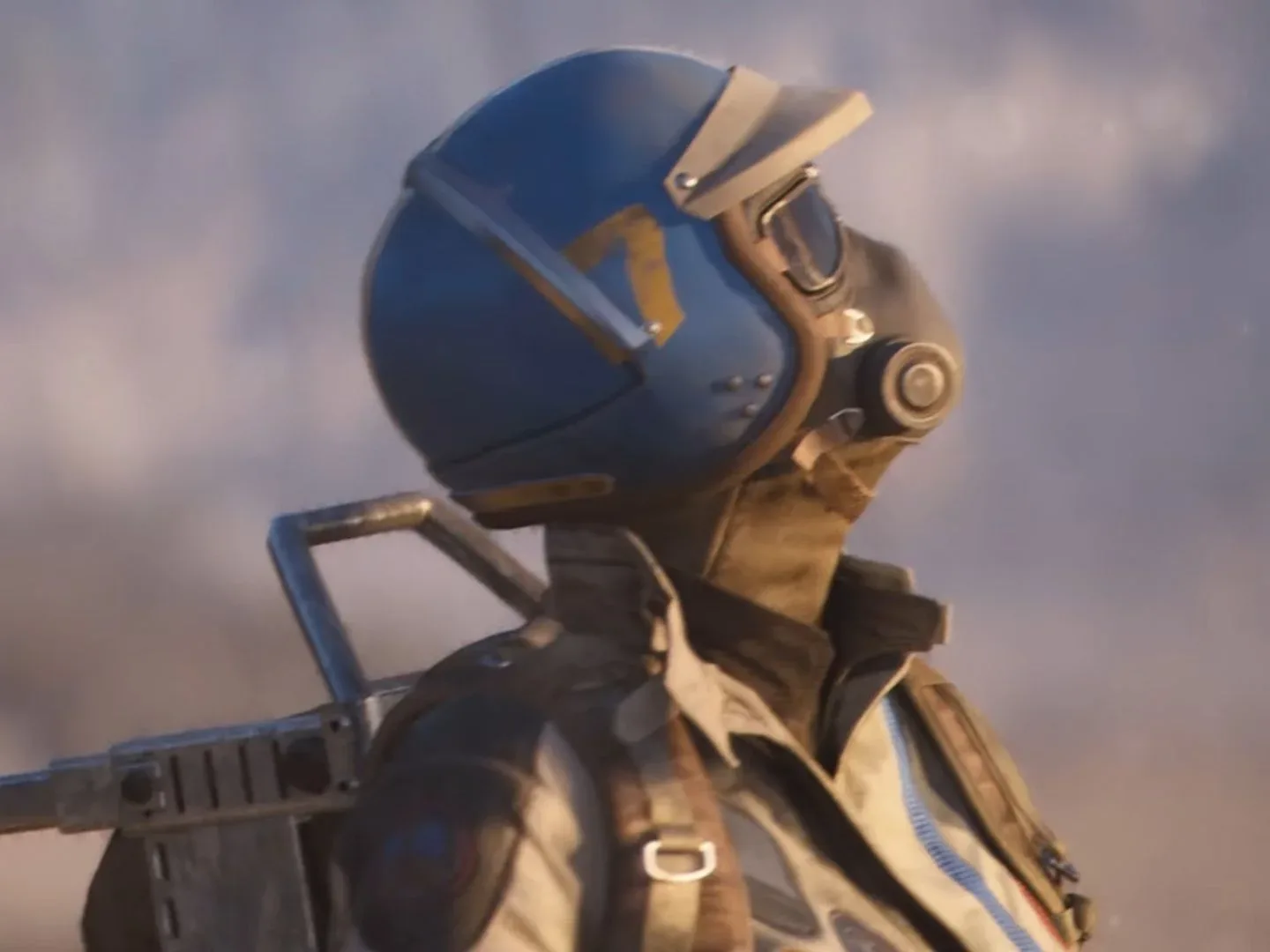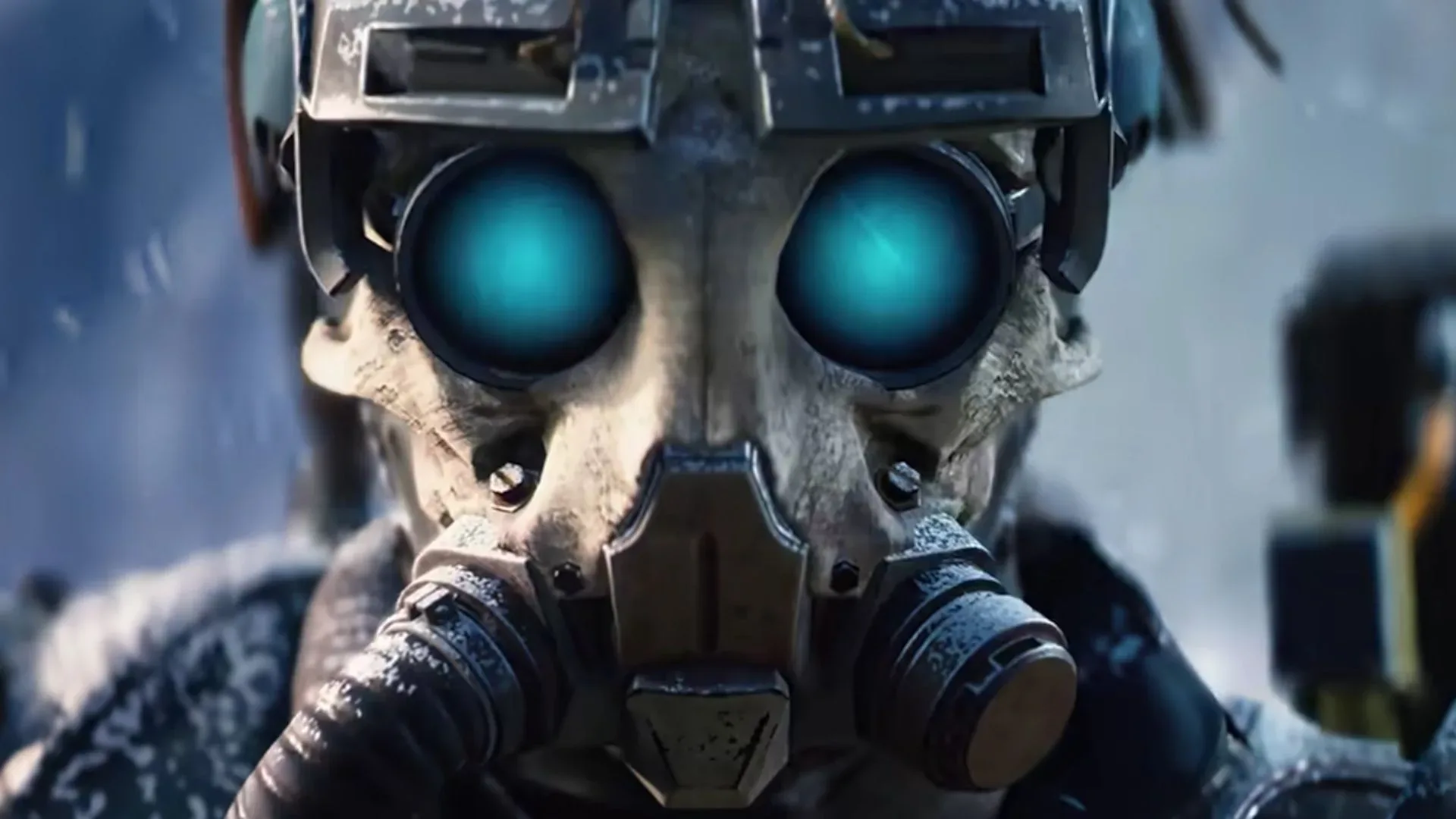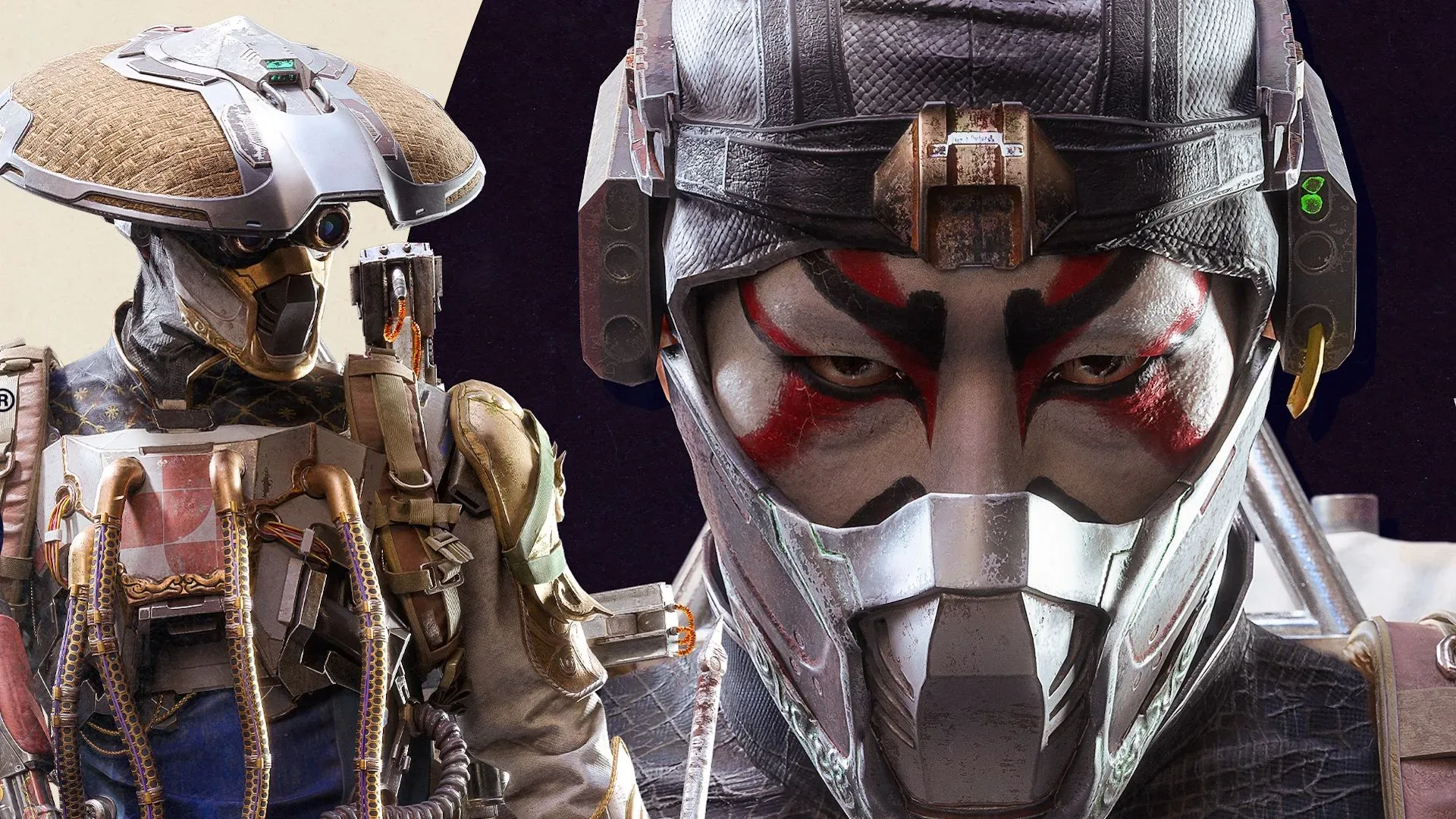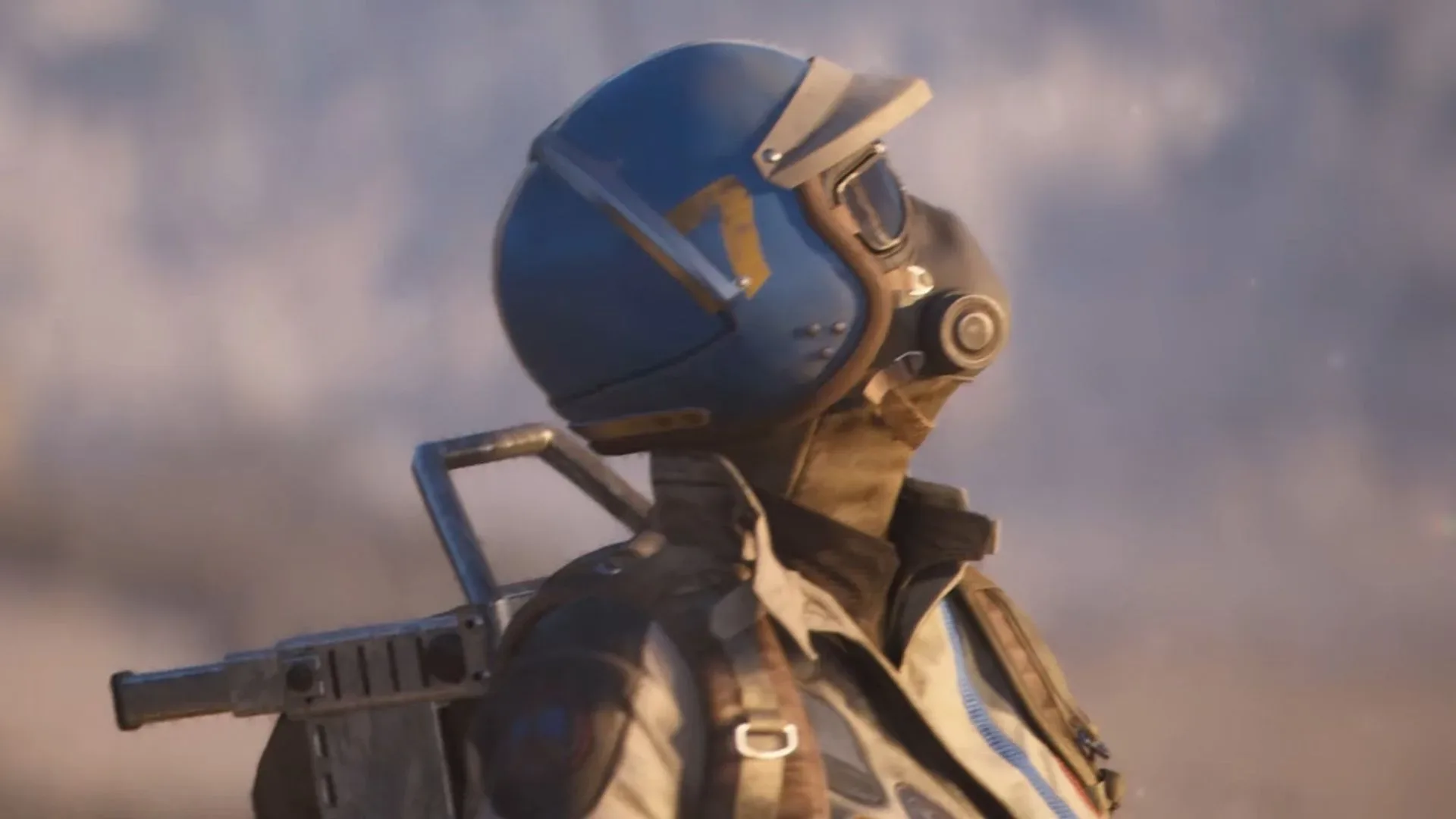
Arc Raiders is testing a PvE-only matchmaking option, giving players a temporary way to face the game’s Arc threats without PvP encounters. It is a deliberately simple experiment, but it comes after sustained debate both among players and within developer Embark Studios about what happens when an extraction-focused game removes the possibility of hostile raiders.
Executive producer Aleksander Grøndal said the studio had observed an expanding group of players on friendly servers who were already treating matches as though PvP barely existed. That behavior appears to be the practical starting point for the test: rather than committing immediately to a complex new game mode, Embark is trying a matchmaking toggle and looking for evidence about how people actually use it.
There is no commitment that PvE-only Arc Raiders will become permanent. The test is specifically intended to help the team understand whether simply separating PvE and PvP solves the underlying problem—and, if it does not, what a more complete solution would need to address.
Why a PvE option is on the table
Grøndal described the audience behind the request in informal terms as “dad gamers”: people with limited time who want to enter a session, complete objectives and leave with a sense of progress. The label is not a technical player category, but it points to a clear play pattern. These players may value Arc Raiders’ objectives and encounters with Arc enemies while finding unpredictable combat with other players more punishing than exciting.
In particular, the concerns center on extraction camping and gear disparities. Extraction camping refers to players waiting around an extraction point to attack others as they attempt to leave. In an extraction game, that moment can carry unusual pressure because a run’s rewards may depend on getting out successfully. A player with little free time may see a loss at that stage not merely as a defeat, but as an entire evening’s progress disappearing.
Gear disparity is the other half of that frustration: players who meet opponents with stronger equipment can feel that the encounter was settled before their own decisions had much chance to matter. The issue is not necessarily that better equipment should have no value. Rather, it is that a game built around risk can lose some appeal for players who cannot regularly spend enough time rebuilding after losses.
The PvE toggle is therefore a response to a request that is narrower than “make the game easier.” It is a request to participate in the game’s objective-driven loop without being exposed to the particular kind of loss created by another player’s ambush, equipment advantage or timing.
A friendly server is not automatically a PvE mode
Embark’s observation that friendly servers were often playing out with minimal PvP is important context, but it does not mean that informal player cooperation and an official PvE queue are interchangeable. Friendly servers can depend on temporary social expectations. A participant may choose not to fire, but another player is still capable of changing the mood of a match instantly.
Related coverage includes Arc Raiders Tests PvE-Only Matchmaking as Embark Weighs Community Concerns.
A PvE-only matchmaking option is different because it formally removes player-versus-player combat from the equation. That creates a more dependable expectation for someone joining the queue. It also changes the entire incentive structure: when rival raiders are unavailable as targets, participants have more attention, ammunition and positioning available for Arc enemies and for the objectives themselves.
That distinction helps explain why the test has generated strong reactions so quickly. PvP is not just an extra activity attached to a PvE game. In a shared extraction setting, the possibility of another player being hostile can shape route planning, what loot feels worth carrying, when an extraction seems safe and how much tension is present even in moments when no shots are fired.
For readers following other multiplayer experiments, Joking Joystick has also covered a very different competitive premise in PEE V PEE’s 5v5 stealth and territory-control setup. Arc Raiders’ current test concerns a separate question: not how to sharpen player competition, but how much of a game’s audience may prefer a reliable way to avoid it.
The immediate problems with a simple toggle
The early version has also shown why a checkbox alone may not be a finished answer. Players have already identified ways to interfere with loot and to exploit Arc enemies that are not prepared for raiders who no longer have human opponents to fight. Those reports matter because they show that PvE changes more than the presence or absence of direct PvP damage.
When players cannot shoot one another, some may still be able to create friction through positioning, access to items or by drawing enemy attention in ways that disadvantage teammates. In plain terms, removing PvP does not necessarily remove griefing. Griefing is behavior aimed primarily at disrupting another player’s experience rather than pursuing the match’s intended goals. A mode that prevents direct player kills may still need safeguards against less obvious forms of disruption.
The Arc side of the equation needs attention as well. Enemy encounters designed around the chance of player conflict may behave very differently when every raider can focus on AI threats. A group that would otherwise have divided its attention between monsters, loot routes and potential enemy players can now concentrate entirely on the environment. That can make encounters easier, alter farming efficiency or encourage behavior the existing enemy design was never meant to handle.
None of that proves that a permanent PvE mode cannot work. It explains why Embark is treating the current version as a test rather than presenting it as a final blueprint. The useful question is not only whether players select the PvE toggle. It is whether the resulting sessions produce satisfying objectives, fair rewards, meaningful challenge and fewer frustrations without introducing new ones.
Tension, difficulty and the loot economy
Grøndal said internal discussion included concerns about tension, difficulty and the loot economy. Those three subjects are closely connected.
Tension in this context is the uncertainty that makes a run feel risky. In PvP-enabled matches, another raider might be an ally, an opponent, a threat waiting near extraction or simply an unknown variable. Taking that uncertainty away could make the game more welcoming to objective-focused players, while also changing the emotional rhythm for those who see player danger as central to the experience.
Difficulty is not merely enemy health or damage. It also includes divided attention, limited resources, decisions about when to retreat and the danger of losing an encounter to another player after surviving the game’s AI. A PvE queue may need its own tuning if the absence of raider combat removes a large share of the challenge. Conversely, adding difficulty carelessly could recreate the same pressure that PvE-seeking players are trying to avoid. The challenge is to distinguish satisfying danger from the kind of defeat that feels arbitrary or exhausting.
Loot economy describes how rewards enter and circulate through a game. If a PvE-only route allows players to gather objectives or valuables more safely than a PvP route, it could affect the value and availability of gear across the wider game. If rewards are reduced too aggressively to prevent that, PvE players may feel the mode treats their time as less valuable. The balancing problem is not automatically solved by giving one queue more loot or fewer rewards; it depends on what the mode is supposed to provide and how progression connects across the game.
These are reasons to avoid declaring an early winner in the PvE-versus-PvP argument. Some players will measure success by reduced stress and dependable objective completion. Others will judge whether the mode preserves enough danger and whether its reward structure feels equitable. The developers’ job is to understand where those expectations overlap, and where one design cannot cleanly satisfy both groups.
Why live data matters more than a theoretical answer
The studio’s approach is notable because it treats player behavior as part of the design process. Embark could have kept debating the risks of splitting the audience, or built a more elaborate feature before anyone outside the studio used it. Instead, it has put a basic matchmaking switch in front of players and will use reaction and behavior to inform what comes next.
That does not make every community reaction equally conclusive. The first days of a limited test often bring curiosity, experimentation and attempts to find weak spots. But they can reveal issues that design discussions cannot settle in advance: whether participants form cooperative norms, whether resource conflicts replace combat conflicts, whether Arc encounters remain engaging, and whether the mode attracts the players it was intended to help.
It also gives the studio a chance to identify the real request beneath the broad demand for “PvE.” Some players may want a permanently safe objective space. Others may mainly want protection from extraction ambushes, better handling of major gear gaps or a place to learn the game before entering PvP. Those needs could point toward different solutions, and Grøndal has stressed that the current test should not be mistaken for a promise of one particular permanent feature.
What players should take from the trial
For now, the most accurate description is straightforward: Arc Raiders has a limited PvE matchmaking test, and it is being used to examine a real divide in the community. Players looking for a lower-conflict route to objectives have a reason to try it. Players concerned about challenge, rewards or the role of PvP have equally relevant feedback to offer.
Constructive feedback is likely to be more valuable when it identifies the specific issue. “PvE is too easy” is less actionable than noting whether Arc encounters lack pressure when players cooperate. “PvE ruins the economy” is less useful than explaining how a particular reward path changes incentives. And players encountering griefing can help clarify whether the problem is loot access, enemy behavior, matchmaking expectations or another system entirely.
The Frozen Trail update also includes a quality-of-life change allowing players to open the map while downed. It is a small example of how practical usability adjustments can matter alongside larger arguments about game modes. The PvE trial is much more consequential, but both changes reflect attention to how players experience a run when things go wrong.
Arc Raiders’ experiment is not a verdict on whether PvE or PvP is inherently better. It is an attempt to determine whether players who enjoy the game’s world and objectives can be better served without undermining the systems that give its runs stakes. The answer will depend on what the test reveals about player needs, the Arc encounters and the balance of rewards—not on the existence of the toggle alone.