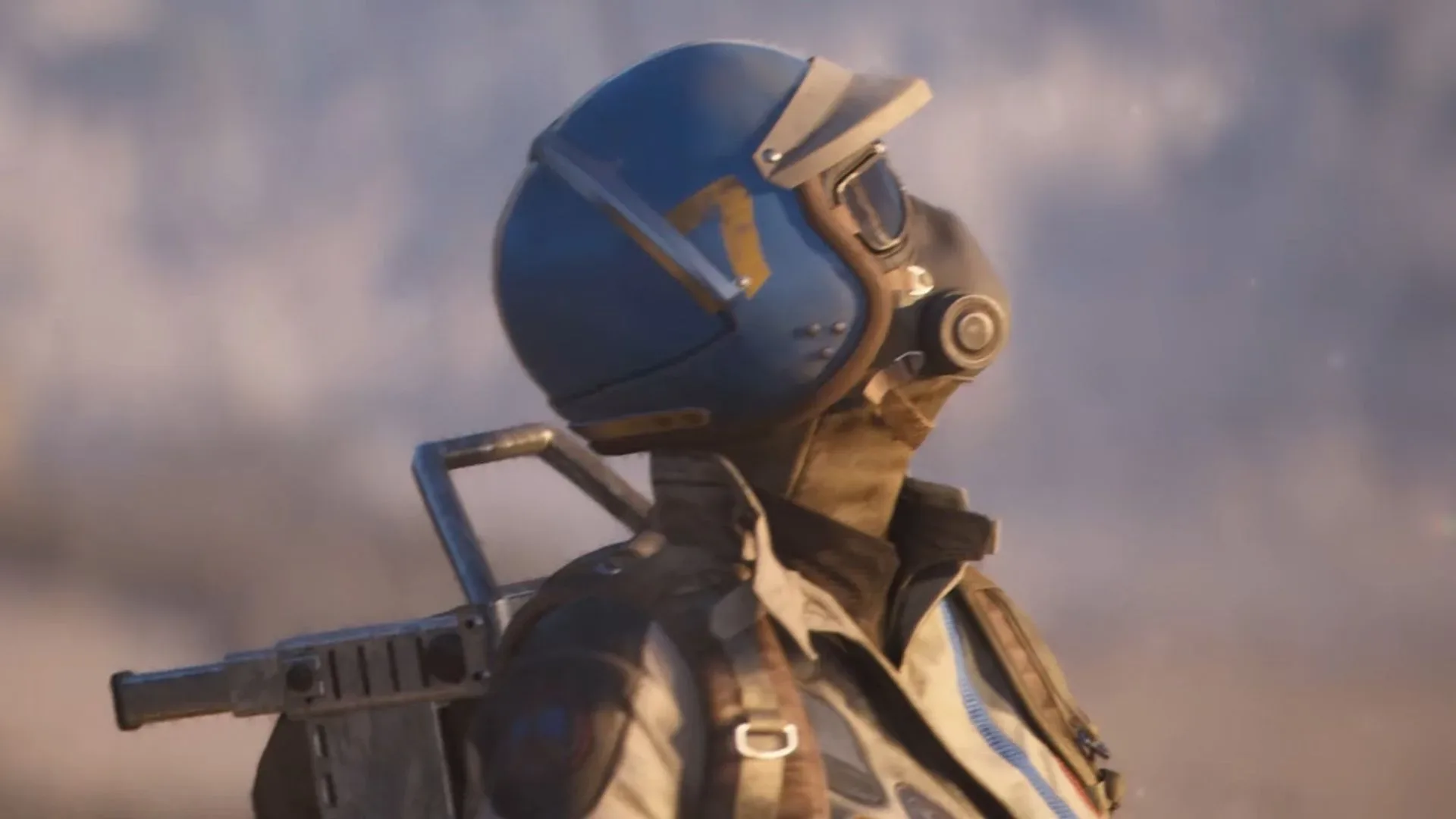
Arc Raiders’ experimental PvE mode is meant to change a central part of the extraction-shooter equation: raiders cannot simply shoot one another. Yet early player reports suggest that removing direct friendly fire does not necessarily remove antagonistic play. Instead, some participants are reportedly using the game’s AI enemies, abilities, grenades, positioning and loot rules to put fellow players at risk without firing a damaging shot at them.
That distinction matters. In an extraction shooter, the danger is not limited to winning a firefight. Players enter an area, gather equipment and valuables, and must successfully leave through an extraction point to secure what they carry. Losing a run near the exit can therefore be especially costly, whether the immediate cause is another player, a robot, poor positioning or a combination of all three.
The experimental PvE queue appears to preserve enough shared-world pressure for opportunistic behavior to survive in a new form. Reports describe players camping locked loot rooms, using lure grenades to draw robots toward extraction points, obstructing movement, and using Bull Rush to shove players who are trying to leave. The immediate premise may be cooperative survival against Arc enemies, but the incentives around scarce loot and successful extraction still create ways for players to compete.
What the reported tactics have in common
The common thread is indirect player harm. In a conventional PvP encounter, a player attacks another player directly and the game can clearly attribute that damage. In this PvE setting, the alleged tactics make the environment do the damaging instead. A robot finishes the job, an extraction zone becomes overwhelmed, or a player gets delayed long enough to be caught in a dangerous situation.
That can make the behavior harder to address through the systems typically associated with direct combat. If raider-on-raider bullets do not deal damage, then an ordinary friendly-fire penalty would not necessarily apply when someone uses enemy pathing, a lure grenade or physical interference to create the same practical outcome.
One especially disruptive example involves lure grenades. These tools can reportedly pull enemy robots toward a target area. Used at an extraction point, a lure grenade can turn the moment when a squad is attempting to depart into a concentrated AI encounter. Reports single out the Shredder as a particularly punishing enemy to bring into that space.
Extraction zones are naturally high-stakes places because players are often focused on getting out rather than beginning another fight. That makes a hostile AI pull more consequential than it might be in a wide-open part of the map. Even if the player who threw the grenade never directly damages anyone, they may have manufactured a situation in which somebody else loses their run to the game’s enemies.
Players have also shared footage and accounts of Bull Rush being used around extraction. The reported idea is blunt: knock or push a player out of a safe position, then let Arc enemies kill them. If the defeated player’s gear can subsequently be looted, the behavior is not merely disruptive; it can also offer a material incentive.
Related coverage includes Arc Raiders PvE Tests Are Already Facing Griefing Through AI, Loot Rooms, and Extraction Ambushes.
Loot rooms turn cooperation into a race
Locked loot rooms introduce a different, less explosive kind of friction. A player with a key may arrive to find others waiting for them to open the door. In a PvP mode, a dispute over such a room could become a direct fight. In PvE, it reportedly becomes a contest of timing and positioning: who gets through the entrance first, who picks up the valuable items first, and who can prevent another person from reaching them.
That situation exposes an important design question for shared PvE extraction modes. If one player supplies the key while any nearby player can take the reward, the key holder bears the cost and risk while strangers may receive the benefit. That does not mean every group at a door will behave badly; players may share. But it does mean the system gives selfish players a reason to wait for somebody else’s access item rather than finding one themselves.
The complaints go beyond merely losing a race for loot. One player described encountering people who took loot from defeated Arc enemies before others could collect any, repeatedly threw lure grenades while the group was engaged with robots, and body-blocked an attempted revive after a teammate was downed. Those are allegations from players rather than a complete account of every match, but they identify the kind of conduct an experimental mode needs to be able to recognize and limit.
“Legit first game on and people were being just like this, vultures, and taking all loot from Arc before you could even get anything from it,” one player wrote, adding that lure grenades and blocking behavior interfered with an attempted revive.
Body blocking is a useful term here. It refers to exploiting a character’s physical collision to impede someone else’s movement. A player does not need a weapon to become an obstacle if a narrow route, revive location, doorway or extraction area makes positioning important. In a mode built around players sharing space, collision can become an unintentional weapon.
Why PvE does not automatically mean low-conflict
It would be easy to describe this as PvP somehow leaking into PvE, but that undersells the design problem. The direct combat rule has changed, while several scarcity systems apparently remain: valuable gear, limited access to locked rooms, enemy-generated loot and the need to extract. As long as those stakes are shared, players can have competing objectives even if their weapons cannot hurt one another.
That is the peculiar tension of this kind of mode. PvE reduces the uncertainty of whether the person next to you will shoot you. It may not reduce uncertainty about whether they will take the loot, pull danger into your route or exploit collision at the most inconvenient moment. For players looking for a calmer alternative to open PvP, that difference could be substantial.
At the same time, the reported behavior should not be taken as proof that the entire PvE community will play this way. An experimental queue attracts curiosity, and it can also draw people testing boundaries. Some may be chasing easy gains, while others may simply be probing what the rules permit. There is also speculation that some players who prefer PvP could want the mode to fail, although motive is inherently much harder to establish than observing a tactic in action.
What is clear is that the mode’s no-friendly-fire rule is not a complete behavioral safeguard. It addresses direct damage, not all avenues through which one player can impose risk on another. The difference is central when judging whether a PvE option is genuinely cooperative in practice.
What the experiment may need to solve
Because the PvE mode is explicitly experimental, these reports are better read as a list of pressure points than as a final verdict. The most useful response would be to focus on incentives and consequences rather than simply declare every awkward player interaction malicious.
Potential areas for attention include:
- Extraction-space protection: If lures can reliably concentrate powerful AI at an exit, the extraction zone may need rules that reduce the effectiveness of that tactic or change how enemies behave there.
- Collision at critical moments: Movement interference becomes far more serious around revives, doors and extraction. Systems that prevent persistent obstruction in those spaces could reduce the impact of body blocking and shoving.
- Loot access and credit: Locked-room rules may need to better acknowledge the player who used the key, particularly if others can wait nearby and claim rewards with little investment.
- Attribution and reporting: Indirect harassment is difficult to distinguish from ordinary chaotic play. Clear reporting tools and meaningful detection of repeated conduct would matter more than a rule aimed only at weapon damage.
- Separate progression incentives: The developers have said PvE loot is reduced, but reports of players leaving with powerful gear show why reward balance will remain part of the conversation. If an experimental PvE route produces valuable gains while reducing combat risk, both PvE and PvP audiences may question its place in the wider economy.
None of these issues has a trivial fix. For example, locking robots out of every extraction area might make the world feel artificial, while unrestricted AI behavior creates a powerful tool for players looking to weaponize the environment. Similarly, disabling collision wholesale could solve blocking but alter ordinary player movement and spatial coordination. The goal is not necessarily to erase all tension; it is to stop one player from converting a supposedly non-hostile ruleset into a reliable means of ruining another player’s run.
A wider question for extraction shooters
Arc Raiders is not entering this conversation in a vacuum. PvE modes are also being considered for Marathon, an indication that developers are examining ways to broaden the appeal of a genre that can be demanding and niche. The appeal is understandable: players may want the scavenging, tense escapes and AI encounters without the possibility of losing everything to a stronger human opponent.
But the current Arc Raiders reports underline that the genre’s tension is not generated by bullets alone. It comes from extraction stakes, unequal information, valuable resources and the possibility that another player will prioritize their own gains. Removing one form of conflict can expose others that were always embedded in the rules.
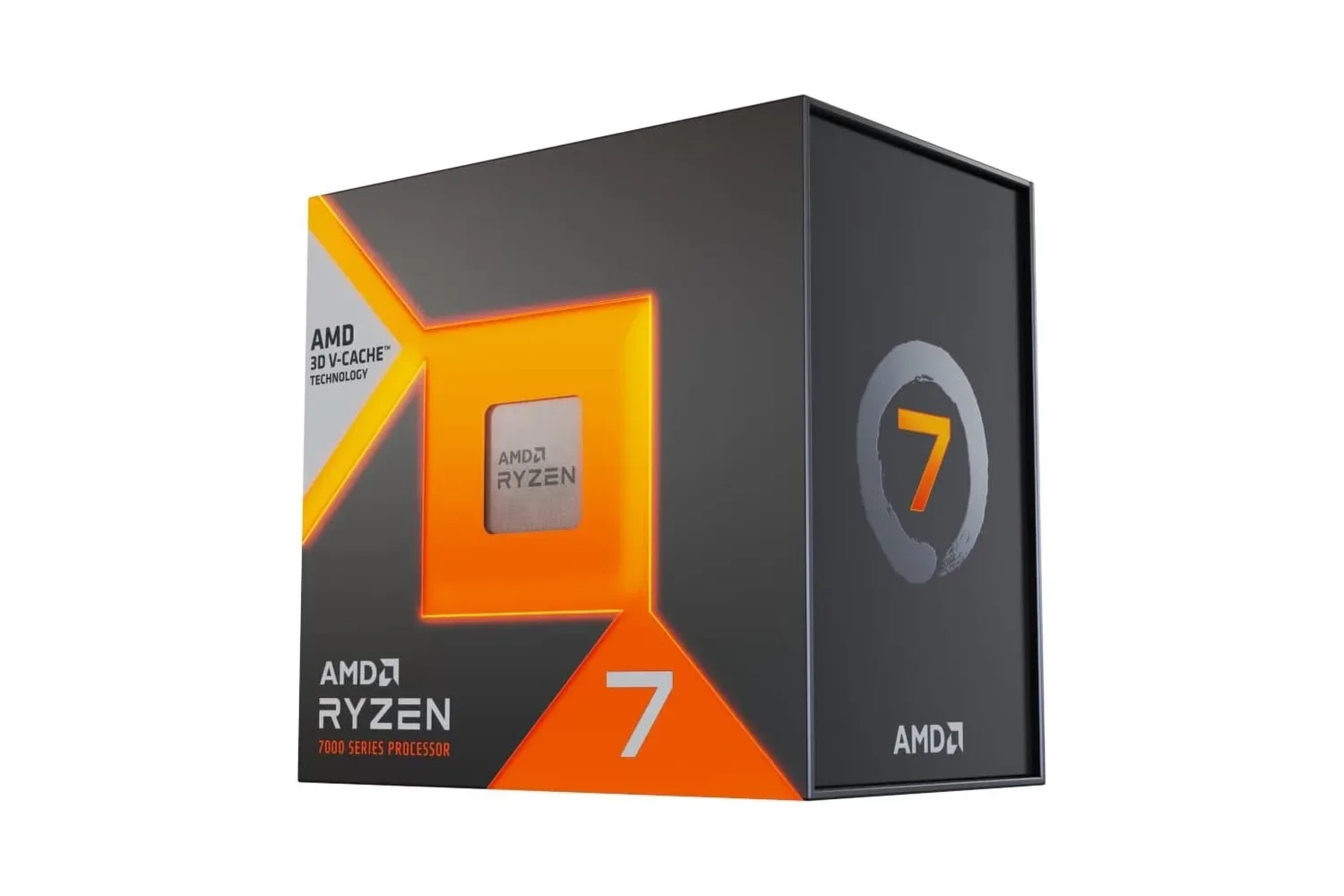
That makes the experimental period consequential. Arc Raiders recently received a major update that added grappling hooks, a new map and more, and the game saw a Steam player resurgence not seen since March. For PC players keeping an eye on demanding multiplayer releases, dependable hardware remains part of the equation too; our look at the AMD Ryzen 7 7800X3D gaming CPU listing covers one current PC component deal.
Arc Raiders has already prompted arguments about the boundaries of acceptable player behavior. Earlier, after the game’s launch, a player who targeted relative newcomers, casual players and poorly equipped raiders became a flashpoint for debate over ruthless but permitted PvP conduct. The PvE situation reframes that argument. The question is no longer only whether players are allowed to ambush one another. It is whether players can use every remaining system to achieve a similar result while technically obeying the new mode’s most obvious rule.
For now, anyone entering the test should understand the practical limitation of the PvE label: it may mean other raiders cannot damage you directly, not that every raider will act as an ally. How the experimental mode evolves will depend on whether its rules can preserve the tension of extraction while preventing AI manipulation, contested access and physical obstruction from becoming substitutes for ordinary PvP.