October may still have a crowded Apple calendar ahead of it. The reported roadmap begins with the iPhone Duo, moves through a possible October 27 reveal focused on Macs and an OLED iPad mini, and ends with software updates, a HomePod mini 2 rollout and a Mac Studio configuration said to carry an enormous 512GB of RAM.
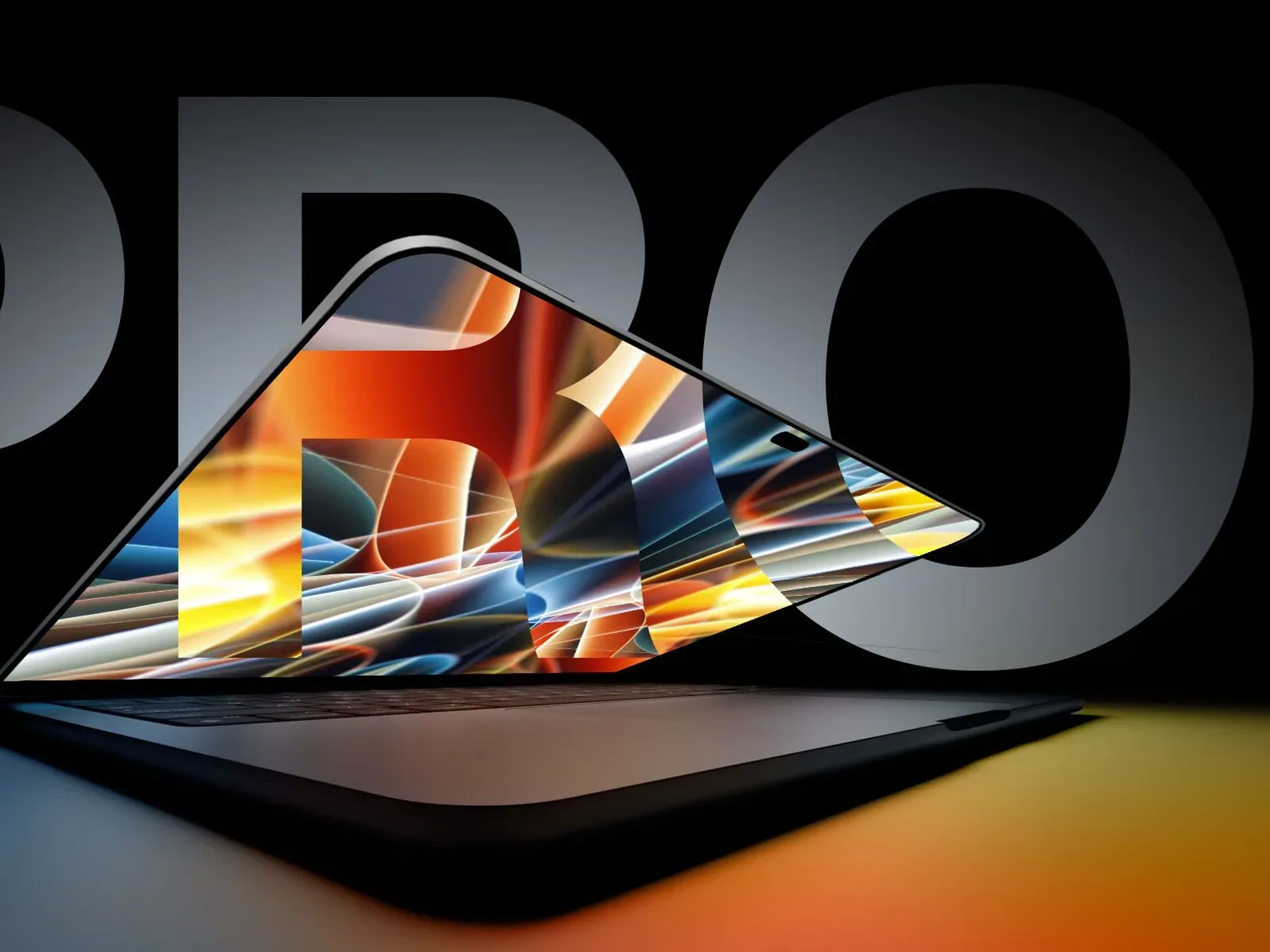
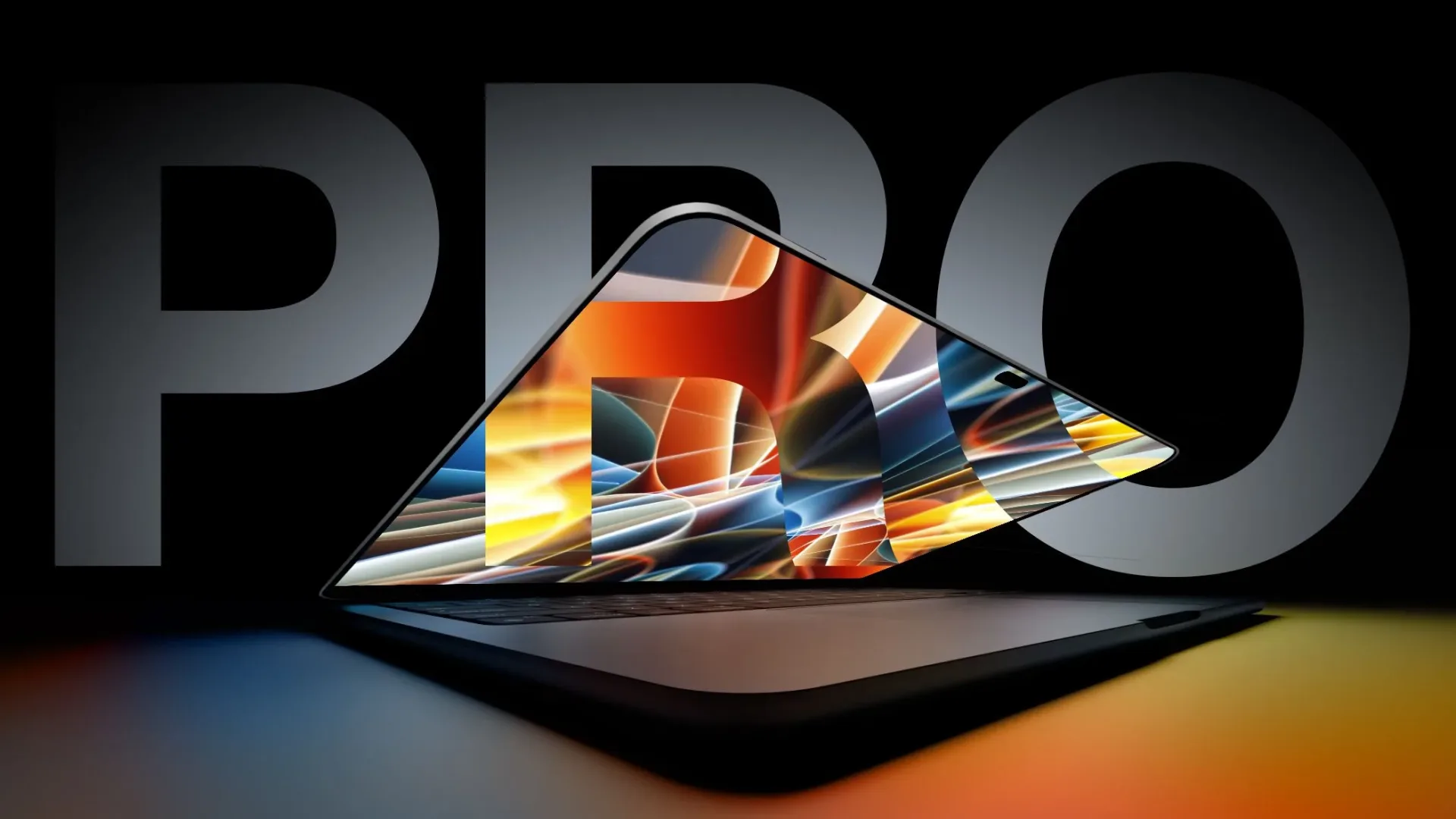
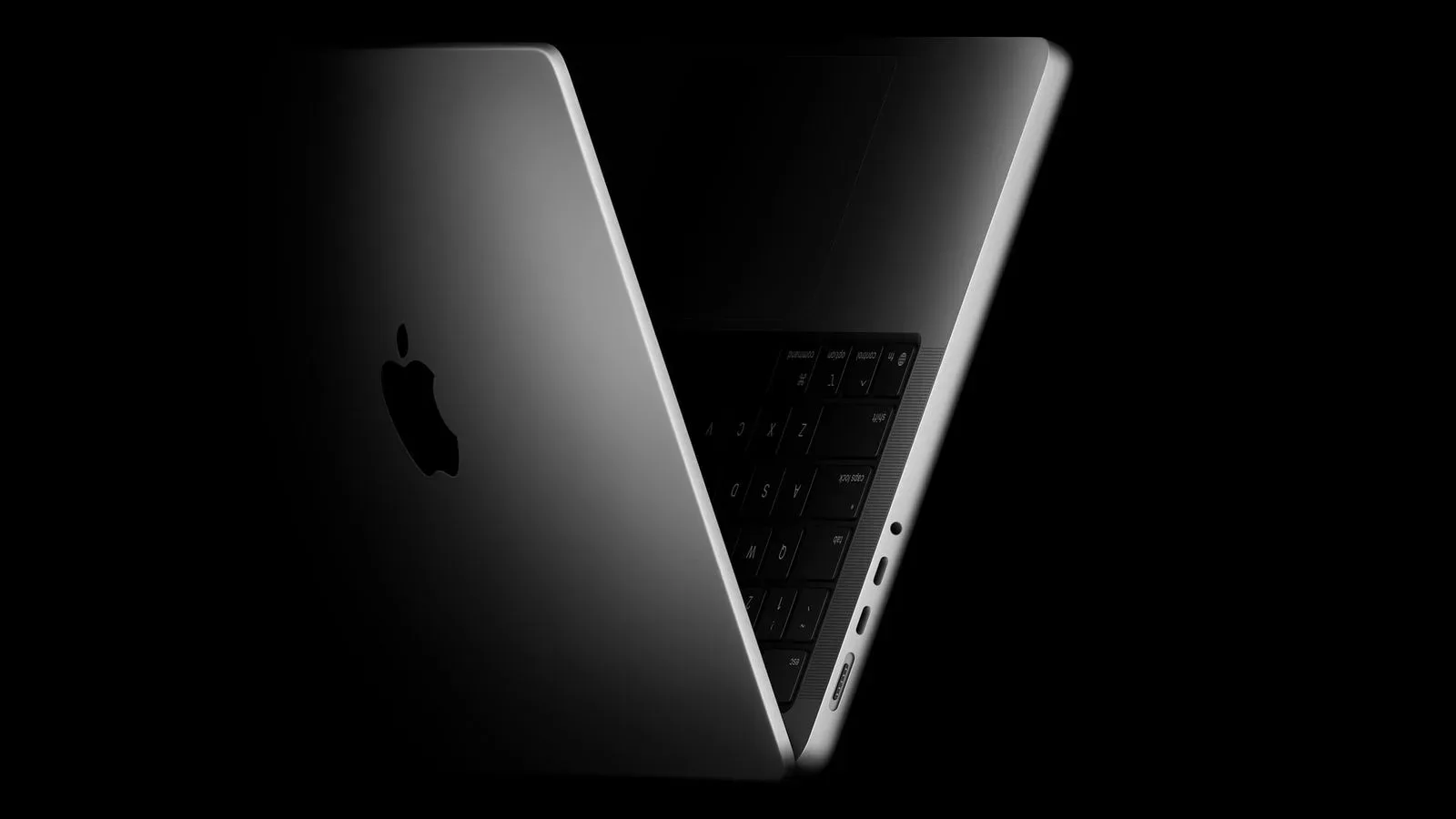
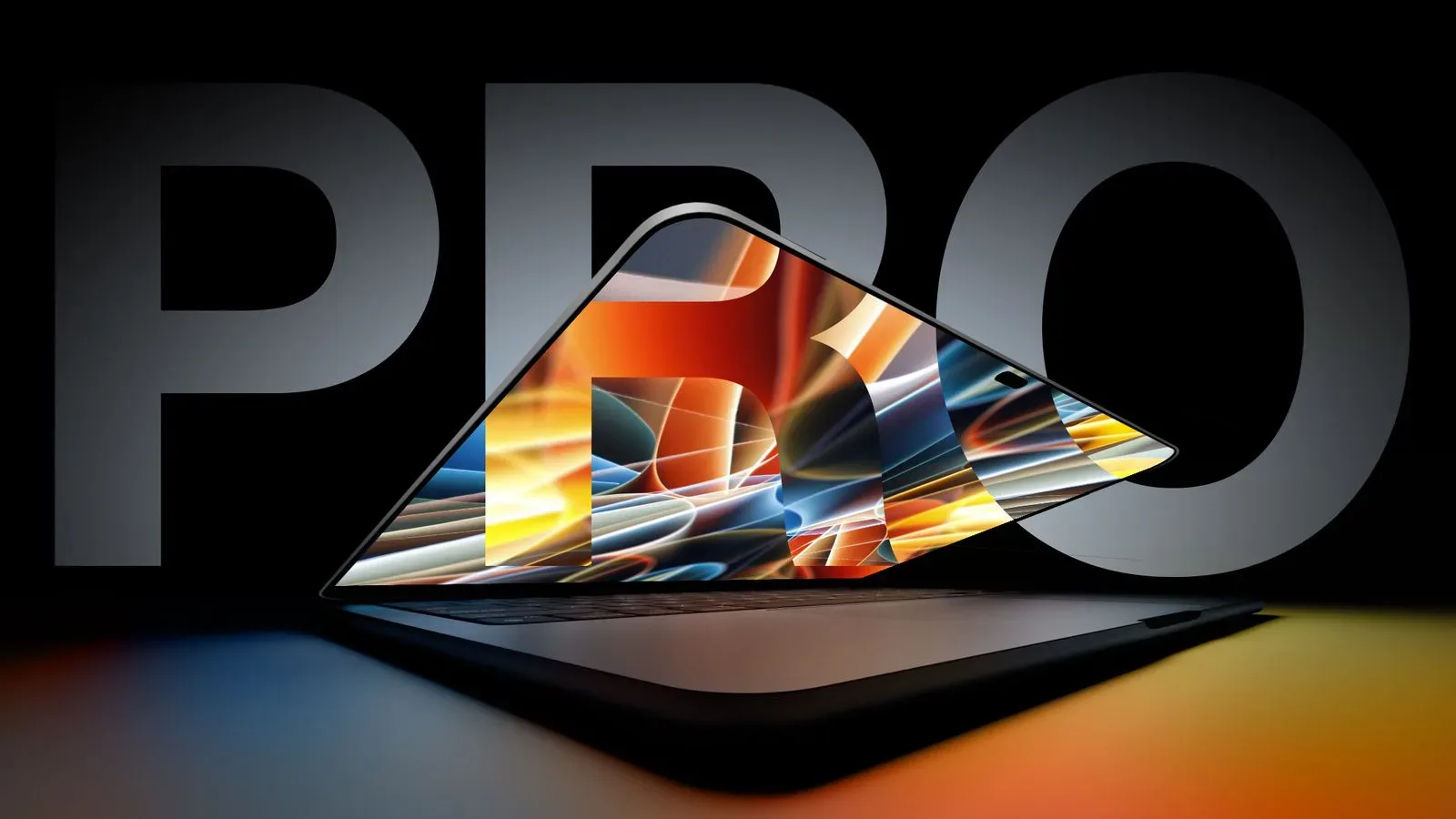
The headline item is a purported OLED touchscreen MacBook Pro. If the report proves accurate, it would mark two meaningful changes for Apple’s professional laptop line: its first touchscreen Mac and its first MacBook Pro redesign since 2021. Those are substantial claims, so prospective buyers should treat every item in this schedule as reported rather than confirmed until Apple provides official product details.
The reported October timetable
- October 16: iPhone Duo pre-orders are expected to begin.
- October 23: The iPhone Duo is expected to launch.
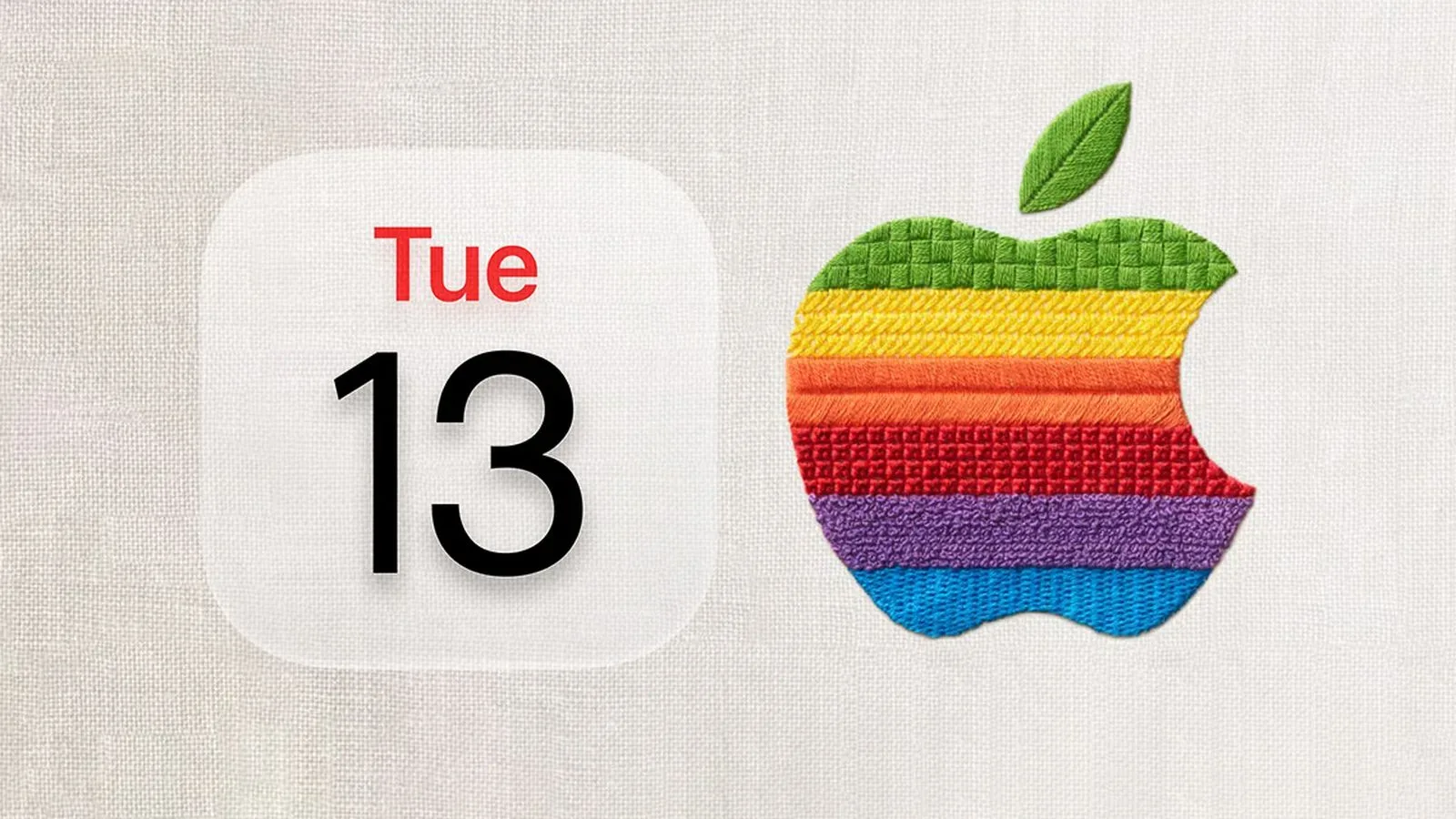
- October 27: New Macs and an OLED iPad mini are expected to be announced, including an OLED touchscreen MacBook Pro, an M6 14-inch MacBook Pro and an M6 iMac.
- By October 30: iOS 27.2, iPadOS 27.2, macOS 27.2 and other version 27.2 updates are expected to arrive.
- October 30: The HomePod mini 2 is expected to launch, while the iPhone Duo is said to reach additional countries.
- Late October: A Mac Studio with 512GB of RAM is said to arrive.
That is an unusually dense run of proposed releases and announcements. It also means that the dates describe different stages of a product cycle, not one single launch day. Pre-orders, announcements, first customer shipments and wider international availability can happen separately. Anyone deciding whether to buy an existing Apple device would do well to distinguish among those milestones.
Why the touchscreen OLED MacBook Pro is the one to watch
A touchscreen MacBook Pro would be a fundamental change in how people can interact with Apple’s notebook hardware. A touchscreen is exactly what it sounds like: a display that accepts direct finger input, alongside the keyboard and trackpad. The supplied details do not describe the interface, supported gestures, software behavior or any Apple Pencil compatibility. Those omissions matter. A screen being touch-capable does not itself tell buyers how central touch will be to daily work.
Still, the prospect is notable because a MacBook Pro has historically been operated through its keyboard, trackpad, mouse and connected accessories. Adding touch could give users another input option for navigation, creative applications or quick controls. Whether it is genuinely useful would depend on implementation, ergonomics and macOS support—information not yet provided.
The other major reported change is OLED. OLED, or organic light-emitting diode display technology, uses pixels that emit their own light rather than relying on a conventional backlight. In practical terms, each pixel can be controlled individually. The report does not provide display measurements or claims for brightness, color, refresh rate, resolution or battery life, so none should be assumed. What can be said is that the rumored panel technology would represent a major display change for the MacBook Pro line.
The alleged redesign is said to make the new MacBook Pro lighter than the current version. Weight is one of the most tangible improvements a laptop redesign can bring, especially for people who regularly move between classes, offices, studios or events. But there are no dimensions or weight figures in the available information, so the scale of that claimed reduction remains unknown.
Chip details need careful reading
There is an important point of uncertainty in the reported lineup. The October 27 list includes an M6 14-inch MacBook Pro and an M6 iMac. Separately, the touchscreen OLED MacBook Pro is described as using M5 Pro and M5 Max chips. Those descriptions could refer to different MacBook Pro configurations or products, but the information available does not settle that question.
That distinction is worth preserving rather than smoothing over. Apple’s chip names generally separate different performance tiers, but no performance data, core counts, graphics specifications, memory options or benchmarks are included here. It would be premature to characterize one rumored machine as faster than another, or to tell shoppers which one suits gaming, video production, coding or other workloads.
The practical takeaway is simple: do not make a purchasing decision based only on the label “M6,” “M5 Pro” or “M5 Max.” Wait for the final configuration chart, including the chip used in each chassis, memory ceilings, port selection, external-display support and shipping dates. Those are the details that establish the difference between a routine refresh and a more consequential upgrade.
A press-release reveal may be paired with creator sessions
The new Macs and OLED iPad mini are rumored to be shown to content creators in Los Angeles on October 27 and 28. The reported plan points to a possible split format: public news delivered through press releases, paired with in-person sessions where creators and media attendees can spend time with the hardware.
That format would be different from a large, broadly streamed keynote, but it would not necessarily make the products less significant. The reported touchscreen MacBook Pro redesign, in particular, would be a major enough hardware shift to draw close attention even if its introduction arrives in written announcements rather than a stage presentation.
For audiences following the news remotely, the distinction has a practical effect. A press release can establish specs, configurations and ordering information immediately, while impressions from attendees tend to clarify physical details later: how light a device feels, how a display appears in person, or how an input method is approached. None of those experiential details should be treated as known before the rumored sessions take place.
Announcement in October does not mean Mac delivery in October
The reported new Macs are expected to debut in October but not ship to customers until November. If the October 27 date holds, pre-orders could open that day and the first launch could follow as soon as November 6.
This is the key timing issue for anyone considering a current Mac purchase. An announcement would establish what is next, but it would not instantly put the new hardware on desks. Conversely, a buyer who needs a computer before November may decide that a presently available model is more useful than waiting for an unannounced product. That is a needs-based decision, not a prediction about which machine will be better.
The proposed schedule also places a Mac Studio with 512GB of RAM in late October. RAM, or random-access memory, is the system memory used by active applications and data while a computer is operating. A 512GB figure is therefore a striking capacity claim, but the available information does not specify its chip, target configuration, pricing, workload rationale or exact release day. It should not be confused with storage capacity, which is used for files and installed applications.
iPhone Duo, HomePod mini 2 and version 27.2 updates
Outside the Mac announcements, the iPhone Duo is expected to begin pre-orders on October 16 and launch on October 23, followed by availability in more countries on October 30. The supplied information offers no specifications, colors, pricing, carrier details or description of what “Duo” means as a product name. For now, the name and dates are the extent of the report.
The HomePod mini 2 is also listed for an October 30 launch. It joins a month that already includes newly debuted home products, though their identities and specifications are not part of the available information. Shoppers interested in Apple’s home-device lineup should avoid inferring new HomePod mini features from the launch date alone. Ownership costs can matter alongside hardware capabilities, particularly in a connected-device setup; recent coverage of Apple HomeView repair fees and coverage is a reminder that support terms are another item worth checking when they are officially available.
Finally, iOS 27.2, iPadOS 27.2, macOS 27.2 and other 27.2 updates are expected by October 30. An operating-system point release is a version update for the software that runs a device. The expected date does not reveal what changes are included. Until release notes are published, it is not possible to responsibly claim particular features, fixes, security updates or compatibility changes.
What buyers should do with a rumor-heavy calendar
The most useful way to read this roadmap is as a set of watch dates, not a finalized shopping catalogue. October 16 and October 23 are the dates to monitor for the reported iPhone Duo ordering and initial release. October 27 is the pivotal date for people waiting on Macs or the OLED iPad mini. October 30 may matter for software users, prospective HomePod mini buyers and those awaiting expanded iPhone Duo availability. The end of the month is also when the unusually high-memory Mac Studio is said to arrive.
Of all these potential releases, the touchscreen OLED MacBook Pro carries the largest design implications. A lighter chassis, an OLED display and direct touch input would make it a markedly different proposition from the MacBook Pro design introduced in 2021. But exact specifications, pricing, the configuration structure and the relationship between the M6-labeled machines and the reported M5 Pro/M5 Max touchscreen model remain open questions.
Until Apple turns the calendar into official product pages and release notes, patience is more valuable than certainty. The dates offer a clear sequence for what may be next; they do not yet provide enough information to settle the buying case for any one device.