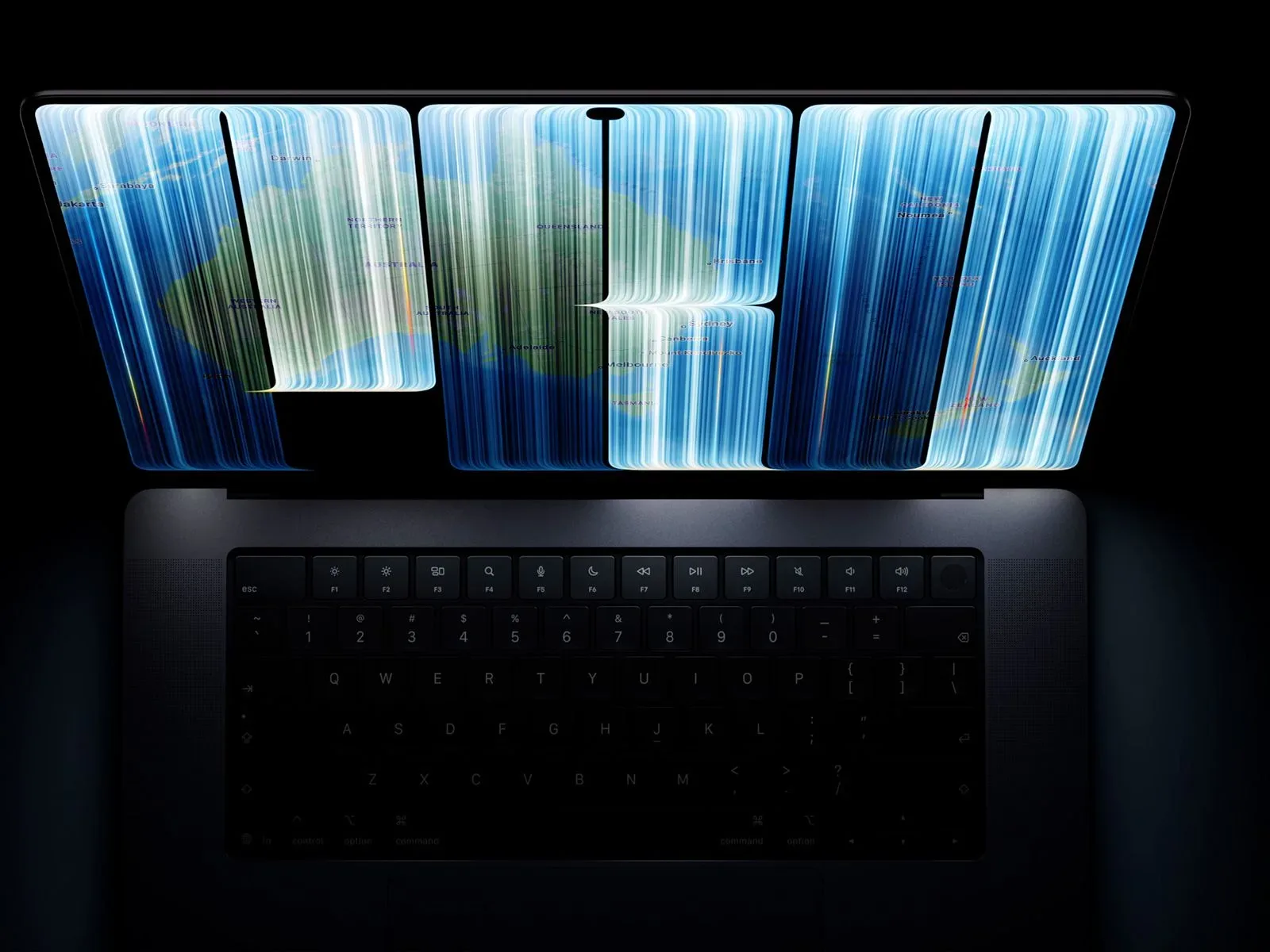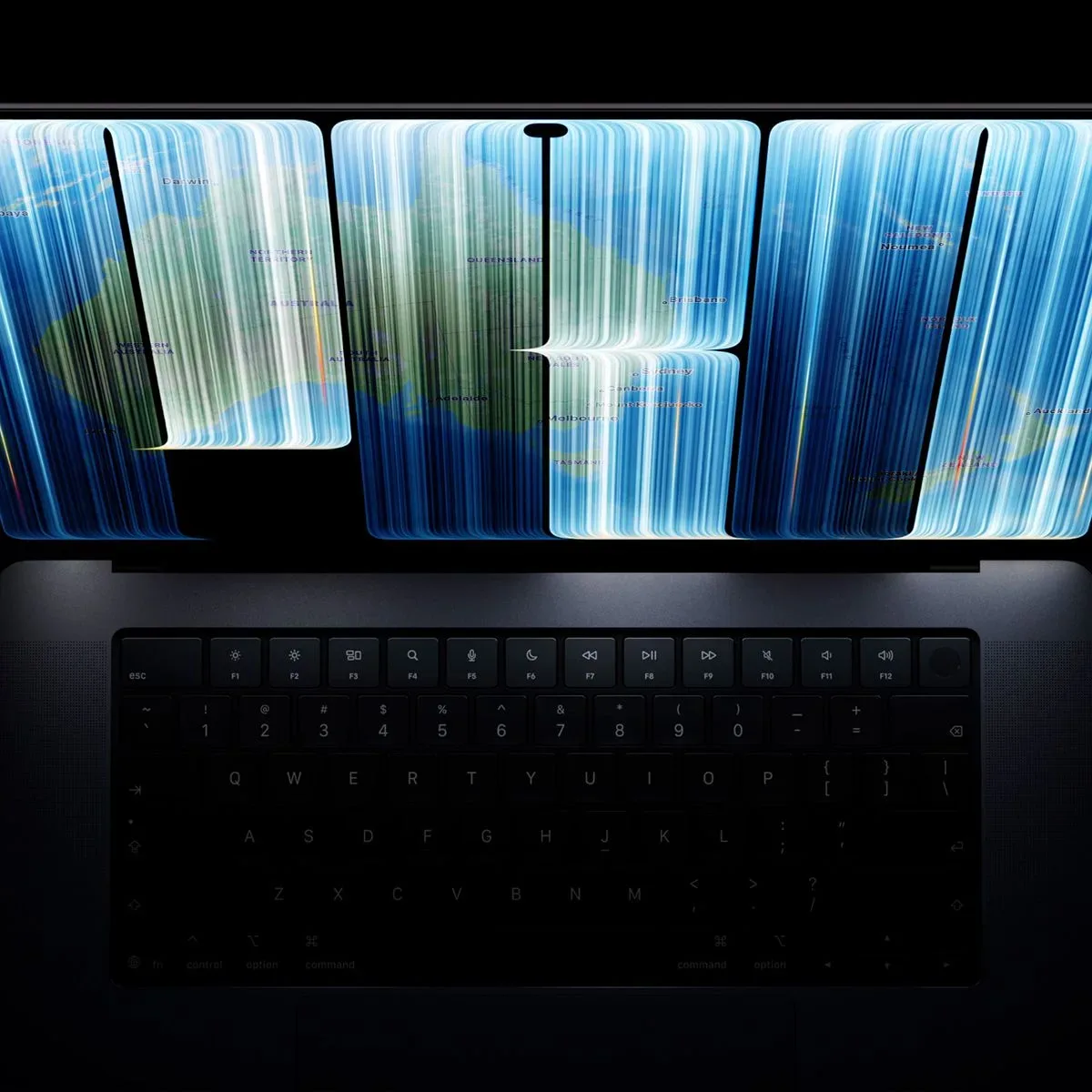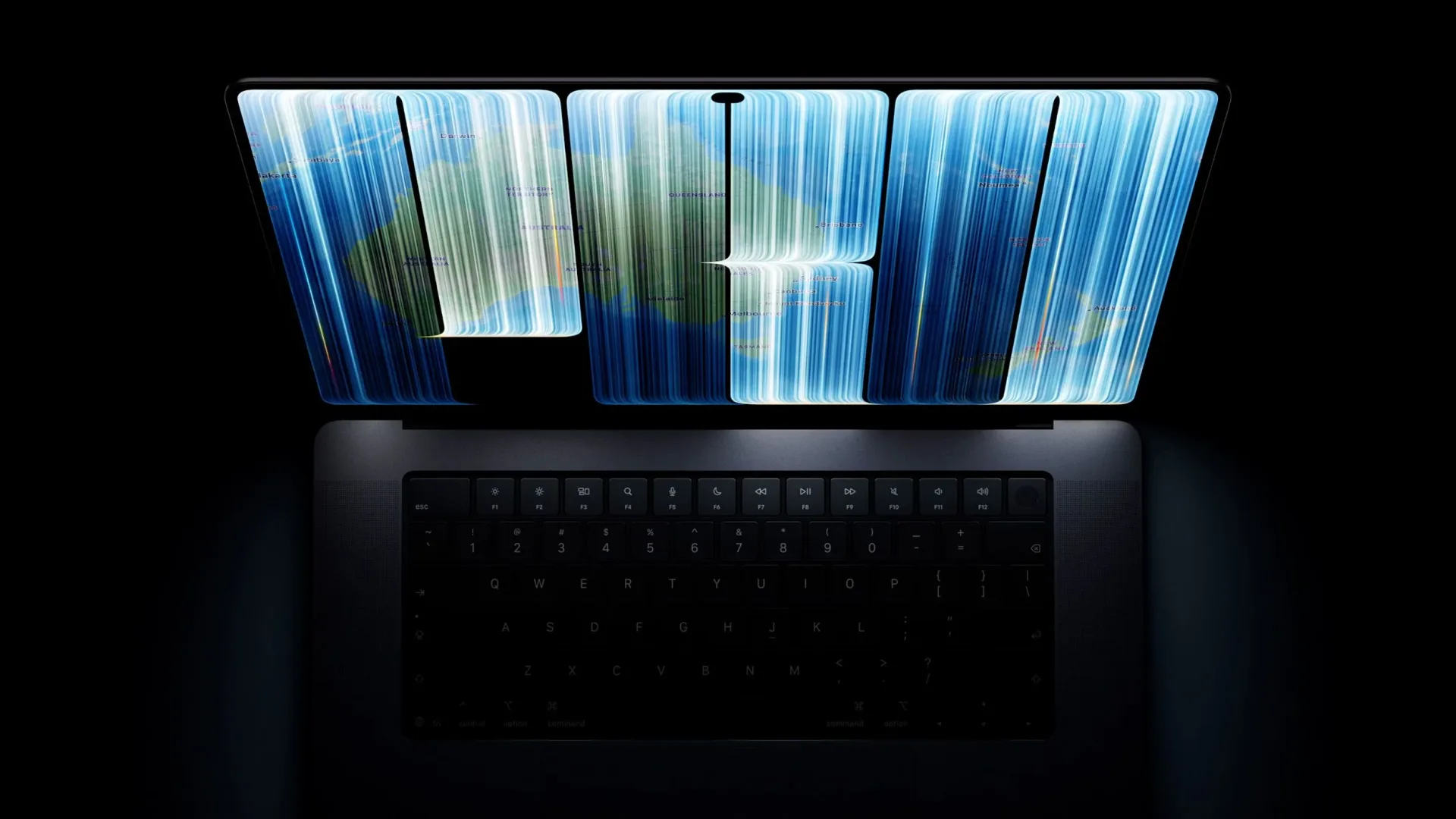
Apple’s new hardware rollout has begun in Australia and New Zealand, where customers who preordered the touchscreen PROLED MacBook Pro, OLED iPad mini, M6 MacBook Pro, and M6 iMac are beginning to receive their devices. The release is notable less for a broad processor refresh than for a major change to Apple’s premium laptop line: the high-end MacBook Pro is now both touch-enabled and equipped with an OLED display.
That makes the new model Apple’s first Mac with an OLED screen and its first touchscreen Mac. The machines arrive with either an M5 Pro or M5 Max chip, while the lower-priced 14-inch MacBook Pro and 24-inch iMac receive M6 chips with otherwise limited changes described for their updates.
For PC players, game creators, and people who use a Mac alongside consoles or handhelds, the important distinction is simple: this is a hardware change with potentially wide implications for how a premium MacBook is handled, viewed, and carried, but it is not itself a promise of any specific game support or new input scheme. Touch capability is a physical interface feature. Whether software makes meaningful use of it depends on the applications available for the platform.
A first for the MacBook Pro display
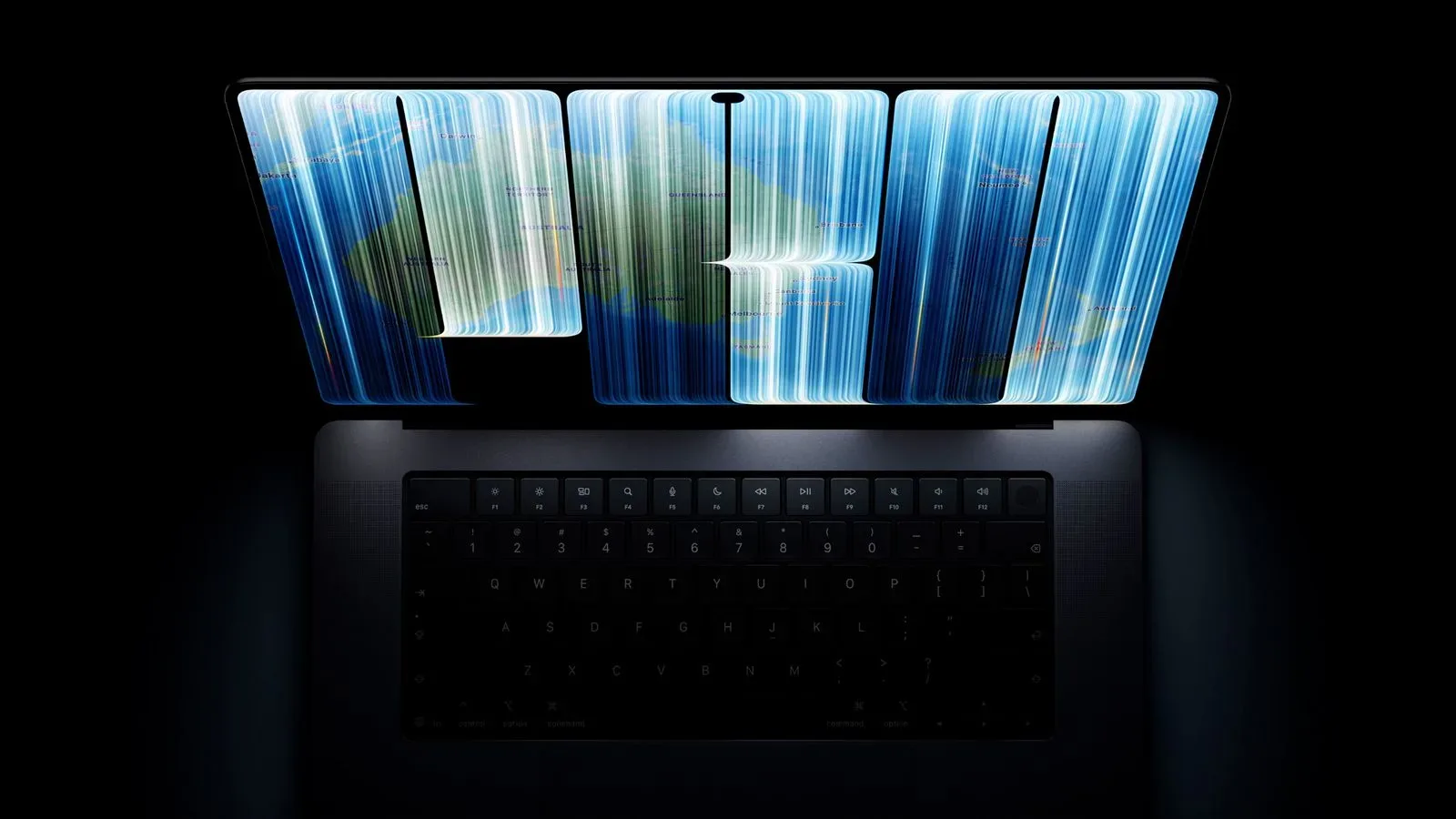
The headline model is the new high-end MacBook Pro, offered in 14-inch and 16-inch versions. It starts at $2,899 for the 14-inch configuration and $3,399 for the 16-inch version. Apple has paired the touch-enabled panel with OLED technology and calls the product line PROLED.
OLED, short for organic light-emitting diode, is a display technology in which pixels produce their own light. In practical terms, the key point is that it differs from the mini-LED screens used in the prior MacBook Pro models. Apple is still selling mini-LED MacBook Pro systems, so buyers will have a direct split in the lineup between the existing display approach and the newer OLED touchscreen option.
The new premium models are also thinner and lighter than the mini-LED versions. That is a potentially meaningful adjustment for anyone carrying a workstation-class laptop between home, an office, events, or travel. However, the available information does not specify exact dimensions or weights, so the scale of the change will need to be judged from Apple’s full specifications and customer use over time.
Beyond the panel itself, Apple has changed several visible design elements. The glowing Apple logo has returned, while the display notch has been replaced by a Dynamic Island. The notch was the cutout occupying part of the display area around the camera. Dynamic Island is Apple’s name for a display-area treatment that incorporates that camera region rather than presenting it as a conventional notch.
The switch is likely to draw particular interest from users who spend long periods looking at a laptop display, whether that means editing, media work, coding, playing compatible games, or managing a library of older PC titles. The ongoing preservation and re-release work around classic computer games remains a useful reminder that PC play spans far more than today’s blockbuster releases; the recovery of archival material behind Wing Commander and Road Rash’s PC return illustrates how much of that history can depend on the condition and availability of old software assets.
What touchscreen support does—and does not—tell us
A touchscreen enables direct input on the display: a user can tap, swipe, or otherwise interact with on-screen elements without exclusively relying on a trackpad, mouse, or keyboard. Its arrival on the MacBook Pro is significant because it changes a long-established expectation around the Mac platform.
It is equally important not to assume more than has been confirmed. A touch screen does not, by itself, establish that every existing Mac game or creative application has been redesigned around touch controls. It also does not automatically turn a laptop into a tablet replacement. The supplied product details identify the new touch-enabled display, but do not describe game-specific features, controller support, operating-system changes, or software compatibility.
That distinction matters for prospective buyers. Someone considering the new MacBook Pro primarily for games should separate two questions. First: does the title they want run on macOS and meet the machine’s requirements? Second: does that software actually provide a useful touch interface? The first is about platform availability and performance requirements; the second is about interaction design. A game can run well without benefiting from touch, and a touch screen can be helpful for general navigation even where it adds little to gameplay.
The system’s M5 Pro and M5 Max chips place it in Apple’s high-end MacBook Pro range. Yet the details currently available do not provide performance figures, game benchmarks, memory configurations, battery figures, or thermal information. Those are all practical factors for demanding workloads, but they should not be inferred from the chip names alone.
OLED iPad mini adds a sealed, IP67-rated enclosure
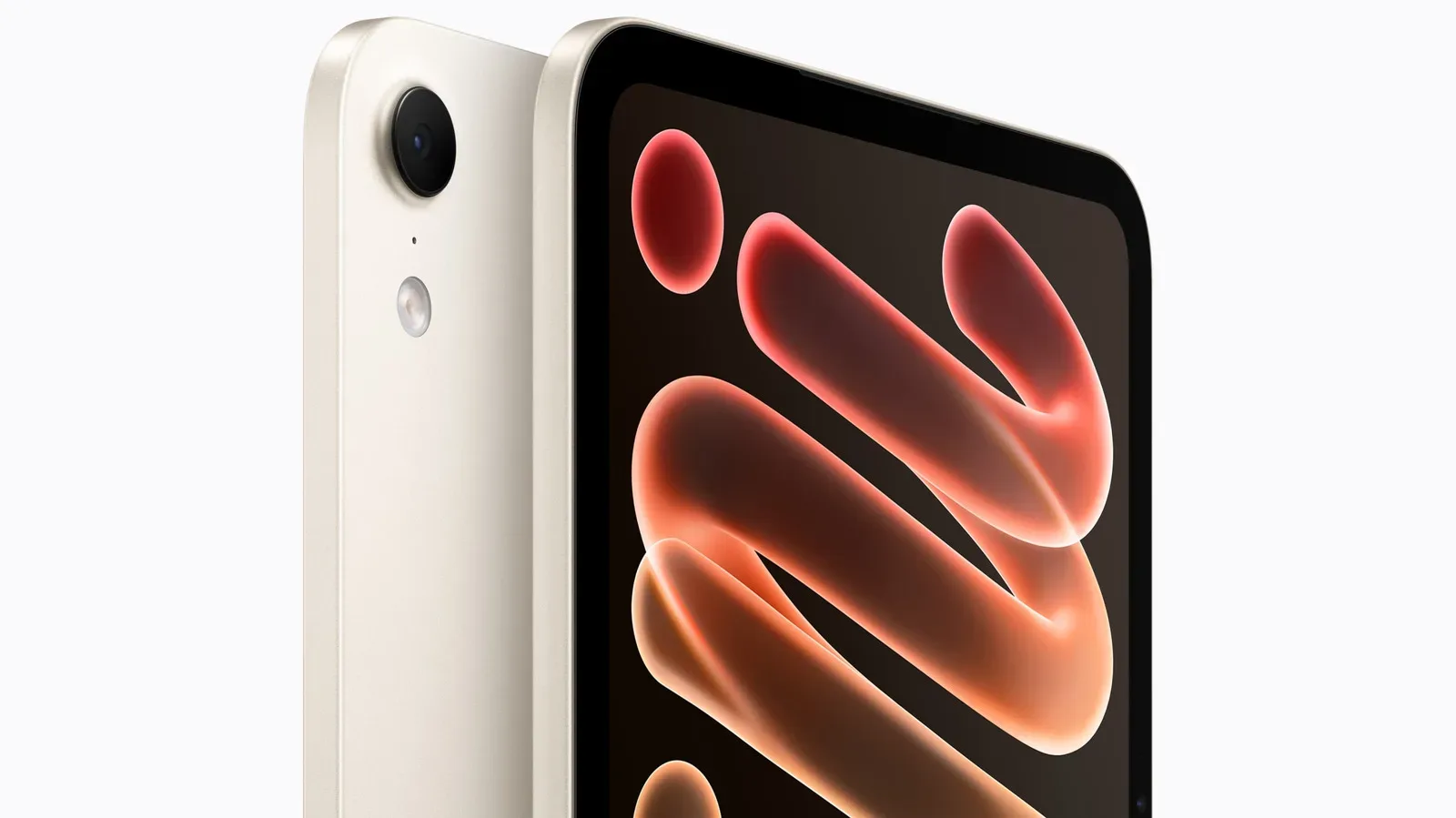
Apple’s smaller tablet is also receiving a notable display upgrade. The new OLED iPad mini is Apple’s first smaller-screened iPad with OLED and is positioned as its most affordable OLED iPad, beginning at $699. It uses the A20 Pro chip.
The device is described as almost a millimeter thinner than the preceding version. Its other notable construction change is an Acoustic Display, which removes speaker holes. With those openings gone, the enclosure is sealed, making this the first iPad given a water- and dust-resistance rating: IP67.
IP67 is an ingress-protection rating. “Ingress” refers to material entering a device enclosure, such as dust or water. The rating signals that Apple is assigning a defined resistance classification to this iPad rather than merely describing it as sealed. It should not be treated as a reason to take unnecessary risks with electronics, and the provided details do not outline warranty terms, test conditions, or usage limits beyond the rating itself.
For people who use compact tablets as secondary screens, travel devices, reading machines, or touch-first game platforms, the combination of an OLED display, thinner body, A20 Pro chip, and a sealed design is the central story. Apple’s information does not list specific games, frame-rate claims, or controller-focused features for this iPad mini, so any performance conclusions would be premature.
M6 reaches the entry MacBook Pro and iMac
Apple has also updated the entry-level 14-inch MacBook Pro and the 24-inch iMac with M6 chips. These two models received little in the way of changes beyond that processor update.
The 14-inch entry MacBook Pro starts at $1,999. The 24-inch iMac starts at $1,499. The pricing makes the separation inside the Mac lineup clear: buyers looking for the new OLED touchscreen design are entering at the far higher PROLED MacBook Pro price point, while the M6 updates serve the more conventional laptop and desktop offerings.
That creates three distinct purchase paths based on the announced details. The PROLED MacBook Pro is the option for those specifically seeking the new display technology, touch input, thinner and lighter design, and M5 Pro or M5 Max configurations. The OLED iPad mini is the lower-cost route into Apple’s OLED tablet range, with the added IP67-rated enclosure. The M6 MacBook Pro and M6 iMac are processor-refresh choices for people whose needs do not depend on those larger design shifts.
Australia and New Zealand are first in the rollout
Australia is the first country where the new hardware can be purchased at an Apple retail location. Customers in Australia and New Zealand with preorders are the first to begin receiving their devices, which means early photographs and owner impressions are likely to emerge as the products get into regular use.
Availability is not uniform across the range. Online orders for the PROLED MacBook Pro are not expected to ship until late November or early December, and in-store inventory may be limited. In contrast, the OLED iPad mini, 14-inch M6 MacBook Pro, and M6 iMac are expected to be readily available.
After Australia and New Zealand, sales and deliveries are set to expand through Asia, the Middle East, Europe, and then North America. That staged schedule means the first meaningful public impressions will arrive before many prospective buyers in other regions can see the hardware in person.
For now, the confirmed facts are substantial but focused: Apple has put touch and OLED together on a Mac for the first time, redesigned its high-end MacBook Pro around that display shift, given the iPad mini OLED and an IP67-rated sealed construction, and refreshed two other Macs with M6 silicon. The unanswered questions concern day-to-day software use, real-world display impressions, stock levels for the premium laptop, and how developers choose to treat touch as an input option on macOS.